



Masataka Yoshida's Future in Doubt? Boston Red Sox Management Faces Multiple Options



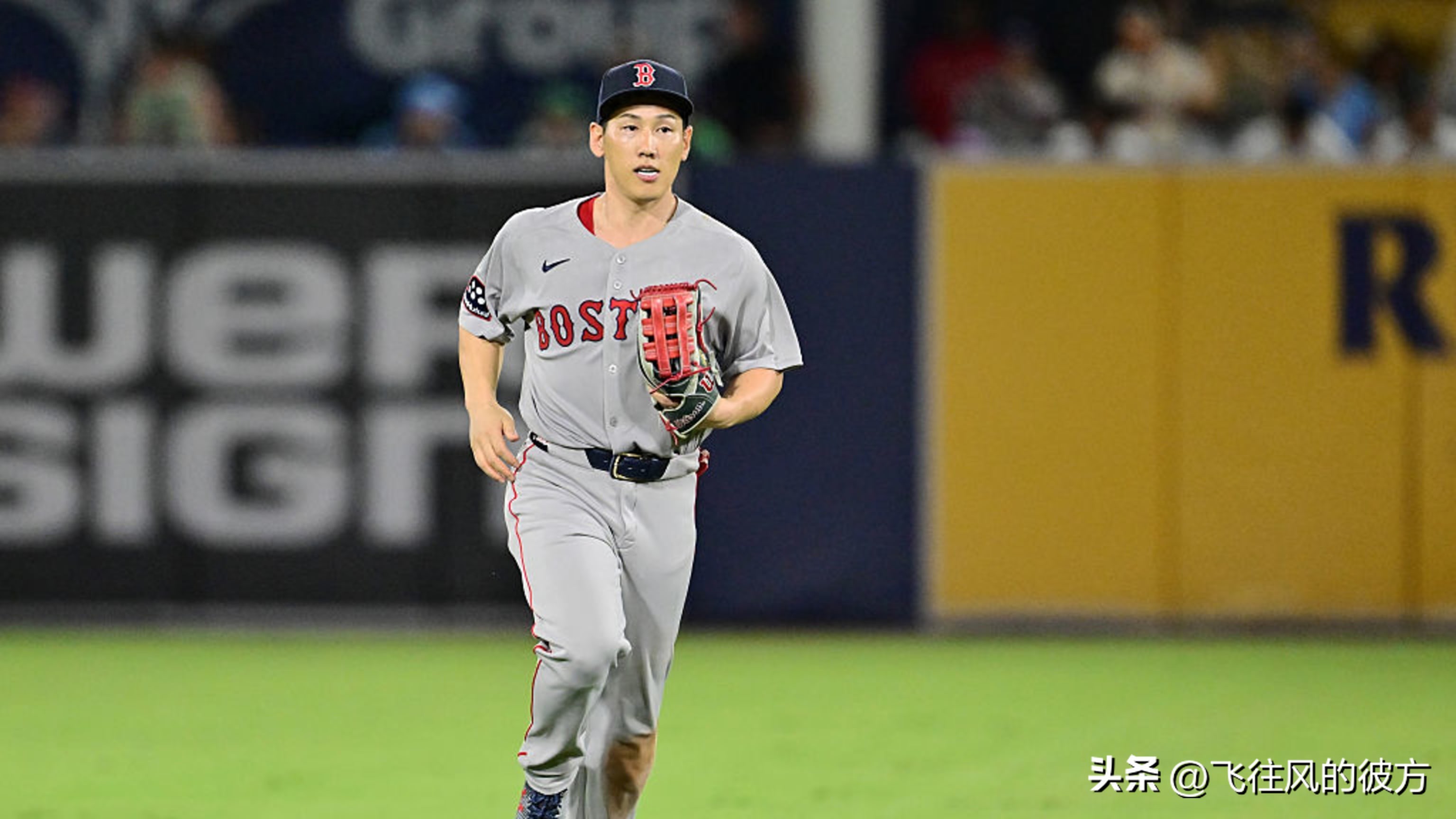
Japanese outfielder Masataka Yoshida’s recent tenure with the Boston Red Sox has been difficult to assess. On the whole, he has provided some value to the team without weighing it down, yet doubts about his defense have lingered. His prior five-year, $90 million contract included a signing bonus of over $15.37 million, and he still has two years left worth $37.2 million.
This contract’s value was based on former Red Sox Chief Baseball Officer Chaim Bloom’s expectation that Yoshida’s hitting prowess would successfully translate to the major leagues. Yoshida has indeed maintained his batting skills, with a standardized offensive index (OPS+) of 109, above the league average, but his lack of power limits his threat level. On other teams, he would still be considered a valuable hitter.
According to MLB official analysis, the Red Sox currently have four options for handling Yoshida’s contract:
1. Maintain the Status Quo
Although bearing a relatively high $18.6 million salary for a non-regular starter, if the Red Sox remain playoff contenders, his batting depth and outfield rotation value can still contribute.
2. Trade Other Players to Create Roster Space
The Red Sox’s second and third base positions are not yet settled; trading some players could increase Yoshida’s playing opportunities. He appeared in only 55 games last season due to injury.
3. Trade Yoshida at a Discount
The Red Sox would cover part of the remaining salary in exchange for limited returns. Yoshida’s weighted runs created plus (wRC+) of 110 remains above league average; in fact, 10 teams in the league cannot field four hitters of comparable caliber.
4. Buy Out the Contract Directly
This might be the least desirable choice, as the Red Sox would have to pay the entire remaining salary, forfeiting the chance for a rebound in his hitting form, and only freeing up one roster spot.
Japanese players entering MLB often face challenges of defensive downgrade. Since Ichiro Suzuki’s legendary ten consecutive Gold Gloves in the AL outfield, few successors have matched that level. Cubs’ Seiya Suzuki has shifted from right field to designated hitter in recent years. This winter, infielders Kazuma Okamoto and Munetaka Murakami, who entered MLB via the posting system, have also undergone strict defensive evaluations that affected their market value.


Wonderfulshortvideo
JJK openings are all BANGERS 🔥


Throwback to when Brady Singer woke his parents up on Christmas morning and paid off all of their debt 🥹
YOU’RE NOT GONNA UNDERSTAND 😫 IT’S BTS ‼️ IT’S BTS ARMY🫰
thinking about the cottage <3
THE WAIT IS ALMOST OVER! 😭
Tatsuya Imai with a message to @Houston Astros fans! ☄️
Rough time to be a Conformity Gate believer 😶
 Links
Links
 Contact
Address:UNIT 1804 SOUTH BANK TOWER, 55 UPPER GROUND,LONDON ENGLAND SE1 9E
Number:+85259695367
E-mali:[email protected]
 App
App


