



Bo Bichette is proactively embracing a new chapter in New York by willingly adapting to a third base transition.



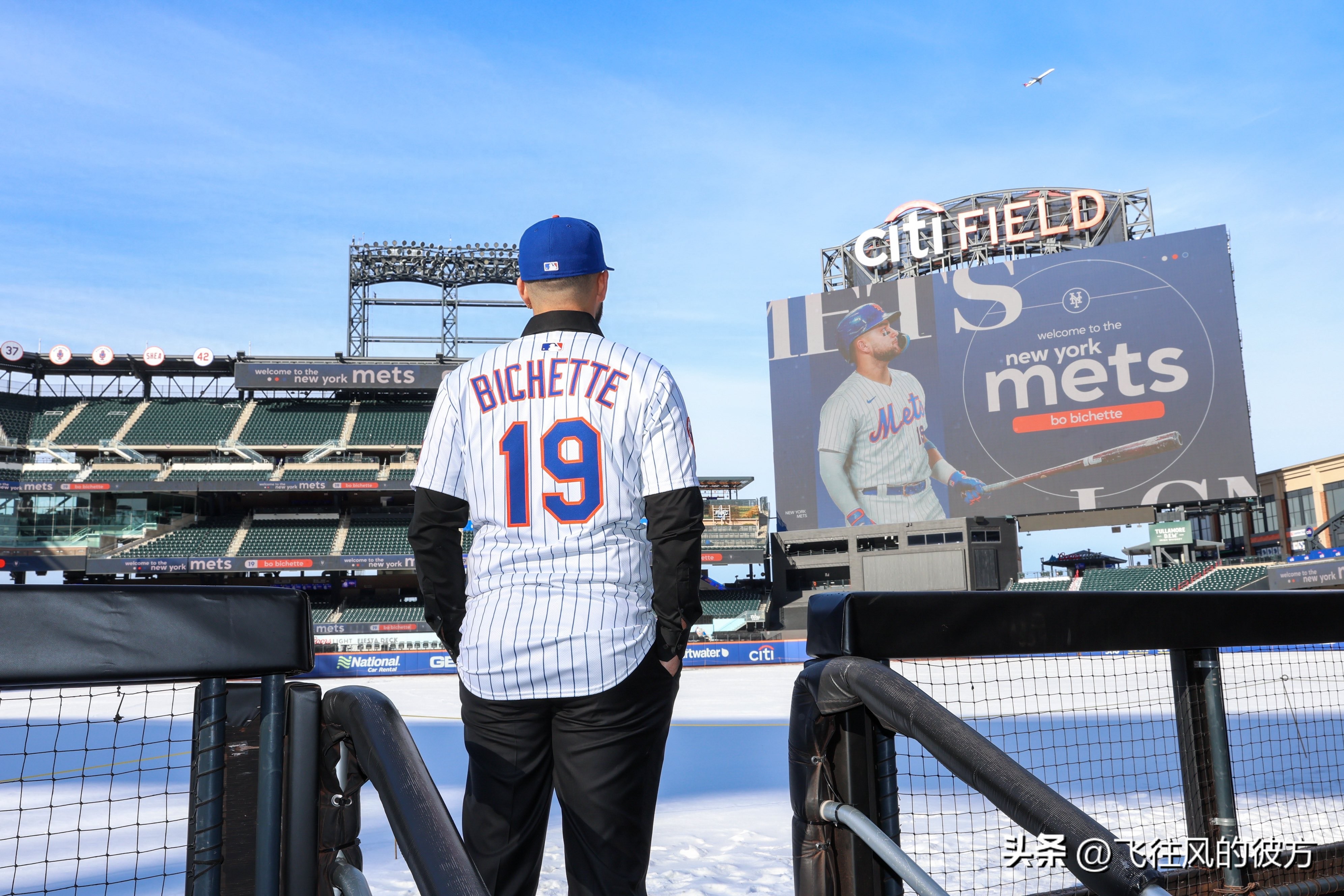
Bo Bichette’s defensive transition has already started quietly. Prior to heading to New York for his contract unveiling, the new Met was practicing grounders at third base at home. This may be a modest beginning, but it marks a significant change.
For the Mets, who targeted "lowering runs allowed" this offseason, signing the natural shortstop Bichette for $126 million over three years and immediately asking him to move to third base—a position he hasn’t played since high school—seems puzzling. Adding to the unconventional plan, they also signed Jorge Polanco to a two-year deal and assigned him to first base, a position unfamiliar to him.
However, the Mets management has their reasons. "Next season, we will have many days with four players who started as shortstops playing in the infield simultaneously," said David Stearns, the Mets’ President of Baseball Operations. "That will be a significant advantage."
Bichette, Polanco, Francisco Lindor, and Marcus Semien have all spent the majority of their major league defensive time at shortstop. But Bichette’s position change is especially crucial—Semien has long proven himself at second base, Polanco will mostly serve as a designated hitter, and first base duties can be shared with players like Mark Vientos. Bichette alone carries a large contract while having to learn a completely new defensive position in live games.
Besides practicing at home, Bichette proactively reached out to former Blue Jays teammate and five-time Gold Glove third baseman Matt Chapman for advice. When spring training begins next month, he will work closely with new bench coach Kai Correa and infield coach Tim Leiper. Bichette joked that he even reviewed the only inning of third base footage of his father Dante Bichette playing for the Angels in 1991.
“All my shortstop instincts were put aside during the World Series,” Bichette admitted. “At that moment, I just wanted to win.”
After missing the first three rounds of the playoffs last year due to a left knee sprain, Bichette returned in the World Series as a second baseman to reduce knee strain, earning praise for five errorless defensive games. Now fully recovered, he told teams during free agency that he was open to playing second base, third base, or shortstop. For him, joining a team that can return to the World Series was the priority.
“Winning is my top priority,” he stressed. Therefore, when the Mets made their offer, Bichette had no resistance to moving to third base. The team’s management is confident too—despite Bichette’s poor defensive range metrics at shortstop last season, they believe shifting him to the right side at third base will help maximize his skills.
“Usually, even if a shortstop lacks range, they can show good defensive coverage when moved to other positions,” Stearns explained. “Bo is fully capable of handling third base.”
If Bichette can deliver acceptable defense at his new position while maintaining last season’s batting line of .311/.357/.483, the Mets will gain a vital contributor. Although his contract includes opt-out clauses after the first two years, the 27-year-old chose New York with the intention of a long-term commitment.
“I understand the challenges New York presents, but I won’t shy away,” Bichette said firmly. “The fans here hold you accountable, which is a positive motivator for a player eager to break through.” Currently, his only "move" is a shift from shortstop to third base—not leaving Queens.


Wonderfulshortvideo
Mets acquire OF Luis Robert Jr. from White Sox for INF Luisangel Acuña and RHP Truman Pauley, per multiple reports including MLB.com's Mark Feinsand.


Congratulations to the new Hall of Famers!
Welcome new Hall of Famer Andruw Jones! 👏
 Links
Links
 Contact
Address:UNIT 1804 SOUTH BANK TOWER, 55 UPPER GROUND,LONDON ENGLAND SE1 9E
Number:+85259695367
E-mali:[email protected]
 App
App


