



MLB Commissioner Manfred Speaks on Initial Labor Negotiation Proposals



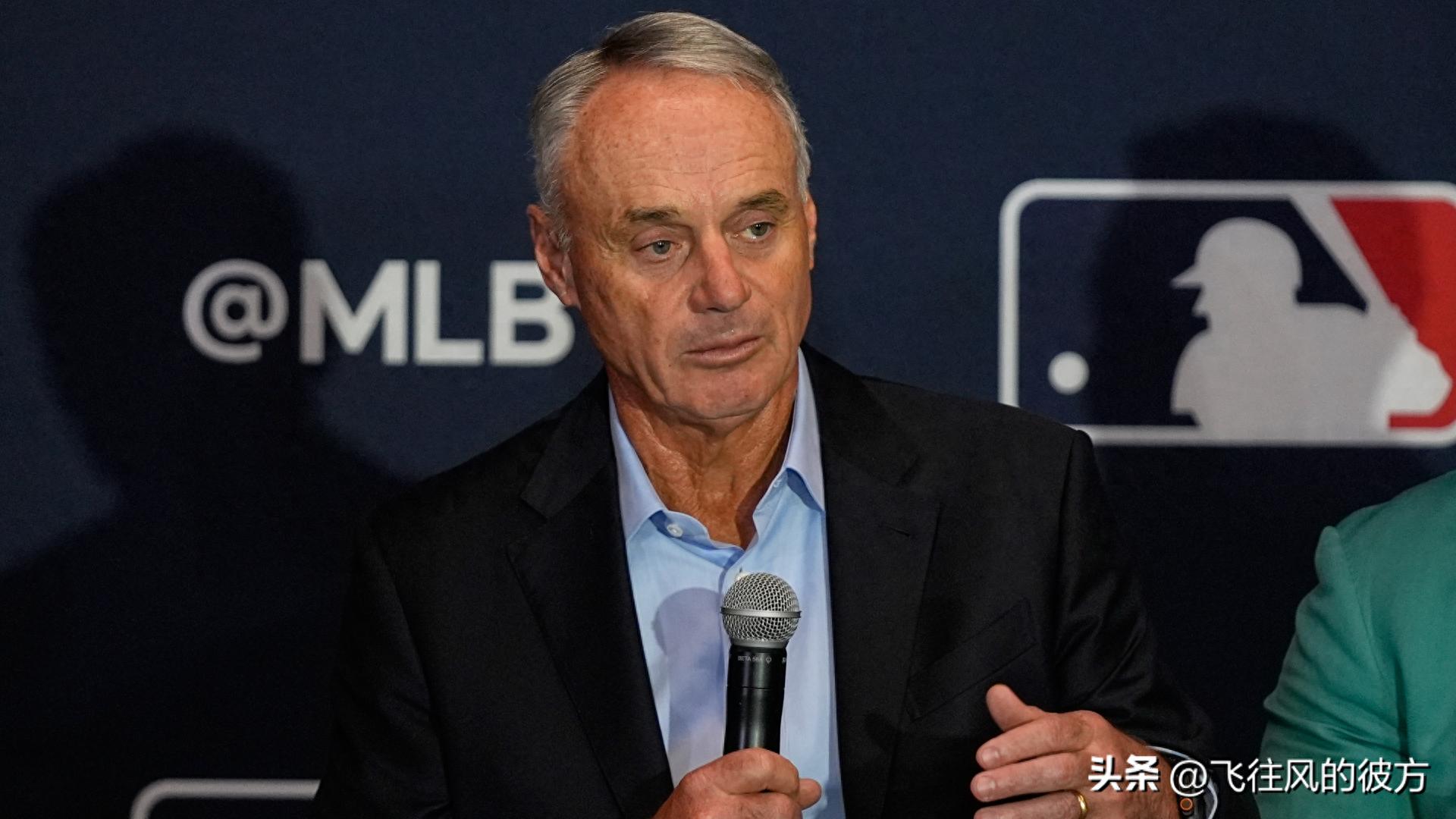
A week following the exchange of initial proposals between MLB and the players' union, marking the start of formal labor talks, Commissioner Rob Manfred dismissed assertions that the league's suggested salary cap and minimum salary structure would cause an immediate drop in player pay.
Bruce Meyer, the union's interim executive director, stated this week that players would have lost over $500 million if the league's proposal had been implemented in 2026, a claim Manfred strongly denied.
"Our initial proposal was specifically designed to ensure that in the first year of the contract, major league players earn more than they would have in 2026," Manfred said during a press conference at today's owners' meeting. "Any suggestion otherwise is inaccurate."
The league's initial proposal includes a salary cap and floor, with no team exceeding the cap and all teams required to meet the floor. In 2027, the salary floor would be set at $171.2 million, meaning 12 teams would need to collectively increase their payroll by $617 million to comply. The proposed 2027 salary cap is $245.3 million, requiring eight teams to collectively cut their payroll by $578 million. The cap and floor calculations would use the competitive balance tax payroll metric, which includes benefit costs consistent with the current system.
The players' union has repeatedly insisted it will not agree to a salary cap in the new agreement, but Manfred noted that the negotiation process leaves nearly all topics open to change.
"I'm a simple person when it comes to labor negotiations," Manfred said. "Everyone has the right to put forward their proposal. I think if I said, 'I'm not going to raise the minimum salary no matter what,' the union wouldn't say, 'Okay, great, then don't set a minimum salary.' It's a process. We believe we've put forward a proposal that addresses the most significant business concerns for us, and we believe resolving that concern will bring substantial benefits to both owners and players."
MLB's competitive balance tax was designed to level the playing field for all 30 teams, but Manfred acknowledged it hasn't had the intended effect since its inception nearly two decades ago. Over the past decade, large-market teams have dominated MLB's regular season and playoffs. Since 2012, only one team from the bottom 15 markets has won the World Series, while under salary cap systems, multiple small-market teams have won championships in other major leagues.
"We've tried everything we can in the last few rounds of bargaining to address competitive balance with the competitive balance tax, but sometimes you have to admit failure," Manfred said. "If you look at the total tax payments over the years, we've never seen the competitive balance tax as a revenue generator. When you see more and more tax being paid, you realize it's not the kind of speed bump that helps solve competitive balance issues." The proposed salary cap would be slightly higher than the current $244 million competitive balance tax threshold.
"We want to make a deal," Manfred said. "We put proposals on the table at the start of negotiations covering a range of issues. We're open to anyone's ideas, but we need a practical framework to address fans' concerns about competitive balance. You can't ignore the fact that financial penalties haven't achieved our goal."
The date for the next round of negotiations between MLB and the players' union has not been set, but after exchanging initial proposals, Manfred is eager to continue the process.
"Every deal that gets done has to achieve some of what we want and some of what the union wants," Manfred said. "Behind every proposal are goals. We're studying their proposal to figure out what they're trying to achieve, and whether we can meet some of those goals while still achieving what we're after." The current labor agreement expires on December 1st.
"I think the proposal we put forward lays the foundation for a constructive dialogue with the players' union on how to address our fans' top concern—the lack of competitive balance in the game," Manfred said. "We'll get back to the table, hopefully have productive conversations on the issues already raised, and complete the process. There are many issues we haven't even started discussing yet. I'm very eager to get back in the negotiation room."


Wonderfulshortvideo
📍 Milwaukee


TEOOOOOOO!
Back like he never left. We missed you, Kiké!
Japanese Olympic gold medalists Riku Miura and Ryuichi Kihara stole the show for tonight’s first pitch. 😳
Carson Benge with a CANNON 😮💨
get you a bestie that’ll kiss your boo-boos 😘
Kevin McGonigle couldn’t find the parking lot at Comerica Park on the morning of the team’s home opener. 😭
 Links
Links
 Contact
 App
App


