



Unveiling the NBA's Top Villain: Villainous Dillon Is Actually a Teammate Favorite, Helping Two Teams Achieve Comebacks



On January 15th Beijing time, ESPN released a detailed story on the league's premier villain: Dillon Brooks. This player, known as the “villain” who frustrates his opponents, is cherished by his teammates. He has helped both the Rockets and Suns pull off remarkable turnarounds. Here is the full ESPN text—
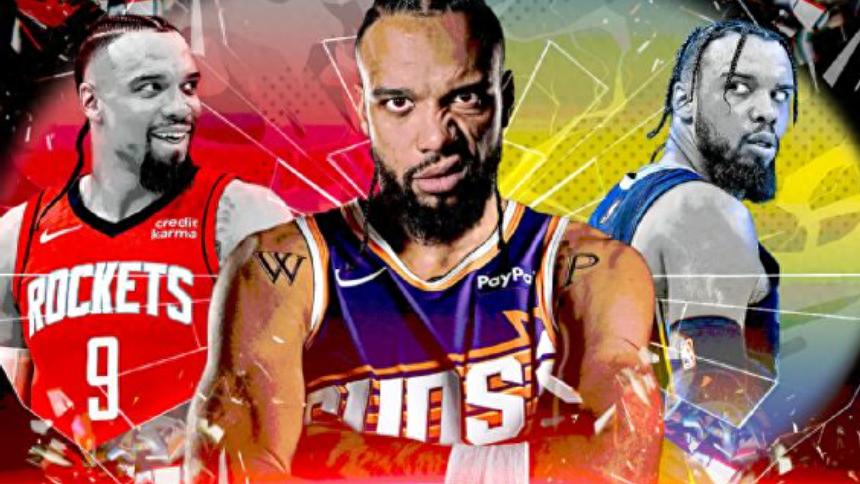
Dillon Brooks has once again been assessed two technical fouls.
During the Phoenix Suns’ first internal scrimmage, this tough and fiery forward—true to his usual style—voiced strong objections to several referee calls.
What amused his new teammates was that the local referee hired specifically for this September training scrimmage quickly issued a penalty to Dillon.
“From that moment, I knew he was different,” Suns guard Gillespie told ESPN with a smile.
After two disastrous full seasons under Suns owner Ishbia, the team was desperate for that kind of “difference.” Despite having the highest total NBA payroll last year, the Suns missed the playoffs and were relegated to the lottery. This forced the outspoken billionaire to rethink his “all-in” strategy—trading Durant, cutting Beal, and parting ways with some of the team’s most prominent and costly acquisitions.
Ishbia felt the Suns’ frequent lackadaisical attitude was even more embarrassing than their poor 36-46 record.As a former non-scholarship guard under Michigan State’s legendary hard-nosed coach Tom Izzo, Ishbia wanted his team to embody that same relentless grit and toughness. Enter “villain” Dillon—the veteran wing with endless fire—who was a key piece insisted upon by the Suns in the Durant trade from the Rockets. Dillon may be best known for his exaggerated trash talk and controversial aggressive tactics, but he describes himself as “a contagious breath of fresh air and energy.”
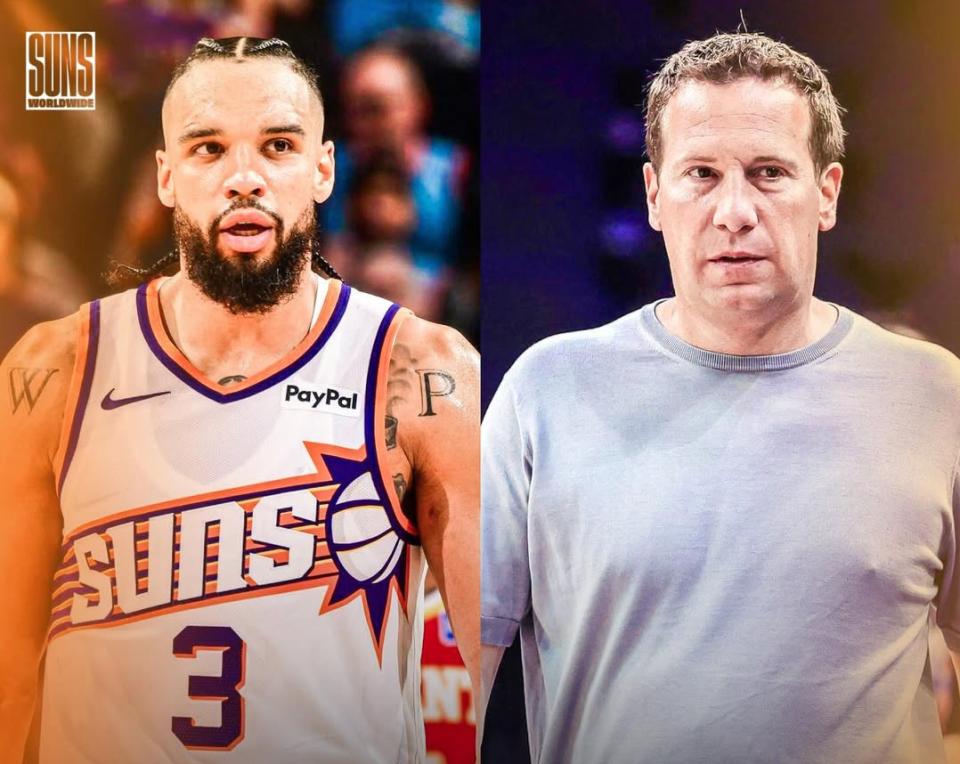
Just like the Rockets did a few years ago, the Suns fully embraced Dillon, quirks and all, hoping he would become the central force in reshaping the team’s culture.
“He’s exactly the kind of player who fits what we stand for in Phoenix and matches our team’s identity,” Ishbia told ESPN. “Before practice, he shoots more than anyone else; he cares about winning, plays hard on both ends, leads, is tough, and can do it all.”
“We wanted Dillon from the start. In terms of culture, leadership, and on-court impact, I had very high expectations for him—and he has exceeded them.”
Midway through the season, the Suns have become one of the NBA’s biggest surprises—previously predicted to miss the playoffs again, they currently hold a 24-16 record, ranking 7th in the West, just half a game behind the Rockets.
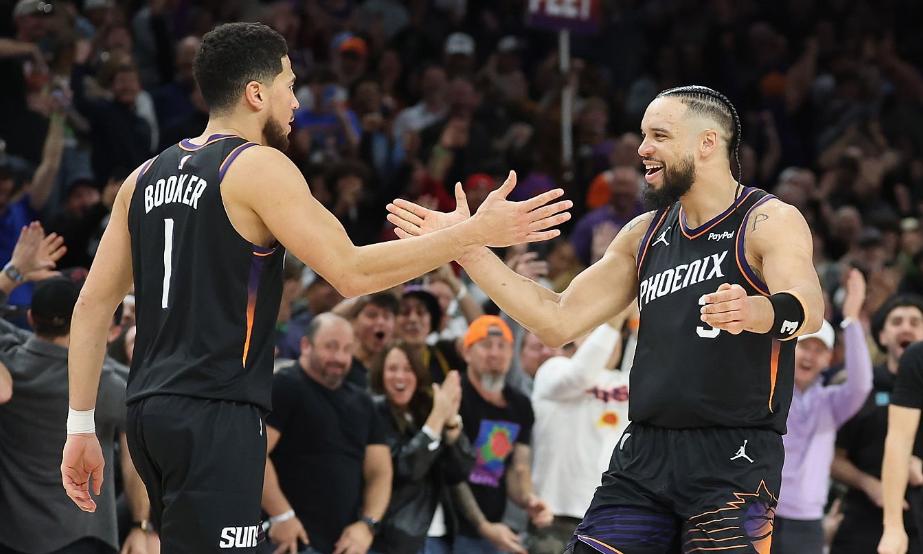
Dillon’s influence is immense; his fiery play has helped shape the team’s hardworking mentality. As the second scoring option alongside star Devin Booker, Dillon is averaging 21.3 points per game this season, marking the best offensive output of his nine-year career—an unexpected bonus.
“Anyone matched up against him, annoyed by him, or caught in his provocations knows he’s the teammate you want,” Booker said. “Especially since he also guards the opposing team’s stars. Maybe they still score on him or put up nice stats, but you know he always impacts the game somehow. I’ve felt that from the other side, so I have a lot of respect for him.”
“Like everyone says, he’s the kind of player you want on your own team. Fans of other teams may hate him, but if he’s on your side, you’ll support him all the way.”
Weeks after being traded to the Suns, Dillon visited Cox Pavilion at the University of Nevada, Las Vegas to say goodbye. The Rockets’ summer league team was playing there, and Dillon wanted to see GM Rafael Stone and the front office staff one last time.
Sitting courtside with the Rockets’ executives, Dillon shared warm conversations and mutual gratitude—quite a contrast to the estrangement that marked the end of his six-year stint with the Memphis Grizzlies in 2023.
Dillon takes pride in having contributed to the Rockets’ turnaround over the past two seasons. He harbors no resentment about being included in the trade that brought a Hall of Famer (Durant) to Houston to fill their top scorer vacancy.
“Stone kept telling me they didn’t want to include me in the trade,” Dillon said. “They wanted to keep me to help build the team. But when you get a chance to acquire a player like Durant, you just can’t say no. And they’re playing well now, not falling apart like the Grizzlies.”
Two summers ago, Stone signed Dillon to a four-year, $86 million deal amid huge pressure—Dillon’s tenure with the Grizzlies had ended ignominiously, and the contract drew widespread criticism.
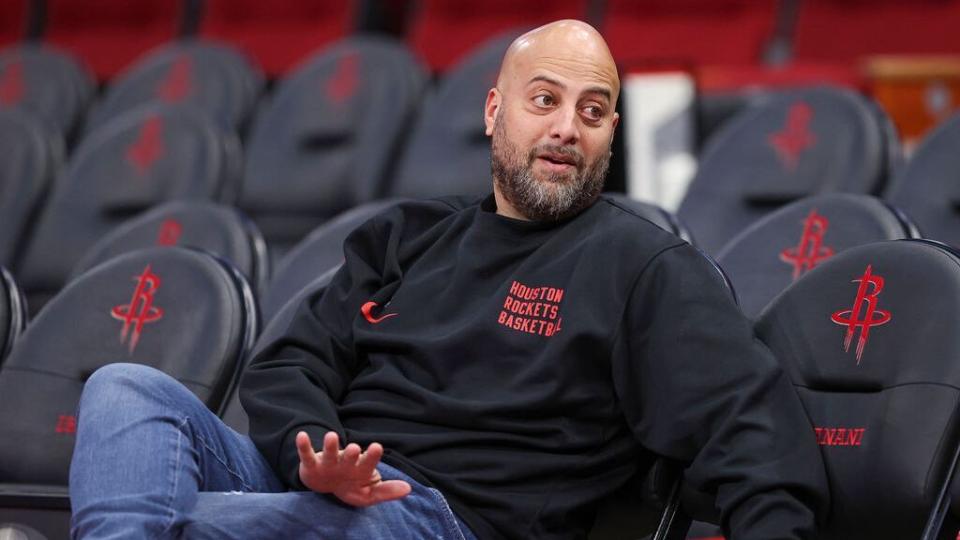
“I think a lot of people underestimated me, expecting I’d be like those players who shined briefly but couldn’t adjust to the league and eventually disappeared,” Dillon said. “I didn’t want to fade away, be forced to play overseas, sit idle at home, or change my career path. I love basketball; I play because I truly love it. I knew I had to work hard and improve every day.”
Even before the drama Dillon caused in the 2023 playoff first-round series against the Los Angeles Lakers—where he contemptuously called LeBron “old” and boasted “I like to provoke the strong”—the Grizzlies management had already lost patience. The team was eliminated in six games.
(This rivalry continued during their recent matchups: on December 2nd at the Crypto.com Arena, Dillon scored 33 points in a win over the Lakers and was elated; 13 days later, at the Suns’ home loss to the Lakers, he hit a go-ahead three-pointer in the final minute but collided with LeBron and was ejected.)
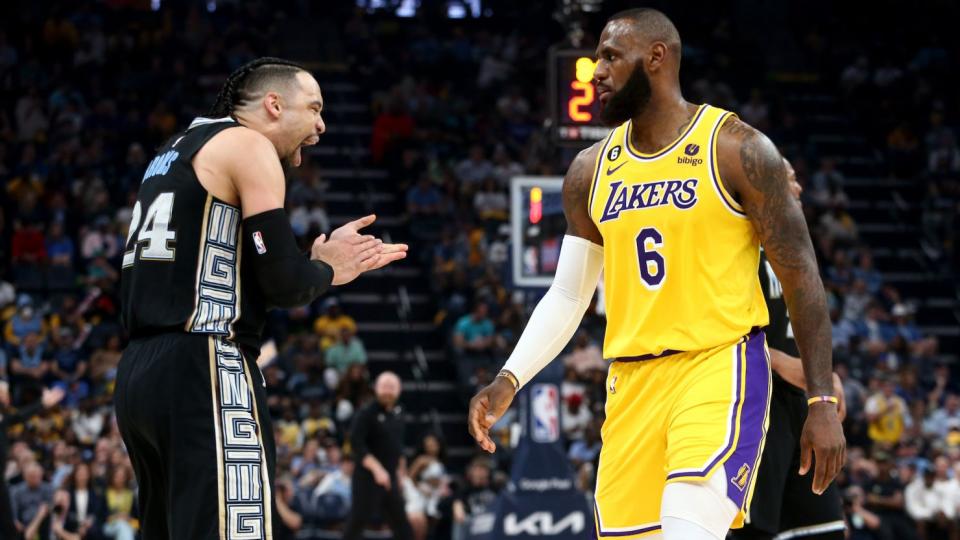
Sources say the Grizzlies did not attempt to retain Dillon in free agency partly because management feared his endless trash talking and provocative behavior would negatively affect the team’s young core.Drafted in the second round in 2017, Dillon was once a leader during the Grizzlies’ rise but later became a symbol of a team known for “loud mouths without enough skill.”
“I feel there was no trust left between players and management,” Dillon said. “Now you see their situation. Honestly, if we had kept that core together for two more years, we could have reached the Thunder’s current level. We just needed to fix injuries at the end of the season.”
“I was just doing what I was supposed to do but somehow became the scapegoat... I felt I was treated unfairly, but that motivated me to improve, to reevaluate myself, and to commit to building something truly mine—work ethic, professionalism, and proving I can fit in anywhere.”
Meanwhile, the Rockets hoped Dillon would influence their young core. As the rebuild entered what owner Fertitta called “Phase Two,” the Rockets banked on Dillon’s toughness and professionalism, alongside free agent VanVleet and new coach Udoka, to set the team’s tone.
After languishing near the bottom of the Western Conference for three seasons, the Rockets posted a 41-41 record in 2023-24 and an impressive 52-30 last season. Dillon embraced his role as mentor and defensive anchor, accepting his usual position as the fifth offensive option in Houston’s starting lineup.
“He helped change the culture here,” Rockets guard Amen Thompson said, then a rookie when Dillon joined Houston. “I think Houston fans love and support him; he’s like a big brother to me.”
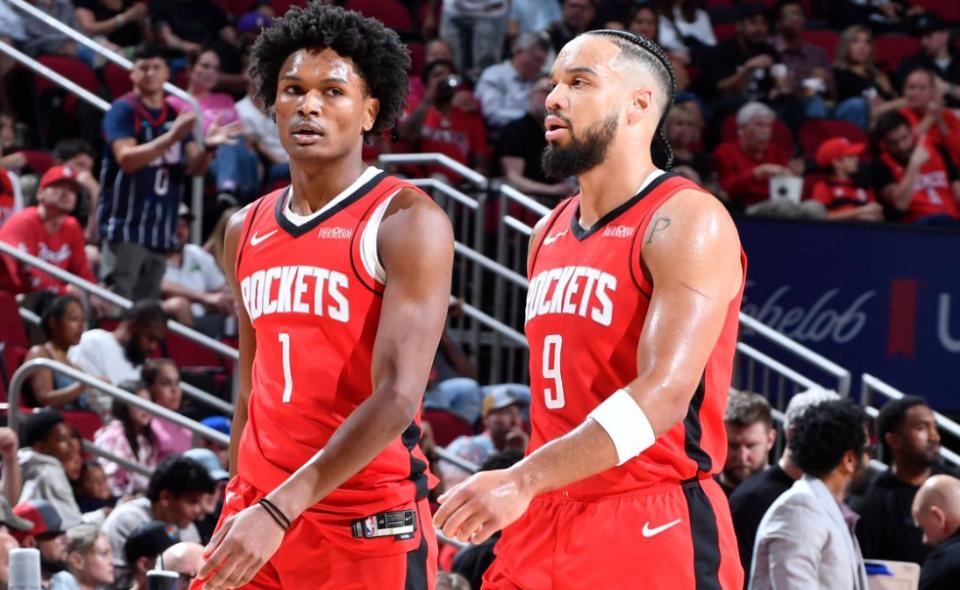
One thing Dillon has never changed is his mindset. On the court, he has never—and will never—be gentle or friendly. He admits seeking confrontation is a way to ignite his competitive drive.Aggravating opponents is a key part of his game and a tool to ensure he never relaxes competitively.
“He’s a great person and teammate, but his competitive fire is so intense that when you’re matched up against him, you almost forget who he is off the court,” Thunder superstar and fellow Canadian national teammate Alexander told ESPN. “For many players, dealing with him can be tricky, but honestly, he brings so much passion to the game. I admire his extreme competitiveness. Often, especially at the NBA level with a packed schedule, players get tired and can’t give their all every night. But he always gives 100% when he steps on the floor, and I respect that a lot.”
“You either give your all or get humiliated by his sheer physicality and energy. It’s not always a technical domination, but you have to go all out; otherwise, he’ll embarrass you.”
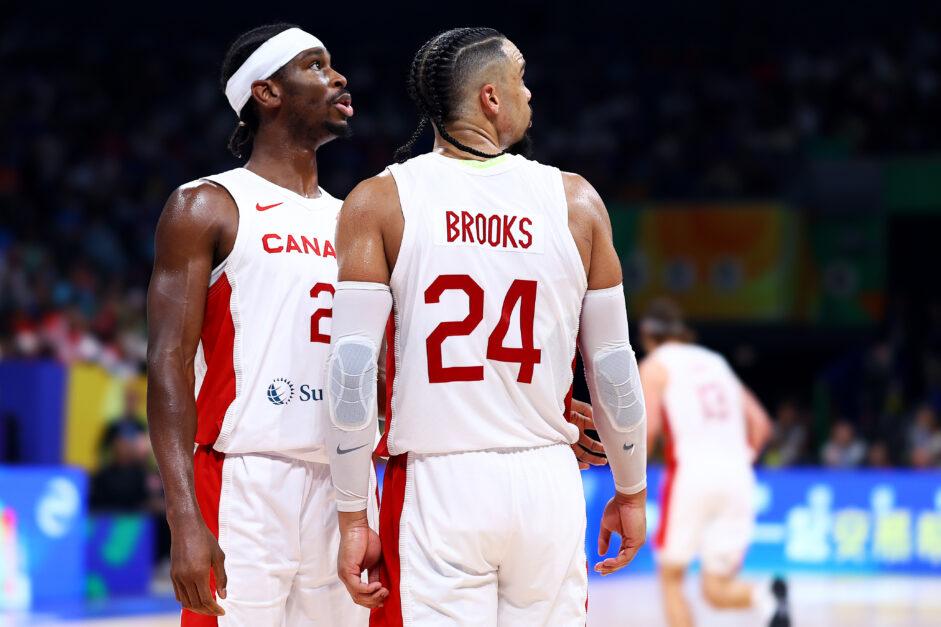
At his best, Dillon balances competitiveness and provocation, but he often crosses the line. In two seasons in Houston, he accumulated 31 technical fouls, including 16 last season that led to a one-game suspension. This season, he leads the league with 14 technical fouls so far.
While Dillon boasts, “Phoenix fans absolutely love my intensity,” he also admits that as he nears another automatic suspension threshold due to technical fouls, he might need to tone it down a bit—and then laughed.
“Some of his provocations are just his style, but I don’t mind the physicality, edge, and all those traits he brings,” Udoka said. “I think if you encourage him more and give him responsibility, he’ll follow you and do what you ask. It might not have been like that in Memphis.”
Despite his constant on-court antics, Dillon takes pride in his professionalism—which he defines by his off-court behavior.
“The me you see on the court might not seem ‘professional’ because I trash talk nonstop,” Dillon said. “I rant, yell, even shout at the crowd, and stuff like that. But that’s only during games; it’s my on-court persona.”
“I arrive at the gym at 7 or 8 a.m. every day. In summer, I get there by 6:30, do two workouts a day, refine my skills, and teach younger players how to plan their training and routines... so they can become their best selves. That’s how I define professionalism.”
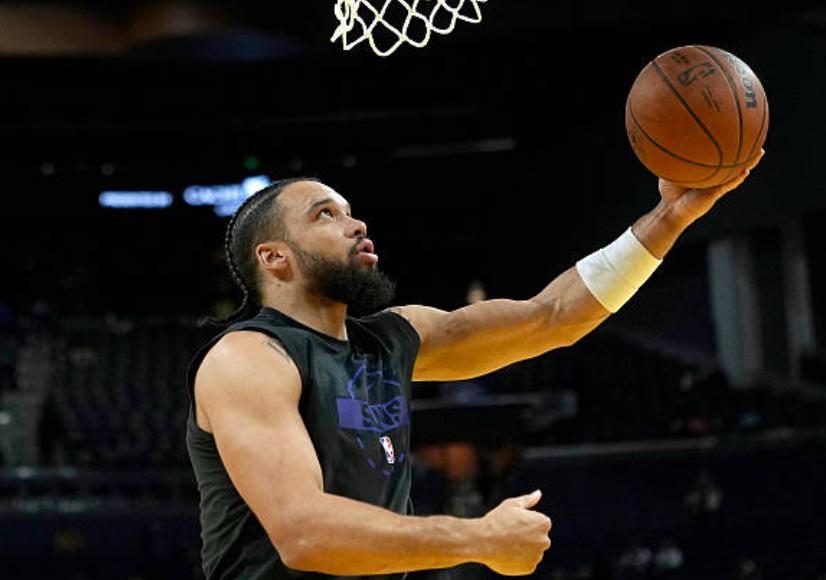
It is this dedication in training, combined with tough defense and relentless spirit in games, that has set a standard for this Suns team.
“He spends more time in the gym than anyone I know,” Gillespie said. “Seeing him work so hard and compete so fiercely, you don’t want to let your teammates down. He pushes you to work harder, challenges you to train with him and fight alongside him on the court.”
“Sometimes he yells at you, and you might not like it, but it definitely makes you a better player.”
Because of this guard’s toughness and commitment to hard work,Dillon gave Gillespie the nickname ‘Little Villain.’
As Booker said, Gillespie embodies the Suns’ new identity as a "well-trained hunting dog"—smart, tough, and resilient. The 1.85m, 26-year-old player entered the league on a two-way contract (first with the Denver Nuggets, then the Suns). This is his first full season with a standard contract. Due to Jalen Green’s hamstring injury limiting him to two games, Gillespie has received more playing time than expected and exploded with averages of 13.2 points, 4.8 assists, and 1.5 steals per game.
Dillon’s affection for Gillespie and other teammates often comes through his loud “tough love.”
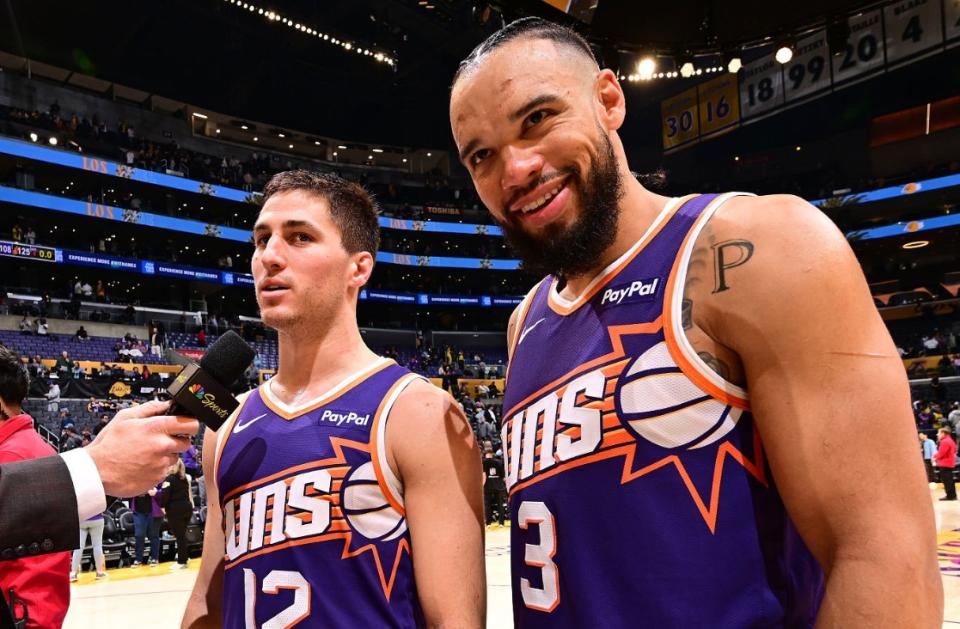
“He yells at people,” Gillespie said. “Especially during games, he gets very fired up, no matter who the opponent is. Usually it’s about defense, but his competitive spirit is intense. He demands accountability from everyone and holds himself to high standards.”
Dillon’s influence stems from the respect he earned through relentless effort and extreme competitiveness. This candid feedback also arises from the strong bonds formed before training camp—Booker hosted a mini-camp at his mountain home in Flagstaff, Arizona, where the team trained at Northern Arizona University, played golf at Pine Canyon Resort, and gathered around campfires late into the night.
“The team atmosphere has always been great,” Booker said.
Dillon knew he was joining a team infused with fresh energy. Rookie coach Otte has earned praise and respect in the locker room for his tactical knowledge, adaptability, and communication skills—seemingly ending Ishbia’s previous three offseasons of frequent coaching changes.
Center Mark Williams, acquired on draft night from the Charlotte Hornets, has also filled the huge interior void in the starting lineup admirably.
Dillon brought unwavering confidence from Houston. After being traded this summer, one of his initial thoughts was that Phoenix would offer him a chance to fully reap the rewards of his efforts.
He understood that with Durant and Beal gone, the Suns needed scorers. He believed he could fill that gap—contrary to the Grizzlies’ coaches and management, who begged him to reduce his shot attempts, and whose data showed he was one of the league’s least efficient shooters.
“I see this as a new starting point to reinvent myself,” Dillon said. “I’m grateful to be somewhere that needs me, where they want big changes and allow me to be myself.”
“I know coming here, I can showcase all the work I put in over the past two summers and prove I’m truly a well-rounded player on both ends.”
Dillon’s shot attempts and makes have reached career highs—averaging 17.3 shots per game with a 45.7% shooting percentage. This season, he has scored 30+ points in three games, two more than his total in two years with Houston.
“Without hard work, his scoring and efficiency wouldn’t have improved so much,” Booker, the Suns’ 25.3 points per game leader, said. “Effort in the shadows eventually brings light, and we’re lucky to witness his behind-the-scenes grind. Seeing someone rewarded for hard work makes me proud. His confidence built through effort and his two-way ability are vital to our team.”
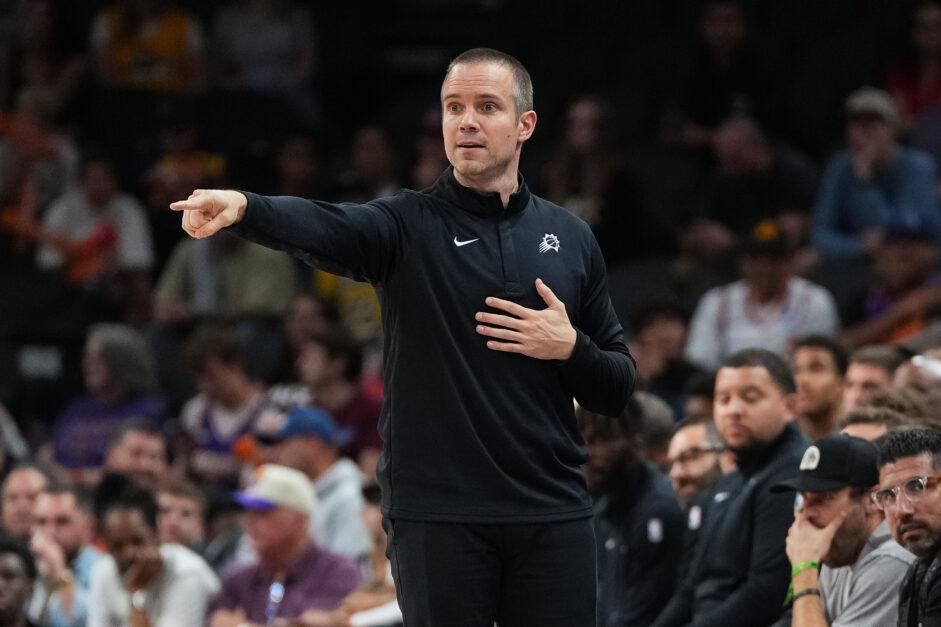
Otte has given Dillon the freedom to shoot those shots the Grizzlies once wanted him to stop taking.This freedom was earned through countless repetitions and performances on the court.
“He gives his all every night and works extremely hard in practice,” Otte said. “The shots he takes in games are exactly the ones he drills repeatedly in training.”
“He is the ultimate competitor.”


Wonderfulshortvideo
Coop makes history 😱


Steph & LaMelo shot the lights out 🤩
What a
Luka & LeBron led the @Lakers to a win, combining for 73-pts on the night 🤩
🏆 Clarkson coming in CLUTCH 🏆
Short… SIKE
LaMelo Ball had an amazing game tonight 💫
 Links
Links
 Contact
Address:UNIT 1804 SOUTH BANK TOWER, 55 UPPER GROUND,LONDON ENGLAND SE1 9E
Number:+85259695367
E-mali:[email protected]
 App
App


