



Yang Hansen's rookie season: navigating challenges and smiling through doubts


Playing 99 seconds, no shots taken, grabbing one rebound—this was Yang Hansen's final regular-season game of his rookie year, and it seemed to encapsulate the entire season. With the upcoming play-in tournament and potential playoffs, I'm unsure if Yang Hansen will get any playing time, but it's certain that he will be excluded from the rotation.
A harsh reality is that throughout his rookie season, Yang Hansen never entered the rotation when the team was fully healthy. Only when Robert Williams or Clint Capela were injured could Yang Hansen get some minutes. Even toward the end of the season, against openly tanking teams like the Wizards and Nets, Yang Hansen couldn't secure more playing time.
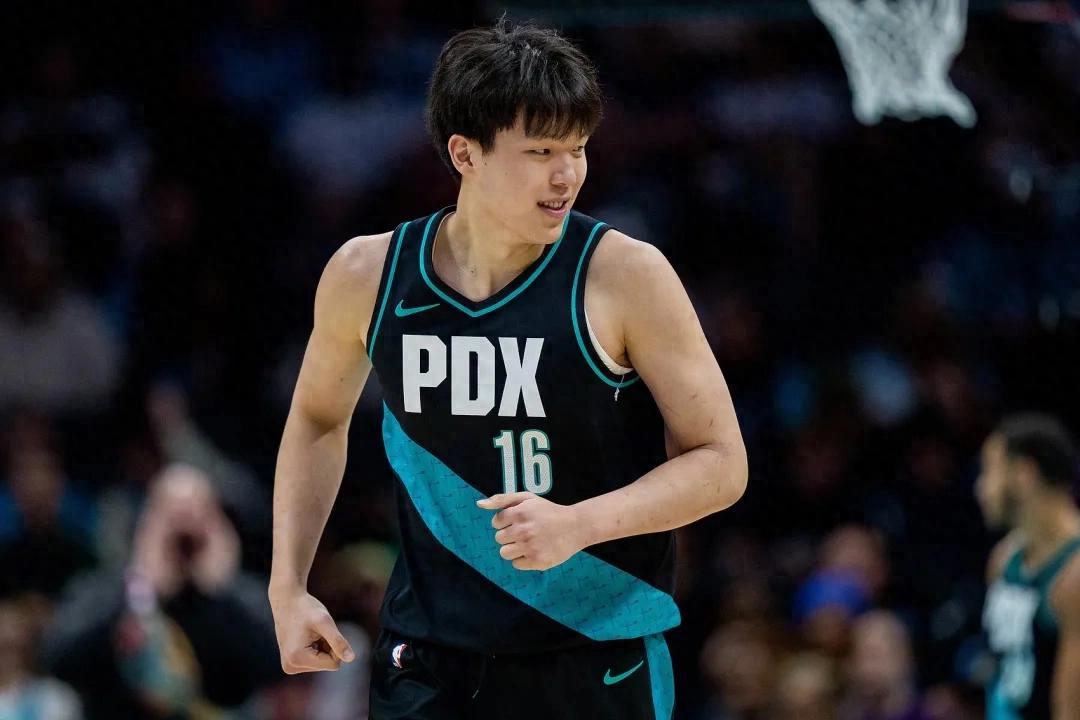
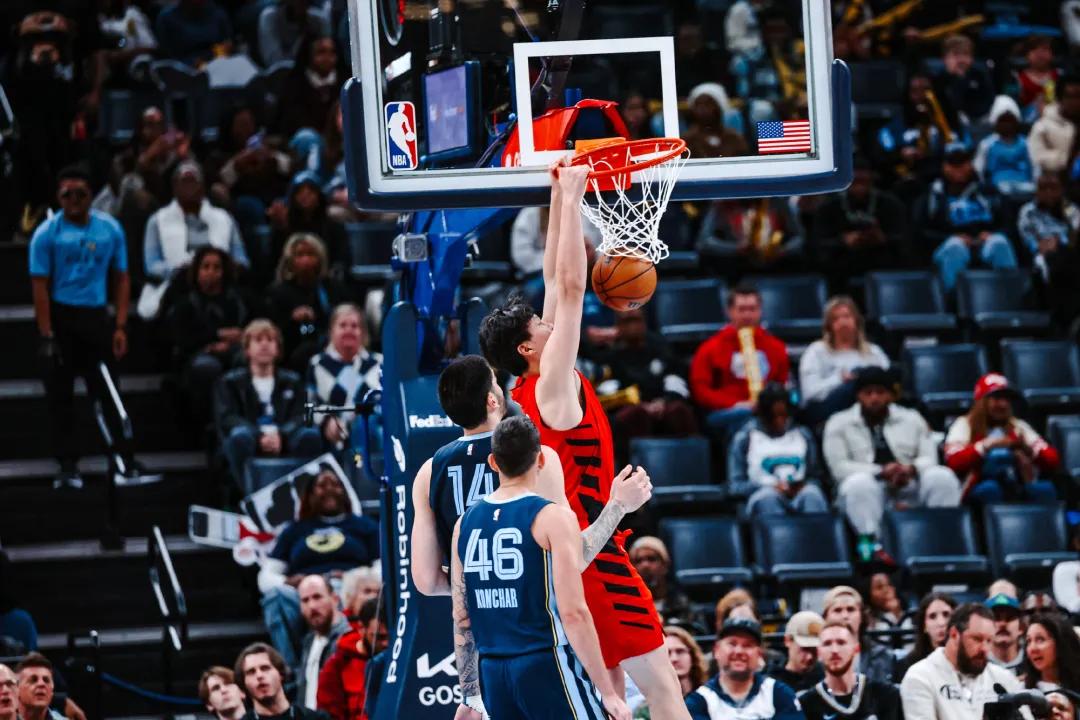
Over the entire season, Yang Hansen appeared in 43 games, which seems substantial, but his longest outing was 19.2 minutes—also his only start of the season. He was quickly forced out early after consecutive fouls drawn by Zach Edey, returned in the fourth quarter adapting to the game intensity, delivering a dunk and a hook shot, but unfortunately was hit in the face by Edey and forced to exit—a play the referee oddly ignored.
Yang Hansen's rookie season averages were 2.2 points and 1.5 rebounds, with a shooting percentage of 31% and a three-point percentage of 11.9%. In fact, he only made five three-pointers all season. While these numbers are bleak, it's important to note that Yang Hansen only received double-digit minutes in 12 games throughout the season; numerous meaningless appearances dragged down his averages.
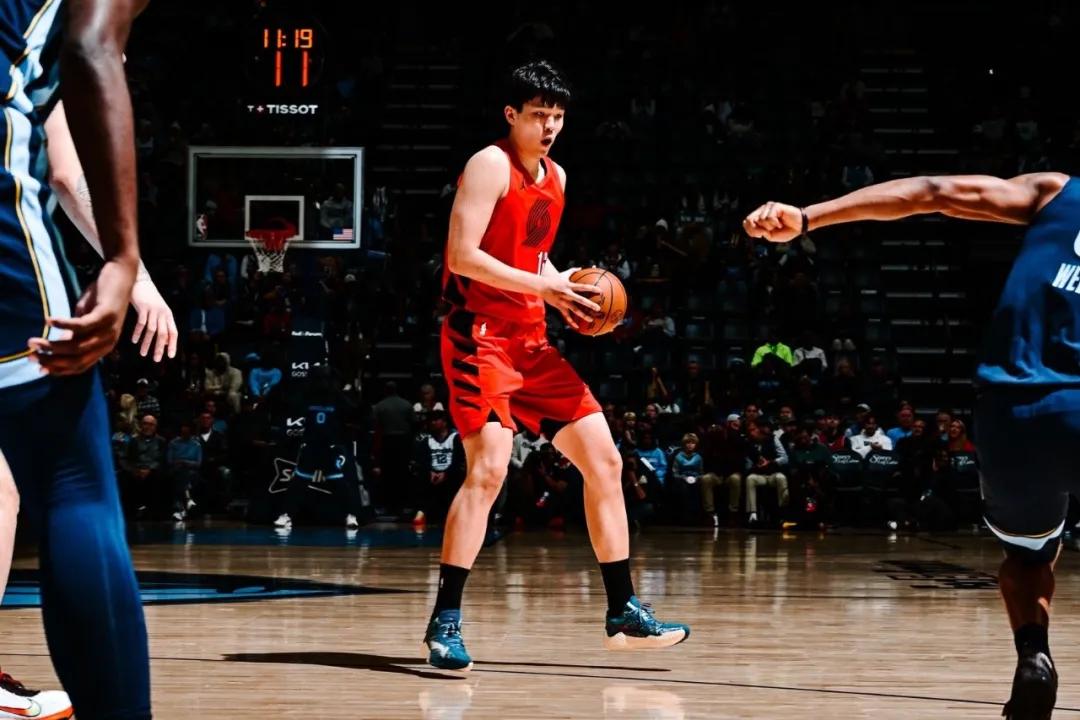
However, in the Portland environment, any playing opportunity for Yang Hansen, even if it meant just running back and forth, was beneficial. From Coach Splitter's attitude toward Yang Hansen early in the season, it was clear Yang Hansen wouldn't break into the rotation this year; averages held little significance for him, and the quality of play within limited minutes mattered more.
Compared to the NBA, the G League was Yang Hansen's main battleground in his rookie season. Initially in the G League, Yang Hansen played somewhat restrained, facing a completely new league, coach, and teammates—as he put it, he "didn't loosen up."
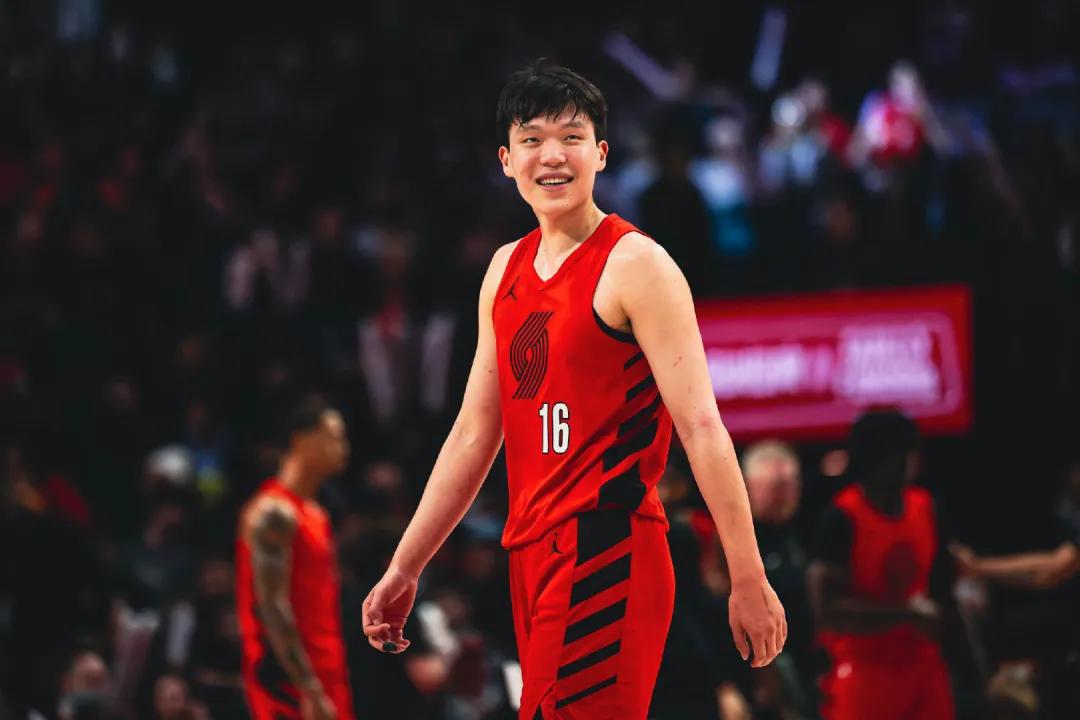
Through repeated recalls and reassignments, Yang Hansen gradually adapted to the G League pace and produced several standout performances. His height was a definite advantage in matchups there, and G League coaches were quite willing to design low-post plays for him; Yang Hansen's efficiency gradually improved, leading to many highlights.
Ultimately, Yang Hansen posted averages of 16.7 points, 9.2 rebounds, 3.3 assists, and 1.5 blocks per game in the G League, with a shooting percentage of 59.2%. Had he played more than 20 games, he likely would have earned a spot on the All-G League Third Team.
For an interior player to achieve such stats in the G League is quite impressive, considering the league is dominated by guards, with few true ball-handling big men. Even as a first-round pick, running back and forth in the G League is common for Yang Hansen.
Yang Hansen rated his G League performance at 60 points; if Portland had allowed him more games there, that score would likely be higher. This season's frequent recalls and reassignments without NBA playing opportunities wasted much of Yang Hansen's energy on constant travel.
At this stage, Yang Hansen lacks the capability to play in the NBA—a fact acknowledged by everyone since his selection last year. Many hoped Yang Hansen could average 6 points and 4 rebounds in the NBA, but reality shows he only gets about 7 minutes per game.
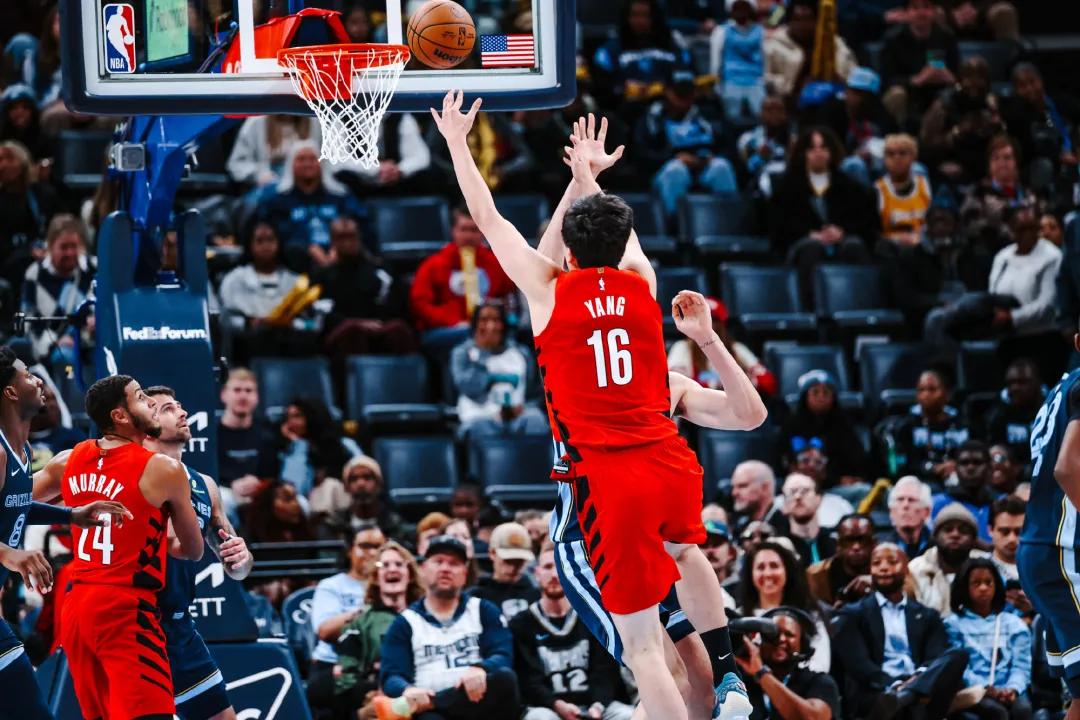
Portland is a team focused on winning. If Yang Hansen were on a team like the Wizards or Kings, achieving decent stats wouldn't be difficult—he'd have ample trial space. But in Portland, his margin for error is extremely low; he only had a couple of chances all season, performed poorly, and was promptly removed from the regular rotation.
Coach Splitter is a head coach determined to keep his job. Early in the season, he heavily taxed players' stamina, briefly pushing Portland into playoff contention, but mid-season injuries emerged and the team's performance declined. Ultimately, Portland's eighth-place finish owed much to veterans like Holiday excelling.
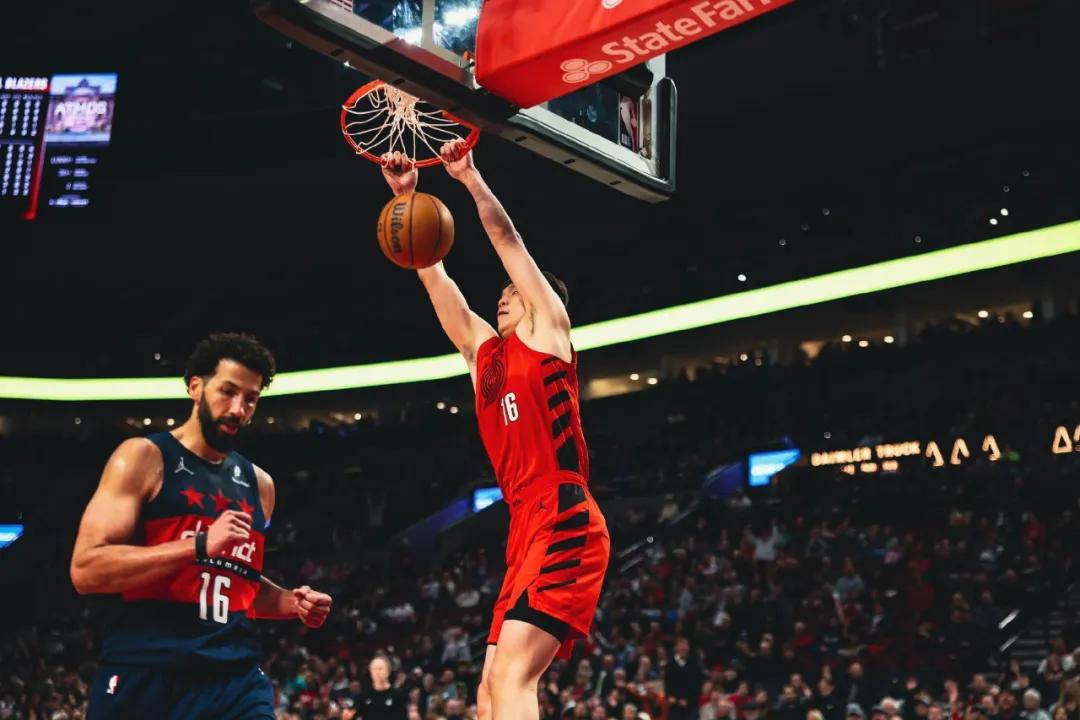
Under Splitter's coaching, Yang Hansen struggled to gain more opportunities—he lacks speed and can't stretch the floor, while his rebounding ability falls far short of Clint Capela and Robert Williams. By the latter half of the season, Yang Hansen's physicality had improved somewhat, but he still needs further training.
Looking at the entire season, Yang Hansen's biggest weakness remains physicality; his pace improved significantly compared to early season, showing the effectiveness of G League training. Against NBA-level physicality, Yang Hansen must continue adapting—he needs to play tougher, seize every available rebound, and enhance his opportunity-conversion ability to possibly enter the rotation next season.
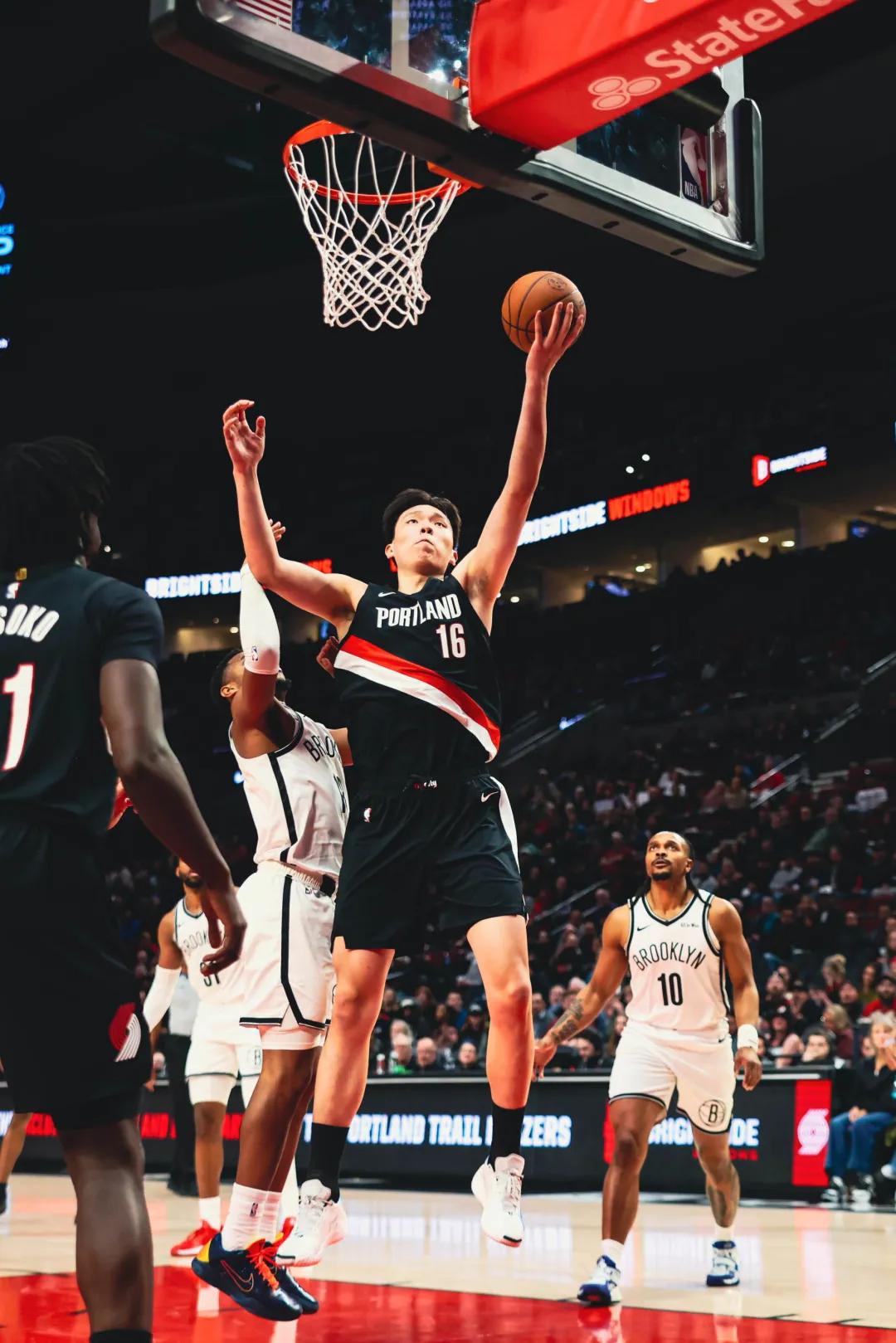
This summer is critically important for Yang Hansen, potentially becoming a turning point defining his career trajectory. Portland's new ownership offers an opportunity for Yang Hansen, though all prerequisites hinge on self-improvement—strength comes from within.
After a season's洗礼, Yang Hansen's personality is well understood—he's a naturally optimistic young man, accustomed to digesting pain and doubt with smiles. But in the NBA's arena of competition, you must let opponents see your teeth.
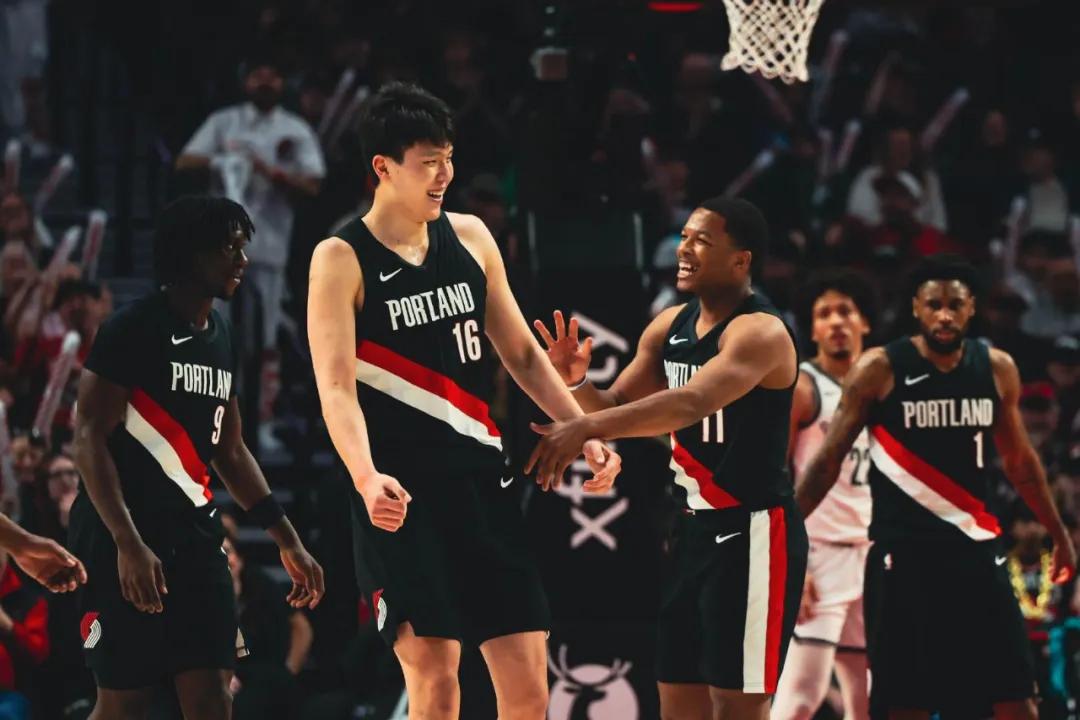
Next season, try to be fiercer, reclaim what belongs to you, and let more people see your capabilities.


Wonderfulshortvideo
THIS IS SO WHOLESOME 😭 @UCLA Health


A special moment for LeBron and Zhuri 🤗
So many kiddos’ autographs on tonight’s shooting shirts 🥹
BACK-TO-BACK triples for Luka Dončić
AR is in his BAG
No ice bath for Luka 😂
Mic'd Up: Laker Girls' Dads Put on Surprise Performance
 Links
Links
 Contact
 App
App


