



Without Durant, the Rockets essentially shot themselves out of the game.


In Game 1 of the Rockets-Lakers series, Durant's absence completely altered the predetermined trajectory of the series. The Lakers had planned to aggressively double-team Durant; seeing that he wasn't playing made things simpler for them. They fully committed to collapsing defensively into the paint, essentially telling the rest of the Rockets: "Just shoot."
The Lakers displayed astonishing offensive efficiency in the first quarter, shooting 78.9% from the field, with a mid-range performance of 12 out of 11 attempts, an incredible 92%. However, by the end of the first quarter, the Lakers only led by 4 points because the Rockets' shooting was also above average; if memory serves, their three-point shooting was initially 6 out of 4. They kept the score close in the latter part of the quarter through their shooting and offensive rebounds.
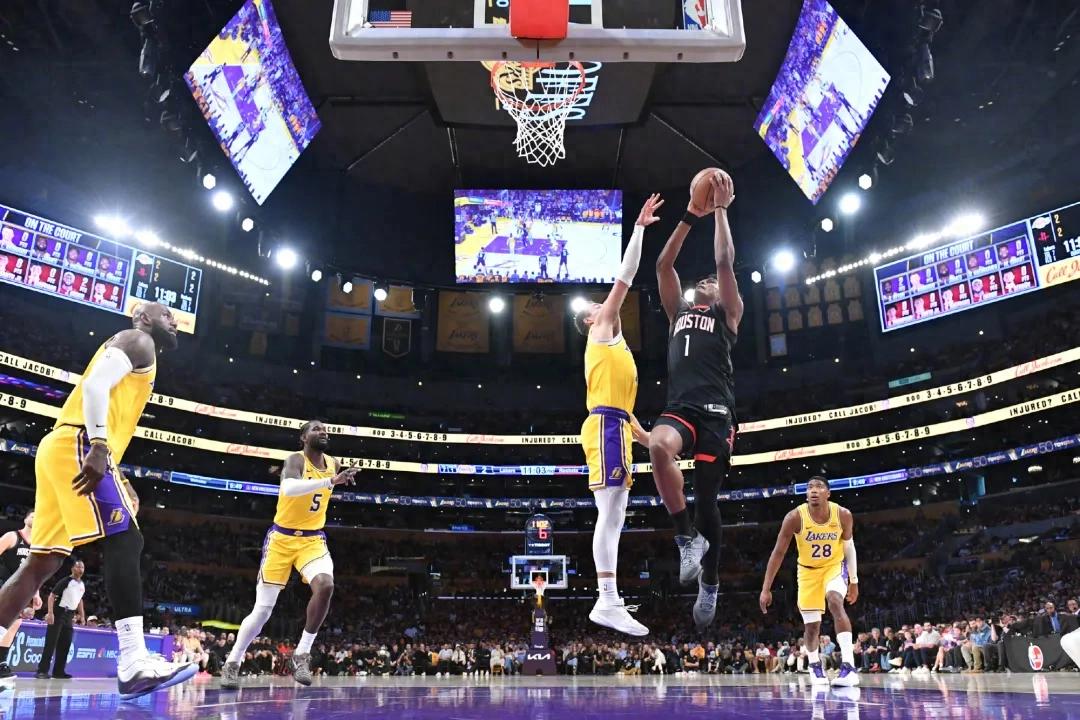
James dished out 8 assists in the first quarter alone, setting a personal playoff record for assists in a single quarter and effectively getting all his Lakers teammates into rhythm. The Lakers' defensive strategy in the first quarter certainly couldn't be called successful, but comparatively, the Rockets' defense was truly ineffective. Sheppard on the court was essentially a natural target for exploitation, and crucially, the Rockets couldn't even take Sheppard off the floor.
The Lakers persisted with their strategy of conceding three-pointers and collapsing into the paint, not altering it despite the Rockets hitting threes in the first quarter. Soon, their interior-focused defense yielded positive returns: starting from the second quarter, the Rockets' three-point shooting plummeted drastically, failing to hit any, and they could only rely on Sheppard to break the deadlock.
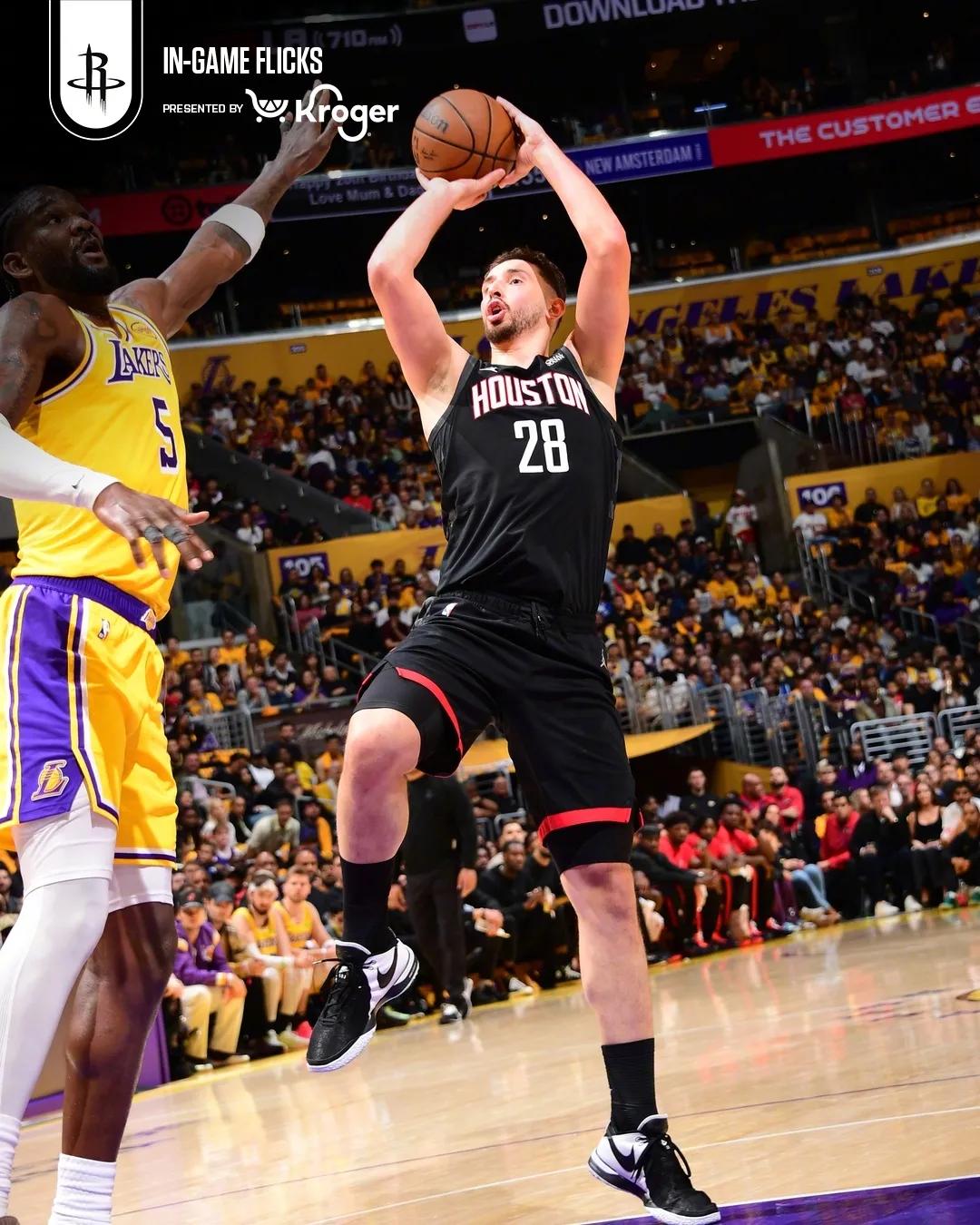
When Sheppard also began to miss his shots, going only 2 out of 10 combined in the second and third quarters, the Rockets' offense completely collapsed. Over the second and third quarters, the Rockets shot 11 out of 45, scoring 19 points in one quarter and 18 in the next.
In modern basketball, scoring less than 20 points in a single quarter is already rare, and doing so for two consecutive quarters in a crucial playoff game? Perhaps only the Rockets could produce such dismal offensive performances. They consistently held a significant lead in offensive rebounds over the Lakers, yet remained behind in score; more extra offensive opportunities only further lowered their offensive efficiency.
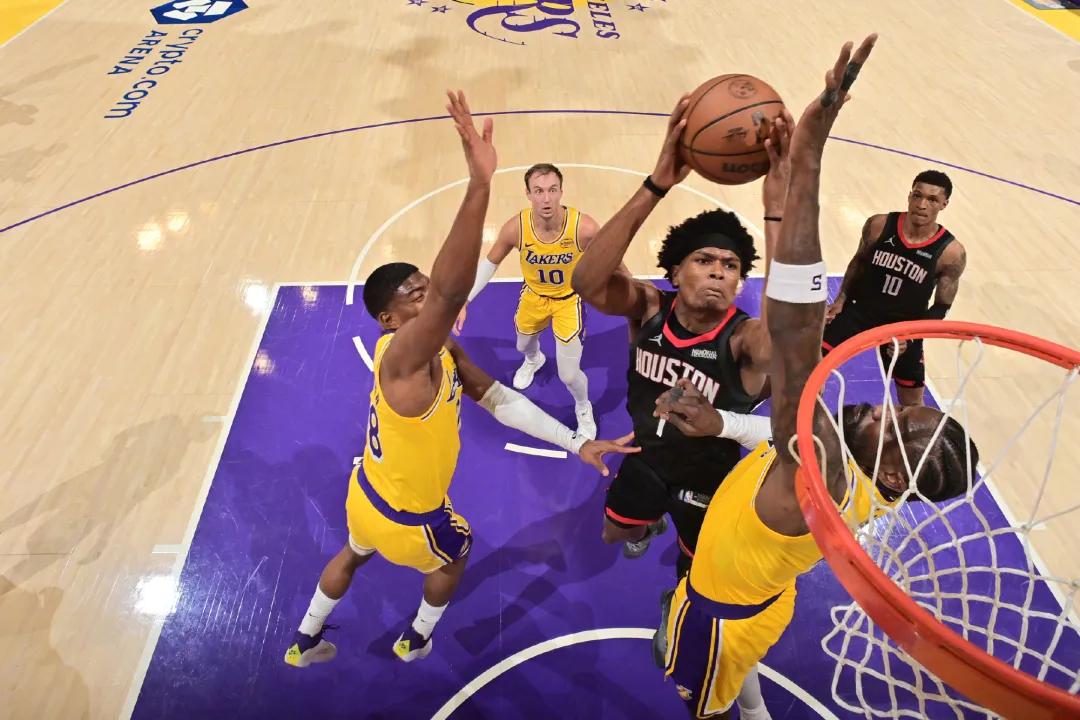
Of course, the Lakers' performance in the second quarter was also quite perplexing, scoring only 17 points, even 2 less than the Rockets. The Rockets and Lakers truly represent a series of mutual misjudgment—both viewing the opponent as a soft target, yet without Durant, the Rockets proved to be even softer.
Entering the fourth quarter with a 9-point deficit, the shooting proficiency of both teams displayed a stark contrast in this period. The Lakers continued to allow the Rockets' three-point attempts; Amen attempted a three-pointer, and the ball directly hit Rui Hachimura, who was boxing out under the basket.
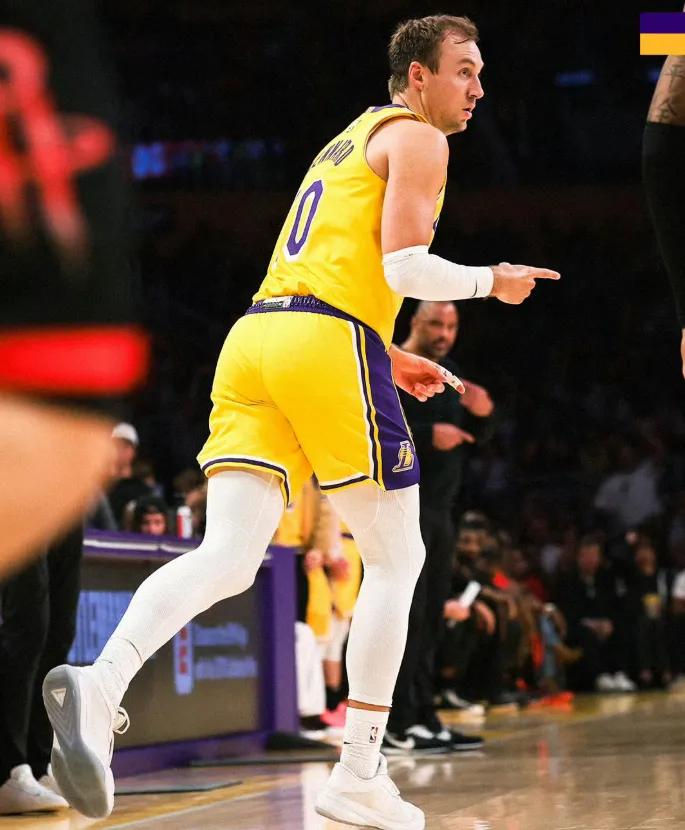
Following that sequence, the Lakers hit three consecutive three-pointers: James with a deep shot, Kennard with a catch-and-shoot and a pull-up. The shooting proficiency of both teams was brutally contrasted in these few plays. The Lakers quickly extended the lead to 16 points; given the Rockets' offensive level, the game was essentially over at that point.
The Rockets scored 98 points for the entire game, many of which were accumulated when the outcome was already decided. No Rockets player reached 20 points; Sengun led with 19 points on 19 attempts. After three quarters, he was 3 out of 13; against the Lakers' interior, he could only exploit Hayes, while Ayton dominated Sengun in their matchup today.
The Rockets grabbed an astonishing 21 offensive rebounds in the entire game, 18 more than the Lakers, and took 27 more shots overall. Such a disparity in shot attempts is staggering. The Rockets also forced 19 turnovers from the Lakers, yet throughout the game, the Lakers dominated the Rockets, highlighting just how poor the Rockets' offense was.
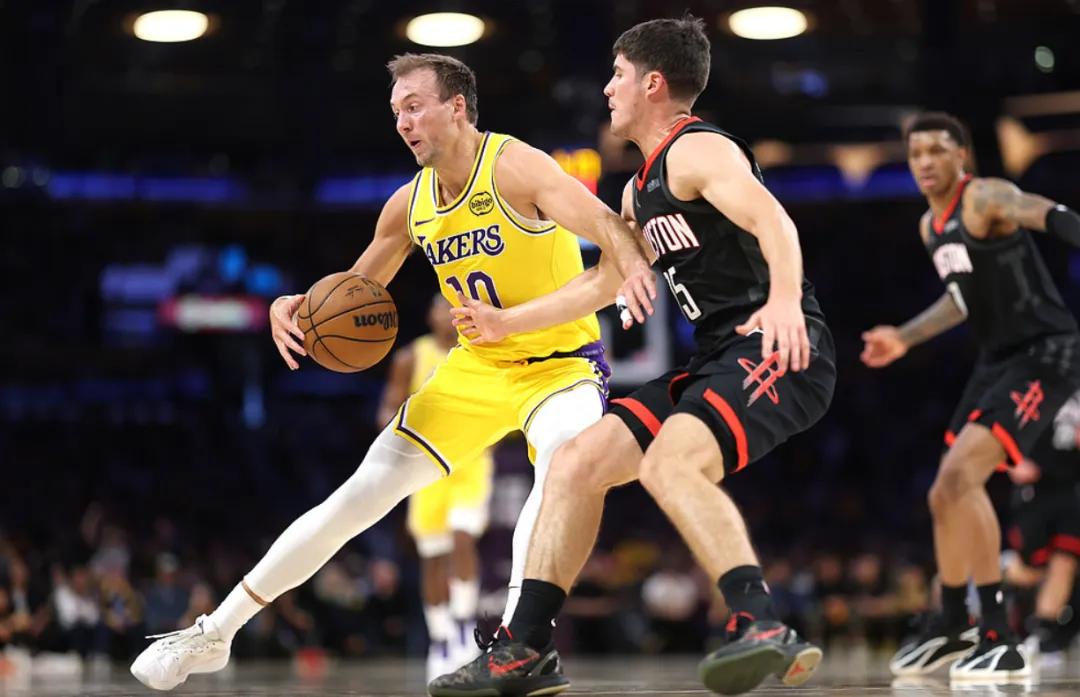
Their field goal percentage was only 37.6%, and three-point percentage 33.3%. In contrast, the Lakers shot 60.6% from the field and 52.6% from three-point range. Against an opponent missing Doncic and Reaves, the Rockets allowed them to produce such elite offensive efficiency, which is the fundamental reason for their loss.
The three highest-level offensive players between both teams were absent; this should have been a game dragged into a muddy, low-scoring battle where the Rockets, unable to score efficiently, would win through superior rebounding. Instead, the Lakers played with clean efficiency, dismantling the Rockets with excellent shooting. Udoka, as a "defensive coach," was thoroughly outperformed by Redick in this game.
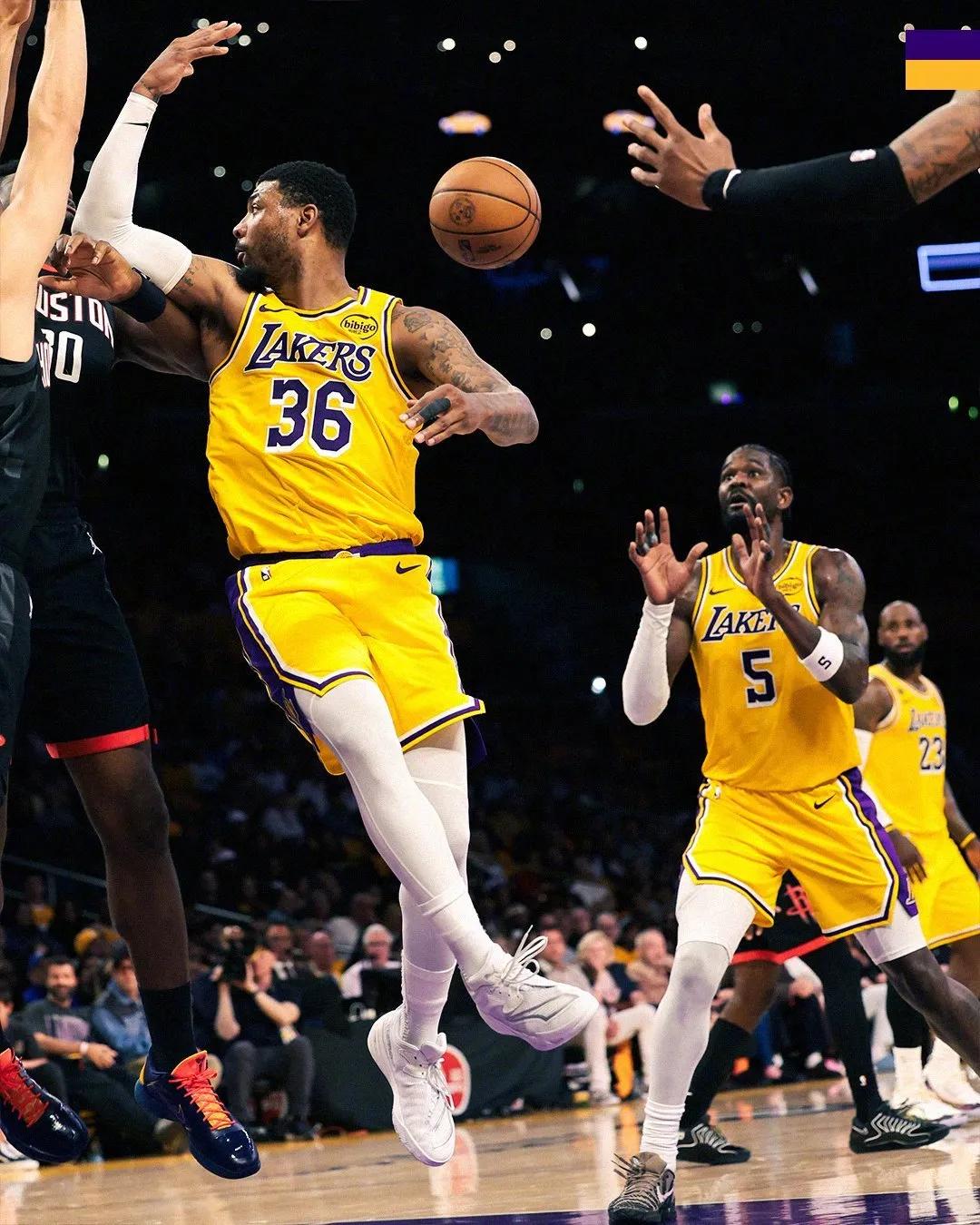
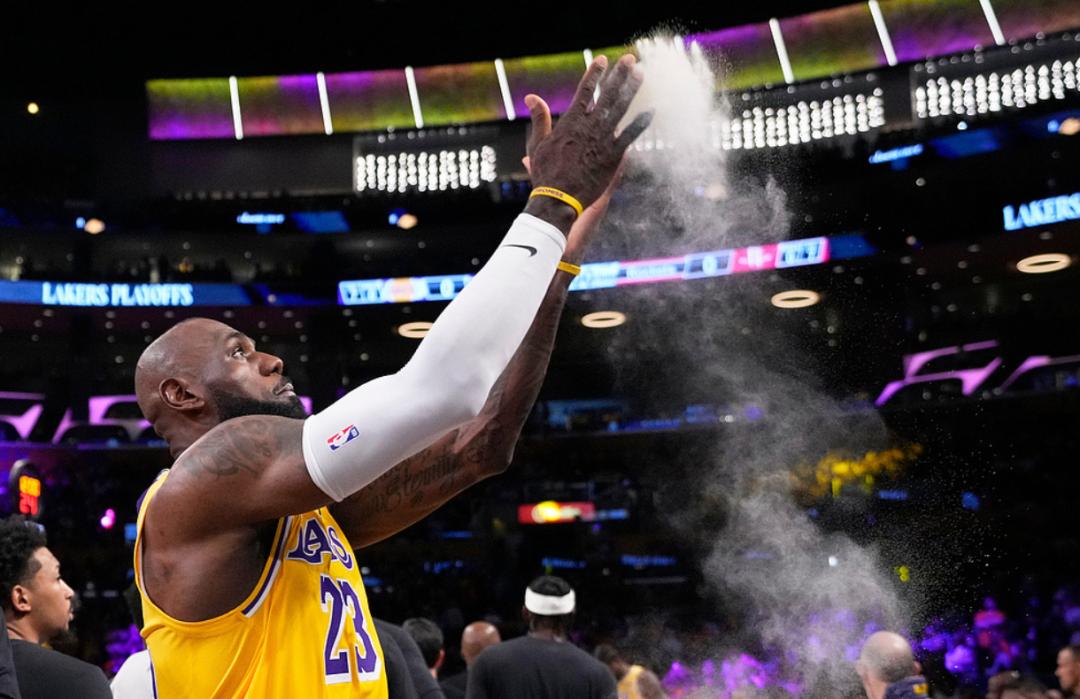
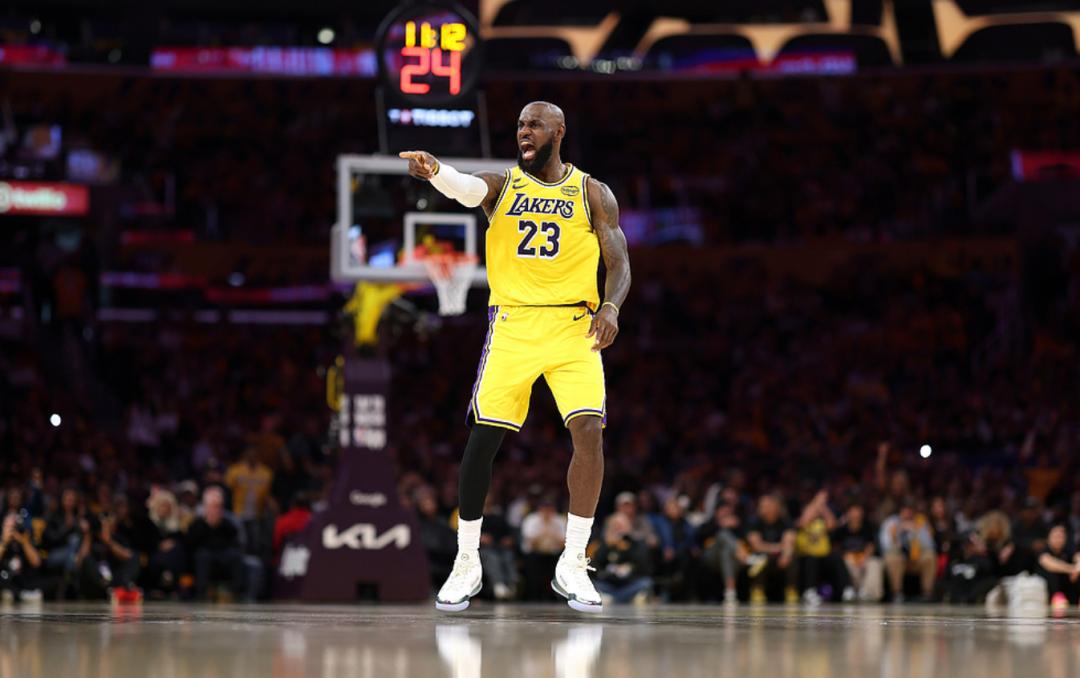
At 41 years old, James became the oldest player in playoff history to record 10+ assists, with 13 assists setting a new record for playoff single-game assists by a 40-year-old player, surpassing Stockton's previous record of 12. This game did not feature the so-called "full-force LeBron"; he didn't aggressively hunt for shots but instead orchestrated the offense from the first quarter, dishing out 8 assists.
In the final quarter, James began to increase his shot attempts, scoring 9 points with 3 rebounds and 3 assists in the period—three-pointers, fadeaway mid-range shots, even a hook shot near the basket, showcasing everything. For the entire game, James played 38 minutes and 25 seconds, shooting 9 out of 15, 1 out of 2 from three-point range, totaling 19 points, 8 rebounds, 13 assists, 2 steals, and 1 block, with a plus-minus of +11.
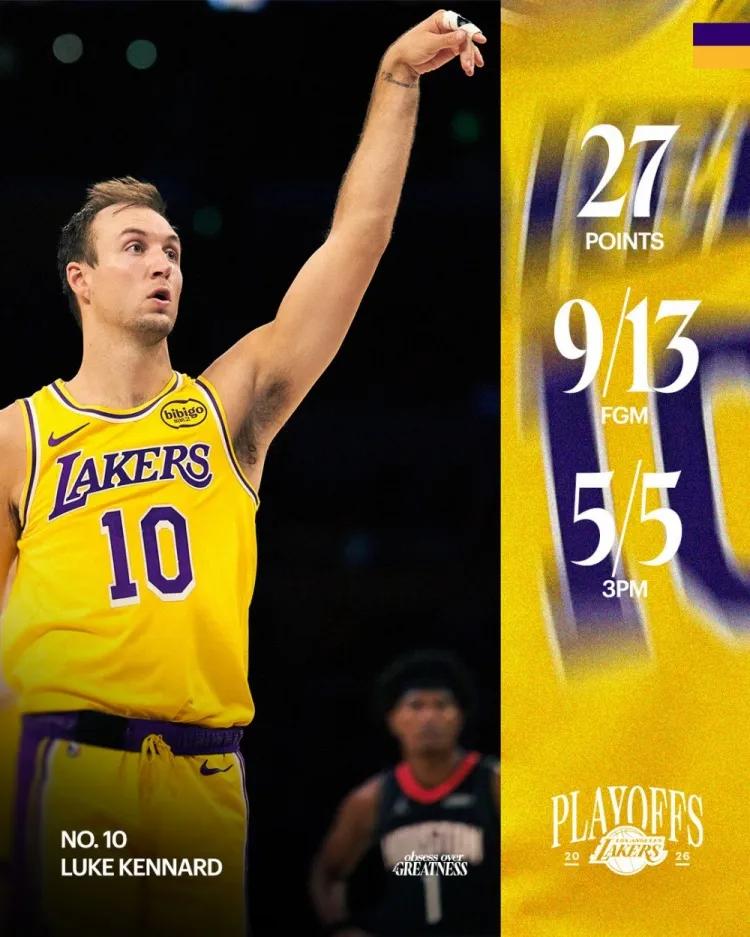
Certainly, the Lakers' best player today was Kennard; just check Vincent's post-game ratings. Kennard delivered the ultimate playoff performance a white shooter could produce, shooting 9 out of 13 overall and a perfect 5 out of 5 from three-point range, hitting three consecutive threes in the fourth quarter to seal the game.
It's worth emphasizing that this performance came despite a finger injury; his two missed free throws indicated that his finger still affected his release. However, when shooting three-pointers, muscle memory overcame all pain, and each of his shots was perfectly executed.
Durant stayed healthy throughout the season, yet unexpectedly suffered an injury just before the playoffs. The severity of his knee injury remains unclear, and whether he can play in the next game is uncertain. The only certainty is that the Rockets' dependence on Durant far exceeds the Lakers' reliance on Doncic and Reaves.
Durant indeed doesn't facilitate teammates, but he can score. Basketball is fundamentally a game of putting the ball in the basket; no matter how many extra possessions you secure, if you can't convert them, it's futile. Amid the Rockets' collection of rough, unpolished players, Durant stands out as uniquely exceptional.
Even worse than losing Game 1 is that the Lakers successfully extended the series' length, increasing the possibility of Doncic's return. The dynamics of the series have been completely altered today.


Wonderfulshortvideo
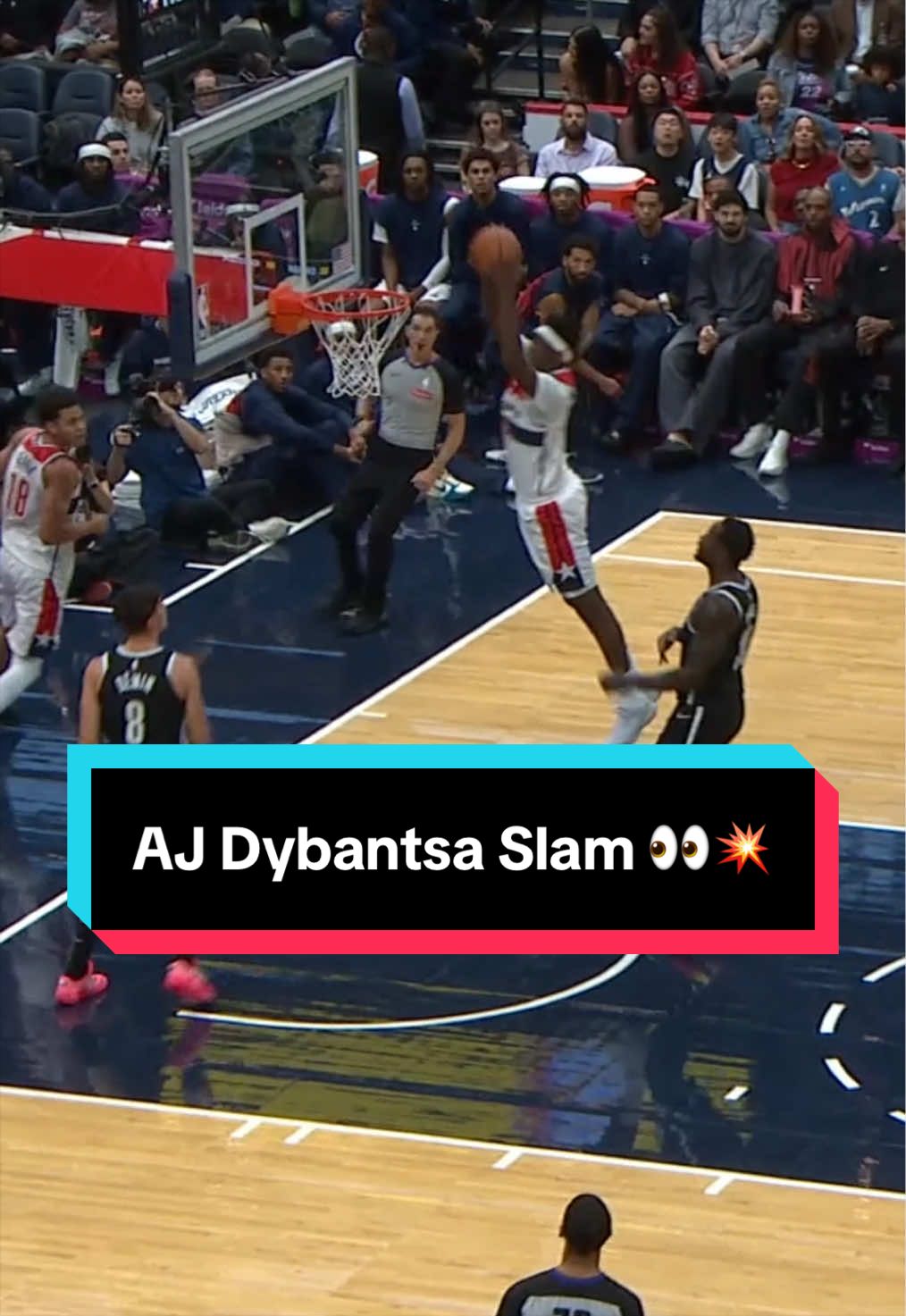
AJ got air on that one 🔥


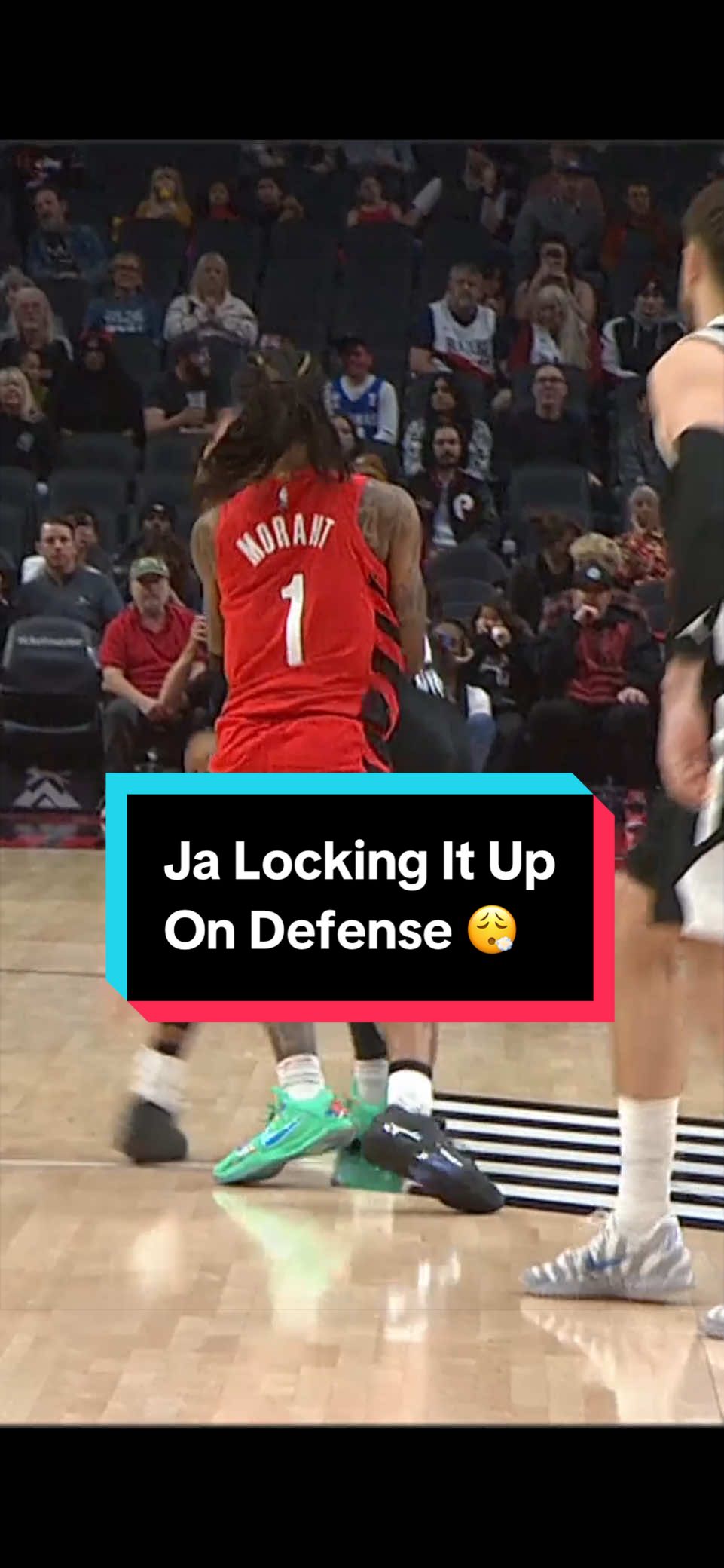
Ja was giving it his all 👏
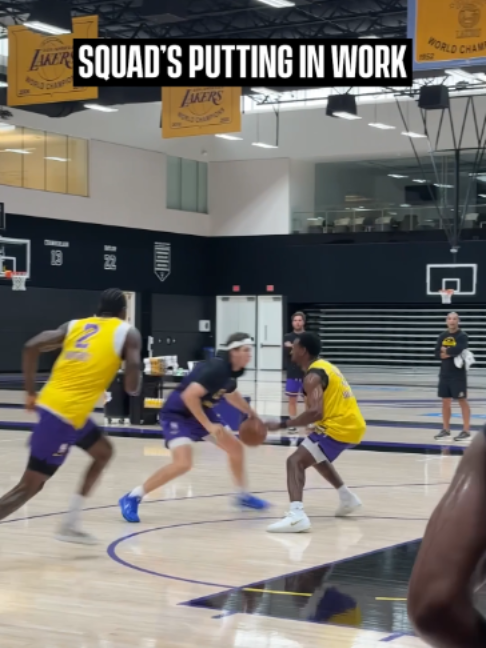
Stacking good days
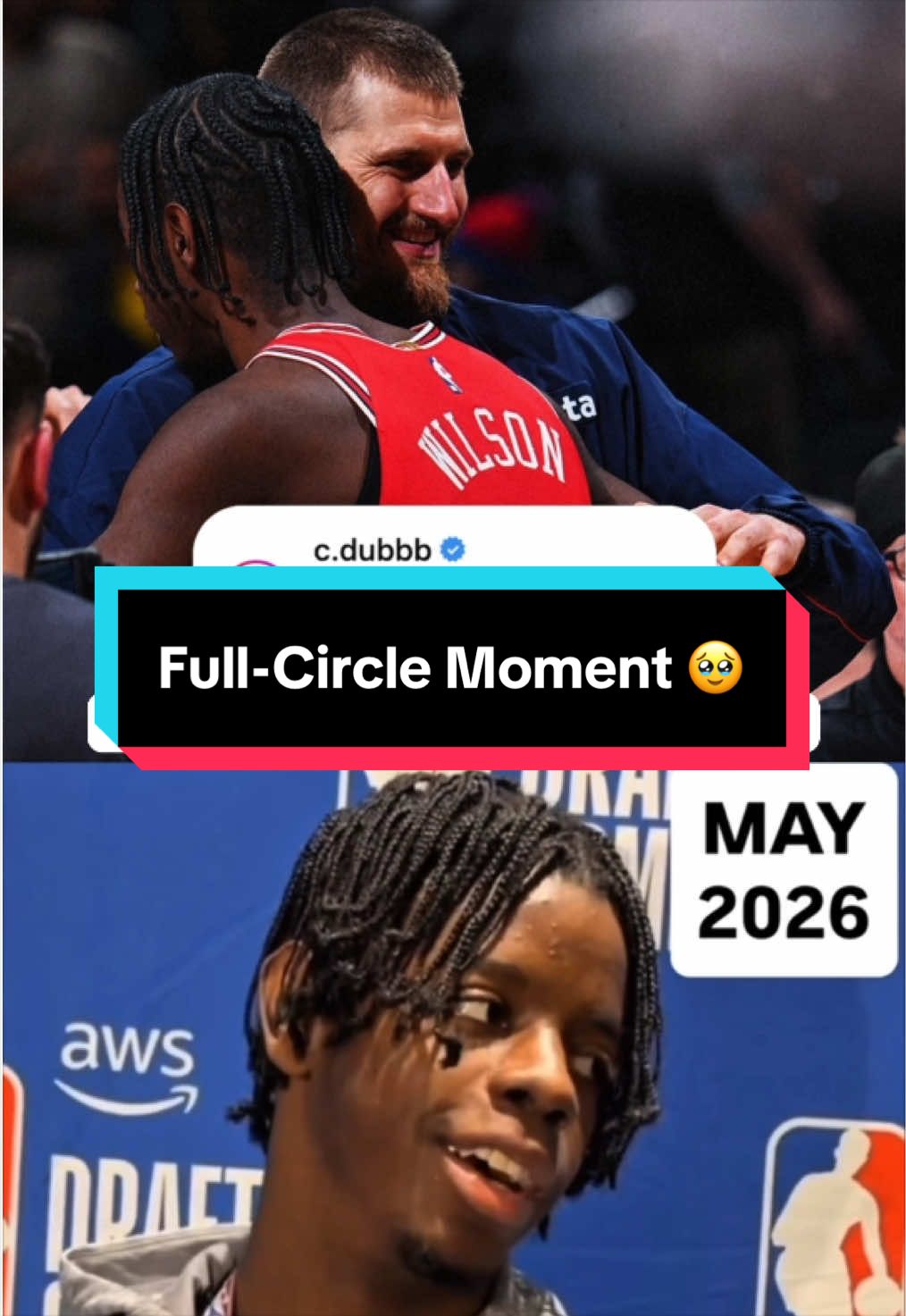
Caleb shared a special moment with Jokić after Bulls/Nuggets preseason matchup! (📸: @DNVR_Nuggets/X)
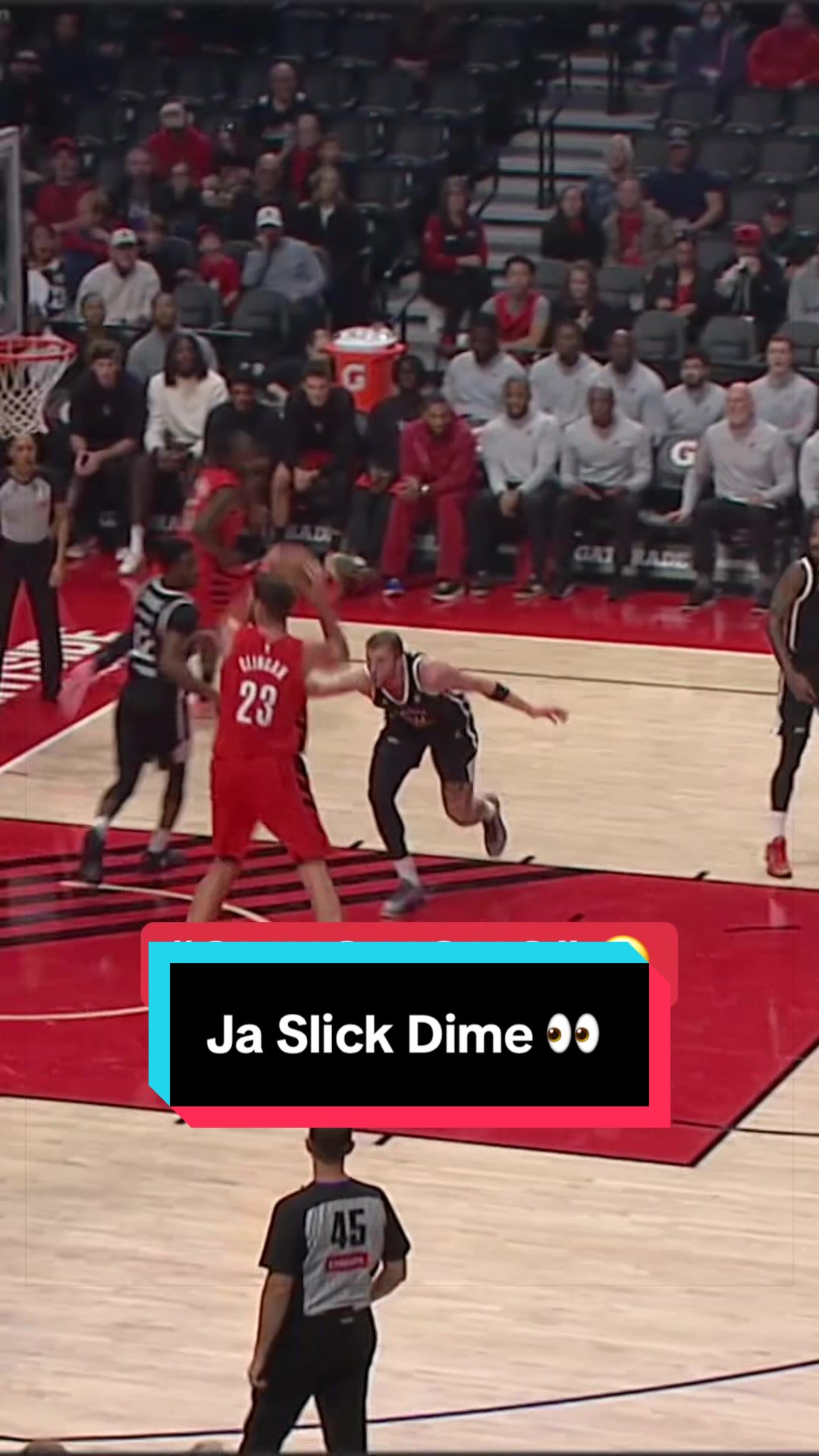
Good looks 🤝
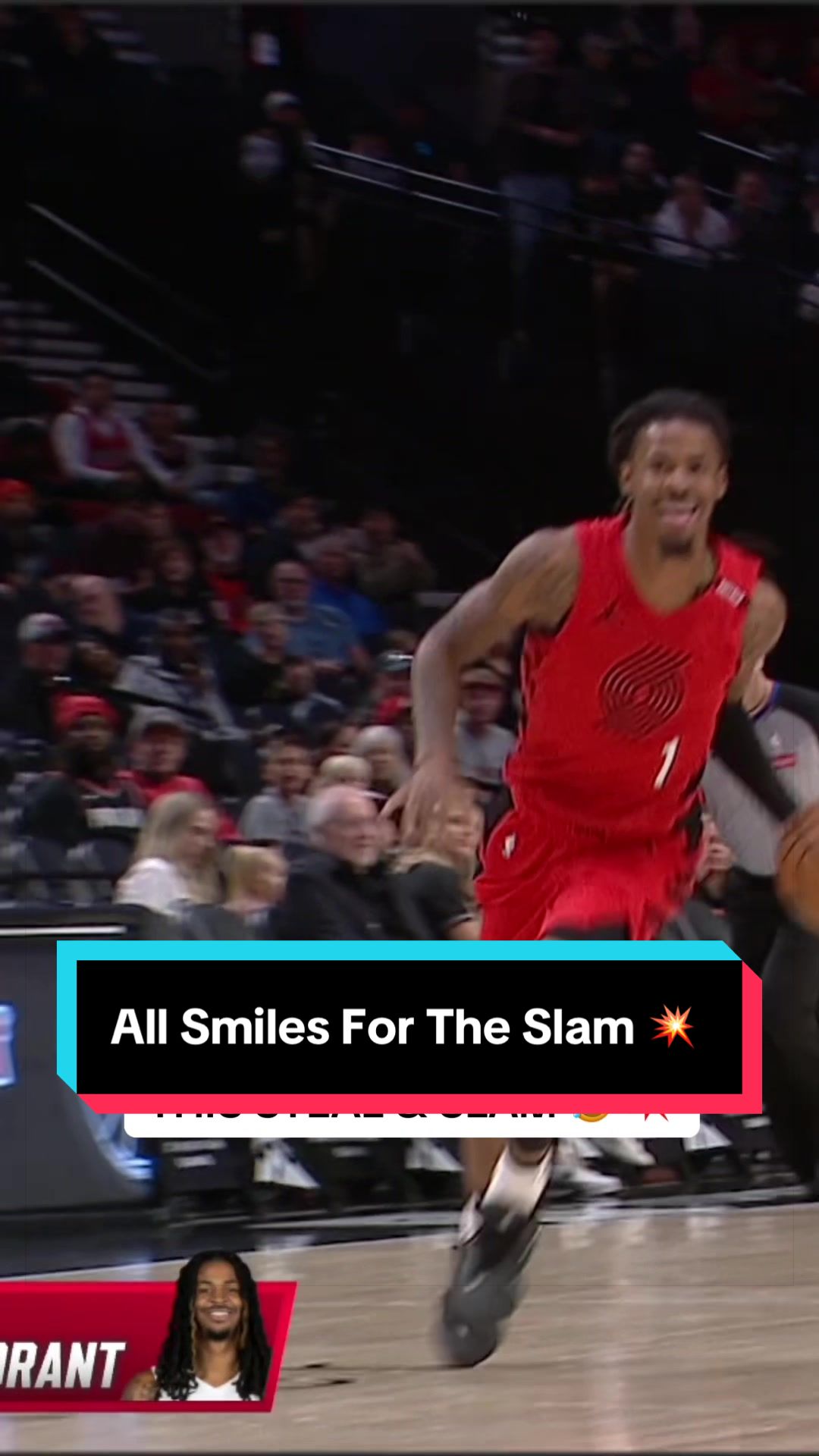
Ja goes the distance for the slam 🏃
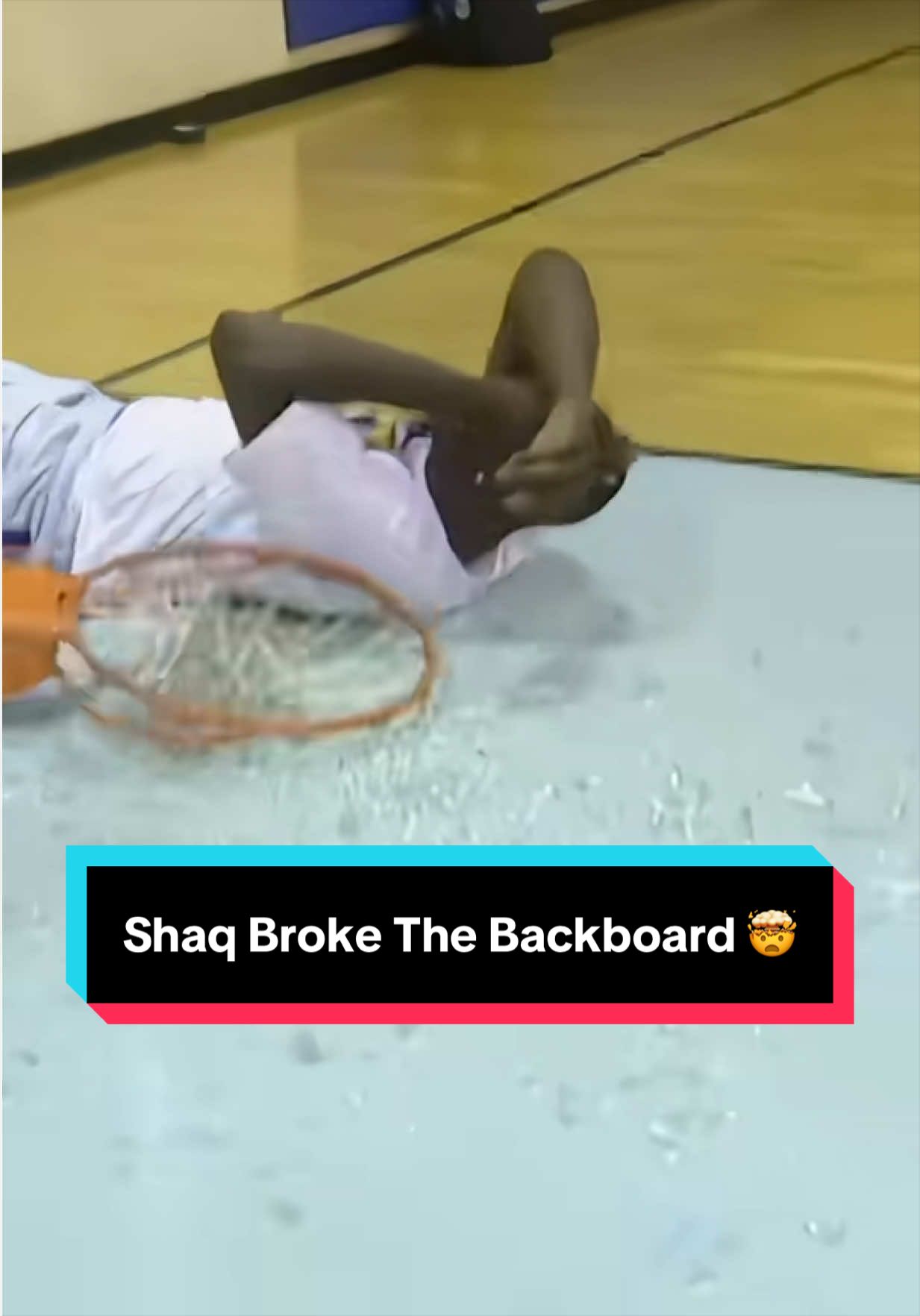
This moment when Shaq broke the backboard never gets old 😭
 Links
Links
 Contact
 App
App


