



Report: Timberwolves Target Kyrie Irving! U.S. Media Proposes 5-for-1 Trade: Randle and DiVincenzo as Trade Chips


On May 31 Beijing time, per Bleacher Report, the Timberwolves are targeting 34-year-old nine-time All-Star Kyrie Irving, who suffered a season-ending ACL tear this year. He is now nearly fully recovered and slated to play next season. What package could Minnesota put together to land Irving and unite him with Edwards? Bleacher Report outlined a 5-for-1 deal and listed reasons why both sides might agree to the trade —
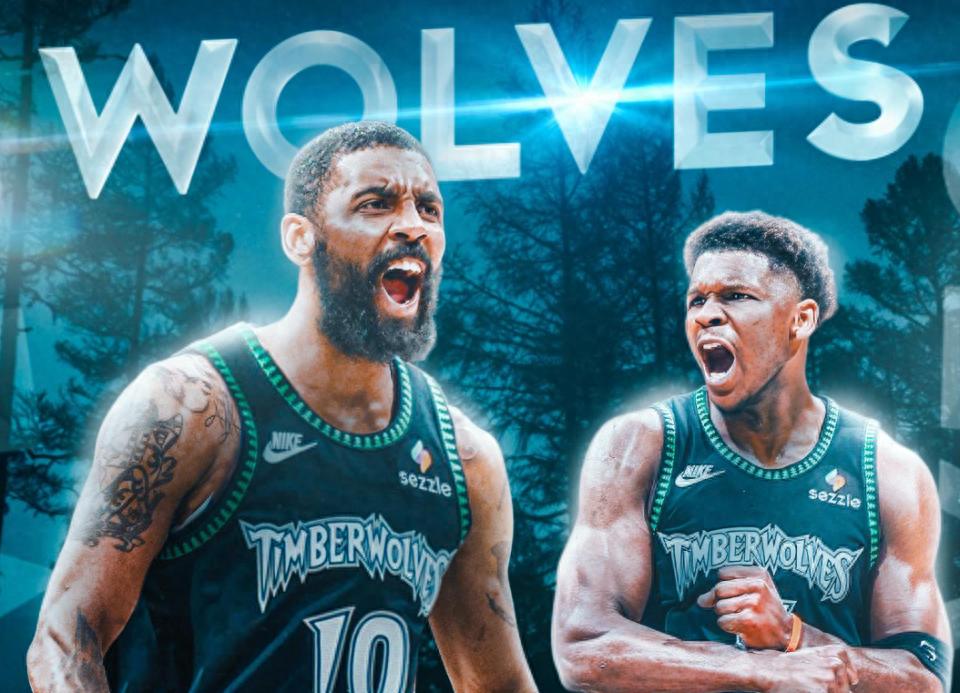
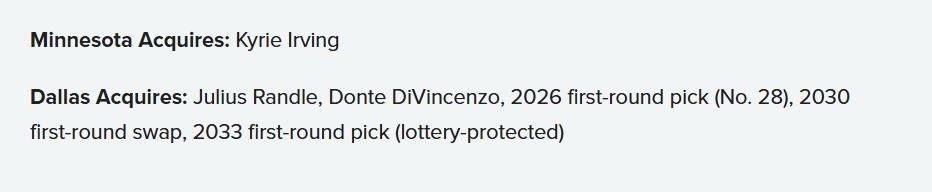
Trade Proposal
Timberwolves receive: Kyrie Irving
Mavericks receive: Julius Randle, Donte DiVincenzo, 2026 first-round pick (No. 28), 2030 first-round pick swap, 2033 lottery-protected first-round pick
Why Would the Timberwolves Make the Trade?
The Timberwolves posted an offensive rating of 108.1 in this season's playoffs, the lowest among all teams that played at least 10 postseason games. This once again highlights that their offense is not strong enough to contend for a championship.
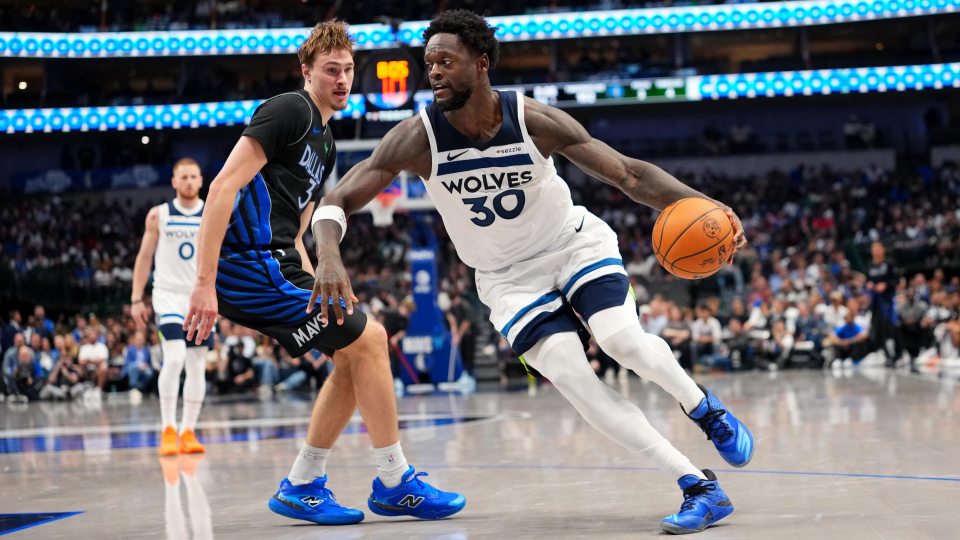
Simply put, opponents can easily game-plan against Minnesota's offense. Randle's ball-handling is sluggish, his outside shooting is highly inconsistent, and he cannot function as a reliable secondary scoring initiator. Although DiVincenzo's Achilles tendon tear early in the playoffs further hurt the team, his absence was not the main reason for the Timberwolves' offensive collapse.
Ever since Edwards emerged as the team's centerpiece, whenever opponents double-team him and force the ball out of his hands, the Timberwolves have had no one who can make them pay for that defensive scheme.
If Irving returns healthy, that dynamic would change completely.
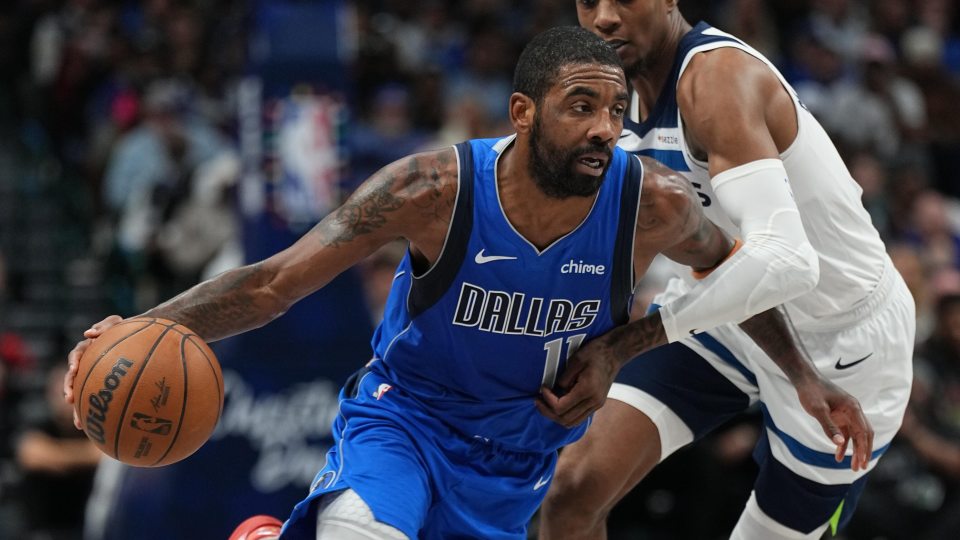
Irving was an All-Star in the 2024-25 season, averaging 24.7 points and 4.6 assists per game with the Mavericks, while shooting 47.3% from the field, 40.1% from three, and 91.6% from the free-throw line. His durability remains a major concern, but there is no doubt that he still possesses elite individual ability and offensive efficiency, capable of carrying an offense on his own. In Minnesota, he wouldn't need to shoulder the entire load. In fact, for most of the time he could serve as a spacer and secondary scorer, which would reduce physical wear and possibly extend his prime.
Irving is owed $39.5 million for the 2026-27 season and holds a $42.4 million player option for 2027-28. He hasn't played since March 2025. The risks are clear: Irving could see a sharp decline in performance or suffer further injuries. But the Timberwolves understand that continuing with Randle in his current role and relying on Ayo Dosunmu to relieve pressure on Edwards will never get them to championship contention.
Irving has championship pedigree and is one of the most gifted offensive players of his generation. At the very least, he can command defensive attention, alter opposing defensive schemes, and neutralize the constant double-teams Edwards faces in the playoffs.
Why Would the Mavericks Make the Trade?
The Mavericks cannot use their own first-round pick until 2031, and next year they owe a top-two protected first-round pick to the Charlotte Hornets; their 2028 first-round pick swap belongs to the Oklahoma City Thunder, and their 2029 first-round pick goes to the Houston Rockets or Brooklyn Nets.
Clearly, Dallas is short on trade assets. Therefore, even though these first-round picks are not top-tier, the team wouldn't want to pass up the chance to acquire three first-rounders in one deal.
Many believe that giving up three first-round picks for Irving, given his age and recent injury concerns, is too high a price. But keep in mind that Minnesota also offloads Randle's large contract: Randle is due $33.3 million next season and holds a $35.8 million player option for 2027-28, which the Mavericks would absorb.
If Randle develops good chemistry with Cooper Flagg, the Mavericks could later flip him for a profit or at least break even; and DiVincenzo's expiring contract could serve as a trade chip by the deadline. Dallas has ample opportunity to convert both players into additional future draft assets.
Ultimately, the Mavericks' willingness to make the trade boils down to two key considerations:
First, trading Irving now is the best way to hedge against the risk of his decline. If Irving starts next season in poor form, no longer resembling his former self, or suffers frequent injuries, his trade value would plummet. Moving him proactively transfers that risk to another team.
Second, new Mavericks president Masai Ujiri plans to rebuild the roster around Flagg gradually. For that reason, a package featuring long-term contracts and multiple first-round picks aligns with the team's current strategy. Flagg is still young, and for Dallas to return to contention in the Western Conference, they need significant roster upgrades. Stockpiling draft assets is the most logical move at this stage.


Wonderfulshortvideo
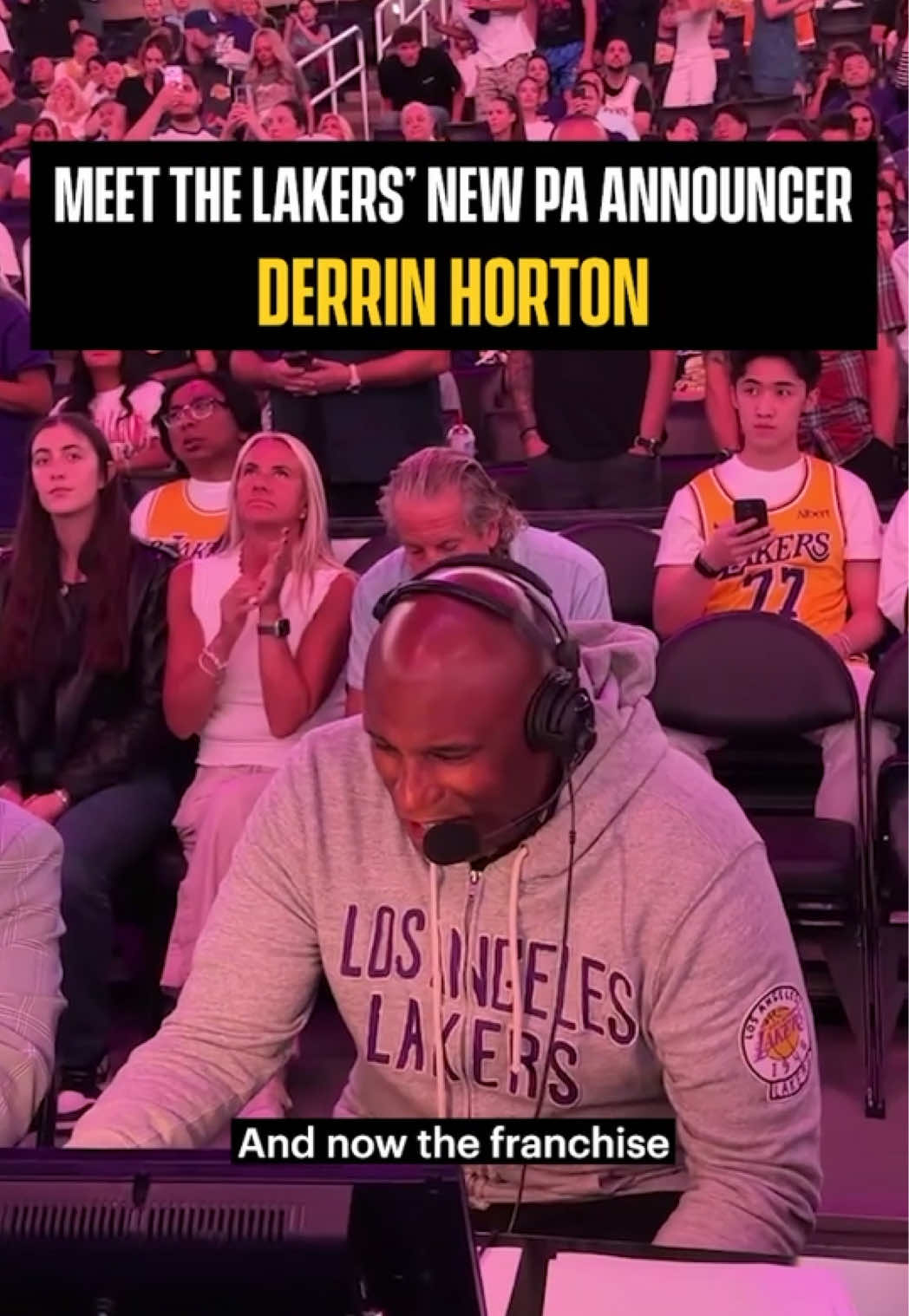
Lakers fans, meet Derrin Horton 🎙️


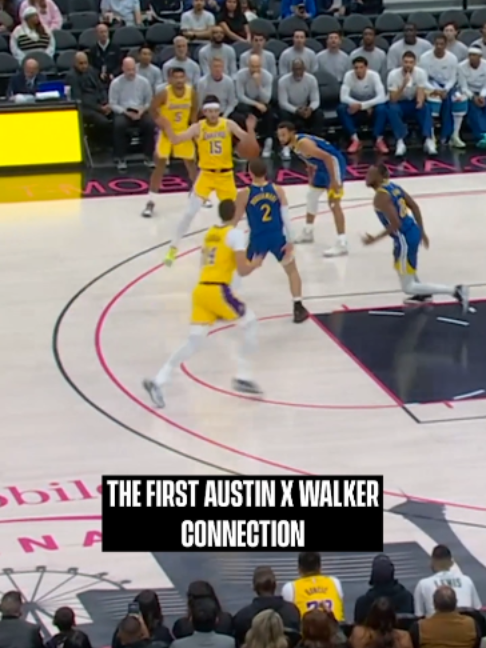
Just the beginning for these two 💪
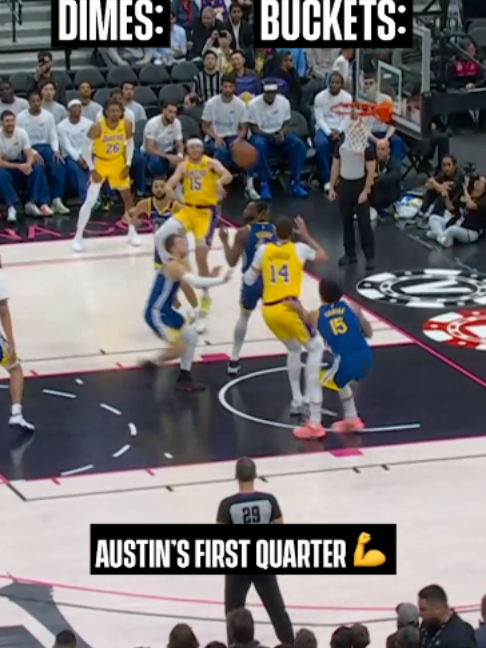
Austin Reaves: Offensive orchestrator
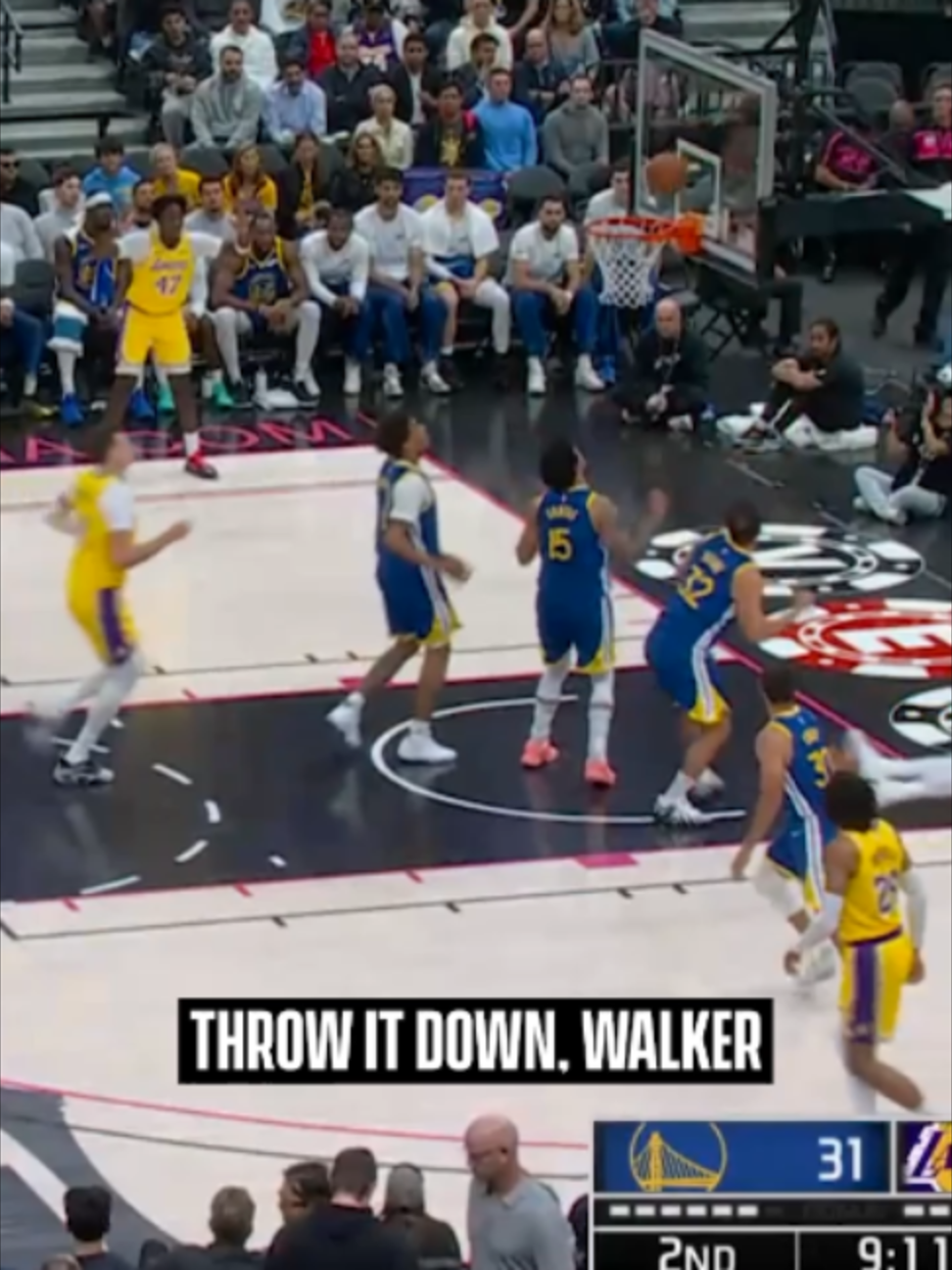
Throw it down, Walker 💪
Style points for the reverse, @Sandro Mamukelashvili
The athleticism 👏
Giannis with his teammates tonight in Miami 📍
 Links
Links
 Contact
 App
App


