



Revealing the Knicks' Championship Path! After 11 Games and 9 Losses, Dolan Declares Title Ambitions, Outlasting All Opponents Through Grit


Throughout the entire 2025-26 season, only Knicks owner James Dolan set a bold, almost audacious goal for his team.

His mid-season statements went beyond objective assessment, filled with extremely high expectations.
Back in January, when the Knicks were mired in a 2-9 slump, Dolan appeared on New York's WFAN radio and said directly: "I want to say our goal is to reach the Finals, and we deserve to win the championship.Anything is possible in competitive sports. Making the Finals is something we must accomplish, and winning the title is our determined ambition."
These remarks drew widespread skepticism across the league.
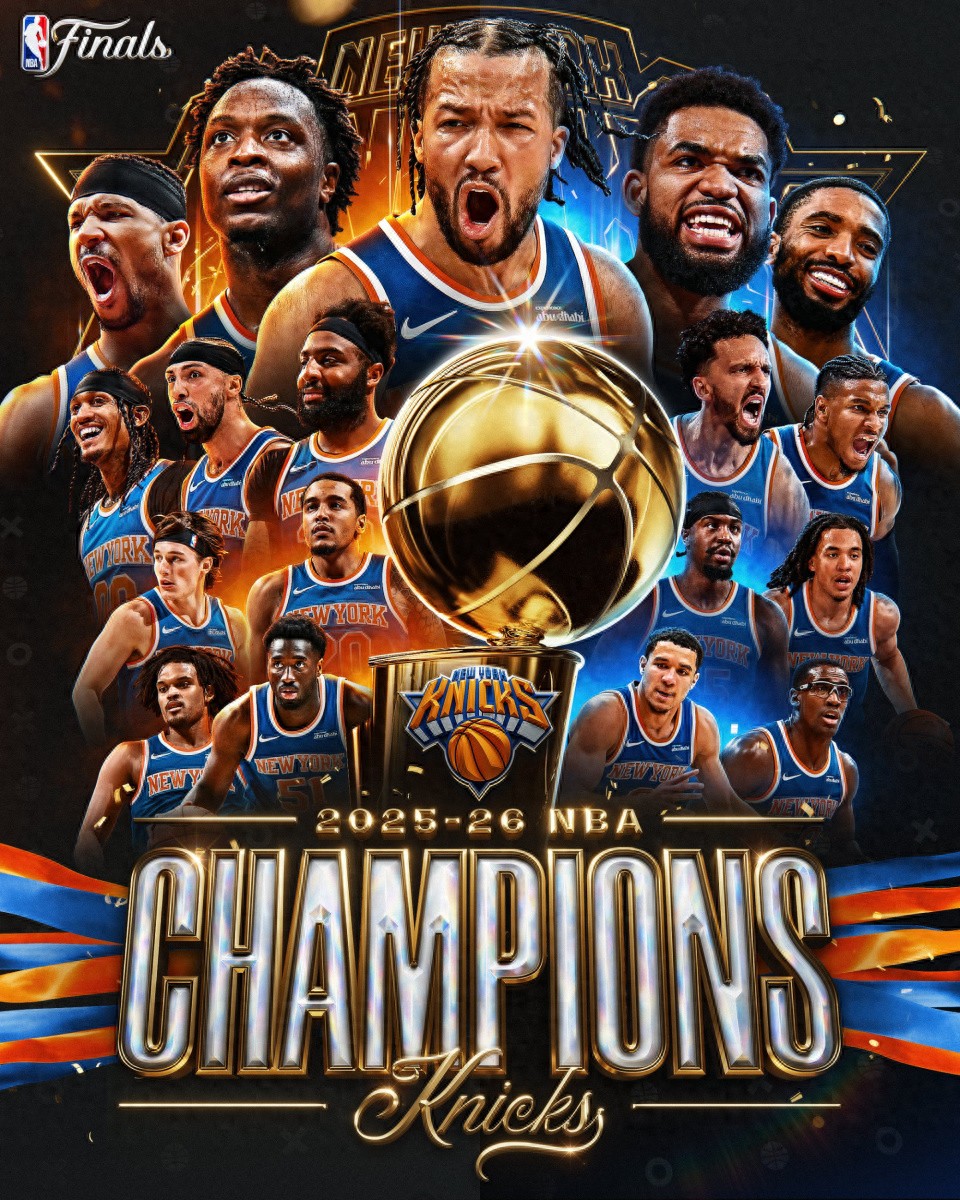
With this roster? These stars? This coach? And they aim to win an NBA championship? But reality provided the answer. The Knicks, who had fallen short in the previous two playoffs, finally merged a new-style team-building approach with traditional playoff toughness, earning the league's respect.
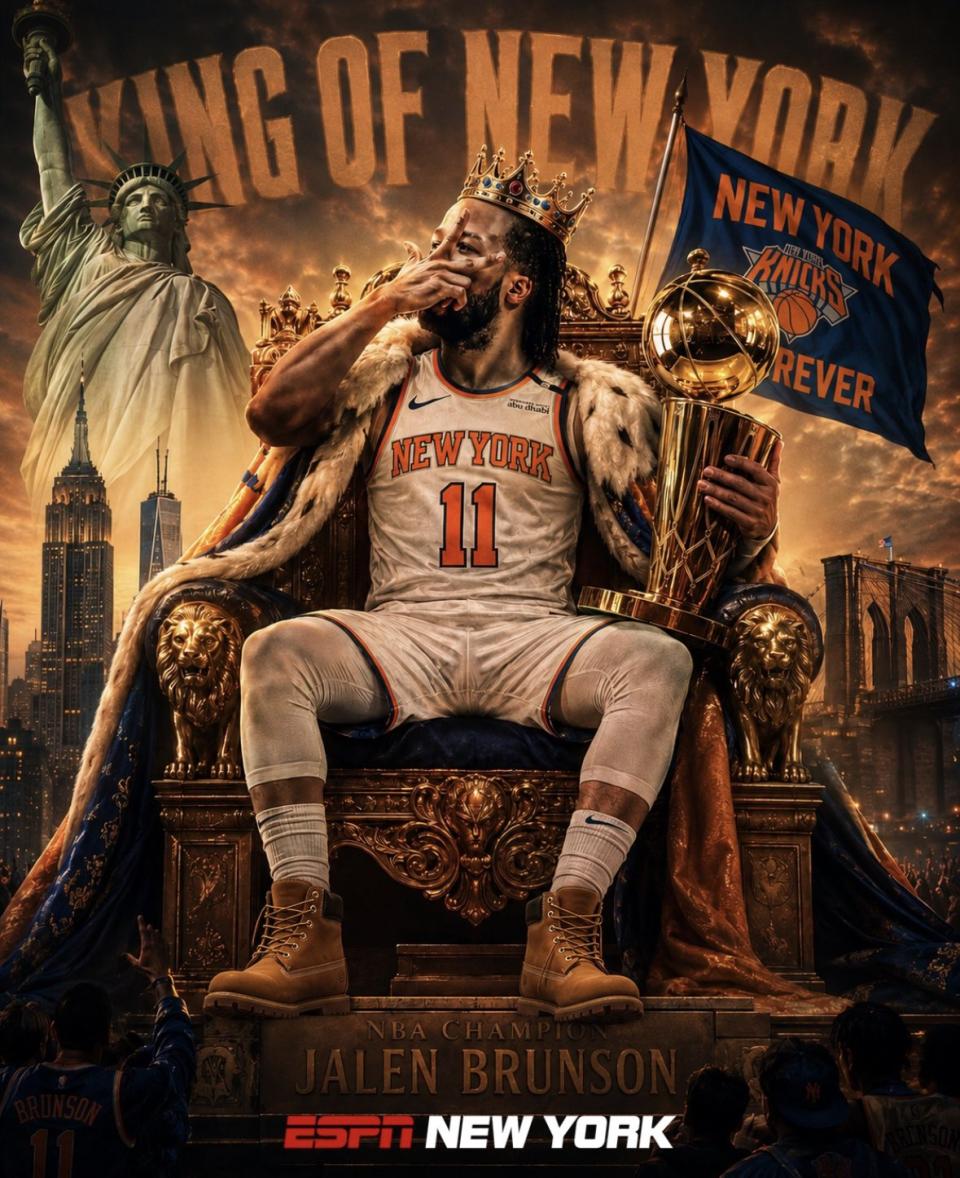
Jalen Brunson, once dismissed as unfit to be the core of a championship team, proved himself through performance.
Center Karl-Anthony Towns, acquired via a blockbuster trade, had long been criticized for being soft and unable to anchor the frontcourt, but he silenced all doubts.
Head coach Mike Brown, fired four times in his career and often underrated within the industry, finally demonstrated his coaching ability.
After a season full of doubts, fortune ultimately sided with the Knicks. The team assembled all the prerequisites of a contender: offensive efficiency in the top five, defense in the top ten, flexible tactical schemes, and ample room for the point guard to operate in crunch time.
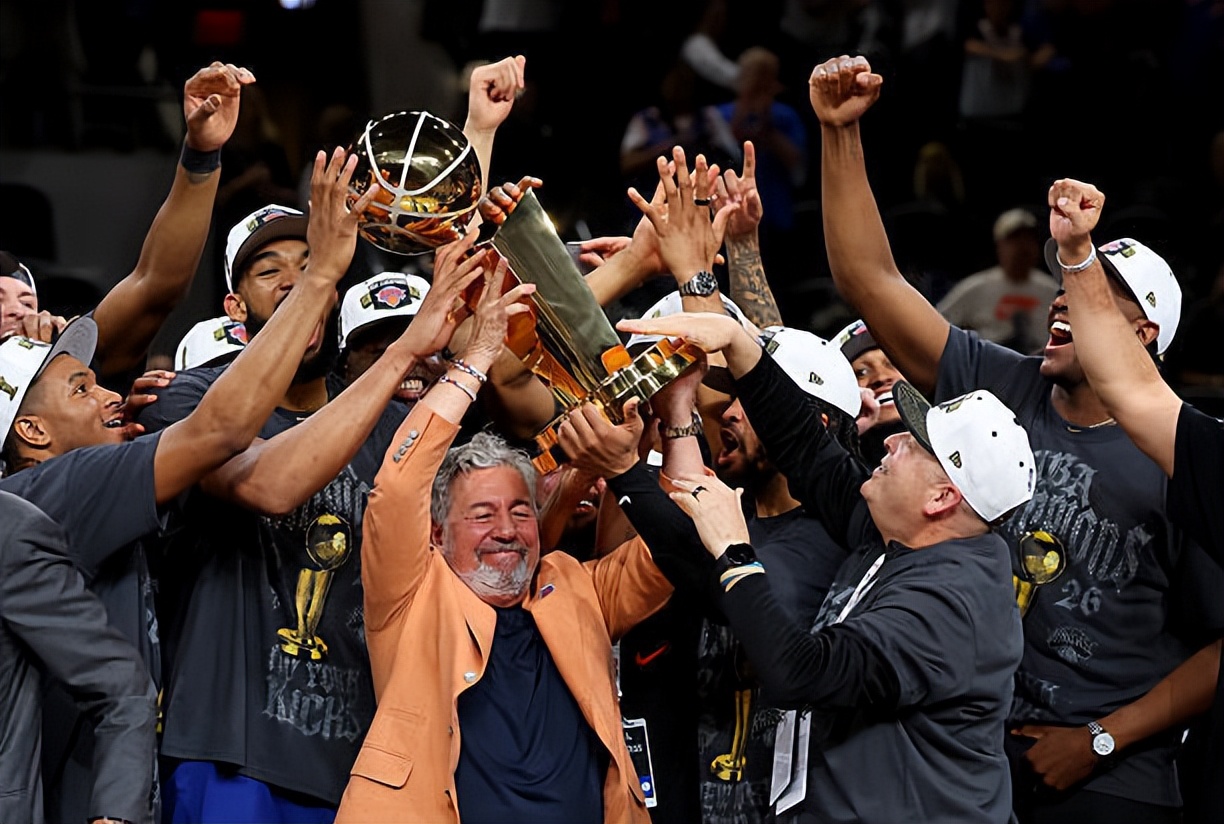
In the end, the Knicks needed just five games to defeat the surging San Antonio Spurs and claim the championship trophy—the franchise's first title in 53 years.
Outside observers had largely panned the team's moves: replacing the tough Tom Thibodeau with the easygoing Brown was considered a mistake; building around Brunson was deemed unworkable; everyone assumed the Knicks would collapse when facing tough opposition.
The Spurs, meanwhile, had displayed immense dominance. In the Western Conference semifinals, Timberwolves star Anthony Edwards prematurely congratulated the Spurs during the clinching game. In Game 7 of the Western Conference finals, the Spurs pushed MVP runner-up Shai Gilgeous-Alexander to the brink, limiting him to just two shot attempts in the decisive fourth quarter.
But this time, the Spurs encountered an opponent with even greater stamina. In fact, the Knicks had been honing their team resilience for years. By the time the Finals began, they had grown into an elite powerhouse.
Knicks president Leon Rose is low-key, preferring actions over words. He rarely gives media interviews, neither taking credit nor explaining the team's plans publicly.
The team's dismissal of Thibodeau last June only received an official explanation half a year later when Dolan did a radio interview. No one truly knew how much Rose had invested in this team until the Eastern Conference finals were secured and the clock expired—the moment the Knicks topped the East for the first time since 1999, Rose broke down in tears.
Rose's team-building model differs sharply from many recent champions, including this Finals opponent, the Spurs. San Antonio slowly developed talent through the draft, quietly building momentum before surging to prominence.
The 2025 champion Thunder and the 2024 champion Celtics similarly built their rosters around drafted players.
This is the mainstream championship-building approach in today's NBA, but Rose chose not to wait patiently. Of the current Knicks rotation, only Mitchell Robinson and Miles McBride are homegrown draft picks.
Josh Hart had bounced around three teams before joining the Knicks in February 2023 to reunite with college teammate Brunson. O.G. Anunoby had been perennially caught in trade rumors during his time with the Raptors; Rose acquired the coveted wing in December 2023. That season, the Knicks finished second in the East but lost in the conference semifinals, yet the team had already shown signs of fulfilling its potential.
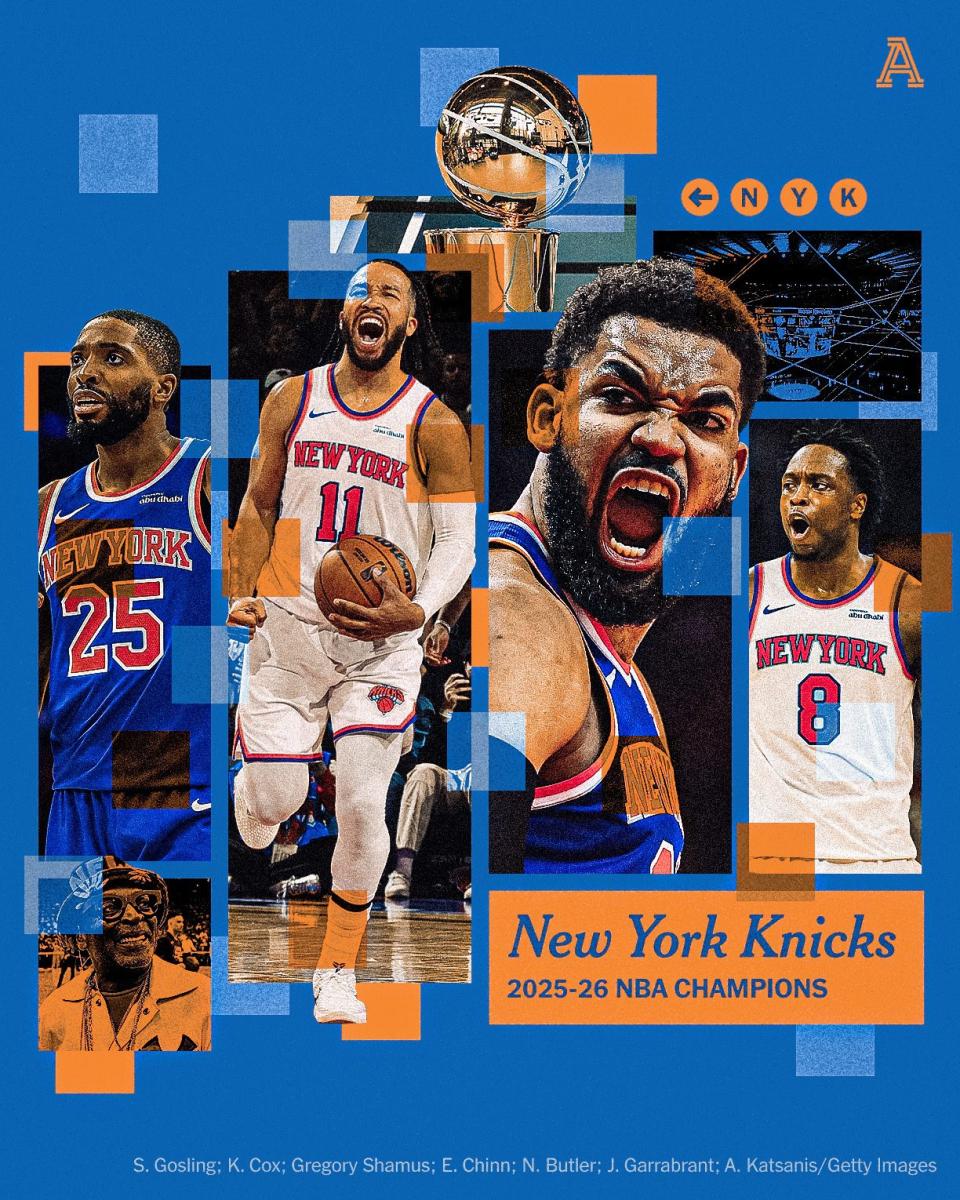
Two subsequent blockbuster trades propelled the Knicks' final push for the championship. Swapping the ill-fitting Julius Randle for Towns now looks like a masterstroke; even though sending multiple draft picks to crosstown rival Brooklyn for Mikal Bridges was costly, Bridges proved his worth even if he isn't a superstar.
While the roster construction is commendable, combined with various factors, outsiders always felt that Dolan's "championship goal" placed excessive pressure on the Knicks. After all, during the 2025 playoffs, Celtics star Jayson Tatum and Pacers star Tyrese Haliburton both suffered Achilles tendon injuries.
People were convinced that something would inevitably derail the Knicks: a missed layup, a string of blocks and steals, or a visiting superstar's dominant performance at Madison Square Garden—any variable could shatter the dream.
Knicks fans had long grown accustomed to short-term failures and season collapses. But the playoff disappointments of the past two years were not because the team was overhyped or undeserving; they simply needed more postseason experience to harden themselves.
The Knicks followed a path of modern roster construction combined with traditional gritty play, much like Michael Jordan's Bulls or Isiah Thomas's Pistons, who all endured heartbreak and doubt before finally reaching the summit.Two years ago, the Knicks lost in the Eastern Conference semifinals to the Pacers; last year, they fell to the same opponent in the conference finals.
The team kept growing, but no one believed they could break through, let alone defeat the formidable opponent emerging from the brutal Western Conference. At the time, many thought that even if the Knicks escaped the East, reality would deliver a harsh blow when the June Finals began.
The regular season was full of adversity; the Knicks teetered on the brink several times but gritted their teeth and persevered, and that effort ultimately paid off in the playoffs.
During the season, Brown's coaching style also drew criticism. He advocates teamwork and allows players and assistants to participate in tactical decisions. However, the players and coaching staff wanted him to be more assertive and establish absolute authority.
Before the Finals, Brown said: "Every season has its ups and downs; that's part of the schedule. Actually, I hope the team faces severe tests. Because it's not just about a team overcoming difficulties—the entire organization must unite and be tested on cohesion. If we can navigate through challenges over a long season, we'll have the confidence to win when the truly critical playoffs arrive."
Throughout the past season, the Knicks completed come-from-behind wins in almost every must-win game. Mid-season, a team staffer told ESPN: "We are completely different from last year."
But everyone knew that the previous season's hard-earned gains might not carry over; risks always existed, and internal conflicts nearly halted the team's progress several times.
When Towns first joined the team in the offseason, he was frequently caught up in trade rumors involving Giannis Antetokounmpo, and the Knicks did not immediately offer the All-Star center a contract extension. Combined with Brown's early-season comments about adjusting Towns' role, the team teetered on the edge of disintegration.
A source close to Towns said during the season: "Towns never complained privately or thought, 'Does the team prefer to bring in Giannis to replace me?' He genuinely wanted to stay in New York. He's good at managing his mindset and doesn't hold grudges."
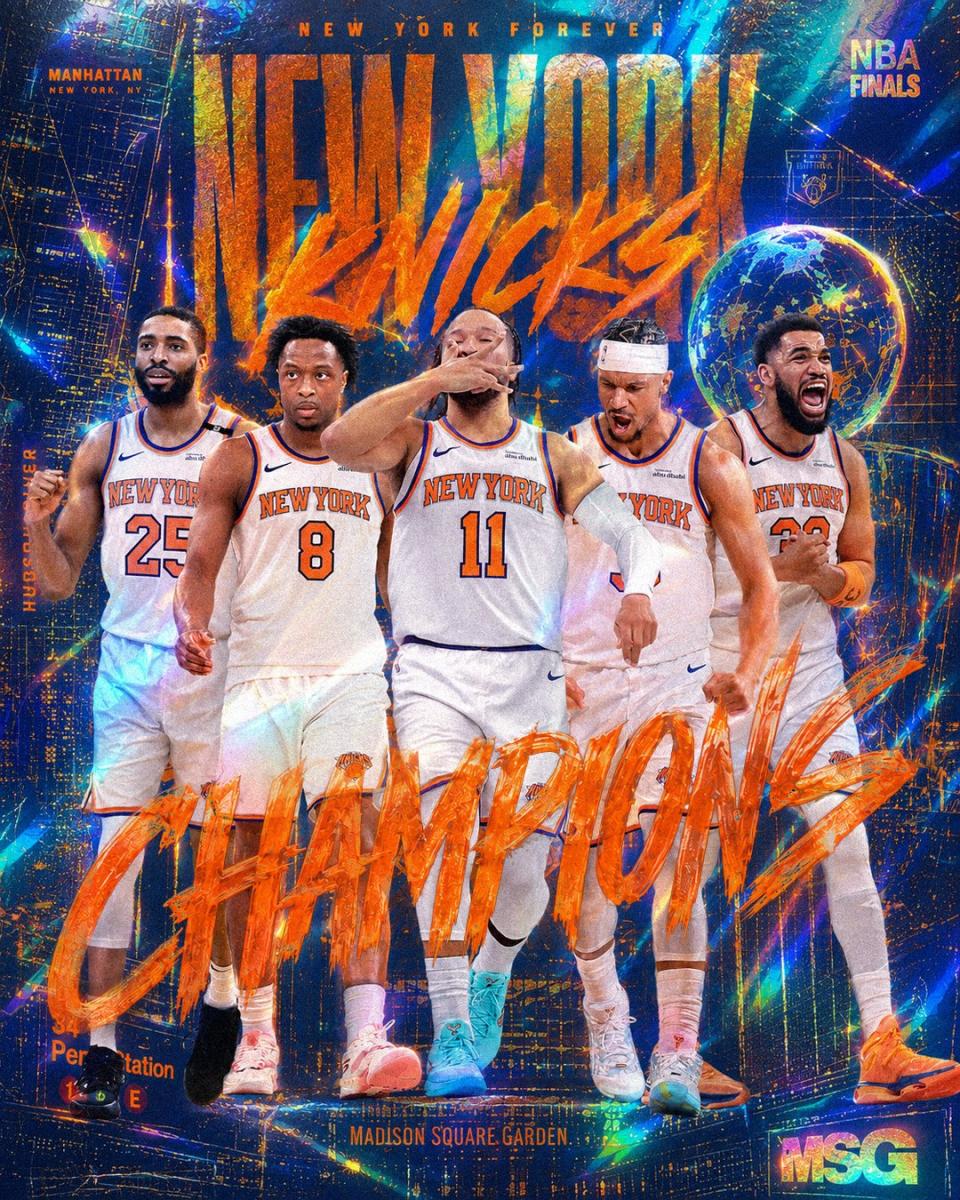
To acquire Bridges, the Knicks paid a steep price, keeping him under constant scrutiny; under the immense pressure at Madison Square Garden, he lost his composure several times. Hart started the season as a starter off the bench but was demoted again in the fourth quarter during the first month.
Brown's previous season with the Kings ended poorly, and he only became the Knicks' head coach after the team failed to land several established, in-demand coaches. Faced with the enormous shadow of his predecessor Thibodeau, Brown neither avoided comparisons nor tried to outshine the controversial yet popular figure.
When the team struggled, he faced heavy criticism; when things were stable, the outside world merely tolerated his coaching. But Brown stuck to his long-term vision. He had been the head coach when a 22-year-old LeBron James led the Cavaliers to the Finals, and after his playing days, he won four championships as an assistant coach. Even if the players initially struggled to fully embrace his philosophy, he patiently persuaded and gradually melded with them.
Change happened subtly. As the playoffs approached, the entire team finally coalesced around a belief in victory.
Brown repeatedly adjusted his tactical system to fit Towns, further optimized the scheme during the series against the Hawks, and helped the team set an Eastern Conference playoff record with 14 consecutive wins. Core player Brunson proposed adding morning shooting sessions to keep the team in competitive shape rather than just resting, and Brown gladly agreed.
A team staffer told ESPN before the playoffs: "From the outside, our team sometimes seems dysfunctional and chaotic, but we inside can feel the change. Maybe this is what a championship team looks like. Every great team goes through a turbulent period."
No team is perfect; every squad has fatal flaws that could lead to collapse at any moment. But this time, the Knicks refused to repeat past mistakes—they did not want to endure another 53-year wait.
No one anticipated that the Knicks would actually fulfill Dolan's bold mid-season proclamation.
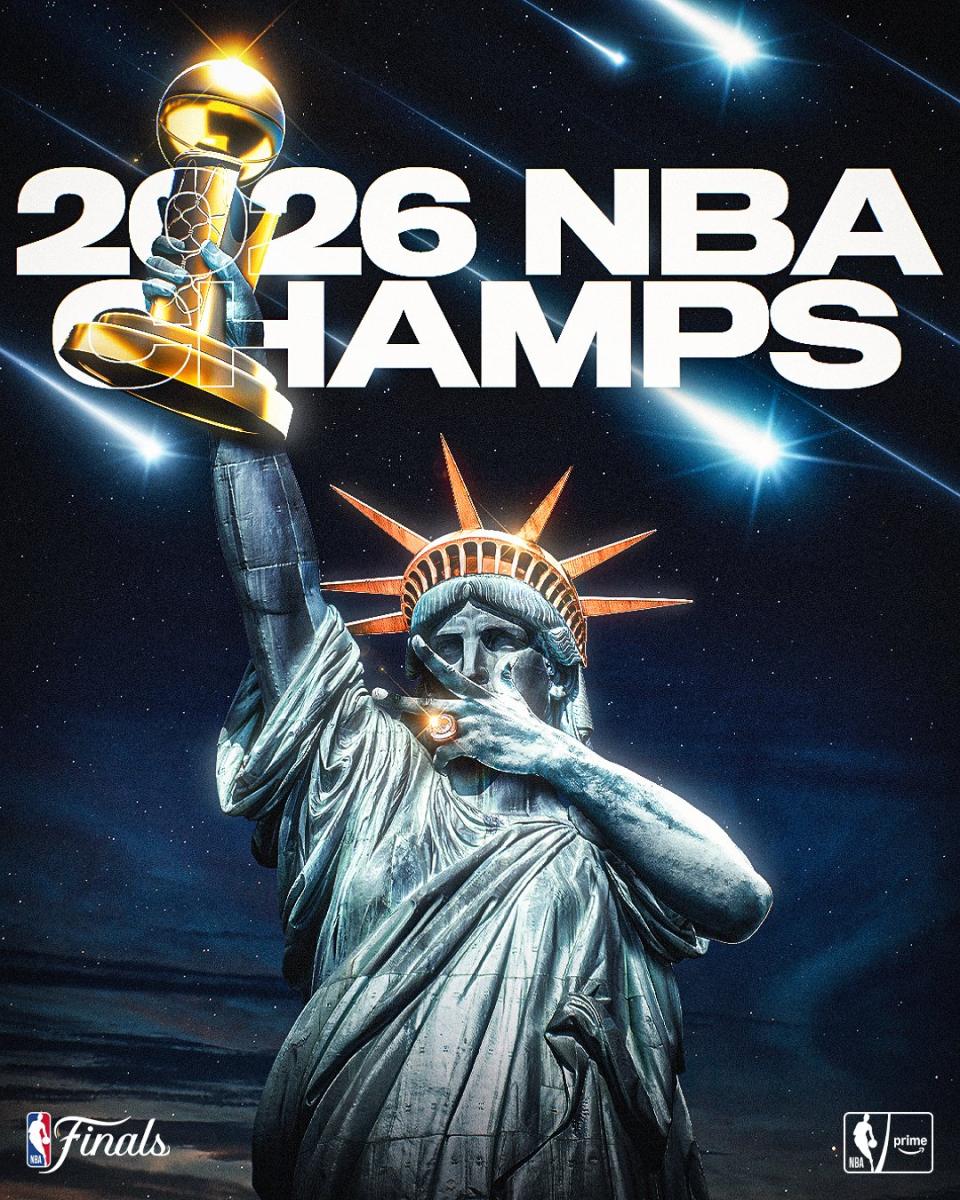
Outside observers had predicted they would fall to the Pistons (who had viewed the Knicks as a primary rival since last April); lose to the Celtics, allowing the latter playoff revenge; or serve as a stepping stone for Victor Wembanyama's coronation—just as Spurs legend Tim Duncan did 27 years ago when he defeated the Knicks to win his first championship.
But in the end, the Knicks had the last laugh in June. They outlasted all opponents through sheer resilience, a quality the team had painstakingly cultivated over the years.


Wonderfulshortvideo
"BABY PG!"


Q: "Anniversary's coming up for your first game... do you remember the starting lineup that night?"
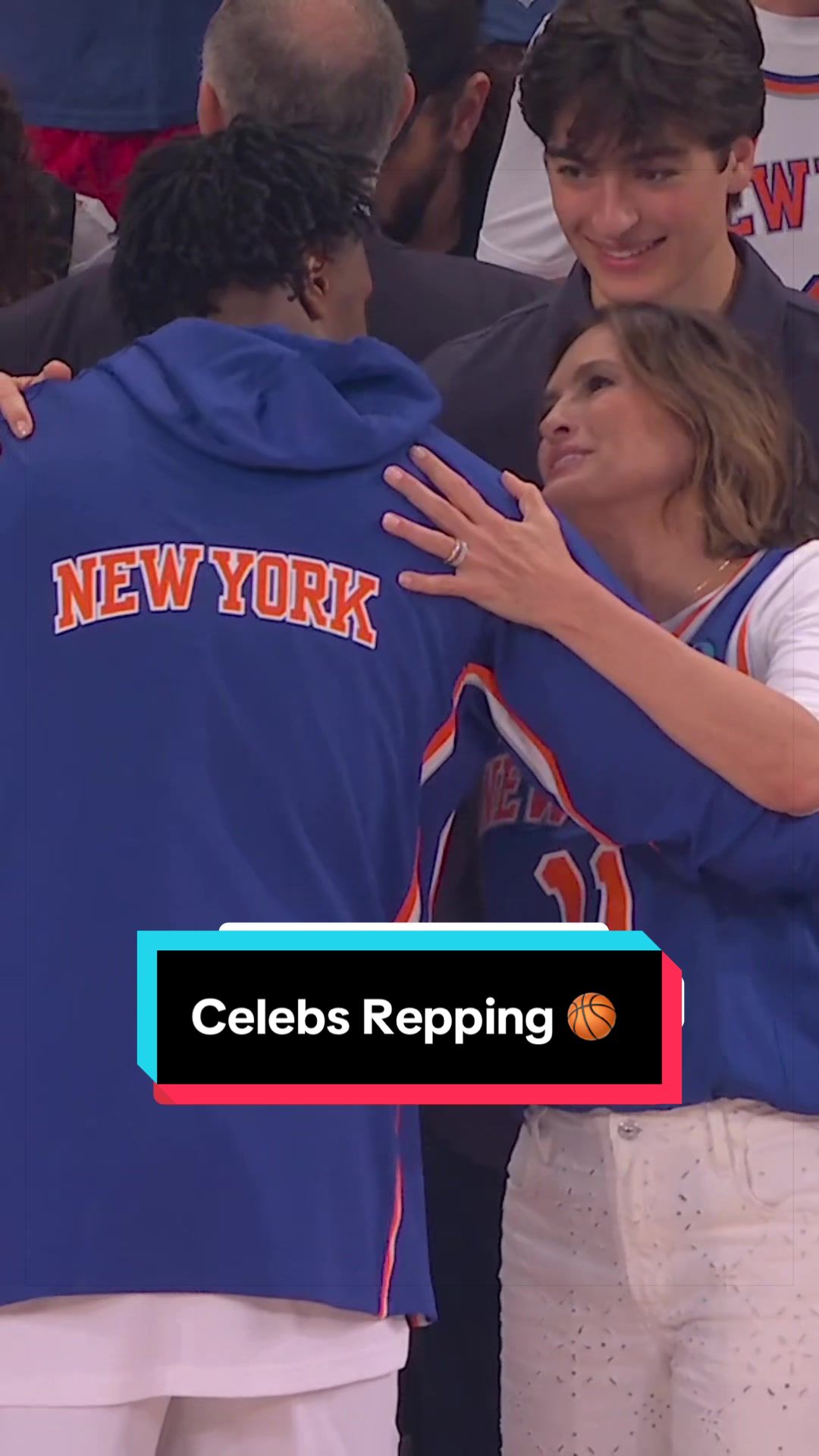
Take a look at celebrities rock their favorite NBA jerseys throughout the years! 🔥
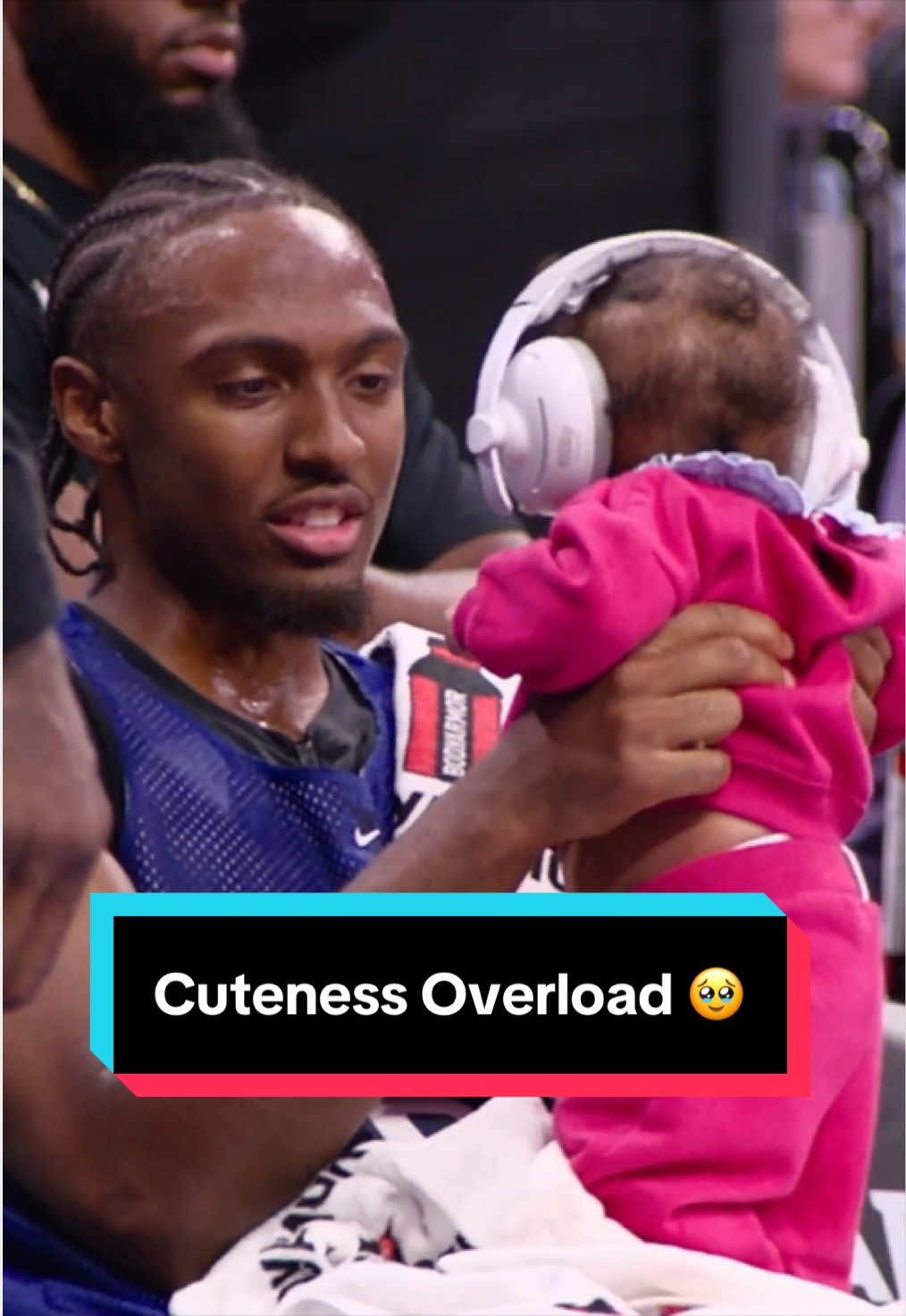
8 wholesome seconds of Tyrese and Marvel Maxey 🥹
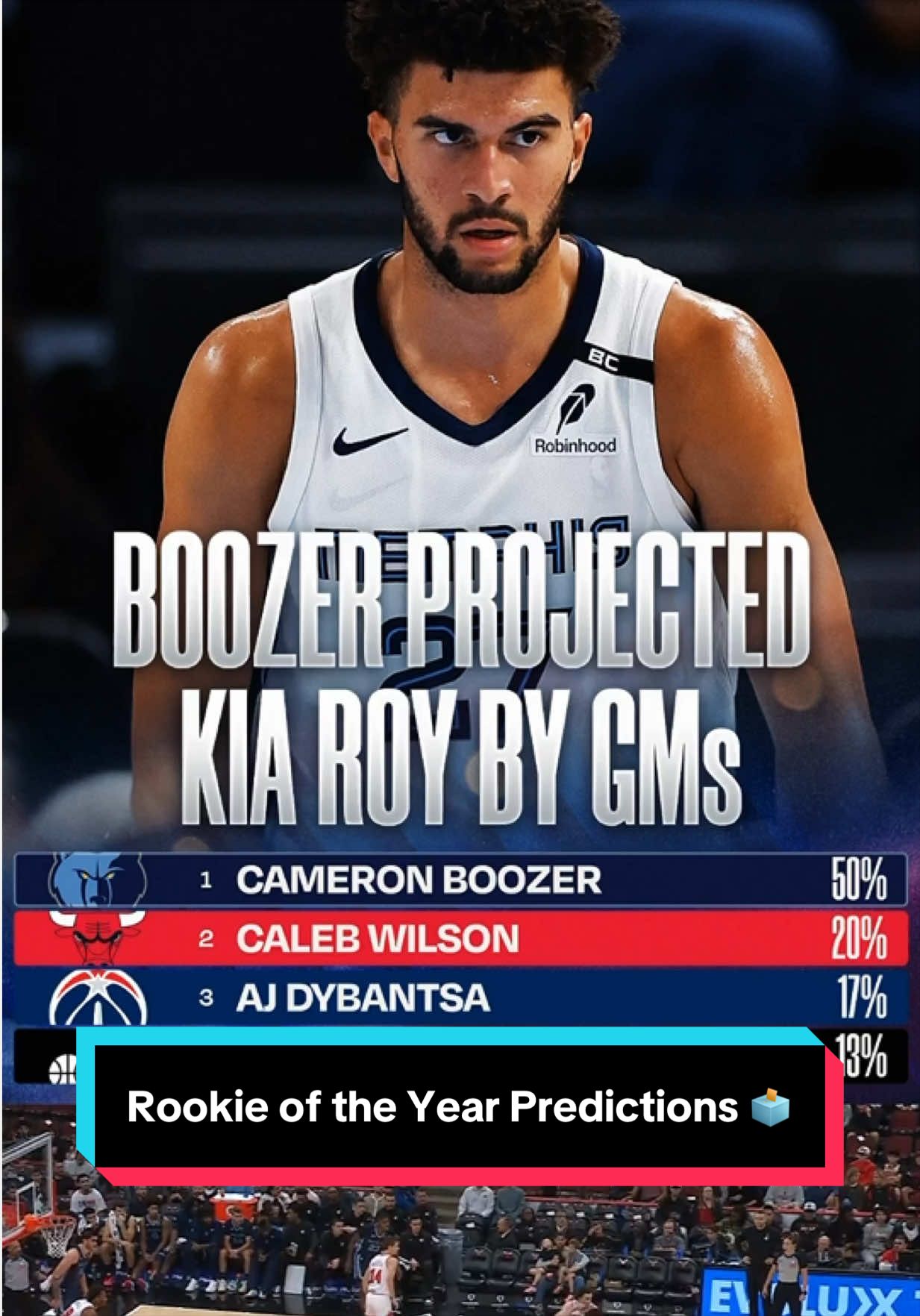
Which rookie do you think will rise to the top of the class? 🏆
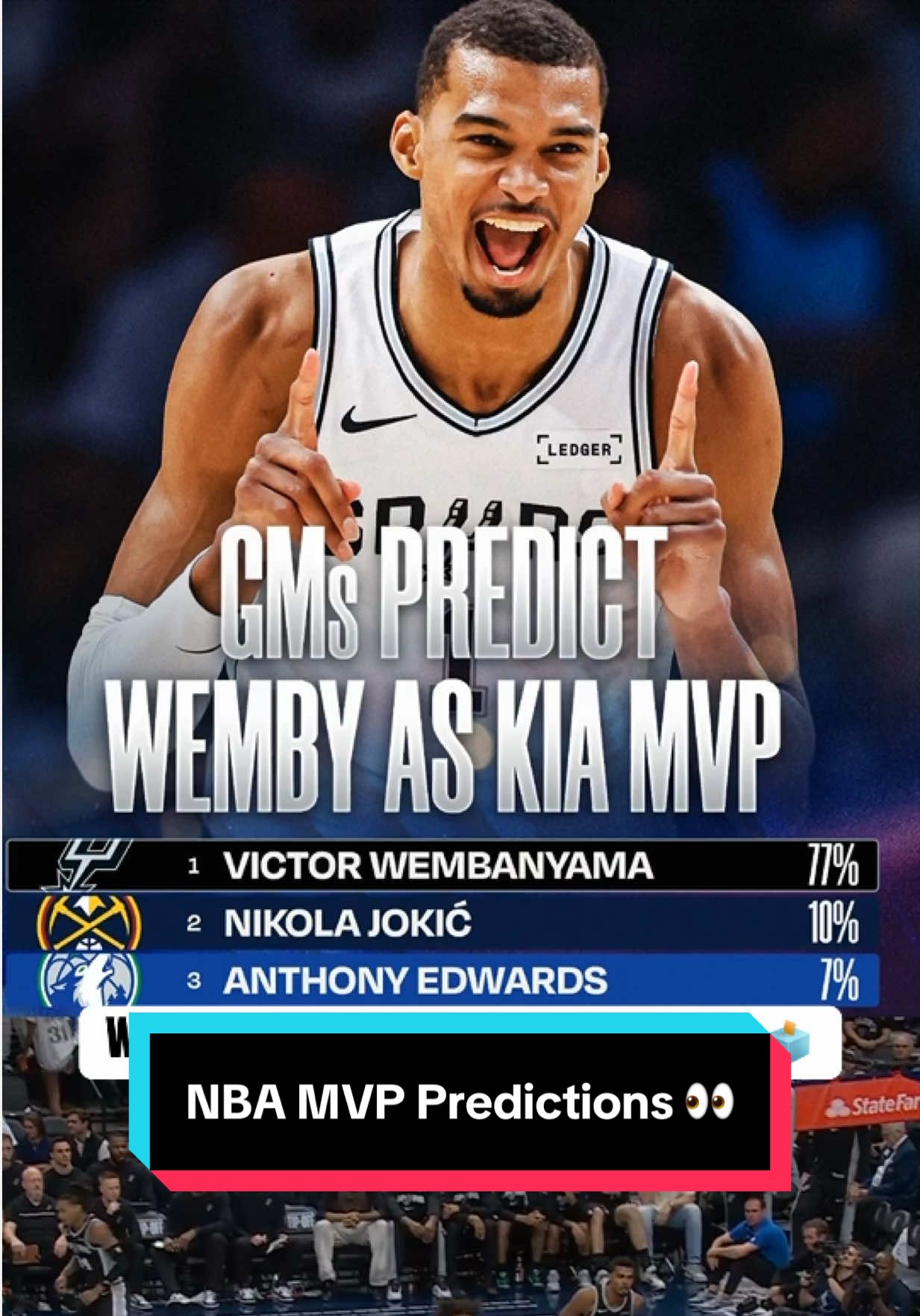
The NBA GMs have picked their 2026-27 Kia NBA MVP 👀 Who do you think will win? 🏆
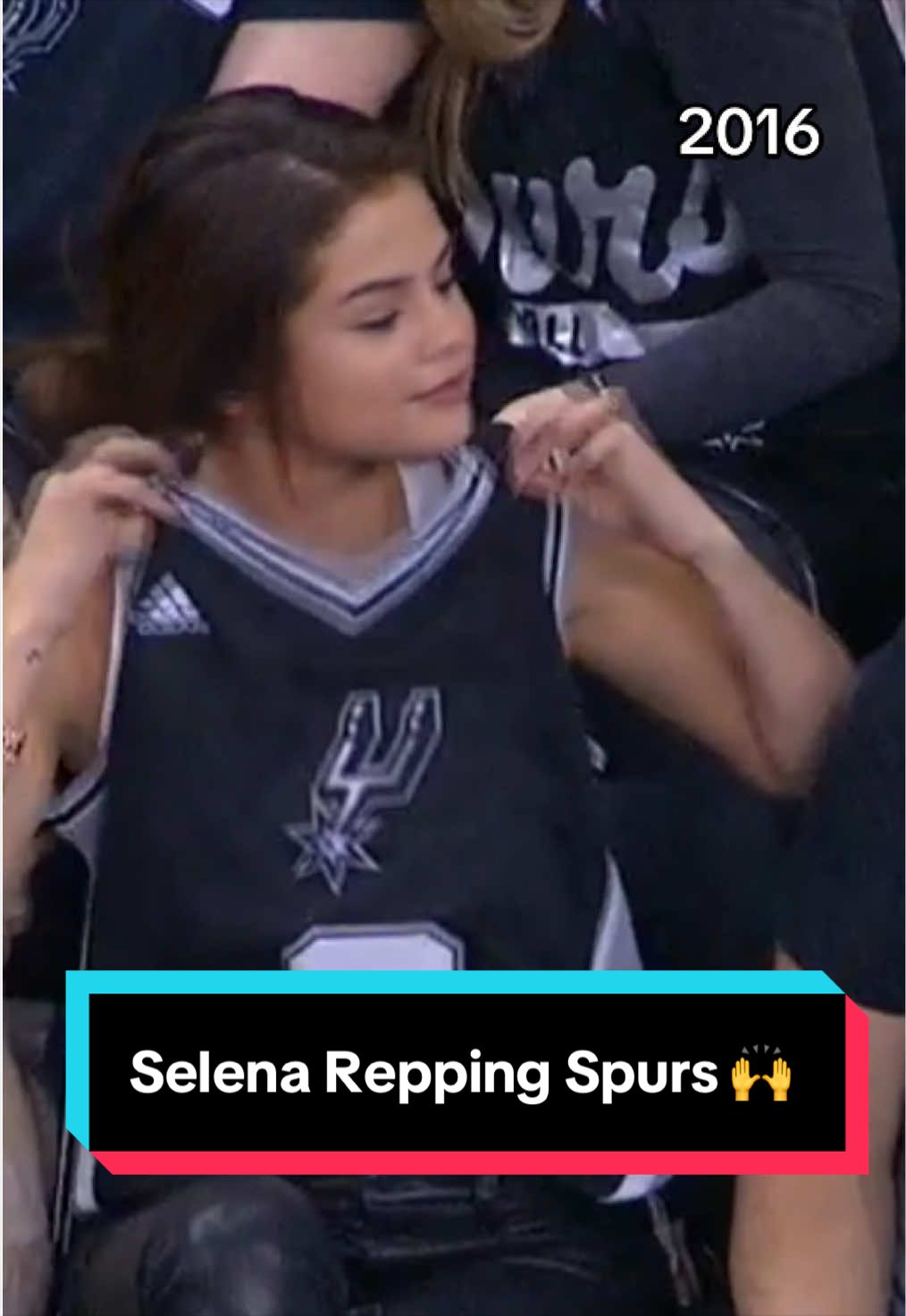
Throwback to 2016: Texas native @Selena Gomez wearing a Tony Parker jersey 🔥
 Links
Links
 Contact
 App
App


