



Bridges 3-for-3 trade done! Hornets get shooters to fill gaps, grade B+; Suns come up short, grade D+



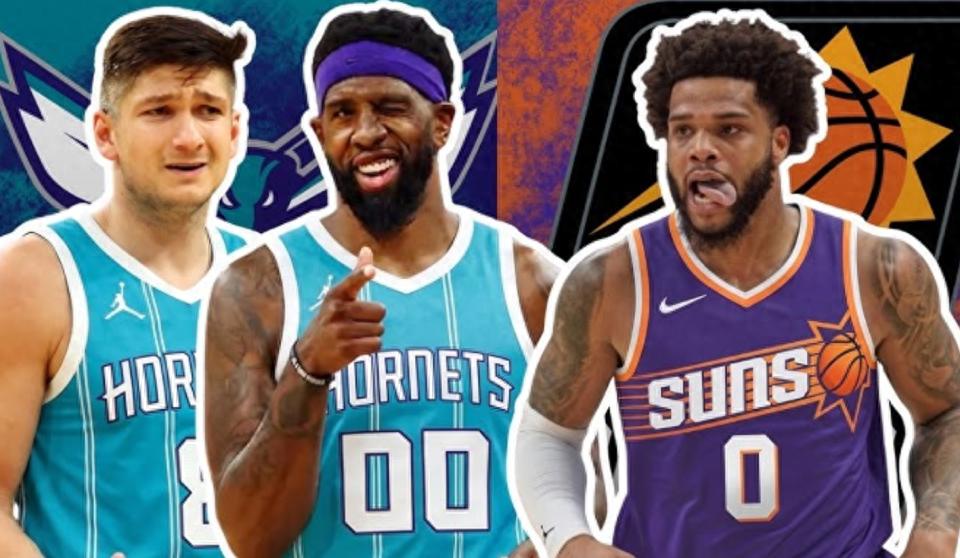
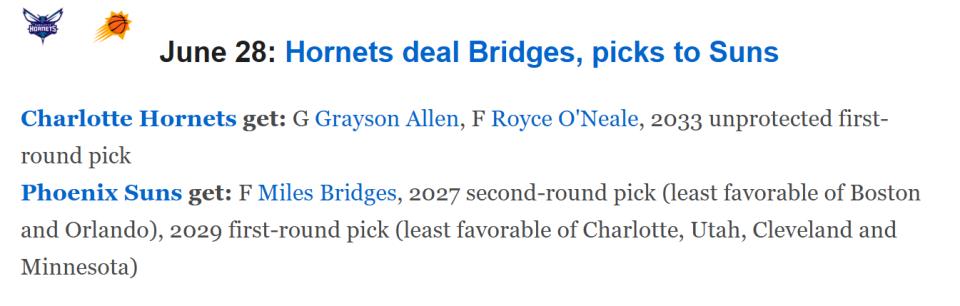
On June 29, Beijing time, the Hornets and Suns finalized a three-for-three deal. Charlotte traded Miles Bridges, a 2027 second-rounder (the worse of Boston's and Orlando's), and a 2029 first-rounder (the worst of Charlotte, Utah, Cleveland, and Minnesota) to Phoenix for Grayson Allen, Royce O'Neale, and an unprotected 2033 first-round pick. ESPN subsequently graded the transaction—
Hornets trade grade: B+
Just days earlier, Charlotte made a stunning move, sending last season's top-five player, LaMelo Ball, to Minnesota. Clearly, the dismantling of this core has not stopped.
Think of this deal as a continuation of the blockbuster Ball trade. By moving Ball, the Hornets acquired Naz Reid plus a bundle of draft assets, including an unprotected 2033 first-round pick.
With Reid on board, Charlotte now has four distinct big men: Reid and Moussa Diabaté are proven contributors; Ryan Kalkbrenner and Hannes Steinbach are rookies needing playing time. All four are younger than Bridges.
Reid can slide to power forward and is set for his first extended starting role. Bridges therefore loses his guaranteed starting spot. Charlotte cashed in, grabbing another unprotected 2033 first-round pick—that alone justifies the deal. Plus, Bridges is on an expiring contract, and the Hornets had no intention of re-signing him.
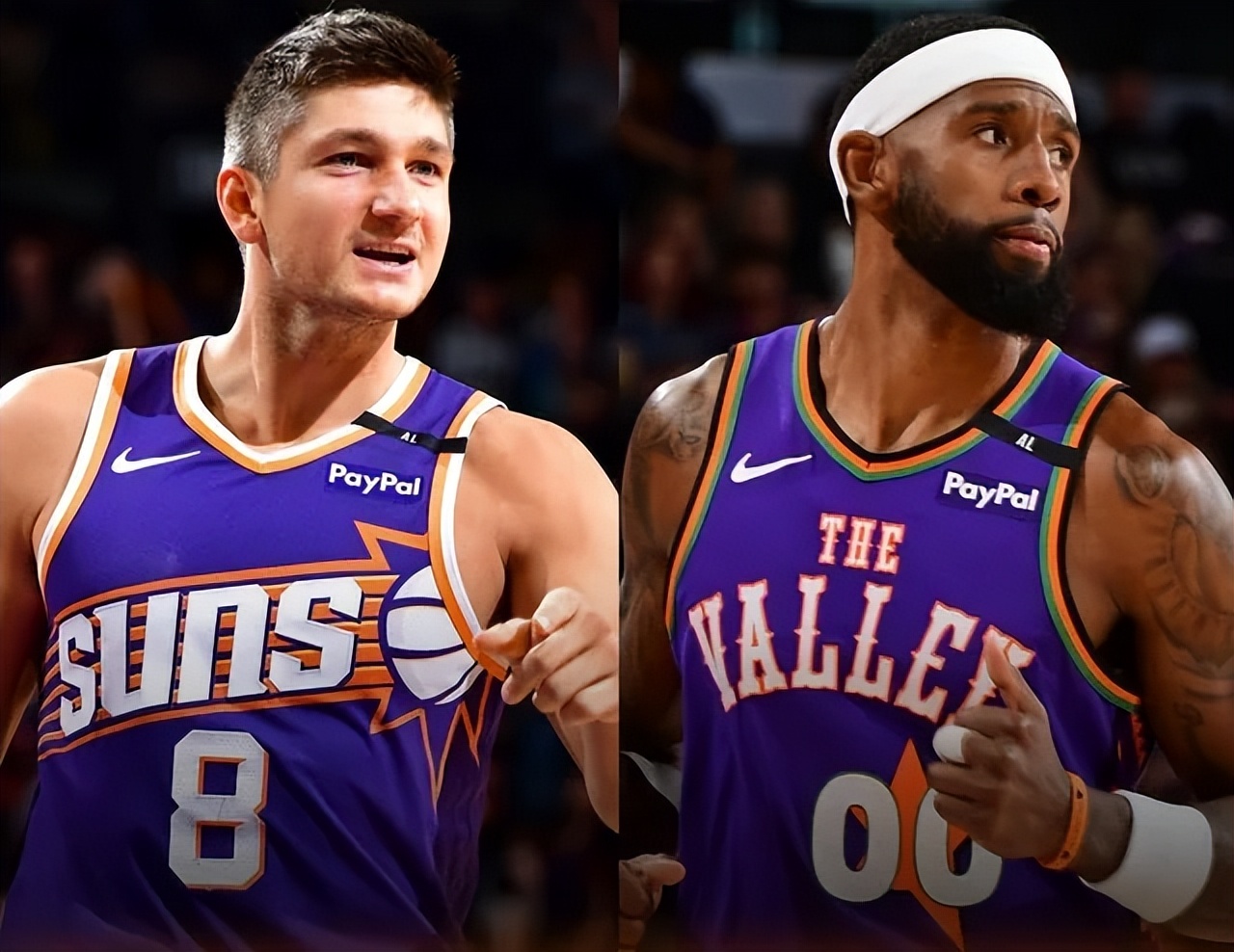
Phoenix shipped out Allen and O'Neale mainly to cut salary. Their on-court value for Charlotte remains to be seen.
Allen just finished a poor season: he shot over 40% from three the previous two years but only 35% this season, and missed playoff games with a hamstring strain. He turns 31 before next season, clearly entering decline. However, if his three-point shooting returns to normal, he can still help. Charlotte led the league in three-pointers last year but lost Ball; Allen fills that void.
O'Neale is a consistently reliable role player. Since his rookie season (2017-18), he hasn't missed more than seven games in any year. Over the last two seasons, he has taken plenty of threes and hit 41%, with a career mark of 39%—a great fit for Charlotte's bench.
The Hornets will pay these two bench players nearly $30 million combined annually—not cheap—but acceptable given their growing stockpile of picks.
Suns trade grade: D+
This offseason, only three players in the league were traded in deals involving at least one unprotected first-round pick: Giannis Antetokounmpo, LaMelo Ball, and Miles Bridges.
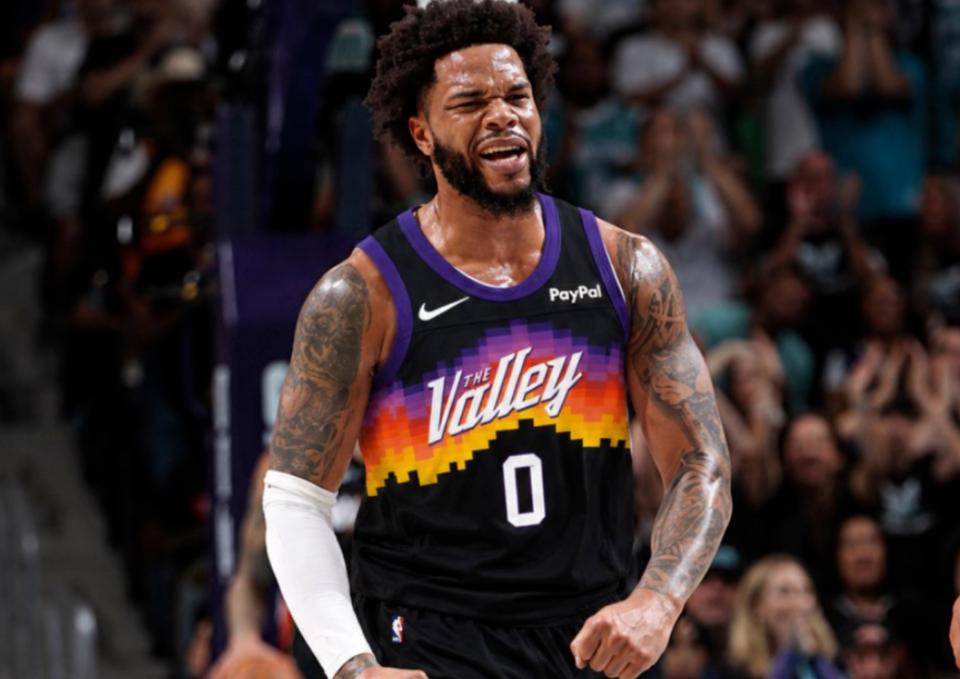
Giannis is a two-time MVP; Ball made the All-Star team, won Rookie of the Year, and is only 24. Bridges, meanwhile, is 28 and has never sniffed an All-Star berth.
Phoenix already had limited draft capital, so using an unprotected first on a player like Bridges is puzzling. The Suns had previously traded away their 2027, 2029, and 2031 first-round picks, plus swaps in 2028 and 2030.
Because of the Stepien rule (teams cannot trade first-rounders in consecutive years), Phoenix couldn't move another first-round pick until this week. Now that the league allows trading picks seven years out, the 2033 first became available, and the Suns rushed to deal it.
In return, Phoenix gets Bridges. In 2022, Bridges pleaded guilty to a felony for domestic violence against his child's guardian and received three years of probation. He missed the entire 2022-23 season and was suspended for the first 10 games of 2023-24.
After returning, Bridges put up decent counting stats (17.1 PPG), but his actual impact was mediocre; advanced metrics rate him as merely an average NBA player.
The Suns are small on the perimeter, and Bridges adds size, but he doesn't fit a contender due to several compatibility issues.
First, defense: With Bridges on the floor, Charlotte's defensive rating was worse than when he sat. He shows low effort—only 1.2 steals+blocks per 36 minutes last season, ranking 248th out of 279 players with over 1000 minutes. Behind him are mostly pure scorers (Brunson, Booker, LaVine) or shooters (A.J. Green, Hauser, Duncan Robinson)—Bridges doesn't fit either group.
Additionally, his career three-point percentage is just 34%, creating serious spacing problems alongside non-shooting bigs. According to databallr, Bridges and former Hornets center Mark Williams (now Phoenix's starter) shared 978 minutes with an offensive rating of 111.6 (poor). Of course, Ball missed many games those seasons, hurting Charlotte's overall offense.
Observers wonder if Suns management overvalued Bridges due to Michigan State ties: Bridges played two seasons there and entered the 2018 draft. Suns owner Mat Ishbia, head coach Jordan Ott, and GM Brian Gregory all spent significant time at Michigan State; Gregory was a team consultant during Bridges' freshman year (2016-17).
But that connection may be overstated: As early as the 2024 trade deadline, rumors linked Bridges to Phoenix, before Gregory and Ott joined the Suns' front office.
There's also a salary angle: In 2026-27, Allen and O'Neale will earn a combined $29 million; in 2027-28, $31 million (if Allen picks up his option). Bridges makes $22.8 million in 2026-27 and becomes a free agent next summer. According to ESPN's Bobby Marks, Phoenix can extend him for up to three years, $89 million.
This move does trim payroll slightly, but if the Suns plan to re-sign Bridges, the savings are minimal—hardly worth giving up an unprotected first-round pick and their most tradable assets.
The 2029 first-rounder Phoenix gets back is somewhat of a "return to sender"—it was originally the pick the Suns sent to Charlotte in the Mark Williams trade (the worst of Utah, Cleveland, and Minnesota). This pick is far less valuable than an unprotected one: only if all four teams (Charlotte, Utah, Cleveland, Minnesota) miss the playoffs in 2029 will it land in the lottery.


Wonderfulshortvideo
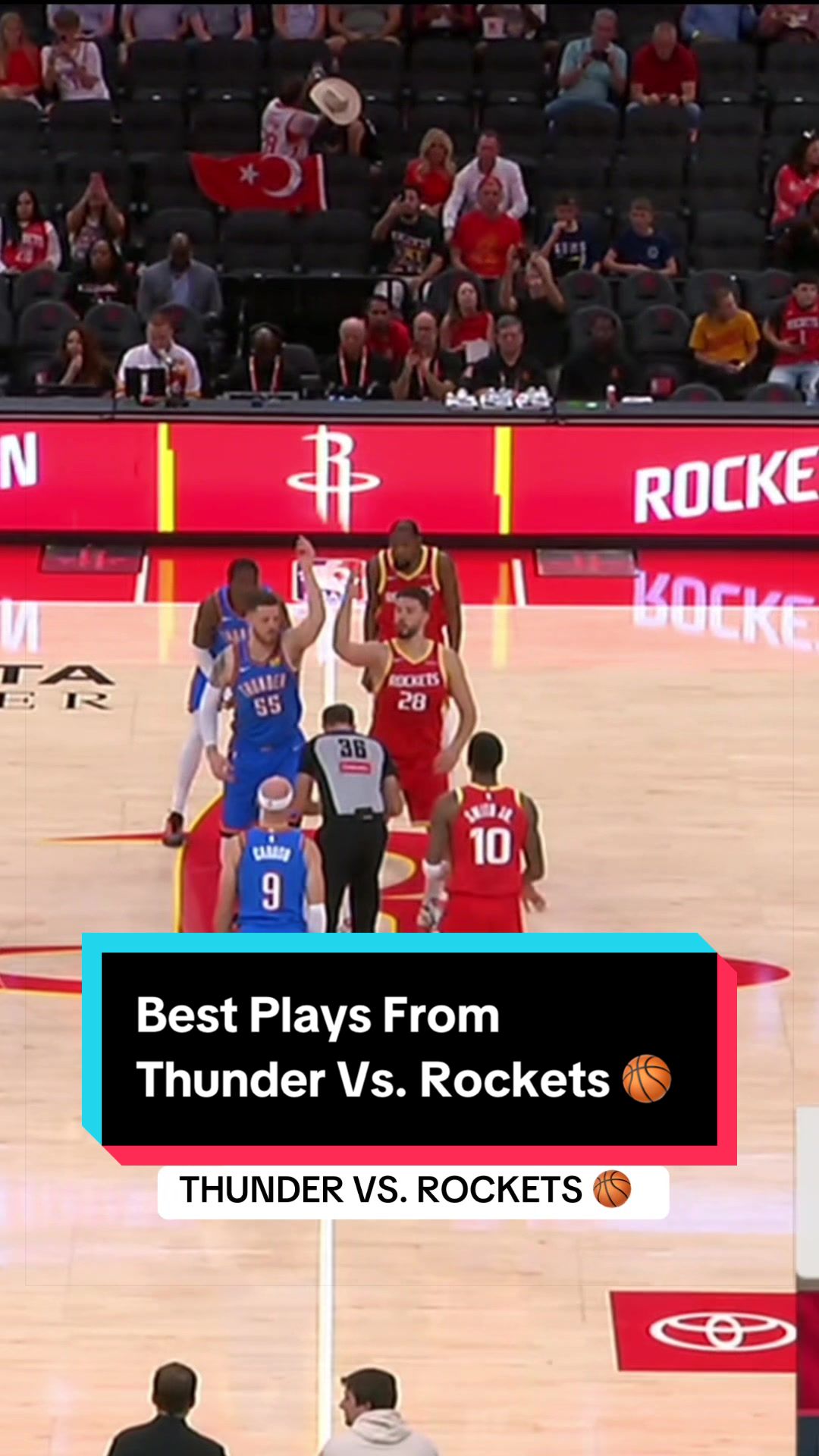
Quick rewind ⏮️. Full recap. Here’s everything from tonight @OKC Thunder vs. @houstonrockets 🏀


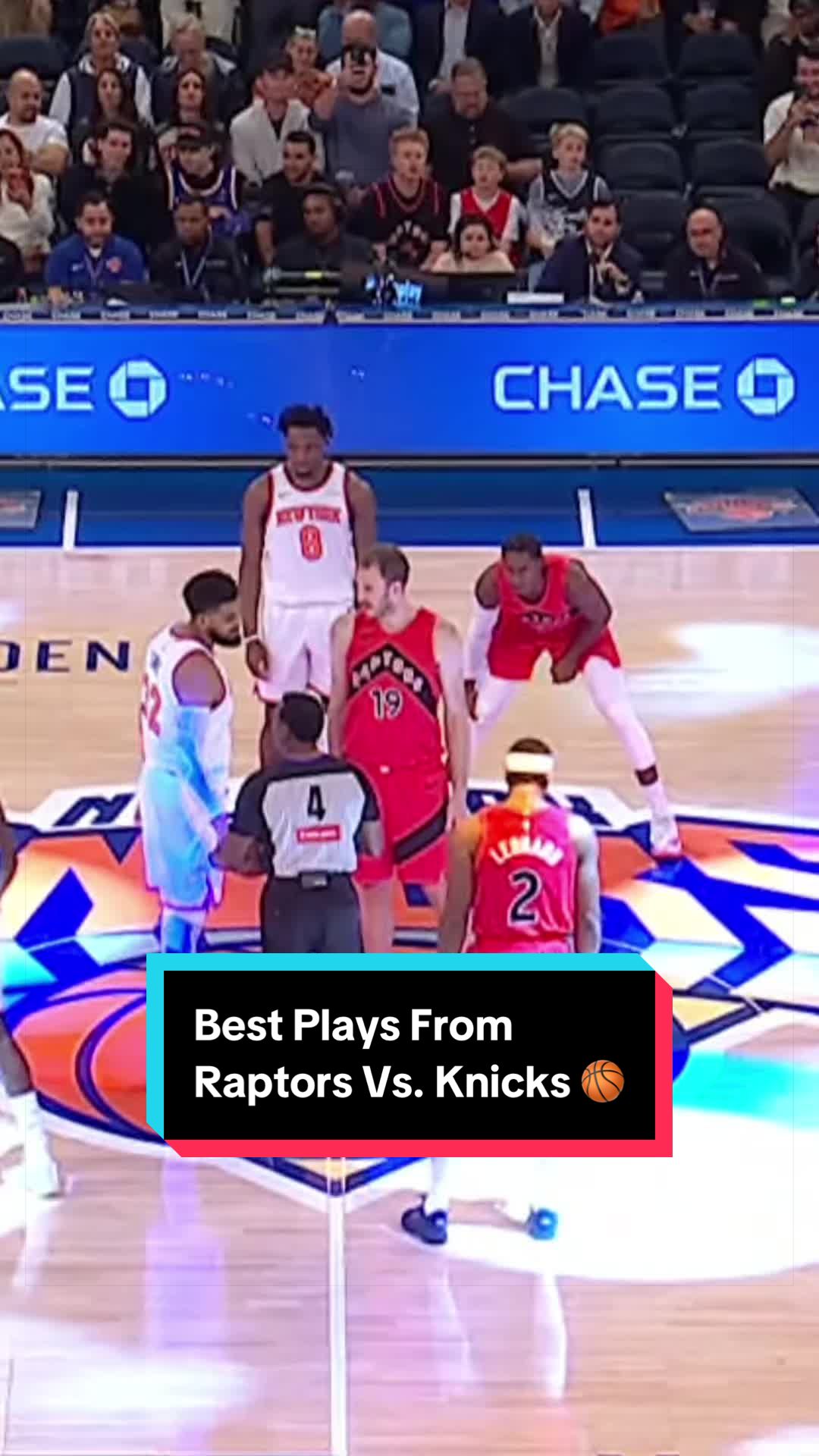
Quick rewind, full recap. Here’s everything from tonight’s @Raptors vs. @New York Knicks matchup ⏪🏀
Lakers Close Up: Building the Foundation
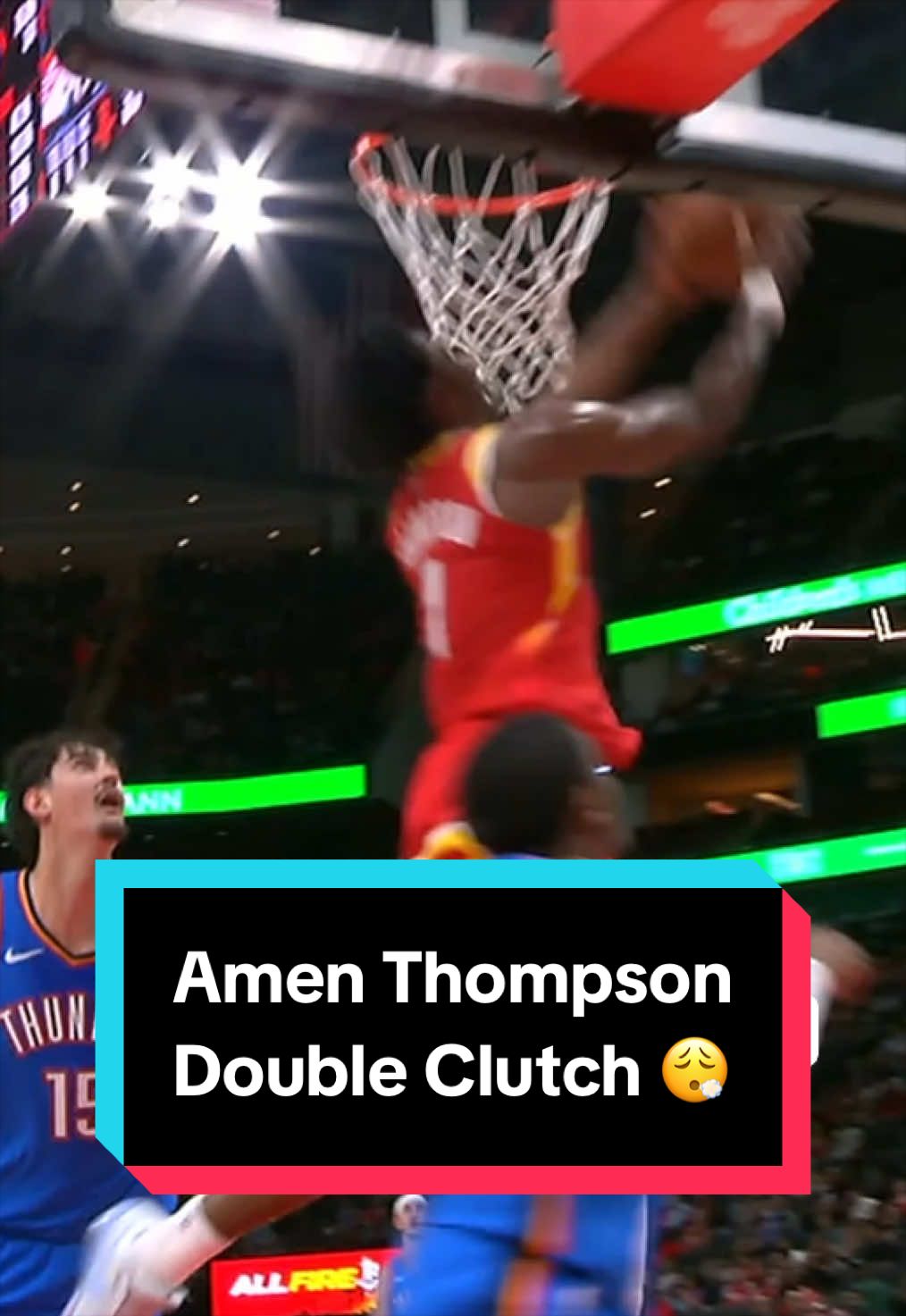
Amen Thompson getting UP 🤯
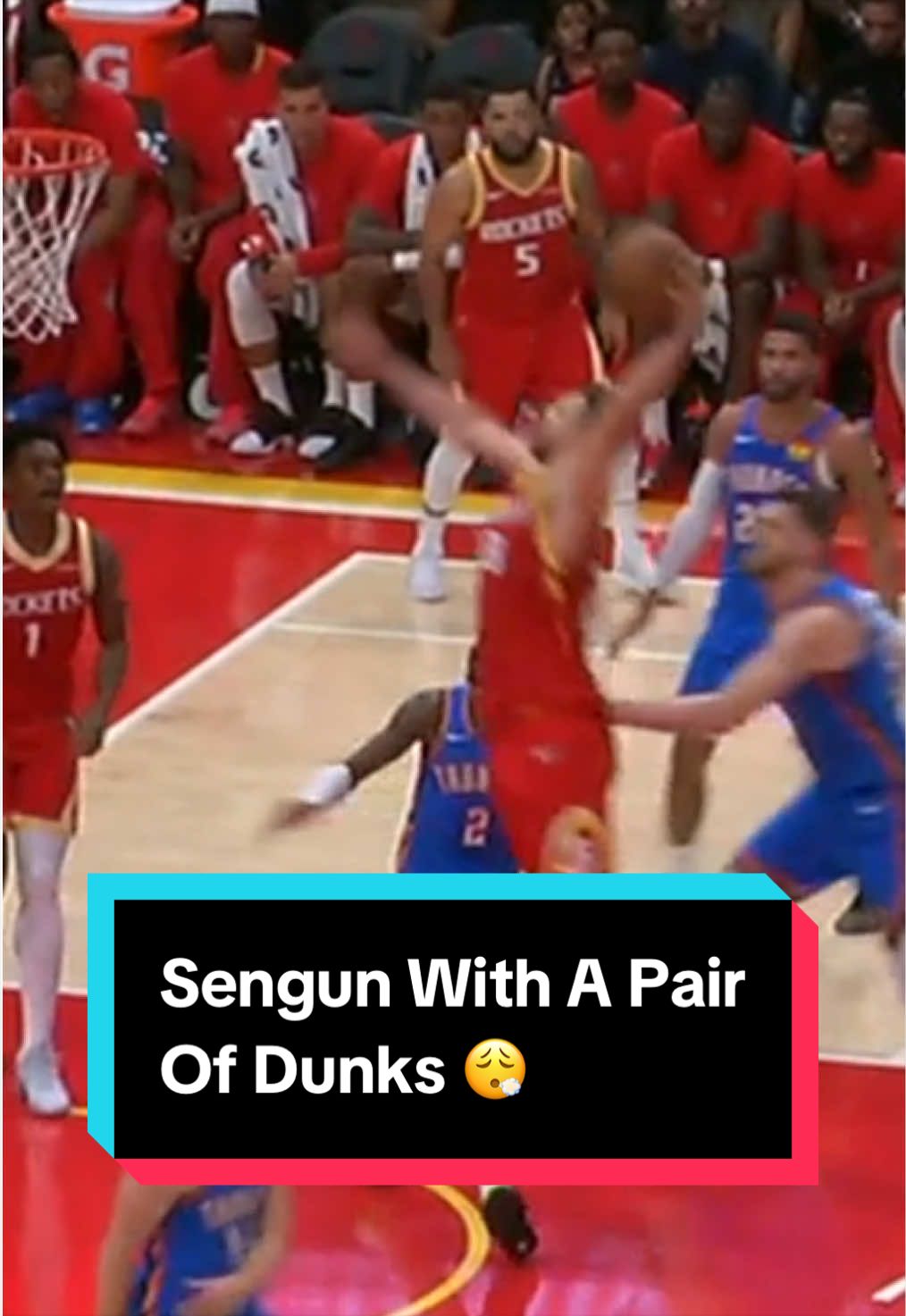
He was soaring 🤯
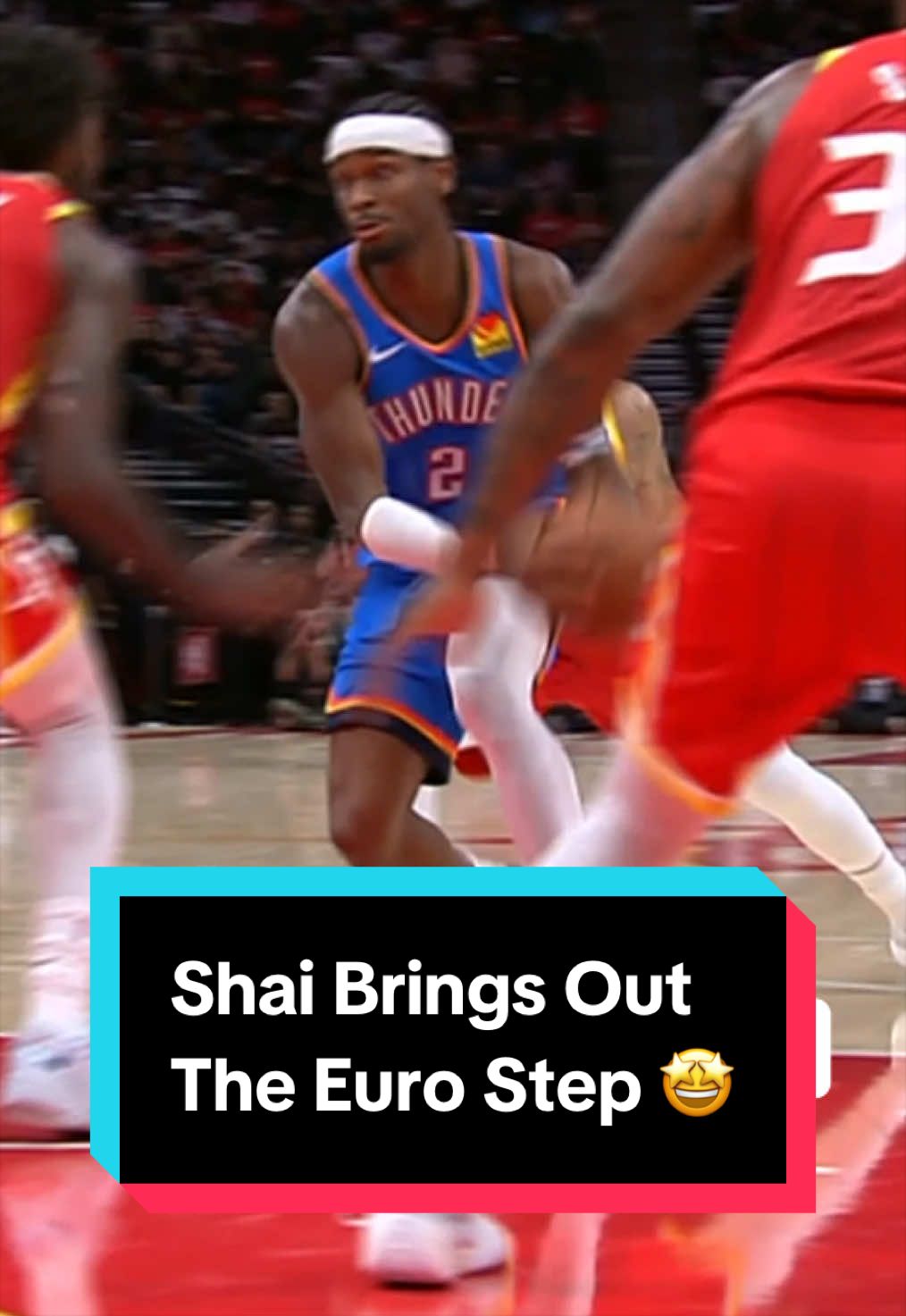
Shai weaving through the defense for the basket 🔥
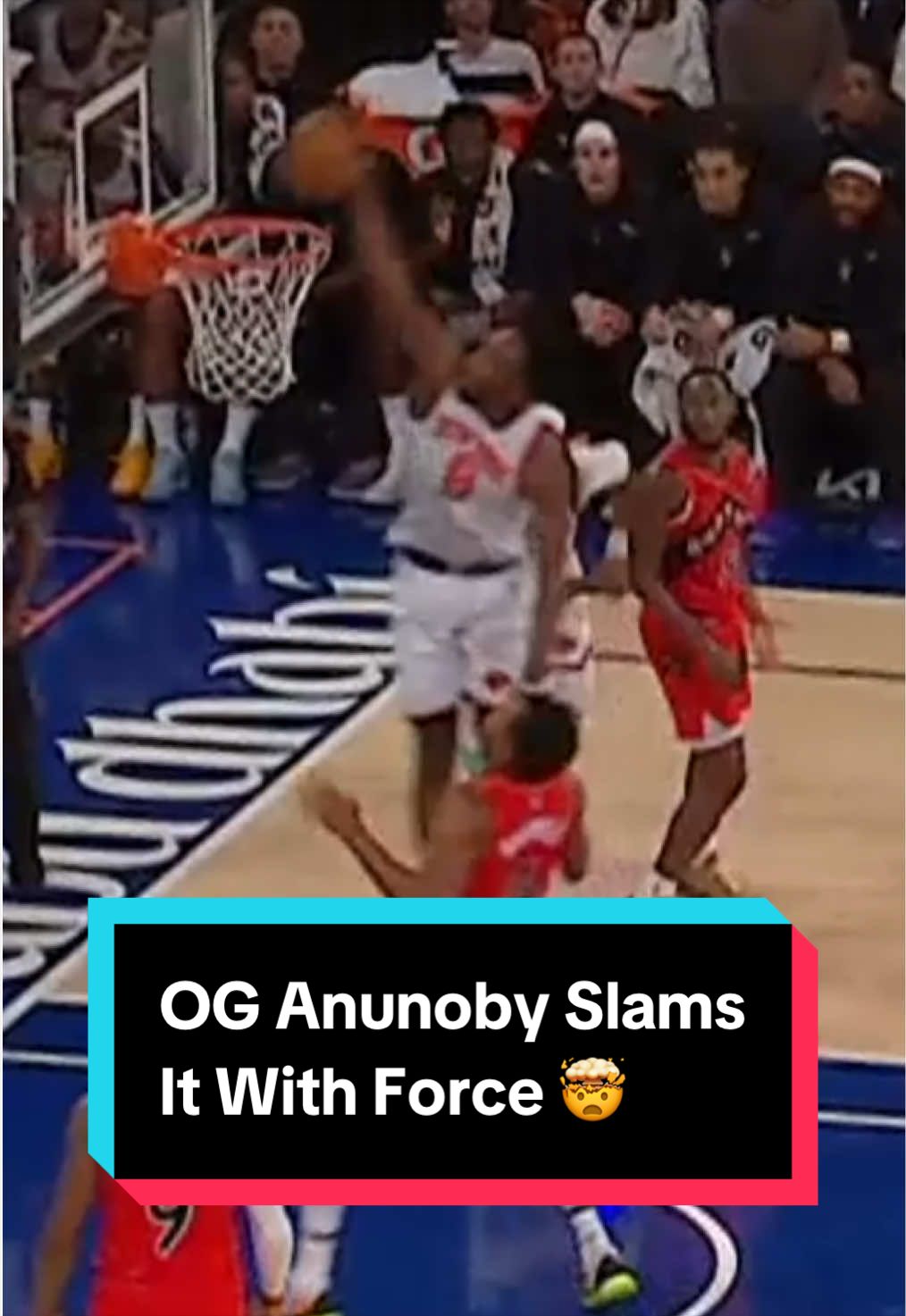
“Just in case you forgot…”🔥😮💨
 Links
Links
 Contact
 App
App


