



Unveiling the Secrets Behind Leonard's Return to Toronto: A 7-for-1 Trade Packed with Intricacies, Aimed at Pairing Barnes with a Top-Tier Partner for a Championship Run



On July 1, Beijing time, according to Shams, the Clippers and Raptors completed a deal centered on Kawhi Leonard. The Clippers dealt Leonard to Toronto for Ingram, Dick, two first-round picks, one first-round swap, and two second-round picks. Leonard plans to end his career with the Raptors. Toronto's outgoing assets include their 2027 and 2029 first-rounders, plus a 2030 swap. Does Toronto's offer seem questionable? Raptors beat writer Eric Koreen breaks it down below——
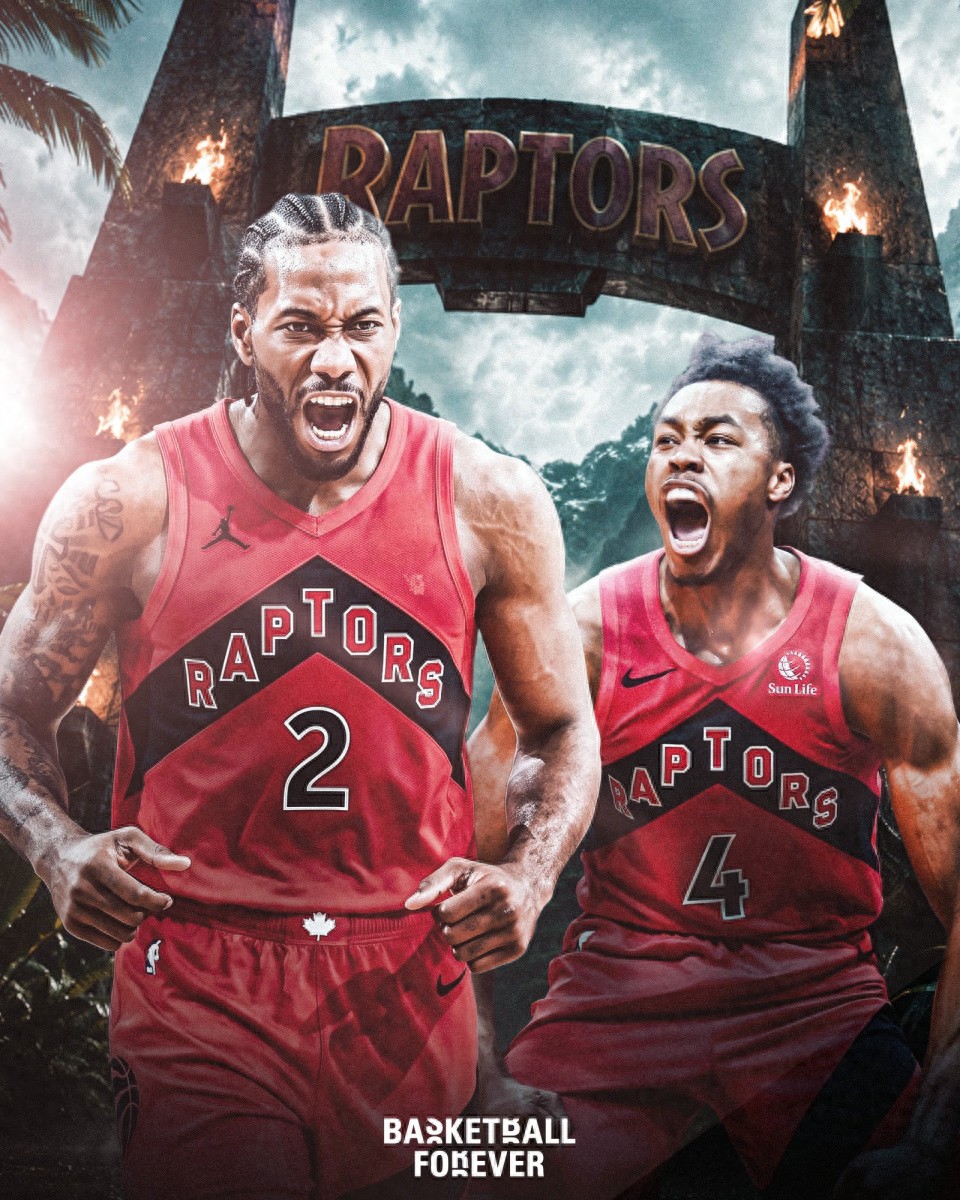
On paper, this trade makes little sense. Why would a relatively young team that made the playoffs last season part with future draft capital to acquire a 35-year-old star plagued by injuries, even if that player once brought the franchise its greatest championship glory? Even more puzzling, if the deal goes through, Toronto intends to offer Leonard a lucrative multi-year extension.
But the devil is in the details—it's these hidden conditions that make the Raptors' move to bring back Leonard both reasonable and feasible.
A league source who spoke on condition of anonymity revealed that the Clippers and Raptors had been discussing a Leonard trade for days. The Athletic previously reported that the Mavericks had also pursued Leonard, but his list of preferred teams willing to extend him was limited to just two: the Raptors and the Spurs, giving Toronto a huge advantage in negotiations. Last week, sources indicated mutual interest. Additionally, Toronto had the cap flexibility to acquire a major star.
To understand the Raptors' pursuit, one must first grasp why the Clippers were willing to part with Leonard. Leonard's current contract has only one year remaining at $50.3 million. Per league norms, he had already begun planning for his next long-term deal. In February, the Clippers made a blockbuster trade, sending James Harden to Cleveland for Darius Garland, effectively initiating a youth-oriented roster rebuild.
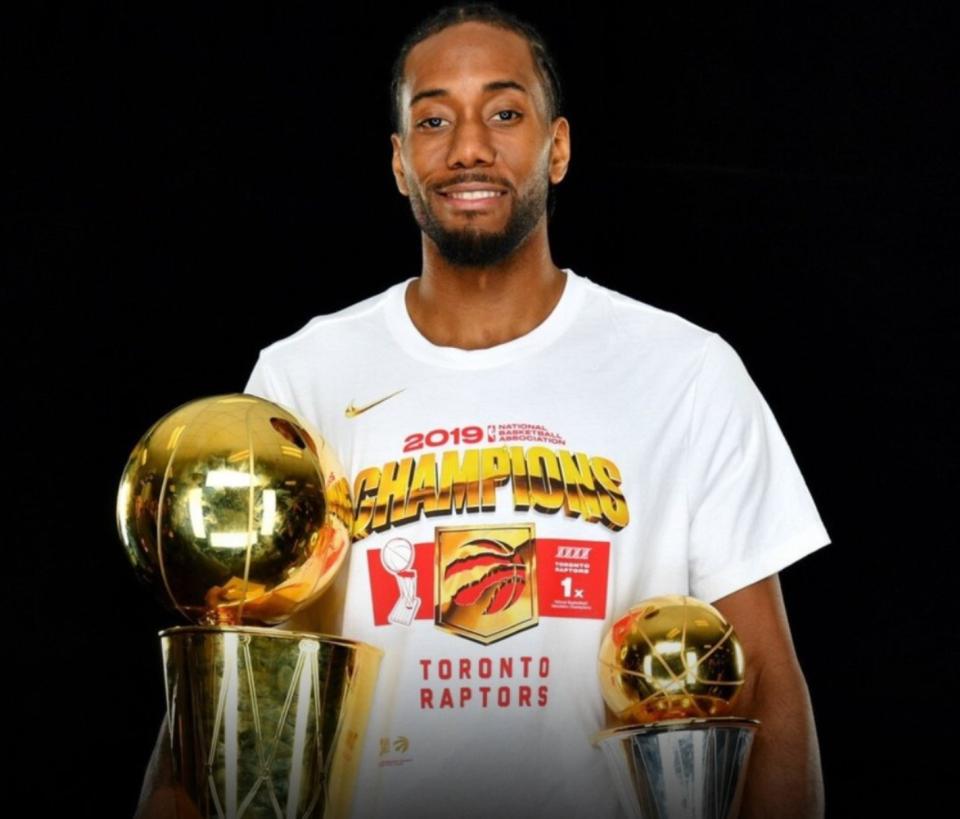
Since Leonard left Toronto for the Clippers in July 2019, the relationship between the two sides has been fraught with constant friction—and that statement barely scratches the surface. Persistent injuries and load management led Leonard to miss a significant number of games during his tenure with the Clippers: out of 604 combined regular-season and playoff contests, he appeared in only 364. He sat out the entire 2021-22 season, and of five playoff runs, he was healthy enough to finish the full schedule just twice.
On top of that, there was the controversial "Aspiration shadow contract" saga. During the offseason, Clippers executive Lawrence Frank stated the team's goal was to build a contender around Leonard. However, this summer, the Clippers shipped out Harden (to the Cavaliers) and Ivica Zubac (to the Pacers), using the returns to acquire the fifth pick in this year's draft and selecting Keyton Vagle. After these moves, the Clippers' pivot toward a youth-focused rebuild became all but inevitable.
So the question remains: if the Clippers are embracing a rebuild, why would the Raptors actively pursue Leonard? Once next season begins, Toronto's two long-term cornerstones—Scottie Barnes (25) and Colin Murray-Boyles (21)—are still young. The answer lies in the Raptors' salary cap predicament.
Brandon Ingram has two years left on his deal worth a total of $81.9 million (with a player option for 2027-28); Immanuel Quickley is on a three-year, $97.5 million contract; Jakob Poeltl signed for four years and $103.6 million, with only $5 million guaranteed in 2029-30. These contracts range from average value to outright salary anchors. Toronto has plenty of draft picks and young prospects as trade chips but lacks affordable veteran contracts to facilitate salary matching. This salary structure creates two major issues: first, it's hard to compete in bidding wars for premium stars; second, to put together a competitive trade package, they must surrender more draft assets than other teams would.
Assuming the Clippers were determined not to extend Leonard, they had only two options:
1. Keep Leonard through the 2026-27 season, let him become an unrestricted free agent when his contract expires, and then consider re-signing him next summer;
2. Trade Leonard immediately now, recoup assets, and build a new roster around Garland and rookie Vagle.
This is where the Raptors saw their opening. Leonard had a clear list of teams he was willing to extend with, making those squads more willing to part with future assets to acquire him compared to other suitors without extension assurances. At the same time, Leonard's narrowing of preferred destinations theoretically depressed his market value and limited the Clippers' options.
Ironically, when the Raptors acquired Leonard from the Spurs in 2018, no such extension commitment existed. The risk was ever-present: back then, Toronto secured Leonard partly through the advantage of being able to offer a non-guaranteed extension, while today other teams could potentially outbid them. But times have changed—Leonard was in his prime then; now he is in the twilight of his career.
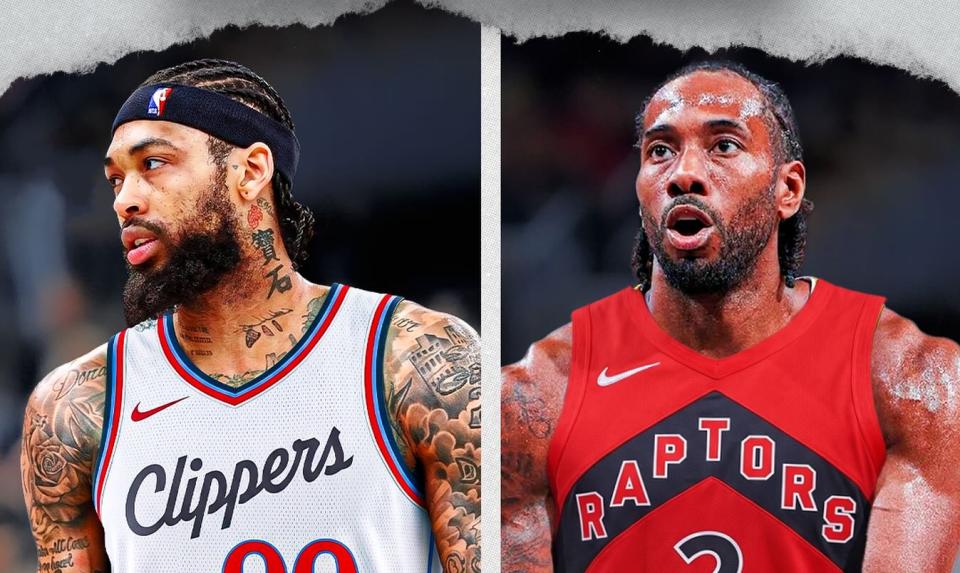
Ingram is six years younger than Leonard, but his durability advantage is not overwhelming. Over the past seven seasons, Leonard's game participation rate stands at 60.2%, while Ingram's is 69.5%. Both stayed relatively healthy last season, with Ingram playing 82 of 89 possible games and Leonard playing 65 of 82.
However, when both are healthy, their on-court production differs dramatically. Last season, Leonard averaged 27.9 points on shooting splits of 50.5%/38.7%/89.2%, with a win share of 9.2 and a player efficiency rating of 27.9; Ingram averaged 21.5 points on 47.7%/38.2%/82%, with a win share of 4.6 and a PER of 16.2.
On a per-100-possession basis during the regular season, the Clippers outscored opponents by 13.8 points with Leonard on the court; conversely, the Raptors actually outscored opponents by 4.9 points per 100 possessions when Ingram was off the floor. Even if Leonard is no longer at his peak, his defensive impact still far surpasses Ingram's, and his playoff résumé is vastly superior.
By acquiring Leonard, the Raptors are trading a modest drop in availability for elite per-game dominance—a gamble worth taking. Barnes is under contract through the 2029-30 season, and bringing in Leonard could significantly elevate the team's ceiling during Barnes' prime, creating a championship window without mortgaging the future: if Leonard's second stint in Toronto fails to replicate his first title run, the franchise still retains enough rebuilding pieces. After completing this deal, the team also retains flexibility for further roster improvements.


Wonderfulshortvideo
Quick rewind ⏮️. Full recap. Here’s everything from tonight @OKC Thunder vs. @houstonrockets 🏀


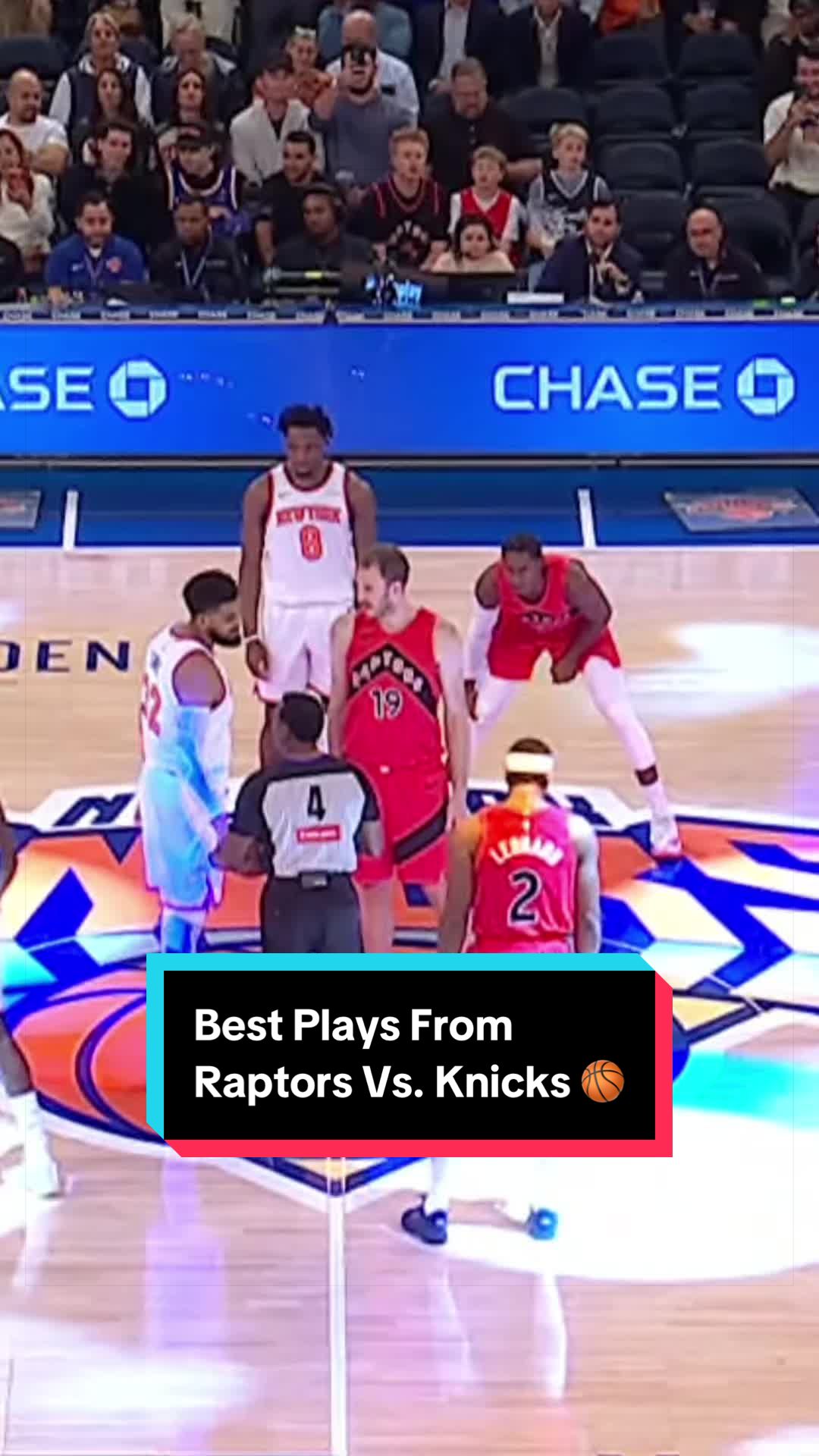
Quick rewind, full recap. Here’s everything from tonight’s @Raptors vs. @New York Knicks matchup ⏪🏀
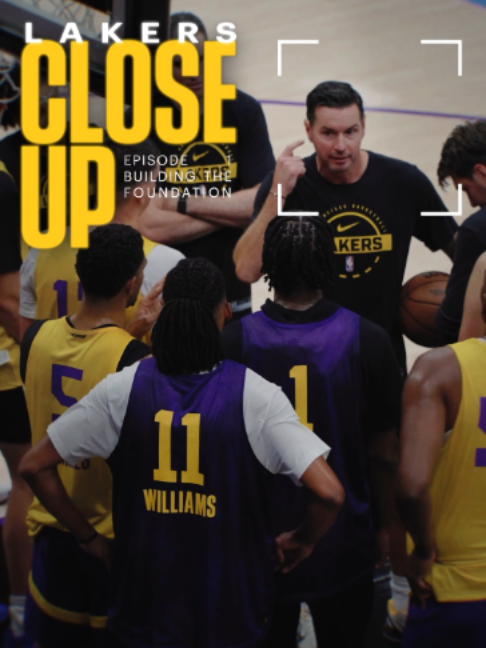
Lakers Close Up: Building the Foundation
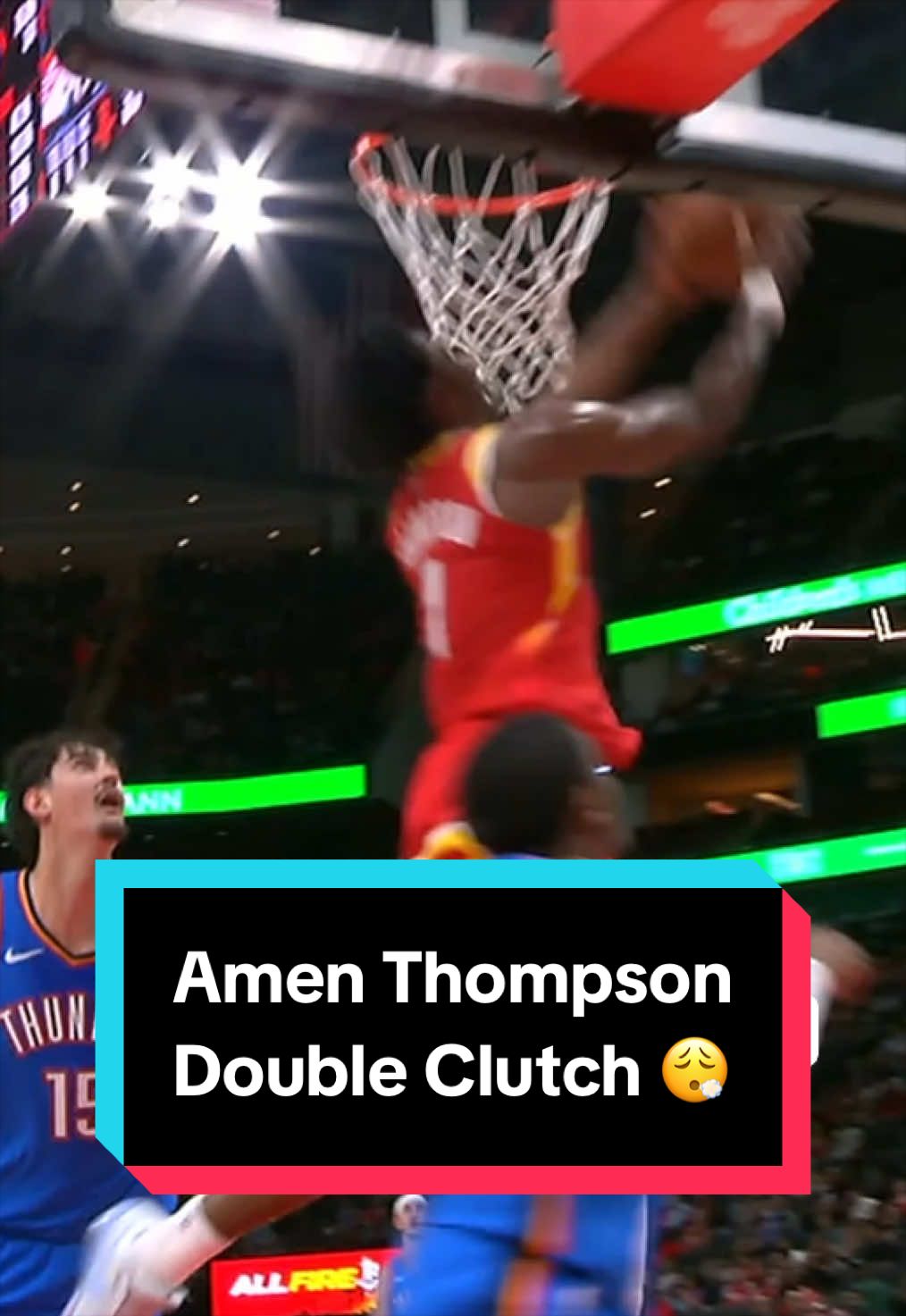
Amen Thompson getting UP 🤯
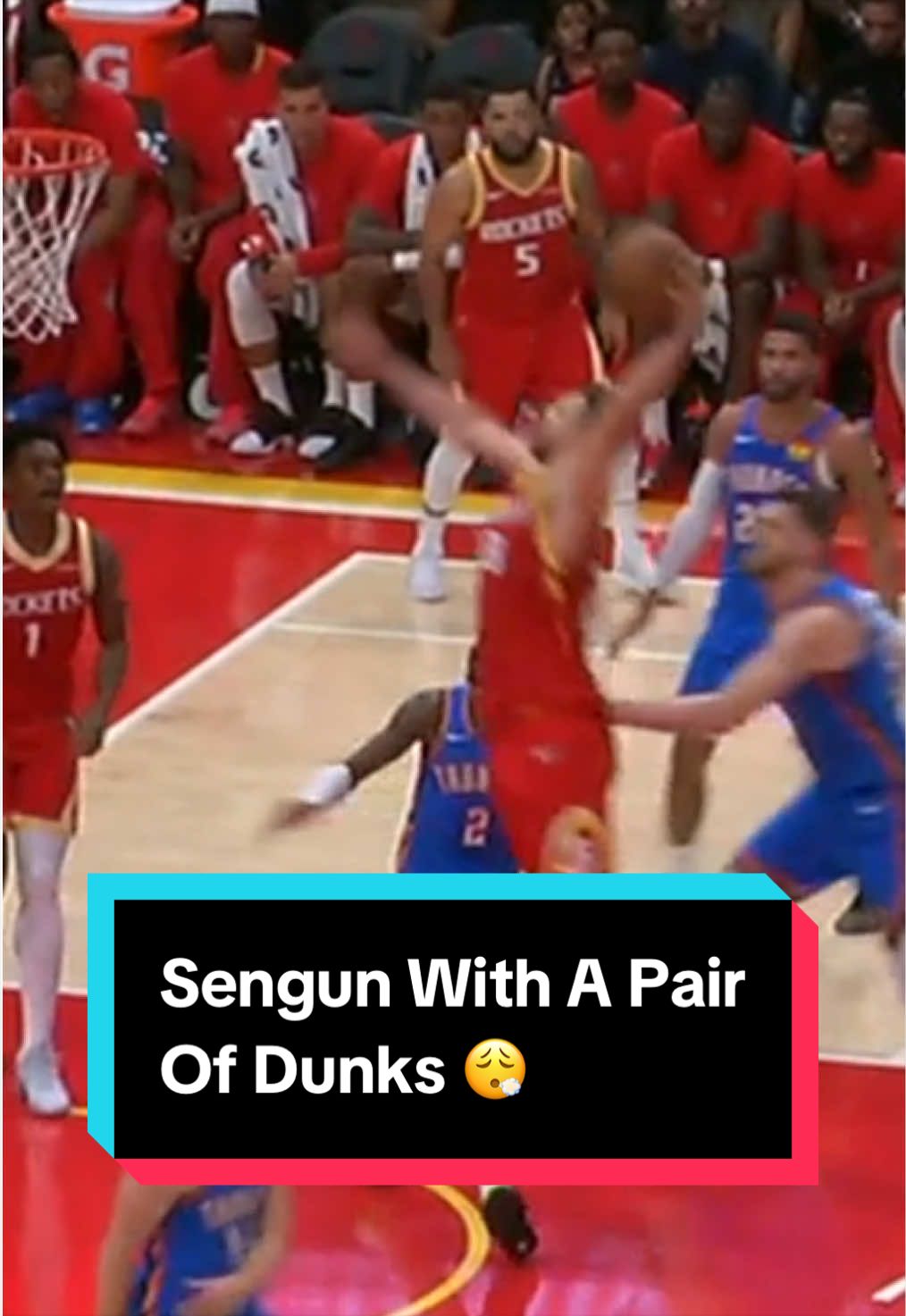
He was soaring 🤯
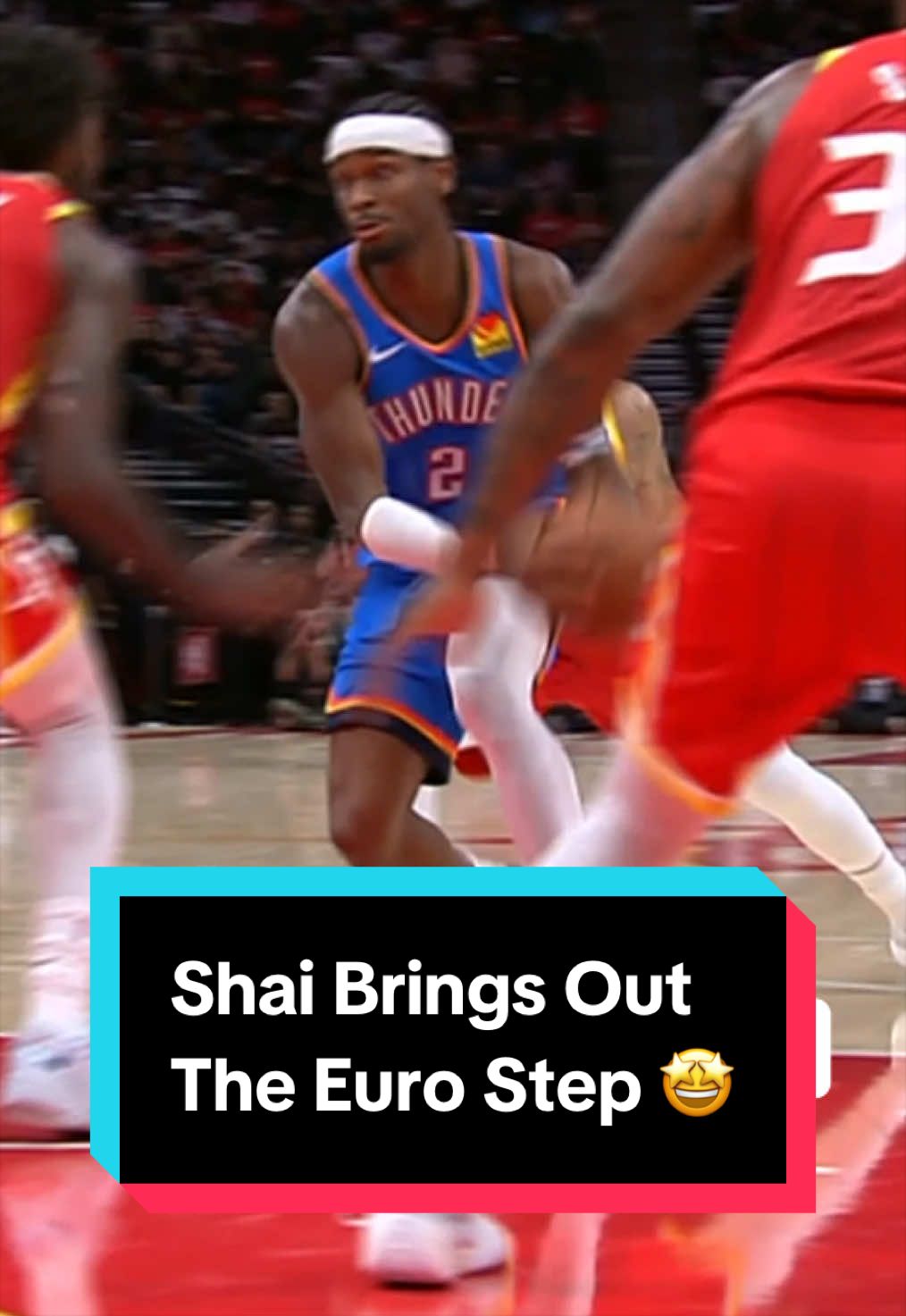
Shai weaving through the defense for the basket 🔥
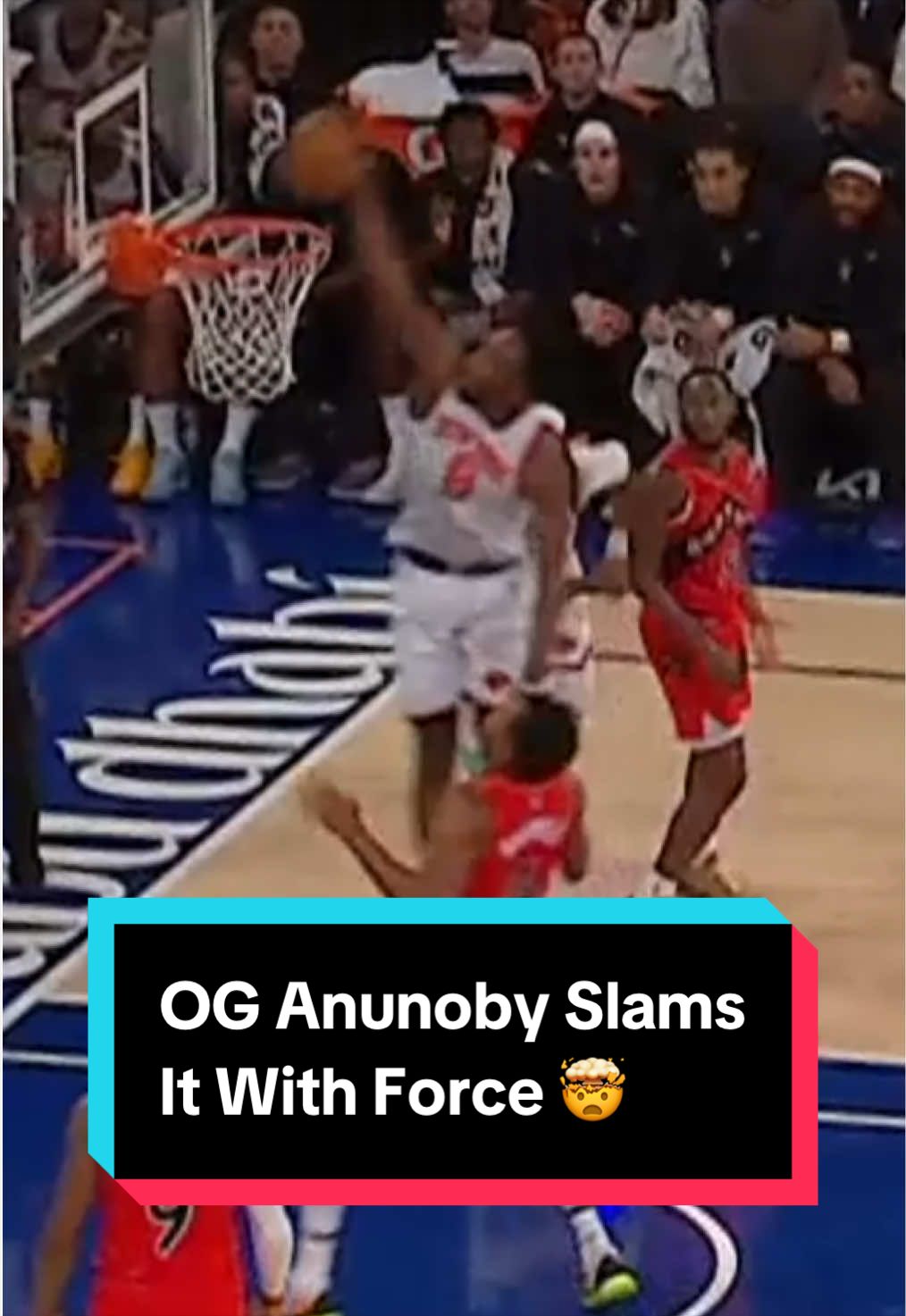
“Just in case you forgot…”🔥😮💨
 Links
Links
 Contact
 App
App


