



Jaylen Brown and Paul George swap—what are the Celtics trying to do?



While the whole league was mocking the Lakers for trading two first-round picks and two pick swaps to the Jazz for Walker Kessler, the Celtics stepped up and decided to make a big move.
Boston sent Jaylen Brown to Philadelphia in exchange for Paul George, two first-round picks, and two second-round picks. The first-round picks are the better of the 2028 selections and an unprotected 2031 pick.
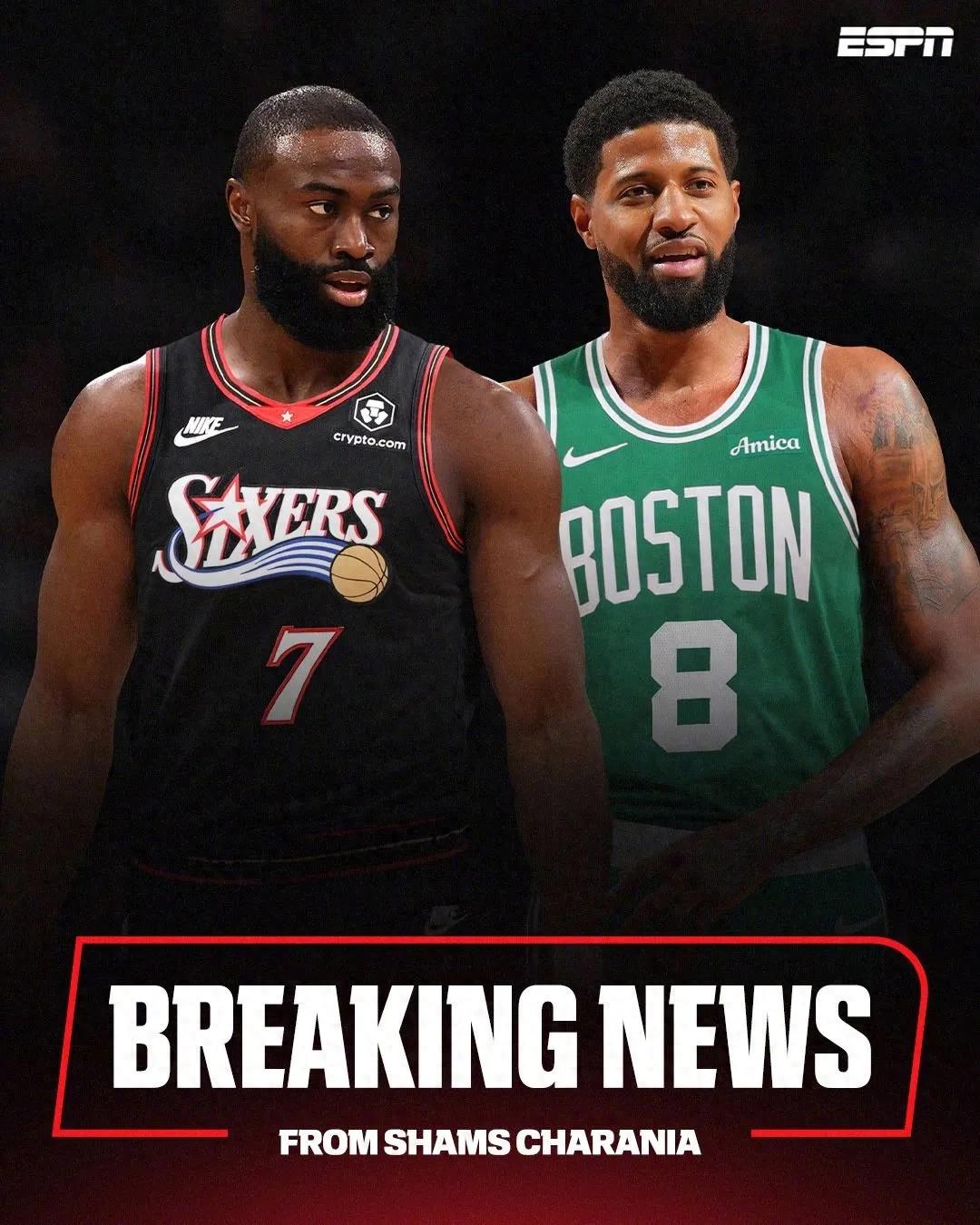
When I saw this trade this morning, my first thought was that Jaylen Brown had finally been traded, and my second thought was that the Celtics only got this much in return? Everyone considered Paul George's contract to be a negative asset, yet the Sixers turned George's deal plus two firsts and two seconds into a prime Jaylen Brown from Boston?
What's more, the Celtics sent Brown to a division rival. After acquiring Brown, that rival almost instantly became a powerhouse—and that same rival had just come back from a 1-3 deficit to beat Boston in the playoffs. I know the Sixers and Celtics like to make deals, but I never thought they'd be sitting at the same table for a Brown trade.
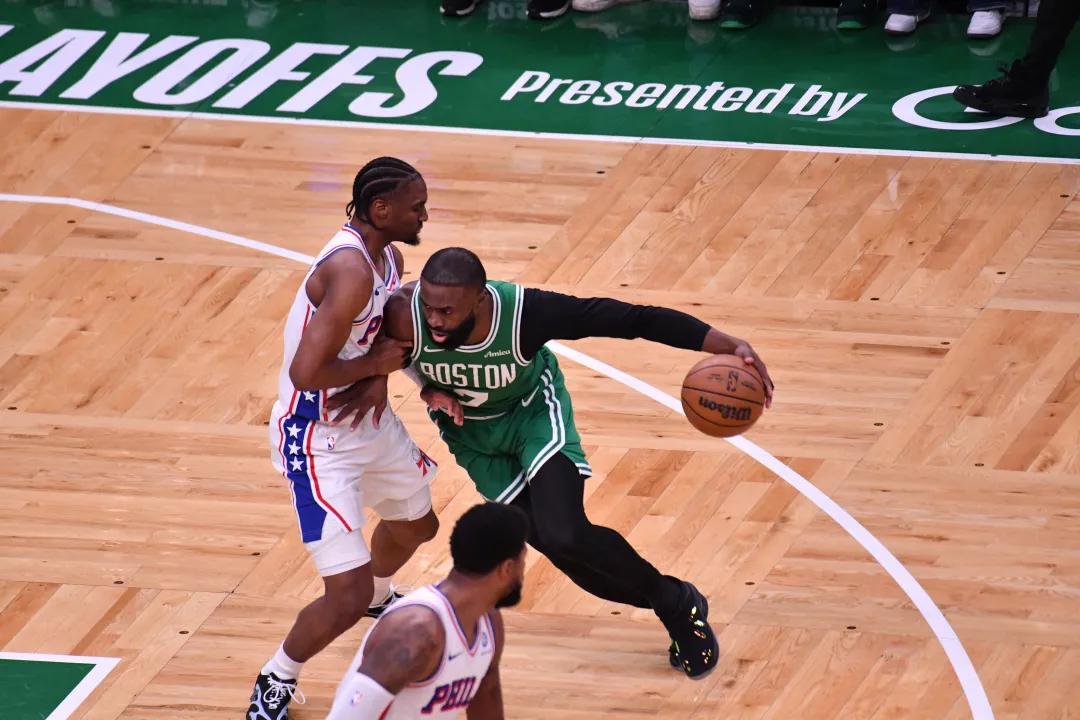
If Jaylen Brown is only worth this much, plenty of other teams could have matched the offer. But the Celtics still chose the Sixers as their trade partner—it's practically true love.
George has two years left on his contract totaling $110 million: $54.1 million for the 2026-27 season and $56.6 million for 2027-28. Brown has three years remaining: $57.1 million for 2026-27, $61 million for 2027-28, and $64.9 million for 2028-29. For next season alone, Brown's and George's salaries are fairly comparable.
If the Celtics thought Brown's contract was too big, they could have waited another year until he actually started making $60 million. But right now is the peak of Brown's trade value, and getting so little in return is hard to justify. Sixers fans once thought George's contract was untradeable, but now they've not only shed it but also acquired Brown—a deal they never even dreamed of, yet it actually happened.
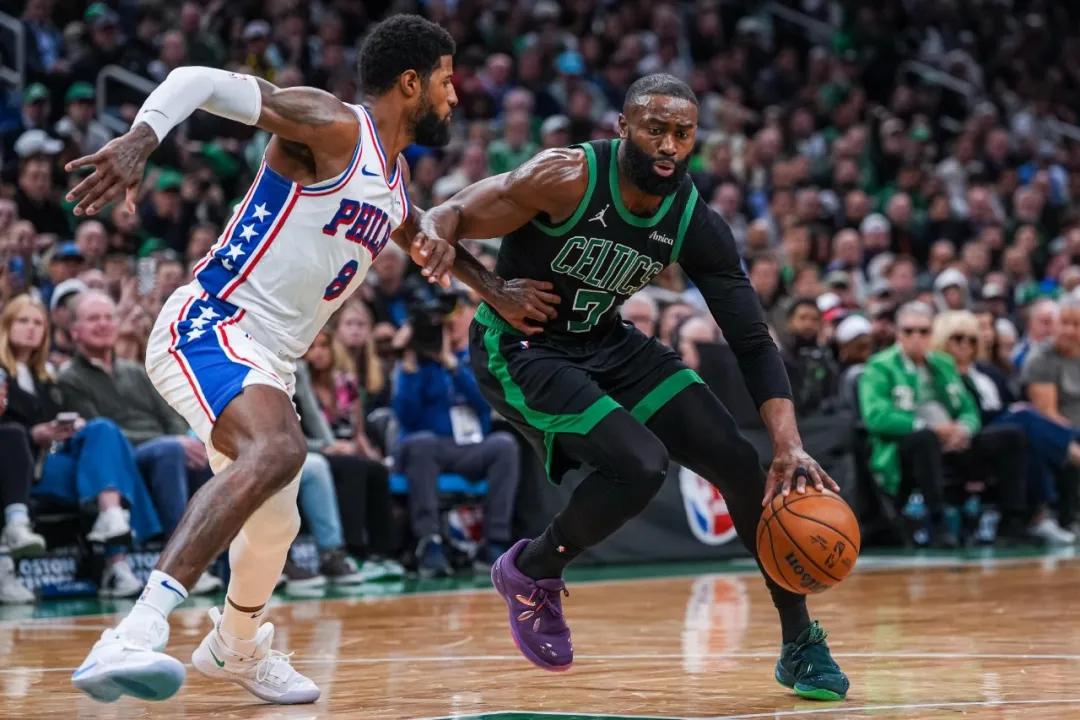
In the first round of the playoffs, George played at an elite 3-and-D level, averaging 18.2 points, 4.2 rebounds, 3.3 assists, and 1.7 steals, shooting 48.7% from the field and a blistering 54.3% from three. His defensive performance against the Tatum-Brown duo is still fresh in memory.
But George is 36 years old, and his hot streak couldn't even last a full postseason. In the second round sweep by the Knicks, his numbers dropped to 14.5 points per game on 40.7% shooting and 41.9% from three. He had a 7-point game, and also a game where he scored 15 in the first quarter but went 0-for-9 in the final three quarters.
One easily overlooked fact is that George played only 37 regular-season games last year due to injuries and suspensions. That minimal regular-season workload gave him extra energy for the playoffs—a situation that's almost impossible to replicate.
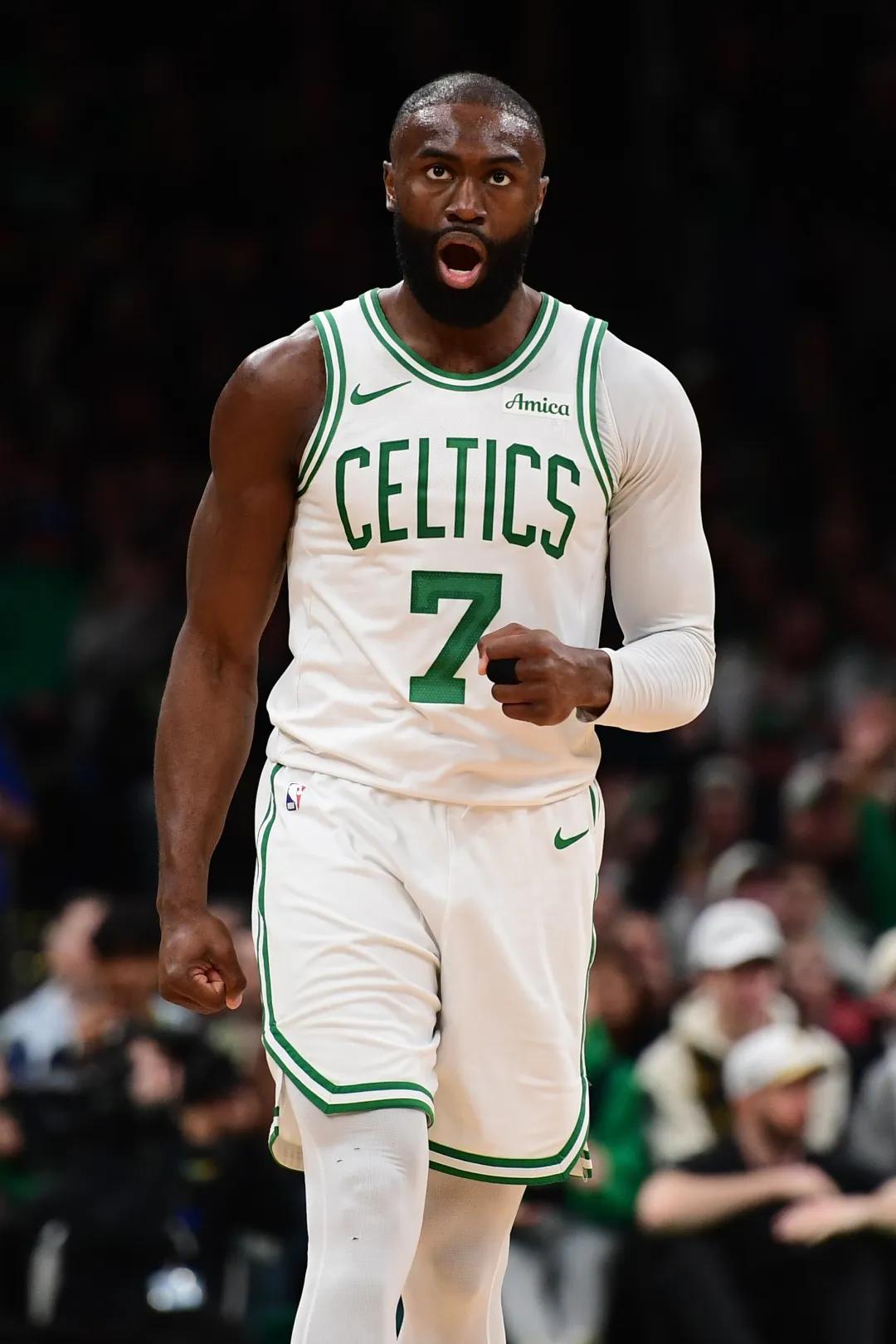
Jaylen Brown is on a different level from Paul George. Last season Brown averaged 28.7 points, 6.9 rebounds, and 5.1 assists, earning All-NBA Second Team honors and finishing sixth in MVP voting—a clear top-tier star. He just had the best season of his career, leading the Celtics to the second seed in the East, and then got traded.
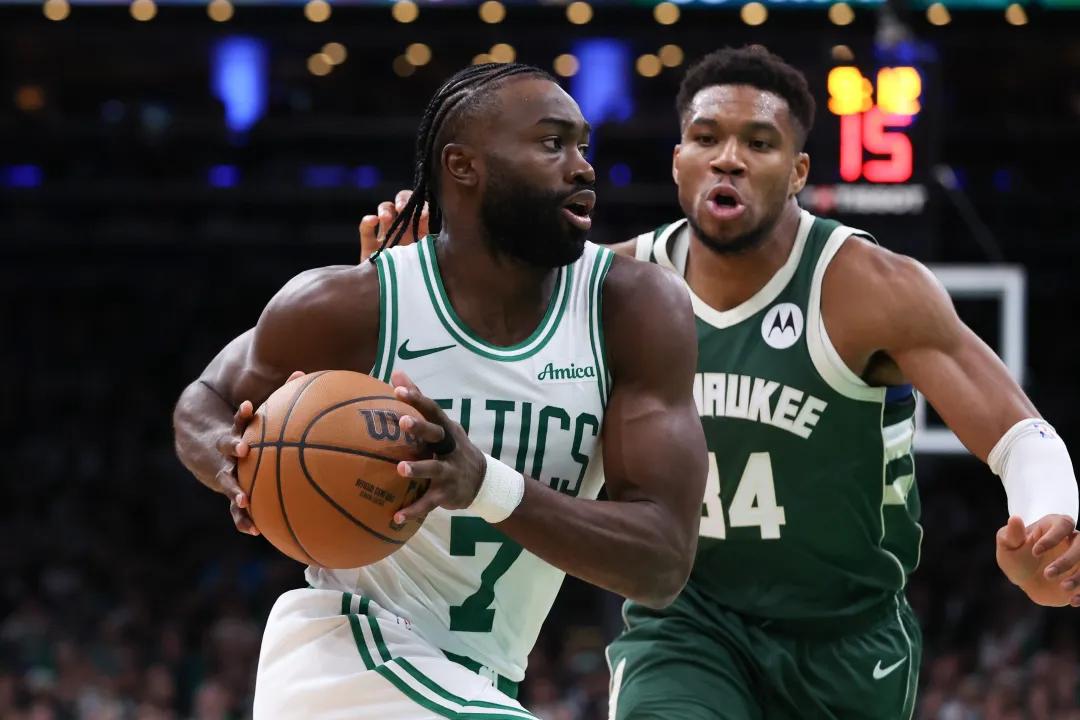
Now I suspect that the Celtics' rumored pursuit of Giannis for Brown was just a cover. They needed a legitimate reason to put Brown on the trade block—and Giannis was that reason. "We're trading Jaylen for a better player in Giannis, makes sense, right?" When that didn't happen, the "broken relationship" narrative gave them an excuse to ship Brown out anyway.
According to reports, Jaylen Brown never requested a trade, and the so-called relationship breakdown was just fan speculation. Brown likely understood the situation: the Celtics simply didn't want to pay him that much anymore and didn't think he was worth it. That's the real reason he was traded.
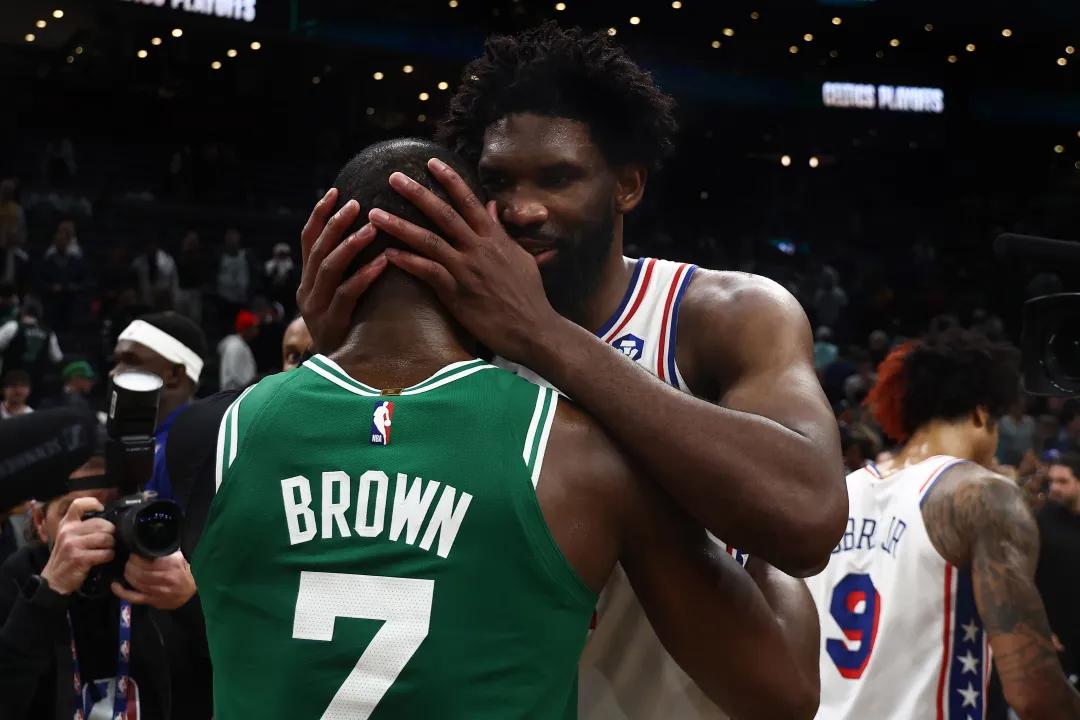
The "Tatum and Brown" core had already won a championship, but after being eliminated by the Sixers in a 1-3 comeback, it seemed they had hit their ceiling. Boston chose to build around Tatum, and Brown was the one let go. It's that simple.
Being traded two years after winning Finals MVP makes Jaylen Brown the second fastest in history to be dealt after such an honor. The fastest was Dennis Johnson, who won FMVP in 1979 and was traded the following year. Brown won the title and signed a max extension that summer, but that very contract became the reason Boston moved him.
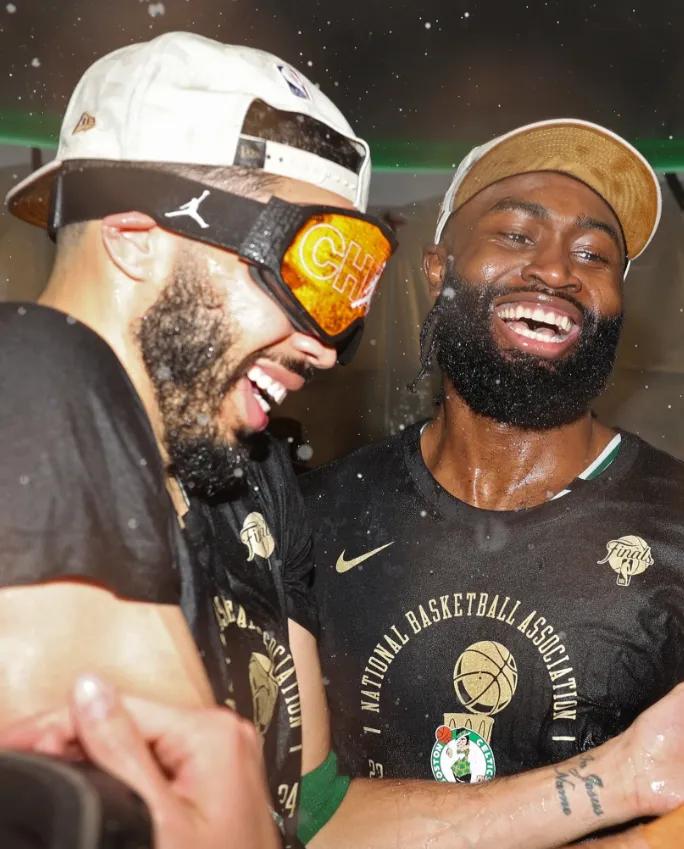
Many of the Celtics' past trades were questioned but later proved to be shrewd moves by Brad Stevens. Can Stevens still prove he's right this time with the Brown-for-George swap?


Wonderfulshortvideo
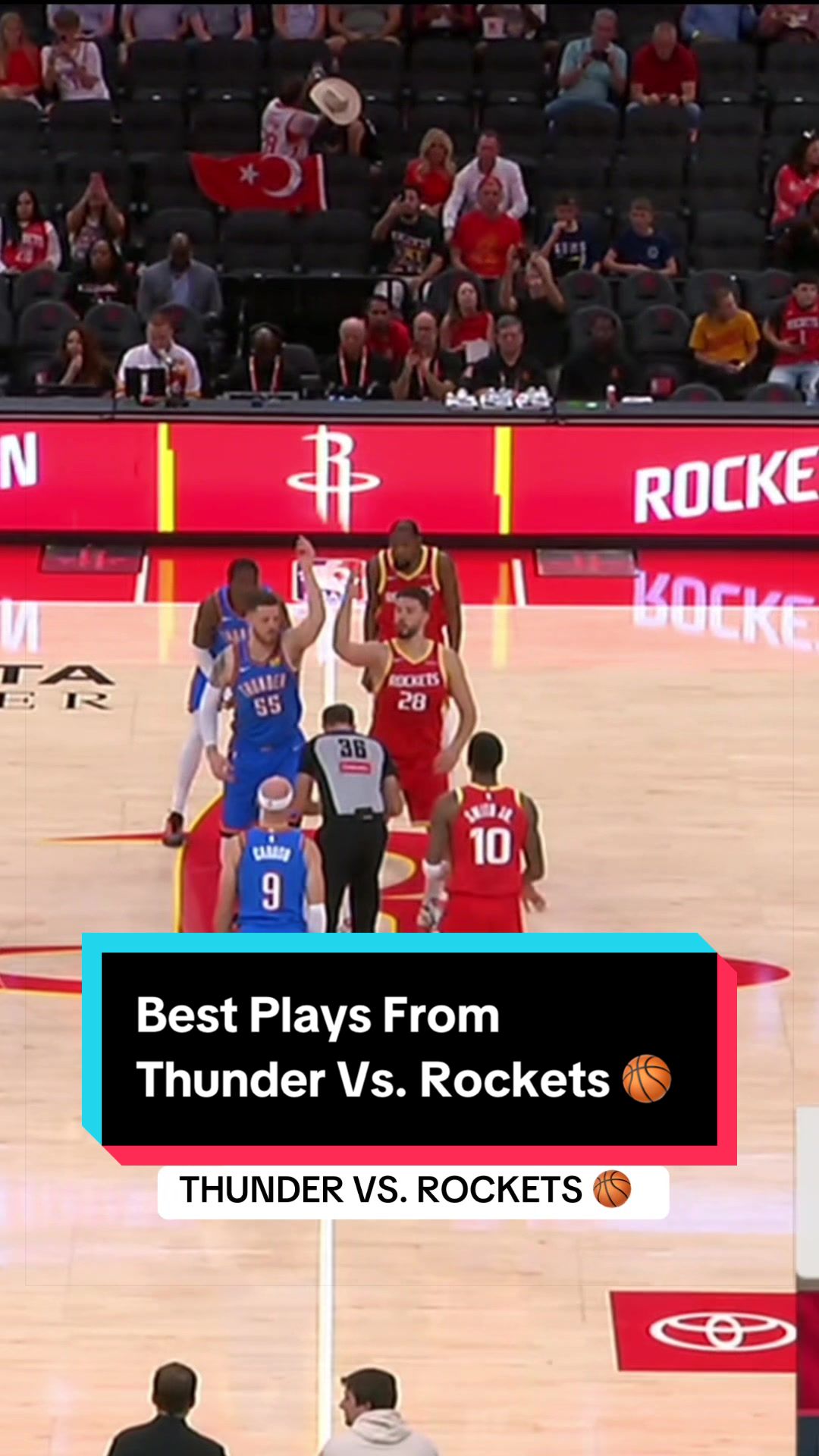
Quick rewind ⏮️. Full recap. Here’s everything from tonight @OKC Thunder vs. @houstonrockets 🏀


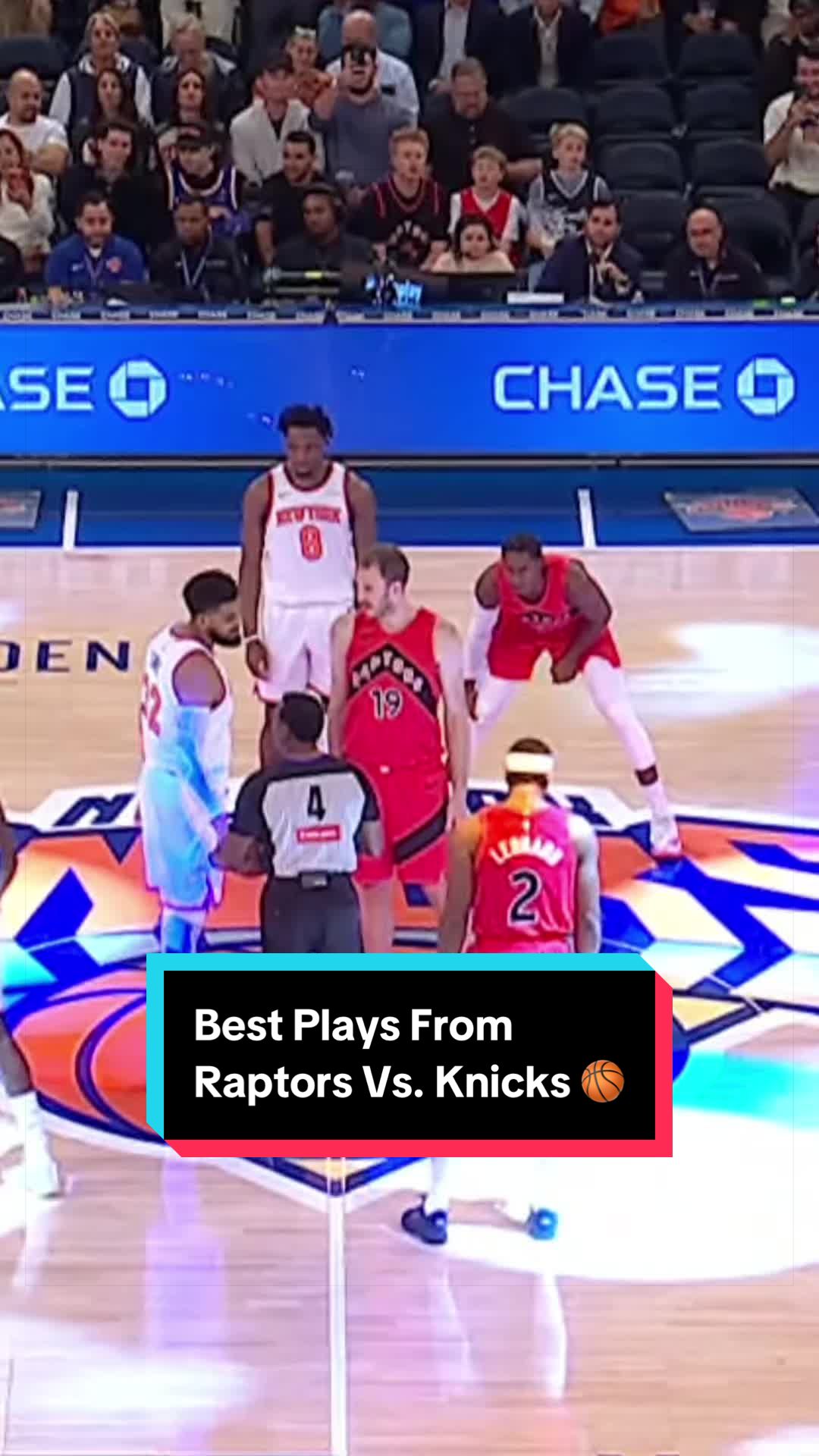
Quick rewind, full recap. Here’s everything from tonight’s @Raptors vs. @New York Knicks matchup ⏪🏀

Lakers Close Up: Building the Foundation
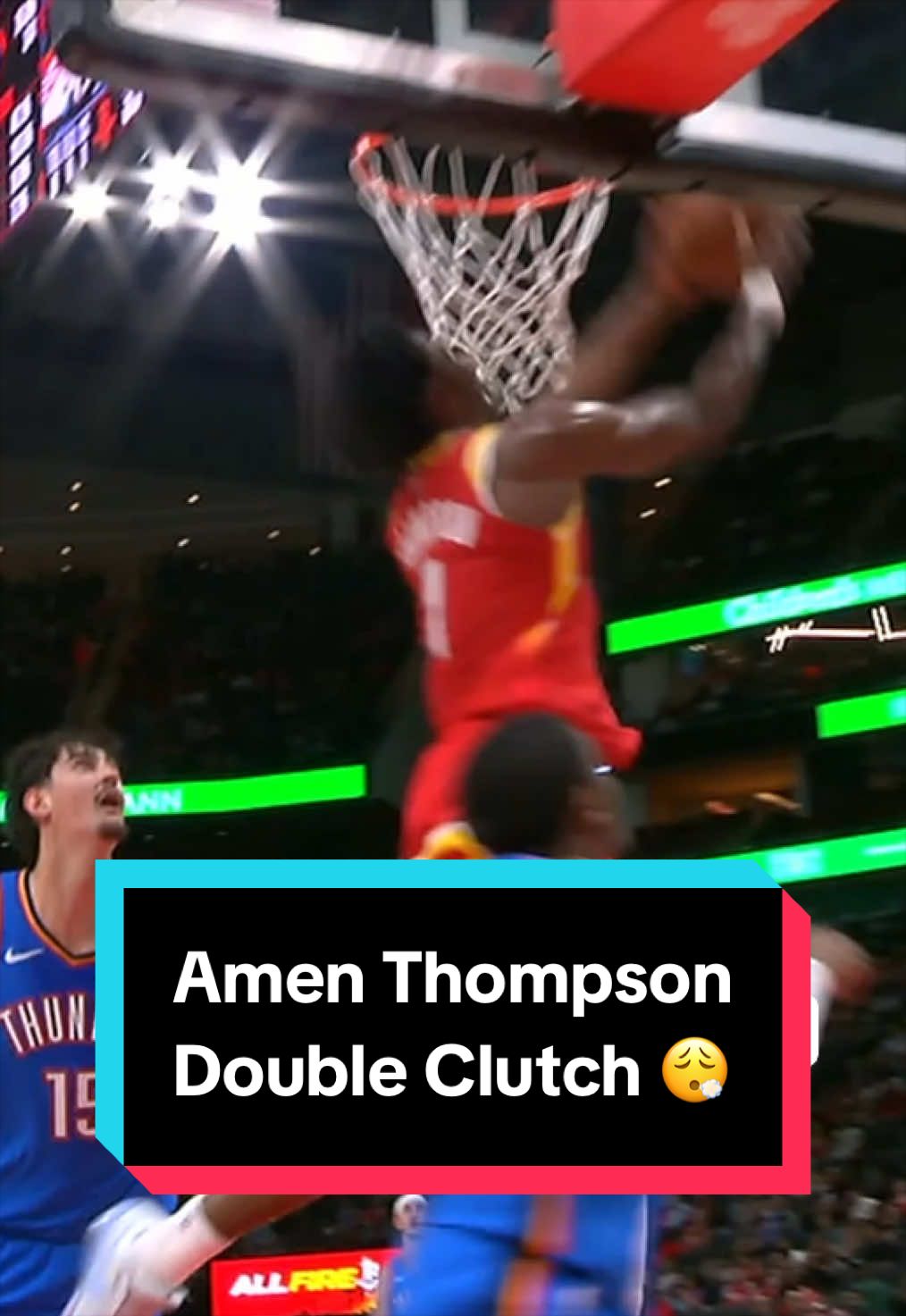
Amen Thompson getting UP 🤯

He was soaring 🤯
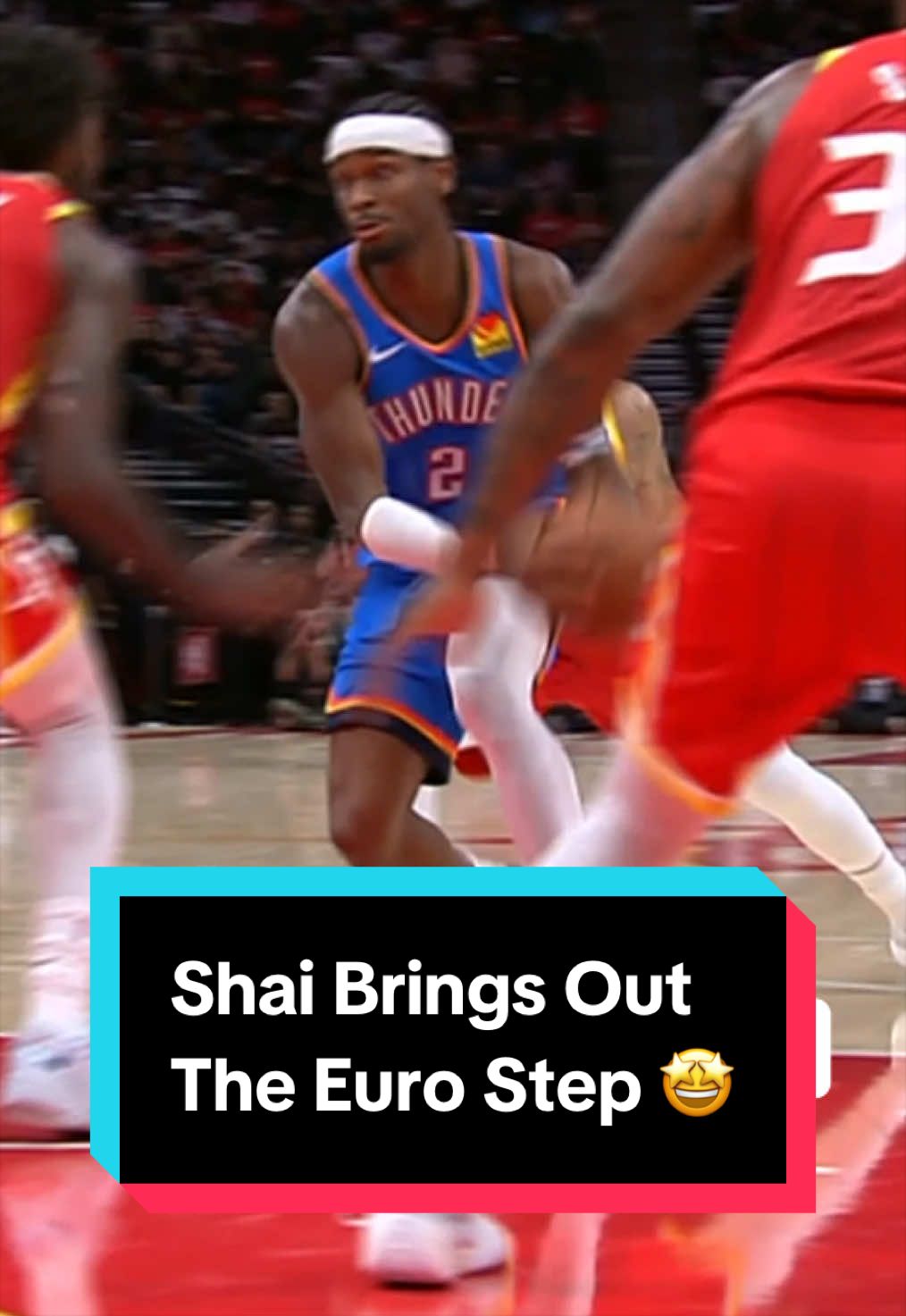
Shai weaving through the defense for the basket 🔥
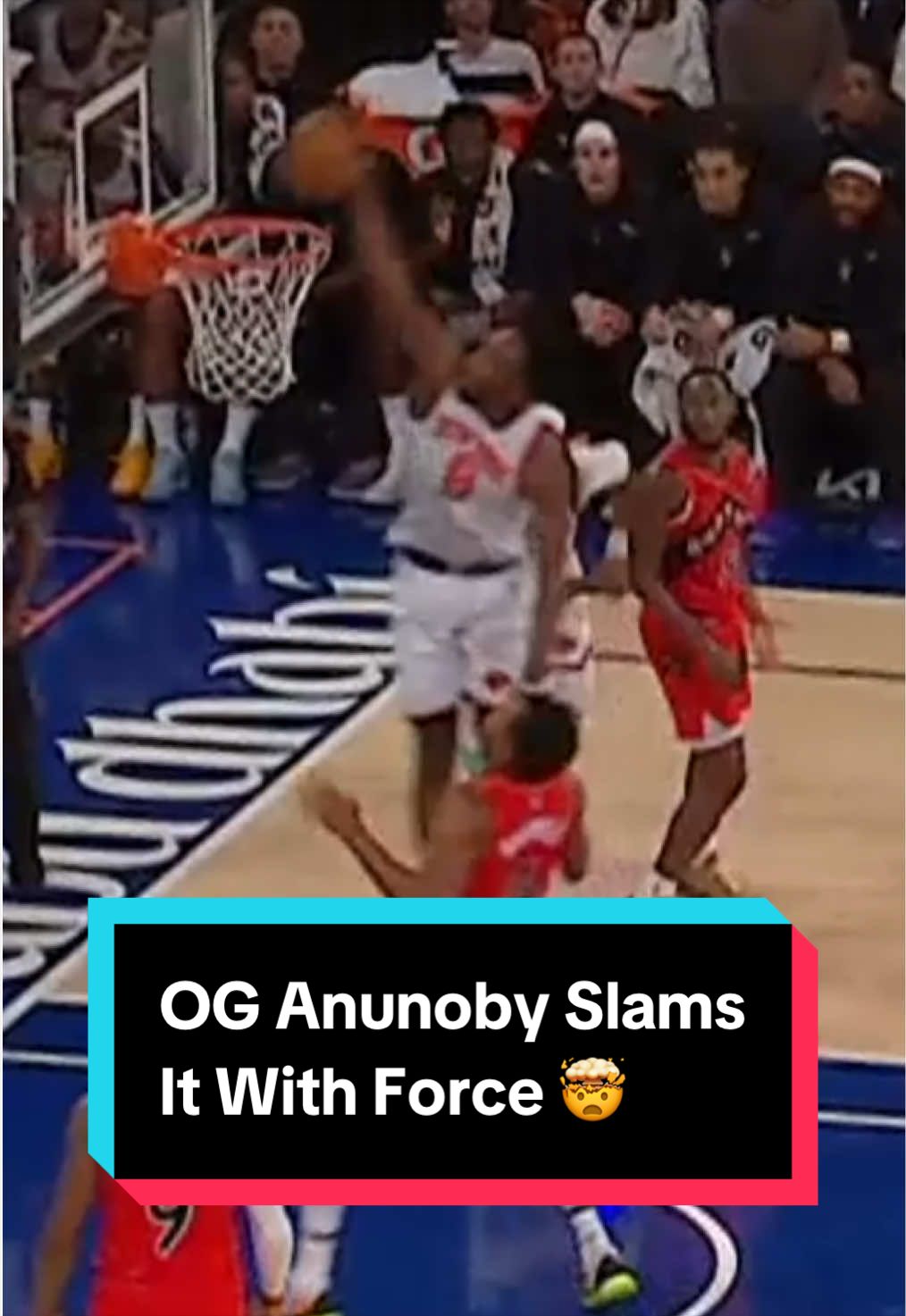
“Just in case you forgot…”🔥😮💨
 Links
Links
 Contact
 App
App


