



James has decided on a 4.0 countdown! Five major potential destinations each have their pros and cons: where will his next stop be?



On July 2, Beijing time, LeBron James recently told the Los Angeles Lakers that he will leave the team in the 2026-27 season, concluding his eight-year career with the franchise. Now a four-time MVP and unrestricted free agent, the Lakers have already signed multiple free agents to strengthen their lineup and begin a new era. Where exactly will LeBron go next?
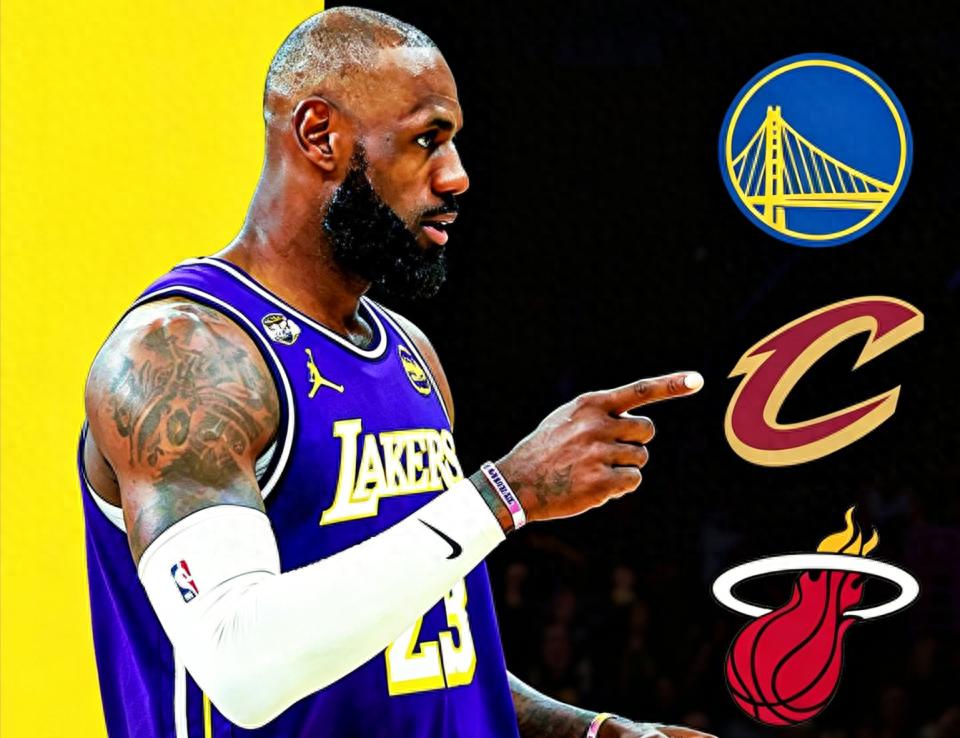

In 2010 he went to the South Beach Heat, in 2014 he returned to his hometown Cleveland, and in 2018 he landed in Hollywood with the Lakers. Now James must make his "Decision 4.0." ESPN breaks down the five most likely teams to sign him, analyzing the pros and cons.
Golden State Warriors
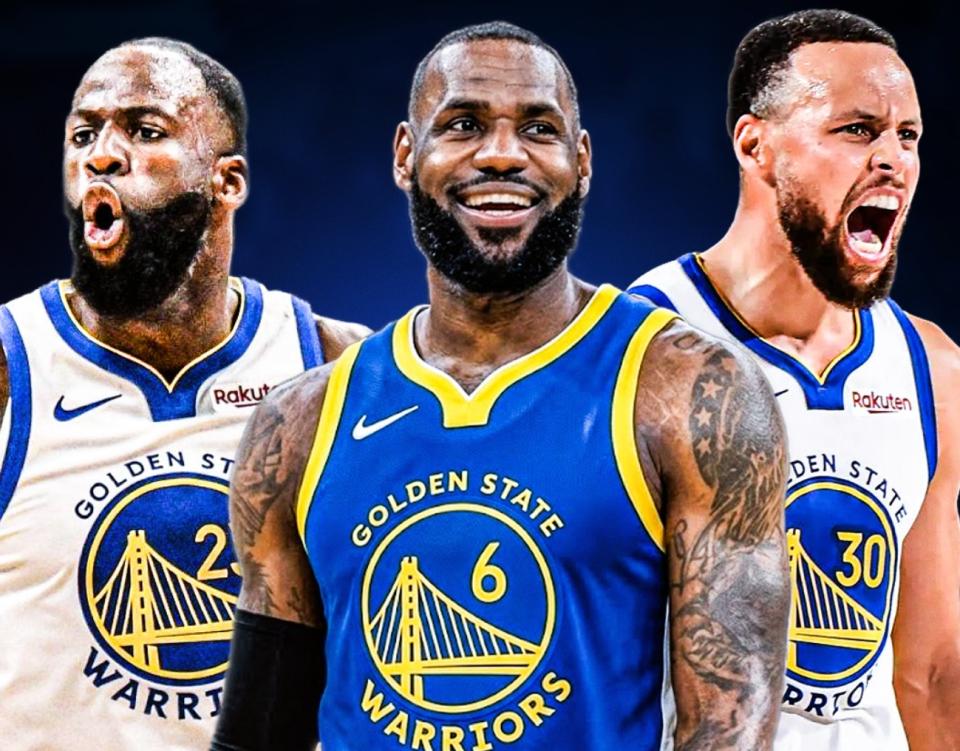
Advantages
The Warriors are a strong fit for James's desires. He has close personal relationships with stars Curry and Green. James and Curry have been longtime rivals on the court, and together they won a gold medal at the 2024 Paris Olympics under Warriors coach Steve Kerr. Now both are nearing the end of their careers and want to play in meaningful, competitive games. A partnership could push the team deeper into the playoffs: James hasn't reached the Western Conference Finals since 2023, and Curry's last appearance there was in 2022, when he led the Warriors to their fourth championship in eight years. Reports say James values "joy on the court" most this offseason, which aligns well with Kerr's coaching philosophy of "enjoying the fun of basketball."
Choosing the Warriors also offers practical convenience. Over the past eight years, James has settled in Los Angeles. He said in May that his wife and younger daughter's feelings would heavily influence his decision. Theoretically, he could continue living in Southern California and commute to games in the Bay Area when needed. The Warriors have a history of accommodating star players and their lifestyle needs. Like the Lakers, the Warriors are a media powerhouse, ensuring that the 41-year-old James remains in the spotlight.
Disadvantages
Green declined his player option this week, theoretically freeing up some cap space for the Warriors to pursue James, but the roster already carries long-term max contracts for Curry and Butler, and they just re-signed Porzingis this week. Even if the Warriors use the full mid-level exception to sign LeBron, his salary would be significantly lower than his $48.7 million from last season.
Another major concern is the Warriors' overall age. The Western Conference's future is likely dominated by young teams like the Thunder and Spurs. It's hard to imagine a lineup of James, 38-year-old Curry, 36-year-old Green, and 36-year-old Butler staying healthy through a long playoff run against younger, stronger teams. Reports suggest the Warriors want to trade Butler for Davis, which would make the roster younger, but Davis has a history of injuries and wouldn't solve the health issues. The Wizards have completely rejected that trade.
Cleveland Cavaliers
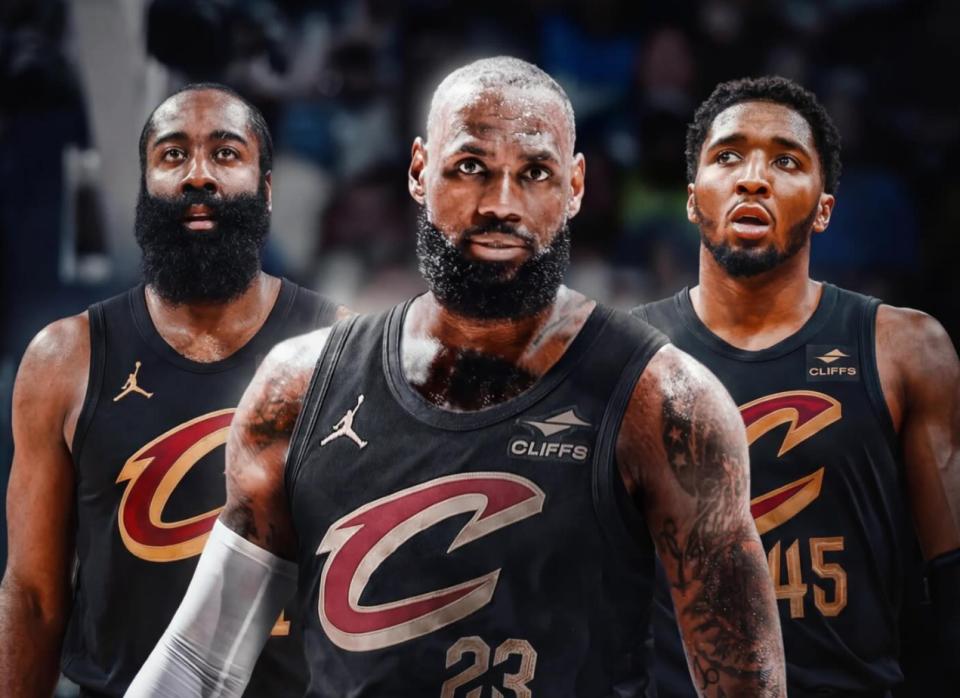
Advantages
James was born in Akron, Ohio. When he returned to Cleveland in 2014, the city welcomed him warmly, and after leading the Cavaliers to their first championship in 2016, he became a legendary figure in the state's sports history. Returning to the team that drafted him with the first pick in 2003 for a third stint would earn him adoration from the entire city and set the stage for a perfect farewell tour, creating a compelling narrative.
Last season, when the Cavaliers were swept by the Knicks in the Eastern Conference Finals, the team sorely lacked a player with James's combination of playmaking, size, and big-game experience. They struggled in forward matchups, and the backcourt duo of Mitchell and Harden looked tired in critical moments. Cleveland would need to trade away one or two rotation players to complete Harden's extension and offer James a competitive contract. But the existing core remains competitive enough for LeBron to chase his 11th Finals appearance and his first title since 2020. An Eastern Conference executive told ESPN in March that the Cavaliers are the "cleanest, purest fit" for James.
Disadvantages
James would have to leave familiar California and adapt to a completely new roster—he has never played with Mitchell, Harden, Mobley, or Allen. The Cavaliers had a breakout 2024-25 season but saw their chemistry decline noticeably last year. Coach Atkinson showed several limitations in his in-game adjustments during the Eastern Conference Finals. Although he has been a head coach or assistant since 2008, he has never coached James.
Miami Heat
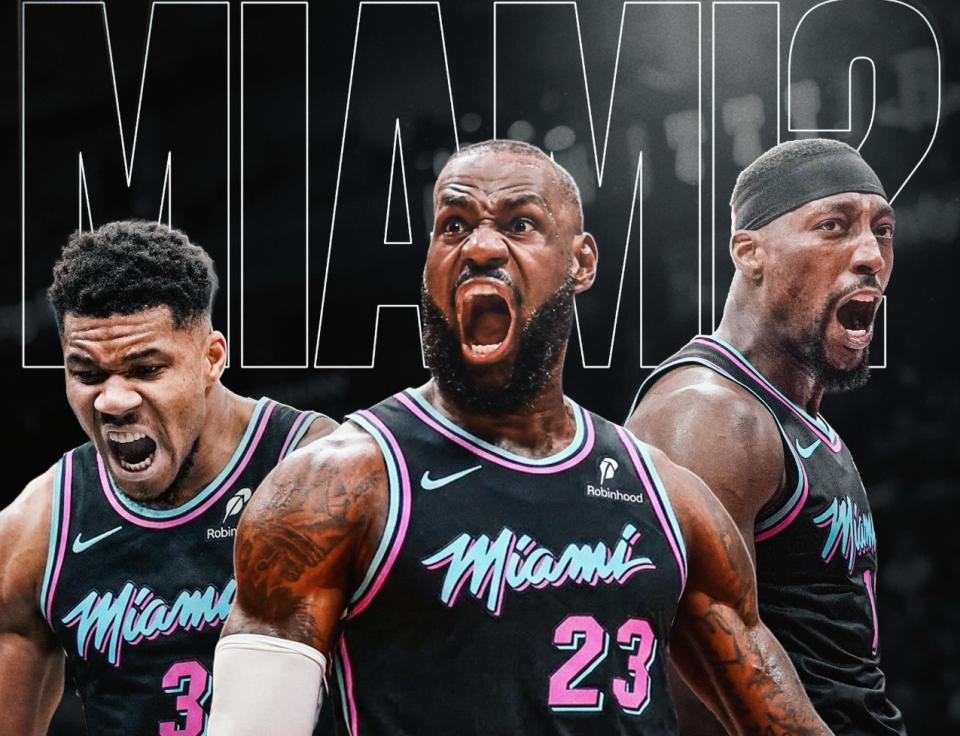
Advantages
The Heat era was the peak of James's career, winning two championships and reaching the Finals four times between 2010 and 2014. The organization's core leadership remains—President Riley and Coach Spoelstra are still in place, and after trading for two-time MVP Giannis in June, the Heat have officially entered a new championship window.
From a basketball fit perspective, the combination has huge potential. After trading Herro and losing Powell in free agency, Miami needs a top second scorer and ball-handler. James could seamlessly slot alongside Giannis and Adebayo to form a formidable frontcourt trio. The "Heatles" era once dominated the league, and if LeBron returns to South Beach, it would once again ignite basketball conversations.
Disadvantages
It's uncertain whether Giannis and James can coexist and elevate each other. Giannis's partnership with Lillard in Milwaukee didn't meet expectations, and James was reportedly unhappy with his reduced offensive role after Doncic joined the Lakers. Their playing styles may clash: Giannis excels at transition drives and powerful attacks, while the current James prefers to control the tempo and orchestrate the offense.
Minnesota Timberwolves
Advantages
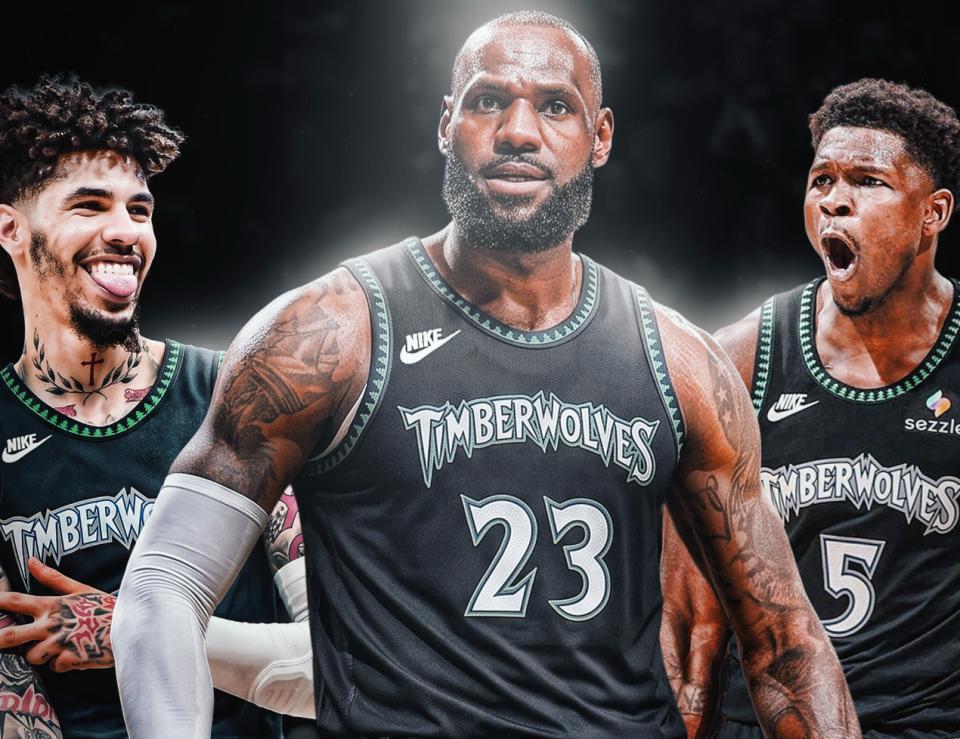
The Warriors, Cavaliers, and Heat appear to be the frontrunners, but the Timberwolves can also present a compelling case. Minnesota recently traded for LaMelo Ball to pair with Edwards as a dedicated playmaker. However, losing Randle and Reid has weakened their frontcourt, and James could perfectly fill that gap, with center Gobert providing defensive support.
James has publicly expressed admiration for the rapidly rising Edwards, and the two played together at the Paris Olympics. The Ball-James duo could give the Timberwolves the strongest championship-caliber roster of Edwards's career, surpassing even the teams that reached the Western Conference Finals in 2024 and 2025. If James wants to pursue his fifth title, the Timberwolves would be a strong option.
Disadvantages
Moving from Los Angeles to Minneapolis would bring a huge shift in lifestyle and city atmosphere. Besides that, James would need to weigh the trade-offs: teaming up with Edwards and Ball would greatly reduce his offensive burden, but does he still want to be the primary ball-handler? Just a few months ago, when Doncic was injured, he led the Lakers to the second round of the playoffs on his own.
After a change in ownership, the Timberwolves have been tightly managing their salary cap. Next season, Edwards, Ball, and Gobert will combine for a total of $126 million. Although money isn't James's top priority, other teams can likely offer more lucrative contracts.
Denver Nuggets
Advantages
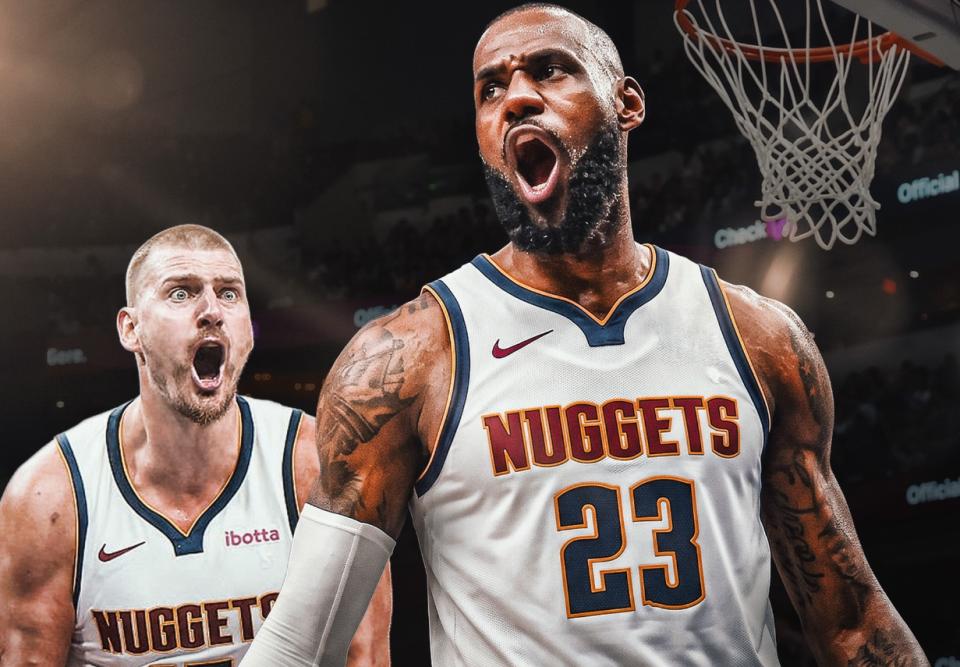
After a first-round playoff exit, the Nuggets need a major roster overhaul. Signing James would completely change the team's dynamic. Jokic and James together would form the greatest passing duo in NBA history, generating a wealth of highlight-reel plays every night.
The Nuggets' veteran-heavy roster is built for immediate championship contention; they pushed the Thunder to seven games in the second round in 2025. A frontcourt of Jokic, James, and Gordon would be elite. With Jokic handling much of the playmaking, James could conserve energy during the regular season and focus on the playoffs.
Disadvantages
Even with a perennial MVP candidate like Jokic, the Nuggets have limited national media exposure. Joining a marquee franchise like the Lakers or Warriors would give James more attention, but Denver cannot offer the same platform.
Like the Cavaliers and Timberwolves, the Nuggets have several large long-term contracts. They also plan to re-sign restricted free agent Peyton Watson. To pursue James aggressively, they would need complex salary-cap maneuvers. Is it really worth it for Denver to go all-in on James, both from a basketball and financial perspective? Is there a better way to maximize Jokic's prime?


Wonderfulshortvideo
Quick rewind ⏮️. Full recap. Here’s everything from tonight @OKC Thunder vs. @houstonrockets 🏀



Quick rewind, full recap. Here’s everything from tonight’s @Raptors vs. @New York Knicks matchup ⏪🏀

Lakers Close Up: Building the Foundation

Amen Thompson getting UP 🤯

He was soaring 🤯

Shai weaving through the defense for the basket 🔥

“Just in case you forgot…”🔥😮💨
 Links
Links
 Contact
 App
App


