



Finney-Smith Trade Grades: Rockets' Panic Move Costly at C, Hornets Stockpile Assets at A-



On July 4, Beijing time, the Rockets and Hornets finalized a deal surrounding Dorian Finney-Smith. Houston traded Finney-Smith and three second-round picks (2027 from Memphis, 2028 from Houston, 2033 from Houston), receiving a $13 million trade exception in return. ESPN graded the trade: Rockets at C, Hornets at A-. Here is the breakdown—
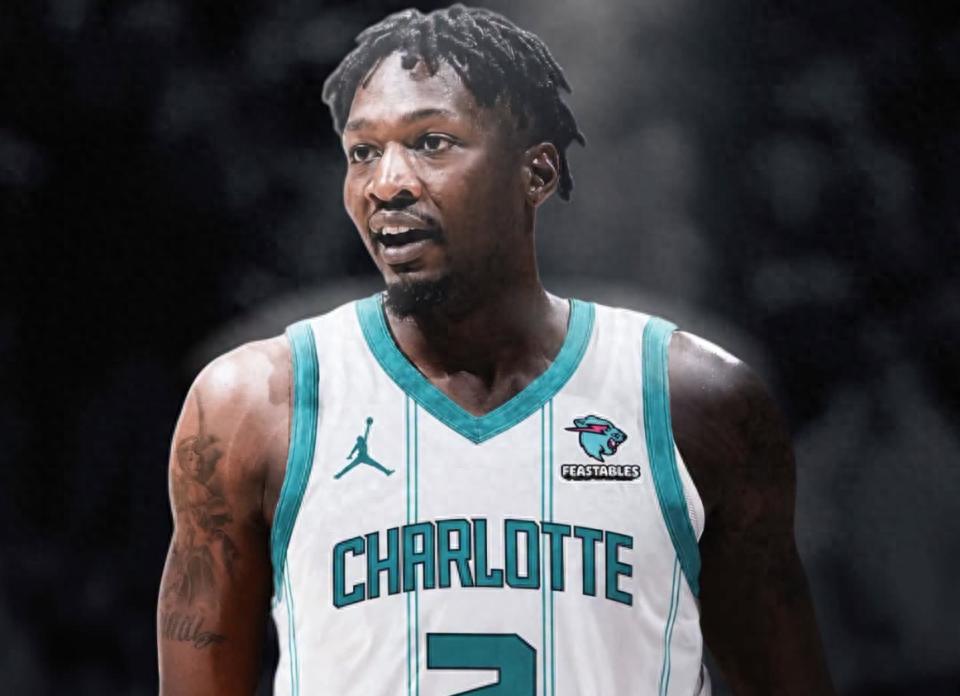
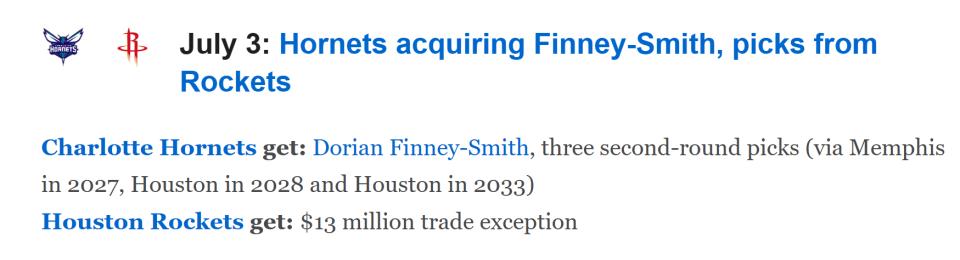
Rockets Trade Grade: C
Last offseason, many teams were scrambling to fix overpriced contracts they had previously signed, and the Rockets followed that trend. Sending away Finney-Smith was a typical salary-clearing move, allowing them to step out of the luxury tax's first apron range and avoid paying the tax altogether.
Acquiring Finney-Smith last summer was initially seen as a savvy move, but he underwent ankle surgery and missed the start of the 2025–26 season. Once with the Rockets, he never found his rhythm. Last season, he averaged only 3.3 points per game with a dismal 27% three-point percentage—a stark contrast to the previous season, when he averaged 8.7 points and shot 41% from beyond the arc.
The core motivation behind this trade was purely financial: the Rockets' earlier signings of Smart and Eason were smart moves, and clearing salary now is understandable. However, the cost was steep: Finney-Smith has just one year left on his fully guaranteed contract worth $13.3 million, yet the Rockets gave up three second-round picks to move him.
With this swap, the Rockets have effectively exhausted their second-round picks between 2028 and 2033, leaving only a disadvantaged swap in 2031 as a leftover. In the short term, the team will struggle to bolster its roster with cheap rookies. More importantly, second-round picks are critical assets for facilitating trades, making future small-scale deals significantly harder to execute.
The Rockets still hold extra first-round picks in 2027 and 2029, and they retain all their own first-rounders over the next seven years. But their flexibility for mid-to-small-sized transactions will be severely limited moving forward.
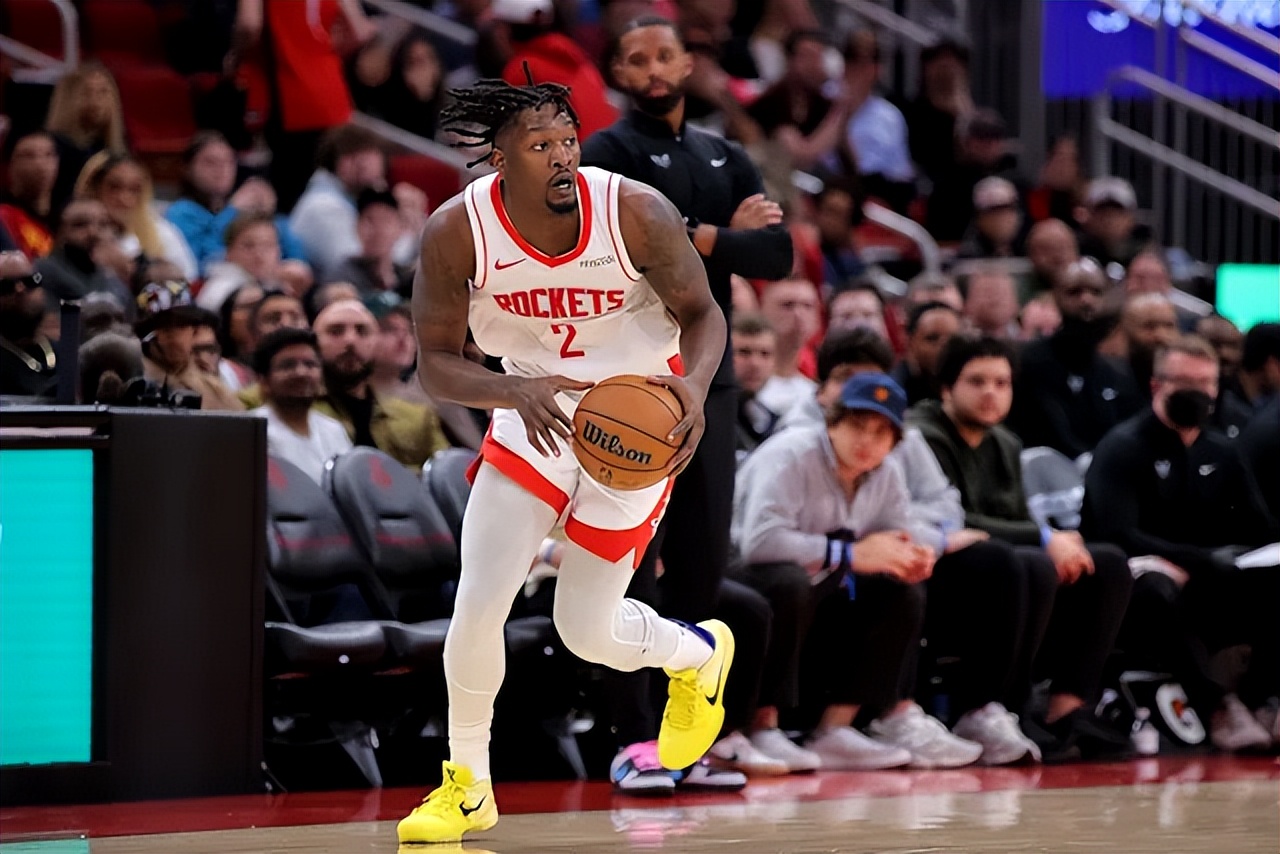
Hornets Trade Grade: A-
Finney-Smith failed to produce value in Houston, but during the 2024–25 season, he was still a quality 3-and-D role player with impressive net efficiency on both ends of the floor. Now 33, he might struggle to secure consistent rotation minutes, but his poor season last year was entirely injury-related and leaves room for a bounce-back. With the Hornets, he can readily provide immediate contributions.
If he regains his form, the Hornets can keep him for the 2027–28 season at a $13.3 million salary. If his performance stays poor, the team can simply let him go at no cost—since only next season is fully guaranteed. After trading LaMelo Ball and Miles Bridges, Charlotte freed up a massive amount of cap space, easily absorbing Finney-Smith's salary for the upcoming season.
For the Hornets, this is a win-win scenario: by merely taking on the contract and accommodating Houston's salary adjustments, they snagged three second-round picks for free. With this move, Charlotte now holds 20 second-round picks over the next seven years.
As asset stockpiling reaches a certain threshold, the marginal returns keep diminishing. Three more second-rounders may not generate significantly more practical value than the existing 17.
But with a massive collection of draft assets and ample salary flexibility, the Hornets can pursue any trade they desire in the coming years. In today's NBA, this kind of readily deployable trade option is itself a valuable asset.


Wonderfulshortvideo
Tyrese Maxey mic’d up at 76ers practice with his daughter is everything 🥹


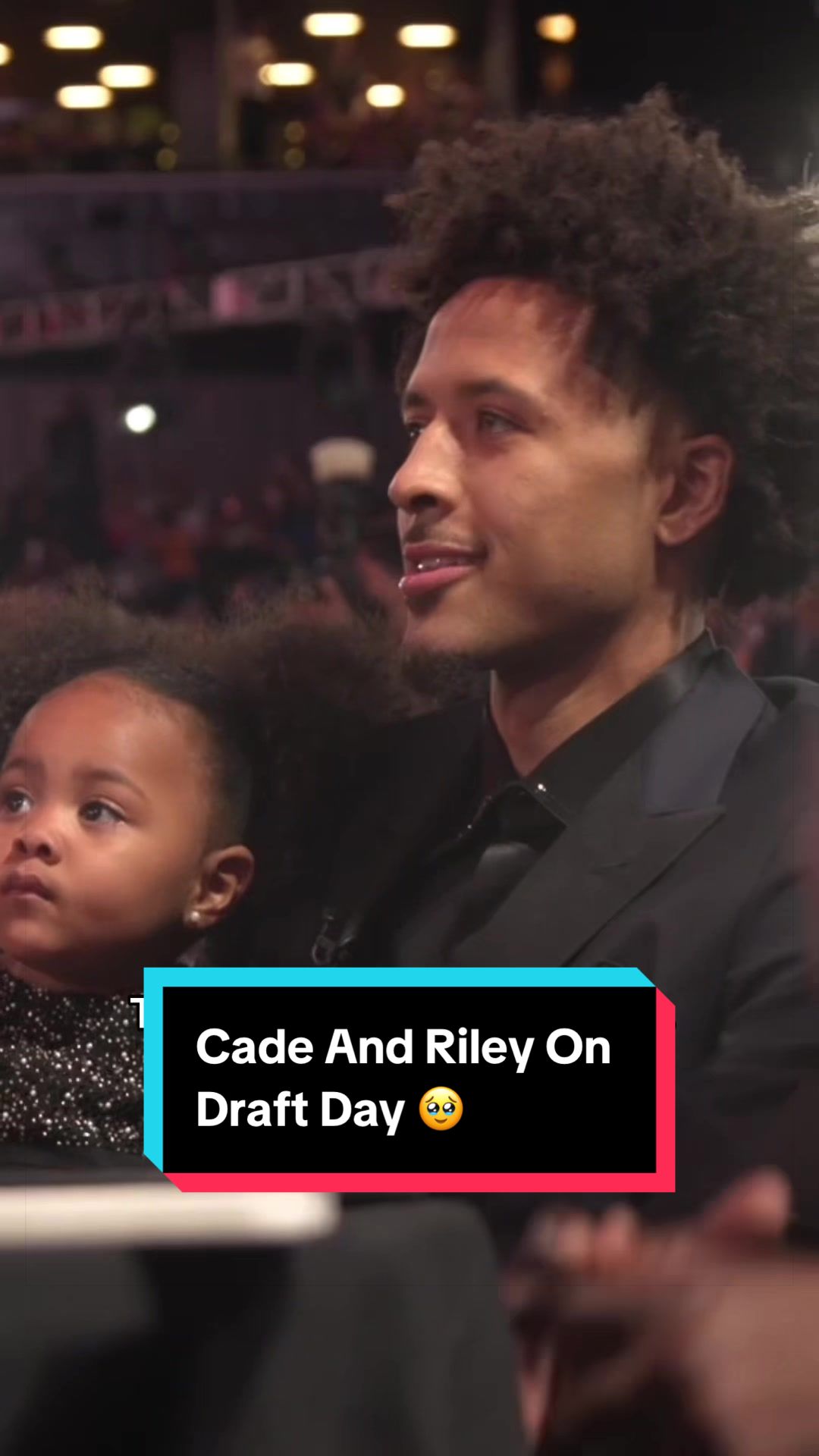
Throwback to when Riley’s dad, Cade Cunningham, got drafted No. 1 overall by the @Detroit Pistons 🥹👏
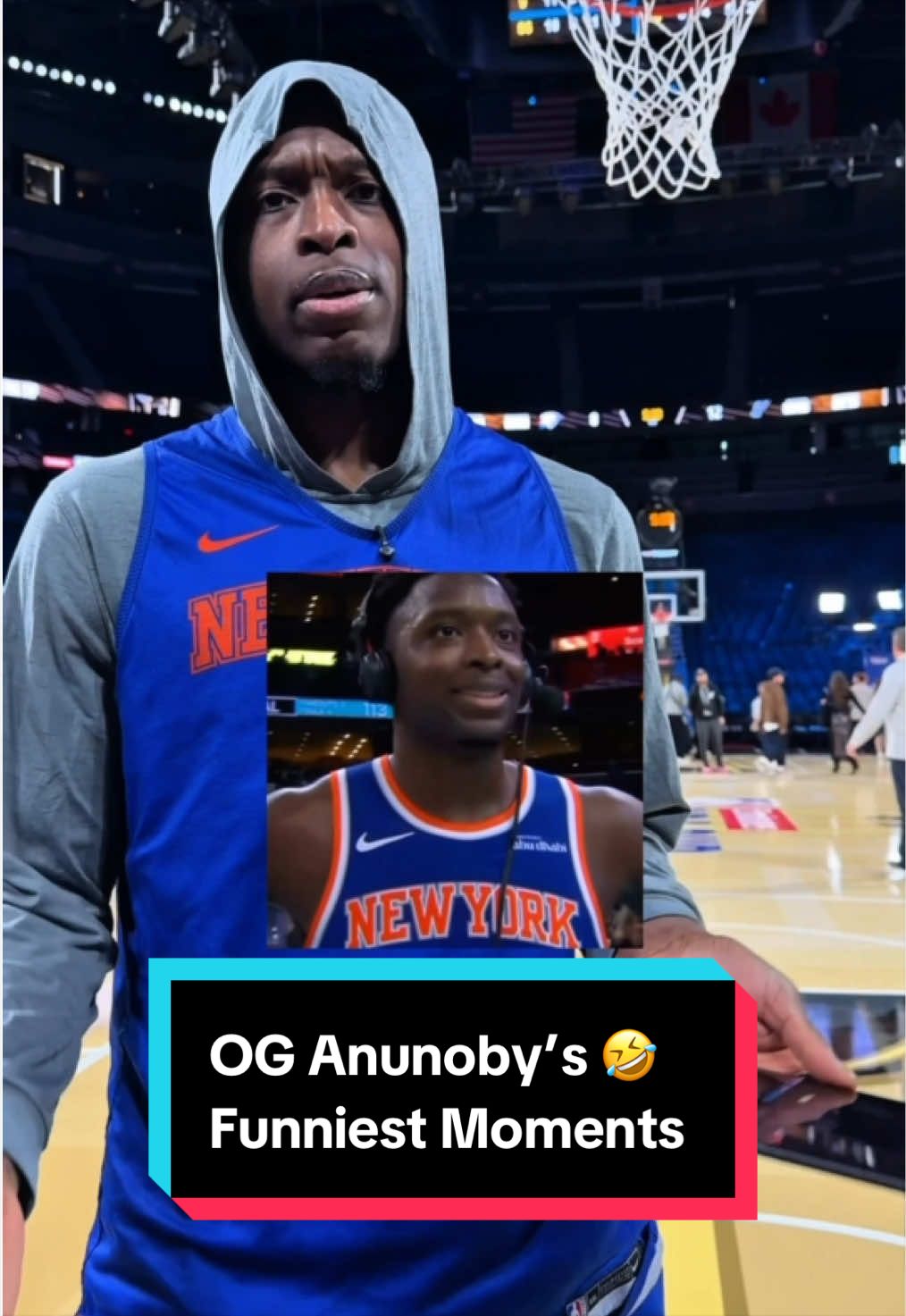
OG Anunoby giving context to his most iconic (off the court) moments last season 😭
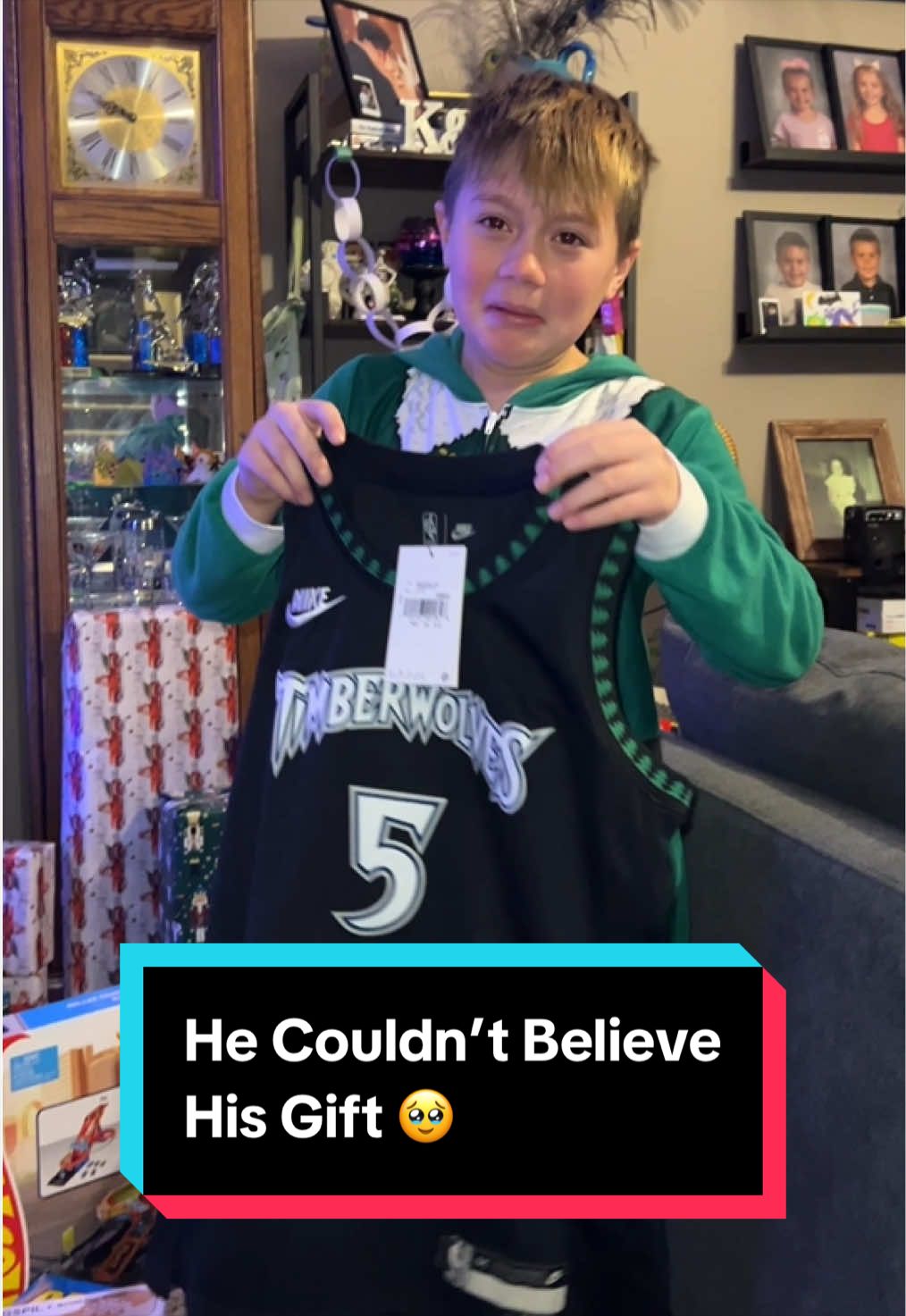
The perfect surprise Christmas gift…an @Anthony Edwards jersey 🥹 (Via kathrynrandall0/TT)
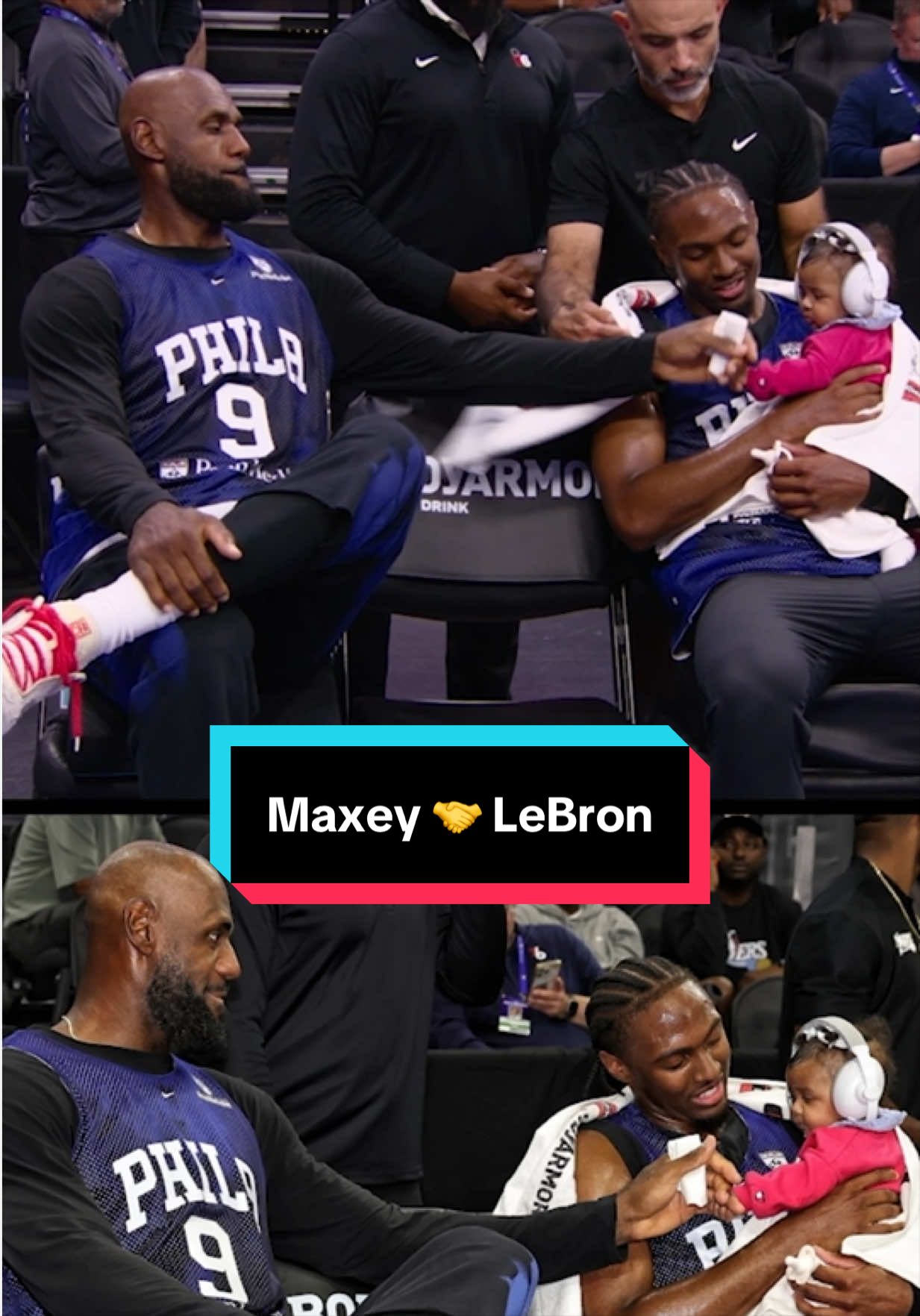
SOUND ON to hear LeBron James and Tyrese Maxey developing chemistry during practice 🗣️
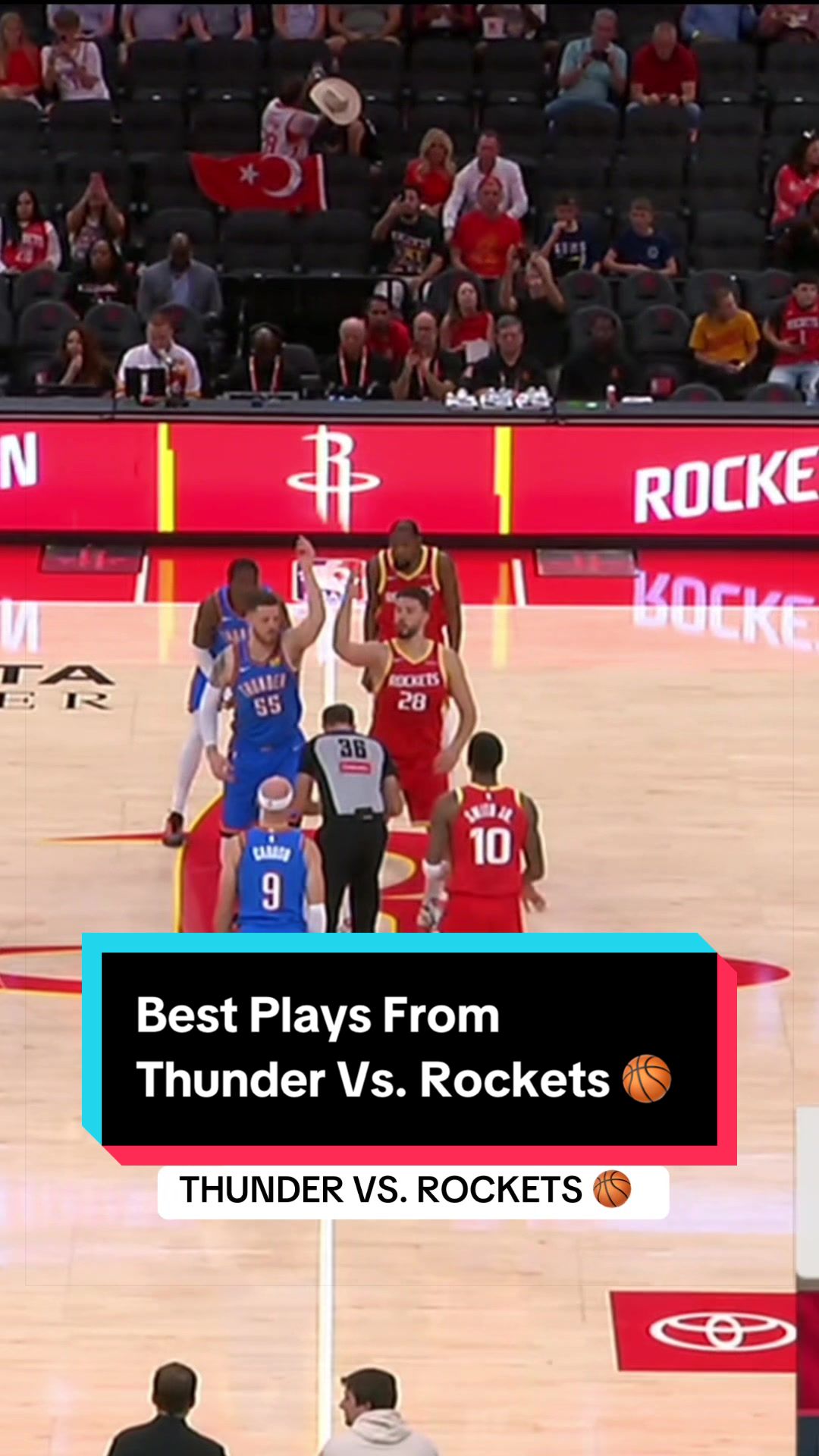
Quick rewind ⏮️. Full recap. Here’s everything from tonight @OKC Thunder vs. @houstonrockets 🏀
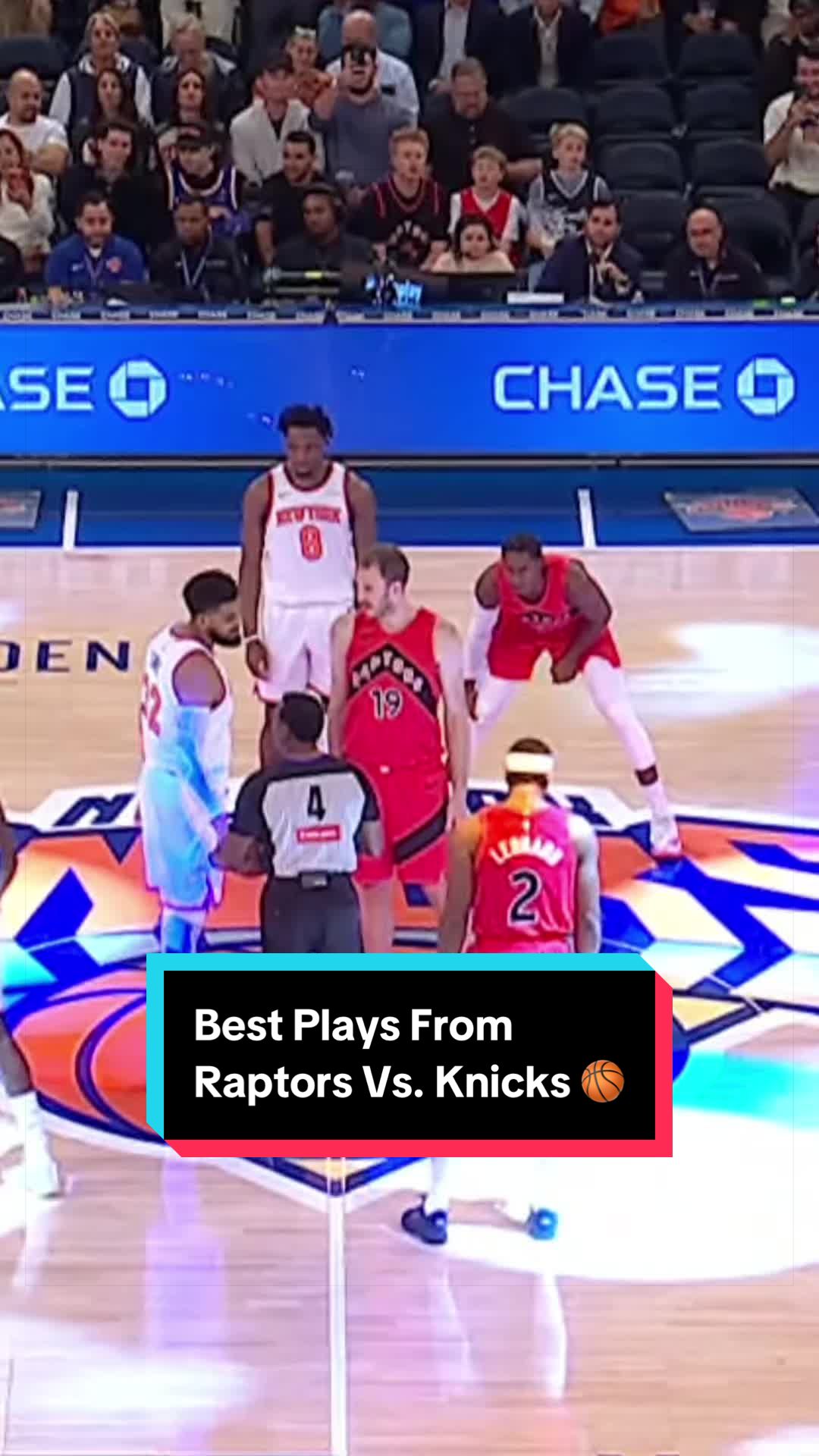
Quick rewind, full recap. Here’s everything from tonight’s @Raptors vs. @New York Knicks matchup ⏪🏀
 Links
Links
 Contact
 App
App


