



The second pick scored 28 points in his debut—destined to be a top-tier talent?



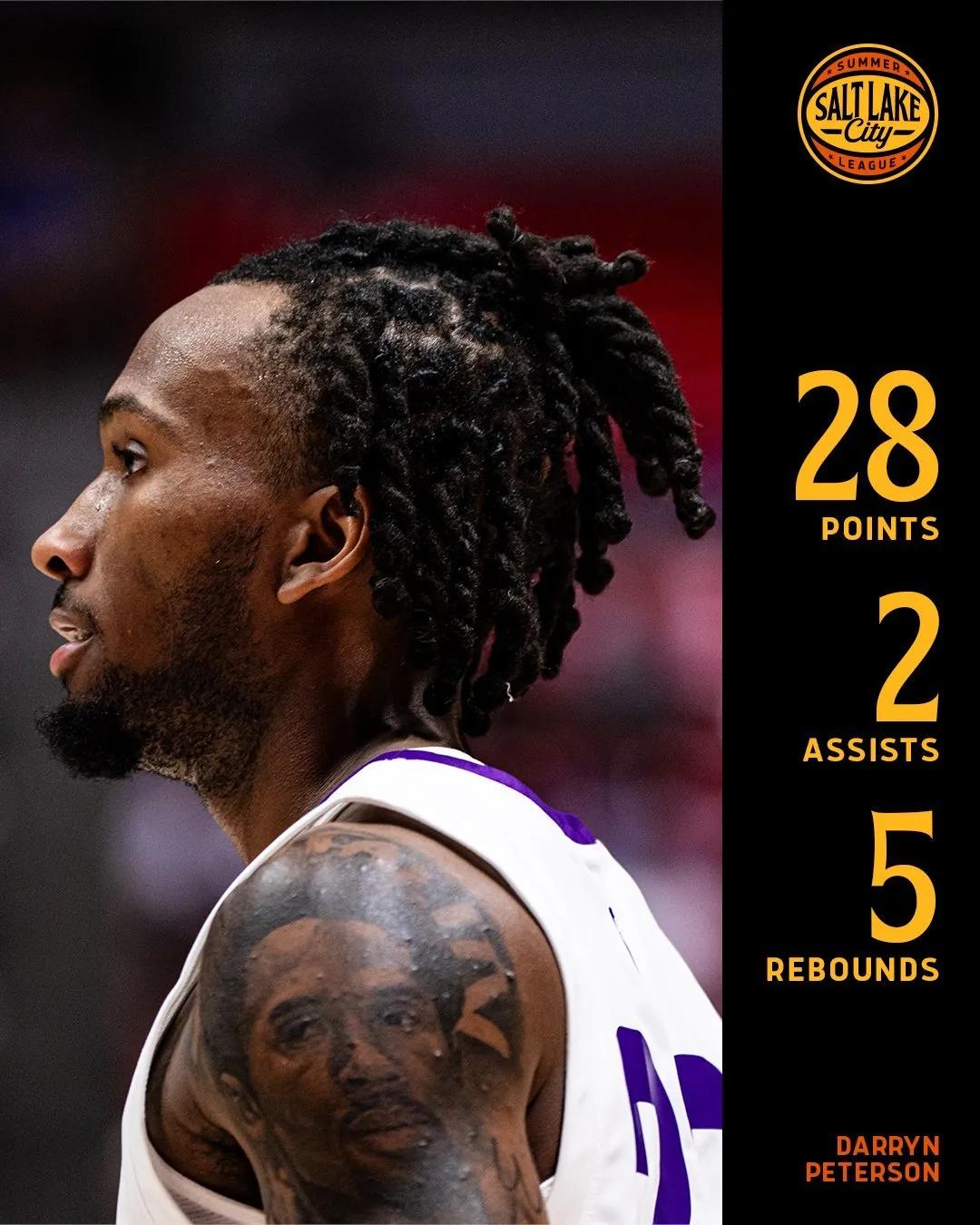
In the Summer League, the Jazz edged out the Hawks 103-102 in overtime. The second-overall pick, Peterson, logged 27 minutes, making 11 of 21 shots, 4 of 7 from deep, and 2 of 3 from the line, finishing with 28 points, 5 rebounds, 2 assists, 2 blocks, and 8 turnovers. Aside from the turnovers, Peterson's debut was as close to perfect as it gets in Summer League action.
His scoring ability was on full display in his debut, with exceptional one-on-one efficiency and a complete arsenal of driving and perimeter shooting. His ability to create his own shot under pressure is already highly polished—defenders simply couldn't handle his step-back threes. He showed a strong willingness to take over during clutch moments, hitting key shots without hesitation, proving he's a big-time performer who doesn't shrink under pressure.
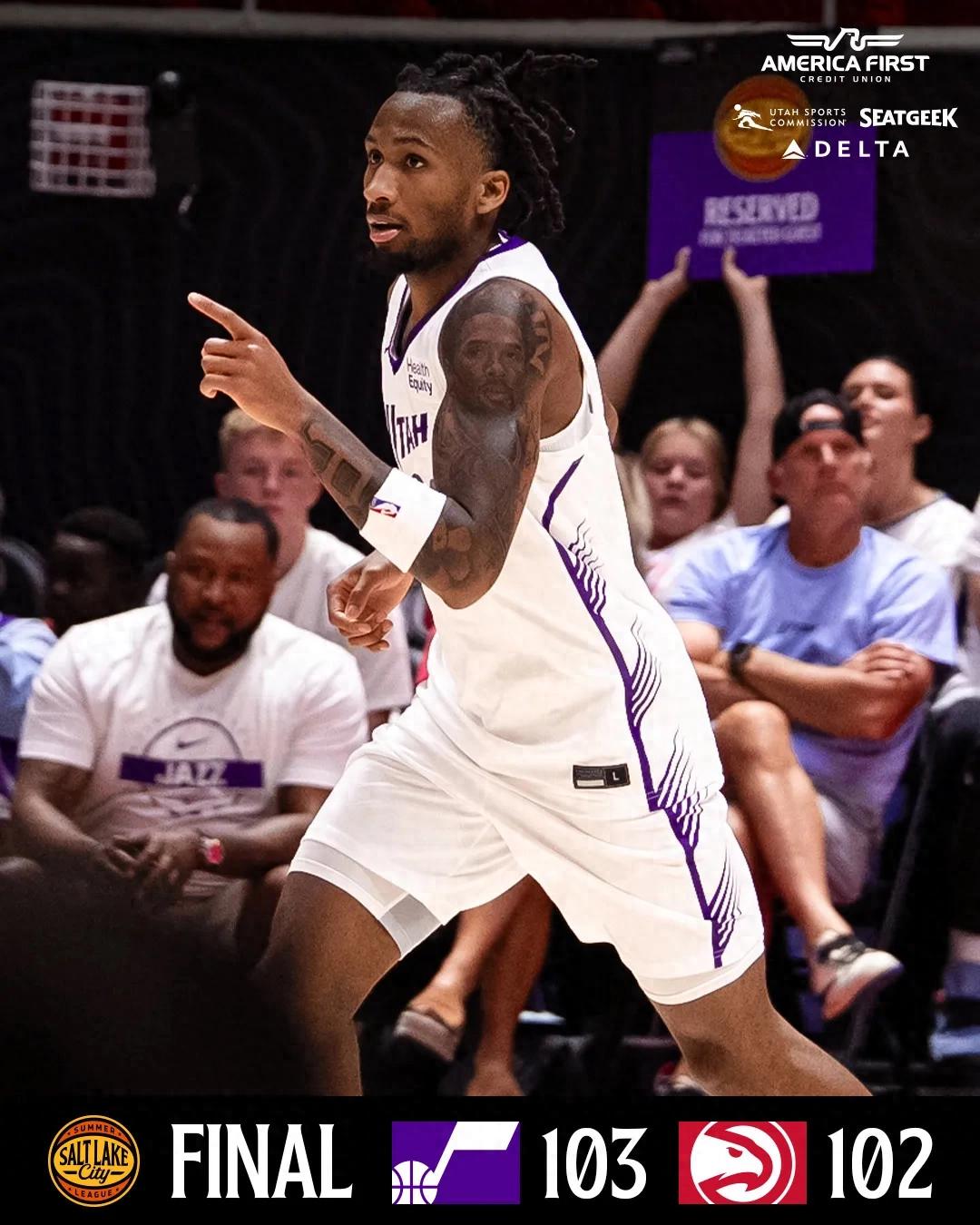
The 8 turnovers were certainly a blemish, mostly stemming from misreading the defense. However, after one live-ball turnover, he chased down and blocked Fleming's layup, demonstrating excellent defensive effort. There had been prior doubts about Peterson's level of engagement, and this play served as a strong rebuttal.
Regarding Peterson's player comparison, most people bring up Kobe Bryant. But I think Peterson's athleticism falls short of Kobe's—Kobe had the explosiveness to win a dunk contest. Peterson is more like a scoring guard in the mold of Bradley Beal or Devin Booker: he can dunk, but he's not quite at the "high-flying" level.
Interestingly, in the '26 draft class discussions, Peterson was initially the clear frontrunner over Dybantsa. However, due to injury concerns and his mid-season withdrawal from college games, Peterson gradually fell behind Dybantsa, though he never dropped out of the top two. During the pre-draft process, Peterson only worked out for the Wizards and didn't even audition for the Jazz, but his team maintained communication with Utah. In Peterson's mind, he believes he is the best player in this class.
In the eyes of outsiders, even though he wasn't the No. 1 pick, he is still the consensus top guard in this draft by a wide margin. Peterson stands 1.96m tall, weighs around 90kg, with a wingspan of 2.08m—his physical profile is similar to a young Dwyane Wade, though he is slightly taller and a bit lighter. On the court today, Peterson didn't look undersized at all.
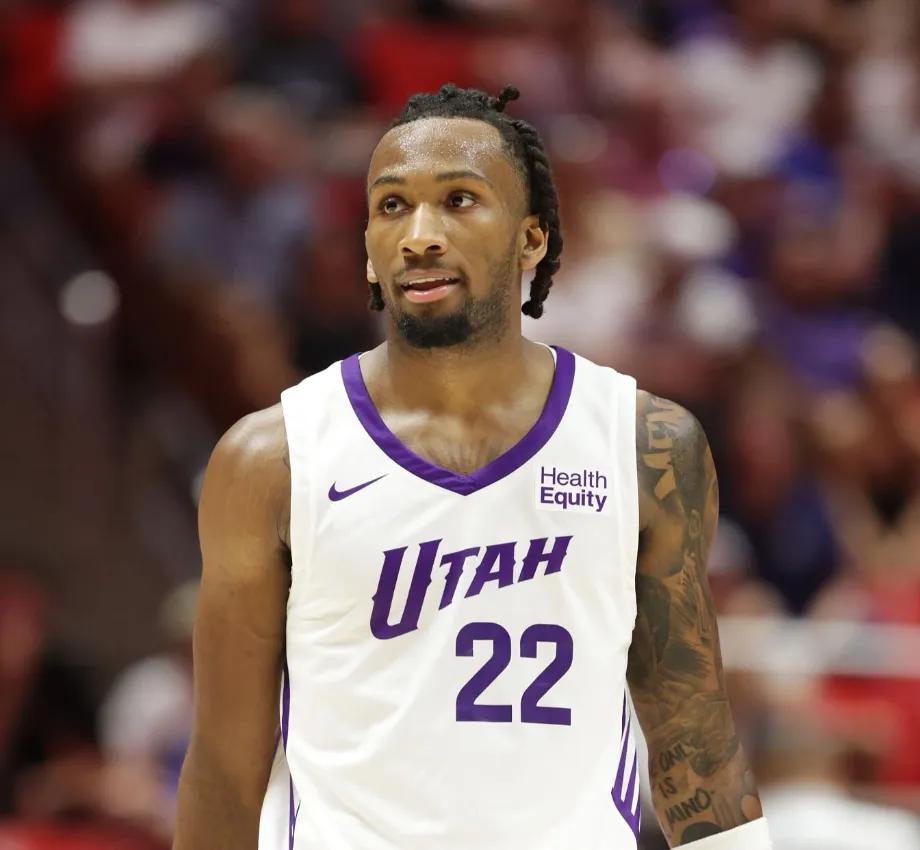
Born in January 2007, Peterson possesses the highest offensive maturity among this year's rookies and is widely regarded as one of the prospects with the highest ceiling. His scoring ability is explosive, with excellent footwork and a lightning-quick first step. He moves with ease during isolation plays and can score from anywhere within the half-court.
His offensive toolkit is incredibly deep: accurate three-point shooting, a reliable mid-range game, and a floater to boot—making him one of the best scoring prospects in recent years. Defensively, he is also impressive, applying strong pressure on ball handlers, using his long arms to read passing lanes effectively, and showing a positive attitude with steadily improving technique.
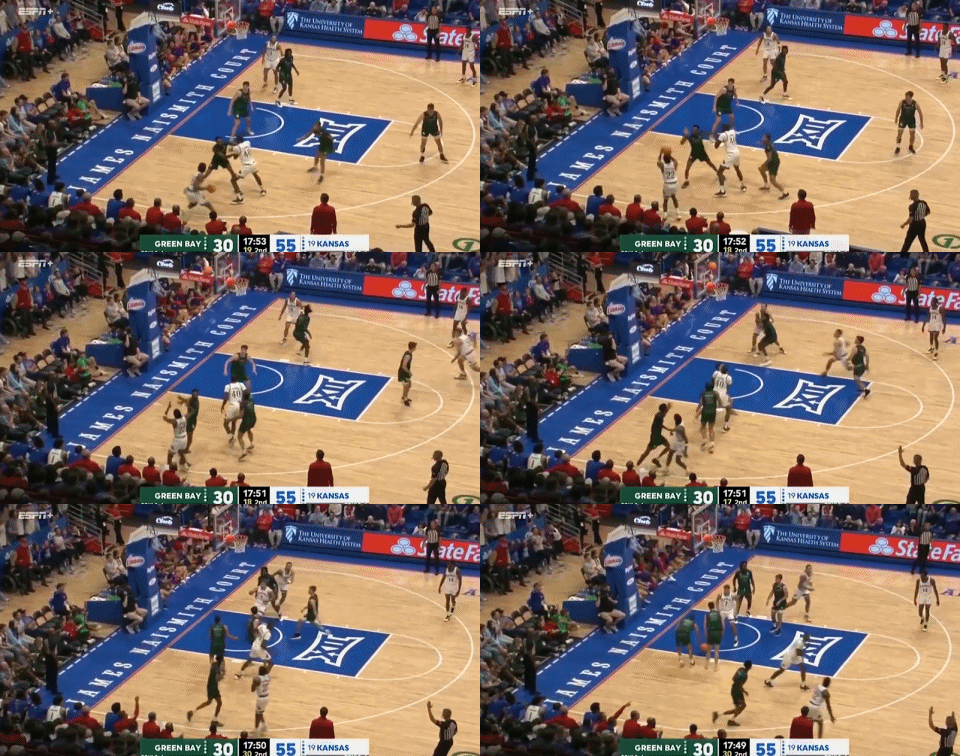
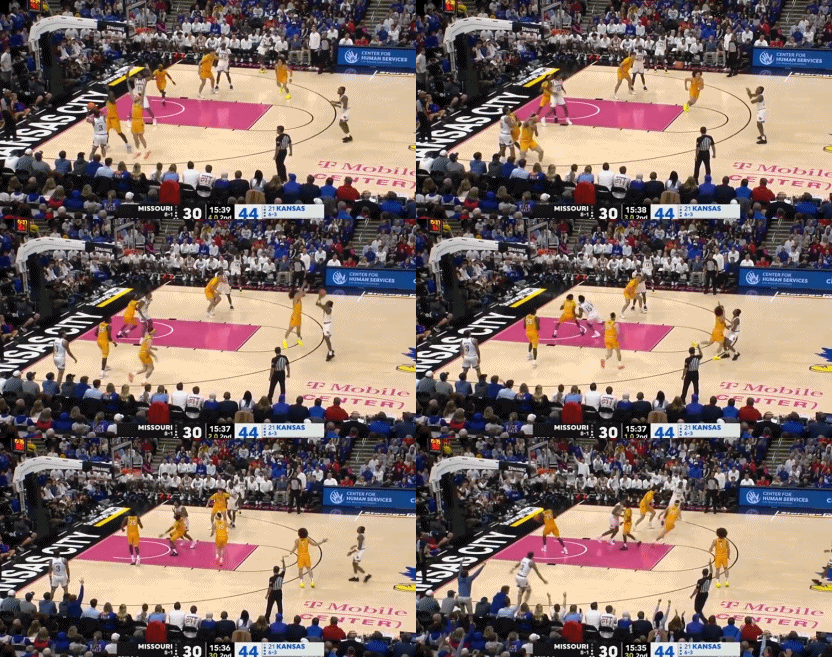
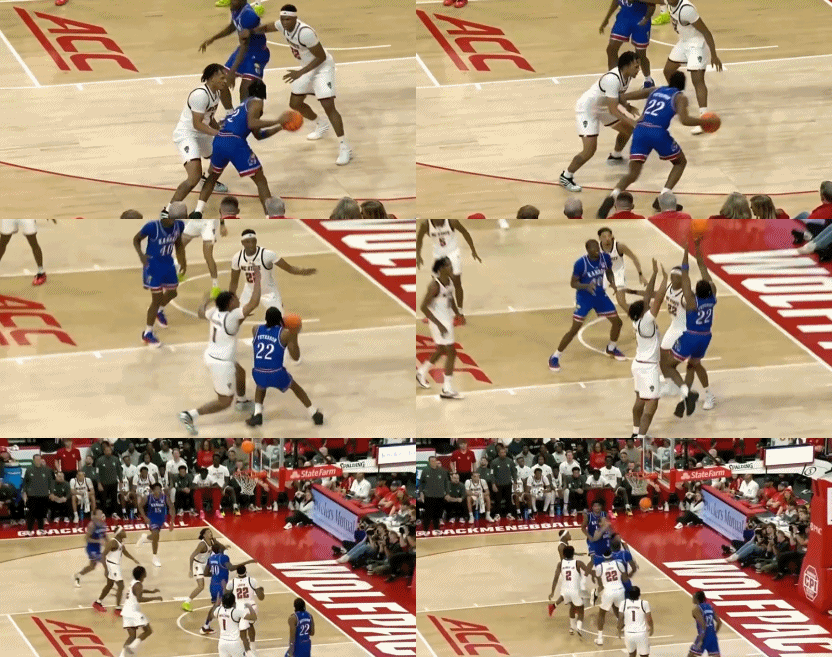
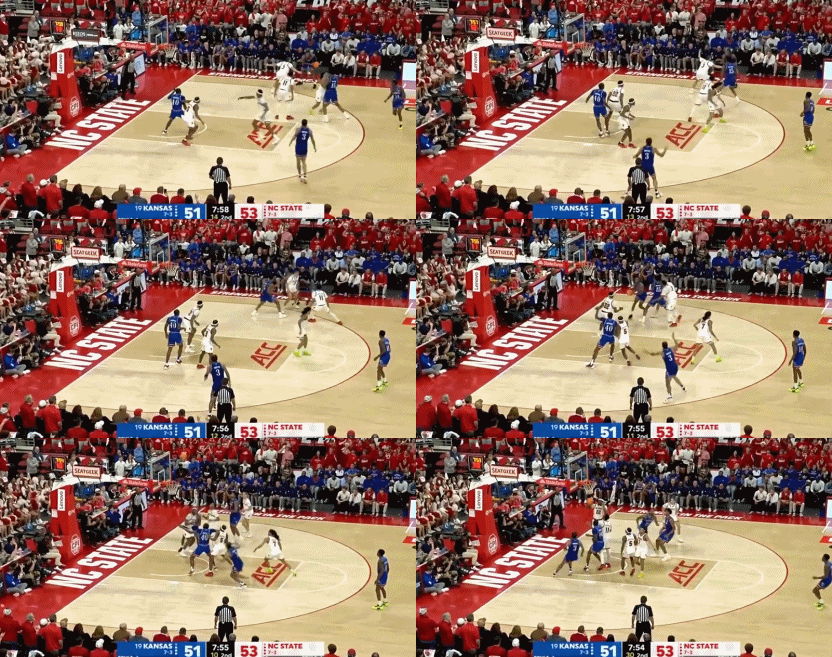
At Kansas, Peterson averaged 20.2 points, 4.2 rebounds, 1.6 assists, 1.4 steals, 0.6 blocks, and 1.6 turnovers per game, shooting 43.8% from the field, 38.2% from three, and 82.6% from the free-throw line. His actual on-court scoring ability was even more explosive than his 20-point average suggests, but intermittent availability affected his numbers. Nevertheless, he still broke Wiggins' freshman scoring record for the program.
The biggest issue Peterson faced was cramps. In September of last year, he was rushed to the hospital due to full-body cramps. Peterson later explained that his creatine levels were higher than normal, and he had taken a high dose of creatine supplements, which led to the cramping. Later, he also dealt with some lower-body injuries.
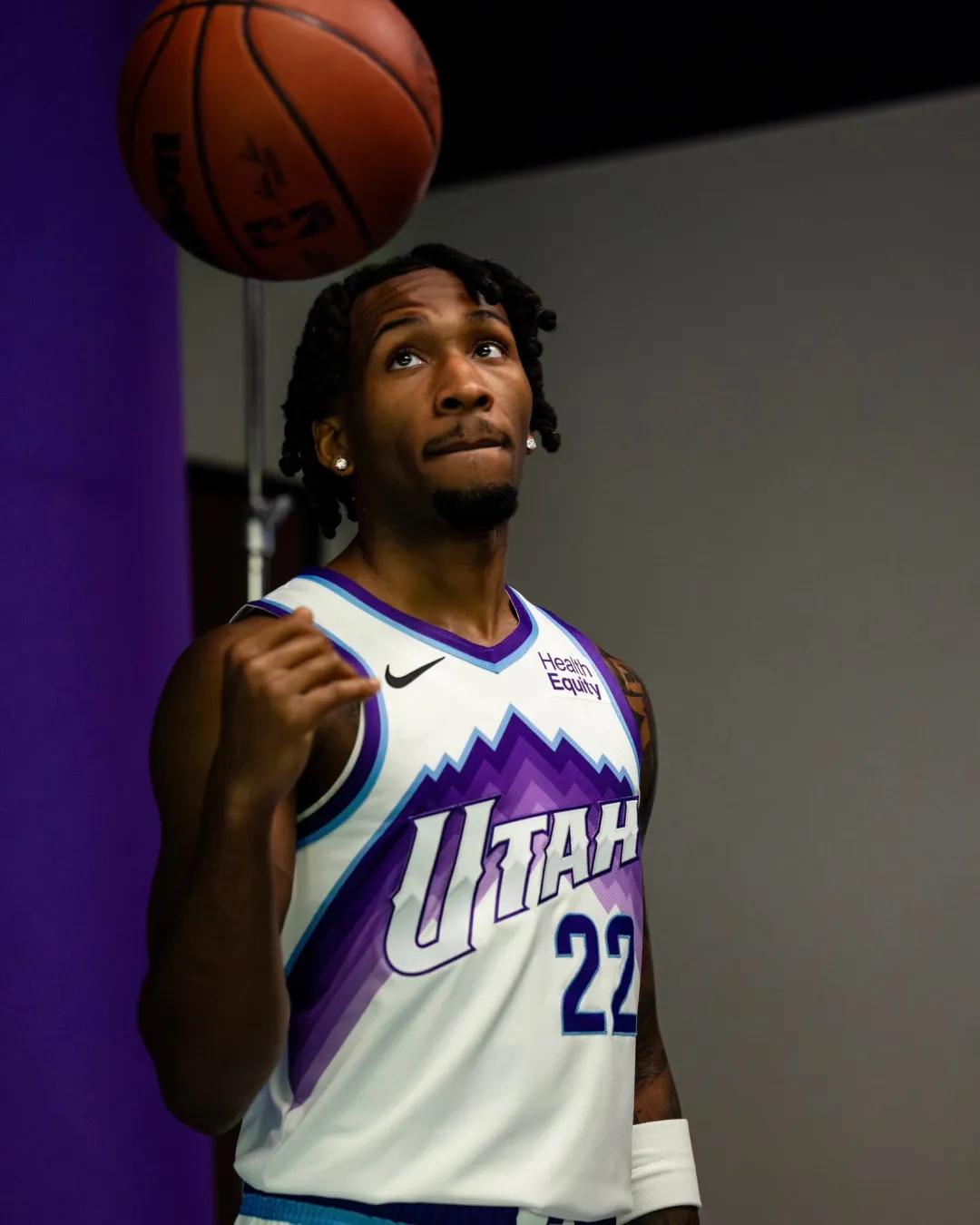
Peterson also faced criticism in college over an attendance issue. During one game, he suddenly told the head coach that he couldn't continue playing for the remainder of the contest. This wasn't the only time he left early, raising doubts about his competitiveness. Ultimately, he was still selected with the second pick, proving his physical condition was not a concern.
With Peterson on board, the Jazz's rebuild is essentially complete—now it's time to produce results. Peterson can pair with George in the backcourt, with Bailey and Markkanen on the wings, and Jackson Jr. at center, plus a solid bench. Peterson won't require a long development period; he can contribute immediately. He won't get unlimited shots right away, but the Jazz won't stifle his talent either.
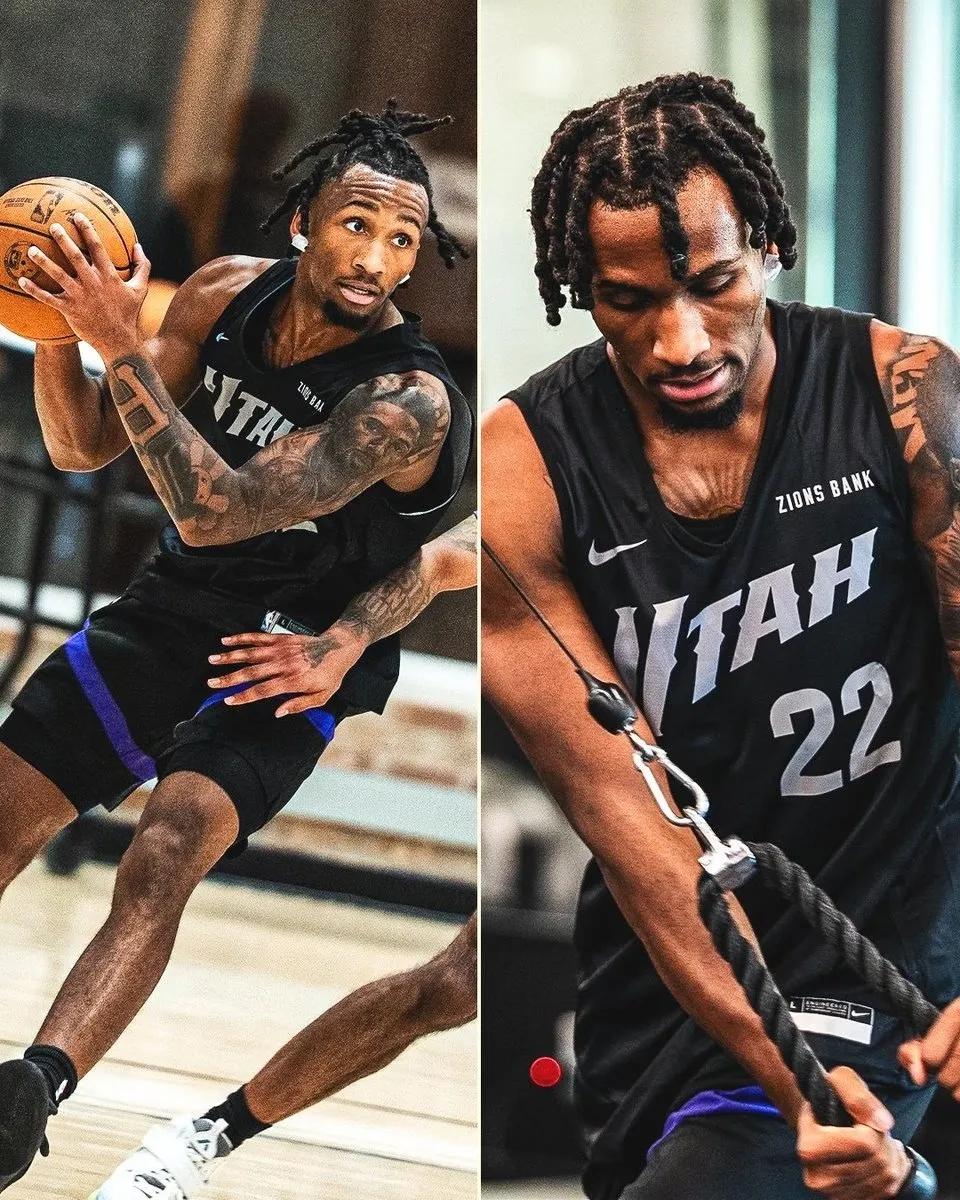
After the draft, Peterson said in an interview: "Of course I wanted to be the No. 1 pick, but I'm the No. 2. So I'm ready to go to Utah and get to work. I've always had that chip on my shoulder—it's not anything new, but I'll carry it with me throughout my career."


Wonderfulshortvideo
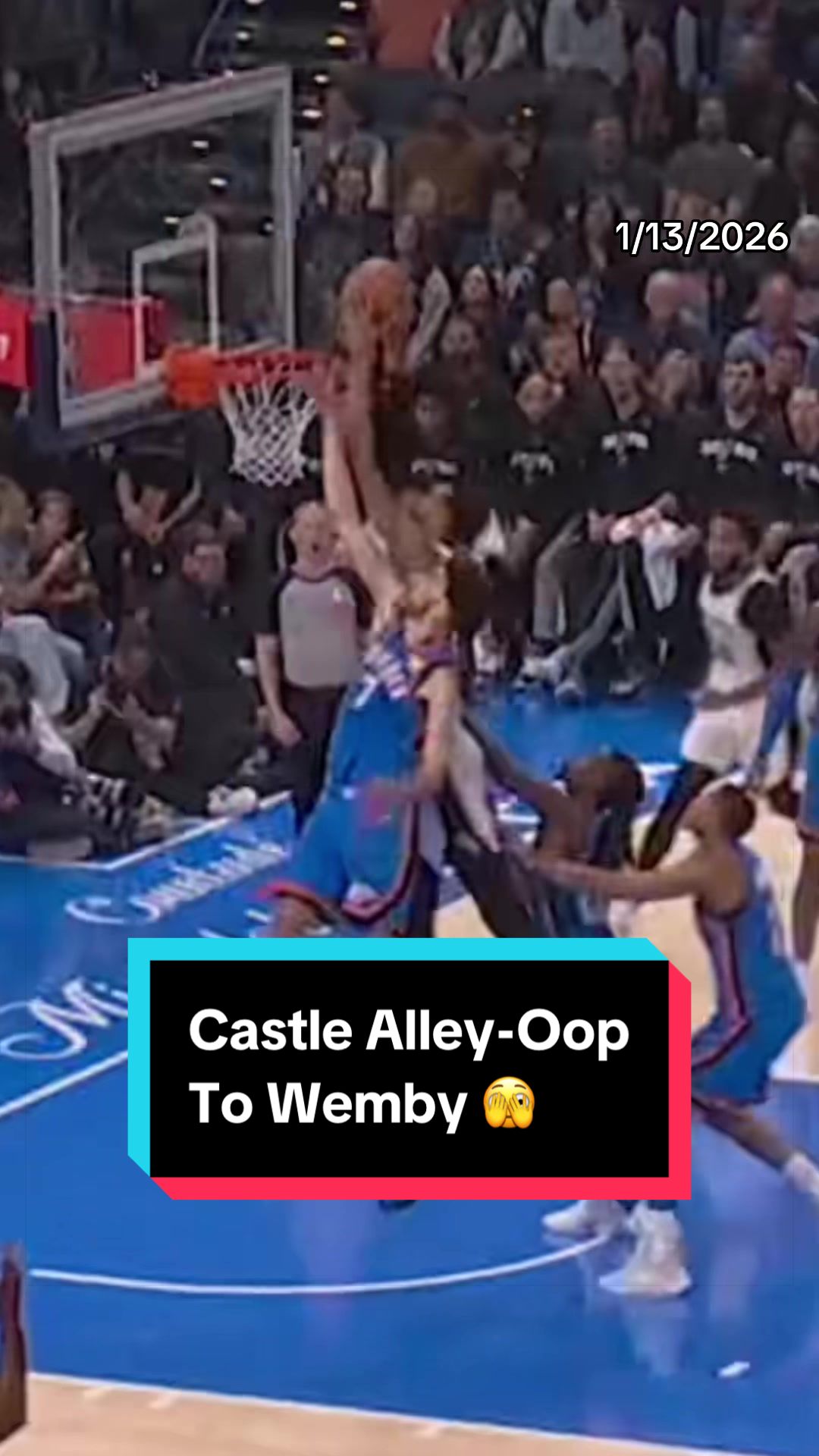
If you give Wemby the lane, it might already be too late 🫣


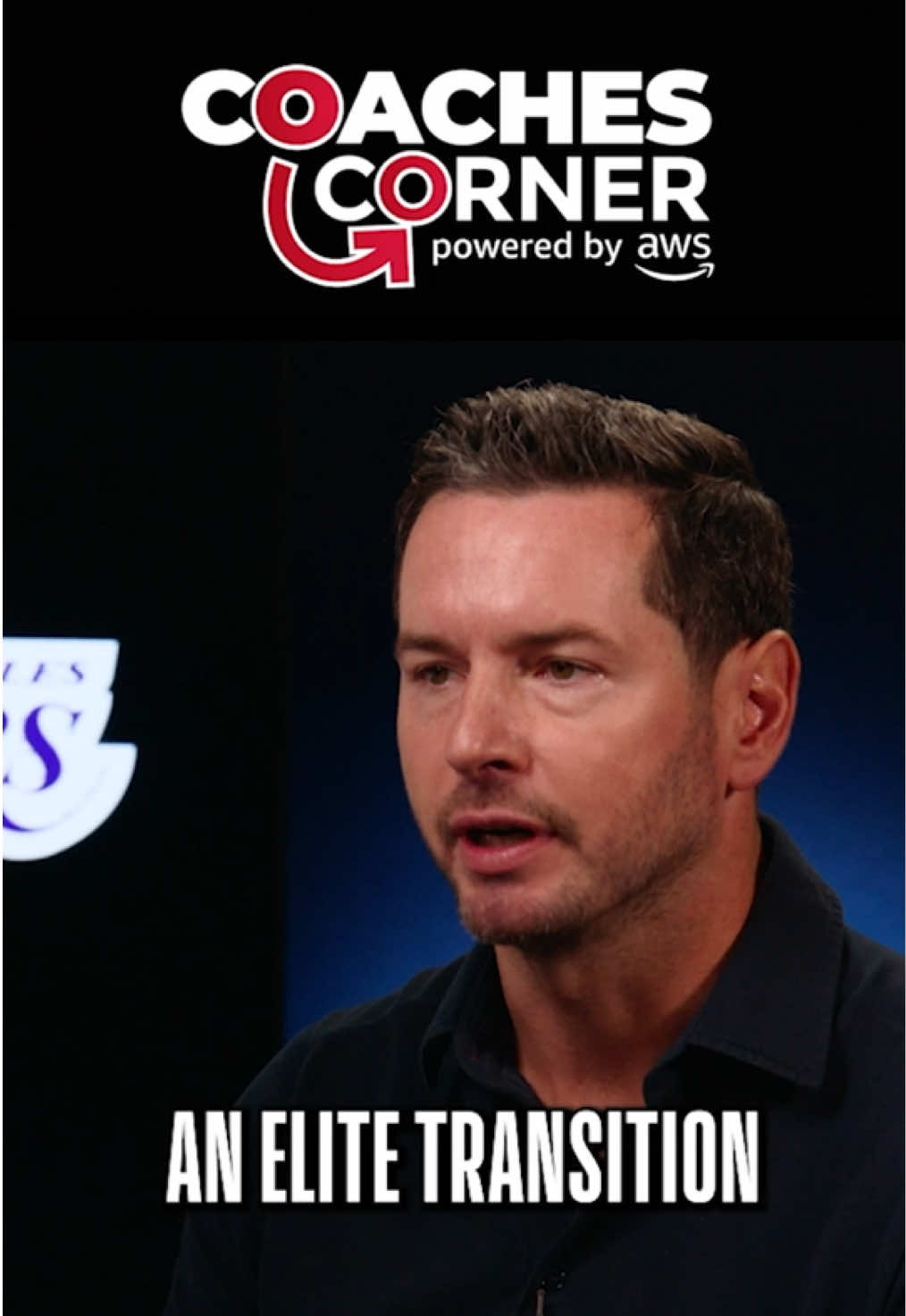
Coaches Corner powered by @AWS goes Inside the Game with Los Angeles Lakers head coach JJ Redick and ESPN analyst Tim Legler as they explore how players like Luka Dončić advance the ball in transition, creating early advantages and opening high-quality scoring chances.
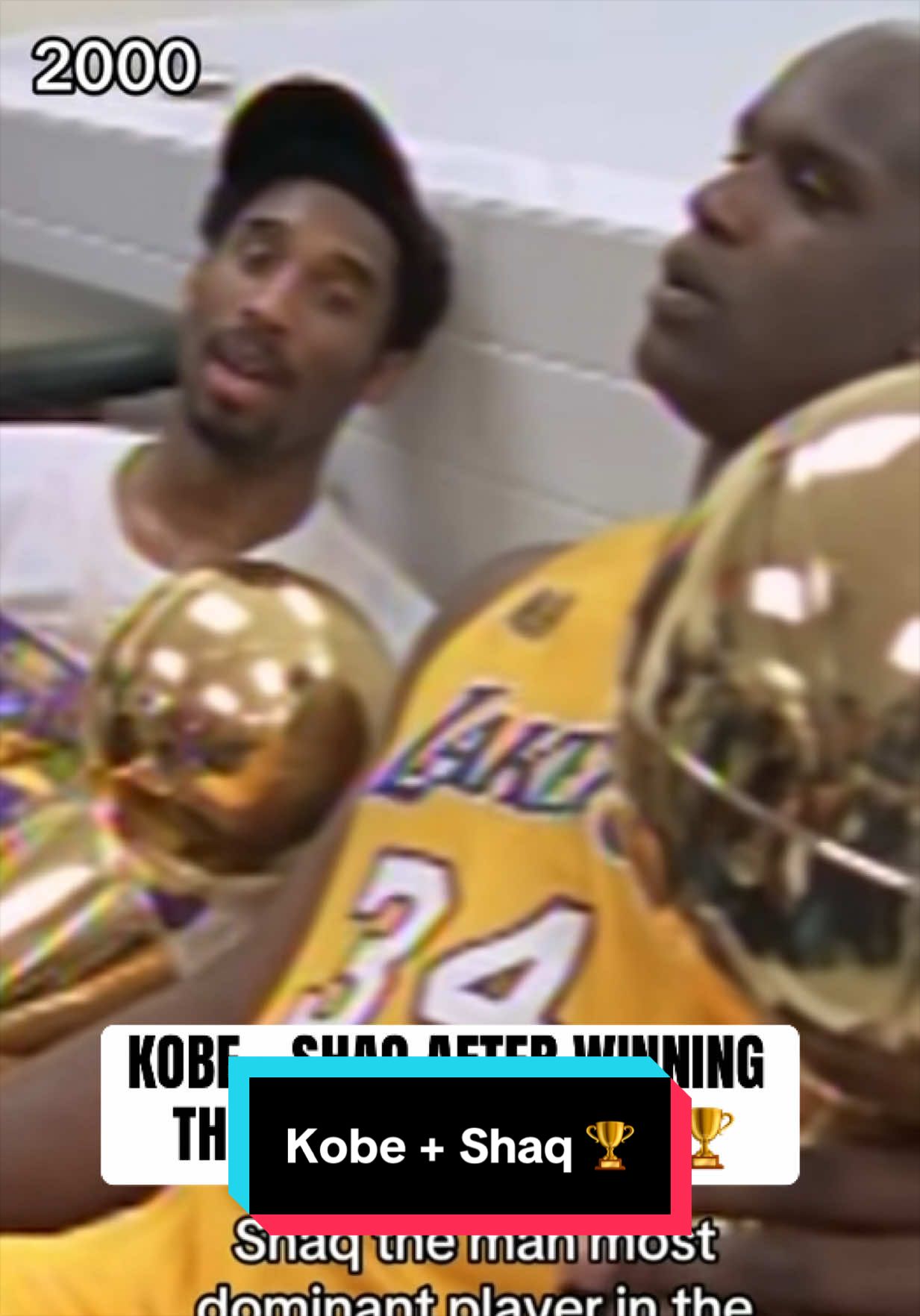
This moment between Kobe + Shaq after leading the Lakers to victory in the 2000 NBA Finals >>> 🏆
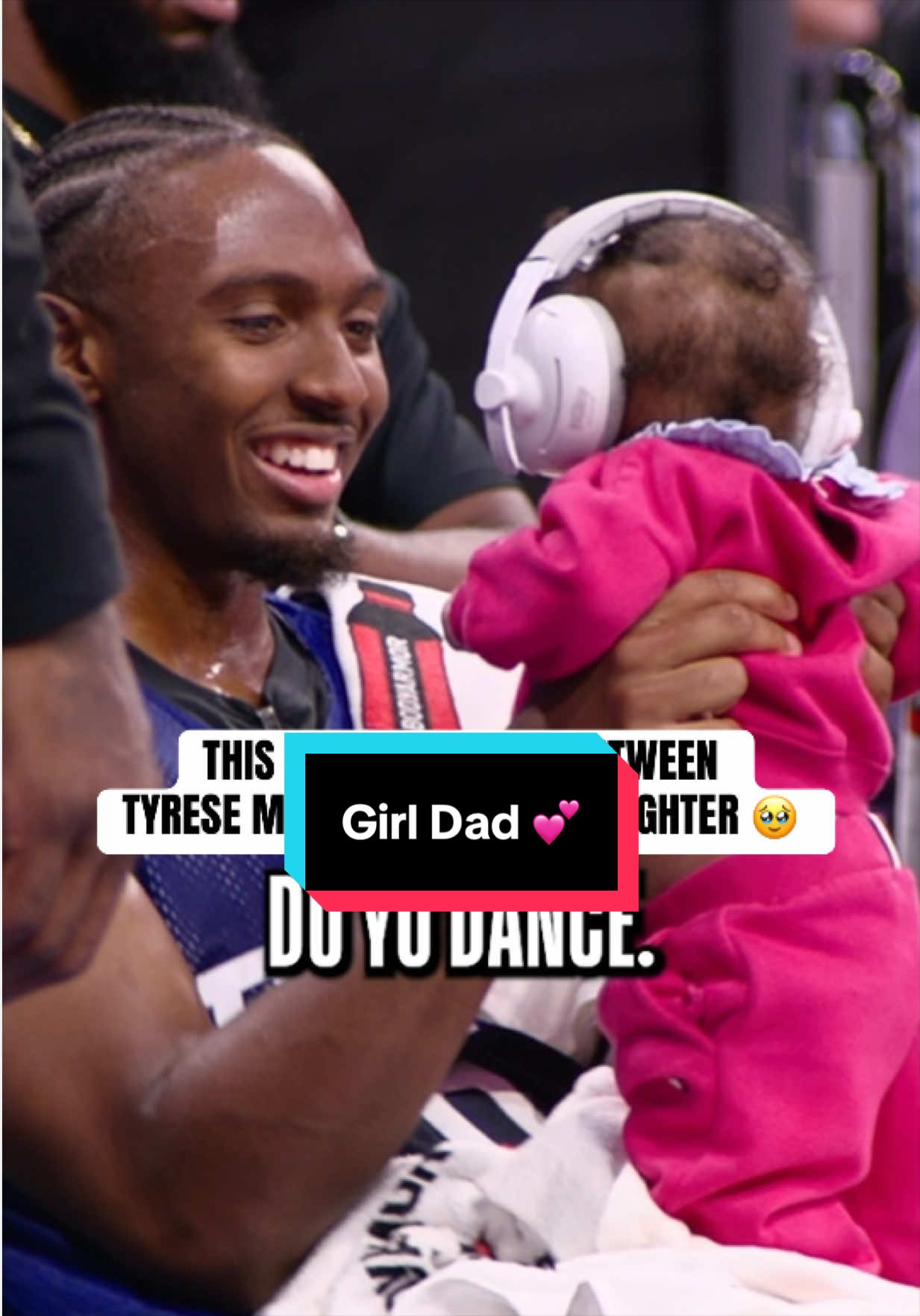
Tyrese Maxey mic’d up at 76ers practice with his daughter is everything 🥹
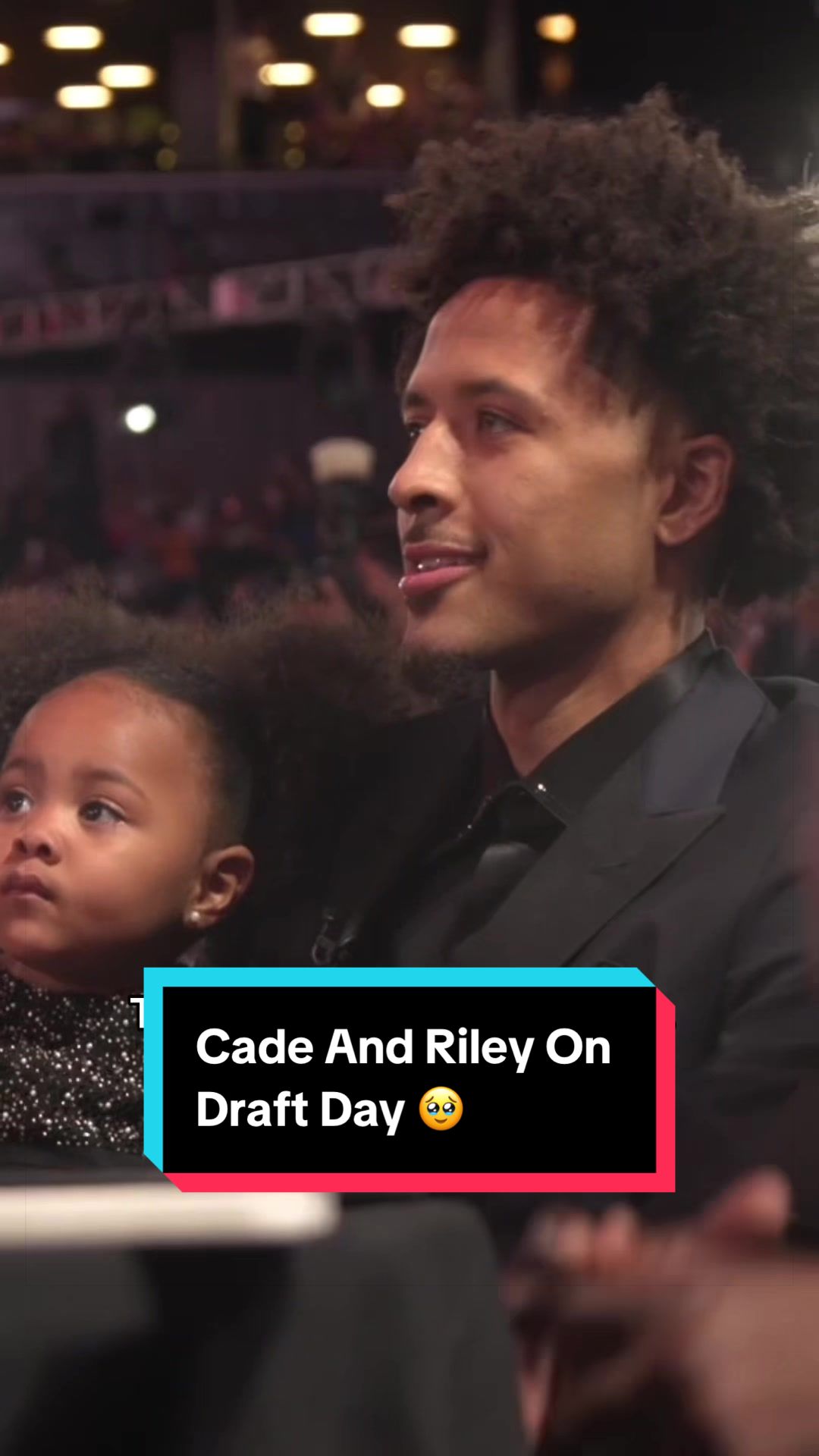
Throwback to when Riley’s dad, Cade Cunningham, got drafted No. 1 overall by the @Detroit Pistons 🥹👏
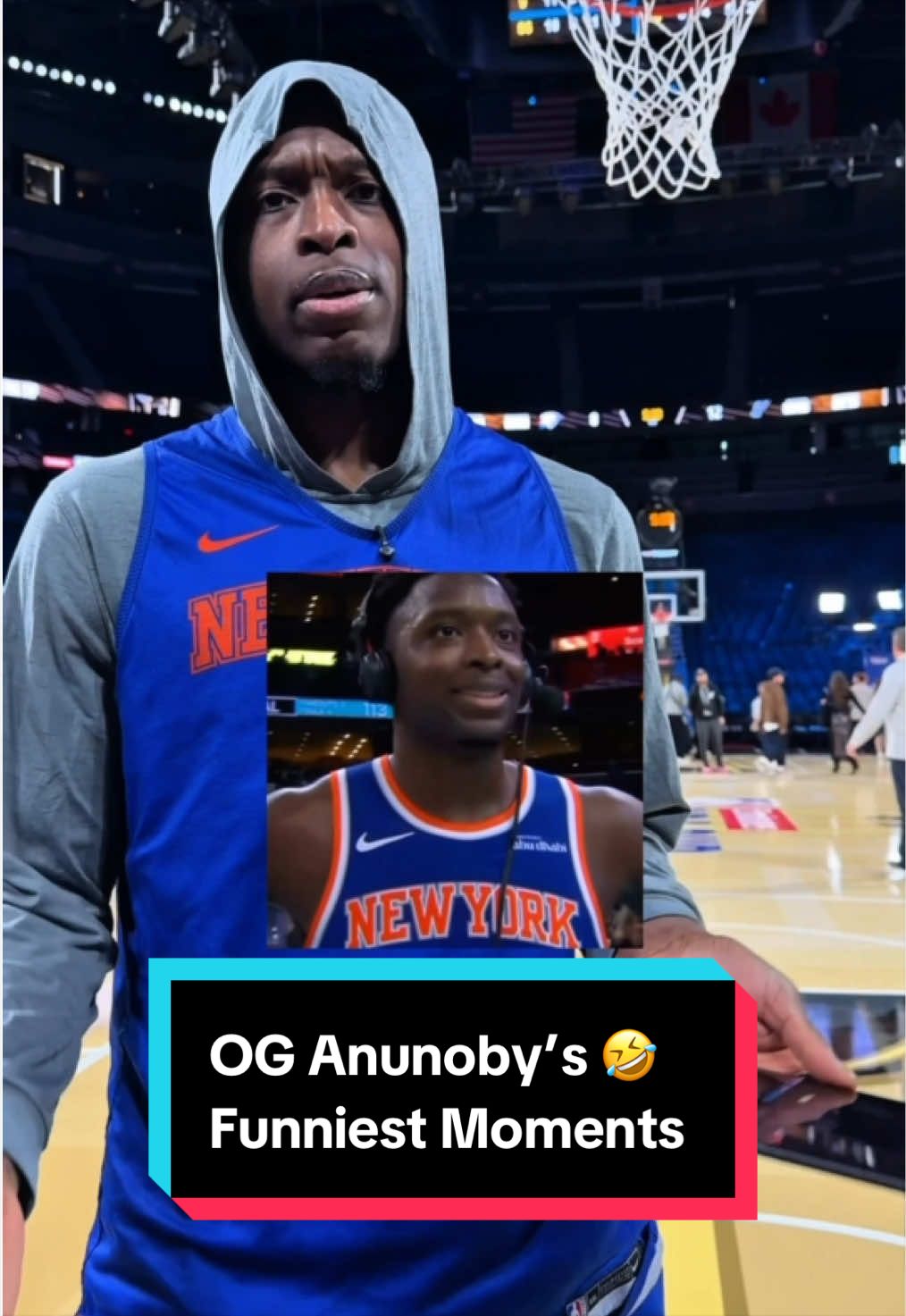
OG Anunoby giving context to his most iconic (off the court) moments last season 😭
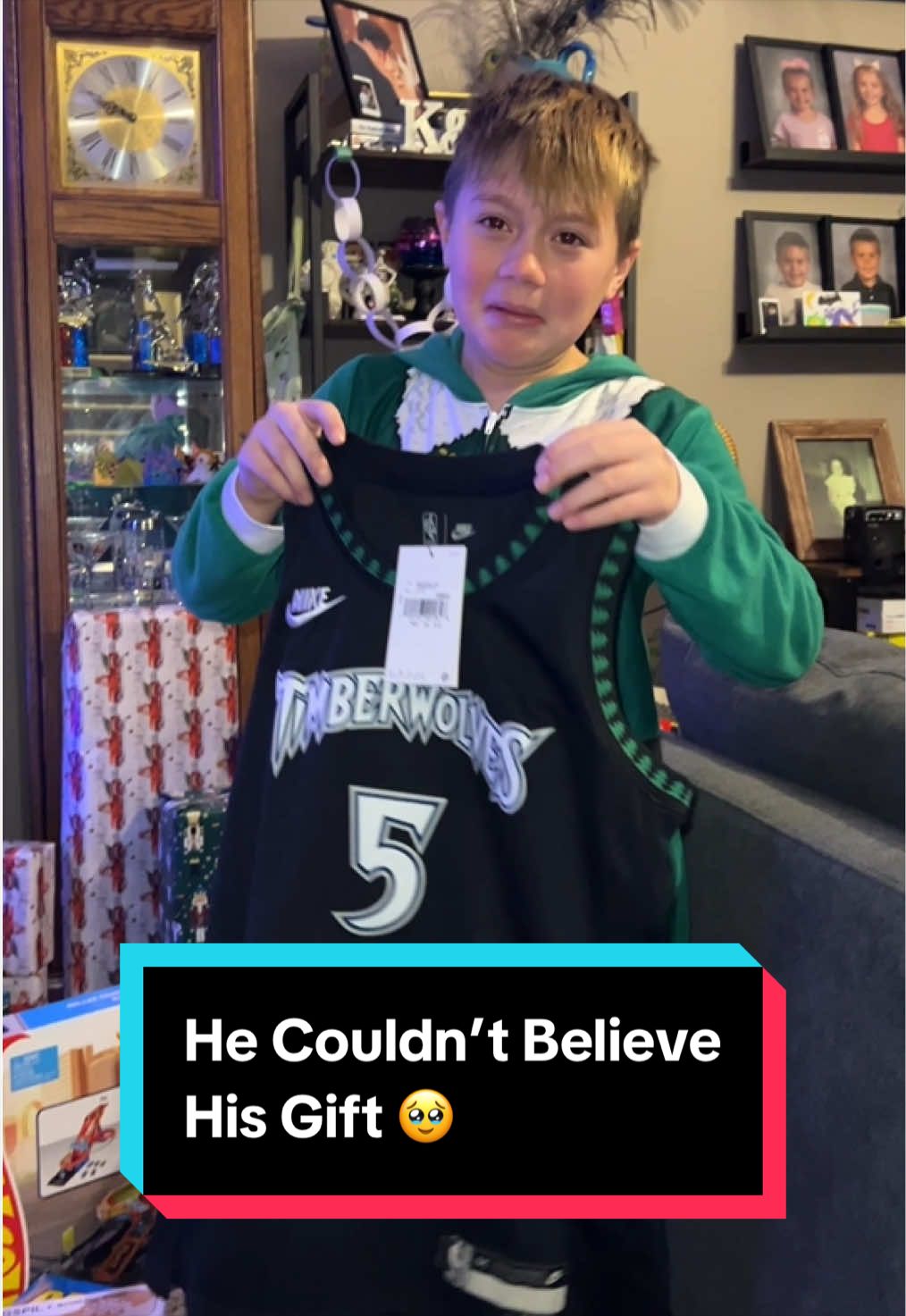
The perfect surprise Christmas gift…an @Anthony Edwards jersey 🥹 (Via kathrynrandall0/TT)
 Links
Links
 Contact
 App
App


