



The Chinese men's basketball team's do-or-die match turned into a one-sided blowout.



In the final game of the first stage of World Cup qualifiers, the Chinese men's basketball team won handily against the Chinese Taipei team, finally securing a place in the next group stage. Although the game went smoothly, it was a genuine do-or-die contest—win to advance, lose to be eliminated.
To be honest, it's quite embarrassing that the first stage of the World Cup qualifiers reached this point for the Chinese team. After losing the first two games to South Korea, they automatically entered a hellish situation. The two middle games, where they came from behind to beat Japan and Chinese Taipei, were also messy and hard-fought. In the previous game, they lost to Japan by 19 points, completely losing their identity and playing terribly. That's why today's match became a must-win.
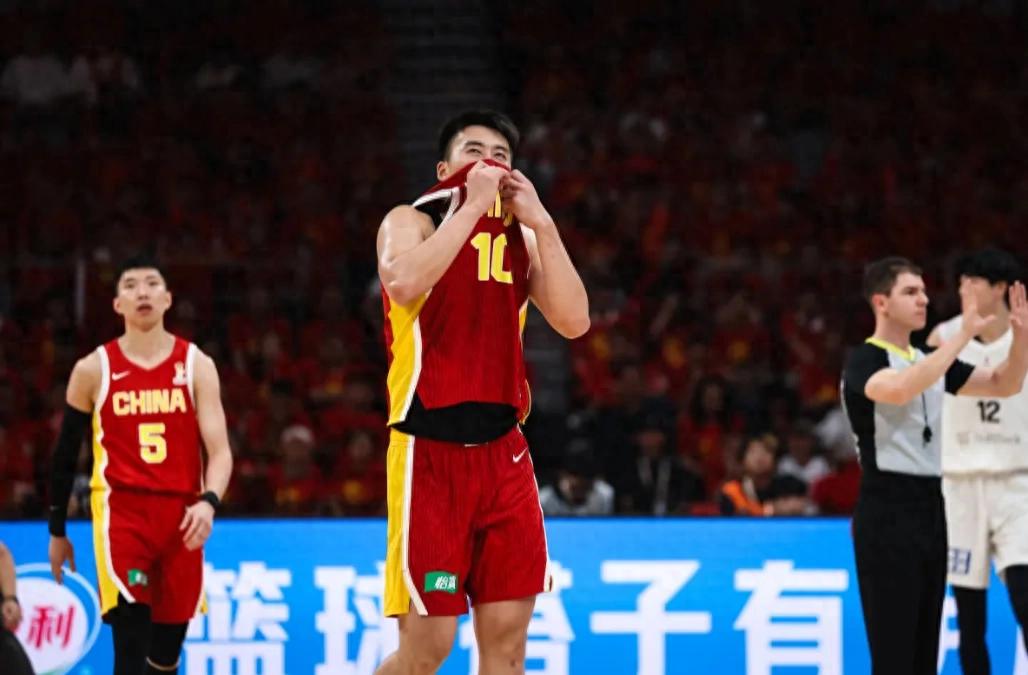
Winning this game keeps the Chinese team in the second stage of the qualifiers with a chance to reach the World Cup. Losing would have created the worst record in the team's history, with consequences too dire to imagine. Thankfully, the Chinese men's basketball team managed to handle the pressure.
At the start, captain Zhao Jiwei scored 5 consecutive points, setting an example for the younger players and calming everyone down. Against Chinese Taipei, we had a clear advantage in terms of the lineup. The opponent's offensive strategies were basically just two types: their naturalized big man, Gao Baikai, rolling to the basket after pick-and-rolls, and guards Chen Yingjun and Lin Tingqian looking for three-point opportunities off screens.
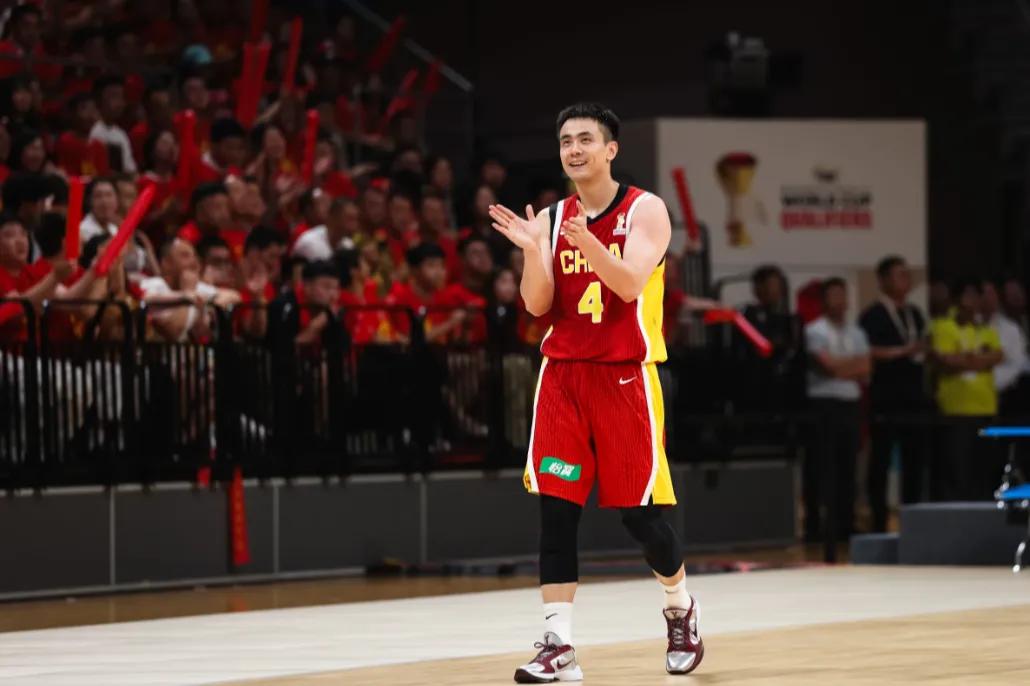
Once we recognized this and focused on Gao Baikai, Chinese Taipei's offense struggled to develop. One favorable factor for the Chinese team today was that the referees called three fouls on Gao Baikai in the first half, including two offensive fouls. It wasn't our home game, but the whistle treatment was much better than in the last match in Shenyang.
Today, the pressure should have been greater on us, but unexpectedly, it was Chinese Taipei that carried the burden. Their overtime comeback victory over South Korea in the previous game gave them a glimmer of hope for advancing, but today they bore even more psychological weight. After their offense stalled early on, they too became flustered and desperate.
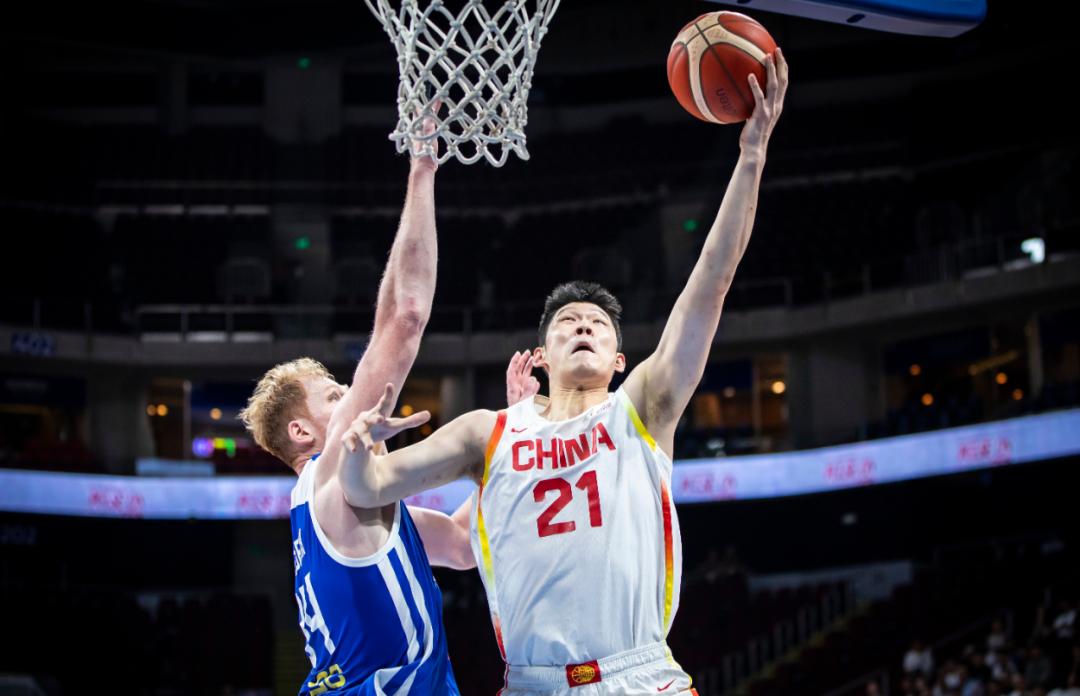
Compared to the Chinese team's smooth offense today, it was their defense that truly set the tone for the win. They held the opponent to just 13 points in the first quarter and 15 in the second, including a five-minute stretch in the second quarter where the opponent scored nothing. The pressure on the ball was intense, and they didn't give the two guards easy open looks. In the first half, coach Guo Shiqiang rotated 11 players, and the defensive discipline was far better than in the game against Japan.
The biggest change Guo Shiqiang made today was giving Cui Yongxi and Pang Zhenglin time in the rotation. The first time the game was stopped was when Cui Yongxi scored two consecutive baskets, including a signature steal-and-fast-break layup. Pang Zhenglin came in and immediately contributed: first with a mid-range jumper off a pick-and-roll, then with a trademark driving layup, and later in the second quarter he hit an open three-pointer.
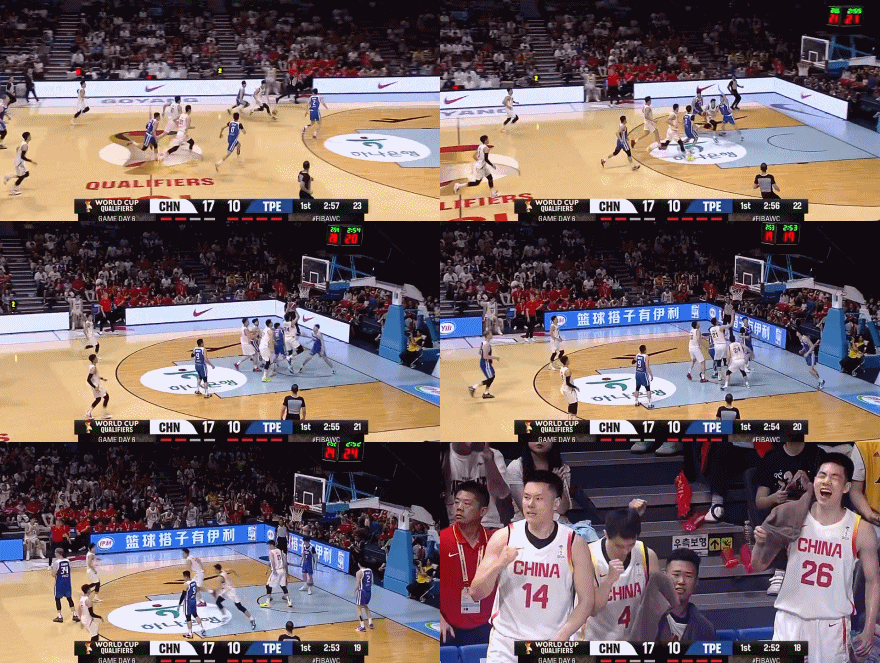
Cui Yongxi and Pang Zhenglin brought the energy the Chinese team desperately needed—fast breaks, speed, and counterattacks. In the previous game against Japan, the Chinese team's half-court offense was far too sluggish, relying on outdated post-up plays. If the audience could predict those passes, how could the opponents not?
Modern basketball emphasizes dynamic offense and transition attacks. The game against Japan really taught us a hard lesson. Today, our ball movement was much more versatile, with cuts, passes, and opportunities created through passing, and the pace of the game was noticeably faster.
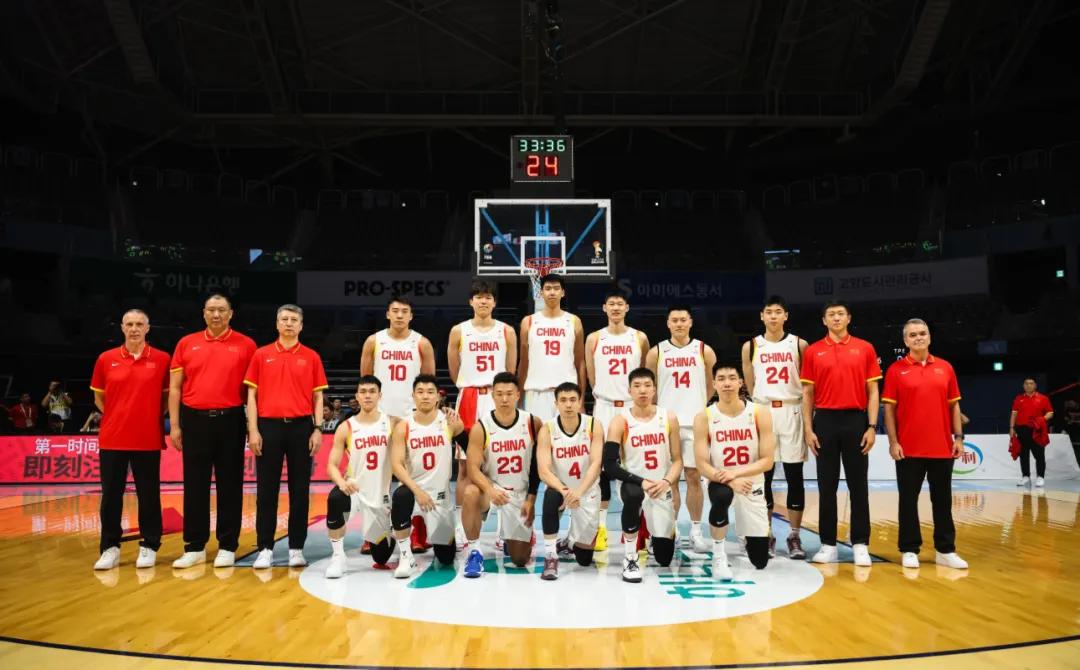
However, Yang Hansen still seemed out of place in this national team. In the previous game, he was used purely in the low post, which made both him and the team uncomfortable. Today, although he still received the ball in the low post, he had more freedom to make decisions and also ran some pick-and-rolls to the basket. This is the style of play Yang Hansen prefers, but he still didn't find the rhythm he would have liked in his comfort zone.
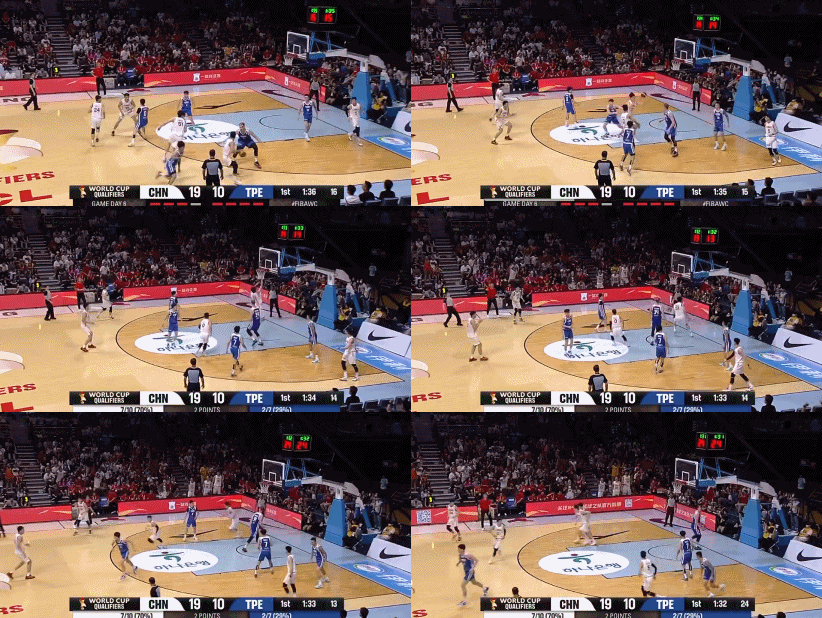
That's why it makes sense that Guo Shiqiang started Daqiu (Hu Jinqiu) in both games. In this team, Daqiu is like an anchor—even in the loss to Japan, he was the best performer.
Yang Hansen will now fly back to the United States to participate in the Summer League, which is his main battlefield and will determine whether he gets consistent playing time next season. The next stage of the World Cup qualifiers will take place at the end of August, and Yang Hansen should be able to return for that.
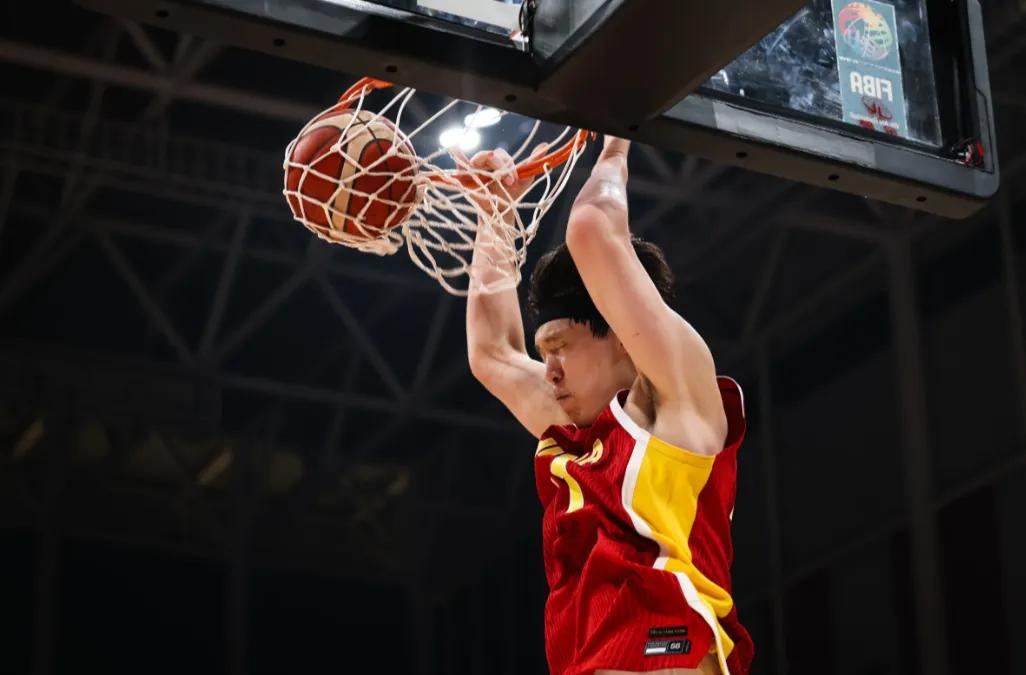
The Chinese men's basketball team struggled through the first stage of the World Cup qualifiers, but fortunately, they managed to advance. Hopefully, in the upcoming games, they will discard tactics that don't work and adjust the lineup as needed. This group of young players deserves a bigger stage.


Wonderfulshortvideo

If you give Wemby the lane, it might already be too late 🫣



Coaches Corner powered by @AWS goes Inside the Game with Los Angeles Lakers head coach JJ Redick and ESPN analyst Tim Legler as they explore how players like Luka Dončić advance the ball in transition, creating early advantages and opening high-quality scoring chances.

This moment between Kobe + Shaq after leading the Lakers to victory in the 2000 NBA Finals >>> 🏆
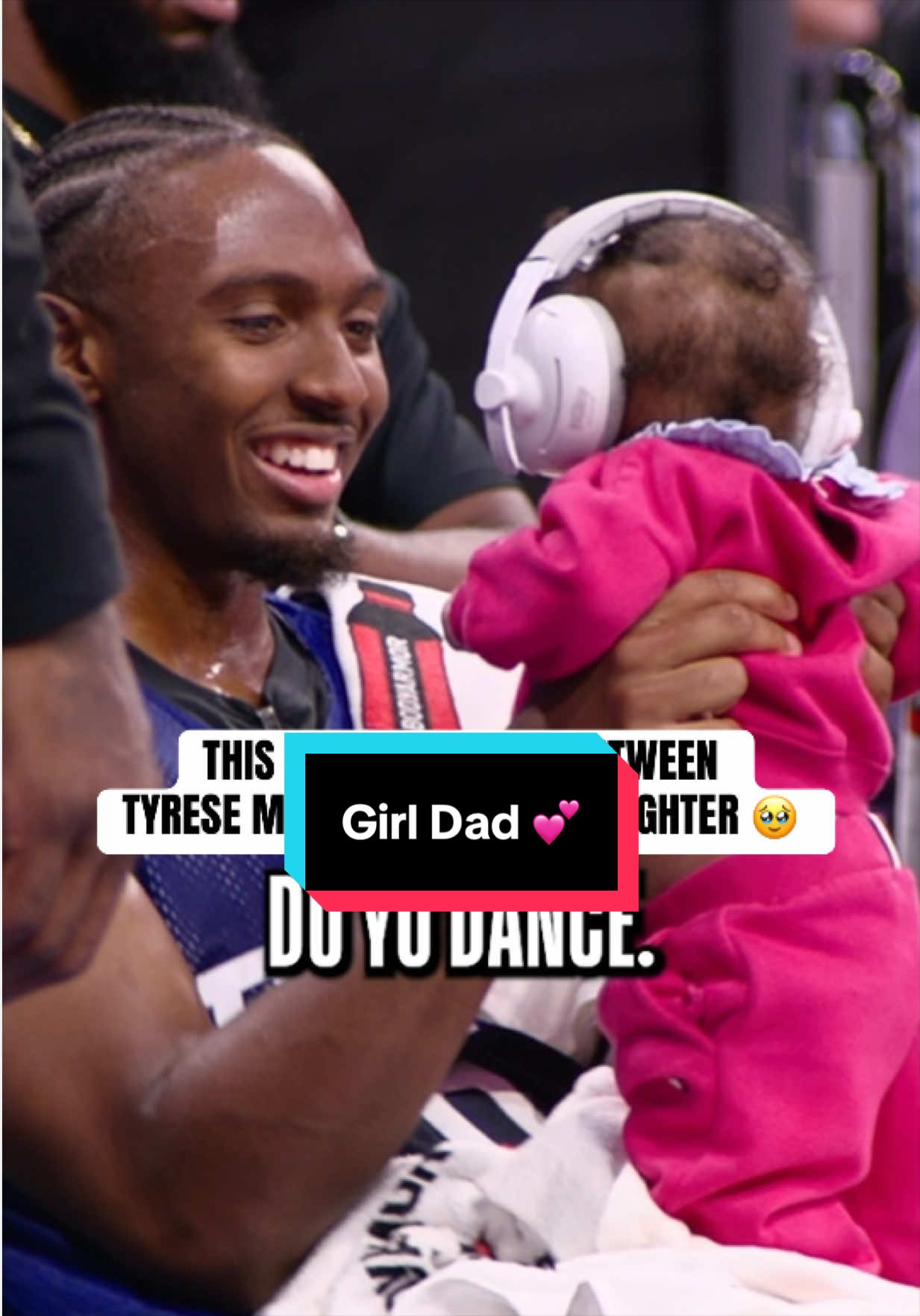
Tyrese Maxey mic’d up at 76ers practice with his daughter is everything 🥹
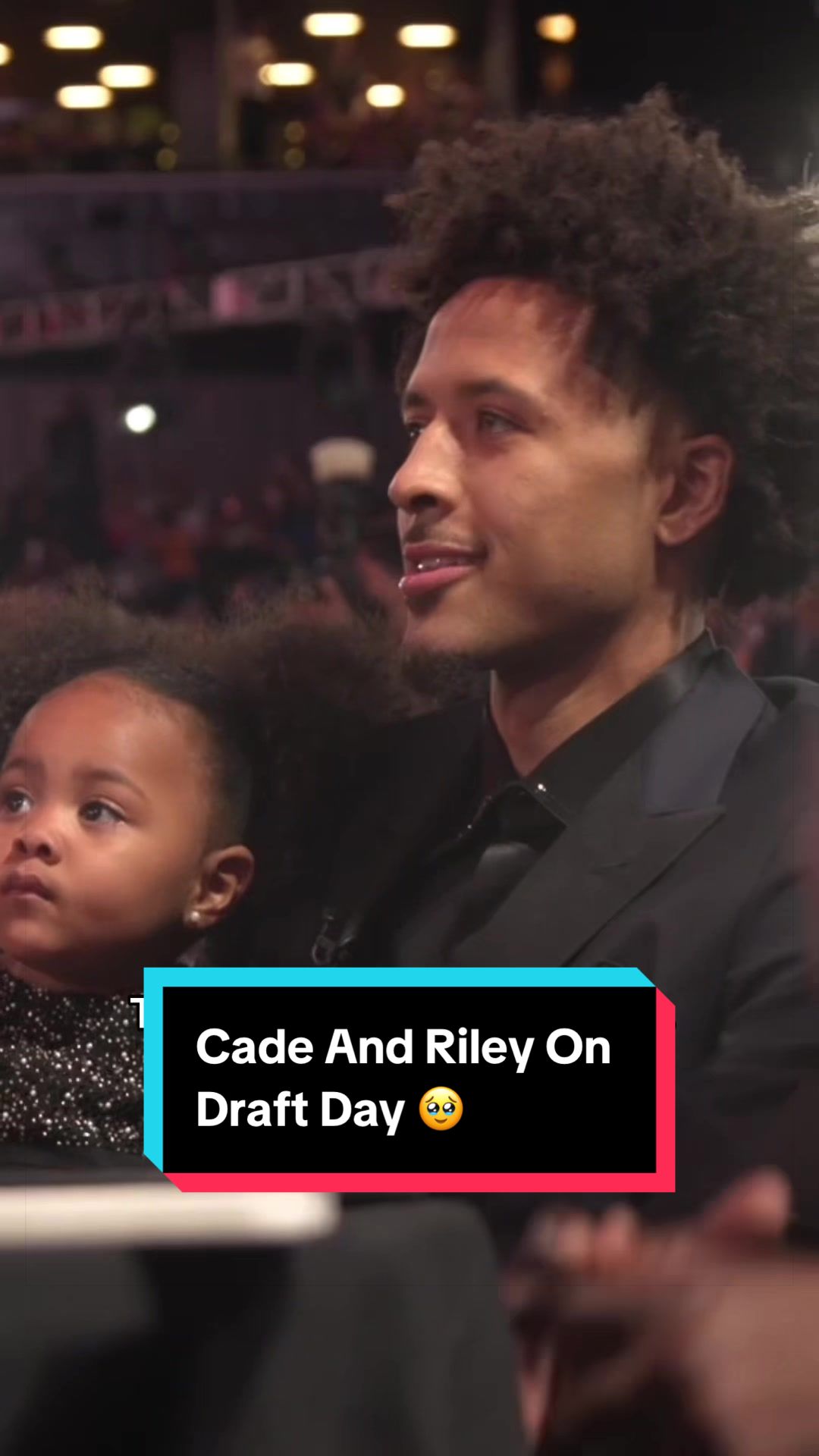
Throwback to when Riley’s dad, Cade Cunningham, got drafted No. 1 overall by the @Detroit Pistons 🥹👏

OG Anunoby giving context to his most iconic (off the court) moments last season 😭

The perfect surprise Christmas gift…an @Anthony Edwards jersey 🥹 (Via kathrynrandall0/TT)
 Links
Links
 Contact
 App
App


