



The Lakers completely severed their past by letting go of all their playoff starters.



Following Rui Hachimura's signing with the Clippers on a two-year, $28 million contract (second year team option), the full starting lineup of the Lakers' first-round playoff series—Kennard, Smart, James, Hachimura, and Ayton—has left the team.
A few months after getting past the first round, dropping all five starters is a one-of-a-kind move in NBA history. The Lakers did this because they are at a turning point and need to cut off the past, aligning everything around Luka Dončić.
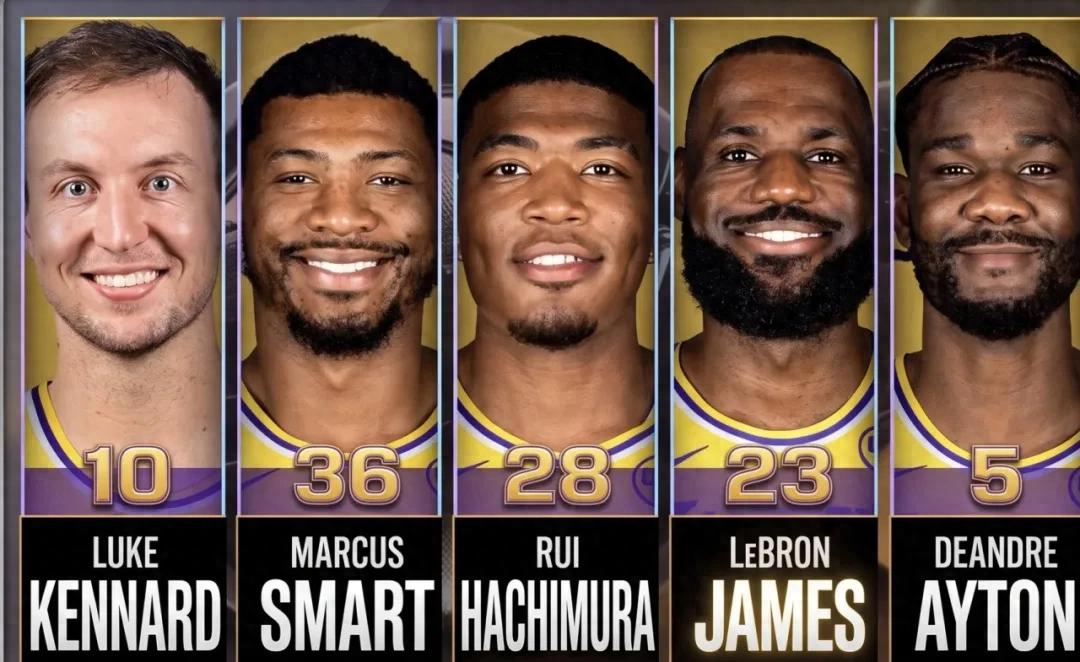
The root cause is definitely LeBron James announcing he wouldn't stay with the Lakers next season. The Lakers might have wanted to keep him, or maybe not—only the two parties know the inside details. What's clear is that the Lakers never made a formal offer to James, and James informed the Lakers of his departure before free agency opened.
With James confirmed to leave, Smart was also poached by the Rockets (2 years, $13 million), Kennard signed with the Suns for 2 years, $13 million, Ayton exercised his option and was traded by the Lakers to the Wizards for Jaden Hardy and two second-round picks; Hachimura waited a few days in free agency and was essentially picked up by the Clippers.
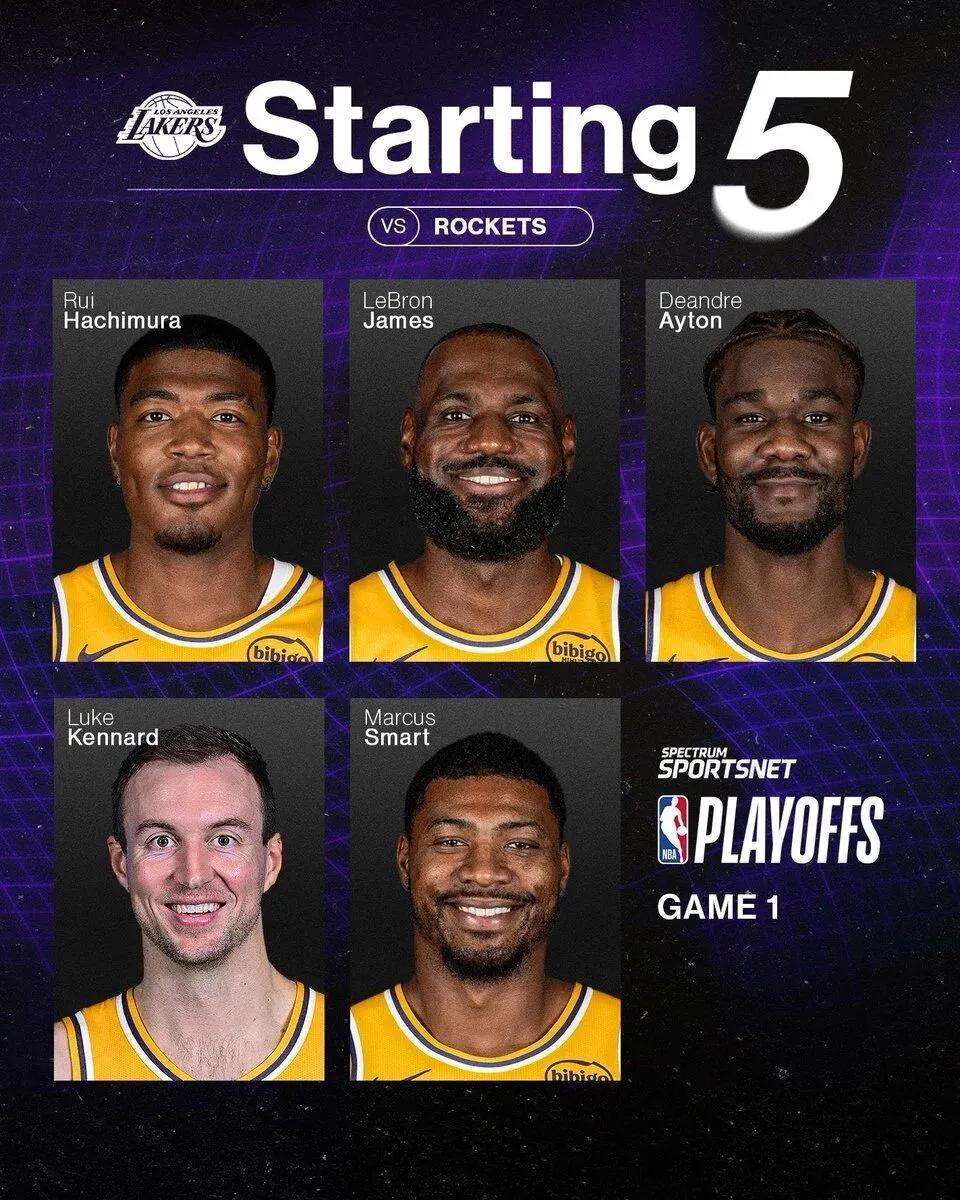
It's worth noting that aside from Smart getting a slight raise, all the others took pay cuts. Ayton clearly didn't get a satisfactory offer in free agency before exercising his option. Kennard went from $11 million last season to $6.5 million this season. Hachimura's salary dropped from $18 million last season to $14 million with the Clippers.
These players did perform well in last season's playoffs, but there were special circumstances. For instance, Kennard will never get the same ball-handling opportunities he had in the first round; his role is that of a top-tier catch-and-shoot player. Ayton's current value is about $8 million, maybe less. Smart convinced the Rockets with his play, but he still has many costly turnovers, so his raise was small.
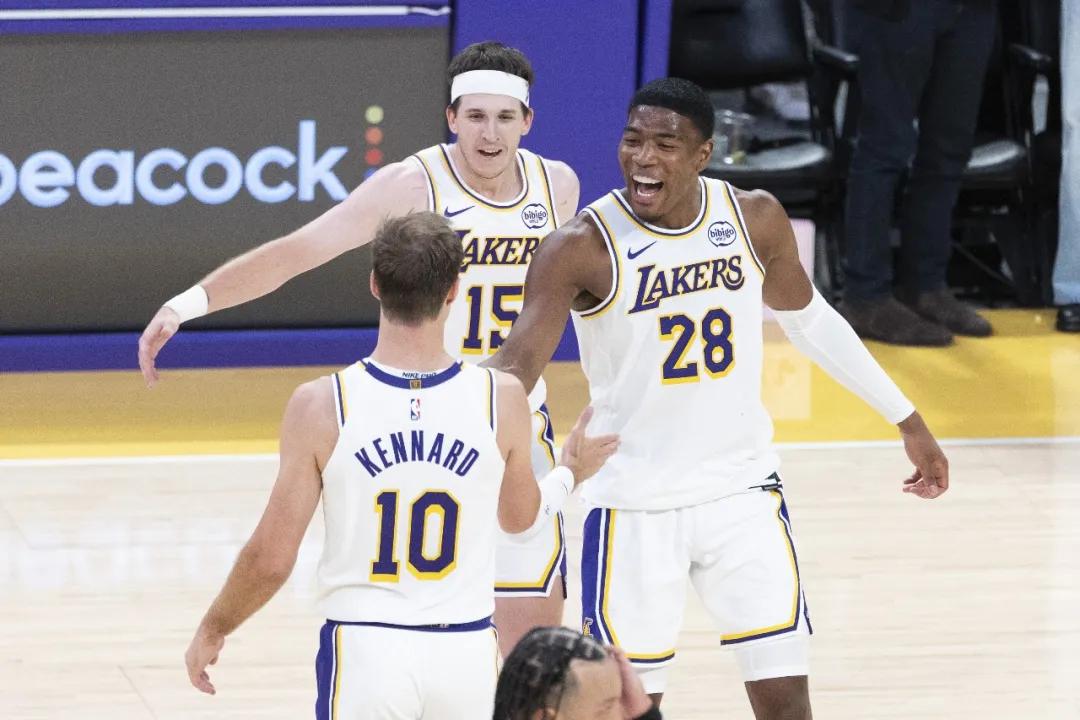
Another fact is that they can no longer play alongside James. This brings up a theory from Larry Bird long ago: Don't sign LeBron's teammates.
In the summer of 2010, James left the Cavaliers. Pacers general manager David Morway wanted to poach J.J. Hickson from Cleveland, but Pacers president Larry Bird flatly rejected the idea, saying, "You don't understand. Those guys playing alongside James perform at a level higher than their true ability, and their stats are inflated."
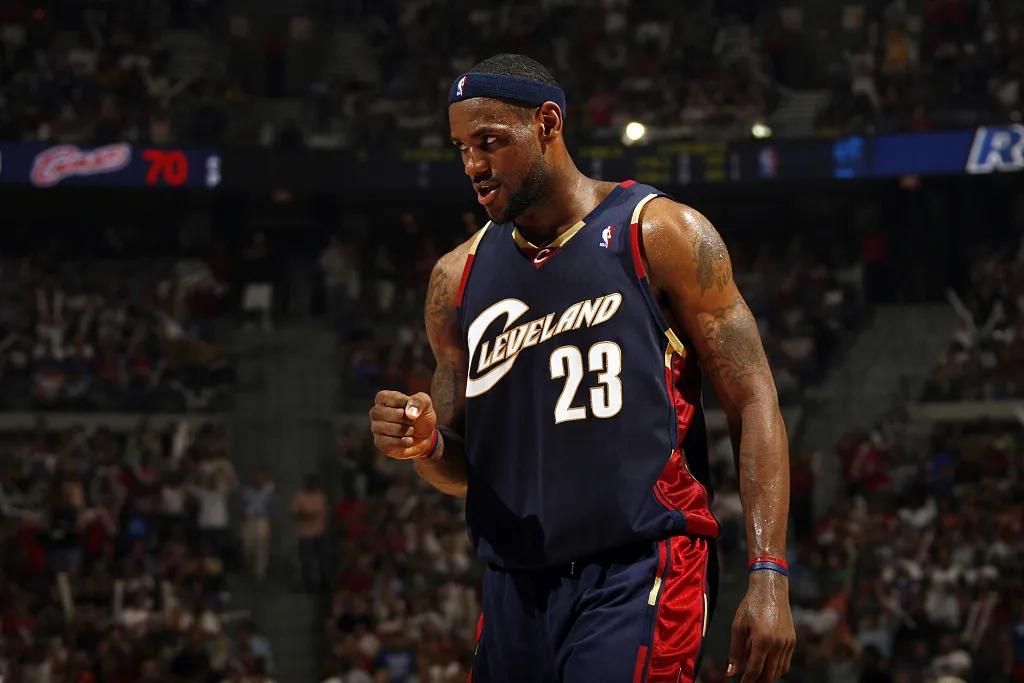
This is the so-called LeBron effect: these players can excel alongside James but may not maintain that level after leaving. They will no longer get plenty of open looks, and opponents' defensive attention will shift back to them.
This applies not only to James but also to many superstars' teammates, like Stephen Curry. After losing the "Curry gravity," those teammates' shooting percentages tend to drop. Even though James is 41, Larry Bird's theory still seems relevant, which is why Hachimura and others weren't as sought after.
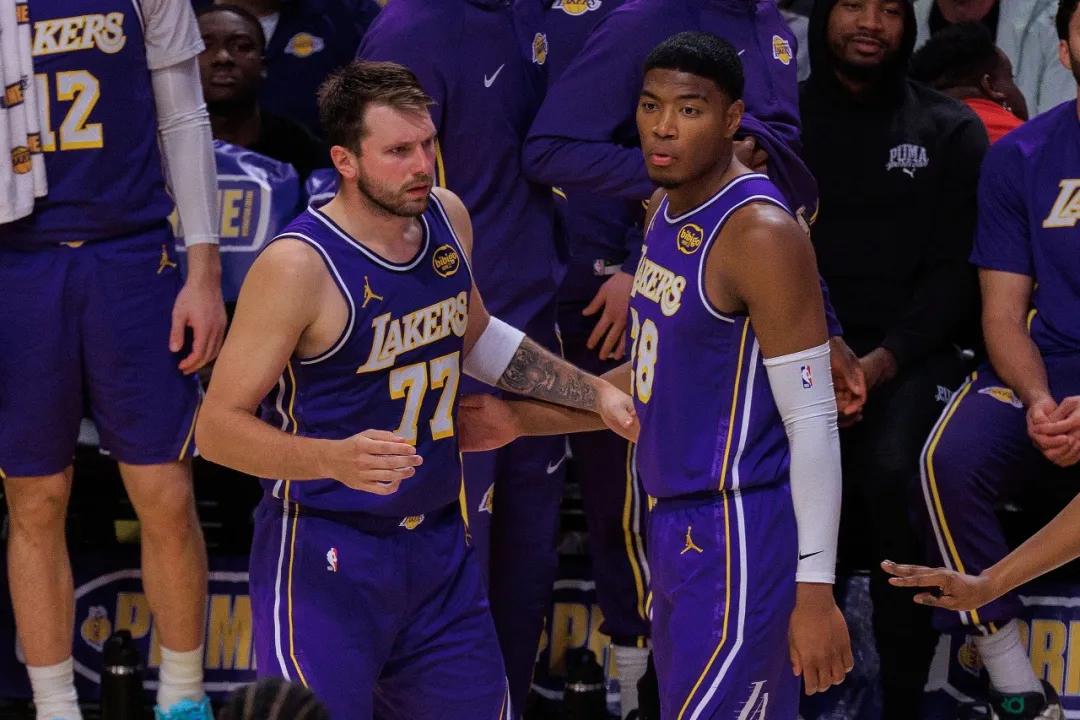
The Lakers could have afforded these contracts, but they needed to "out with the old, in with the new." They are building a roster fully tailored to Luka Dončić, so they emptied their assets to acquire Kessler, Dončić's most desired center; Mamu can be seen as the equivalent of Derrick Jones Jr. from the Mavericks days; Grimes and Hardy (acquired in the Ayton trade) are former teammates of Dončić in Dallas; Sexton is brought in to provide bench scoring. Reaves has chemistry with Dončić and they are close friends, so the Lakers gave him that premium 4-year, $185 million deal.
This team built specifically for Dončić revolves entirely around him. The floor of this lineup is very low, and the ceiling is uncertain, heavily relying on Dončić to create offensive opportunities. When Dončić is off the court or injured, the Lakers' competitiveness is visibly inadequate.
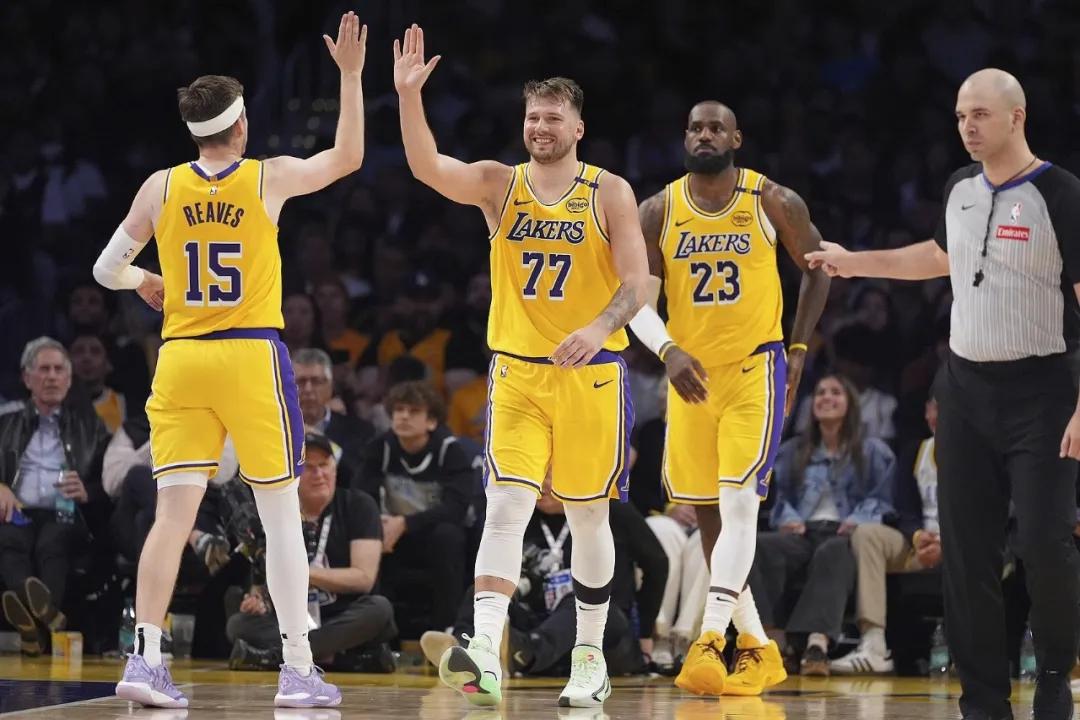
The Lakers may have already wanted to make a roster overhaul, but last season, Dončić got injured before the playoffs and James led the team past the Rockets, making the current massive shakeup seem irrational.
Ultimately, the world needs to embrace youth; the transition between generations can sometimes be this drastic. The Lakers' future needs to be explored by young players, while that 41-year-old veteran is still seeking a new path to blaze.


Wonderfulshortvideo
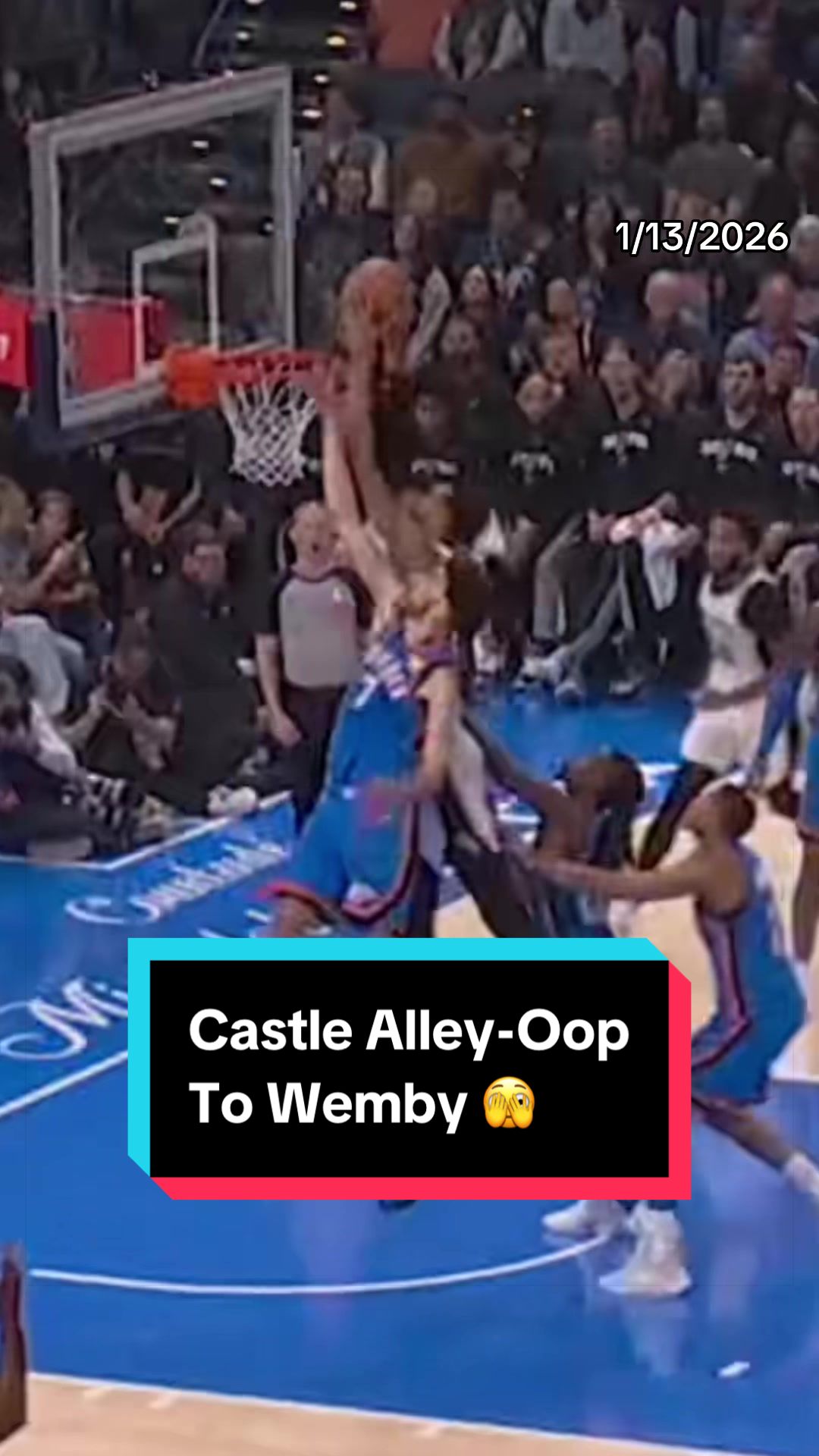
If you give Wemby the lane, it might already be too late 🫣


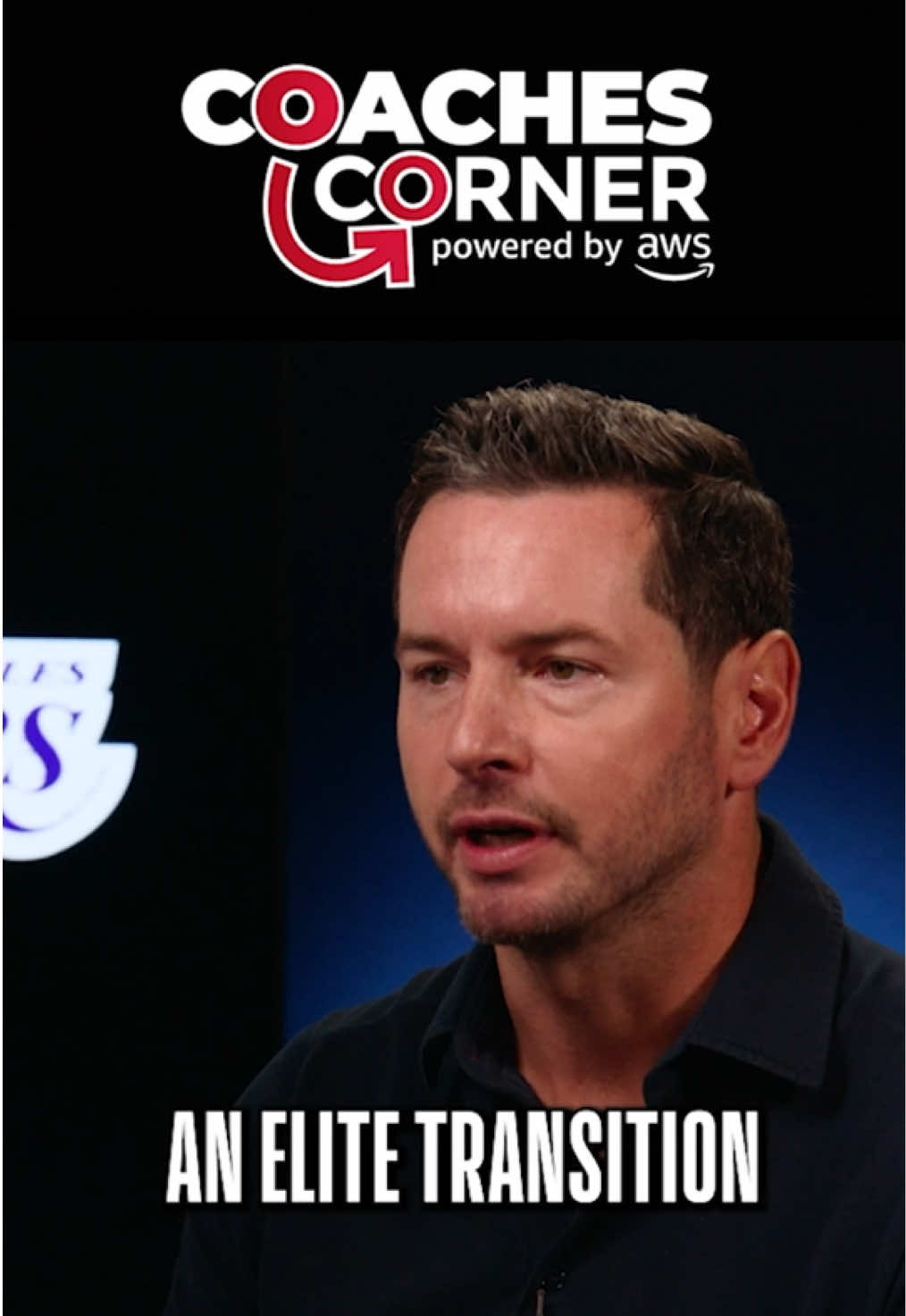
Coaches Corner powered by @AWS goes Inside the Game with Los Angeles Lakers head coach JJ Redick and ESPN analyst Tim Legler as they explore how players like Luka Dončić advance the ball in transition, creating early advantages and opening high-quality scoring chances.
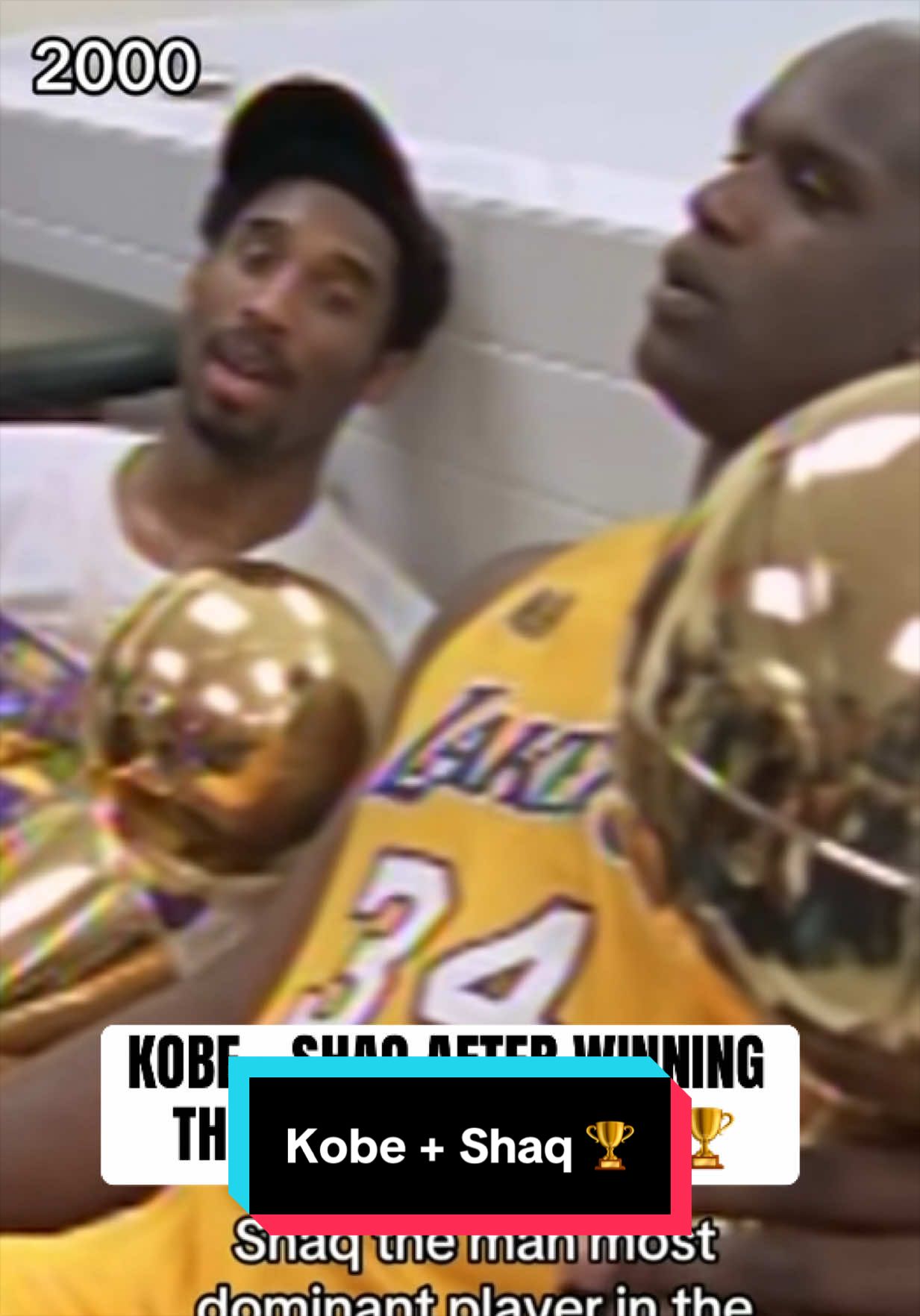
This moment between Kobe + Shaq after leading the Lakers to victory in the 2000 NBA Finals >>> 🏆
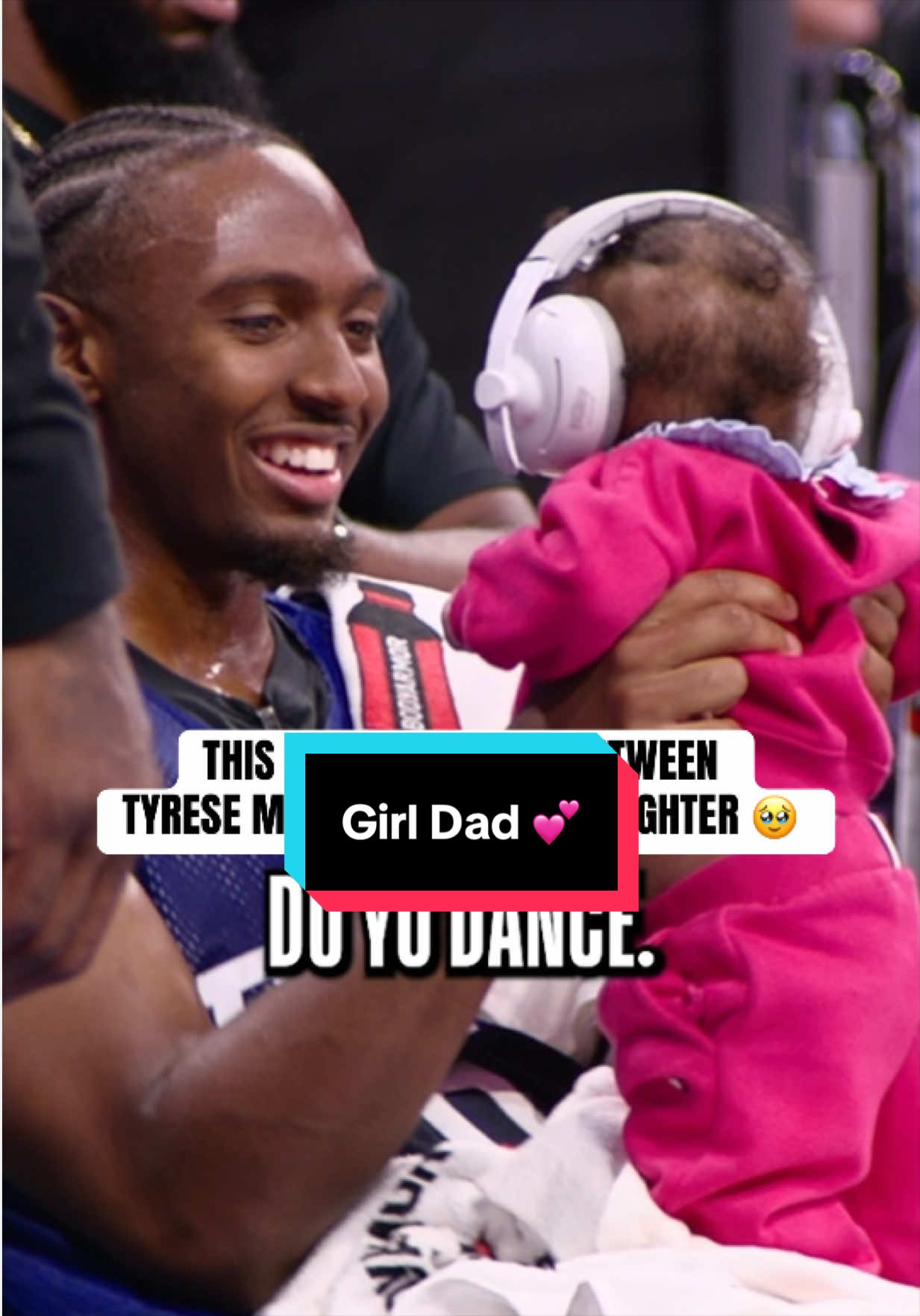
Tyrese Maxey mic’d up at 76ers practice with his daughter is everything 🥹
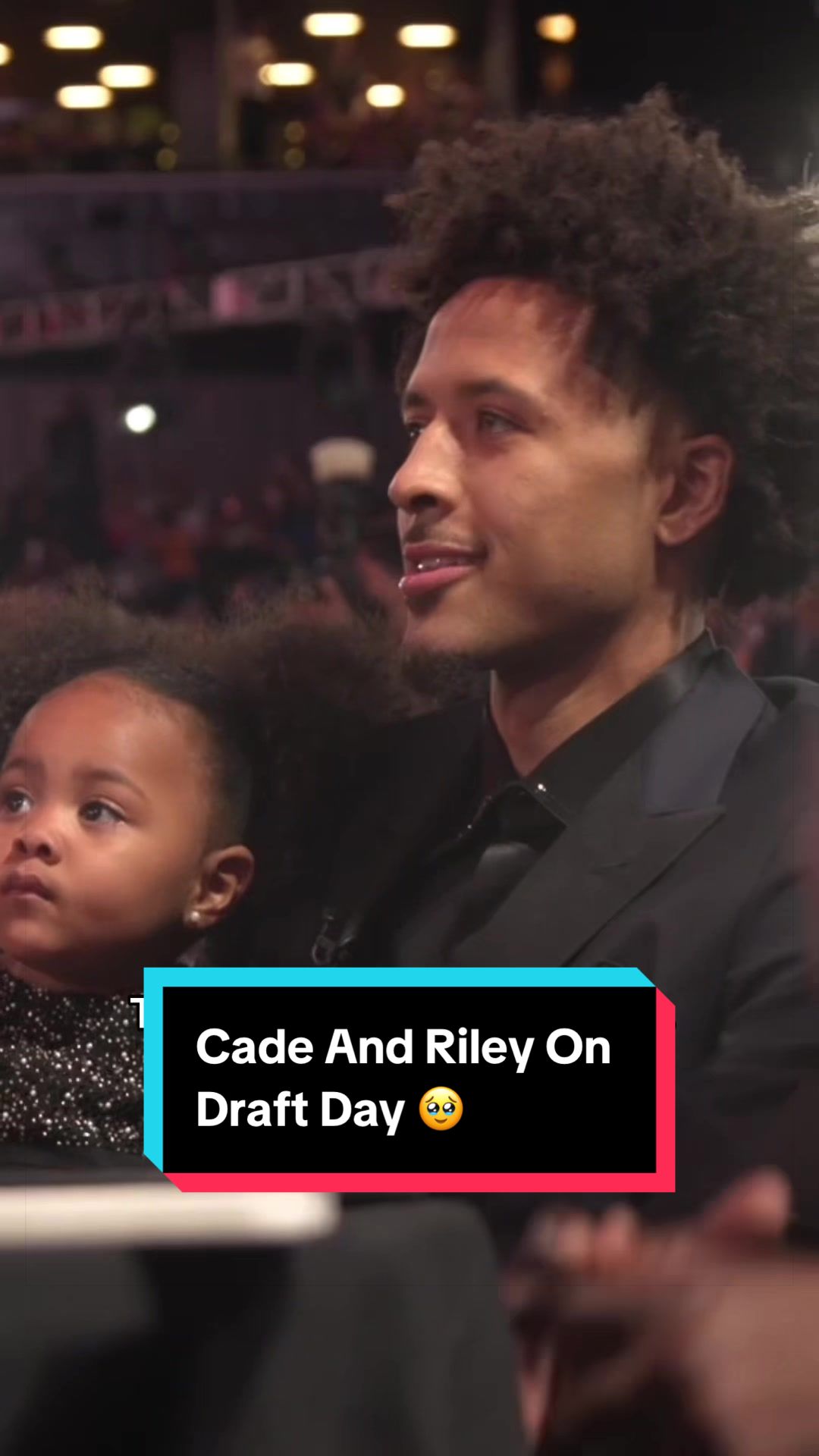
Throwback to when Riley’s dad, Cade Cunningham, got drafted No. 1 overall by the @Detroit Pistons 🥹👏
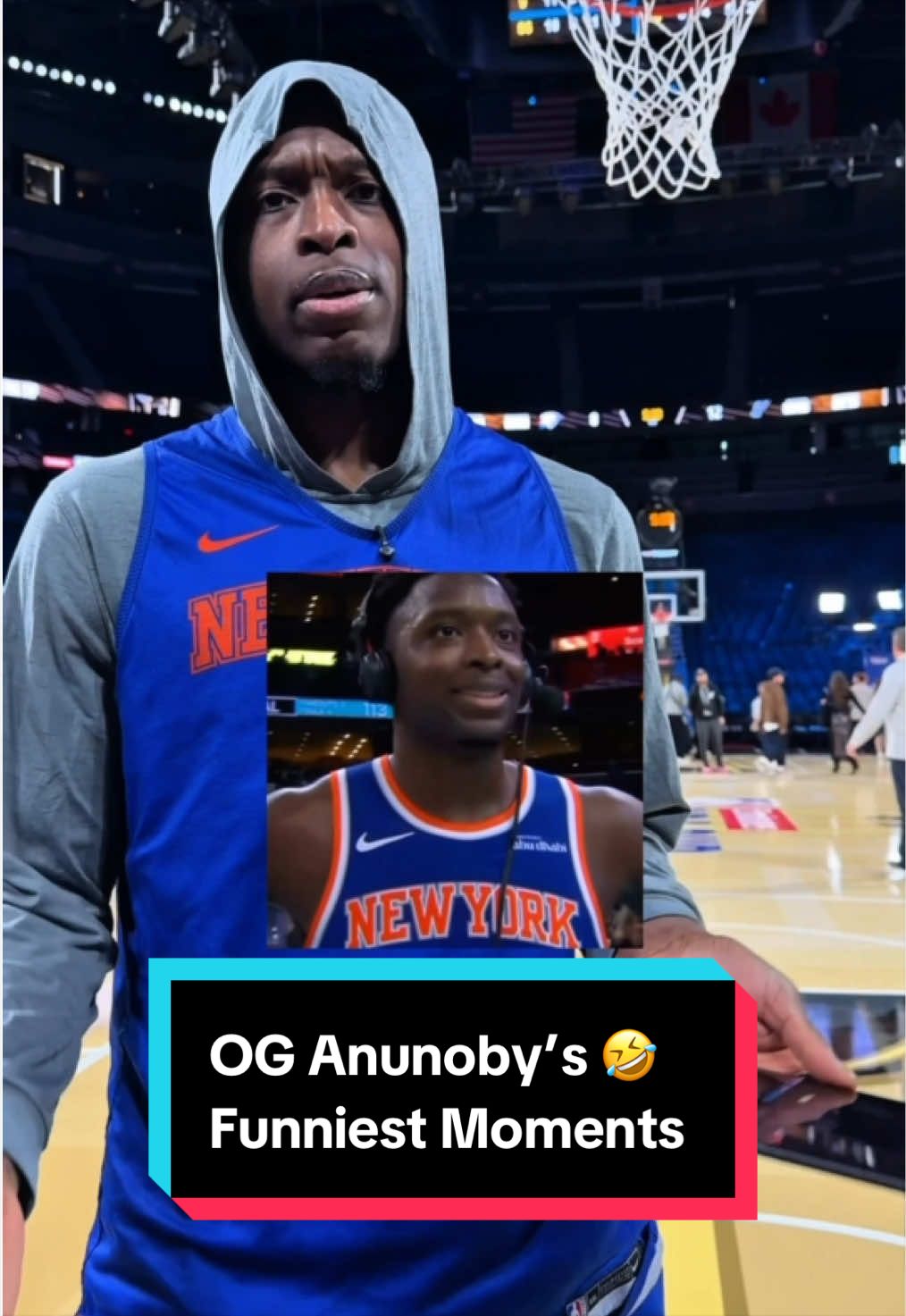
OG Anunoby giving context to his most iconic (off the court) moments last season 😭
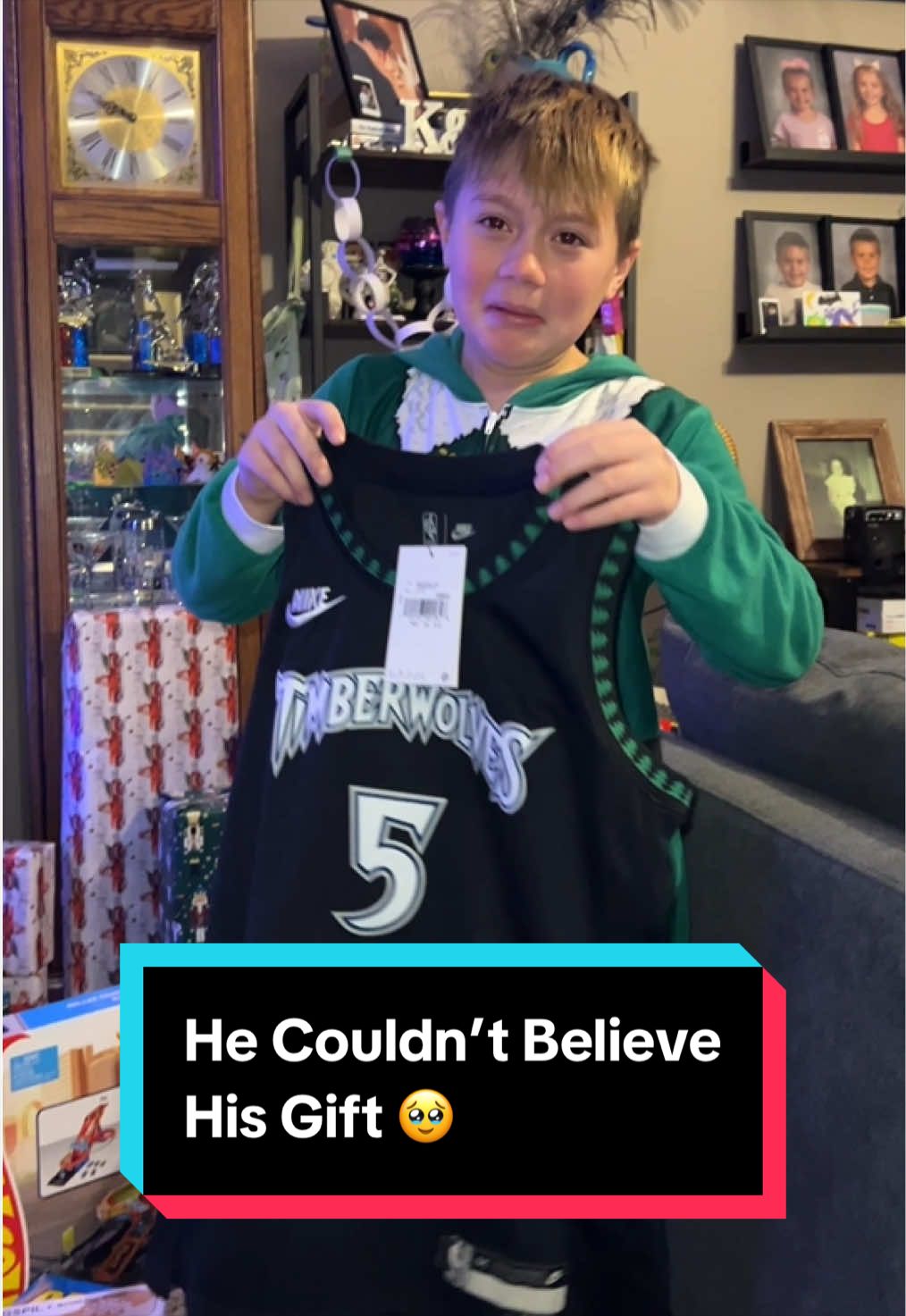
The perfect surprise Christmas gift…an @Anthony Edwards jersey 🥹 (Via kathrynrandall0/TT)
 Links
Links
 Contact
 App
App


