



DeRozan is still good, but no longer suitable for a championship-contending team.



When Kyle Lowry officially retired by signing a one-day contract with the Raptors, his close friend DeRozan was waived by the Kings, signaling the twilight of his career.
DeRozan's release was somewhat expected. His contract for next season is $25.7 million, but only $10 million is guaranteed. The Kings didn't want to guarantee his full salary and couldn't trade him without attaching draft picks, so waiving him was clearly the best option. For a rebuilding team like the Kings, DeRozan's role has indeed become very limited.
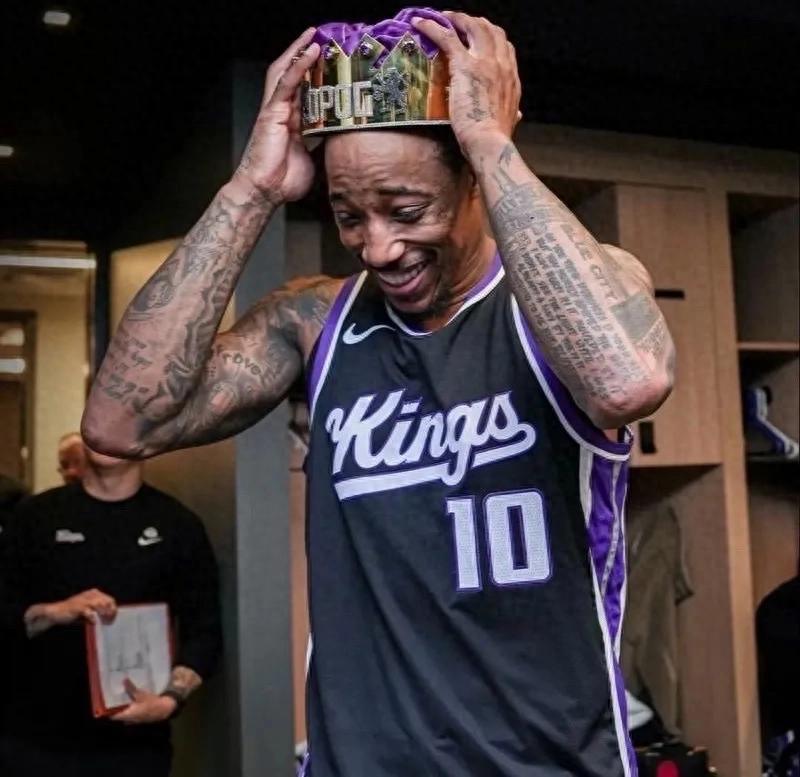
Last season, DeRozan played 77 games, averaging 18.4 points, 2.9 rebounds, and 4.1 assists per game, with a field goal percentage of 49.7% and a three-point percentage of 32%. At 36, DeRozan still plays like he did at 26, relying heavily on mid-range jump shots for scoring. He can shoot threes, but attempts fewer than two per game.
You can't expect someone who has relied on mid-range shots his entire career to suddenly start stepping back beyond the arc. Given enough shots, he can still score around 20 points per night, but his impact on winning or losing games is now minimal.
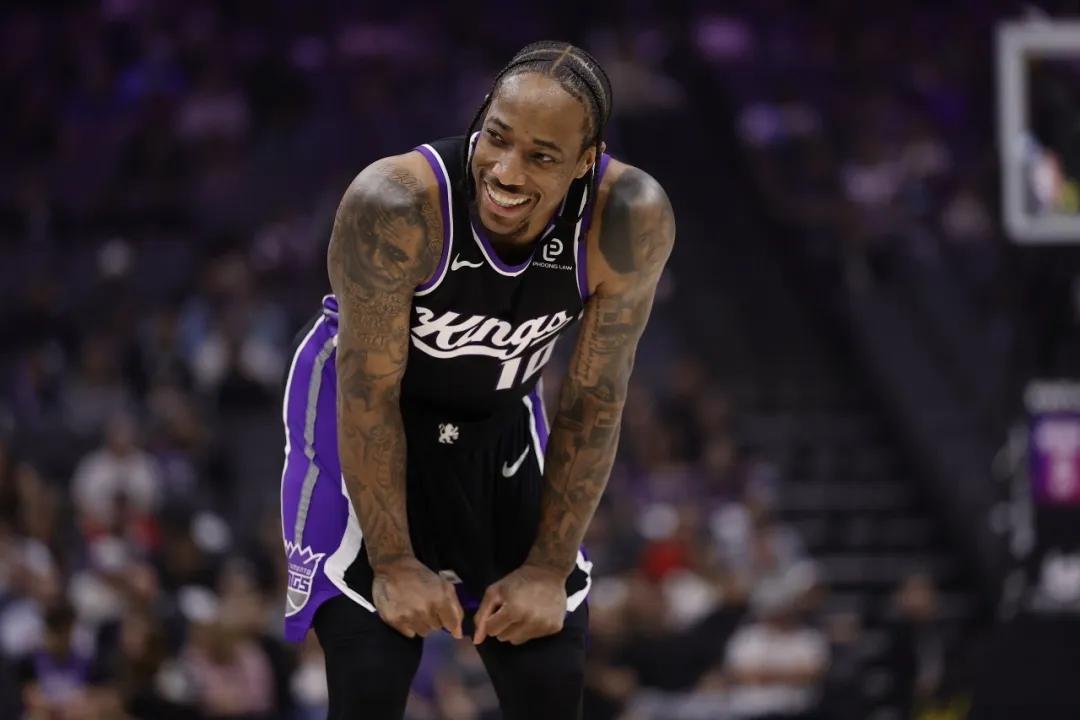
DeRozan remains an excellent scorer, but he is still not a great team leader. He ranks 16th on the NBA's all-time scoring list, surpassing many legendary players, and is the fifth active scorer behind LeBron James and the "Thunder Three." Yet DeRozan has only won 25 playoff games in his entire career, and his last playoff appearance was in 2022.
Compared to his disappointing playoff career, his career plus-minus is even worse. He is the only player among those who have earned $300 million to have a negative plus-minus. In the NBA playoff rankings, his average plus-minus of -5.92 and cumulative plus-minus of -373 are both the worst by a wide margin.
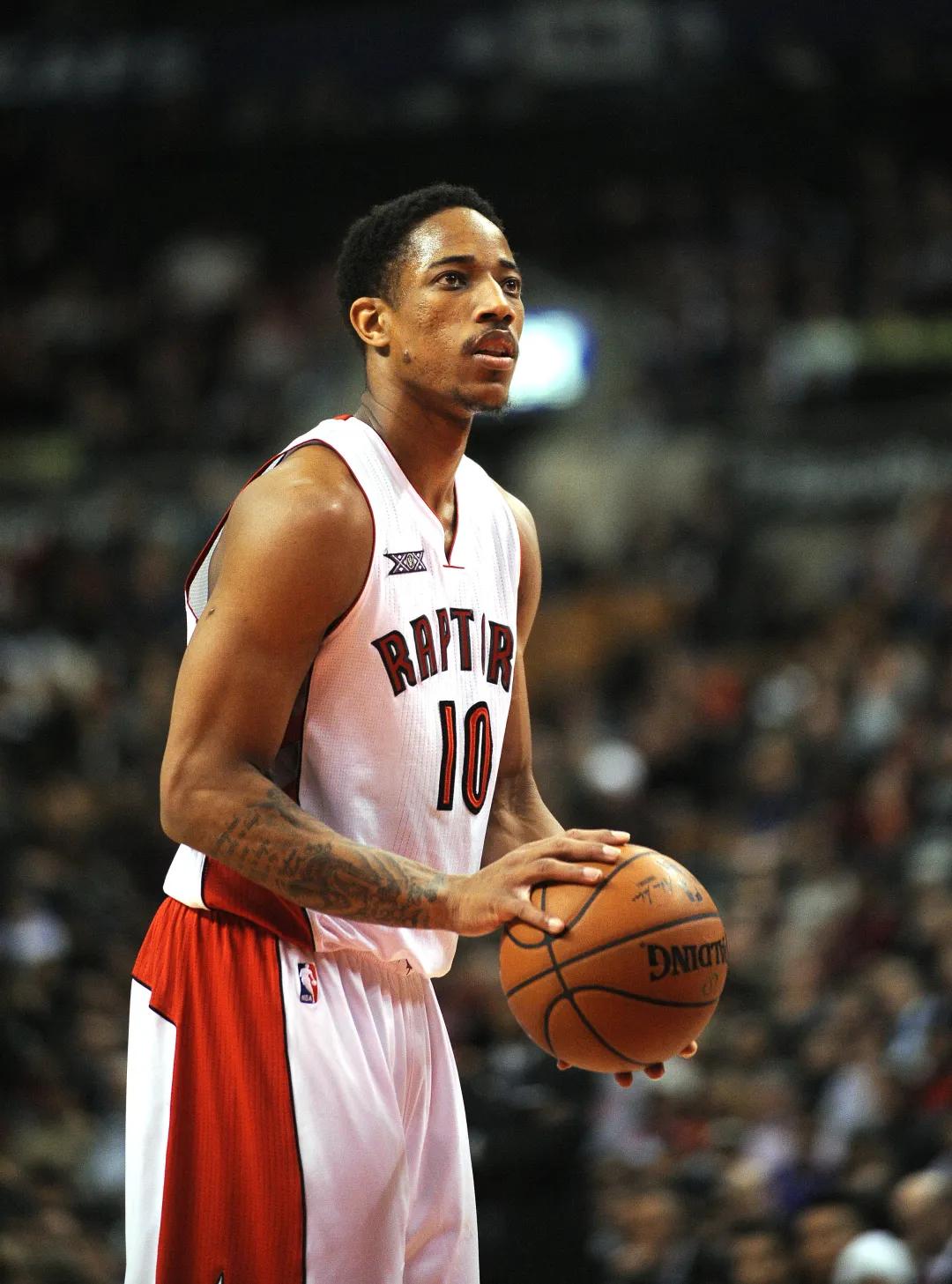
Plus-minus stats may not be meaningful over a single game or two, but if your entire career has a negative plus-minus, it clearly shows that your presence on the court doesn't lead to winning. He can score through isolation plays, but he can't elevate the whole team, and his defense has never been particularly good. In his prime, DeRozan could compensate for many shortcomings with his offense, but once his peak passed, even making the playoffs became a distant dream.
So at this stage, DeRozan is certainly not viable as a core player or even a starter for a championship team, which explains why there's almost no market for him. Strong teams don't want to go through the trouble of trading for him, and weak teams don't need him for stat padding.
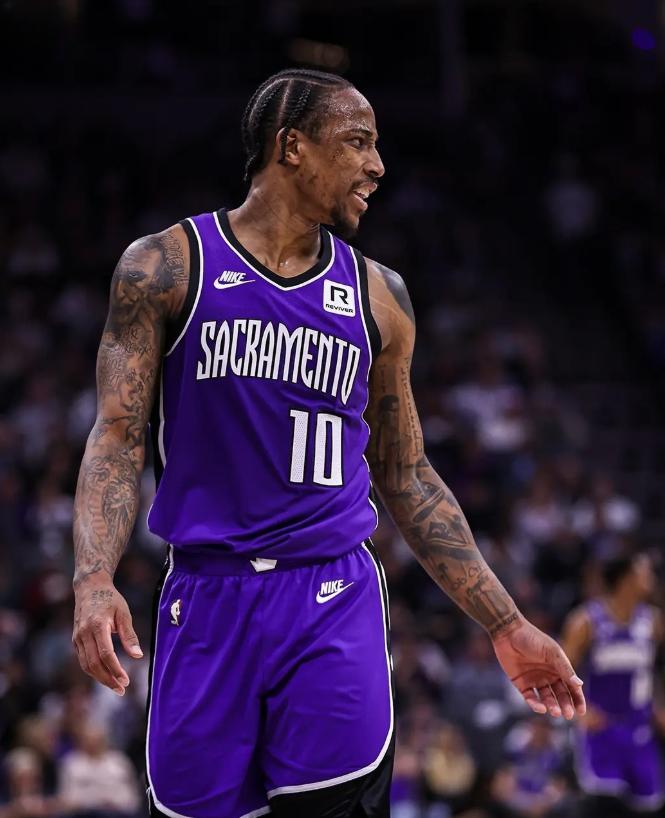
However, if DeRozan is willing to accept a veteran minimum contract and a role of about 10-15 minutes off the bench, he could still be a valuable scoring threat for teams aiming for a championship. His job would be to execute a few isolation plays during the minutes when the starters rest, serving as a spark plug in certain games.
In some ways, DeRozan's career parallels Carmelo Anthony's—neither won a championship, but both left their names on the all-time scoring list. In the twilight of their careers, the limitations of their playing styles forced them to accept bench roles. Anthony still had a decent three-point shot, while DeRozan's situation is even more difficult.
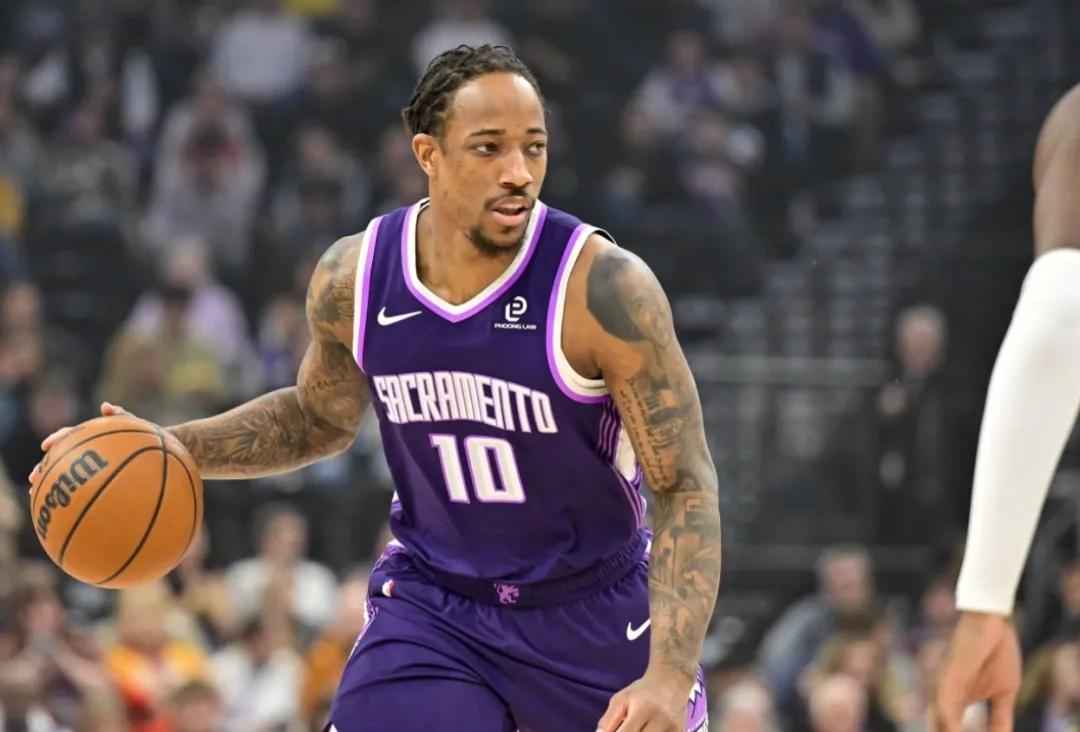
DeRozan won't lack suitors, with the Raptors and Heat being the most likely destinations. Returning to the Raptors would make for a great story, but does a team that values defense and three-point shooting really need DeRozan? If the Heat can't land LeBron, they could offer DeRozan a $6.5 million mid-level exception. Of course, going home to join the Clippers would also be a solid option.
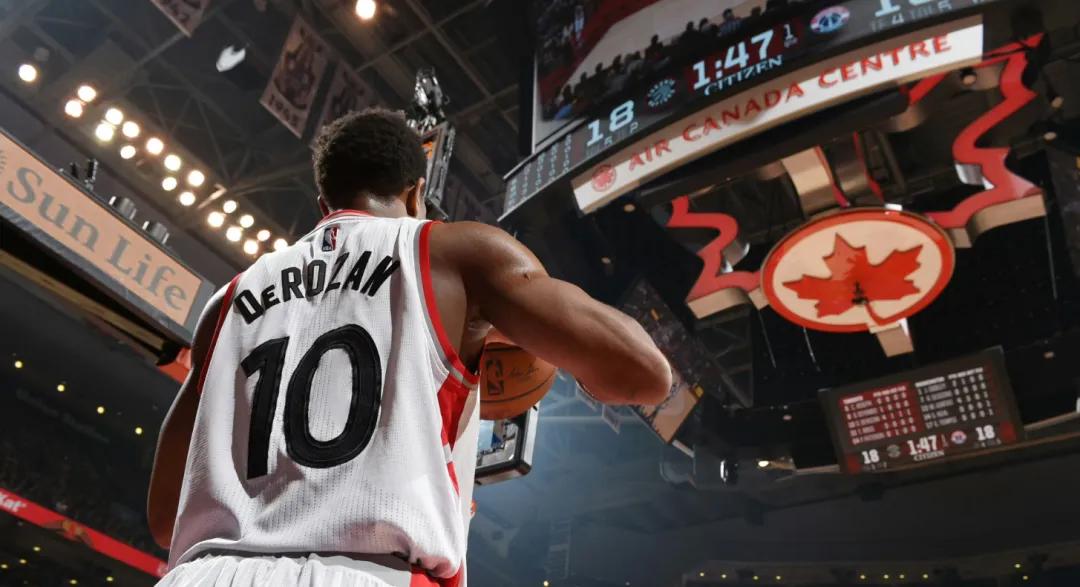
With the evolution of the game, guards like DeRozan are almost extinct. In the draft, a guard who doesn't want to shoot threes would likely be filtered out by most teams. He is what many call the last glory of the classic shooting guard, carrying the remnants of a bygone era, moving forward alone amid the clash of old and new trends.


Wonderfulshortvideo
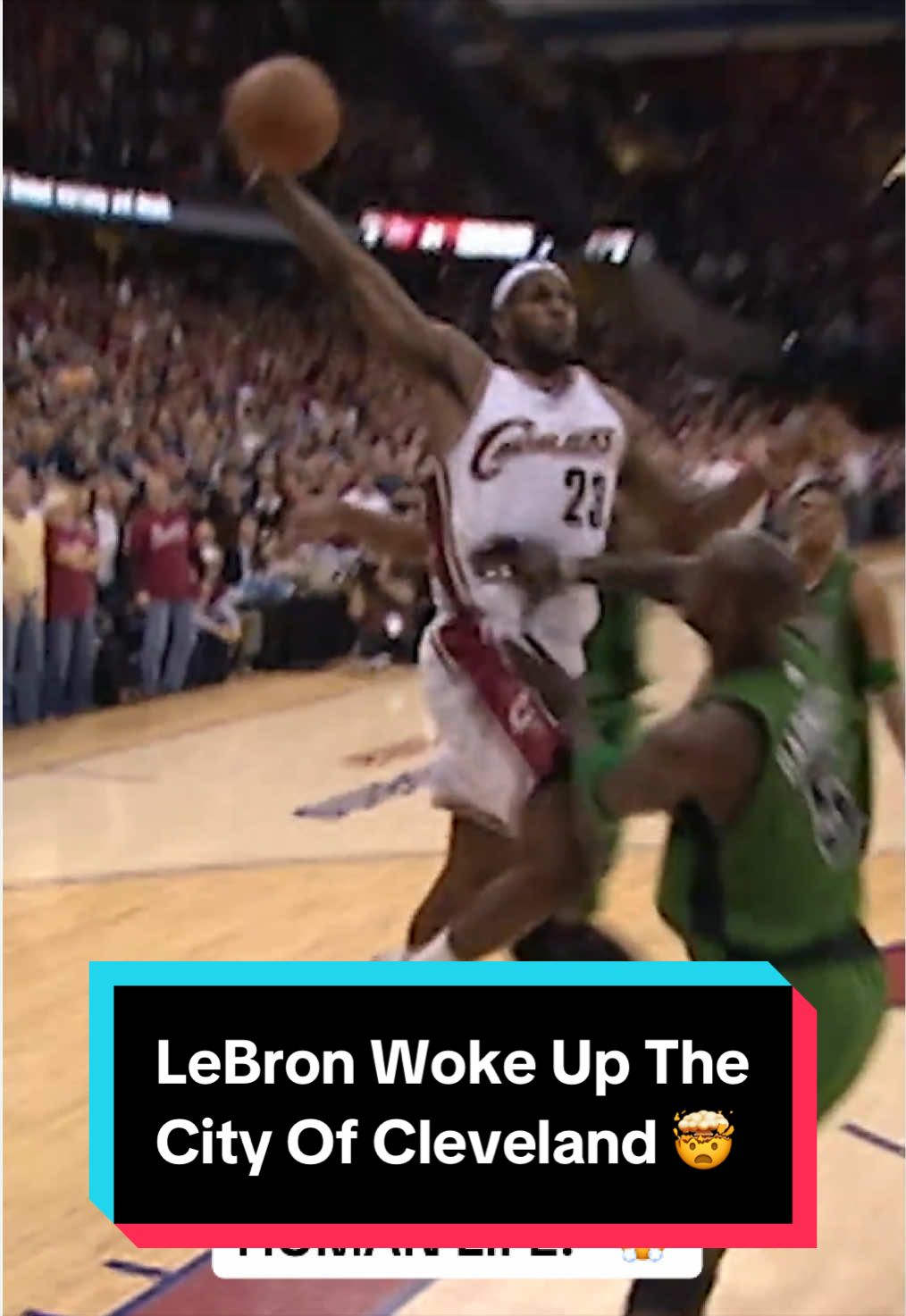
“With no regard for human life!”🫨 In Game 4 of the 2008 Eastern Conference Semifinals, LeBron threw down an unforgettable dunk 🤯


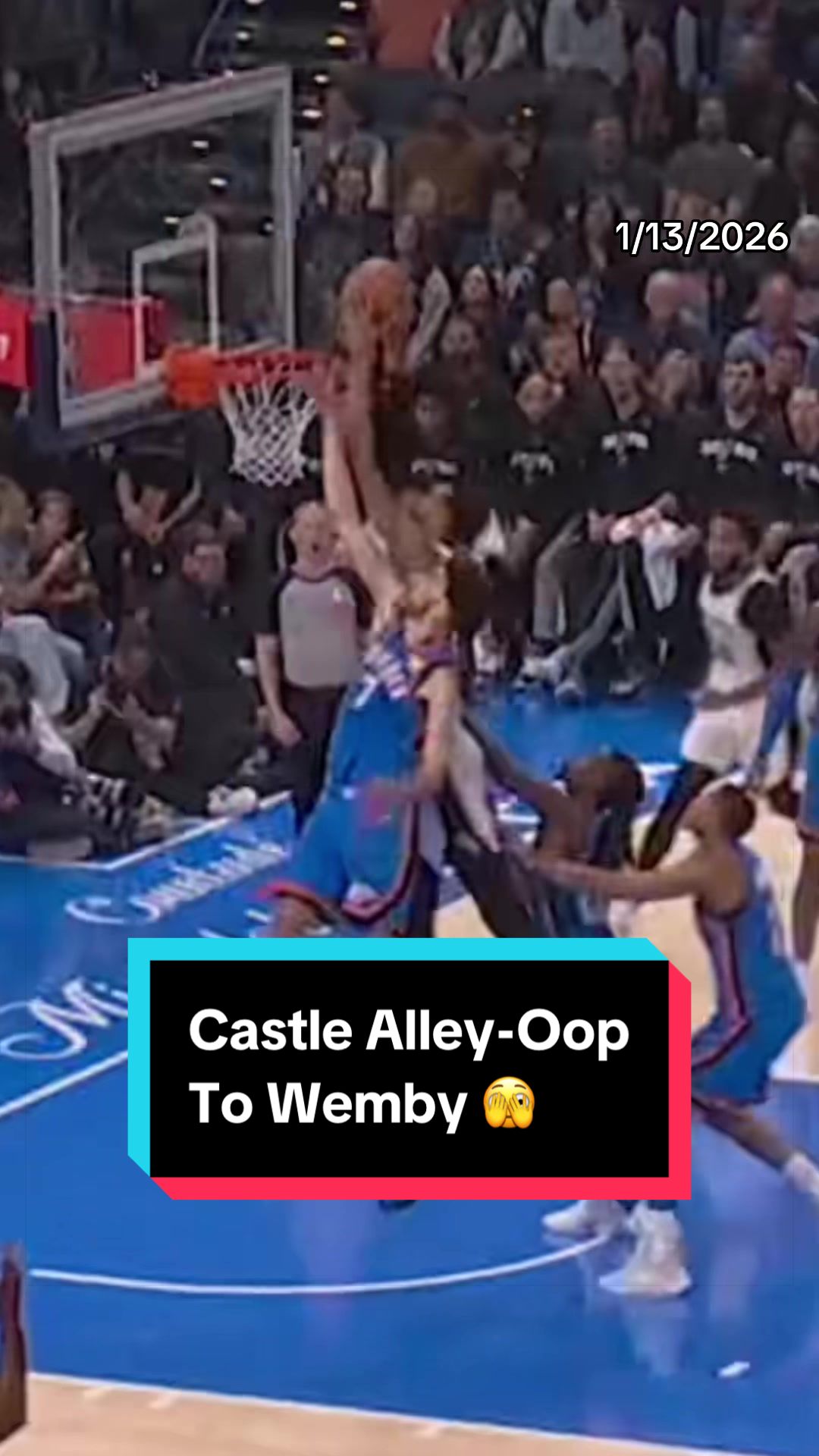
If you give Wemby the lane, it might already be too late 🫣
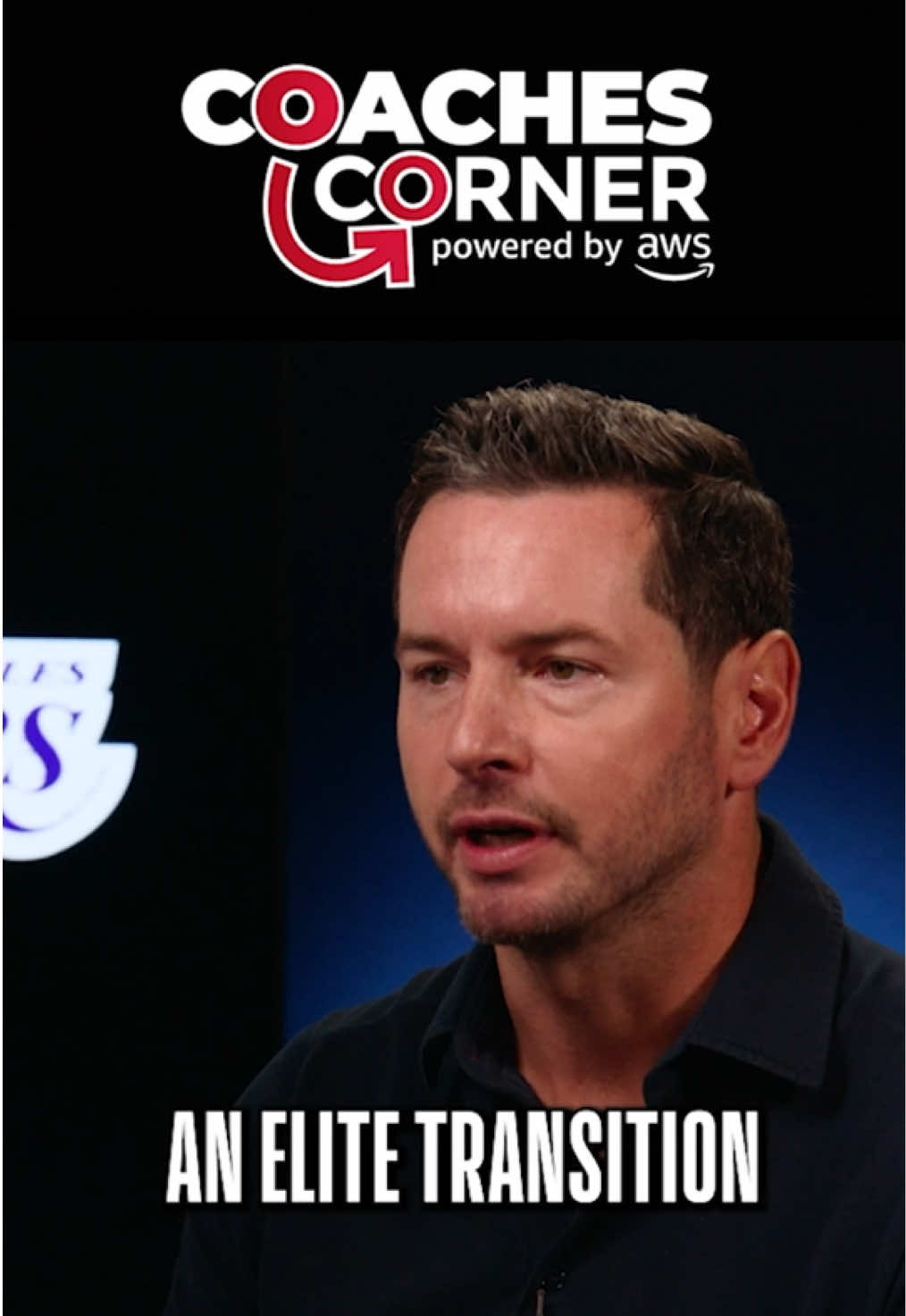
Coaches Corner powered by @AWS goes Inside the Game with Los Angeles Lakers head coach JJ Redick and ESPN analyst Tim Legler as they explore how players like Luka Dončić advance the ball in transition, creating early advantages and opening high-quality scoring chances.
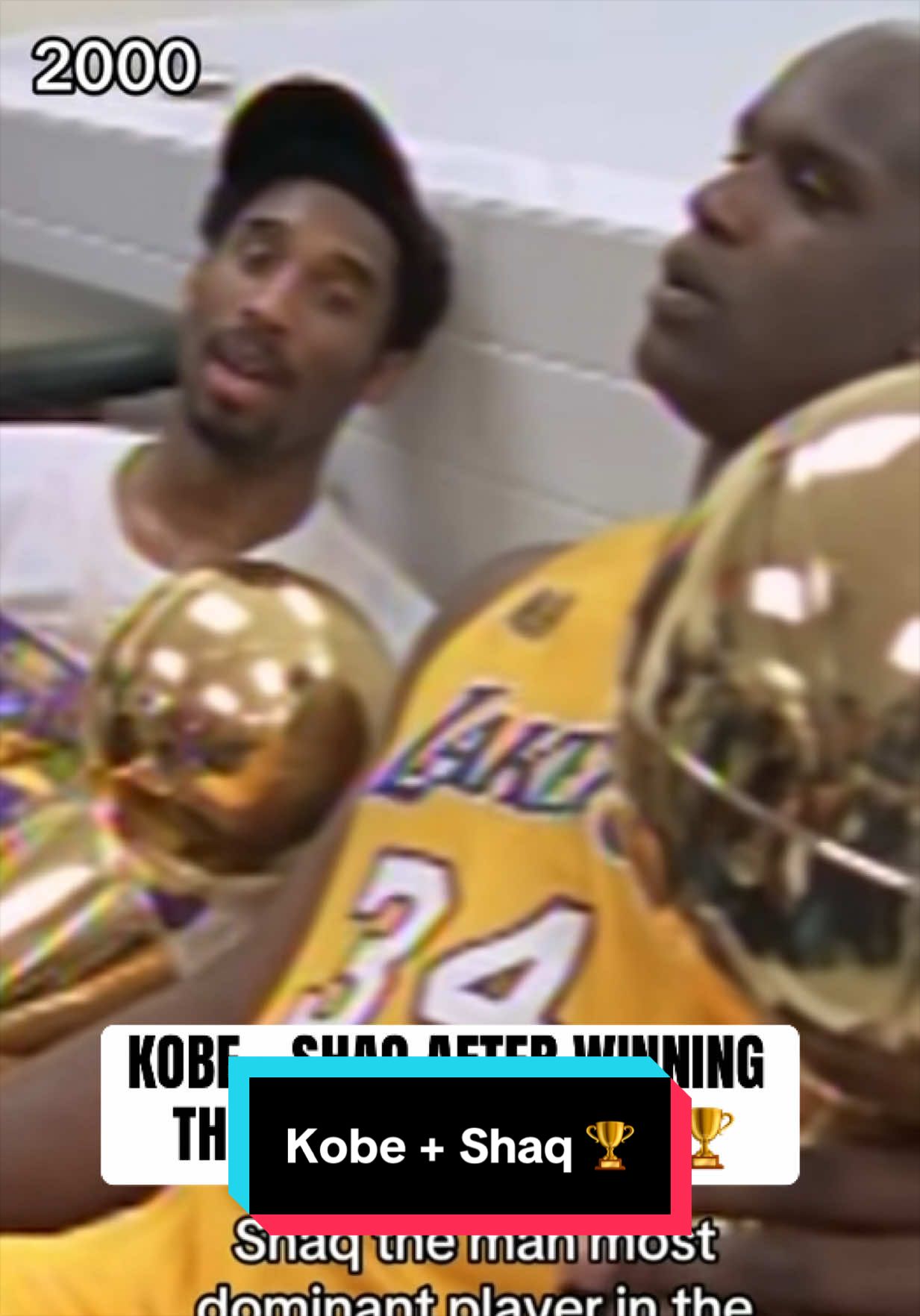
This moment between Kobe + Shaq after leading the Lakers to victory in the 2000 NBA Finals >>> 🏆
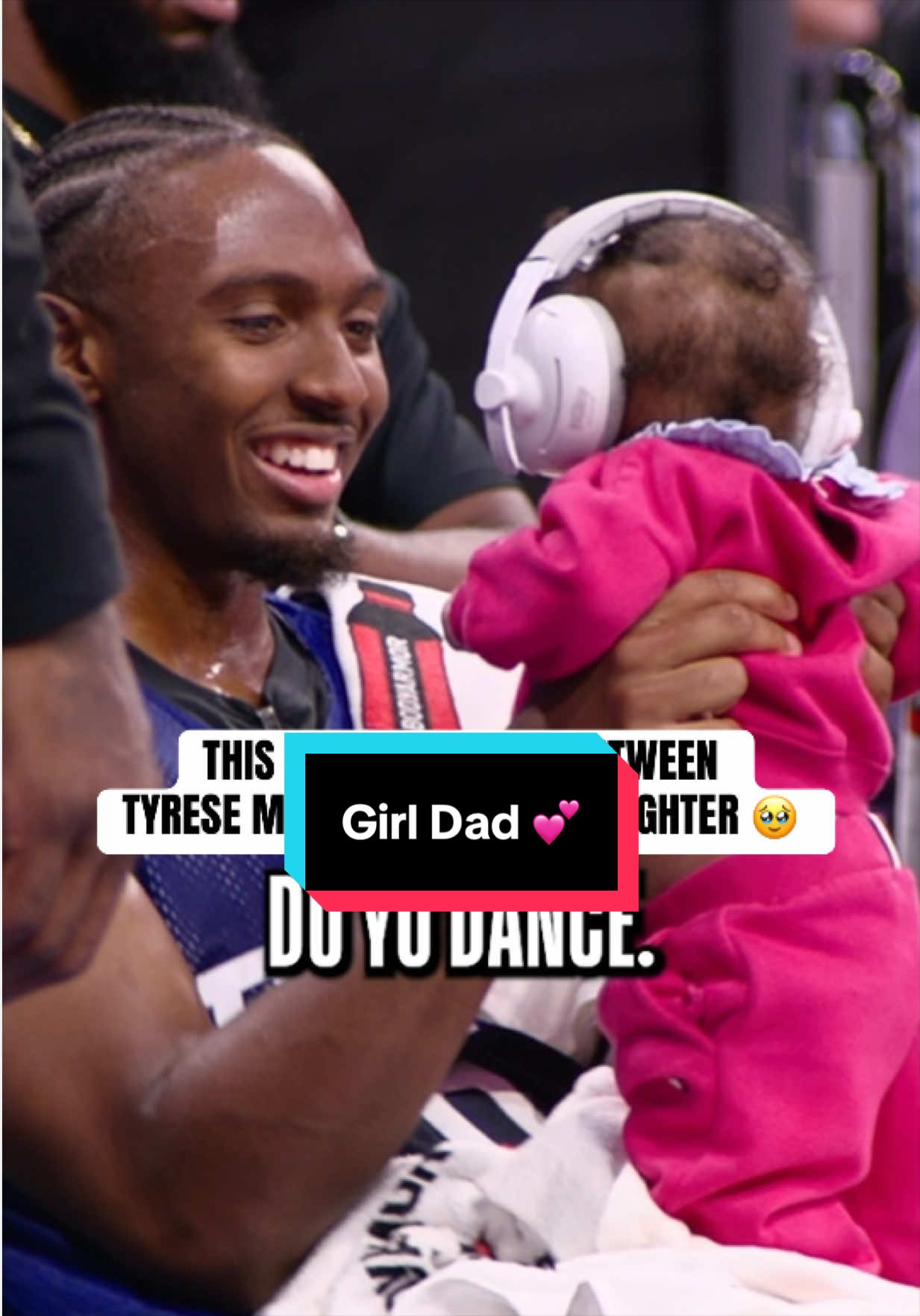
Tyrese Maxey mic’d up at 76ers practice with his daughter is everything 🥹
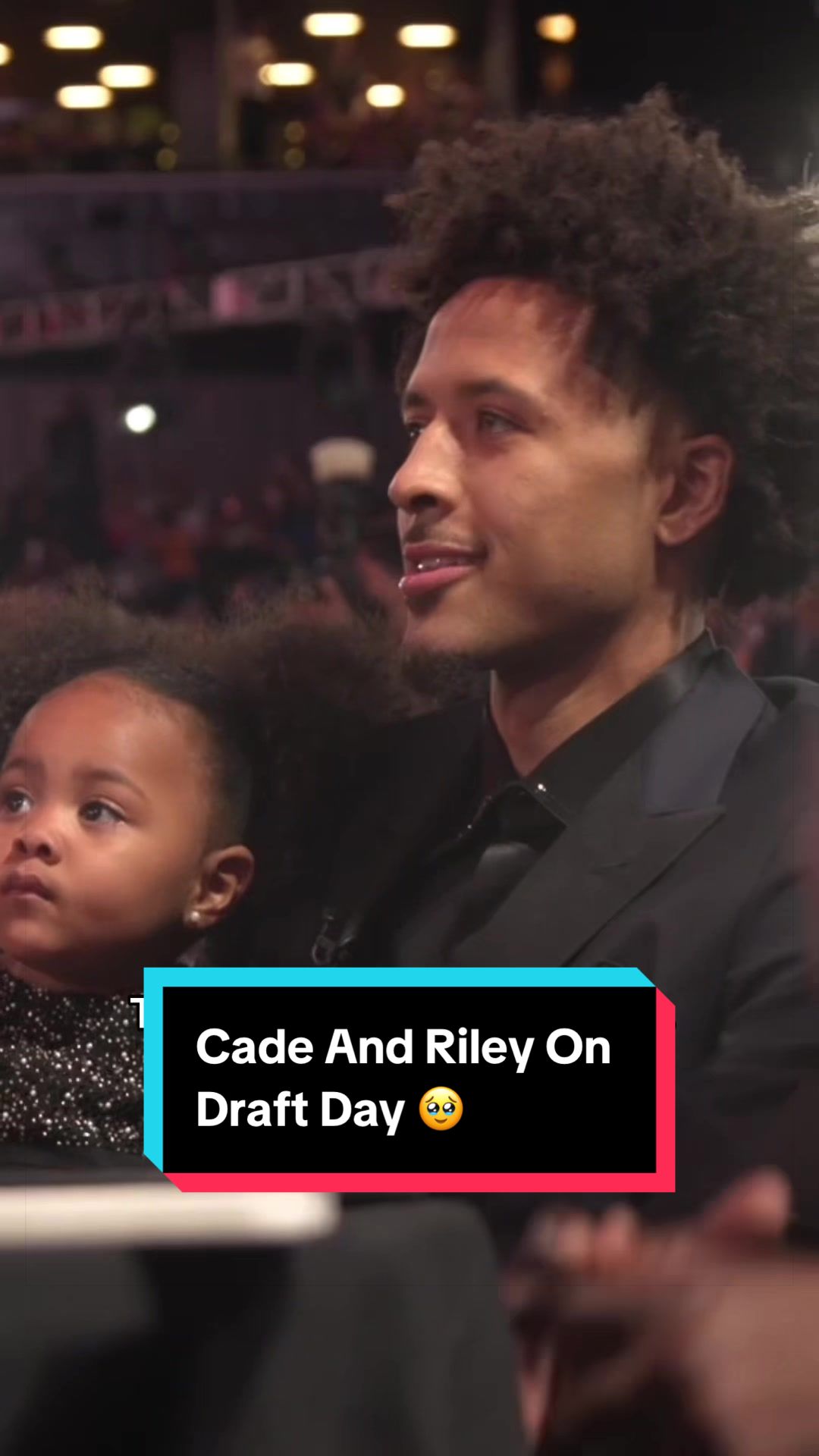
Throwback to when Riley’s dad, Cade Cunningham, got drafted No. 1 overall by the @Detroit Pistons 🥹👏
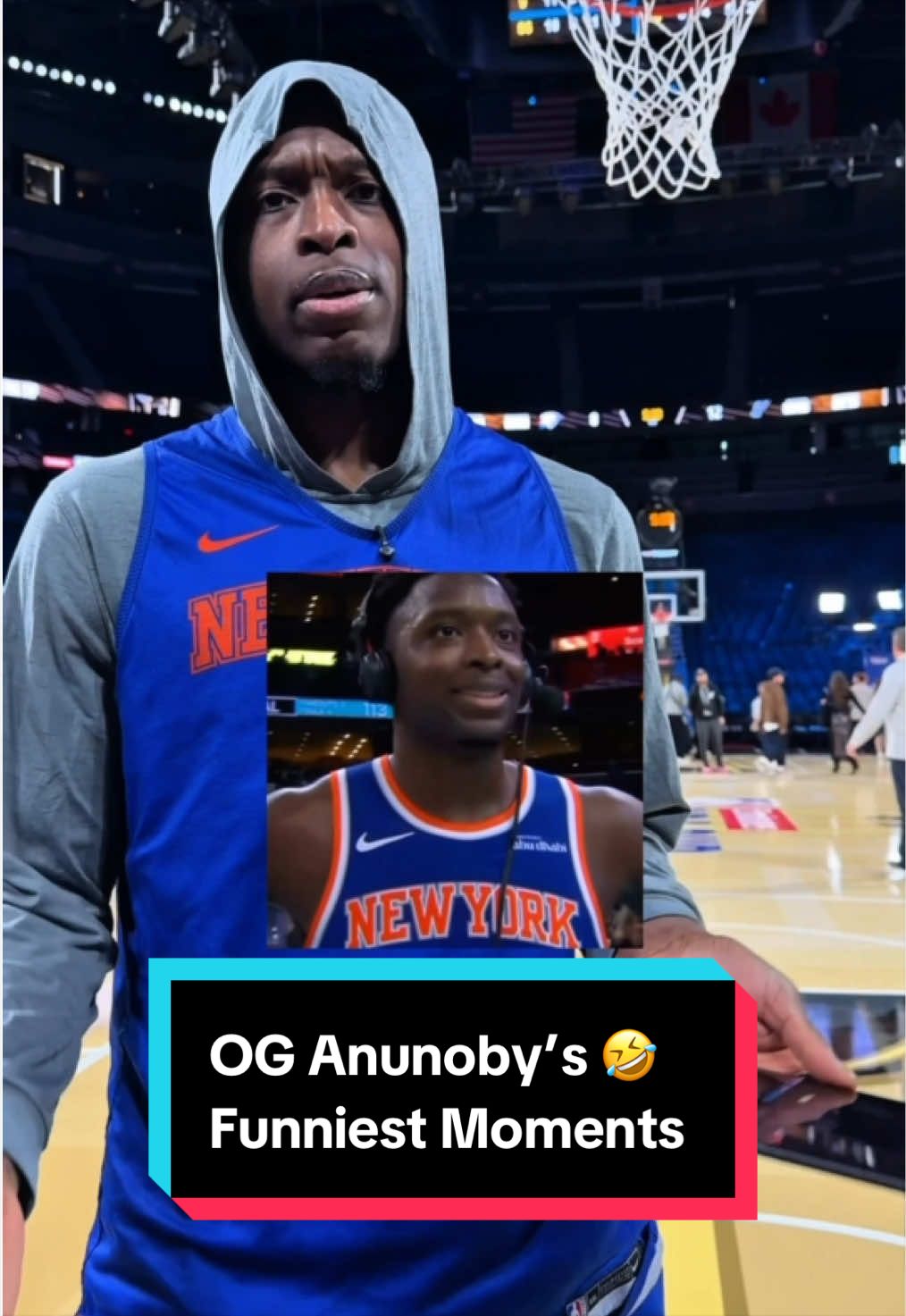
OG Anunoby giving context to his most iconic (off the court) moments last season 😭
 Links
Links
 Contact
 App
App


