



Pang Zhenglin: From Chinese Street Basketball to the National Team



A fan brother commented:
"Old Six from Guangxi hasn't been influenced by foreign training. He came from playing low-level leagues professionally. How is he so agile and daring in his moves? Could it be that our local Guangxi coaches are exceptionally advanced? Or that our 'briefcase' is particularly good at developing players? I doubt it."
Taking this opportunity, let's talk about Pang Zhenglin, a player who has gained immense popularity over the past year.
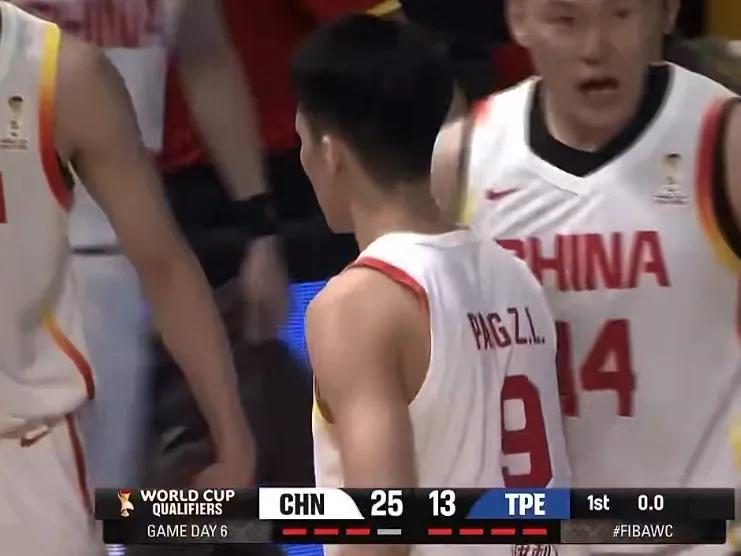
In the match where he defeated the provincial team, he made his official debut for the senior national team. Coming off the bench for 14 minutes, he scored 11 points with remarkable efficiency, impressing everyone and proving he deserves more playing time for the national team.
Old Six has unique qualities—his speed and ball-handling skills are rare among current Chinese basketball guards.
This is a key factor behind his rapid rise in such a short time.
Just a year ago, he might have been playing street basketball for your village or township.
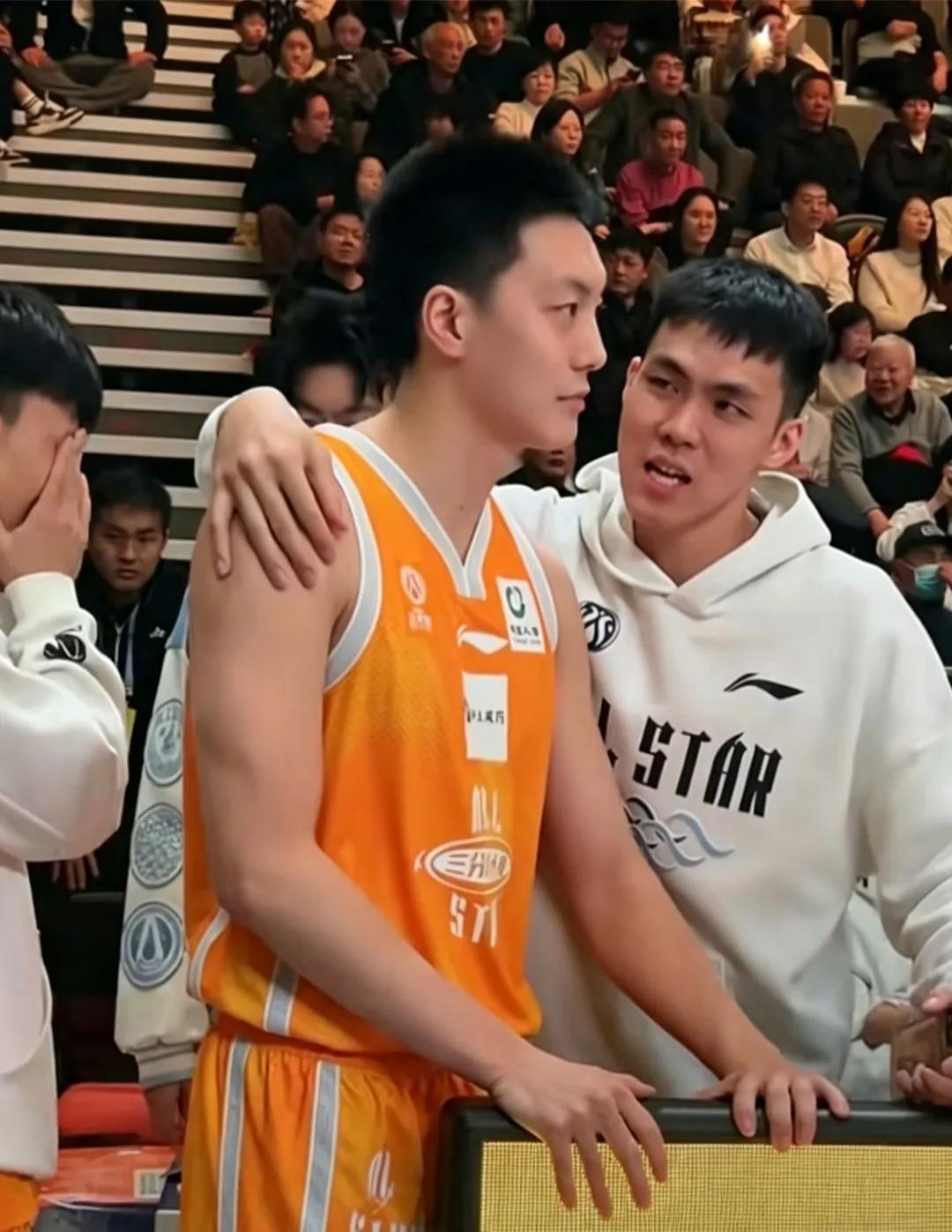
In a short span, he went through the draft, CBA, All-Star Game, and the national team...
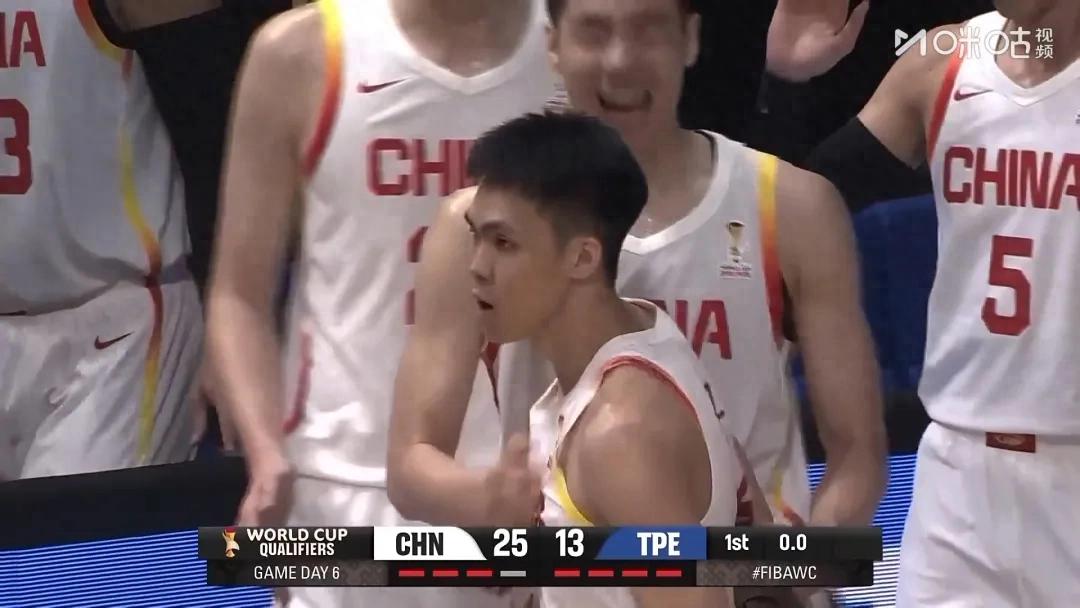
Following up on that Guangxi brother's question, today I'll answer this:
Where did Pang Zhenglin's characteristics come from? Did he drink too much 'briefcase' or chop too much sugarcane?
I have always believed this:If a Chinese player has standout traits that impress everyone, it must be because his growth path is different from others.
This statement is definitely worth pondering.
From Wang Junjie to Old Six Pang, isn't that the case?
Simply put, they are not 'products' from the standard Chinese youth training pipeline.
It's like studying—they read different textbooks.
Wang Junjie is the first player in over twenty years to go directly from campus basketball to the national team's official roster without traditional youth training or CBA experience.
For Pang Zhenglin, all his technical skills and on-court traits stem from his unique growth path:
Years of playing street basketball and deep involvement in the lower-tier NBL league.
Not long ago, I saw an interview where Pang Zhenglin talked about playing street basketball in villages, and Zhao Jiwei was shocked hearing it.
Jiwei is a typical product of traditional youth training; he would never have such experiences.
Chinese street basketball is a unique phenomenon in world basketball, with a very special playing environment.
No fixed tactics, makeshift lineups, loose physical play, poor facilities, and extreme reliance on individual scoring.
Pang Zhenglin is an NBL star. Local businessmen pay him 10,000 yuan per game to lead the team to victory, not to stand in the corner and shoot threes.
Years of playing in grassroots tournaments honed his exceptional rhythm changes,变速 dribbling, and finishing ability in tight spaces.
More importantly, it cultivated a mindset of actively taking over games.
When he first stepped onto the CBA and national team stage, why wasn't he nervous? This is a good answer.
Unlike youth-trained players who wait for tactical opportunities and rely on teammates, Pang Zhenglin's first instinct is to actively create scoring chances.
At the same time, the high density and frequency of grassroots games also forged his strong physical endurance and game toughness. The rough conditions of street courts and unprotected high-intensity contact.
Famous street basketball players often travel far and wide—today in Shenzhen, tomorrow in Ningxia...
The volume of these games is staggering.
Pang Zhenglin has also played two or three street games in a single day; that's normal...
Aside from him, probably no other national team player has had this experience.
However, I'm not encouraging our professional players to play street basketball during the off-season, as the injury risk is huge.
On the other hand, everything has pros and cons. The environment of street basketball and lower-tier leagues has also left Pang Zhenglin with clear technical weaknesses, limiting his progress to the top level.
Old Six is very popular in Guangxi, but there is a lot of excessive praise online. I think it's over the top.
Once he performs poorly for the national team, in today's internet age, this kind of hype will only 'harm' him.
His unconventional growth path freed him from the constraints of standardized youth training, giving him the rare ability among local guards to create his own shots, a big heart, and on-court creativity.
However, the limitations of grassroots play also leave him with issues like weak system adaptability, inconsistent defense, unstable three-point shooting, and a thin frame, which restrict his ceiling.
So my assessment of him, I believe, is relatively balanced:
The national team needs his unique traits, but you have to allow him to be reckless and make mistakes.
He might bring surprises, but he could also give you a shock with a critical error at a key moment.
It all depends on what the coach decides.


Wonderfulshortvideo
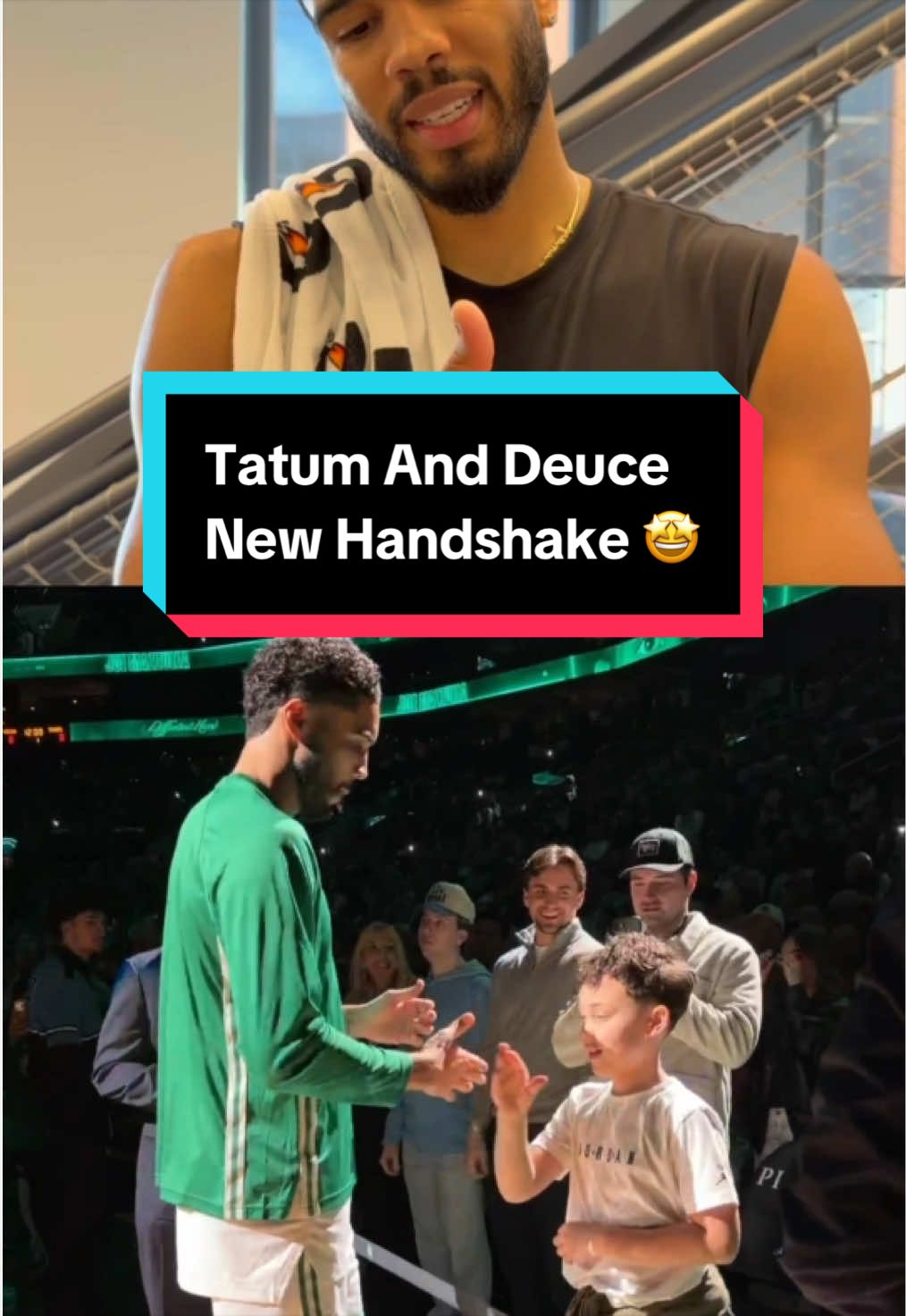
“It’s preseason for everybody. I remember I went through the starting five, and I was like I’m forgetting something…” 🤔 Tatum tuned up his pregame ritual with Deuce this preseason 🤝☘️


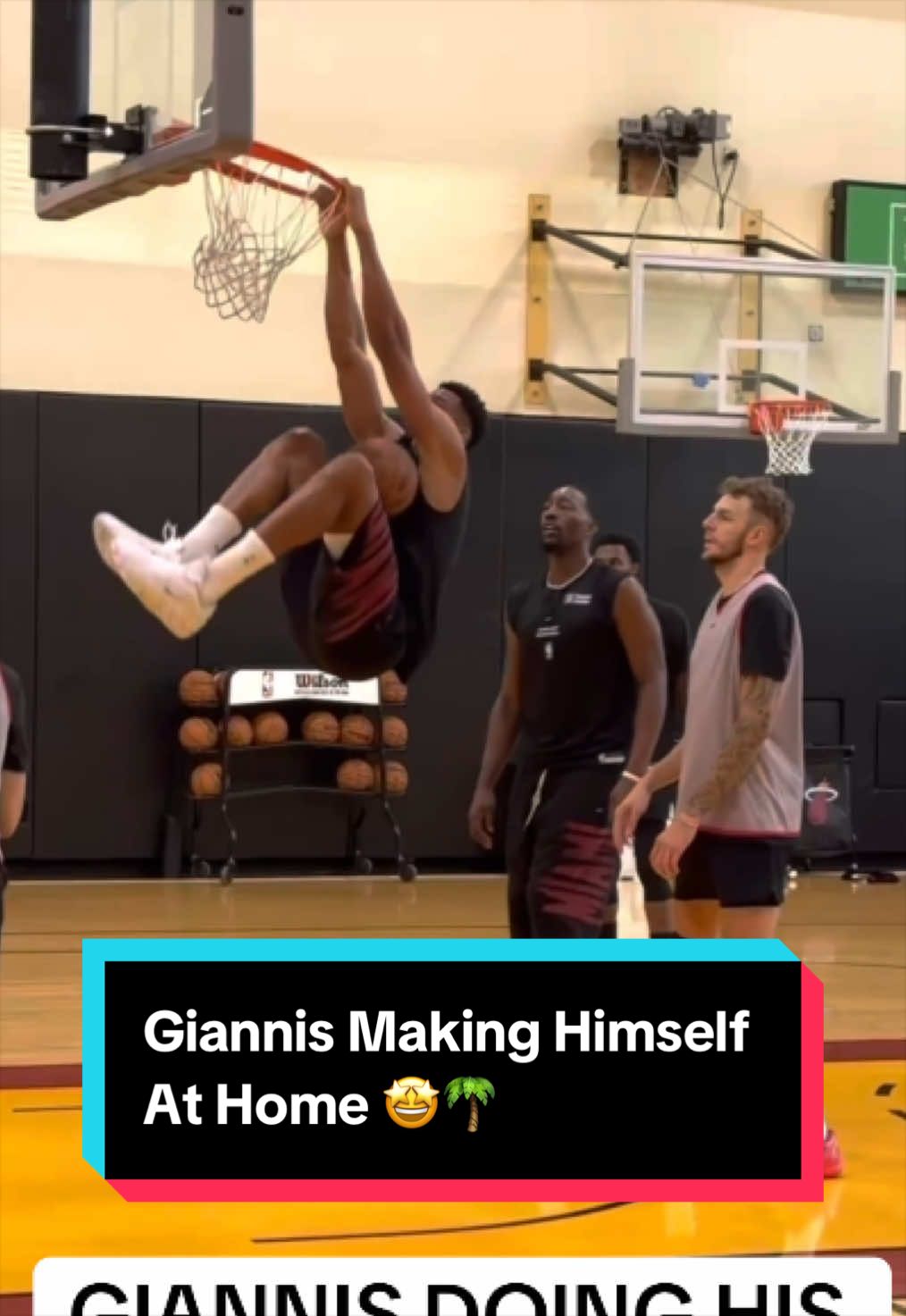
Get a behind-the-scenes look at Giannis at Heat practice! 🔥🤩

“With no regard for human life!”🫨 In Game 4 of the 2008 Eastern Conference Semifinals, LeBron threw down an unforgettable dunk 🤯

If you give Wemby the lane, it might already be too late 🫣

Coaches Corner powered by @AWS goes Inside the Game with Los Angeles Lakers head coach JJ Redick and ESPN analyst Tim Legler as they explore how players like Luka Dončić advance the ball in transition, creating early advantages and opening high-quality scoring chances.
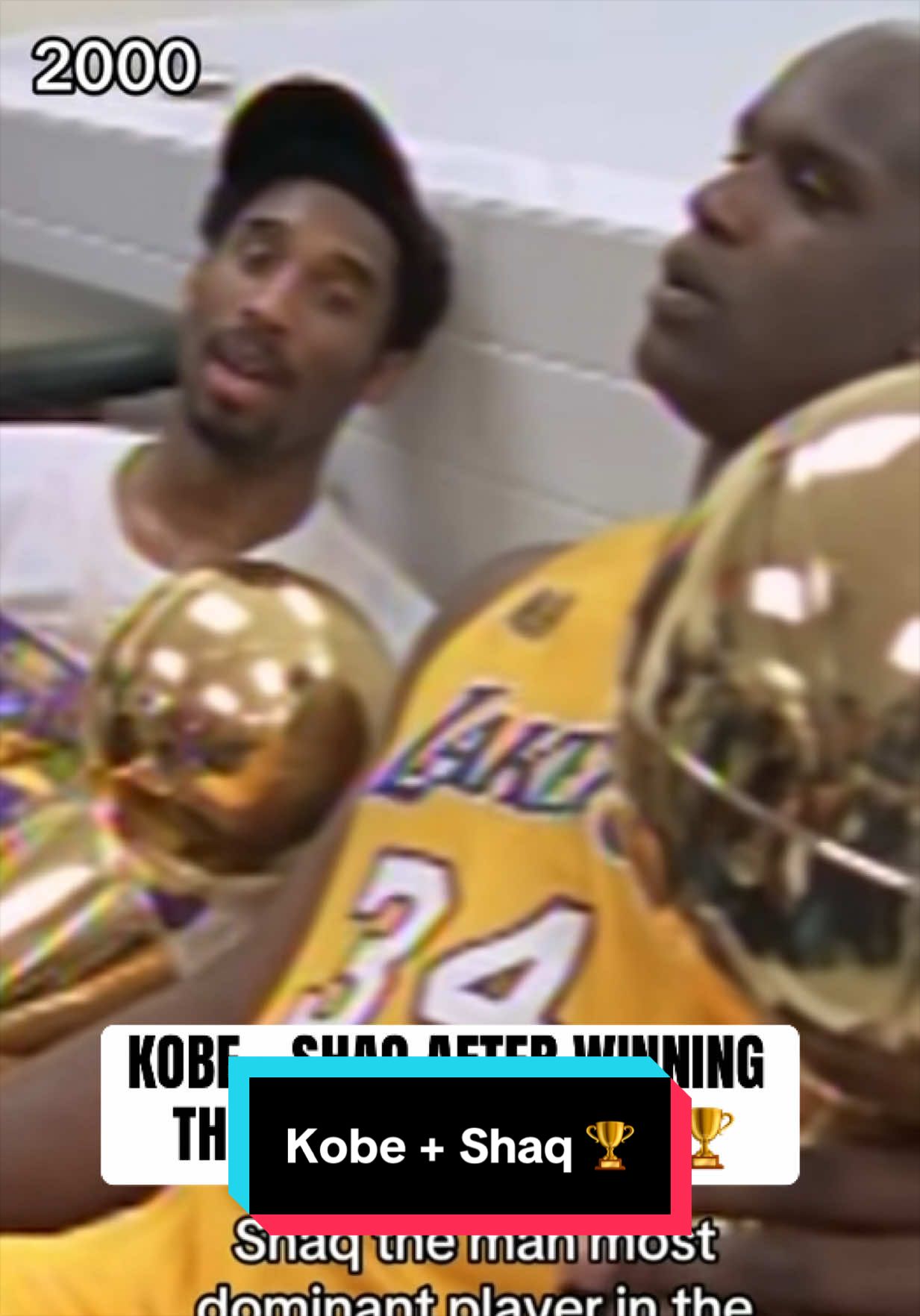
This moment between Kobe + Shaq after leading the Lakers to victory in the 2000 NBA Finals >>> 🏆
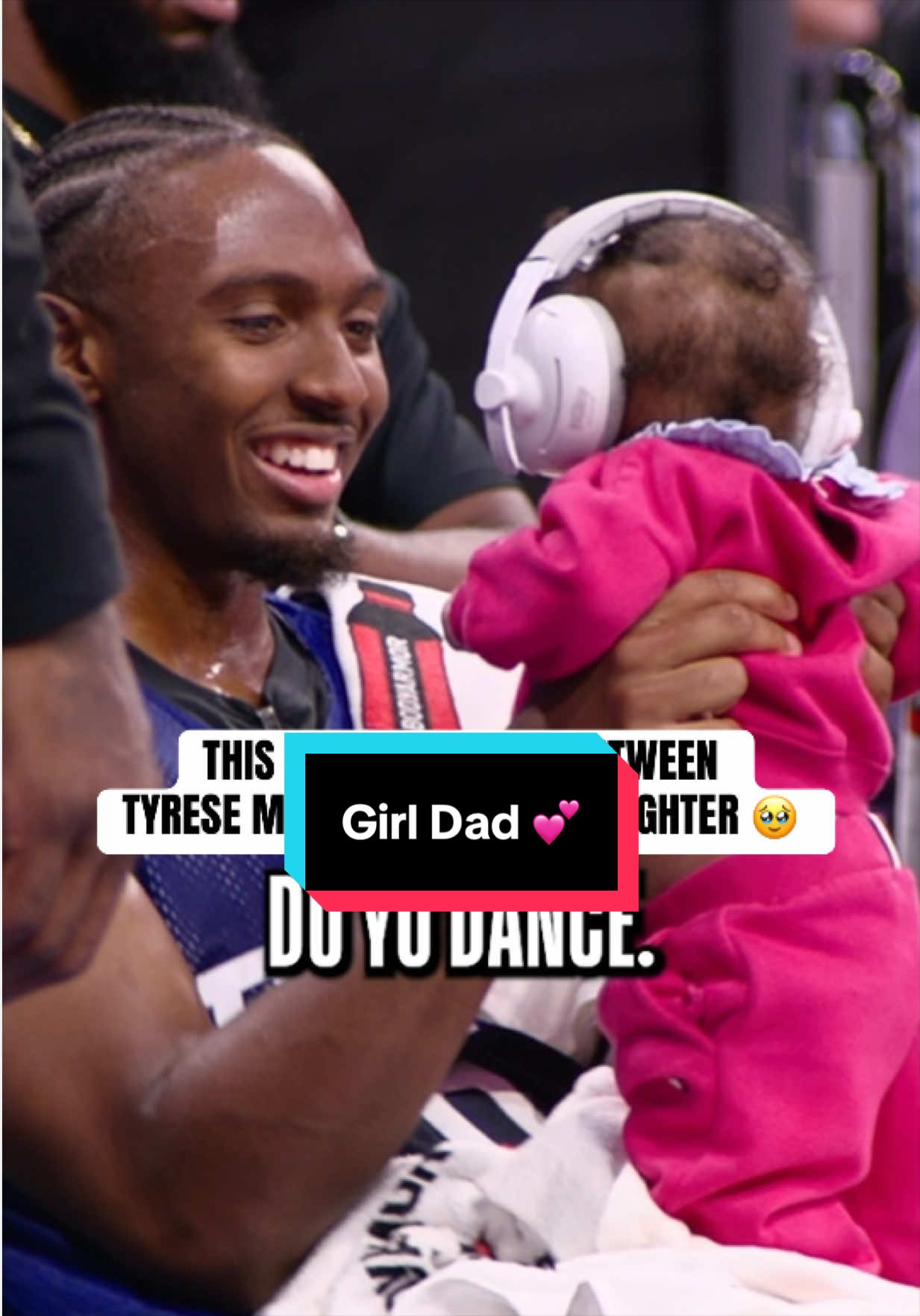
Tyrese Maxey mic’d up at 76ers practice with his daughter is everything 🥹
 Links
Links
 Contact
 App
App


