



The top pick's debut already shows signs of being a trendsetter.



Today marks the Summer League debut of top pick AJ Dybantsa, arguably the most anticipated game of the entire Summer League, as he faces off against the second pick, Darren Peterson.
Their rivalry goes back to high school, where they clashed twice. In the first matchup, Peterson’s team won 76-70, with Peterson recording 32 points, 10 rebounds, and 8 assists, while Dybantsa had 28 points, 8 rebounds, and 6 assists. In the second game, Peterson exploded for 58 points, Dybantsa responded with 49, but Peterson hit a game-winning three-pointer to take the victory again.
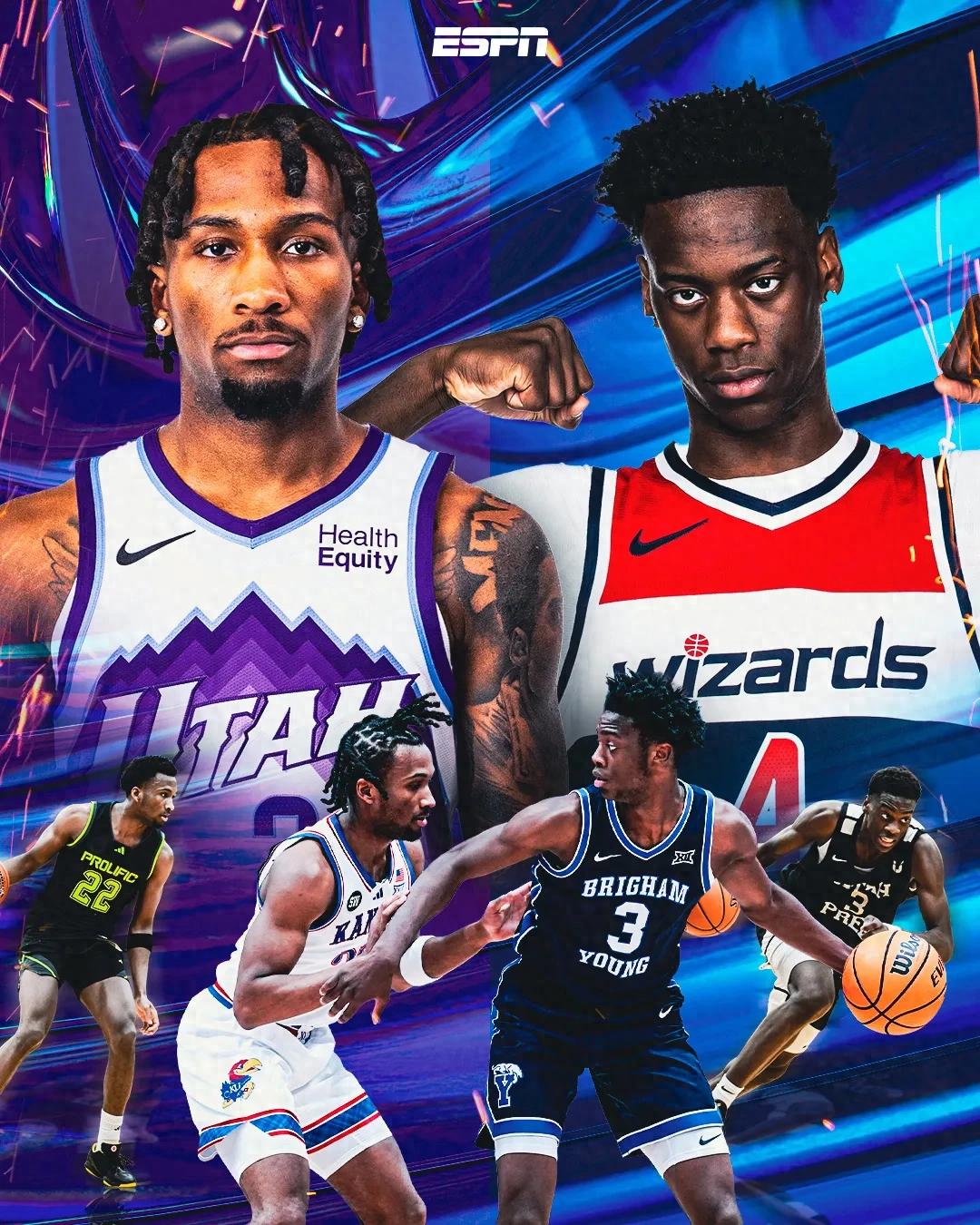
In college, they also faced each other. Peterson dropped 18 points in the first half, but had to leave early in the second half due to cramps. His team, Kansas, still defeated Dybantsa’s BYU. In other words, from high school to college, Dybantsa never beat Peterson.
But in the draft, Dybantsa was selected ahead of Peterson. So it’s understandable that Peterson doesn’t accept Dybantsa being the top pick—after all, you’ve never beaten me, so why are you the No. 1 and I’m No. 2?
Before today’s matchup, Peterson had already played two Summer League games, scoring 28 points in one and 25 points with 12 assists in the other. So the pressure was on Dybantsa for his debut. Dybantsa knew what everyone wanted to see, and he came out with maximum aggression.
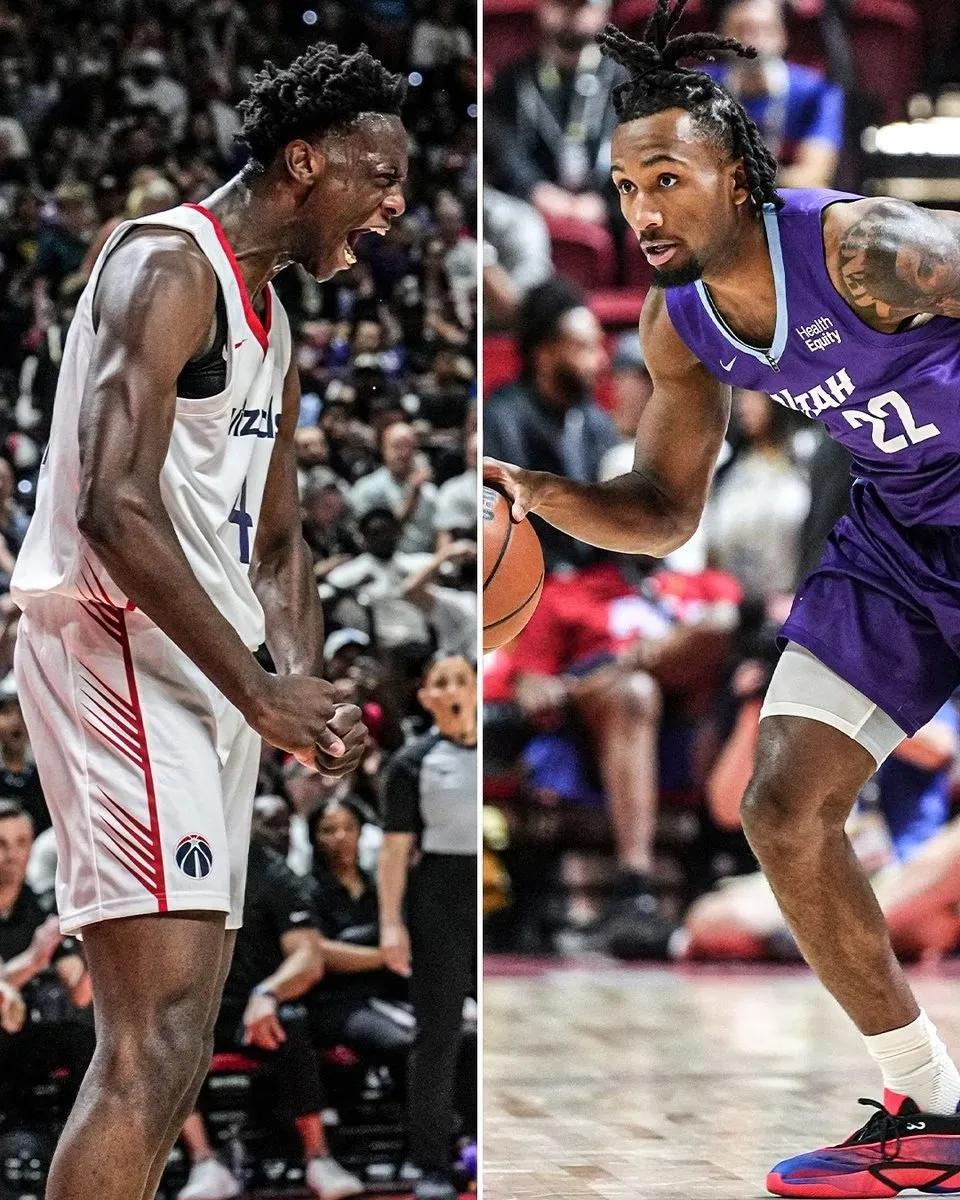
In the first quarter, Dybantsa shot 4-for-9, 0-for-2 from three, and 2-for-3 from the free-throw line, finishing with 11 points, 4 rebounds, and 1 steal. The free throws are worth noting: this year’s Summer League has a new free-throw rule where every foul results in just one free throw, worth one, two, or three points depending on the shot. Dybantsa’s three free throws mean he drew three fouls in the first quarter alone.
On the very first possession of the game, Dybantsa stole the ball from Peterson. The Wizards gave Peterson a lot of defensive pressure today, and Dybantsa faced plenty of defensive attention as well. Dybantsa often charged into the paint against two or three defenders. At the end of the first quarter, his drive-and-dunk over multiple defenders fully showcased the top pick’s talent.
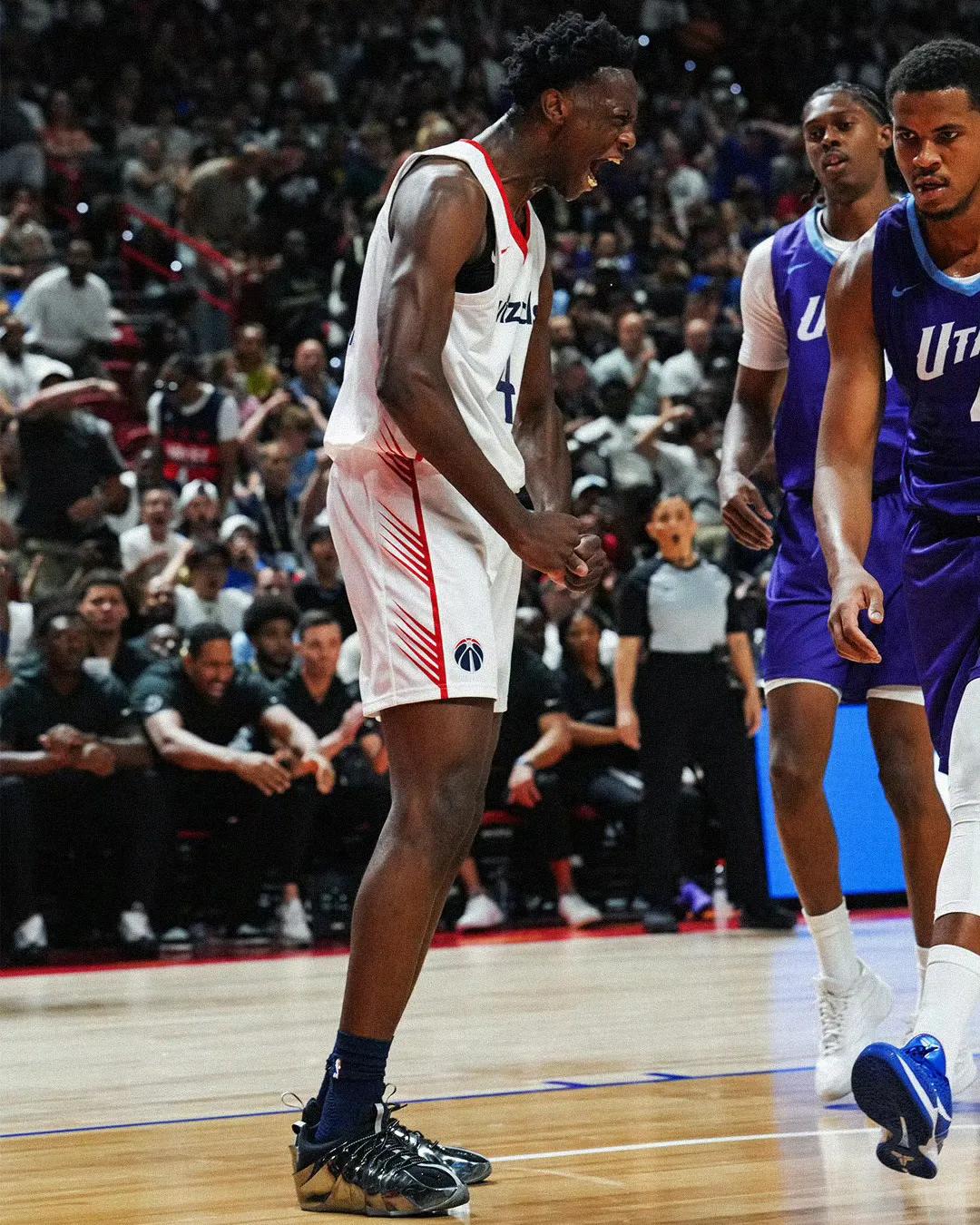
Both players had plenty of touches today, but honestly, Peterson faced more defensive pressure than Dybantsa. That said, Dybantsa’s physical gifts might have made the game look easier at this level.
Dybantsa’s most impressive trait today was his explosive athleticism—he was unstoppable driving to the rim, going up against one or two defenders. However, his shooting was really off—he missed all his threes and only made one or two mid-range shots. But Dybantsa isn’t a bad shooter; he had a high volume of mid-range makes in college, and his three-point shooting was average but serviceable. Today was just a cold shooting day.
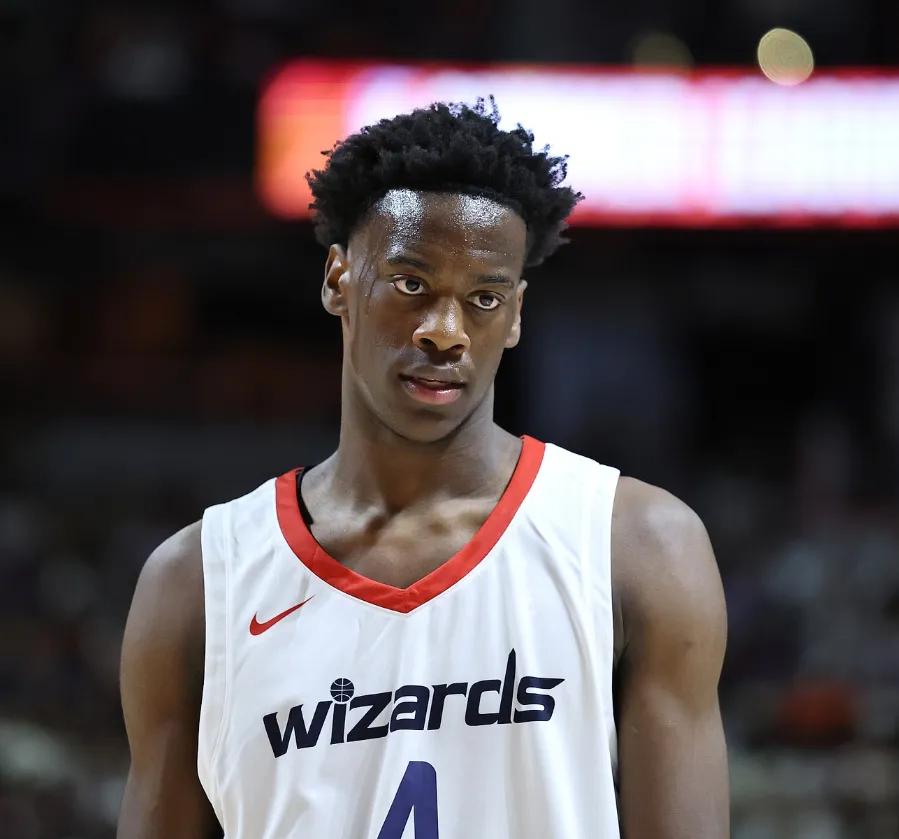
For the game, Dybantsa played 26 minutes, shooting 7-for-18 from the field, 0-for-5 from three, and 7-for-8 from the free-throw line, finishing with 27 points, 7 rebounds, 2 assists, 2 steals, and 1 block. He tied Blake Griffin for the highest scoring debut by a top pick in the Las Vegas Summer League.
Peterson had a relatively average game, struggling against the defense. He finished with 24 points, 3 rebounds, 3 assists, and 8 turnovers, shooting 6-for-18 from the field, 2-for-7 from three, and 6-for-8 from the free-throw line. While both players had similar free-throw numbers, their ability to draw fouls was on different levels.
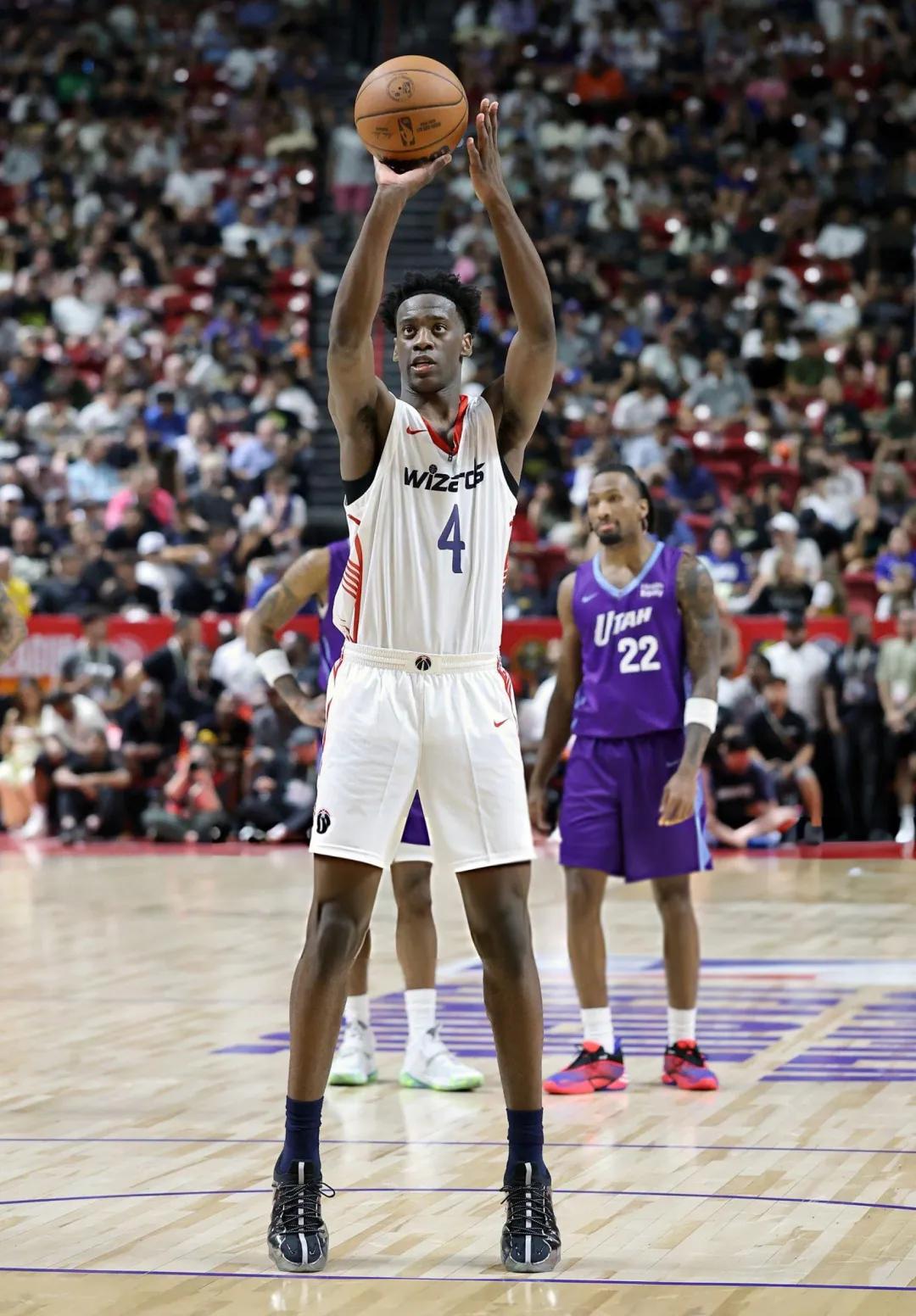
Dybantsa is showing signs of being a trendsetter—he has excellent body control and uses his physical advantage to draw fouls on drives. In college, he averaged over eight free throws per game, which is already impressive in the NCAA.
Dybantsa stands 2.06 meters tall, weighs 98 kilograms, and has a 2.16-meter wingspan. His length was very noticeable on defense today, as he even prevented Cody Williams from bringing the ball past half-court on one possession. He plays as a forward but handles the ball on many possessions to bring it up the court.
However, it’s worth noting that his dribbling form looks a bit awkward—he tends to dribble with a high center of gravity. While this might work in the Summer League, in the NBA, it would lead to a high turnover rate.
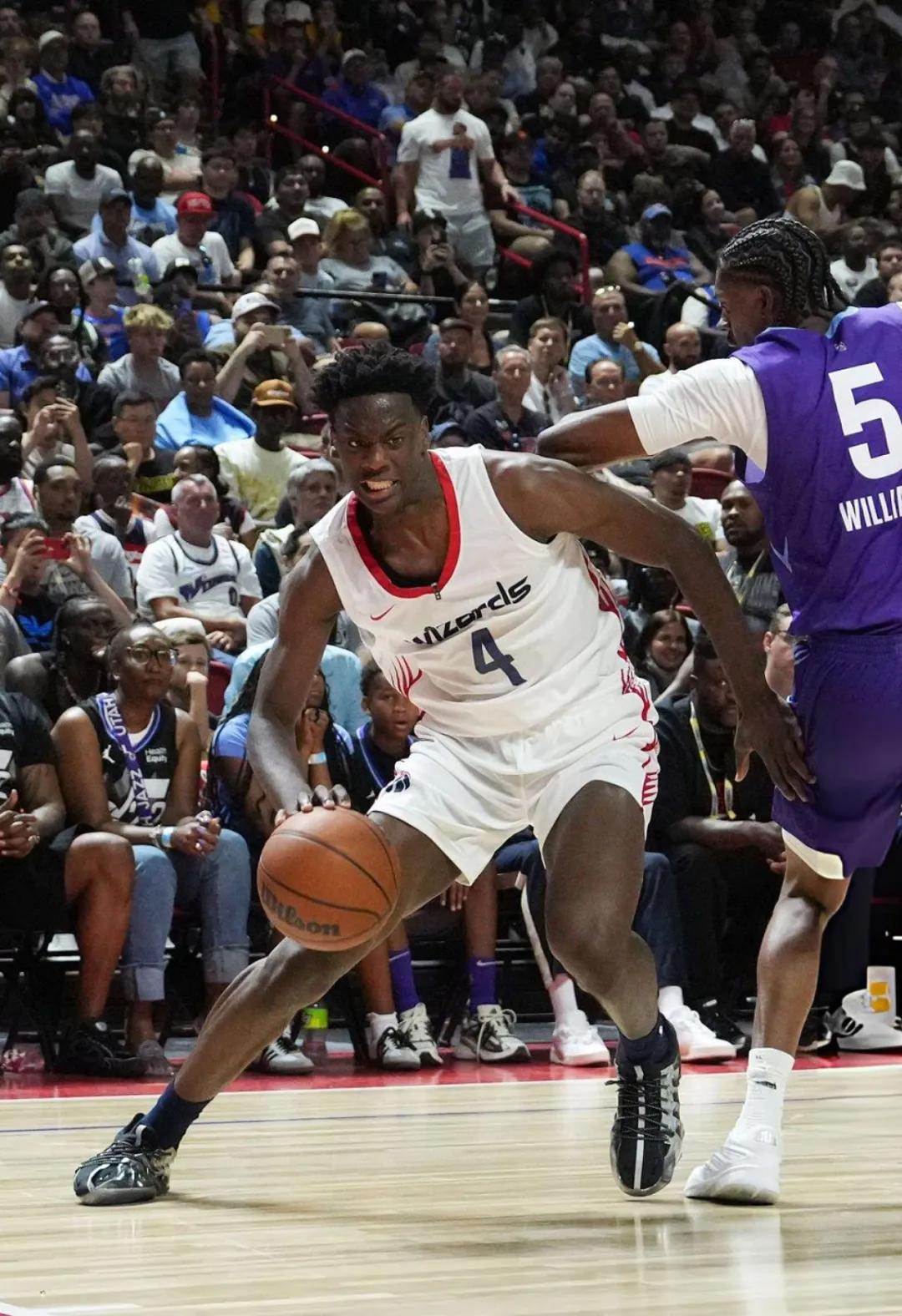
He possesses elite talent among wing players, with jumping ability and agility far surpassing most players at his position. He can play multiple positions on the court and will likely start as a small forward for the Wizards. He has outstanding physical tools and solid offensive skills, and he has already learned to combine them effectively.
In college, Dybantsa was purely an offensive player, with limited effort on defense. Today, on one play, he had a turnover and could have chased down the opponent given his athleticism, but he gave up. He has the potential to make a much bigger impact on defense, but he seems to prefer showcasing his offensive skills.
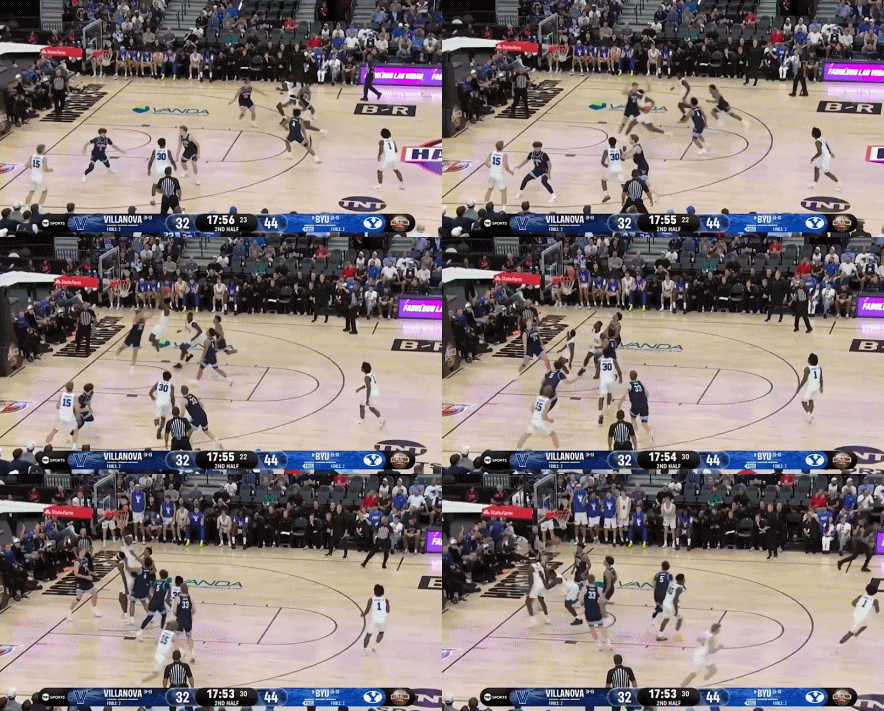
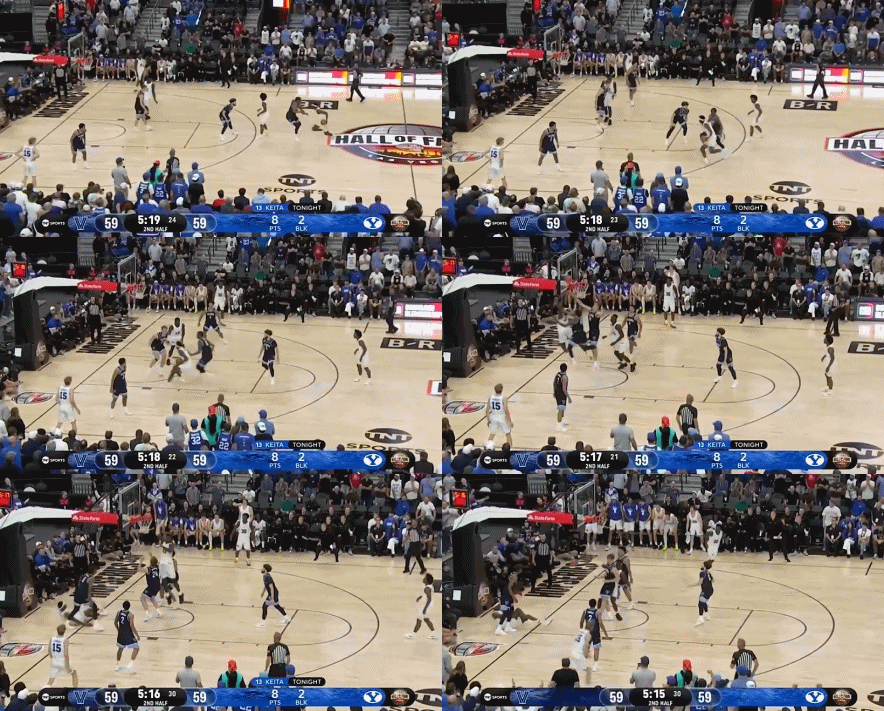
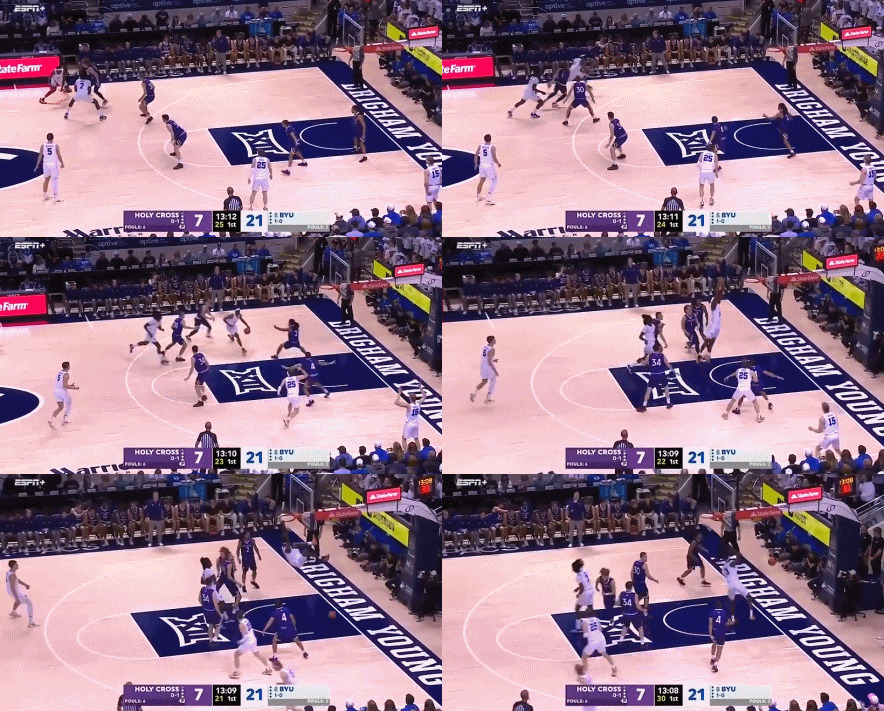
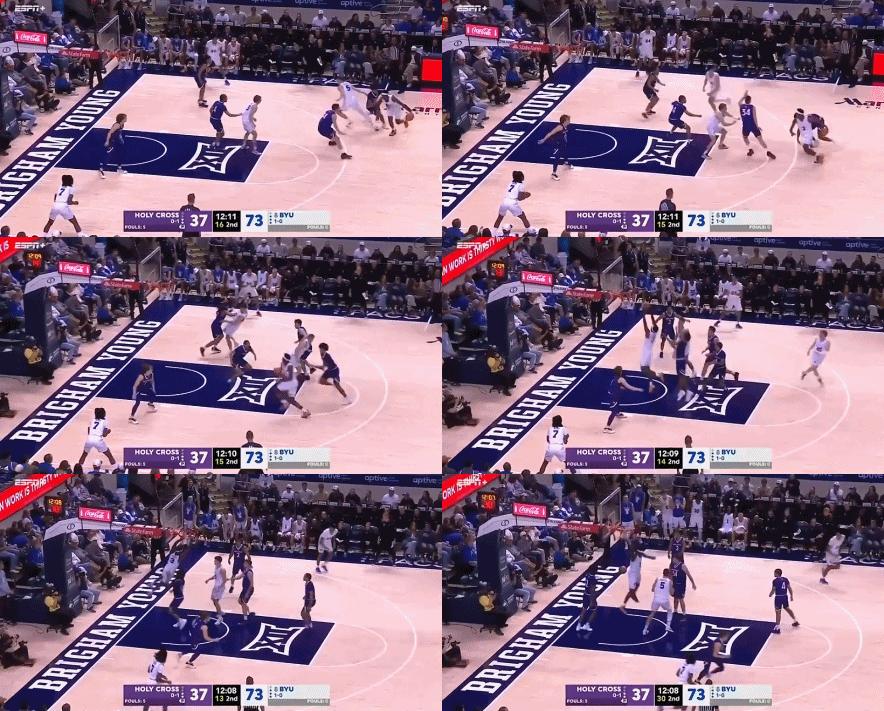
During his freshman season, Dybantsa had a usage rate of over 31%. From high school to college, he was essentially the sole star of his team. Surrounded by such support, Dybantsa averaged 25.5 points, 6.8 rebounds, 3.7 assists, and 1.1 steals per game, shooting 51.0% from the field and 33.1% from three. He was the NCAA scoring champion last season.
Over the past season, Dybantsa had several highlight games. He scored 43 points against Utah, setting a school record; he recorded a triple-double of 33 points, 10 rebounds, and 10 assists against Eastern Washington; and he had multiple 30-point performances.
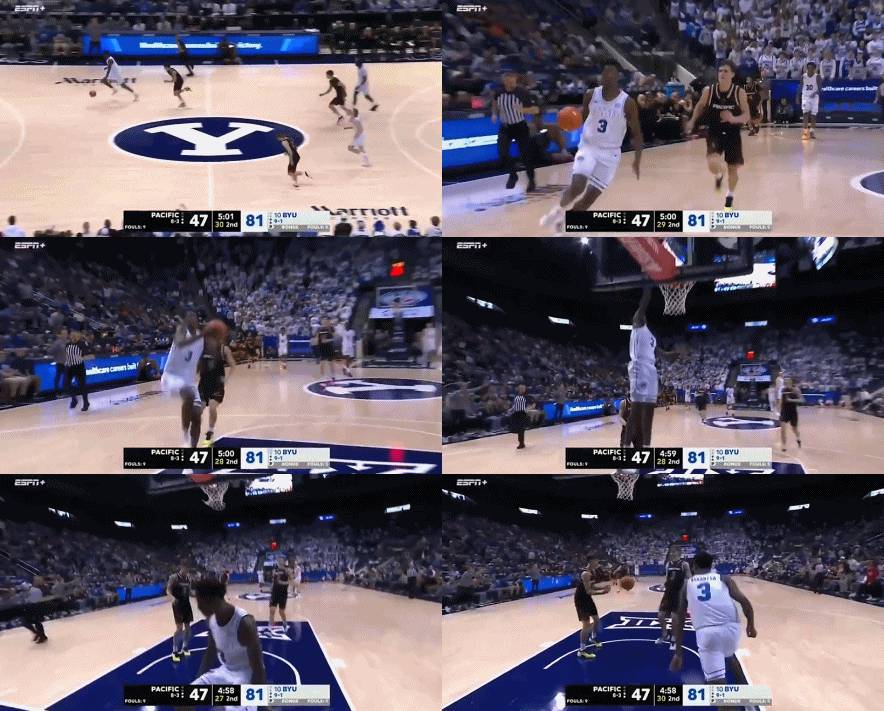
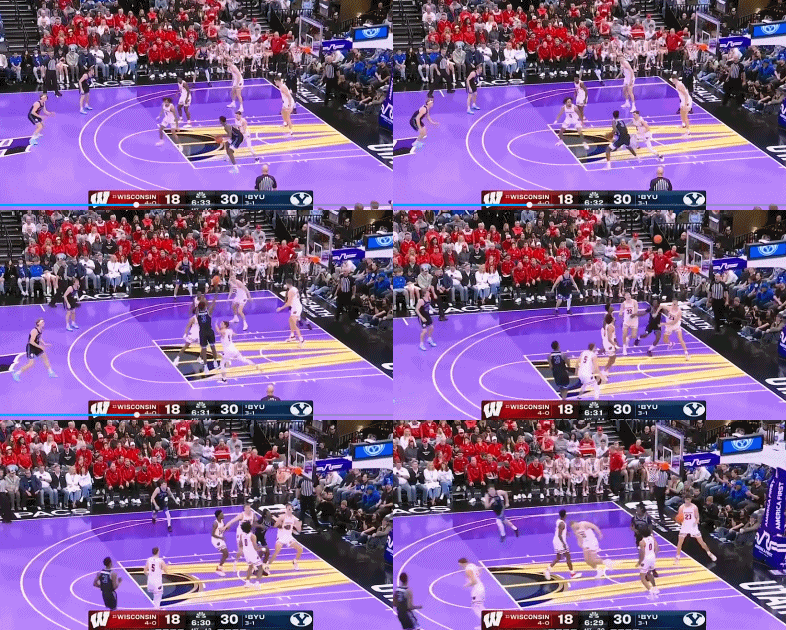
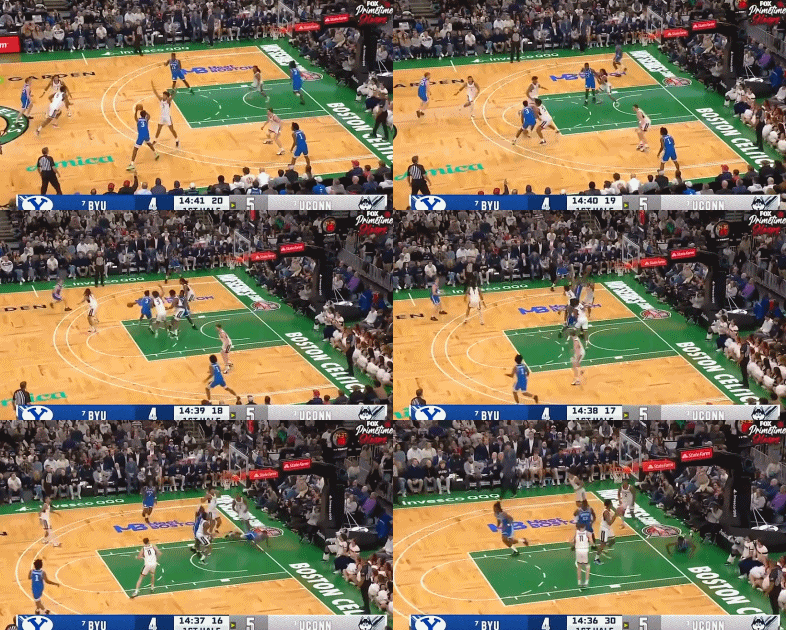
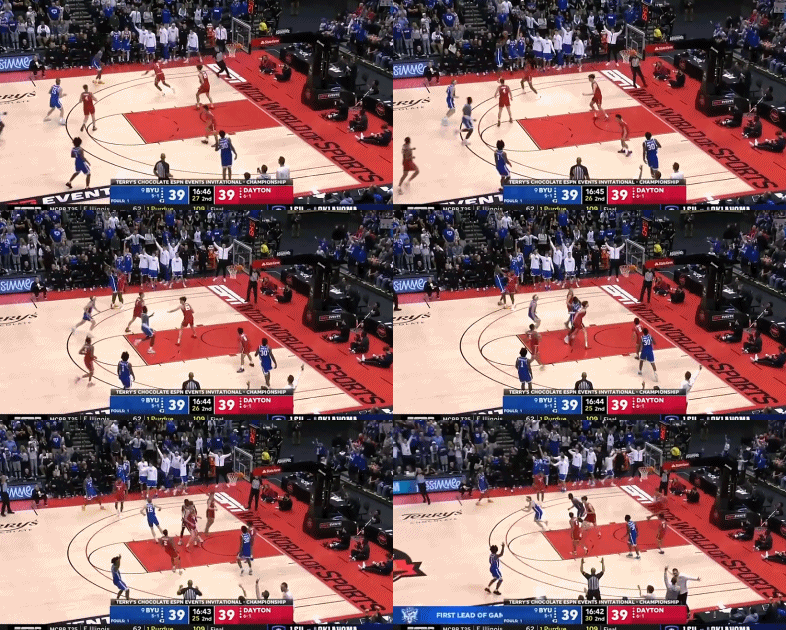
In Dybantsa, you can see shades of many star swingmen. His player comps include T-Mac and Paul George, but his style of drawing fouls resembles a bigger version of Jimmy Butler.
It’s often said that one of the top two picks will be a bust, but both of these players look reassuring.


Wonderfulshortvideo
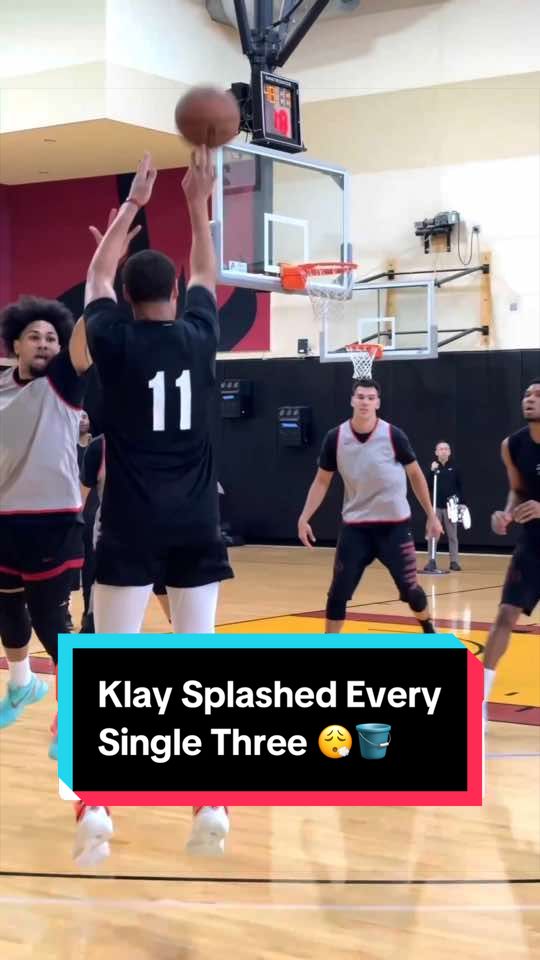
Klay was testing out the nets in South Beach at practice 🔥


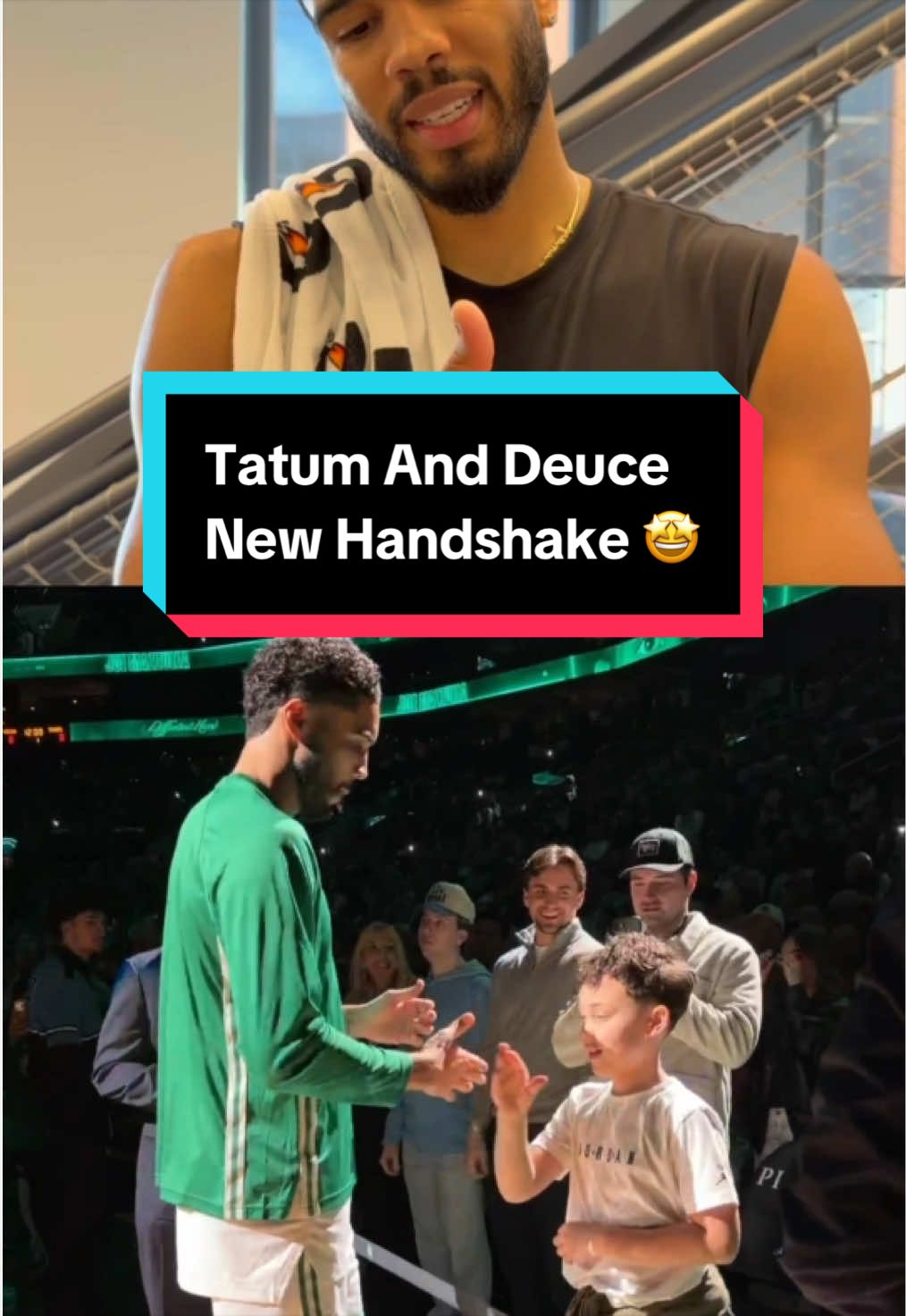
“It’s preseason for everybody. I remember I went through the starting five, and I was like I’m forgetting something…” 🤔 Tatum tuned up his pregame ritual with Deuce this preseason 🤝☘️
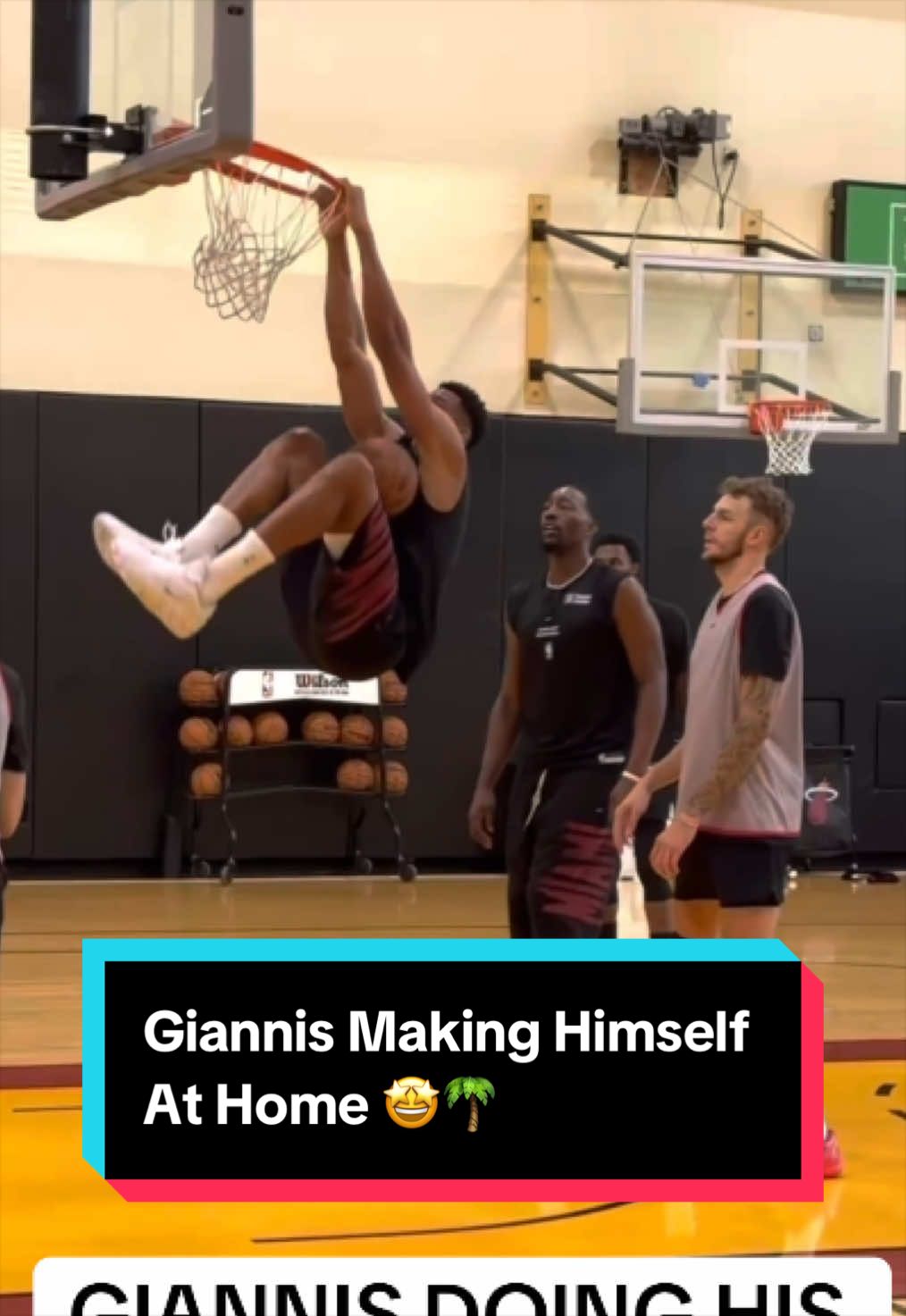
Get a behind-the-scenes look at Giannis at Heat practice! 🔥🤩
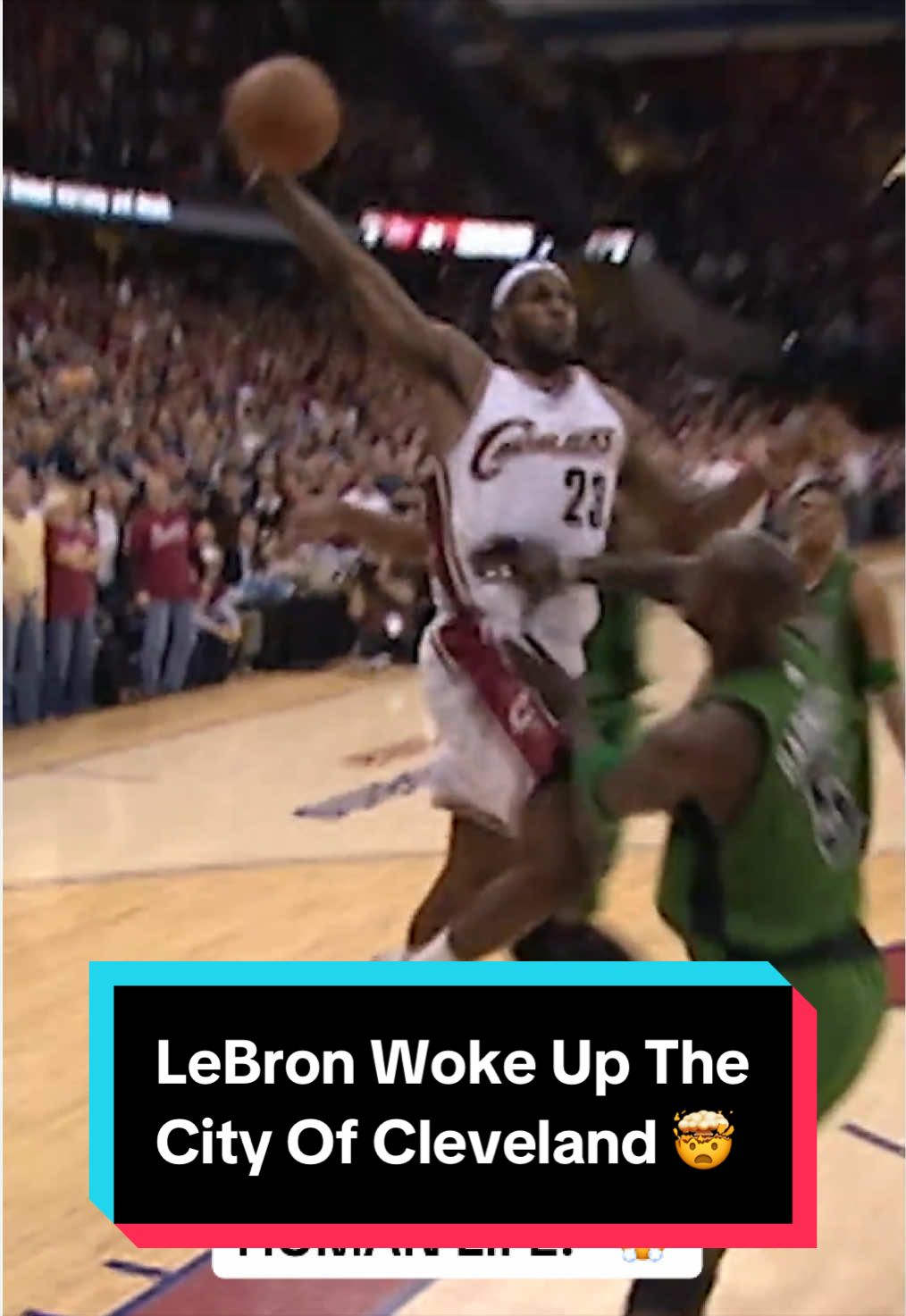
“With no regard for human life!”🫨 In Game 4 of the 2008 Eastern Conference Semifinals, LeBron threw down an unforgettable dunk 🤯
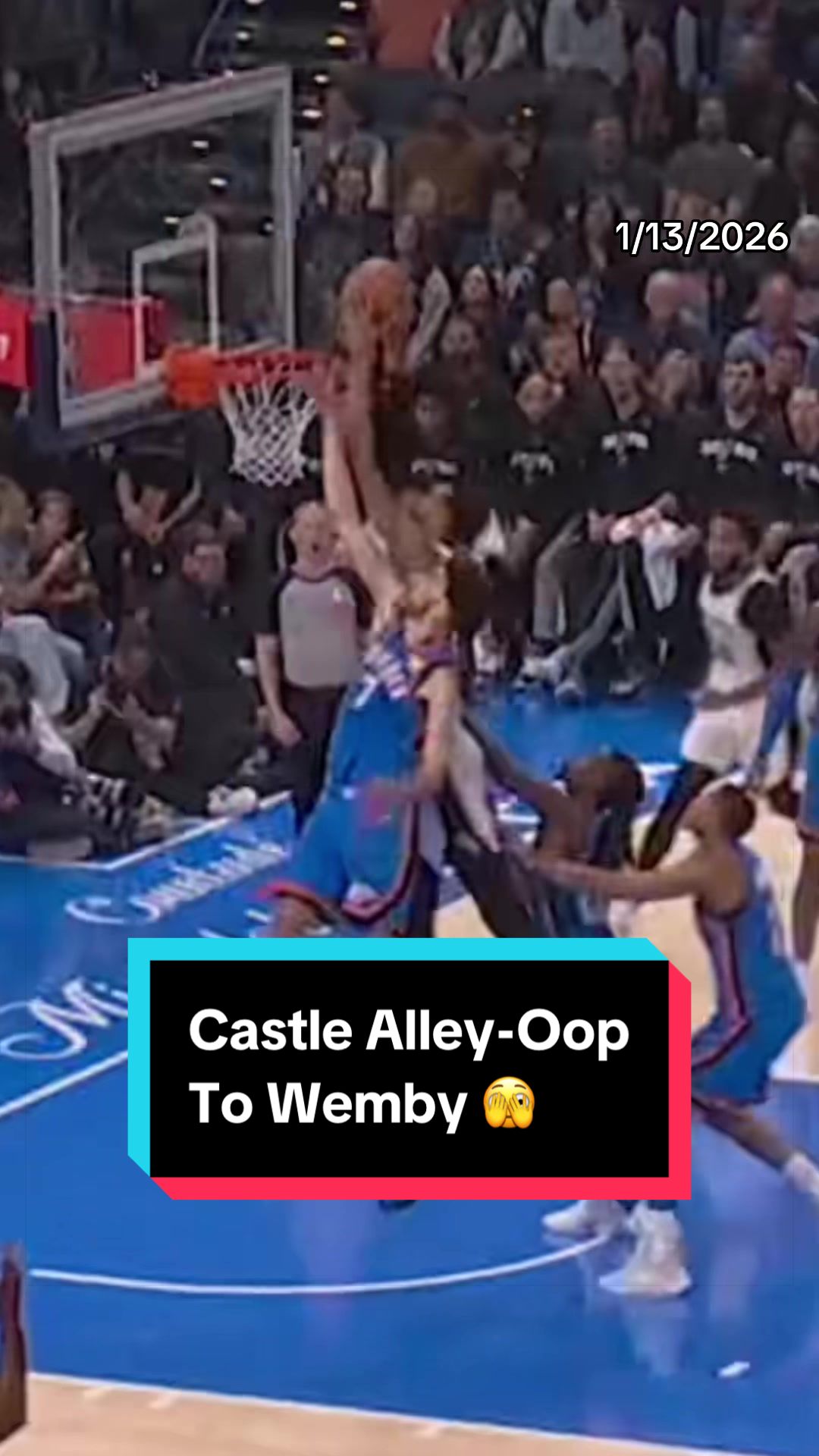
If you give Wemby the lane, it might already be too late 🫣
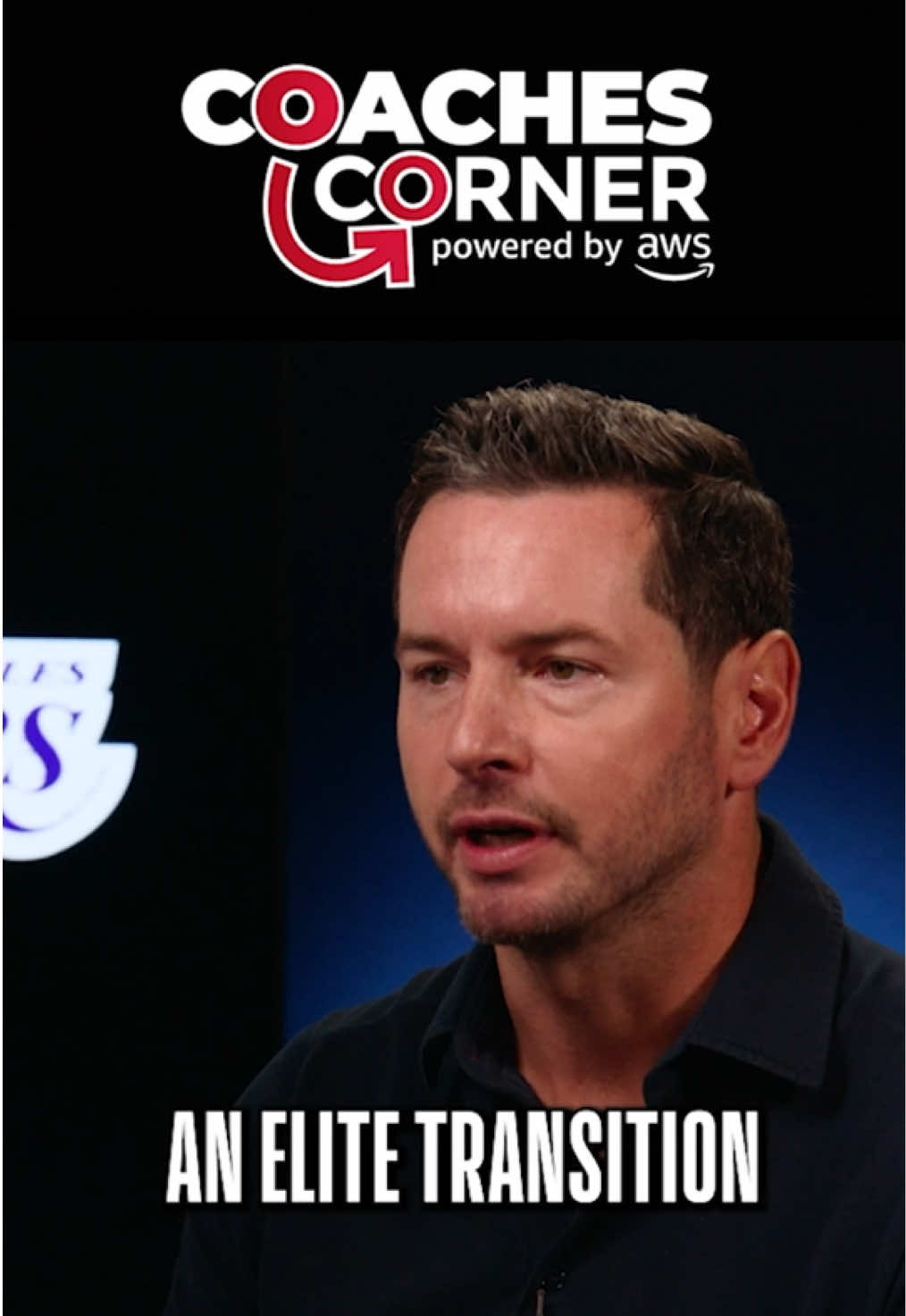
Coaches Corner powered by @AWS goes Inside the Game with Los Angeles Lakers head coach JJ Redick and ESPN analyst Tim Legler as they explore how players like Luka Dončić advance the ball in transition, creating early advantages and opening high-quality scoring chances.
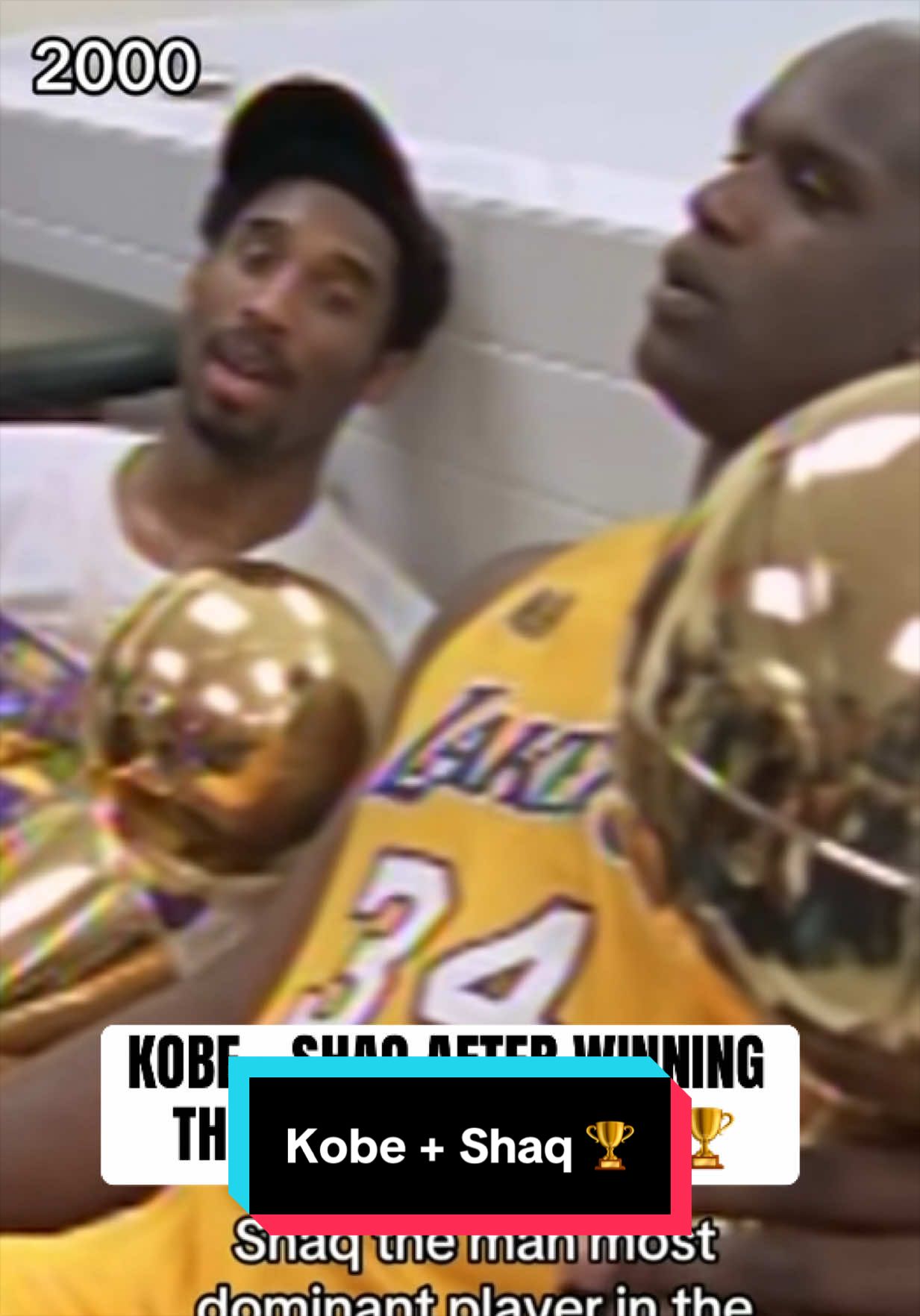
This moment between Kobe + Shaq after leading the Lakers to victory in the 2000 NBA Finals >>> 🏆
 Links
Links
 Contact
 App
App


