



Following Brunson's lead in taking a pay cut? Report: Wembanyama reaches extension with Spurs to preserve salary cap flexibility



On July 11 Beijing time, after falling to the New York Knicks, led by Jalen Brunson, in the Finals, Wembanyama might emulate Brunson by voluntarily taking less money on his new extension to maintain salary flexibility for the San Antonio Spurs. He wrote on social media, "Spurs family, I'm staying, no matter what it takes."
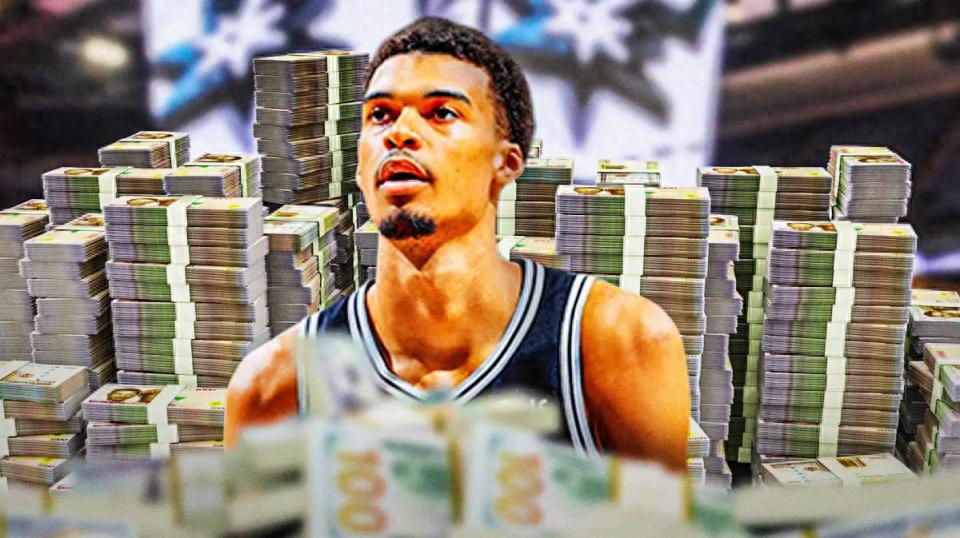
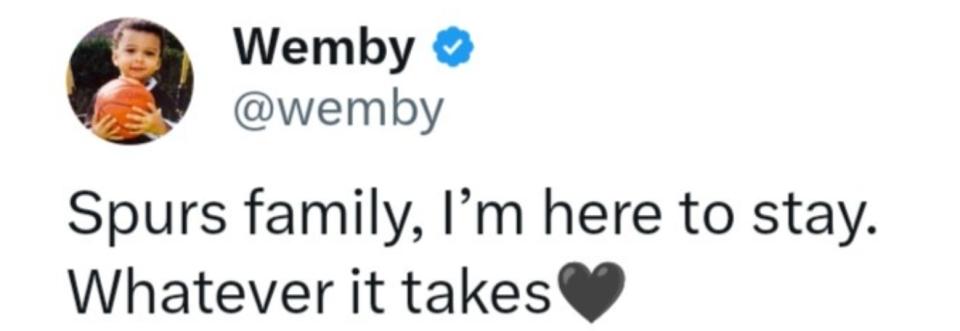
Wembanyama stated today that he will likely sign an early extension. Subsequently, NBA insider Fisher reported that sources indicate the Spurs star is "considering" not signing a full max contract worth $251 million. If Wembanyama meets designated player incentive criteria—such as winning MVP or making an All-NBA team—his five-year extension could reach a maximum of $301 million.
Spurs beat reporter Don Harris reported that Wembanyama and the Spurs have agreed to an extension, though no details on the contract terms have emerged yet. Spurs CEO Buford, General Manager Brian Wright, and Head Coach Mitch Johnson traveled to Paris yesterday to negotiate the extension with Wembanyama. Based on current developments, Wembanyama has already reached an extension agreement with the Spurs. He may consider signing a shorter contract with a smaller total value to help the Spurs maintain salary flexibility.
For the foreseeable future, Wembanyama will be the top favorite for Defensive Player of the Year every season. If he chooses to, he has every opportunity to earn the full max value of this contract.
However, under the NBA's current second apron rules, there is a notable shift: teams are more cautious than ever about their salary cap spending.
Just days after the Knicks defeated the Spurs to win the championship, team owner James Dolan dampened the celebration by clearly stating that the team will not exceed the second apron.
"I'm willing to offer as generous a contract as possible," Dolan said, "but I will never sign a deal that puts the team over the second apron."
Over the past two offseasons, the Boston Celtics dismantled their championship core, trading away Kristaps Porzingis, Jrue Holiday, and Jaylen Brown, largely due to second apron restrictions.
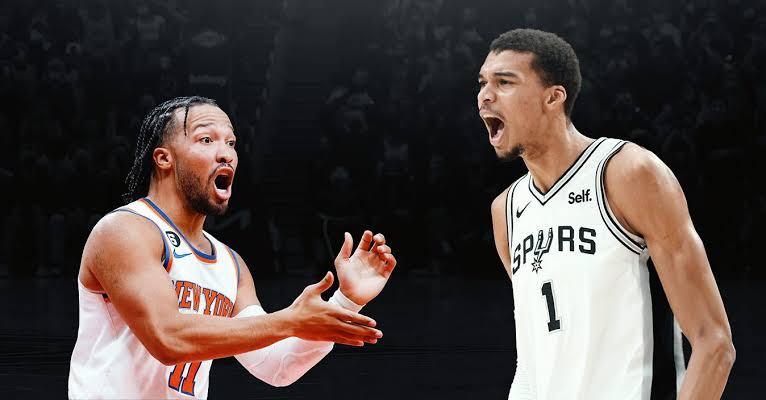
The Knicks are a rare exception in this salary cap era: In the summer of 2024, Brunson chose to sign an early extension worth $156.5 million over four years; if he had waited until 2025 to sign, he could have secured a five-year max deal worth $269 million.
Brunson's voluntary pay cut gave the Knicks the flexibility to acquire and sign OG Anunoby and Mikal Bridges via trades. Next season, Brunson's salary ranks third on the team, behind Anunoby and Karl-Anthony Towns.
It is unclear how much salary cap space Wembanyama is willing to sacrifice for the Spurs, but the team will soon face significant pressure from rising internal salaries.
De'Aaron Fox's four-year, $221 million early extension will take effect starting this season. His salary for the 2026-27 season is $49.5 million, rising to $53.4 million in 2027-28, which coincidentally is the first year of Wembanyama's new extension.
Stephon Castle will become eligible for an early extension next summer, while Dylan Harper will have to wait until the summer of 2028.
Although the Spurs still have some time to deal with the extensions of Castle and Harper, the massive spending on Fox last offseason leaves limited room for adjusting the salary structure.
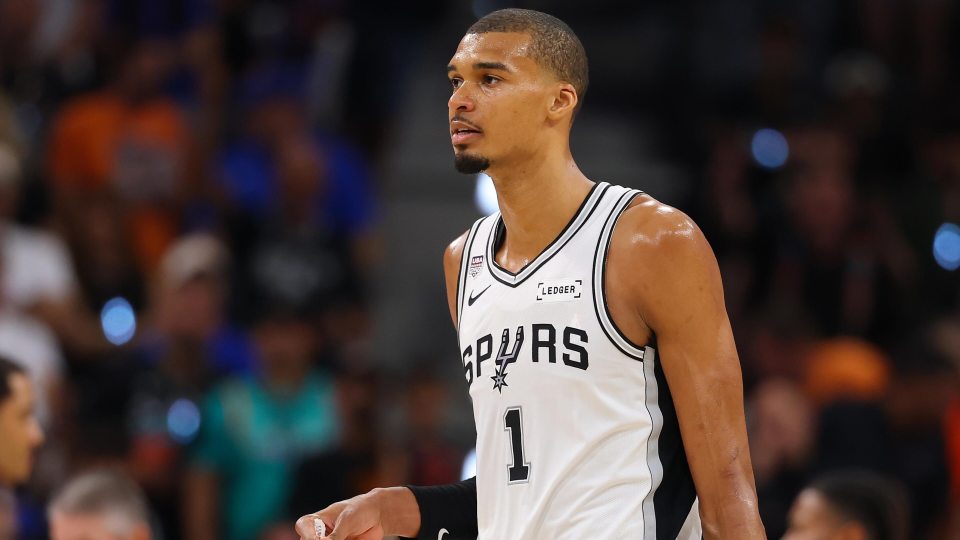
Wembanyama is on track to become the league's top player. In theory, the Spurs are willing to meet any salary demand he has and will figure out the salary cap issues later.
The 22-year-old star finished third in MVP voting last season, averaging 25 points, 11.5 rebounds, and 3.1 blocks in 64 regular-season games. Over his first three seasons, he has led the league in blocks per game every year.
The Spurs finished the regular season with 62 wins, returning to the playoffs for the first time since 2019 and reaching the Finals for the first time since 2014.


Wonderfulshortvideo
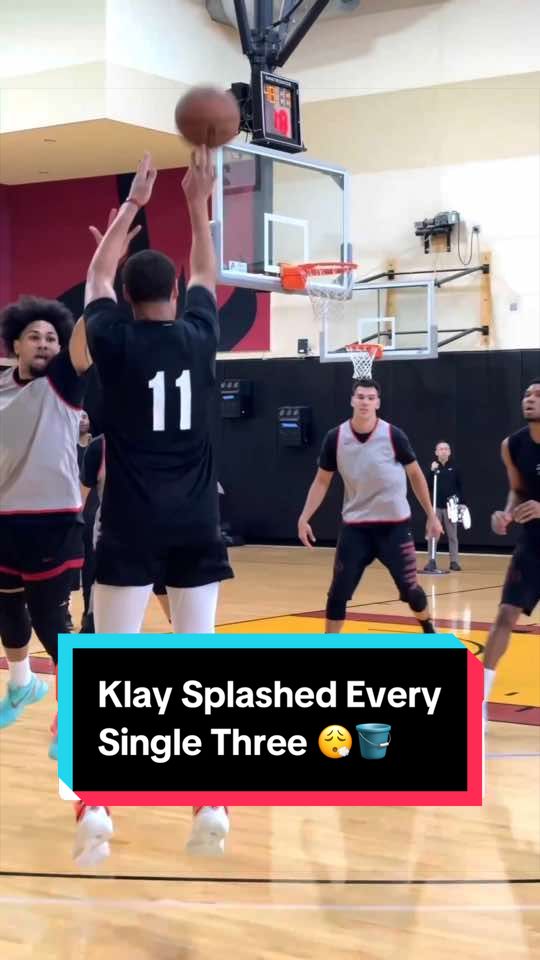
Klay was testing out the nets in South Beach at practice 🔥


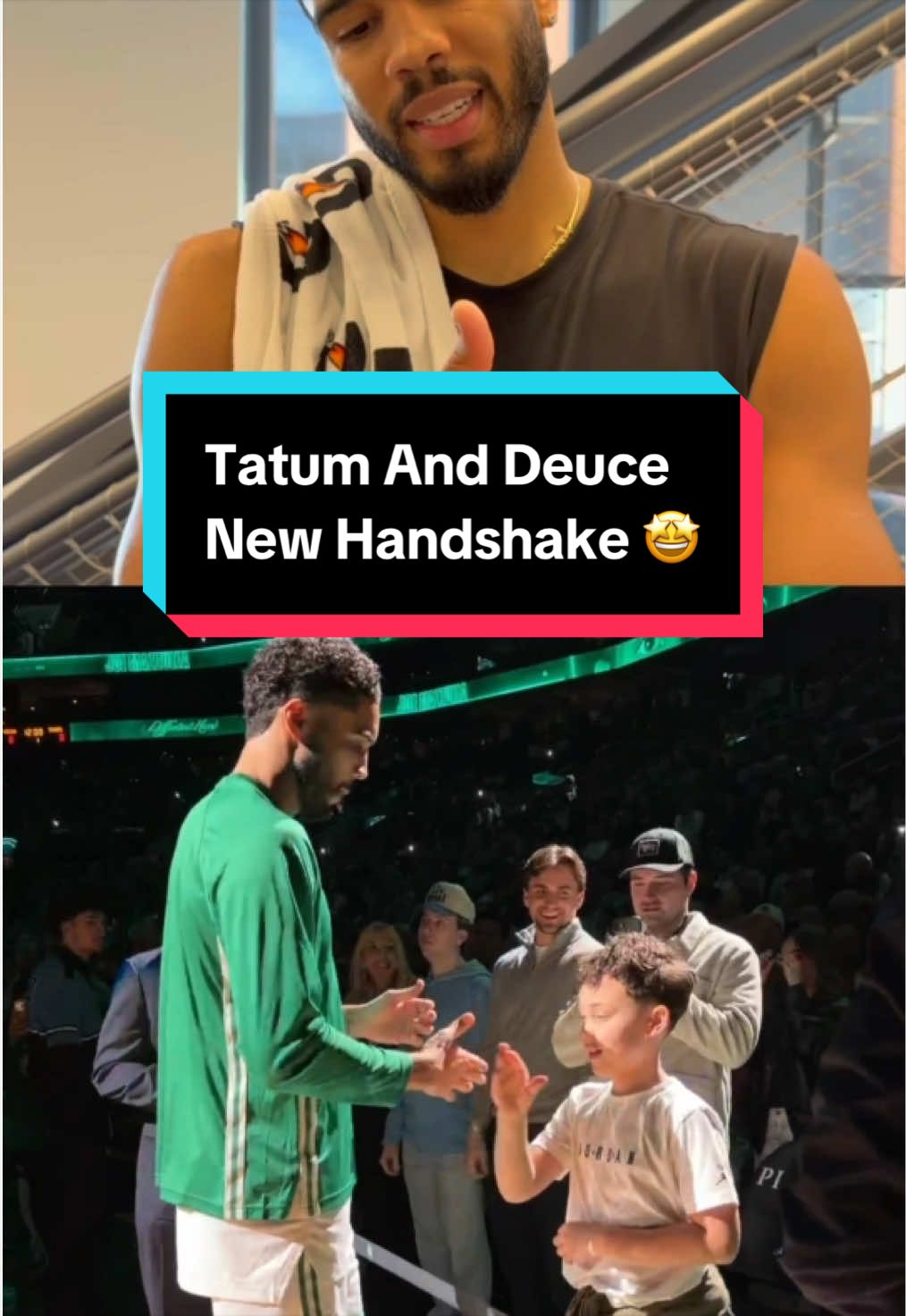
“It’s preseason for everybody. I remember I went through the starting five, and I was like I’m forgetting something…” 🤔 Tatum tuned up his pregame ritual with Deuce this preseason 🤝☘️
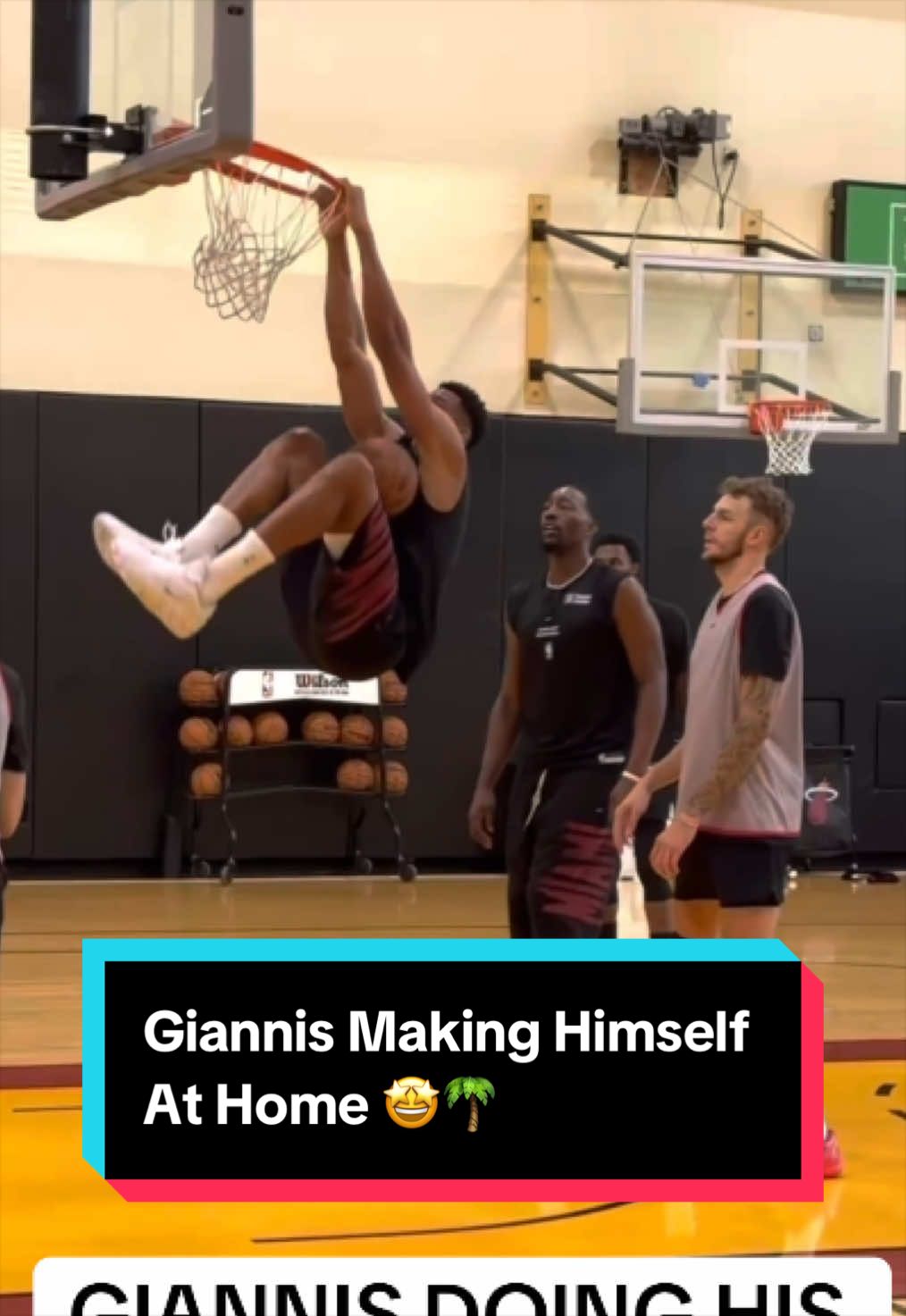
Get a behind-the-scenes look at Giannis at Heat practice! 🔥🤩
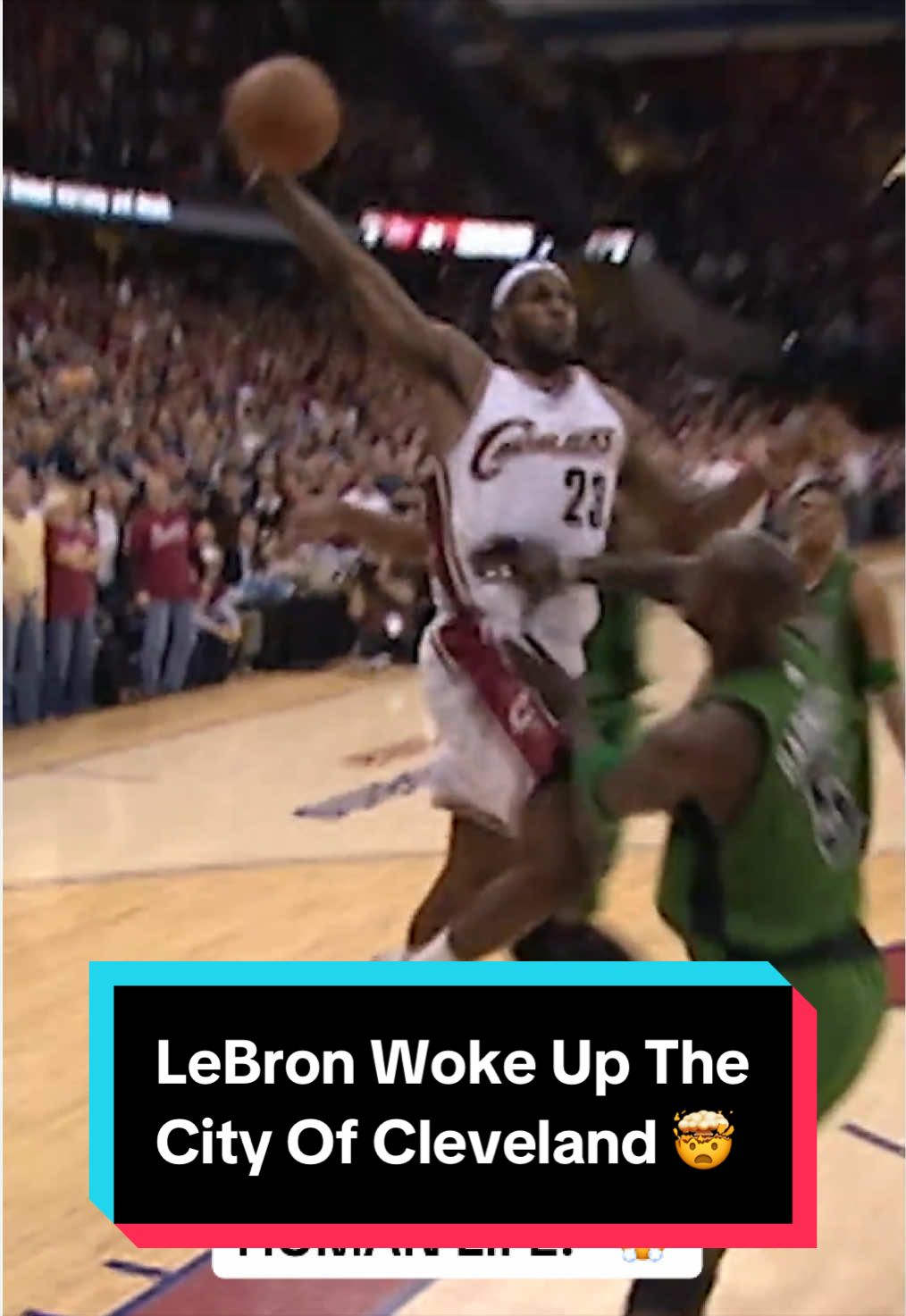
“With no regard for human life!”🫨 In Game 4 of the 2008 Eastern Conference Semifinals, LeBron threw down an unforgettable dunk 🤯
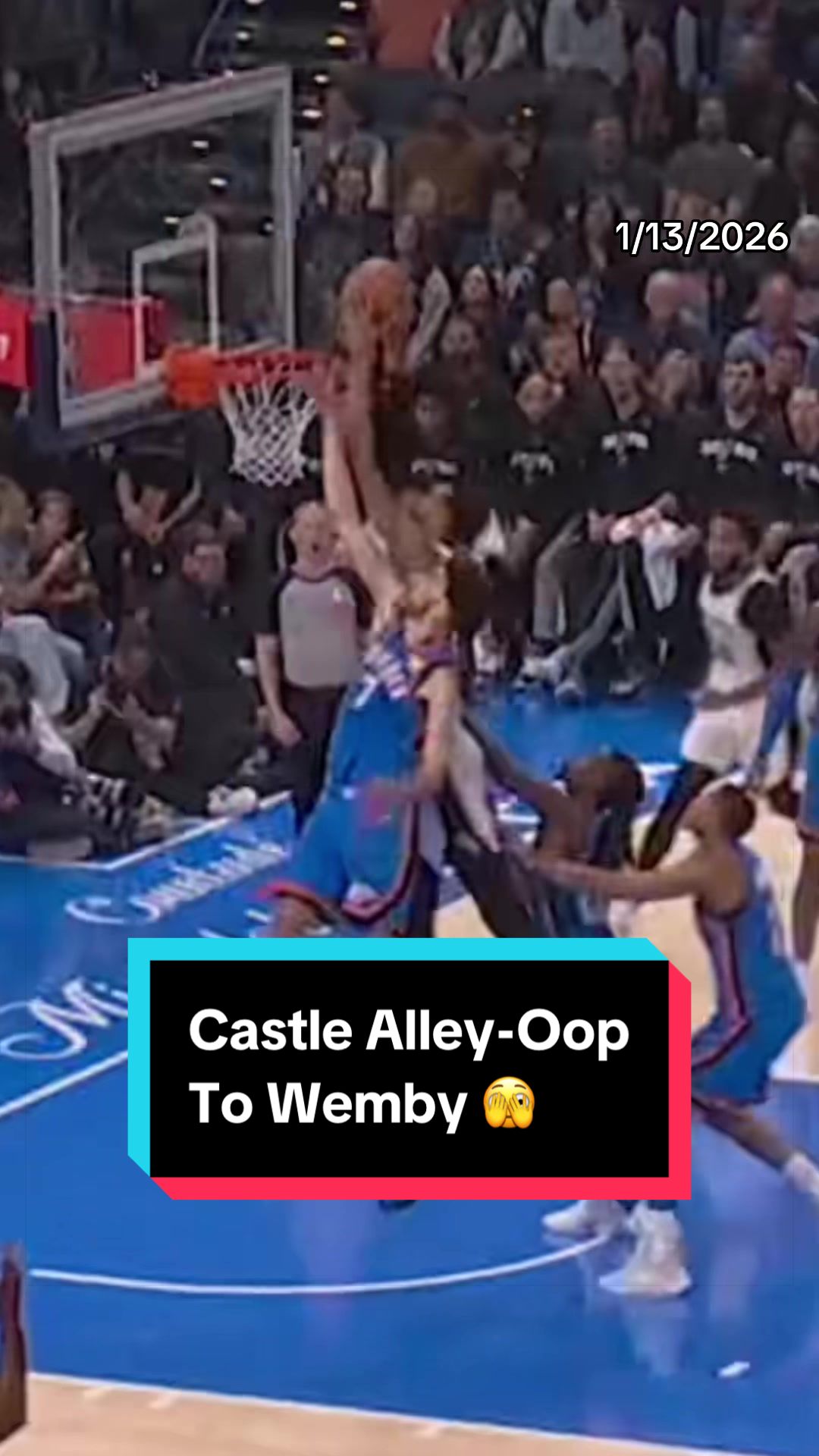
If you give Wemby the lane, it might already be too late 🫣
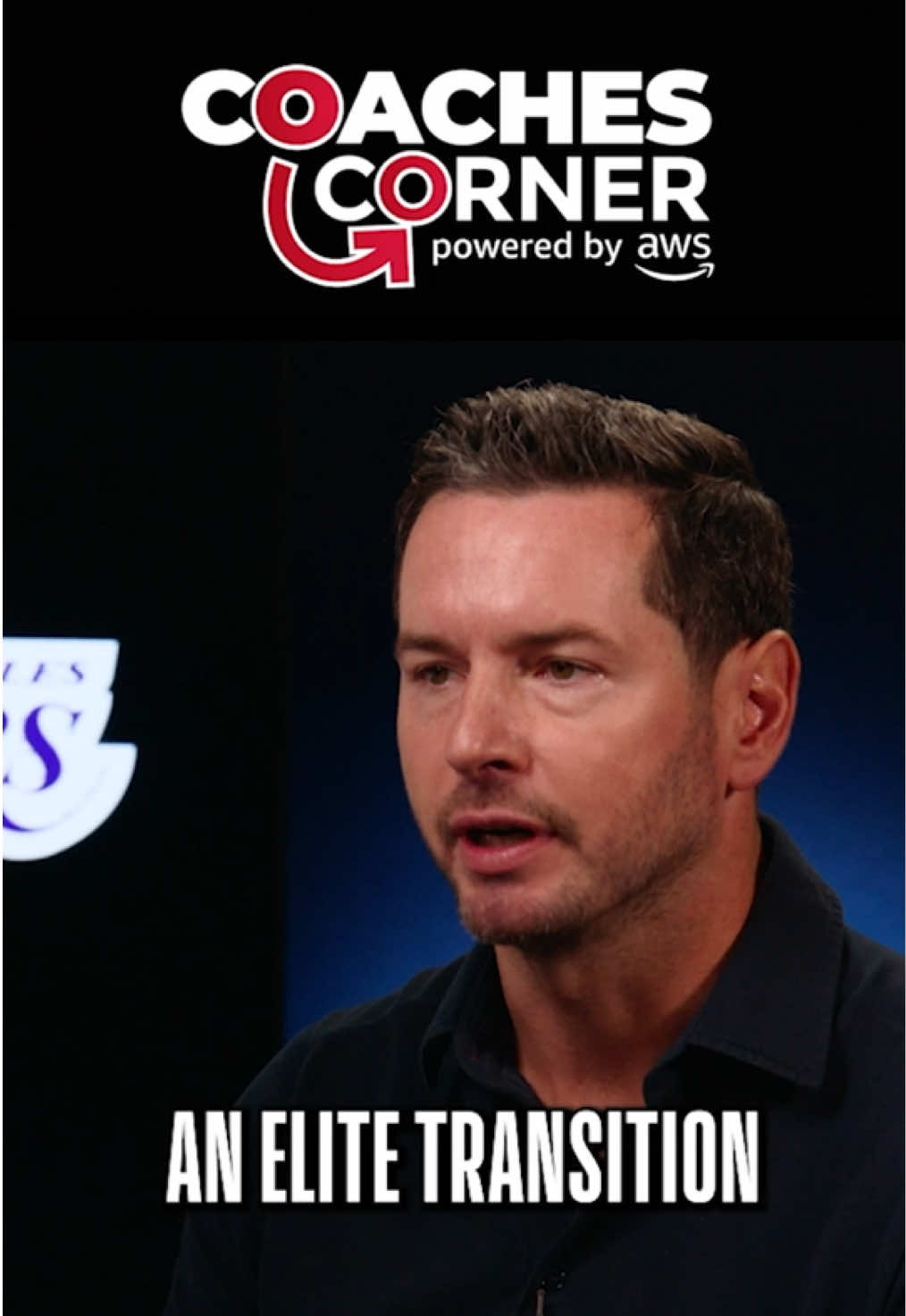
Coaches Corner powered by @AWS goes Inside the Game with Los Angeles Lakers head coach JJ Redick and ESPN analyst Tim Legler as they explore how players like Luka Dončić advance the ball in transition, creating early advantages and opening high-quality scoring chances.
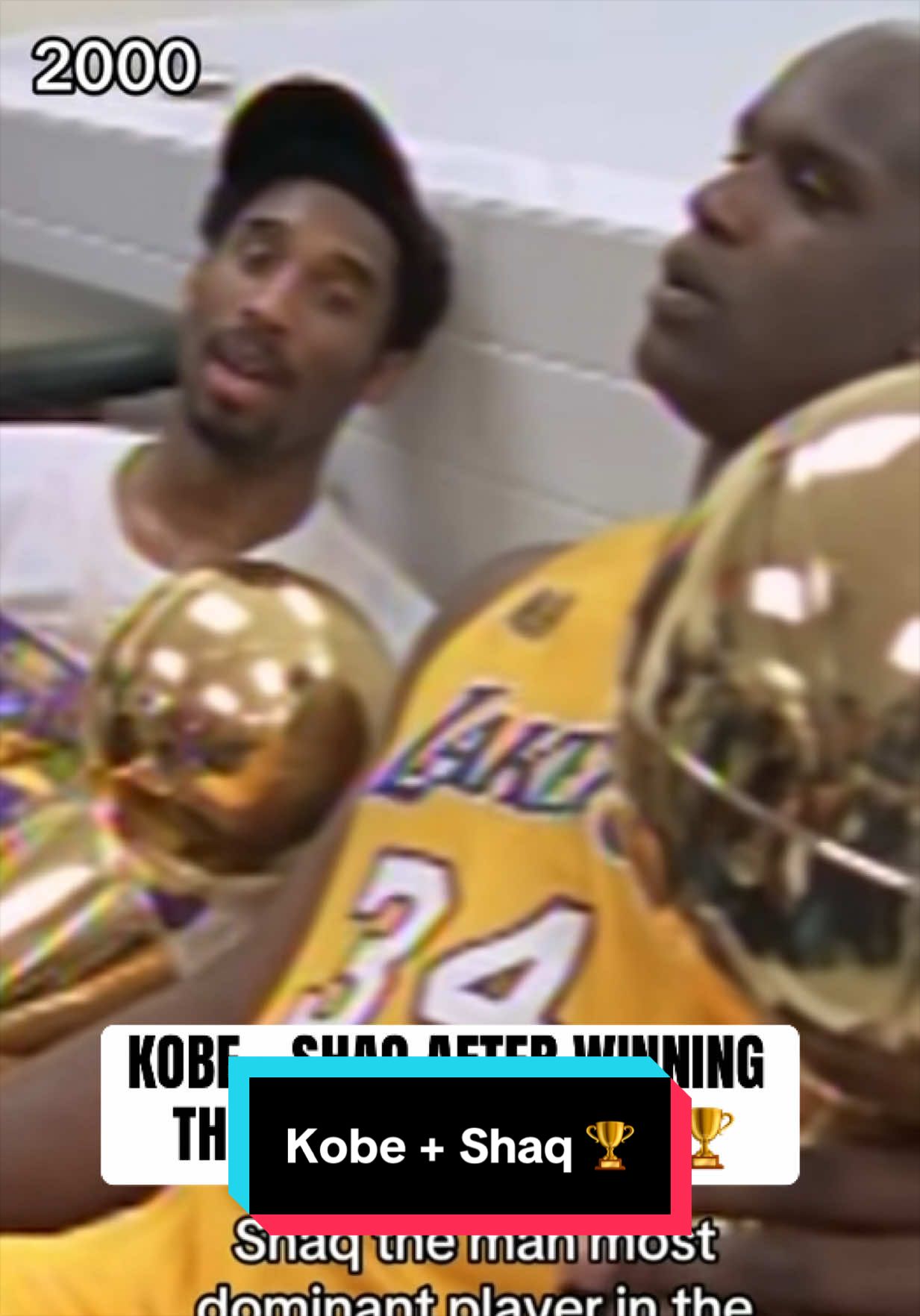
This moment between Kobe + Shaq after leading the Lakers to victory in the 2000 NBA Finals >>> 🏆
 Links
Links
 Contact
 App
App


