



The worse the performance, the bigger the contract?



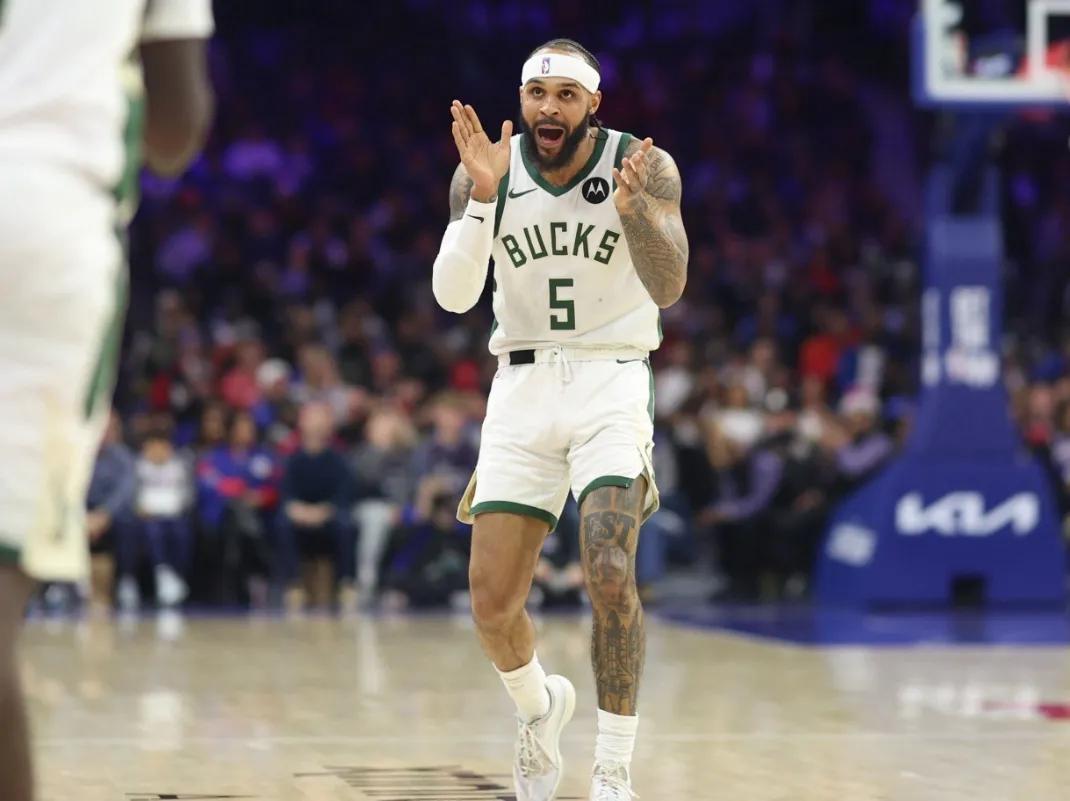
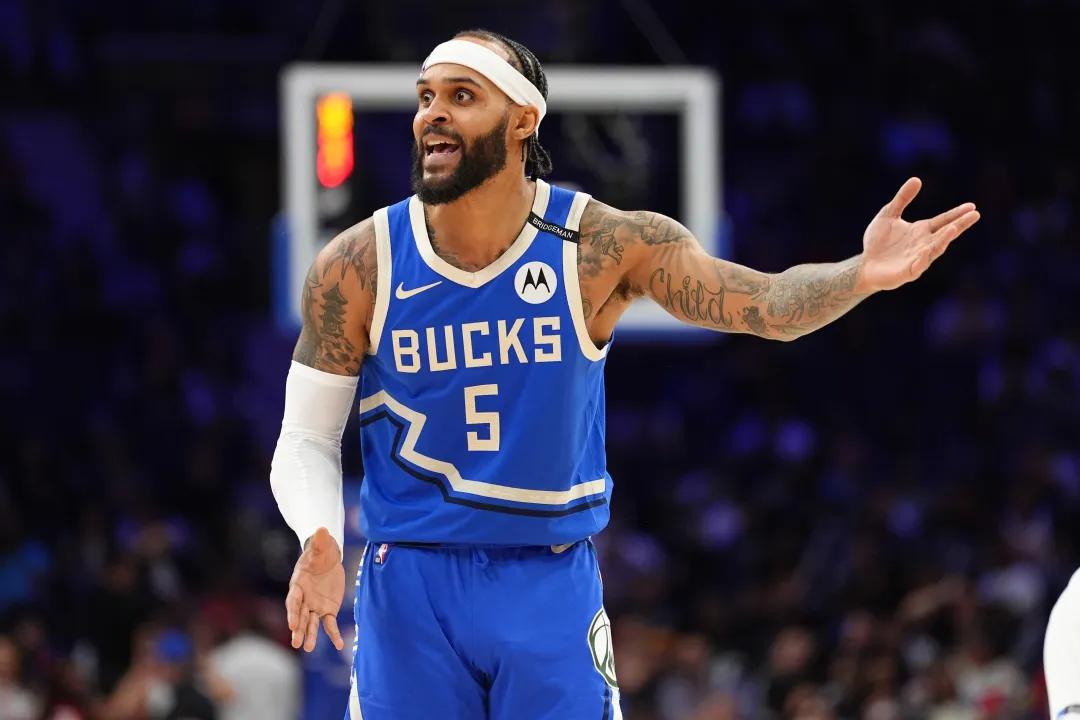
Gary Trent Jr. has agreed to a four-year, $64 million extension with the Milwaukee Bucks. This deal seems ordinary among the offseason’s numerous signings, yet it could be the strangest of all.
Last season, Trent played 65 games, averaging 21.2 minutes and 8.1 points per game, with a 38.7% three-point shooting rate and 1.9 three-pointers per game. Although he had a standout performance with 36 points and 9 three-pointers in a single game, his overall form was declining due to injuries.
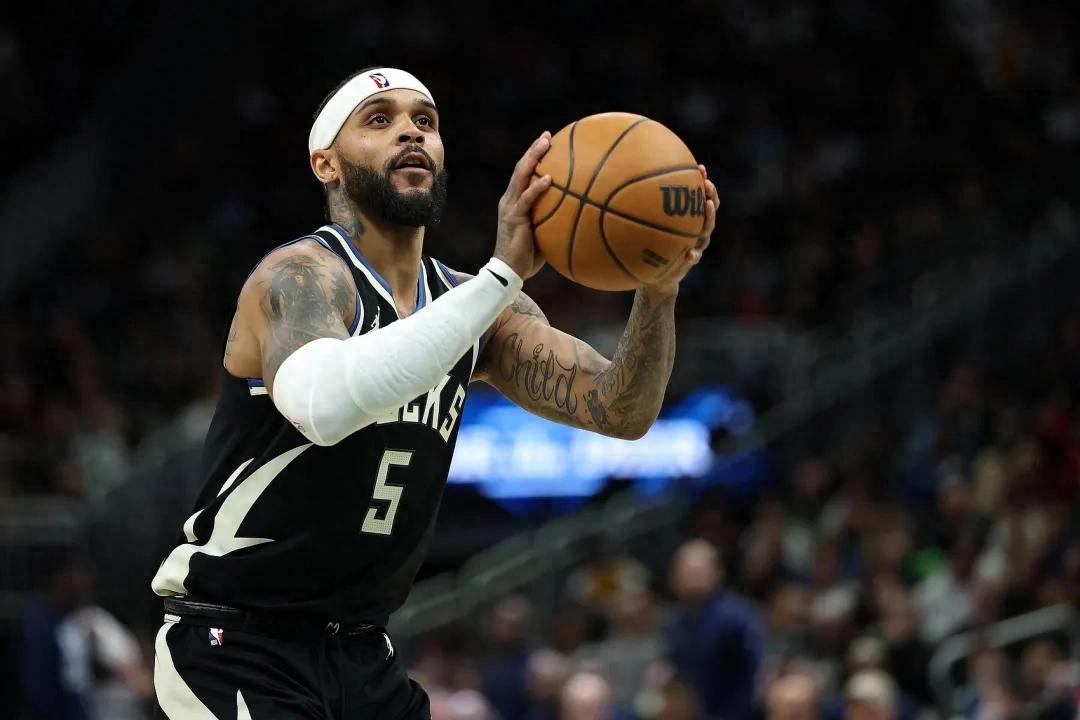
His average of 8.1 points per game is the second-lowest of his career, only higher than his rookie season. Since he gained a key role in Portland and showcased his 3-and-D skills, his scoring average had never dropped below double digits. Yet Trent, averaging just 8.1 points, secured the largest contract of his career.
After being traded from Portland to Toronto in 2021, Trent signed a three-year, $54 million deal with the Raptors. During that period, he broke out, averaging 18.3 points per game in the 2021-22 season with a 41.4% three-point shooting rate. In his final season with Toronto, he averaged 13.7 points and shot 42.6% from deep.
When Trent entered free agency in 2024, he surprisingly signed a minimum contract with the Bucks. At that time, Milwaukee had the duo of Lillard and Antetokounmpo, aiming for a championship. As a former teammate of Lillard, Trent’s decision to take a minimum deal to chase a title made sense.
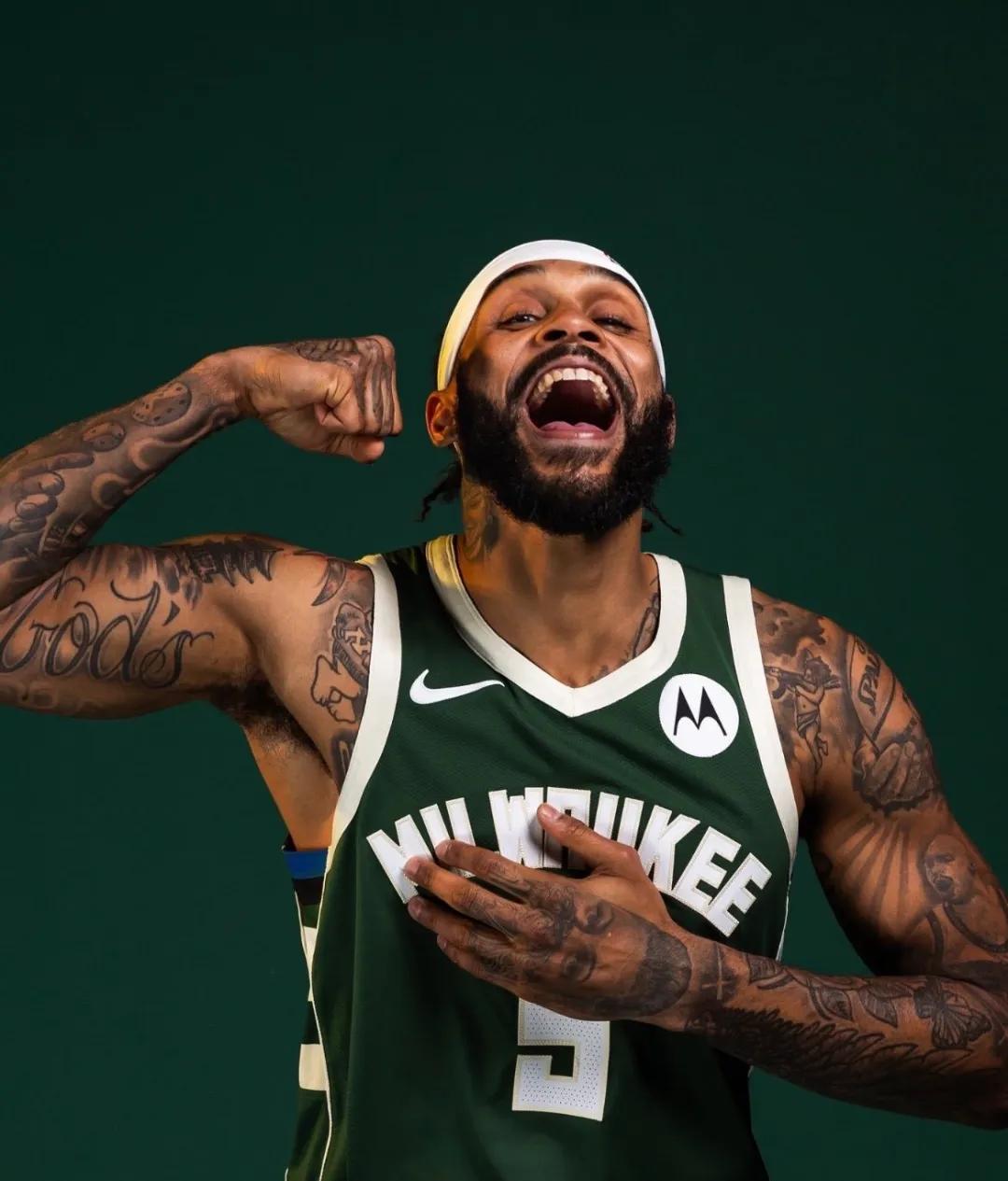
That season, however, the Bucks again suffered major injuries in the playoffs and were eliminated in the first round. Yet Trent shined in the postseason, averaging 18.8 points and 2.6 steals over five games, with a 50% three-point shooting percentage—arguably the best stretch of his career.
Given such a performance, one would expect a large contract in free agency, especially since the Bucks seemed unlikely to contend. Surprisingly, Trent signed only a two-year, $7.5 million deal with Milwaukee, with a player option for the second year—essentially a minimum contract.
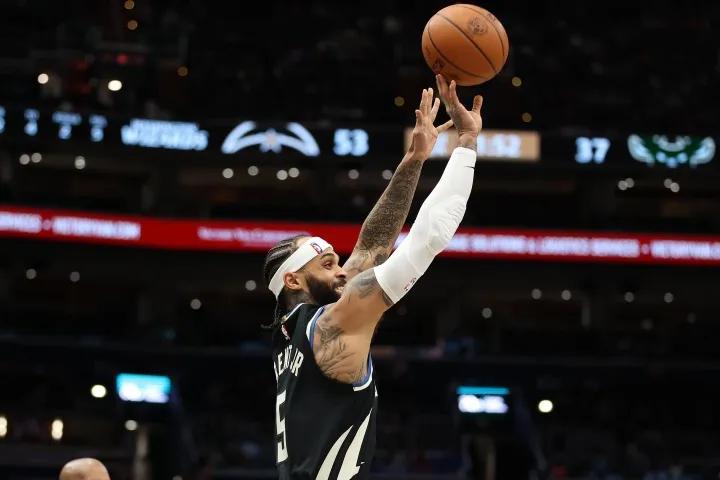
In essence, a 3-and-D shooter averaging around ten points with a 40% three-point clip, in his prime, signed near-minimum deals for two consecutive years. Then, when his performance declined, the Bucks offered him a long-term contract worth tens of millions. From a business perspective, this is utterly illogical.
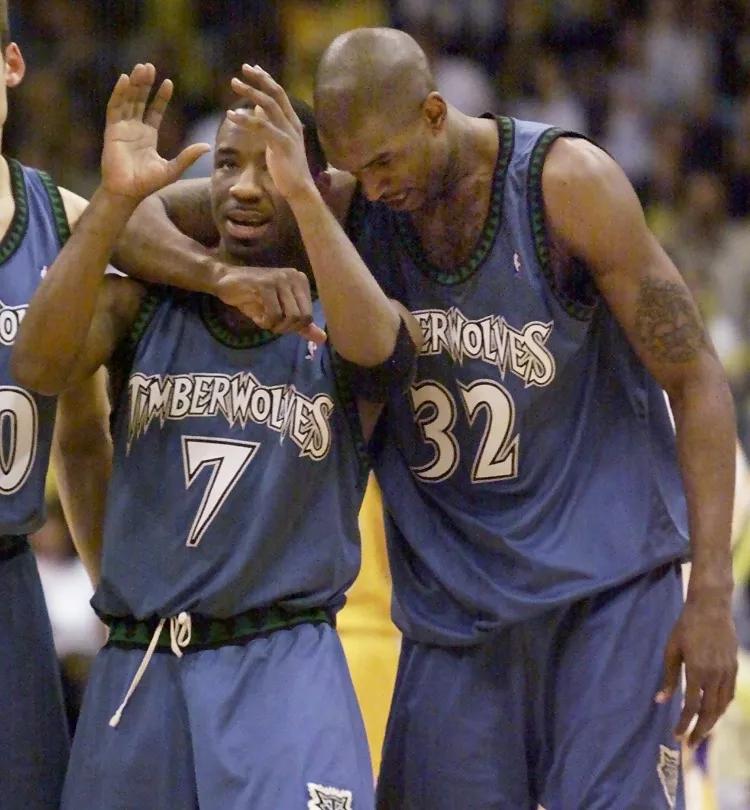
This situation easily brings to mind the infamous "illegal contract" case involving the Minnesota Timberwolves. The Timberwolves gave Joe Smith, then in his prime, three consecutive minimum contracts, promising behind the scenes that after those three years, when they had his full Bird rights, they would offer him a big deal. By keeping Smith on a minimum salary, Minnesota saved cap space to continue strengthening the roster.
The problem arose when Smith changed agents. His former agent, feeling resentful, handed the written illegal contract agreement to the league. The NBA found clear evidence and heavily penalized the Timberwolves.
Such circumvention of the salary cap has always been strictly prohibited by the league, but many teams have quietly done it. Many overpriced contracts and highly cost-effective deals are the result of these practices. However, as long as it's not exposed, the league tends to turn a blind eye.
The case of Kawhi Leonard being investigated by the league also involves salary cap circumvention, though the Clippers' issue pertains to under-the-table benefits—providing players with compensation beyond what their contracts or the salary cap allow. This investigation has been ongoing for nearly a year without a conclusion, and even Leonard's trade to Toronto was paused.
When James Harden took a pay cut to re-sign with the 76ers, subsequent reports indicated that Philadelphia promised him a max contract the following year. However, when the time came, the 76ers reneged, leading Harden to request a trade to the Clippers. Instances of breaking such gentleman's agreements are rare; it’s fair to say that the 76ers' general manager lacked integrity.
From this perspective, the Bucks can be seen as "keeping their word." After Trent took minimum deals for two years and gained early Bird rights, they gave him a four-year, $64 million contract. Of course, this deal is not an overpay for Trent, and his numbers might even improve next season.
However, the league should likely patch these loopholes soon. If mid-tier teams using such tactics is one thing, but if top contenders like the Spurs or Thunder do the same, it would create chaos.


Wonderfulshortvideo
Maxey ➡️ LeBron for the slam ‼️


Hali knocks it down near the logo 🔥
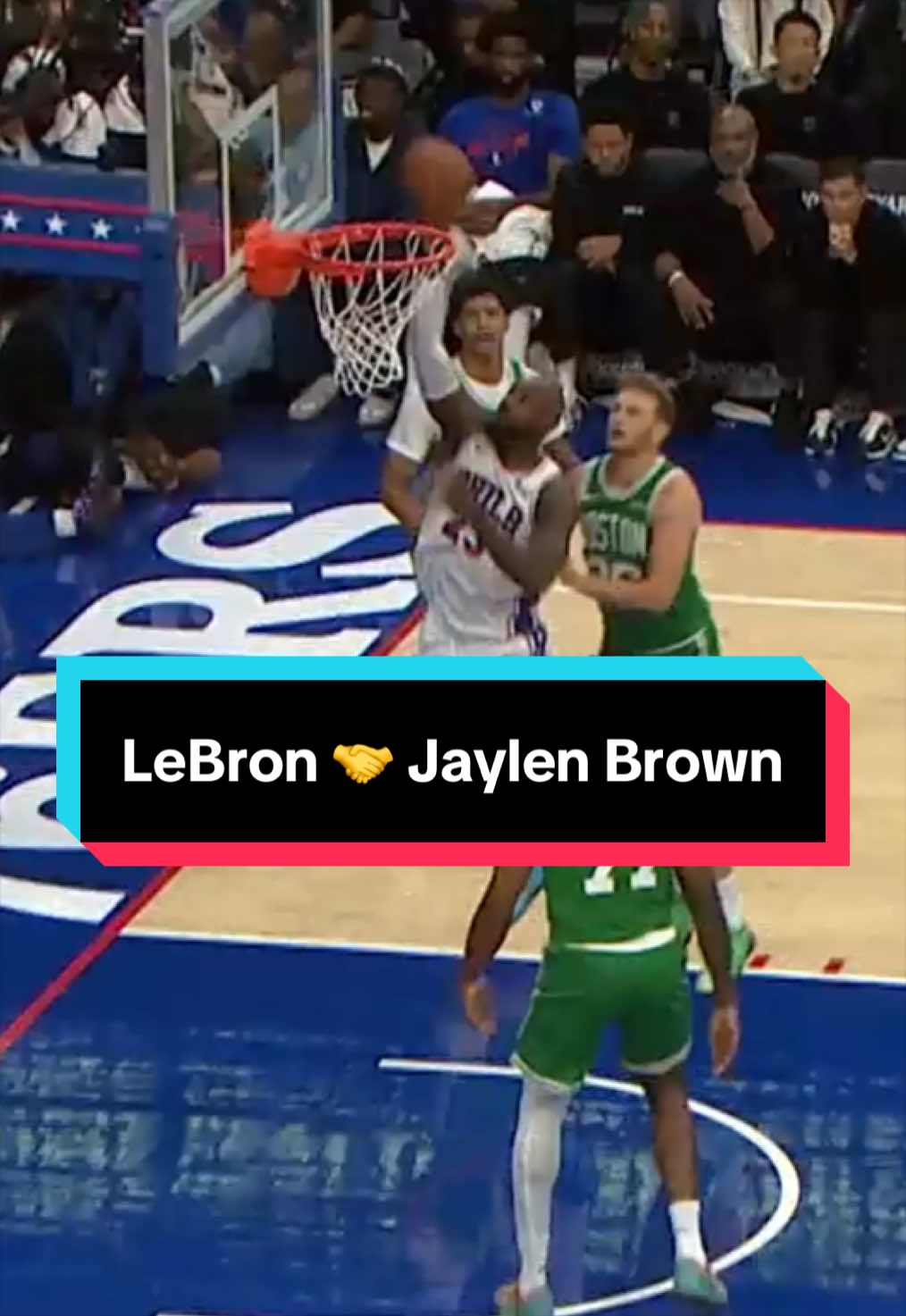
LeBron and Jaylen out here making plays 😮💨
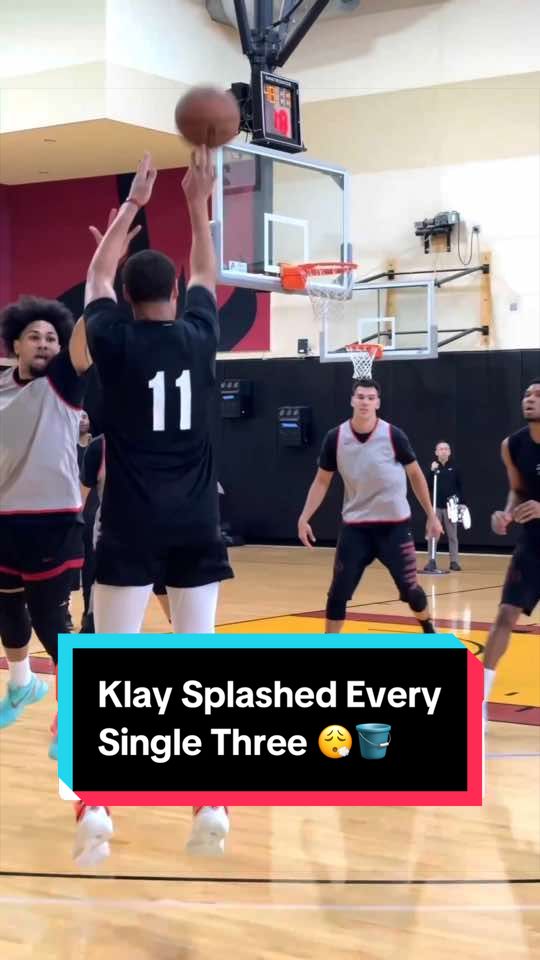
Klay was testing out the nets in South Beach at practice 🔥
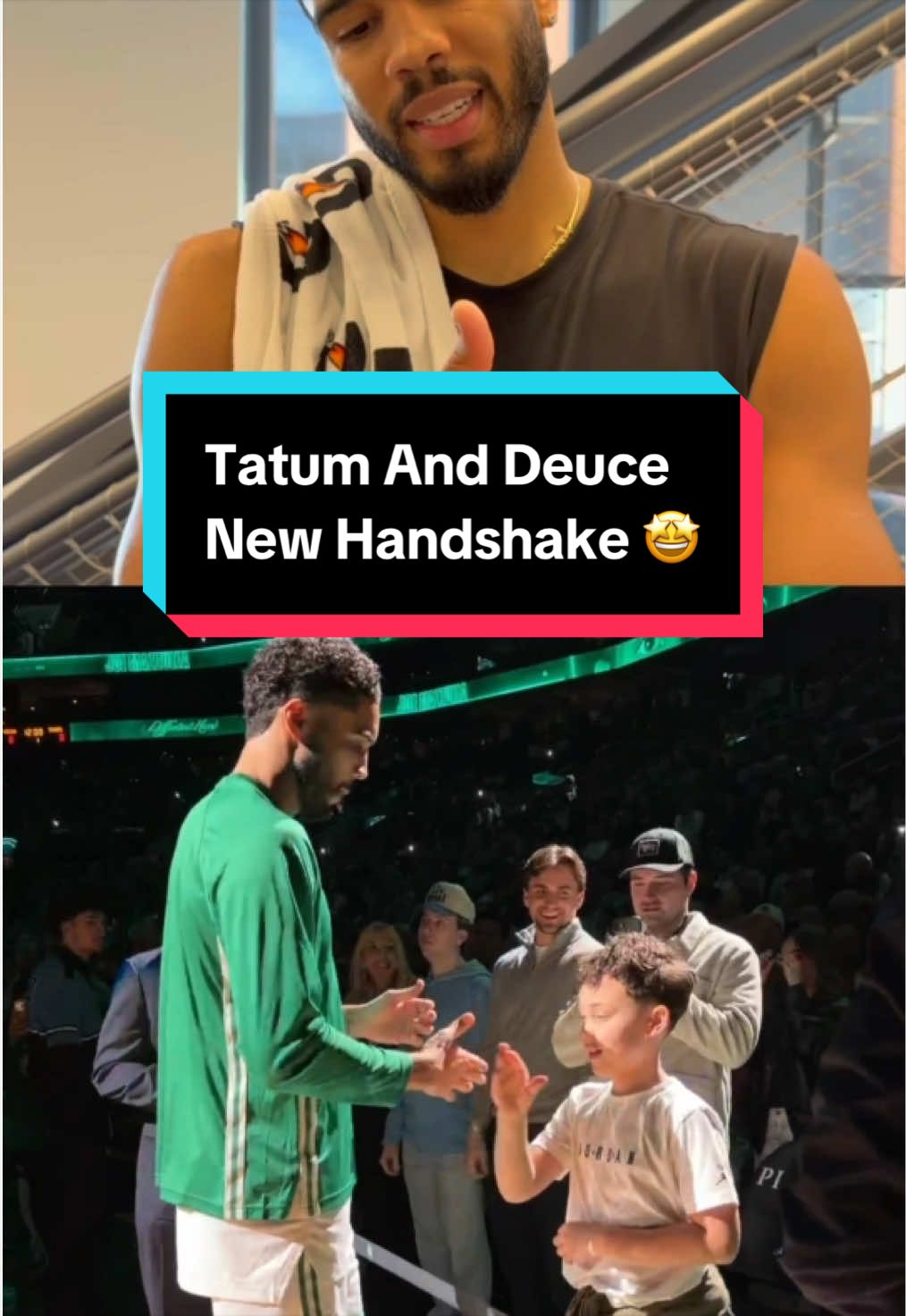
“It’s preseason for everybody. I remember I went through the starting five, and I was like I’m forgetting something…” 🤔 Tatum tuned up his pregame ritual with Deuce this preseason 🤝☘️
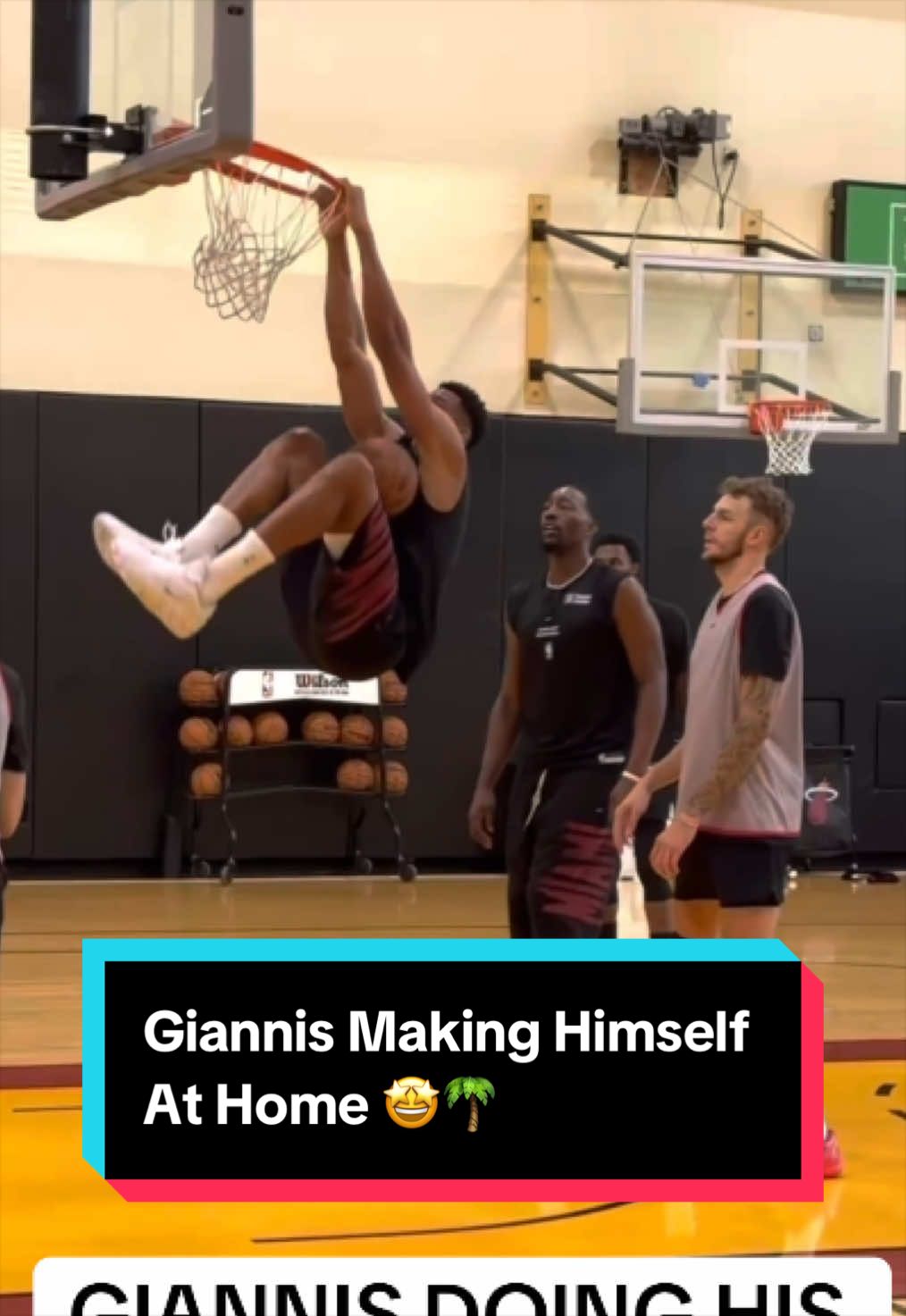
Get a behind-the-scenes look at Giannis at Heat practice! 🔥🤩
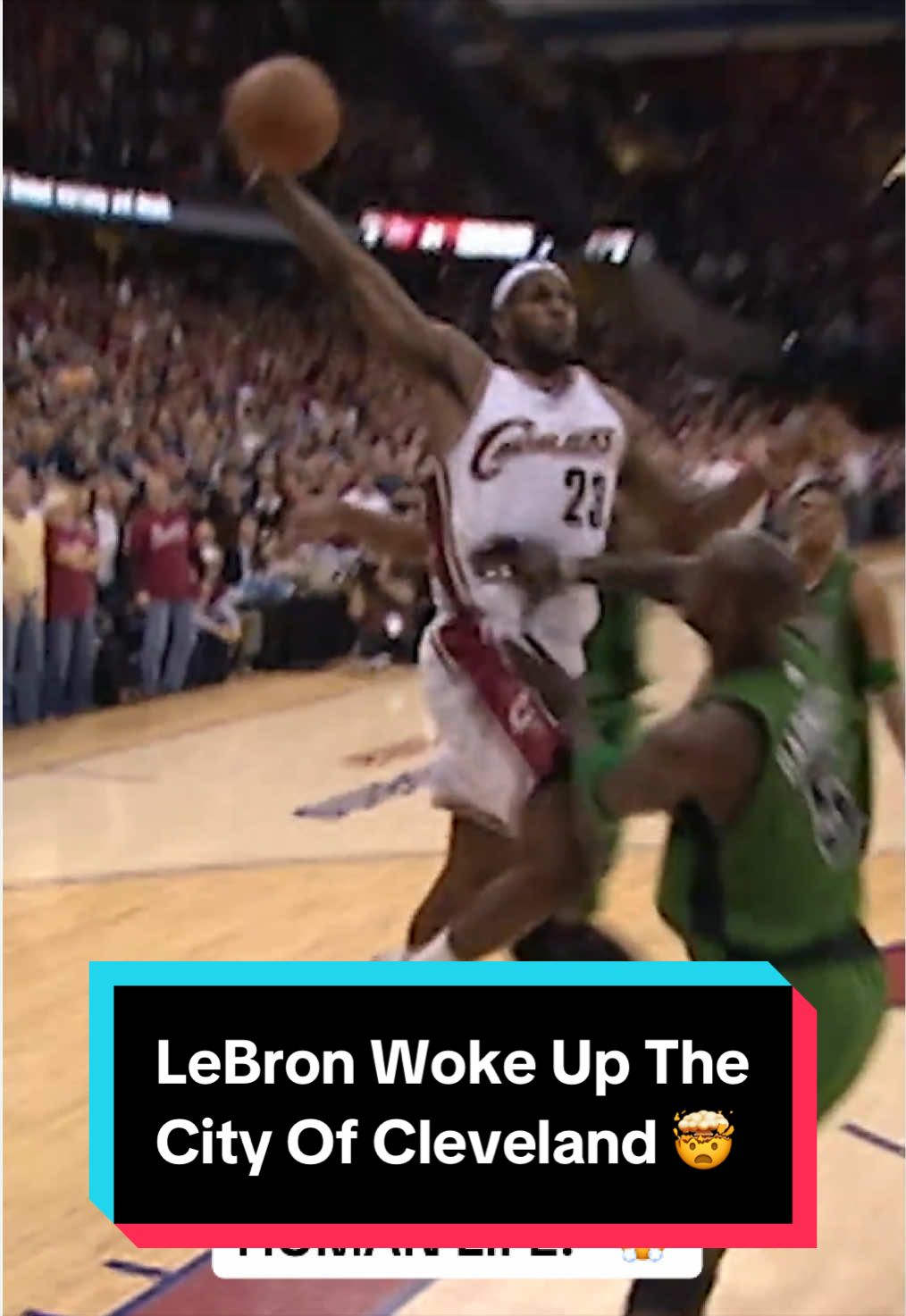
“With no regard for human life!”🫨 In Game 4 of the 2008 Eastern Conference Semifinals, LeBron threw down an unforgettable dunk 🤯
 Links
Links
 Contact
 App
App


