



$500 Million! The Battle for LeBron James: Five Cities Hope the Chosen One Boosts Their Local Economies


On July 17, Beijing time, Fortune magazine analyzed LeBron James's Decision 4.0, with the headline: The $500 Million LeBron James Sweepstakes: Five Cities Vie for the Chosen One, Banking on Him to Revitalize Their Local Economies. Here is the full article—
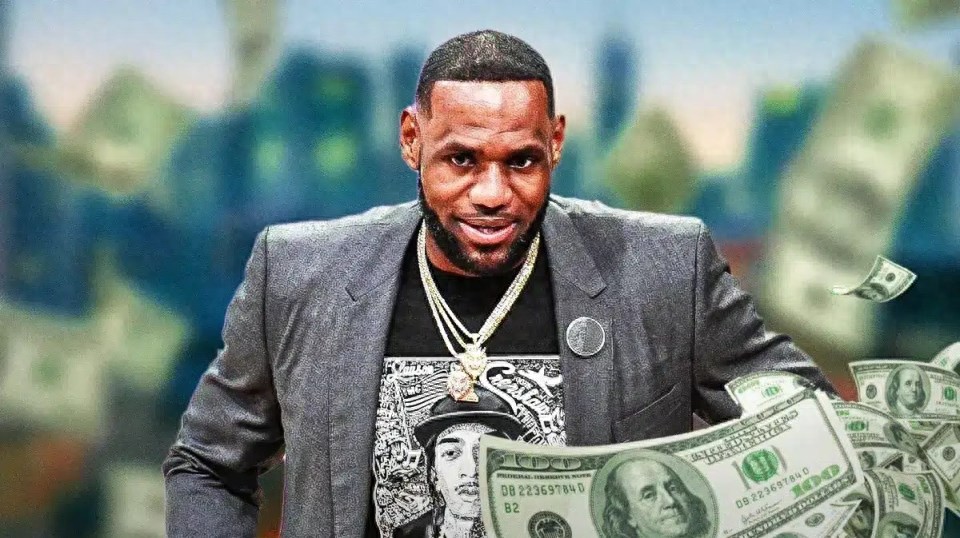
LeBron James is long accustomed to this kind of spectacle. It has been 16 years since the highly controversial "Decision," when he announced on a prime-time television special where he would be taking his talents—to South Beach. Now, this veteran basketball superstar of the millennial generation is once again captivating the nation's attention. At 41, James is about to enter his 24th NBA season, and teams from five different cities have publicly expressed interest in signing him. Regardless of where he ends up, it is certain to bring substantial economic benefits to that city.
The Bay Area, Minneapolis, Philadelphia, Miami, and Cleveland have emerged from the pack of contenders, all vying for the opportunity to sign "The King." Aside from the billions in economic windfall, the chance to compete for an NBA championship is equally crucial.
A 2018 study by the American Enterprise Institute showed that wherever LeBron James goes, the macroeconomic impact rivals the frenzy generated by Taylor Swift. The institute noted a "statistically and economically significant positive spillover effect" on the economy within a one-mile radius of the arena where James played.
Researchers found that within one mile of LeBron's home arena, revenue from services like dining increased by 13%, and employment in related industries surged by 23.5%.
Throughout his illustrious career, James has played for three teams: the Cleveland Cavaliers, not far from his hometown of Akron, Ohio; the Miami Heat; and most recently, the Los Angeles Lakers. According to sources, both Cleveland and Miami are hoping to welcome James back; Philadelphia, Minneapolis, and San Francisco have also strongly entered the race as formidable contenders.
Each team has its on-court appeal: the Golden State Warriors boast Stephen Curry, a former rival and now close friend; the Minnesota Timberwolves have Olympic teammate Anthony Edwards; and the Philadelphia 76ers possess a strong core, further strengthened by a recent trade that brought Jaylen Brown from the Boston Celtics.
A look at the value LeBron James has created for the cities he has called home explains why so many teams are chasing this veteran who has been in the professional league for nearly 25 years.
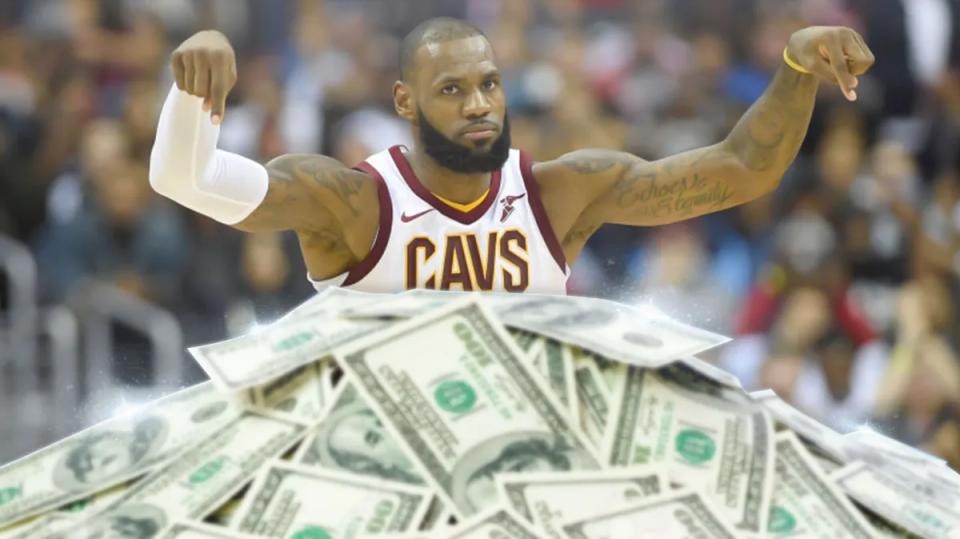
LeBron Signs More Than a Contract—He Revitalizes a Franchise
LeBron's superstar effect is most evident in Cleveland. As a small-market team, having a global sports icon generated millions in economic value for the region.
According to data from market research firm Statista,before the Cavaliers selected the future four-time MVP in 2003, the team was valued at $222 million. During James's tenure, the team's valuation steadily climbed, peaking at $477 million in 2009—an increase of nearly 115%, making it the fifth-highest-valued team in the NBA at the time. After he left, the team's valuation fell by nearly 25%, dropping to $355 million.
When James joined the Heat after the 2010 season, the team's revenue skyrocketed from $188 million to $364 million, a 112% increase, marking the largest four-year valuation growth in Heat franchise history up to that point.
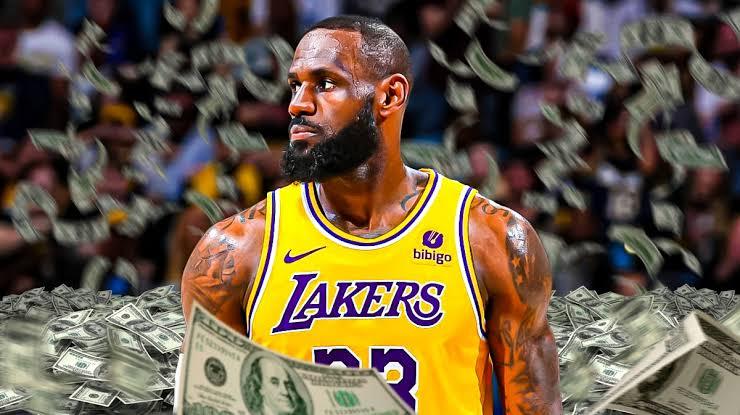
LeBron's third major decision came after his second stint with the Cavaliers, when he announced he would take his talents to Los Angeles.In his five years with the Lakers, he generated over $500 million in revenue for the team while driving the franchise's valuation from $3.7 billion to $10 billion.
A study by Formswift estimated that in 2018, LeBron was expected to bring nearly $400 million in total local economic impact to Los Angeles and generate nearly $30 million in state tax revenue for California.
The periods when LeBron joined various teams coincided with an unprecedented boom in NBA commercial scale, leading to substantial increases in franchise valuations.
Of course, such growth cannot be solely attributed to LeBron. Since the early 2010s, team valuations across the league have generally risen: teams have signed larger national broadcast contracts, global fan bases have continued to expand, lucrative sponsorship deals have been reached, and a wave of institutional investors has entered the league.
Previous media rights agreements broadened the NBA's revenue streams, including the 9-year, $24 billion broadcast deal with ESPN and Turner Sports that took effect in the 2016-17 season. Such contracts significantly raised the salary cap and set a new benchmark for league expansion.
The NBA's current 11-year, $76 billion national media rights deal, set to start in the 2025-26 season, is expected to further accelerate the league's value growth.
But it is clear that LeBron has played a vital role in helping secure broadcast contracts and expanding the global audience. Every team he has played for has seen historic growth in valuation.
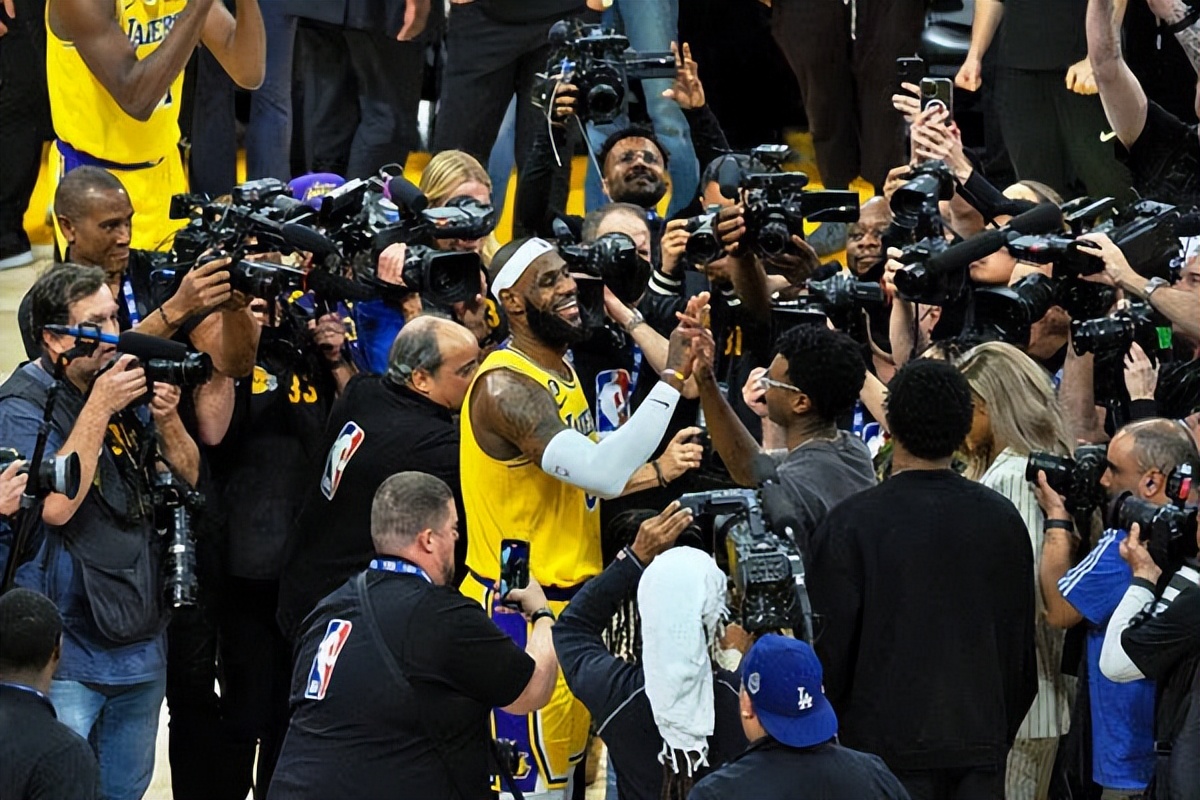
ESPN reports also show that whenever a team has acquired this superstar, home game attendance has increased, with every team he has played for experiencing a rise in ticket sales.
LeBron's next move will also influence his long-term plans after retirement. He has repeatedly stated over the years that he wants to follow in Michael Jordan's footsteps, transitioning from NBA star to team owner.
This long-term goal means he hopes to establish a deep partnership with his next team, wielding influence similar to what Jordan had later with the Charlotte Hornets, ideally securing an ownership stake in the team after his playing career ends. The NBA is currently exploring domestic expansion in the U.S., as well as the possibility of forming a European NBA league, with options including independent operation or merging with the existing EuroLeague. However, current NBA rules do not allow active players to hold team shares.


Wonderfulshortvideo

Steve Nash really could do it all 🤩


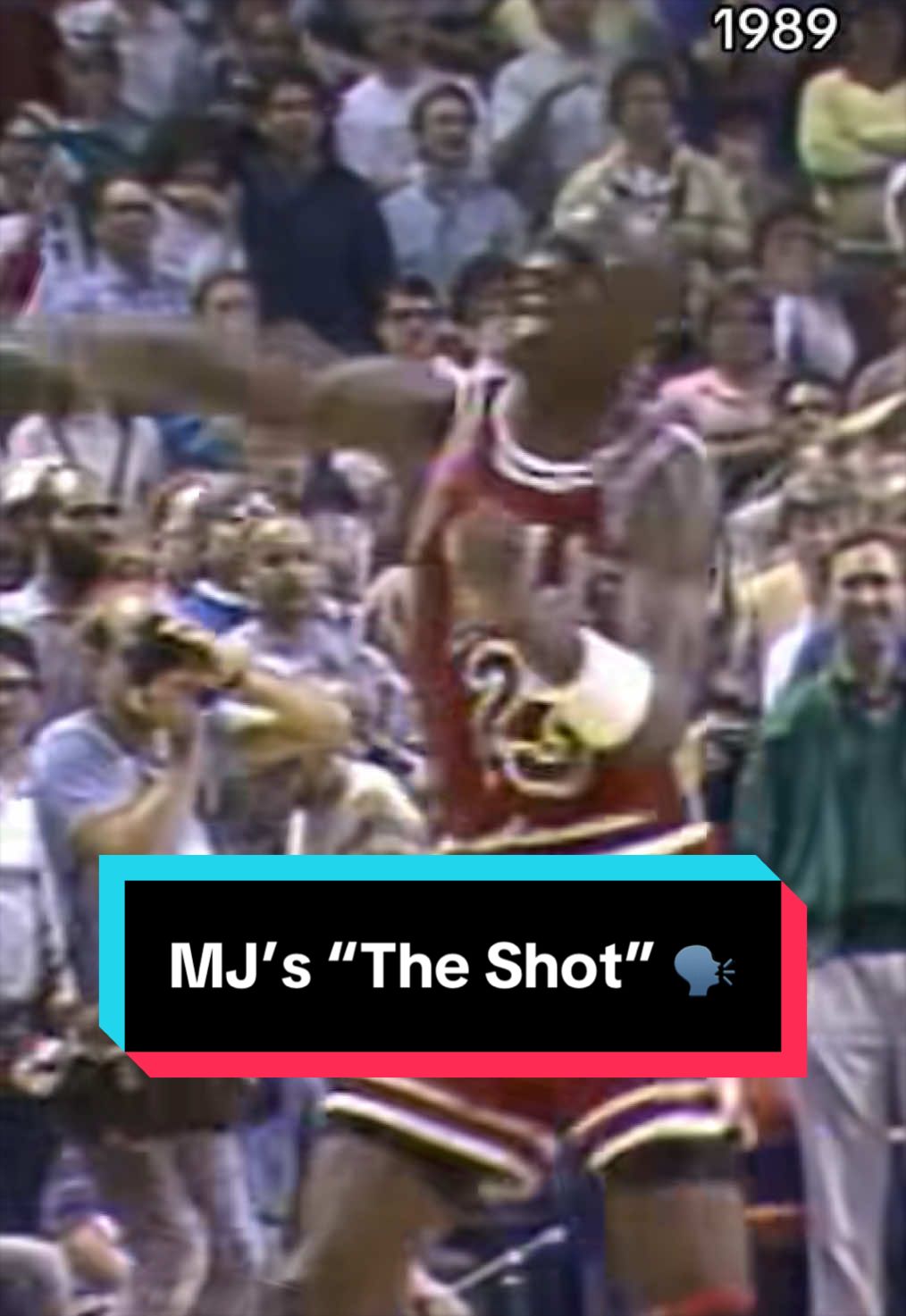
On May 7, 1989, Michael Jordan delivered one of the most legendary moments of his career ⭐
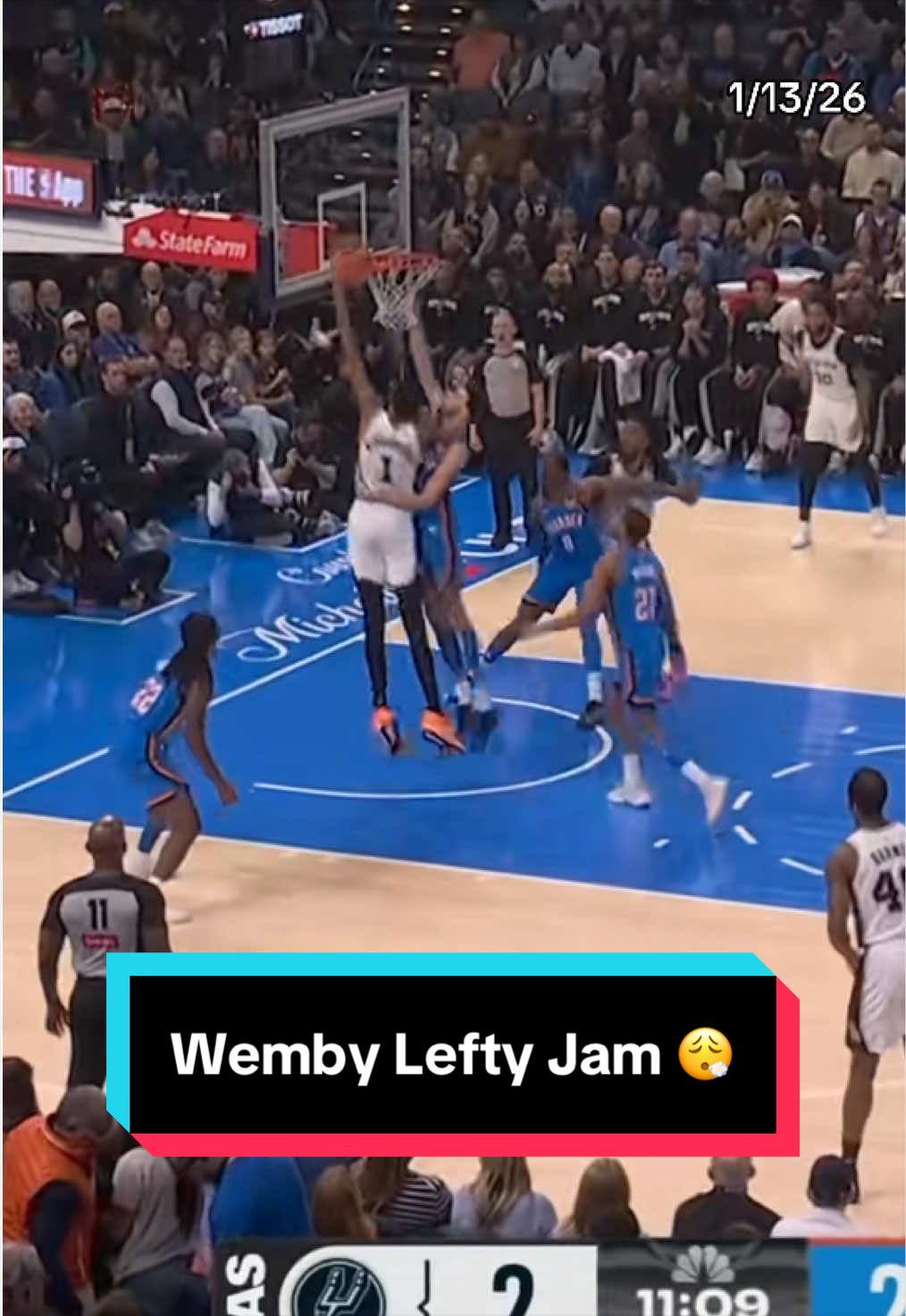
Wemby made it look easy 👀
This NBA season is going to be a fun one 😮💨
Steph couldn’t even keep a straight face after 🤣
Jayson Tatum made sure Deuce got it right 😂😤
Every
 Links
Links
 Contact
 App
App


