



Yang Hansen's main arena is likely still the G League.



Surprisingly, Yang Hansen still played in the last Summer League game, and it was a back-to-back as well. On the bright side, he was no longer slow to get going, putting up 2 points, 3 rebounds, and 3 assists early on. On the downside, his energy faded, and he struggled throughout the remainder of the match.
It's understandable that Yang Hansen's stamina dropped today. Even without considering his travel fatigue and recent illness, he played a team-high 26 minutes yesterday and then had to play on a back-to-back today, which was a significant challenge for his endurance.
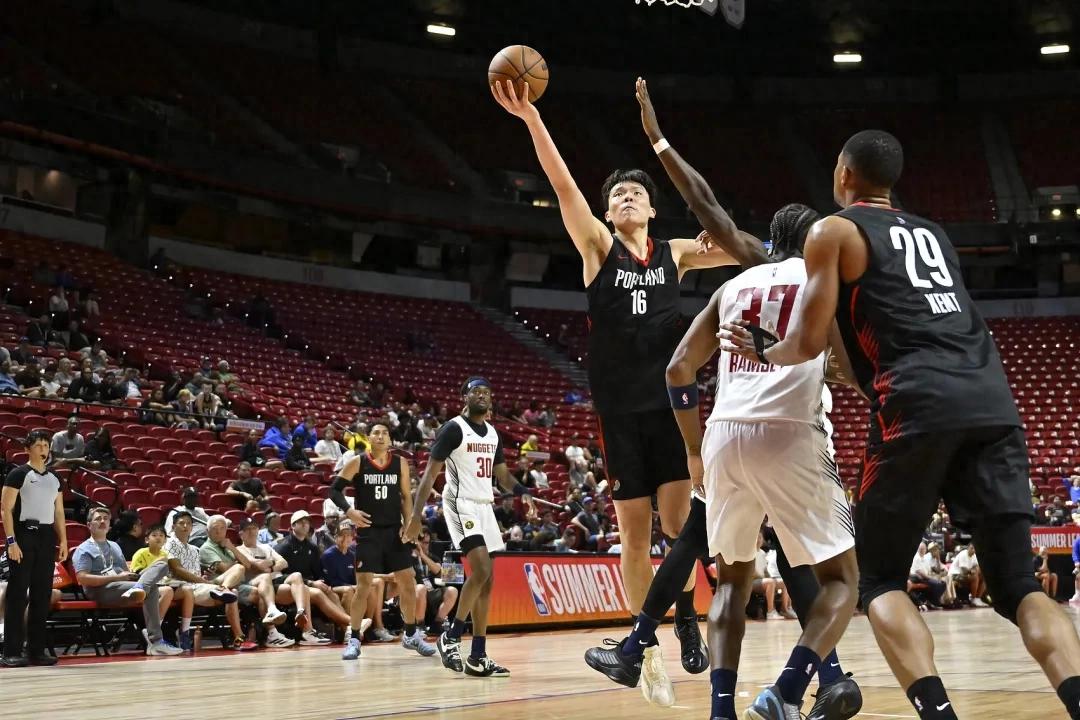
After his stamina declined, the most noticeable issue was his touch around the rim. Shots that he could easily finish in the previous two days were all missed today. There was even a play where he got past his defender but was blocked from behind by Orlando Robinson. Robinson, who Yang Hansen faced today, was the strongest interior opponent he encountered in the Summer League, a dominant force in the G League and nearly an NBA rotational player.
Yang Hansen had his worst game among the four Summer League outings, though that's relative to his previous three performances. It's not that he played terribly today—he logged 24 minutes, shooting 3-of-8 for 9 points, 10 rebounds, 3 assists, 2 blocks, and 5 turnovers, along with 1-of-3 from three-point range. He has now made a three-pointer in two consecutive games.
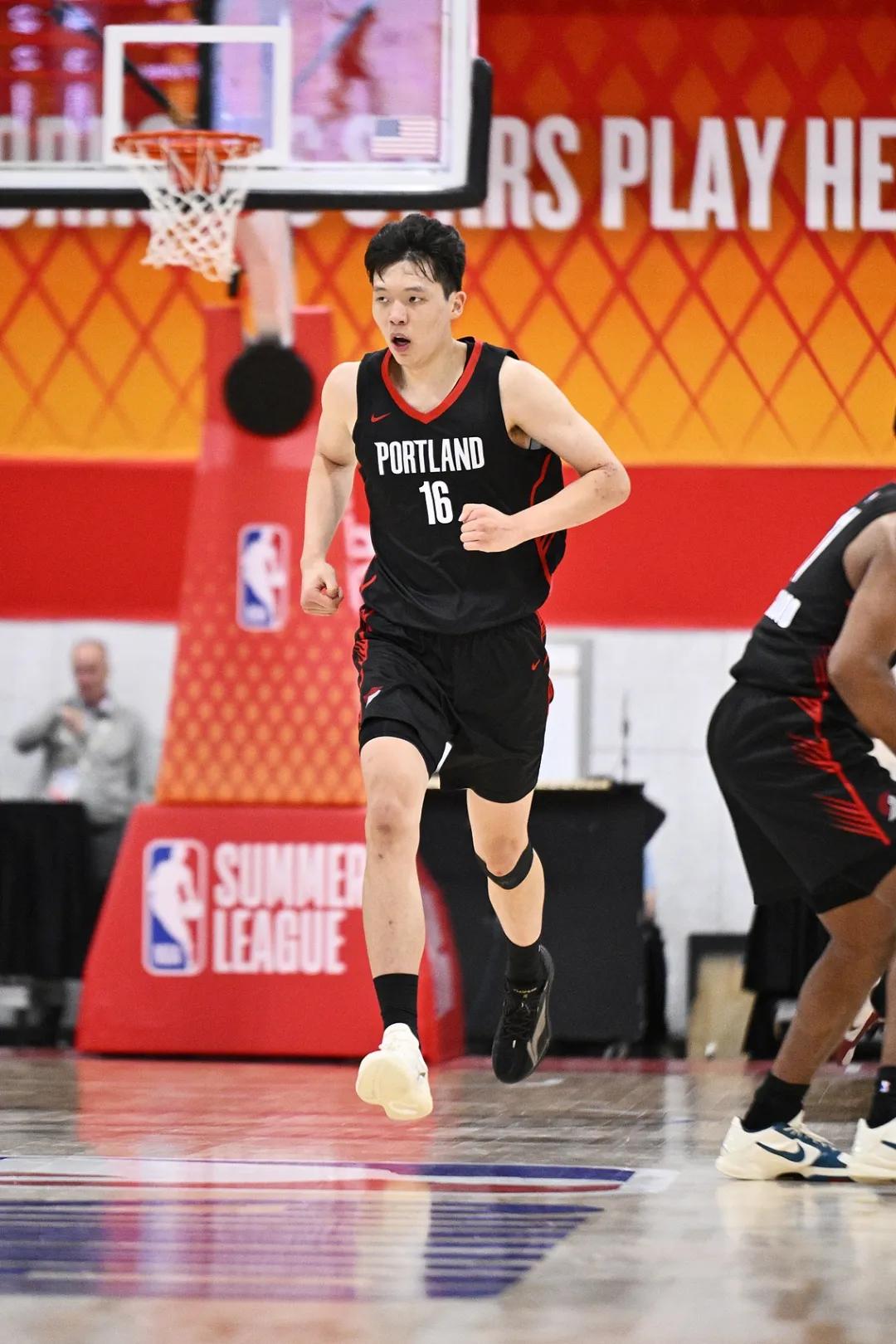
Five turnovers is a bit high. Over the past two Summer Leagues, his turnover control has been an issue, but today it was actually just four, as one offensive foul was completely unjustified. Yang Hansen often gets called for consecutive offensive fouls. The first one was indeed due to using his elbow to clear space, but the second time, he barely made contact with the opponent, and his movements were within legal bounds. The referee, however, blew the whistle for an offensive foul just because the defender fell to the ground.
In last year's Summer League, Yang Hansen averaged 10.8 points, 5.3 rebounds, 3.8 assists, 0.5 steals, 2.3 blocks, and 3.8 turnovers per game. At the time, it brought a sense of surprise and anticipation. Fans saw his potential, but ultimately, he didn't get more opportunities in his rookie season.
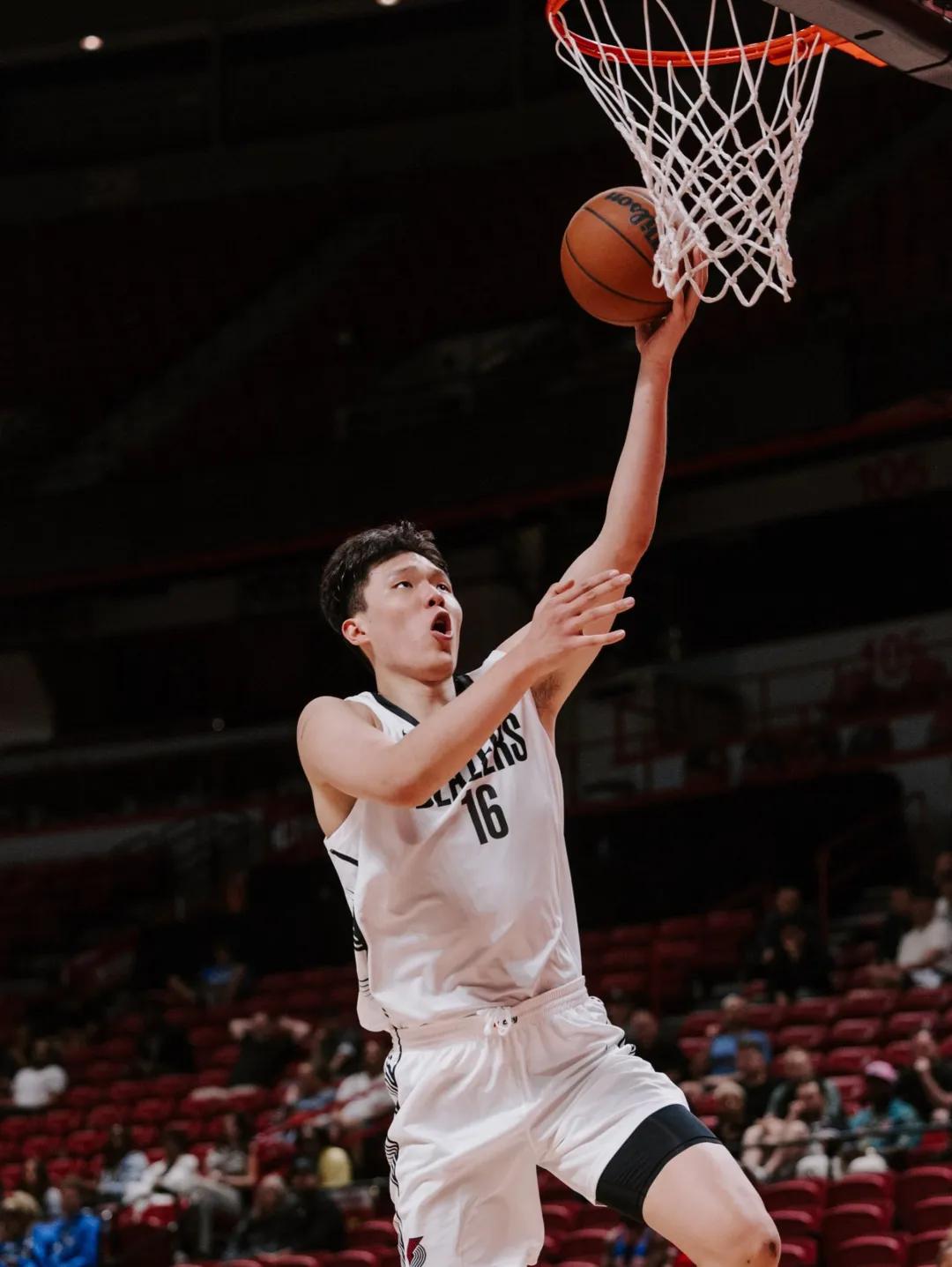
In this year's four Summer League games, Yang Hansen averaged 13 points, 8.5 rebounds, 3.8 assists, and 1.5 blocks per game, with shooting percentages of 56.8% from the field and 44.4% from three-point range. Both his on-court performance and stats have improved, which is to be expected.
As mentioned earlier, Yang Hansen's biggest improvement has been in his stamina and speed. His weight loss has been effective—his abdominal muscles are now clearly visible, and he looks leaner and stronger. This has led to an increase in his pace, and several face-up drives have allowed him to blow past defenders with speed, which is truly impressive.
However, these improvements may not be enough to secure Yang Hansen a stable spot in the Trail Blazers' rotation. His defense remains a significant issue. His drop-coverage style often makes him a target for smaller guards, and he still needs to strengthen his lower body. Some rebounds are still lost in disappointing ways.
But the biggest obstacle to Yang Hansen entering the rotation is his playing style. In the Summer League, the Trail Blazers gave him unlimited freedom with the ball—he could initiate plays or score on his own. Today, he even dribbled the ball from the backcourt to the frontcourt to start an offense, reminiscent of Nikola Jokić's style.
Most of the time, Yang Hansen stands at the top of the arc directing his teammates' movements and running hand-off plays with guards, maximizing his passing ability and court vision. Last season in the G League, he played a similar role and felt comfortable.
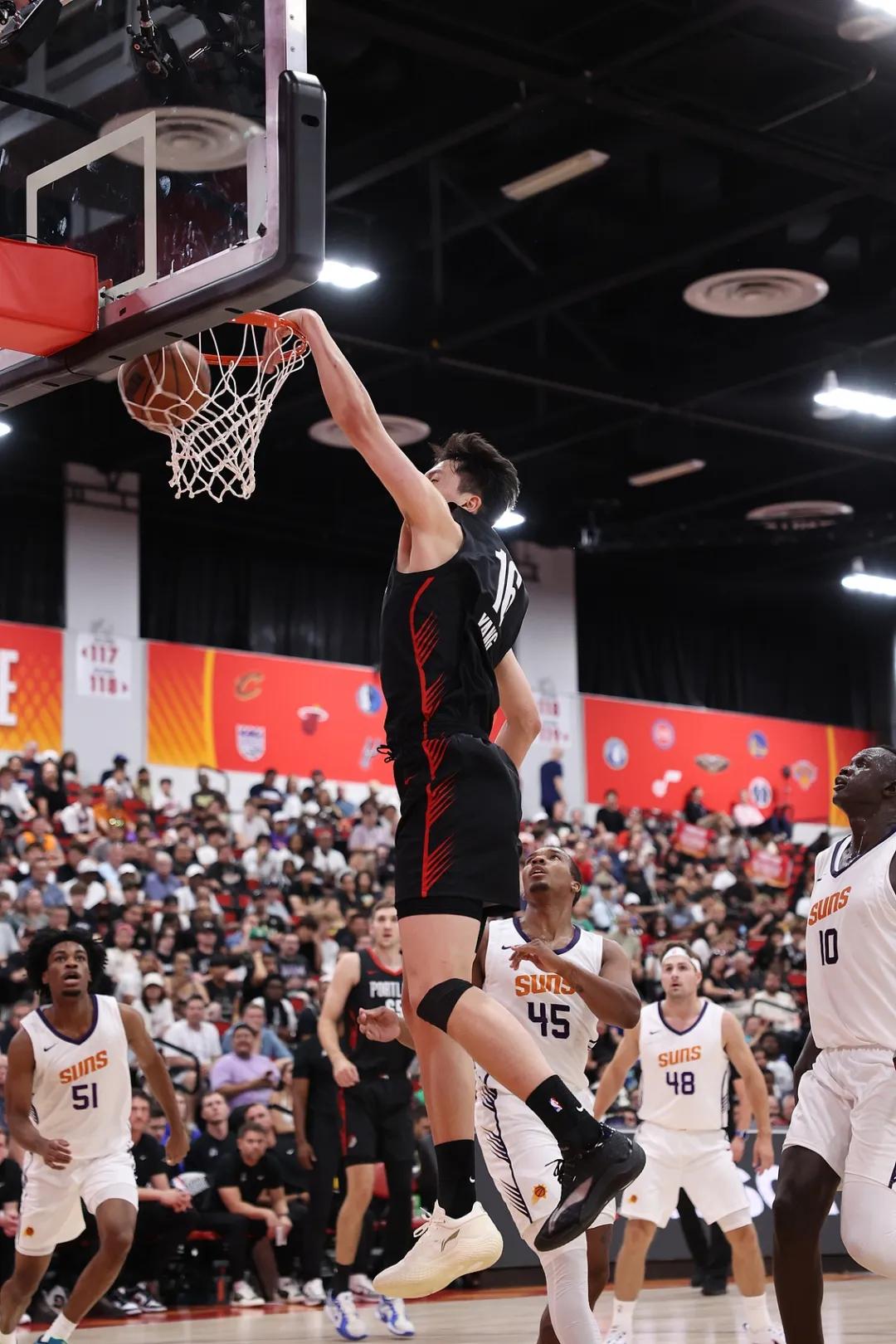
But on an NBA court, Yang Hansen's role is that of a backup center, coming in to relieve Robert Williams III or Donovan Clingan for a few minutes. The Trail Blazers don't need his playmaking ability, nor will they give him such a dominant offensive role. They just need him to grab rebounds and play defense—and unfortunately, both of those are his weaknesses. That's why he can't crack the rotation.
Next season, the Trail Blazers will still have Clingan and Williams as their center tandem. Yang Hansen is currently the third-string center, and there are two stretch bigs behind him waiting to take his minutes. If he's not careful, even his spot as the third center could be in jeopardy.
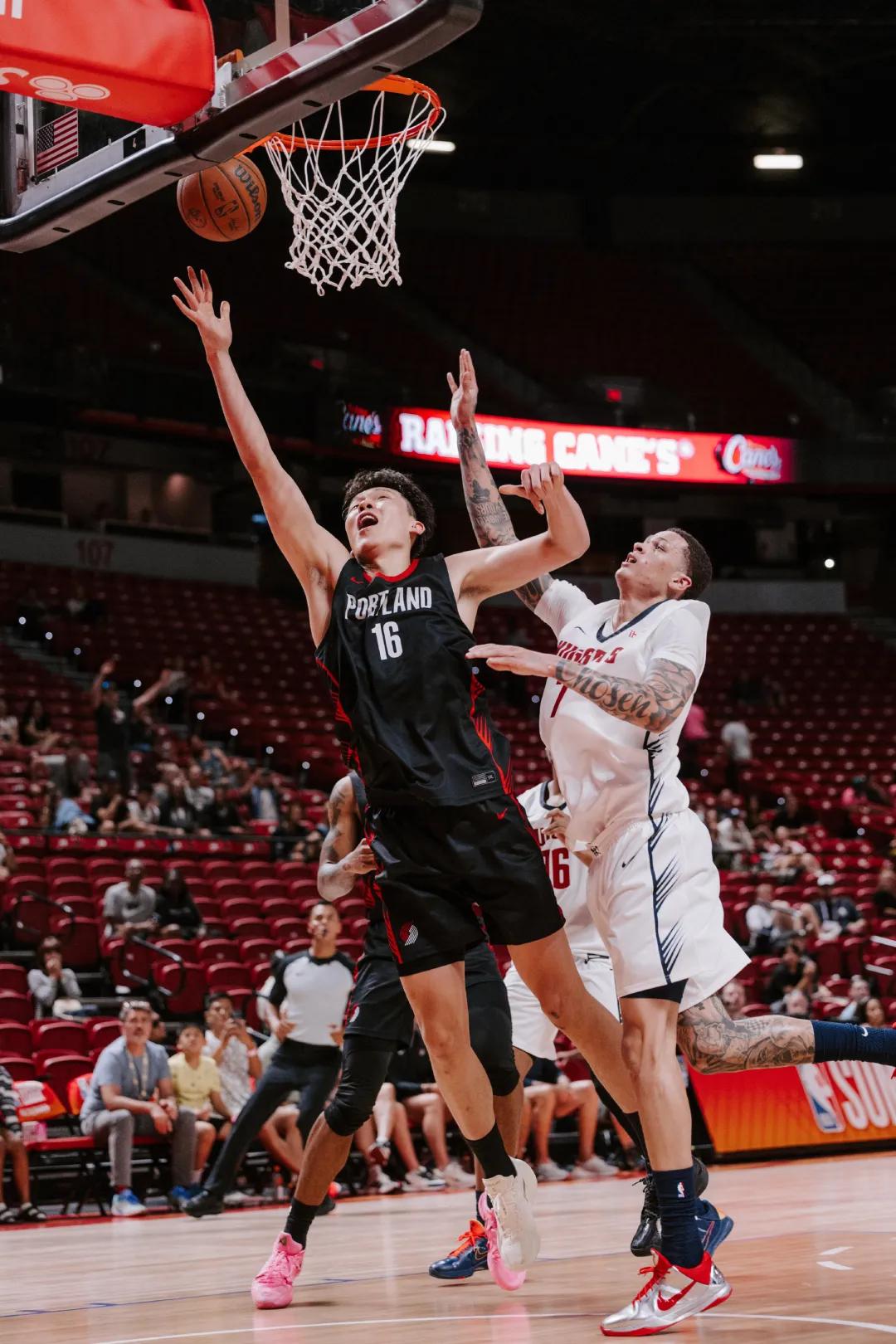
Therefore, it's highly likely that Yang Hansen will spend next season developing in the G League, where he can continue to have offensive freedom. This might not be a bad thing for him—giving him just a few minutes per game in the NBA to run back and forth would have little practical value.
Fans should remain patient with Yang Hansen. The Trail Blazers drafted him as a lottery ticket, and the process of scratching it off will take time. The team won't easily give up on their 16th pick. Over the past year, we've indeed seen Yang Hansen's progress, and everything is moving in the right direction.
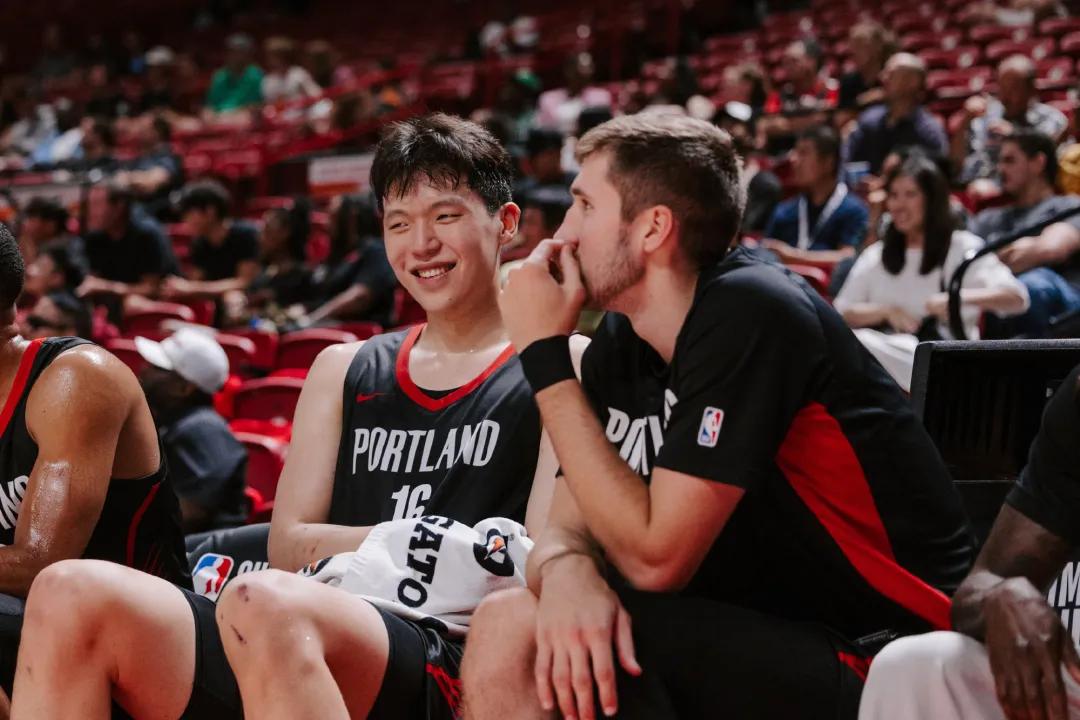
Next, Yang Hansen will enjoy valuable rest time during the offseason before returning to national team training. There are two World Cup qualifiers at the end of August. What I most want to see is Yang Hansen getting more opportunities to create offense with the ball—he deserves more touches.


Wonderfulshortvideo

Steve Nash really could do it all 🤩


On May 7, 1989, Michael Jordan delivered one of the most legendary moments of his career ⭐
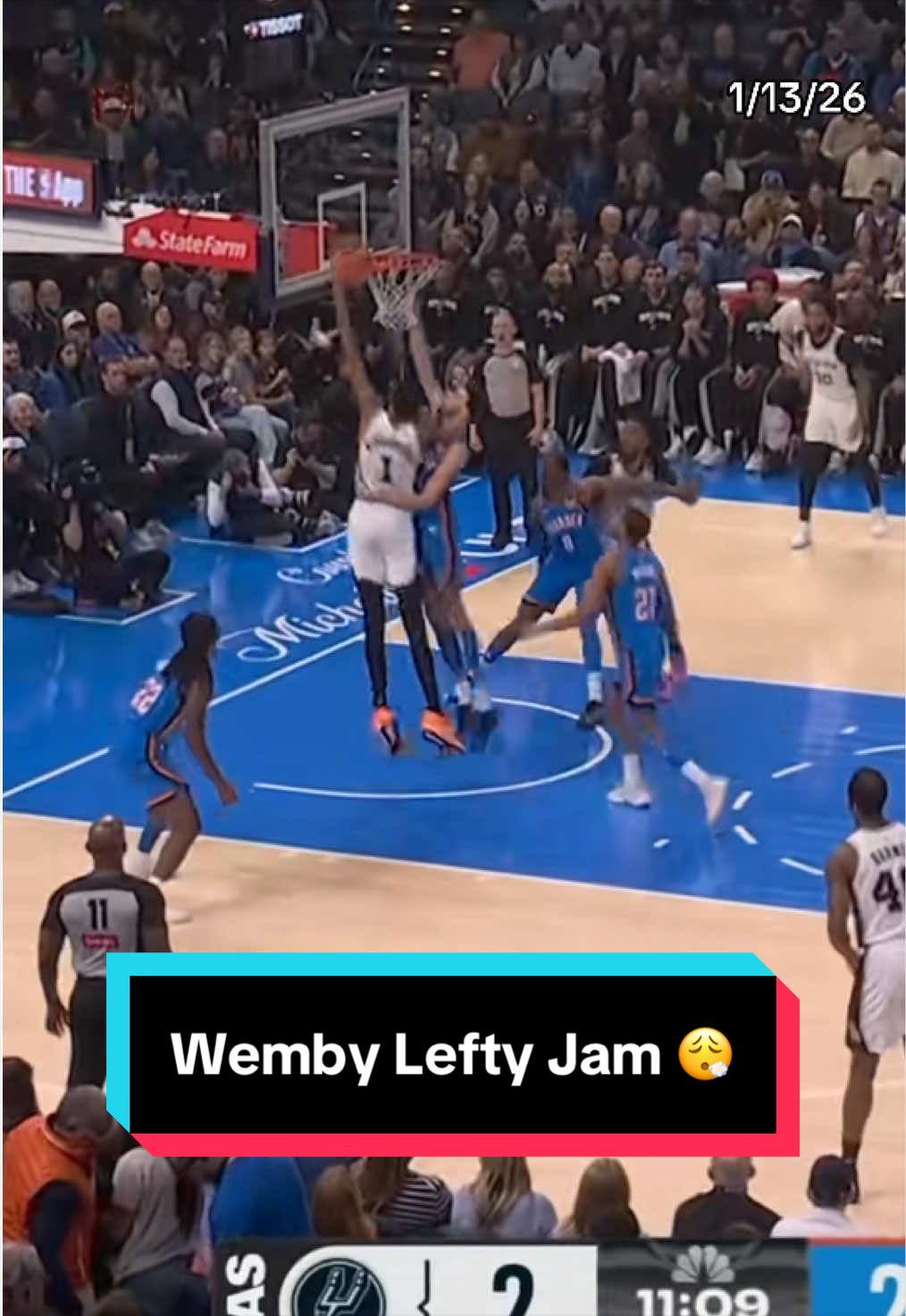
Wemby made it look easy 👀
This NBA season is going to be a fun one 😮💨
Steph couldn’t even keep a straight face after 🤣
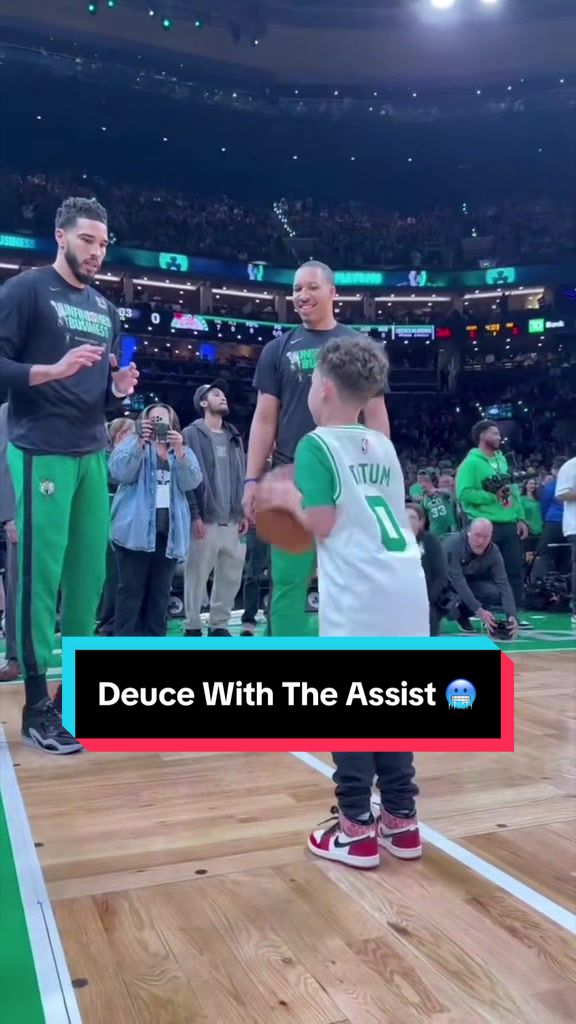
Jayson Tatum made sure Deuce got it right 😂😤
Every
 Links
Links
 Contact
 App
App


