



Tanks often get blamed in solo queue, but playing them well comes down to three key standards—many players don't even know how to judge who moves first and who reacts.


Like and subscribe, and you won't miss any gameplay!
Hi everyone, I'm Game Xiaodi.
We've now reached Season S45, but I've noticed that many players still don't fully understand what tanks really do. A lot of people think playing tank is just being a scoring tool or a scapegoat, but there's actually a lot more to mastering a tank—absorbing damage, providing vision, engaging fights, and more. Let's talk about that today.
Three hard standards
Judging who moves first and who reacts: Generally, when you're the only tank on the team, opening up vision and playing counter-engage is often much better than proactively starting fights. The reason isn't hard to figure out—carries are squishy, so they have too many things to worry about before joining a fight. Especially when the enemy has a strong dive composition, the carry often can't follow up if the tank engages. In that situation, you end up being isolated and abandoned. But if you play reactively, the results are obviously much better—the carry won't be too far away, can deal damage safely, and other teammates can also help peel.
Give timely signals. Most players aren't queueing with friends; they're in solo queue, where there's no natural coordination. So communication matters a lot. Before you want to start a fight, send an attack signal in advance so teammates can mentally prepare and chain their skills together—then the engage is much more likely to succeed. Also, sometimes after wiping the enemy team, you want to push towers quickly but there's no minion wave. In that case, the tank can actually tank the tower shots for a bit, but you definitely need to communicate that, or teammates won't know the plan and might just walk away.
Don't blindly absorb damage. Many tanks think that just standing in the front and tanking damage is good enough, but only effective damage absorption is truly valuable. Why? Say there's a marksman who isn't that skilled and loves to overextend. If you go along with that marksman, the result is usually a double kill for the enemy—that's ineffective tanking. What's worth taking damage for is protecting the core heroes on your team. Some players simply aren't worth babysitting.
Different lineups, different playstyles
Of course, the standards above aren't some universal formula. When the lineup changes, your playstyle has to adjust too—that's the beauty of Honor of Kings.
For example, if your team lacks engage, the tank needs to be the one to initiate. You have to actively look for opportunities. Usually, you'd pick a first-move hero like Lian Po or Bai Qi—their ultimates are the engage signal. Find the moment the enemy carry steps too far forward and go in immediately. But before making a move, don't forget to glance at the mini-map to check teammates' positions and status. Only act when everyone is ready.
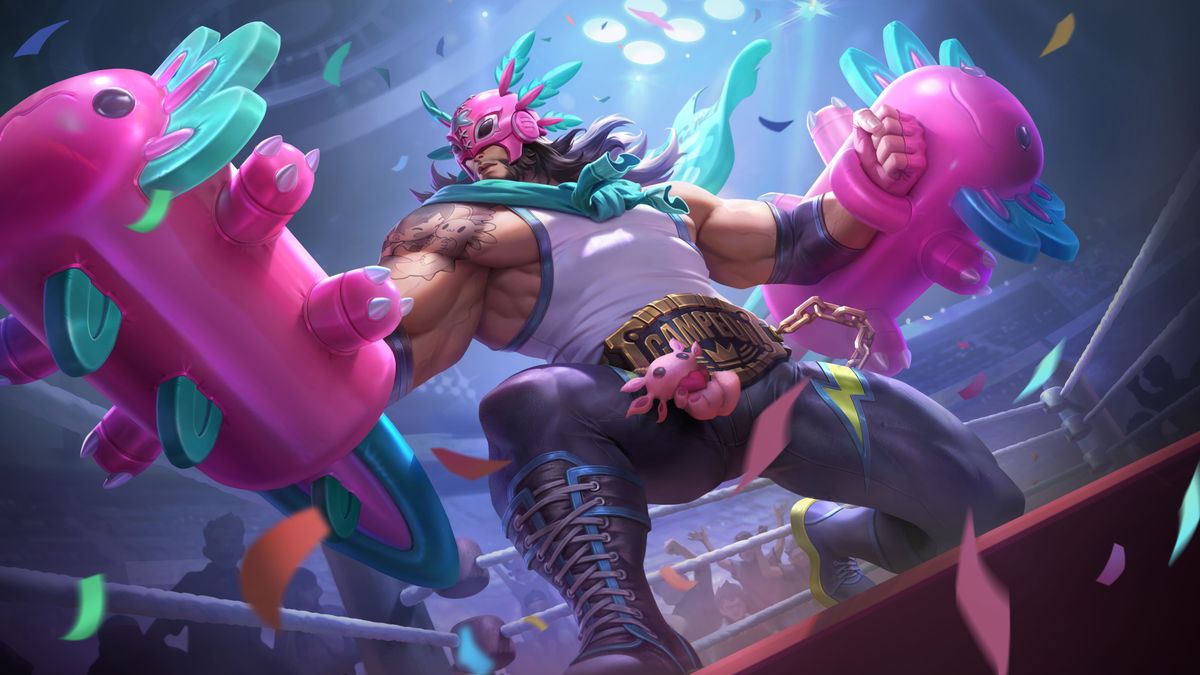
If your team already has a strong engage point—say the jungler or warrior has a first-move skill—then the tank's core role shifts to protecting the carry. In that case, save all your skills for the assassin who dives in, letting the carry safely dish out damage.
In another example, when you're ahead, the tank should push vision and force fights, controlling the river and pit entrances to pressure the enemy into fighting, turning your advantage into a win as much as possible. When you're behind, the tank shouldn't position too far forward, to avoid becoming an easy target for the enemy. Of course, you should still look for opportunities to catch the enemy carry and potentially turn the game around in one fight.
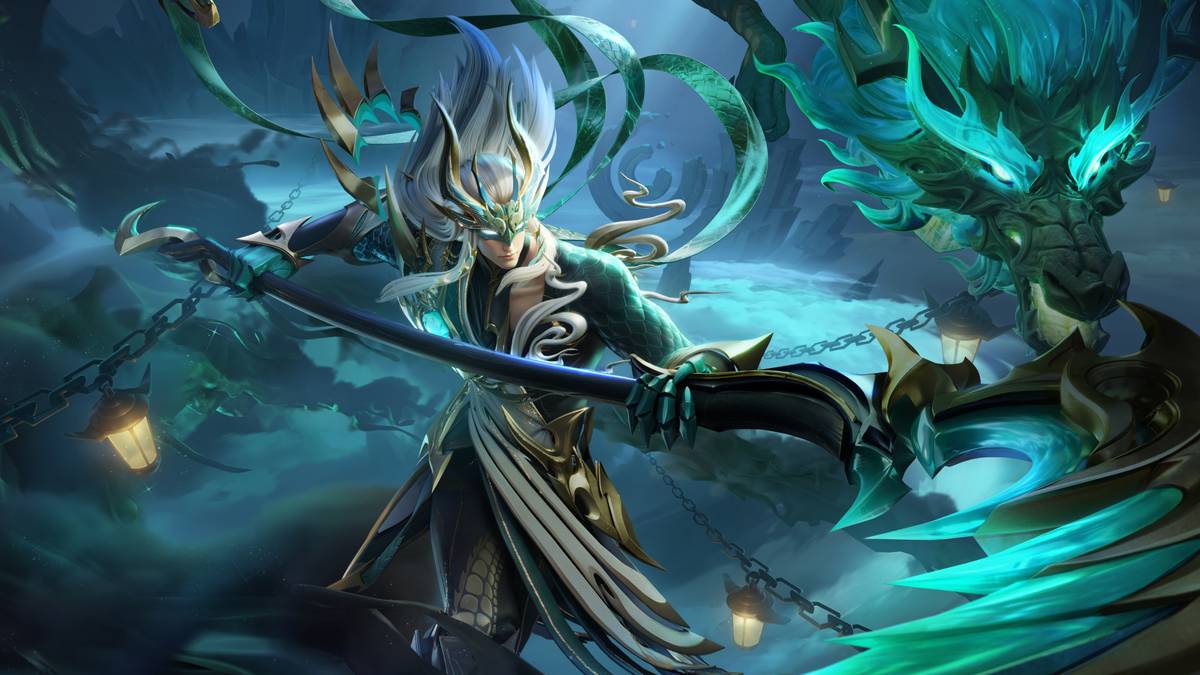
So here's the question: in solo queue, which tank hero do you think is the most reliable? What's your climbing tip? Share your thoughts in the comments.
That's all for this video. If you thought it was decent, feel free to hit like to show support. If you have anything to say, ask, or want to see, leave a comment below—I'll read them all.
No game I don't know, no matter I don't cover; I'm Xiaodi, let's chat freely!
[This article has applied for original copyright protection and may not be reproduced without permission.]

 Links
 Contact
 App