



Up to four coaches are expected, sparking an Australian coaching wave in the 2026 Chinese Super League?



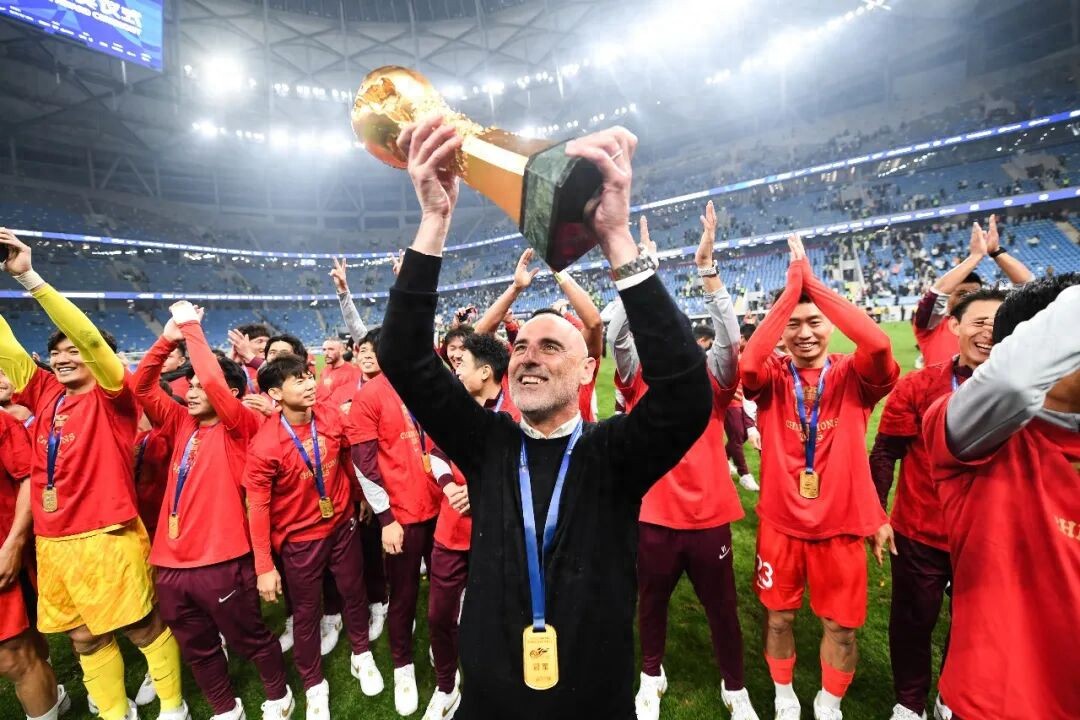
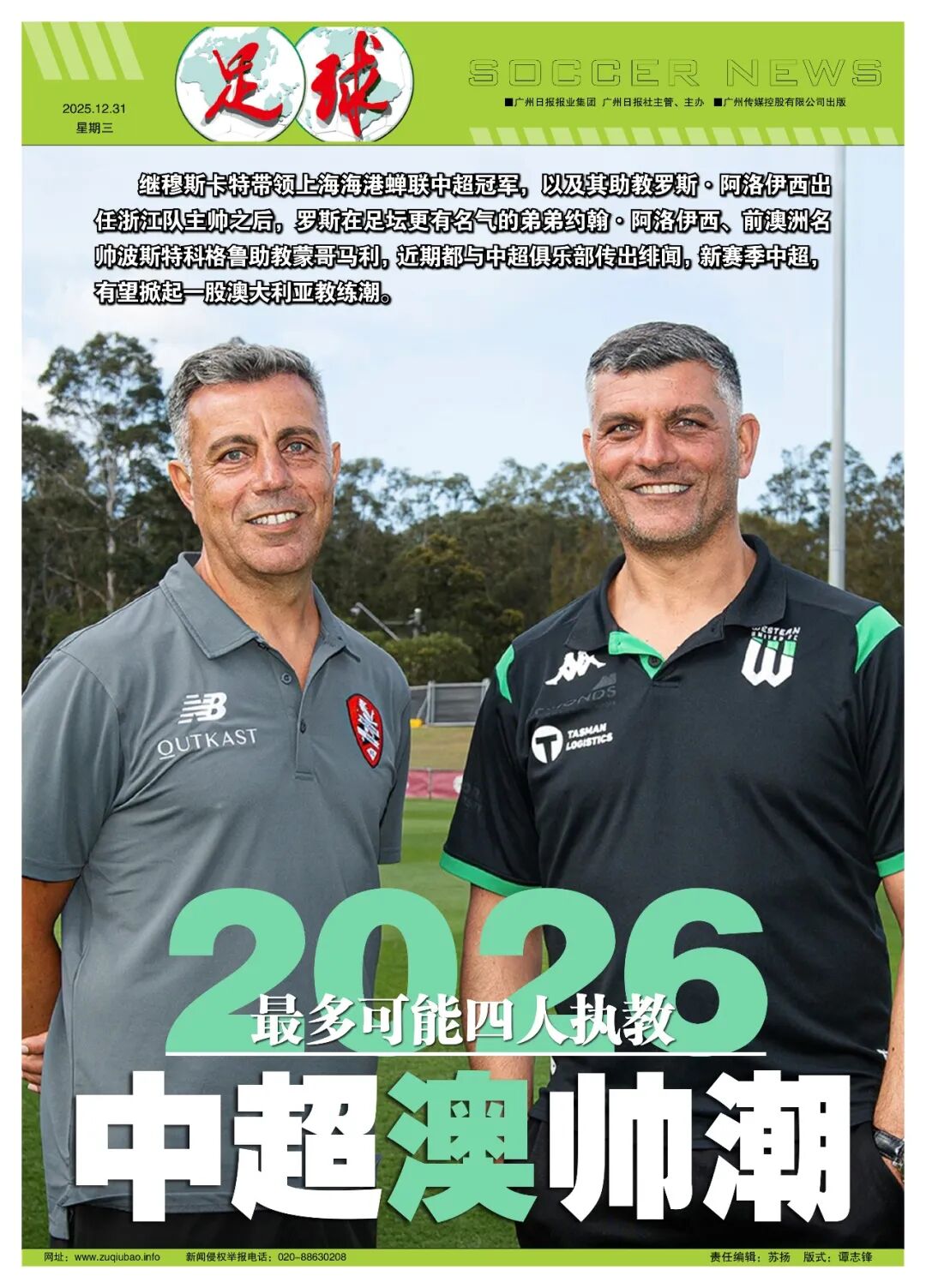
By Han Bing Muscat led Shanghai Port to back-to-back CSL championships, creating a model effect for foreign coaches in the league. Zhejiang hired his assistant Ross Aloisi as head coach. Ross’s better-known brother John Aloisi and Montgomery, a former assistant to Australian great Postecoglou, have both been rumored to join CSL clubs recently. The new season may feature an "Aloisi brothers derby" in the CSL, making it the largest overseas hub for Australian coaches in Asian football.

Korean coaches have traditionally formed the largest group of Asian foreign coaches in the CSL, but they might disappear from the league next season. Before Muscat took charge of Shanghai Port in 2024, only one Australian foreign coach had appeared in China’s professional leagues over 30 years: Laurie McKinna, who coached Chengdu Sheffield United (CSL) and Chongqing Lifan (China League One) in 2011-2012 but was dismissed due to poor results. Muscat’s success has since sparked a new trend of bringing Australian coaches into the CSL foreign coach market.
On December 22, Zhejiang appointed Muscat’s assistant Ross Aloisi as their new head coach, and recently his brother John Aloisi has been linked with Chengdu Rongcheng. John played in Serie A, the Premier League, and La Liga, and participated in the 2006 World Cup. As a coach, he led Brisbane Roar to multiple top-four finishes and guided Western United to the 2021/22 A-League championship by defeating the defending champions Melbourne City.
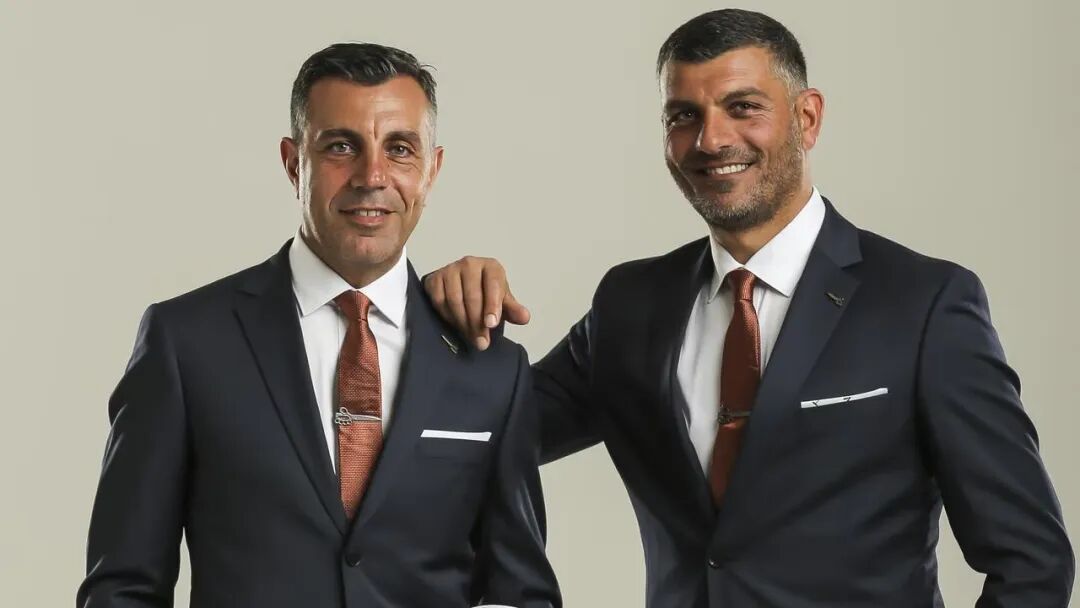
This summer, John Aloisi became unemployed after Western United failed to obtain an A-League license. He received several offers from European clubs but never finalized a move. The recent rumors linking him to the CSL give him a chance to face off against his brother Ross in a "brothers derby."
Another Australian coach linked with the CSL is Montgomery, who led Central Coast Mariners to the A-League title in 2022/23. In 2024/25, he served as assistant to Australian legend Postecoglou at Tottenham Hotspur, winning the UEFA Europa Conference League. This summer, he followed Postecoglou to Nottingham Forest, but both were dismissed in late October. Now Montgomery is rumored to join Beijing Guoan, potentially becoming a new Australian coach in the CSL.
The performance of Australian coaches will be one of the key highlights of the 2026 CSL season.


It is worth noting that this wave of Australian coaches in the CSL originated from Muscat, who won consecutive championships. The recent global spread of Australian coaches stems from Postecoglou’s successes in Asia and the Premier League. Although former Australian national coach Arnold managed Sendai Vegalta in the J1 League before 2014, the rise of Australian coaches in Asian and European football truly began with Postecoglou.
Nicknamed "Aussie Postecoglou," he led Australia to the 2015 Asian Cup title and coached Yokohama F. Marinos to the 2019 J1 League championship, opening the door for Australian coaches in Japan. His assistant Kramovski took charge of Shimizu S-Pulse in 2020 and FC Tokyo in 2023, gaining wide recognition in Japanese football for high-press tactics and promoting young talents.
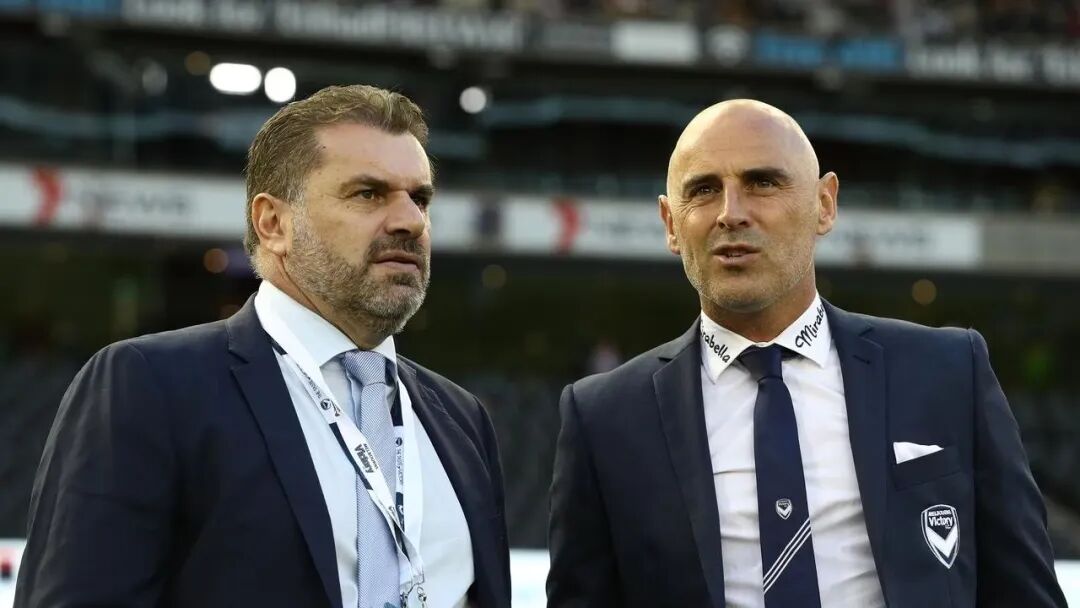
In summer 2021, Muscat succeeded Postecoglou at Yokohama F. Marinos. He and Zhejiang’s new coach Ross Aloisi both joined Postecoglou’s Australian national team coaching staff during the 2017 Confederations Cup, sharing close ties with him. Osaka Sakura’s current coach Papas also came from Postecoglou’s 2019 Yokohama staff. Only Cowell, who took over Yokohama in 2024 after Muscat, has less connection with Postecoglou but still led the team to the AFC Champions League final.
Since Postecoglou’s start in the J1 League in 2018, Australian coaches have maintained a presence there for eight years. Now the CSL is also valuing Australian coaches. Besides Muscat, Ross Aloisi, and Montgomery, even China women's national team coach Milicic was Postecoglou’s assistant with Australia from 2014 to 2017. Notably, Melissa Andreatta, who assisted Milicic with the Australian women’s team in 2019-2020, recently led Scotland’s women to a victory over Milicic’s Chinese women’s team in early December.
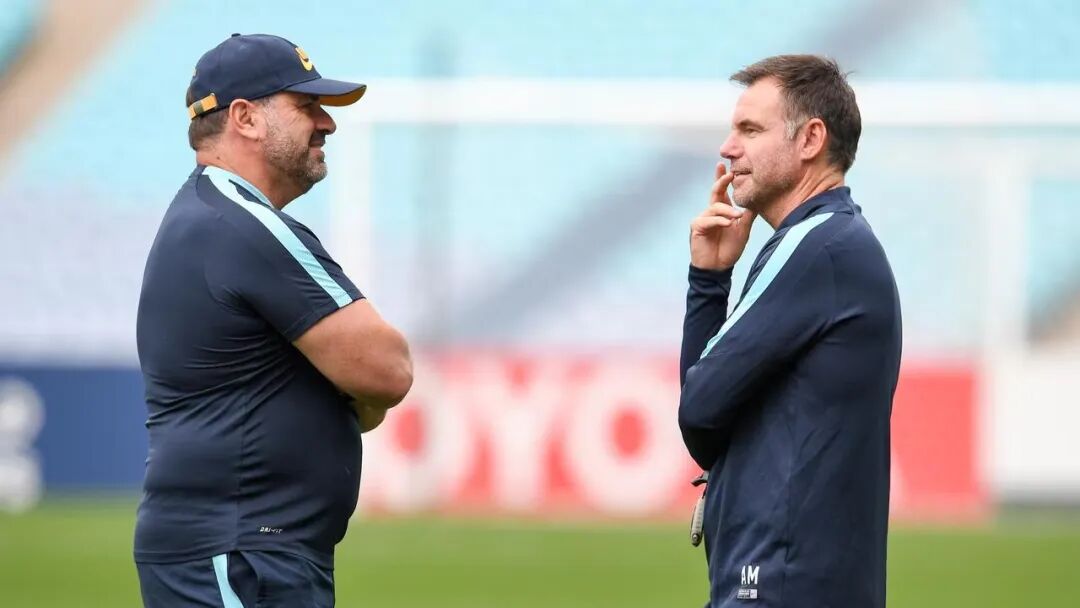
The rise of Australian coaches in recent years owes much to Postecoglou’s achievements, but their natural connections with European football are also crucial. As former players with European experience, they have long been exposed to advanced tactical ideas. Postecoglou, Muscat, and Cowell all have coaching backgrounds in Europe, benefiting from cultural and network ties.
Today, Australian coaches’ influence in Asia is expanding. In national teams, Arnold will lead Iraq in March next year aiming for the World Cup intercontinental playoffs; Kramovski coaches Malaysia; and former China U15 women’s coach Ross leads Chinese Taipei men’s team. Besides China’s women’s team, Australian coaches also manage the women’s teams of the Philippines and Lebanon.
At the club level, besides the CSL—likely the largest overseas hub for Australian coaches in Asia’s top leagues—and the J.League which has historically boosted Australian coaches’ profiles, there are Australian coaches in Vietnam (Cowell at Hanoi FC) and Uzbekistan (Jelicic at Pakhtakor Tashkent). Coincidentally, Jelicic was Milu’s assistant with China’s national team during the 2002 World Cup, later assisted former China coach Horton in Uzbekistan from 2009 to 2011, and worked under Eriksson in the Thai League in 2012, showing strong ties to Chinese football.


Wonderfulshortvideo
The footwork, the finish 🤌


Did you get it? 🤔😅
The Wirtz x Sané link-up 🔗
Haaland’s movement 🥵
Which counterattack is
Griezmann with the cool finish 🥶
“afcon funny moments”
 Links
Links
 Contact
Address:UNIT 1804 SOUTH BANK TOWER, 55 UPPER GROUND,LONDON ENGLAND SE1 9E
Number:+85259695367
E-mali:[email protected]
 App
App


