



Nearly 70 years old, Lee Jang-soo is ready to light another lamp for Chinese football.



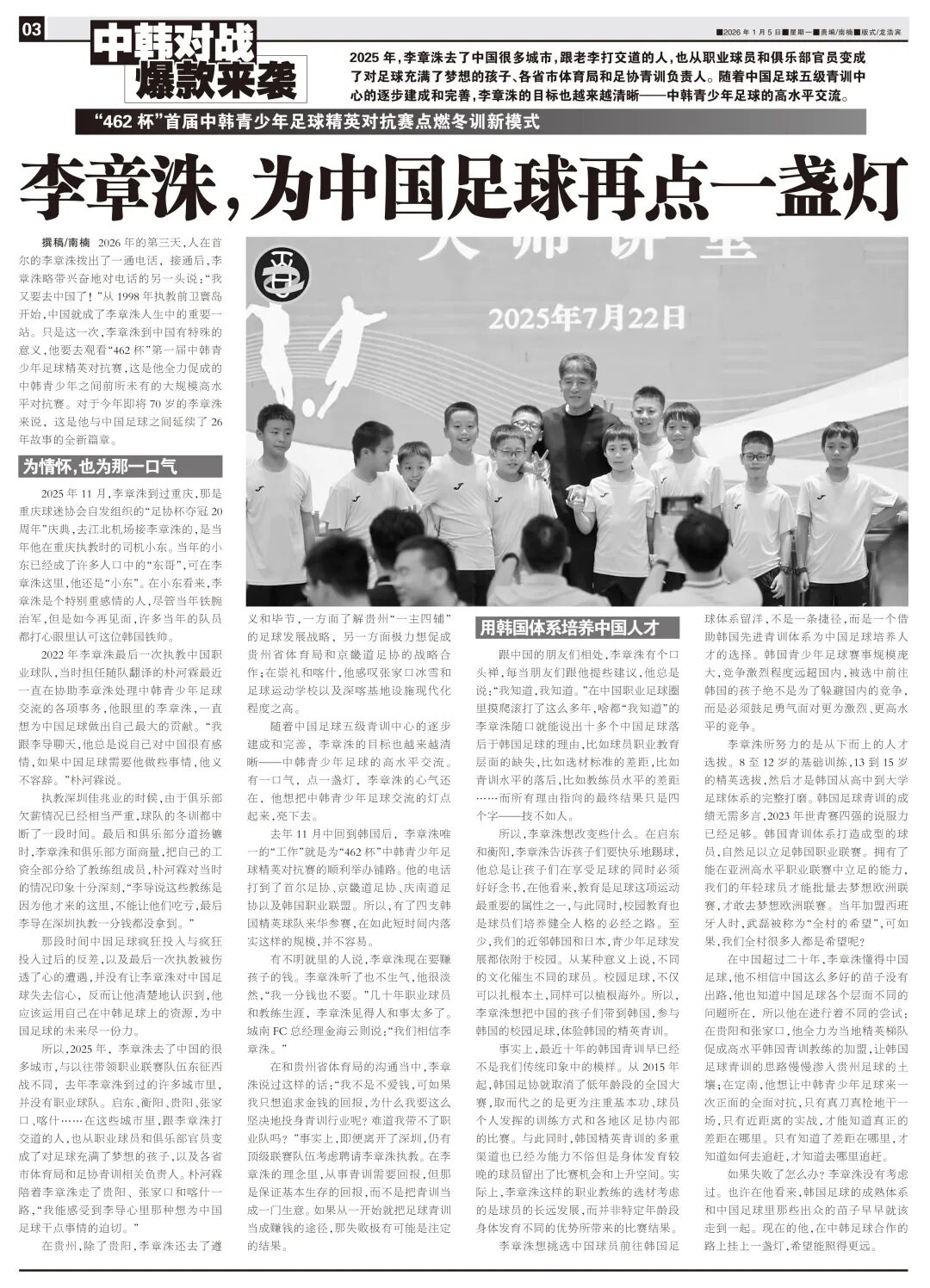
Written by Nan Nan On the third day of 2026, Lee Jang-soo, located in Seoul, dialed a phone number. Once connected, he spoke with a hint of excitement: "I'm heading to China again!" Since his first coaching role at Qianwei Huandao in 1998, China has been a significant stop in Lee’s journey. This time, however, his trip holds special meaning as he is going to watch the inaugural “462 Cup” China-Korea Youth Football Elite Competition, a large-scale and high-level youth contest between China and Korea that he helped bring about. For Lee, nearing 70, this marks a new chapter in his 26-year story with Chinese football.

In November 2025, Lee Jang-soo visited Chongqing for a spontaneous celebration organized by the local football fans association marking the 20th anniversary of their FA Cup victory. At Jiangbei Airport, he was greeted by Xiao Dong, who had been his driver during his coaching stint in Chongqing. Xiao Dong, now affectionately called "Brother Dong" by many, is still "Xiao Dong" to Lee. To Xiao Dong, Lee is a man who values relationships deeply; despite his strict military-style management back then, many former players still genuinely respect the Korean iron coach today.
In 2022, Lee Jang-soo last coached a professional Chinese team. Park Ha-lim, who served as the team interpreter then, has recently been assisting Lee with various matters related to China-Korea youth football exchanges. In Park’s eyes, Lee has always wanted to make his greatest contribution to Chinese football. "When I talk with Coach Lee, he often says he has deep feelings for China, and if Chinese football needs him, he will never refuse," Park said.
While coaching Shenzhen Kaisa, the club was facing severe salary arrears, causing the team’s winter training to be suspended for a while. When parting ways with the club, Lee negotiated to give his entire salary to the coaching staff. Park Ha-lim recalls this clearly: "Coach Lee said these coaches came here because of him, so he couldn't let them suffer losses. In the end, he didn’t take a single penny while coaching in Shenzhen."

The period of wild investment followed by disillusionment in Chinese football, along with the heartbreak from his last coaching experience, did not shake Lee Jang-soo’s faith in Chinese football. Instead, it made him realize more clearly that he should use his resources in both Chinese and Korean football to contribute to the future of Chinese football.
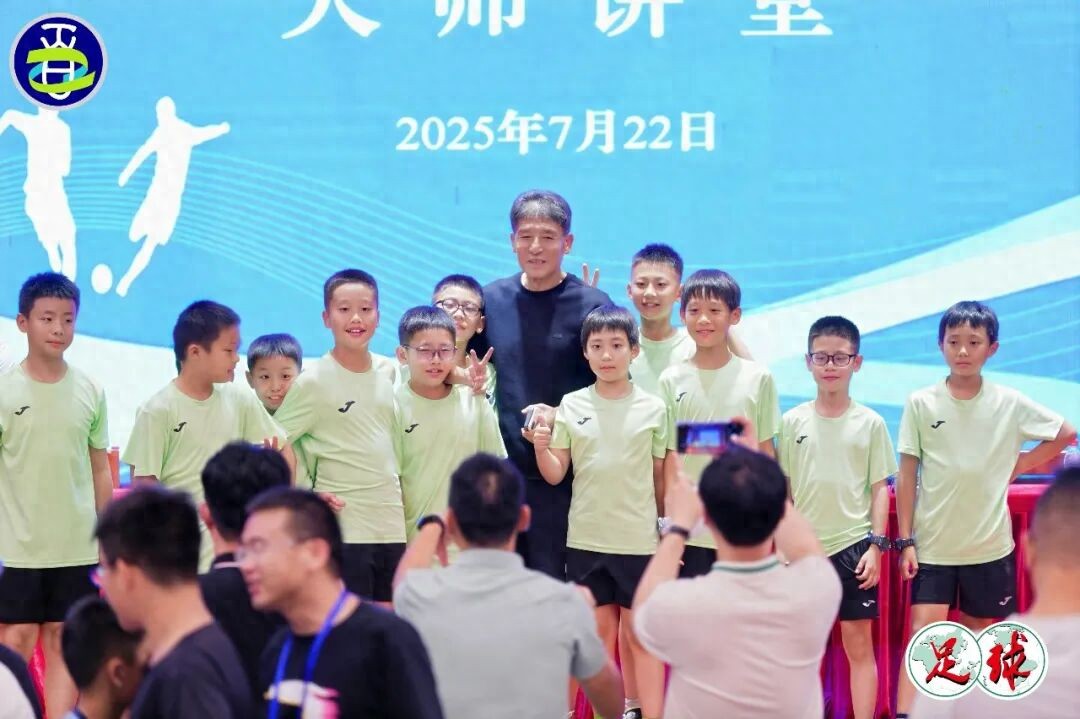
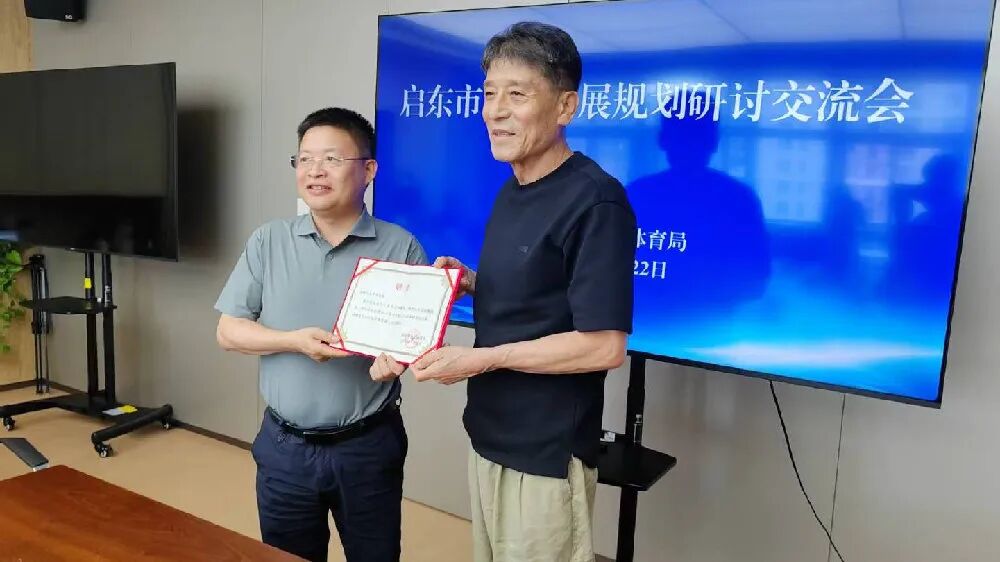
Therefore, in 2025, Lee visited many cities in China. Unlike before, when he led professional league teams to compete across the country, many of the cities he visited last year had no professional teams. Cities like Qidong, Hengyang, Guiyang, Zhangjiakou, and Kashgar saw Lee interacting not with professional players or club officials, but with children full of football dreams and youth training officials from provincial sports bureaus and football associations. Park Ha-lim accompanied Lee through Guiyang, Zhangjiakou, and Kashgar, saying, "I could feel Coach Lee’s urgent desire to do something for Chinese football."
In Guizhou, besides Guiyang, Lee also visited Zunyi and Bijie to learn about Guizhou’s "one main, four auxiliaries" football development strategy and to strongly promote strategic cooperation between the Guizhou Sports Bureau and the Gyeonggi-do Football Association. In Chongli and Kashgar, he admired the modern facilities of the Zhangjiakou ice and snow football school and the Shenka base.
With the gradual completion and improvement of China’s five-level youth training centers, Lee Jang-soo’s goal has become clearer — to promote high-level exchanges between Chinese and Korean youth football. With energy to keep a light burning, Lee’s spirit remains strong; he wants to ignite and sustain the lamp of China-Korea youth football exchange.
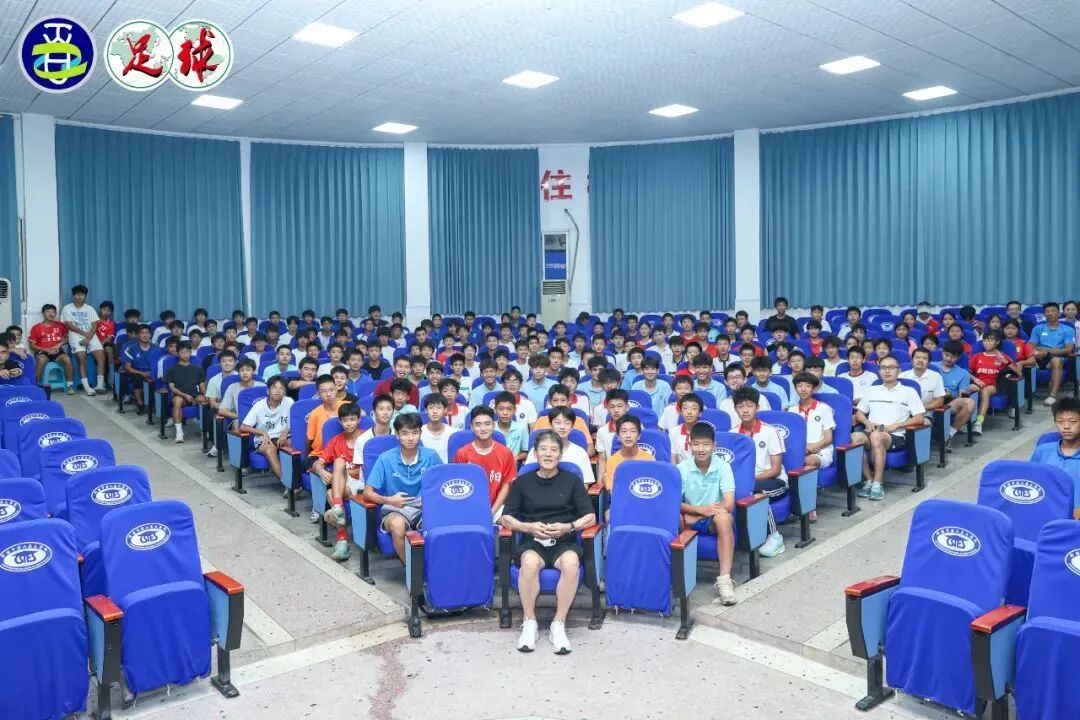
After returning to Korea in November last year, Lee’s sole "job" has been to pave the way for the successful hosting of the “462 Cup” China-Korea Youth Football Elite Competition. He reached out to the Seoul Football Association, Gyeonggi-do Football Association, Gyeongsangnam-do Football Association, and the Korea Professional League. Thus, having four Korean elite teams participate in China on such short notice and scale was no easy feat.
Some uninformed people say Lee Jang-soo is now trying to profit from children. Lee doesn’t get angry hearing this; he remains calm, saying, "I don’t want a single penny." After decades as a professional player and coach, Lee has seen many people and matters. Kim Haeyun, general manager of Seongnam FC, said, "We trust Lee Jang-soo."
During talks with the Guizhou Sports Bureau, Lee once said, "It’s not that I don’t love money, but if I only cared about financial returns, why would I so resolutely dedicate myself to youth training? Couldn’t I just coach professional teams?" In fact, even after leaving Shenzhen, top league teams were still interested in hiring Lee. In his view, youth training requires returns, but only enough to sustain basic living, not treating it as a business. If football youth training is seen as a way to make money from the start, failure is almost inevitable.
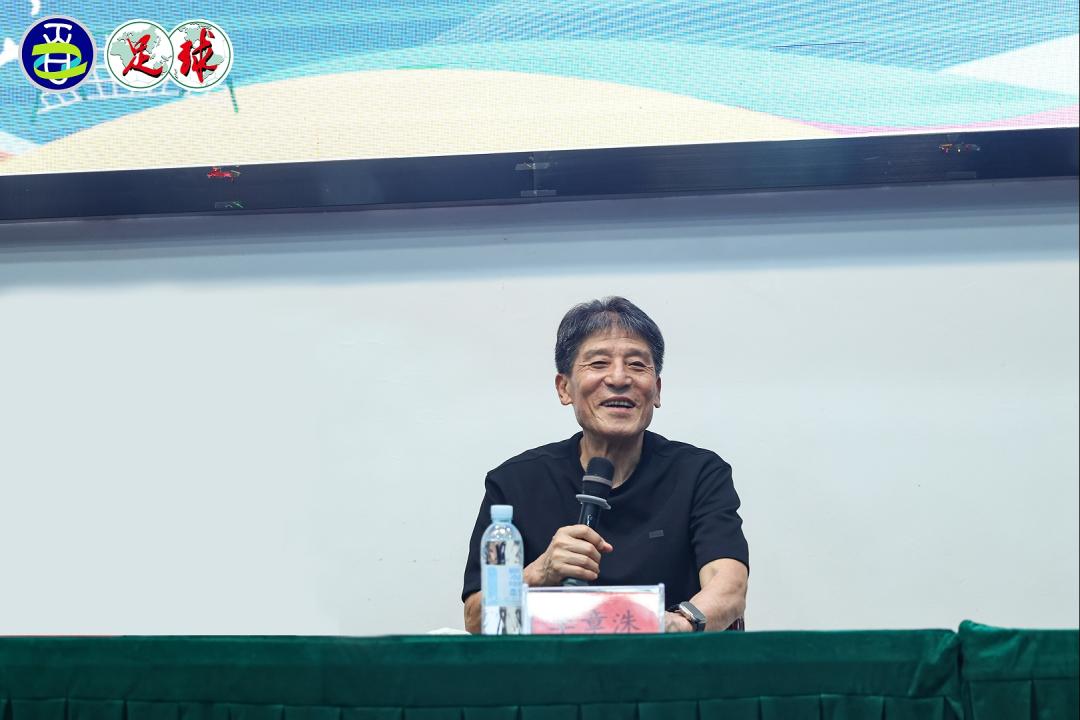

When interacting with his Chinese friends, Lee has a catchphrase: whenever they offer suggestions, he always replies, "I know, I know." Having worked in Chinese professional football for so many years, Lee can easily list more than ten reasons why Chinese football lags behind Korean football, such as lack of player education, differences in selection criteria, backward youth training, and coaching level gaps… All these reasons point to a final conclusion — technical inferiority.
So, Lee wants to make changes. In Qidong and Hengyang, he tells children to enjoy playing football happily. He always insists that while enjoying football, children must study well. To him, education is one of football’s most important attributes, and school education is essential for players to develop well-rounded personalities. At least in neighboring Korea and Japan, youth football develops alongside schools. In a way, different cultures produce different players. School football can take root locally and even overseas. Therefore, Lee wants to bring Chinese children to Korea to participate in school football and experience Korea’s elite youth training.
In fact, Korean youth training in the past decade has long ceased to be what we traditionally imagined. Since 2015, the Korea Football Association canceled nationwide competitions for younger age groups, replacing them with training focused more on fundamentals and individual player development, along with internal matches within regional associations. Meanwhile, Korea’s elite youth training offers multiple pathways for talented but late-maturing players to find opportunities and progress. Coaches like Lee select players based on long-term development rather than short-term physical advantages in specific age groups.
Lee’s plan to send Chinese players to train within the Korean football system is not a shortcut but a choice to cultivate talent for Chinese football by leveraging Korea’s advanced youth training. Korean youth football competitions are large in scale and fiercely competitive, far beyond those domestically. Children selected to go to Korea are not escaping competition at home but must muster courage to face even tougher, higher-level challenges.
Lee focuses on talent selection from the ground up: basic training for ages 8 to 12, elite selection from 13 to 15, followed by comprehensive development through Korea’s high school to university football system. The success of Korean youth training speaks for itself, with the 2023 U-20 World Cup semifinal appearance as proof. Players shaped by Korea’s youth system naturally can compete in the Korean professional league. With the ability to stand in Asia’s top professional leagues, our young players can then dream in large numbers of playing in European leagues. When Wu Lei joined Espanyol, he was called "the hope of the whole village," but what if many in our village are hopes?
Having been in China for over twenty years, Lee understands Chinese football. He does not believe so many good prospects have no future, and he knows the various problems at different levels. That’s why he is trying different approaches: in Guiyang and Zhangjiakou, he is working hard to bring high-level Korean youth coaches to local elite teams, gradually introducing Korean youth training concepts into Guizhou football; in Dingnan, he wants a full, direct confrontation between Chinese and Korean youth teams, believing only through real matches can the true gap be seen, which then shows how and where to catch up.
What if it fails? Lee has never thought about that. Perhaps in his view, Korea’s mature football system and China’s outstanding young talents should have come together long ago. Now, on the path of China-Korea football cooperation, he hangs a lamp that hopes to shine far ahead.


Wonderfulshortvideo
CR7 was really going through it 🤣🏆


 Links
Links
 Contact
Address:UNIT 1804 SOUTH BANK TOWER, 55 UPPER GROUND,LONDON ENGLAND SE1 9E
Number:+85259695367
E-mali:[email protected]
 App
App


