



The first battle of the New Year! The U23 Chinese national team is ready.



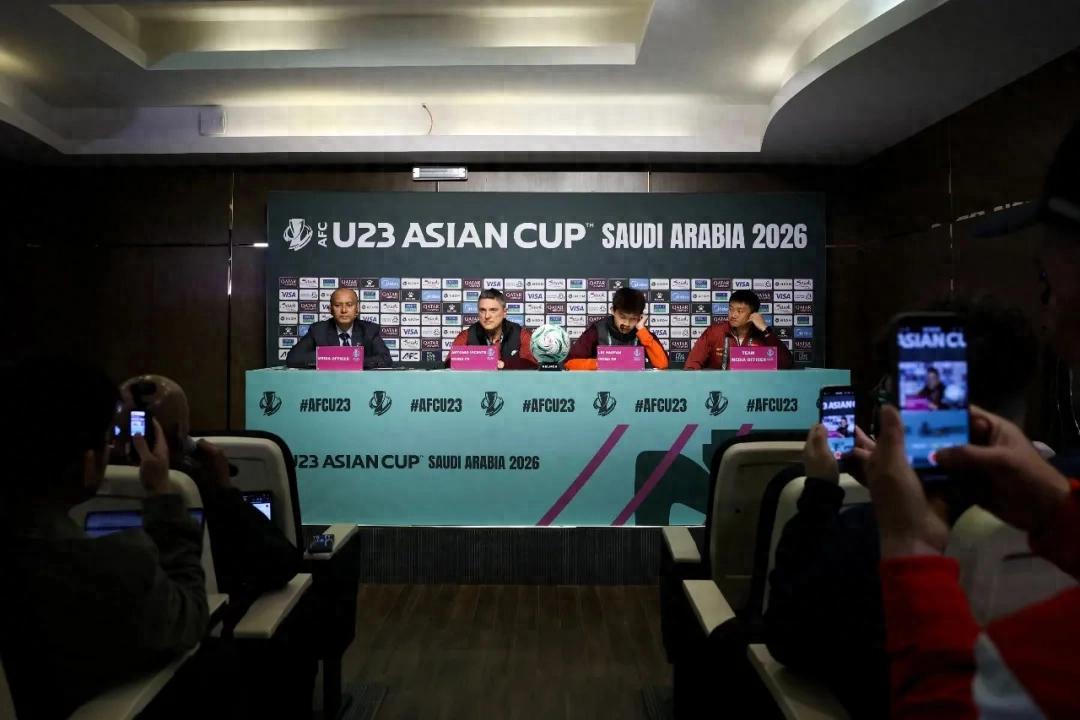
Written by Lumi and Hanbing. At 10 PM Beijing time tonight, the much-watched U23 Chinese national team will play their first group stage game in the U23 Asian Cup, facing Iraq. Despite never having advanced beyond the group stage previously, coach Antonio and the players are ready.

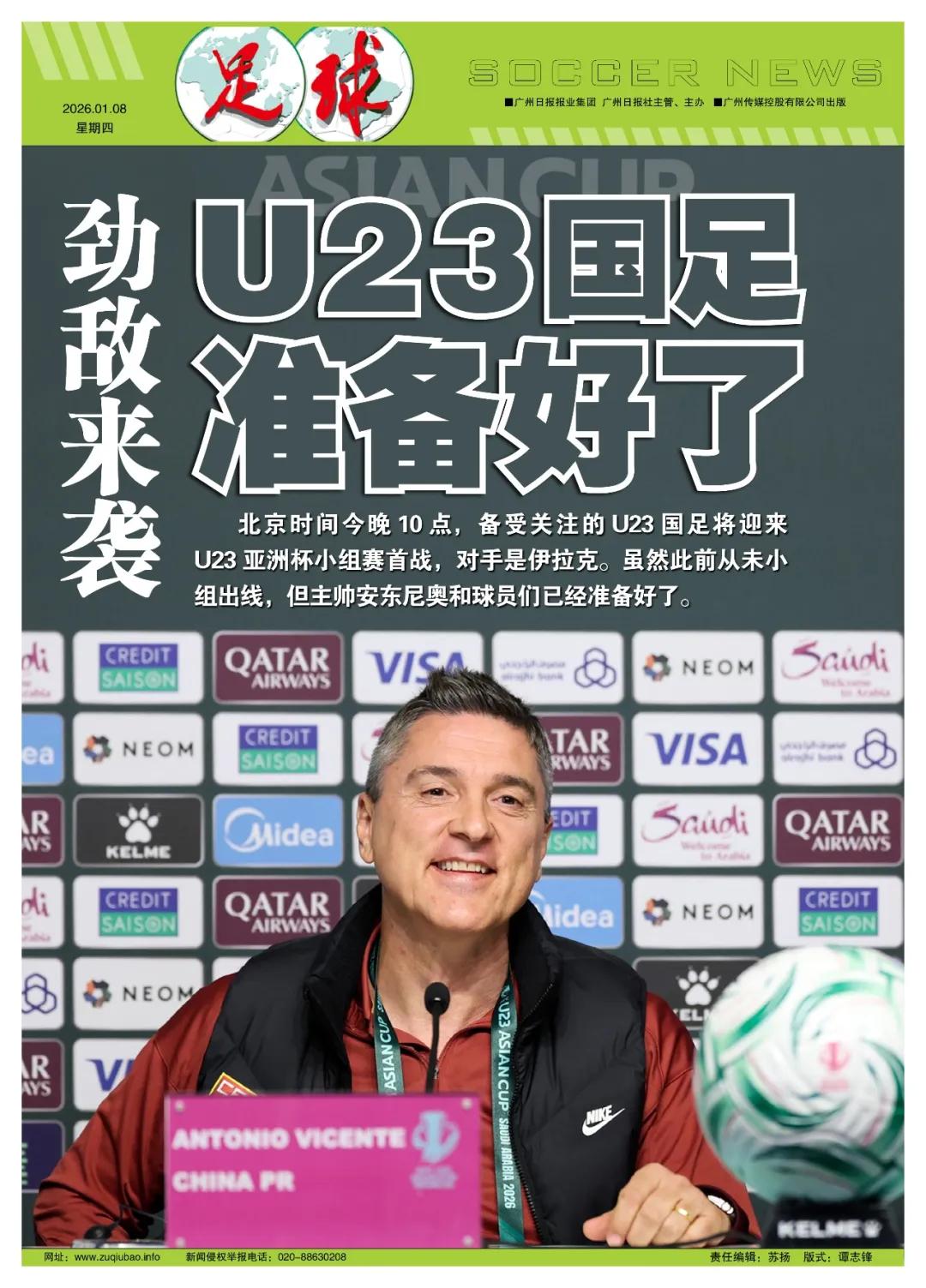
Antonio expressed his excitement at the pre-match press conference: "It's a pleasure to be in Saudi Arabia, and we are very excited. We hope to achieve good results in this competition."
Behind the anticipation lies months of meticulous preparation. Since December last year, the team has been in closed training camps, first in Zhaoqing, then moving to Dubai for intense conditioning. During this period, several closed-door friendly matches were arranged, including a 1-0 victory over Kyrgyzstan, which boosted the team's confidence. To adapt to the U23 Asian Cup’s demanding schedule of a match every three days, the team specifically arranged multiple friendlies to simulate match intensity.
During the training camp, enhancing fitness and tactical refinement were the focus of preparation. The coaching staff scheduled "three training sessions a day," including not only field drills but also specialized workouts in the hotel gym, all designed to ensure players can handle high-intensity challenges.
Player Liu Haofan said the preparation has been thorough and he is eagerly awaiting the match. "Everyone is very excited and looking forward to tomorrow’s game. We will follow the coach’s plan and prepare normally." This key defender has fully reintegrated into training after recovering from injury and, together with Peng Xiao and others, has helped build a solid defensive structure.
The team's usual 5-3-2 formation has become increasingly refined through multiple friendlies, with the attacking tactics involving wing-backs pushing forward and midfield coordination beginning to take shape. Notably, the team arranged a warm-up match against Iran, whose style resembles Iraq’s, to practice targeted tactics. Although they lost narrowly 0-1, the players gained valuable insights.
Historically, China’s U23 team has never progressed beyond the group stage in the Asian Cup. Antonio did not shy away from this reality: "I am aware of China’s past results. Of course, we want better outcomes. Our group is very strong; Australia and Iraq are undoubtedly powerful, and Thailand performed excellently last year. The fact is, we are the lowest-ranked team in the group, but in football, anything can happen."
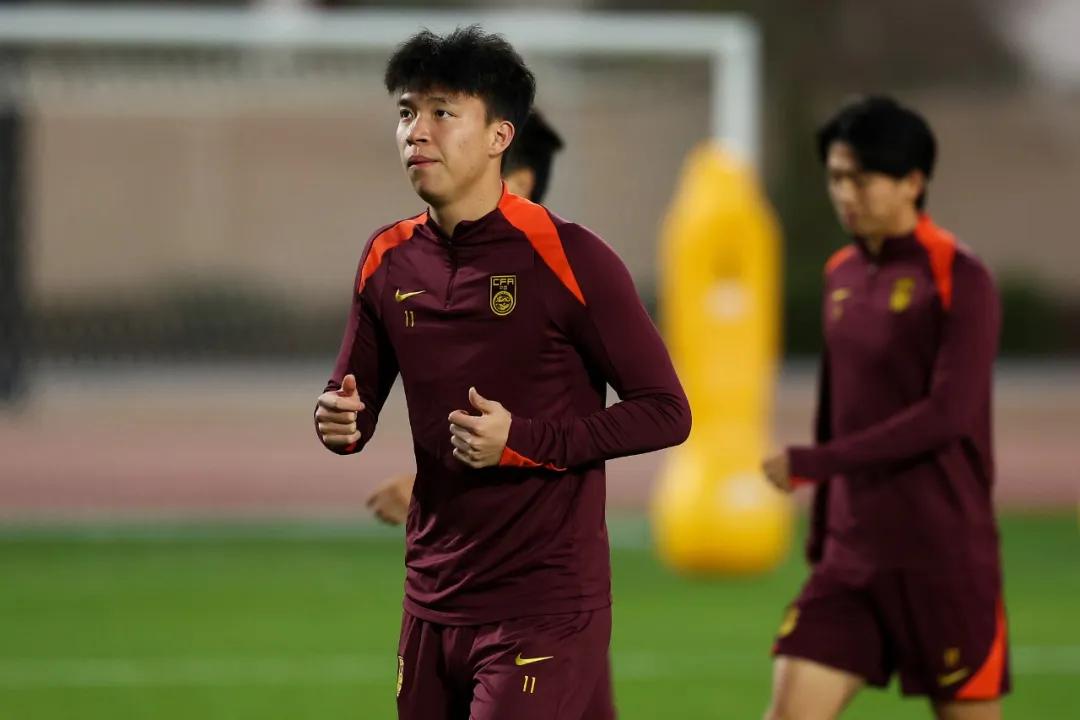
In preparation for Iraq’s playing style, the coaching staff emphasized defensive counterattack drills. The forward pairing of Wang Yudong and Bai Helamu was tested during friendlies. Additionally, the team arrived early in Saudi Arabia to acclimate to the venue and climate, reducing training intensity before the match to avoid unnecessary fatigue and ensure all players are in peak condition.

Thanks to the persistent efforts of Iraq Football Association chairman Ahmad, most Iraqi players were finally released by their clubs on the evening of January 5. However, as of yesterday, only 20 players had arrived, three short of the 23-man roster. Six players are from Baghdad Ambassadors Club, which initially retained key left-back Mahdi and main striker Abdulkareem. Due to injury to the club’s main goalkeeper Jalal Hassan, the club also refused to release backup goalkeeper Hussein Hassan and defender Rad.
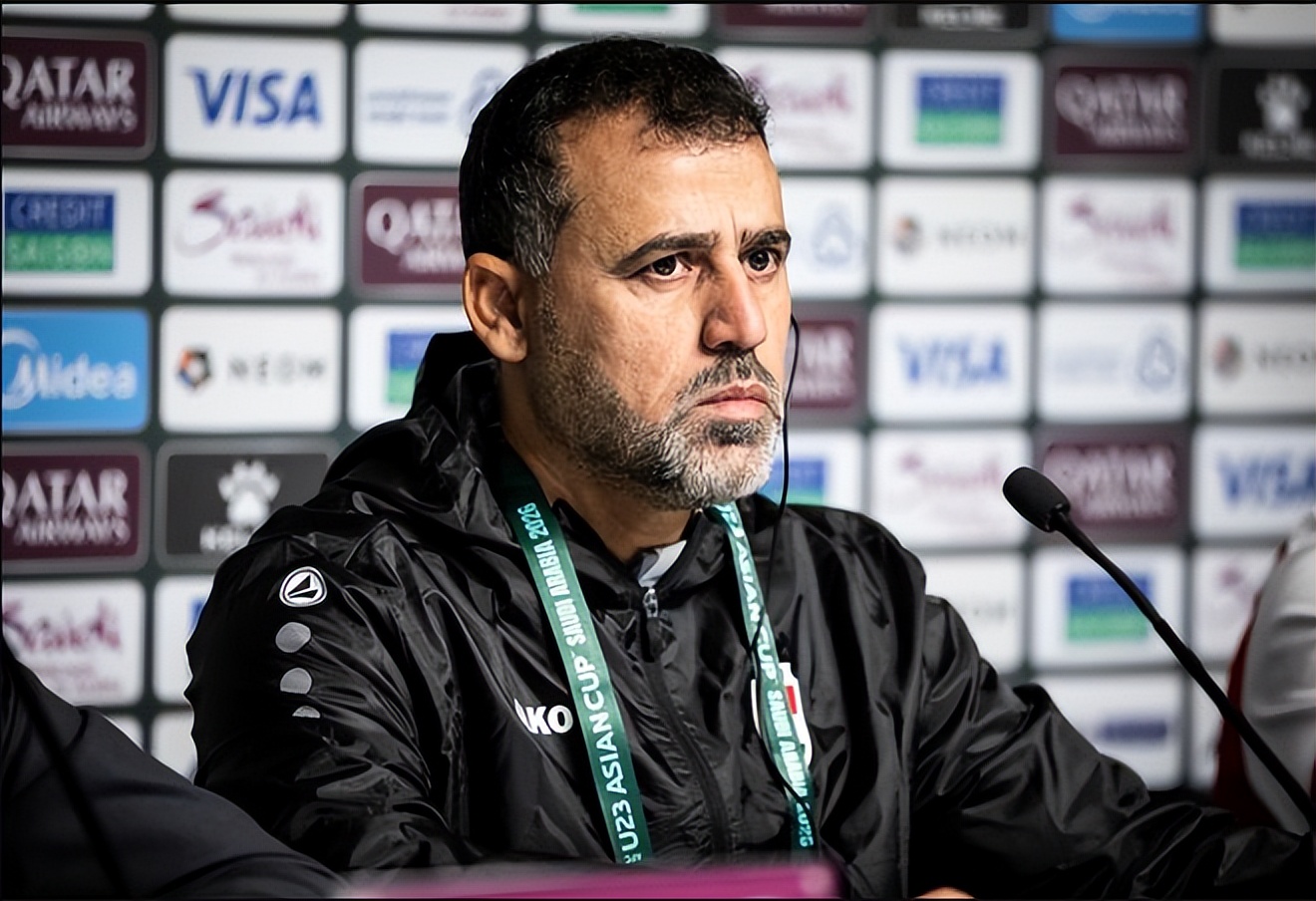
With all three goalkeepers retained by their clubs, coach Imad had to call up two new goalkeepers, Sajid from Karmah and Abdullah Aziz from Naft Al-Warood, plus attacking midfielder Haji from Zahou to fill gaps. Additionally, the only overseas player Rashid traveled independently to Saudi Arabia to join the team. At yesterday’s pre-match press conference, Imad said they were still trying to add three more players to reach the full 23-man squad. "Players and clubs caused many difficulties; this is the first time we couldn’t gather all desired players." Since the changes are not due to injuries, Iraq’s request is unlikely to be approved, and even if approved, the new players will probably miss the opener against China.
On January 6, the Iraqi team began training immediately upon arrival in Saudi Arabia, but due to time constraints, they only had two tactical sessions. At yesterday’s press conference, Imad noted that 14 players are born after 2005, providing an opportunity to develop young talent for the Los Angeles Olympics. Despite the team’s challenges, Imad emphasized Iraq remains a strong contender: "China is one of the strongest teams here, but we have analyzed their style and gathered much information that will help us. We are here not just to participate but to achieve good results. I believe the championship belongs to us."
Iraqi media highlight that midfielder number 10 Faisal (from Karmah), midfielder number 5 Qasim (from Baghdad Police Club), and the sole overseas defender Rashid will be key players relied upon by coach Imad in the U23 Asian Cup. The first two are offensively skilled—Faisal has a strong long shot, Qasim is versatile in attack and defense, while Rashid anchors the defense. In today’s match, the U23 Chinese team will wear red home jerseys, and Iraq will wear white away kits.
It is worth noting that on January 6, Iraqi coach Imad announced on social media that he will resign after the U23 Asian Cup: "I accepted the challenge to lead the team in this tournament, which was an unimaginable task. However, my work has recently been disrupted too much, so I will resign after the event." This decision will undoubtedly further destabilize Iraq’s morale.
However, potential changes in the opponent’s lineup have not affected the U23 Chinese team’s preparation mindset. Antonio said he is very familiar with Iraq: "They have great fighting spirit, are very aggressive, and have big-match experience. Their national team is just one step away from the World Cup." Although Iraq’s coach mentioned the team is incomplete, Antonio remains cautious: "In football, everyone faces various issues, whether related to clubs, players, or injuries."


Wonderfulshortvideo
CR7 was really going through it 🤣🏆


 Links
Links
 Contact
Address:UNIT 1804 SOUTH BANK TOWER, 55 UPPER GROUND,LONDON ENGLAND SE1 9E
Number:+85259695367
E-mali:[email protected]
 App
App


