



Is Viktor Gyokeres really as bad as we think?



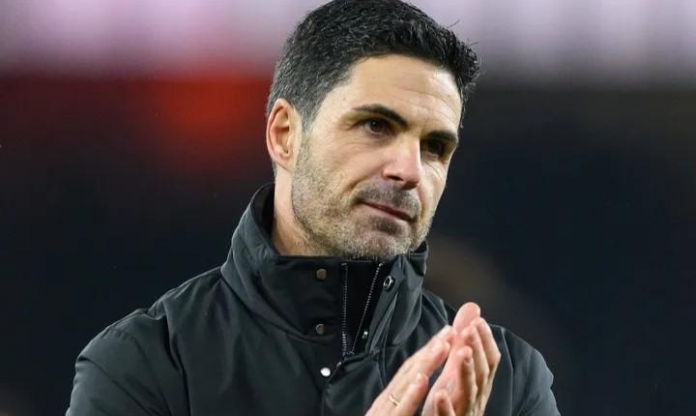
Arsenal brought in Viktor Gyokeres to net the goals needed for a title win. Although he hasn’t done that so far, manager Mikel Arteta confirms that the forward is helping improve the squad.
In reality, Arteta is almost compelled to make changes. For three consecutive years, Arsenal has lacked a “20-goal-a-season striker” – the No. 9 that fans believe is the missing piece. If they keep rotating Kai Havertz or Gabriel Jesus, every slip-up will be blamed on one question: why not sign a true center forward? Signing Gyokeres was both a tactical move and a response to pressure from the stands.
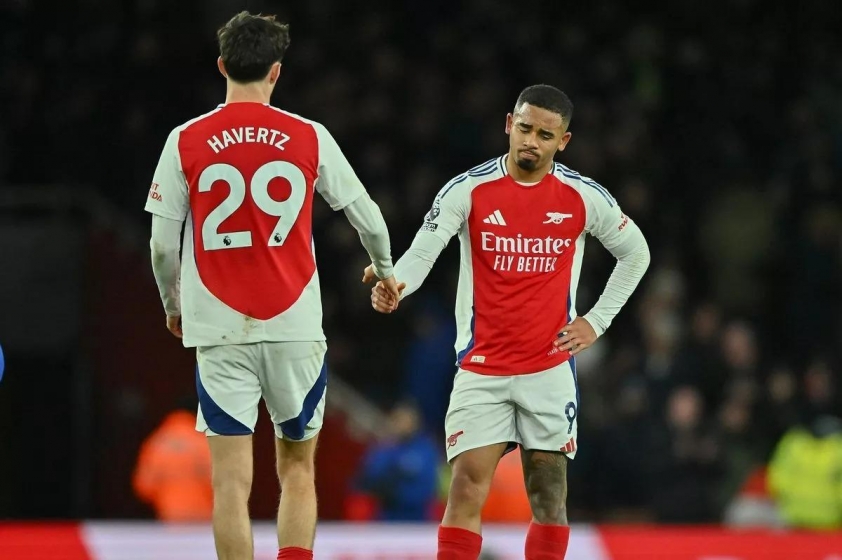
But football isn’t simple. A new striker, even a “killer” from another league, doesn’t guarantee Arsenal will automatically score more or play better. They may need time to adapt, and integrating into the Premier League is always tougher than any CV suggests. With a significant transfer fee, Gyokeres is experiencing exactly that.
On the surface, Arsenal is functioning well. They lead the Premier League by 6 points and Opta estimates their chance of winning the title at 86.2%. Gyokeres is also Arsenal’s top scorer this season with 5 goals. However, this number comes with a paradox: many fans still find him rather unnoticeable.
The reason lies in his impact on the game. Gyokeres is criticized for being invisible in too many matches. He runs a lot, battles hard, but is tightly marked, gets few touches, and sometimes lacks sharpness in finishing.
Statistics show that in 18 Premier League appearances, he never touched the ball more than 32 times in a match and had 15 games with fewer than 25 touches. In 6 matches, he didn’t take a single shot; in 4 others, only one attempt. When he does shoot, it’s often powerful but not very precise. Two of his five goals came from penalties, and the chances he’s created all season add up to just 4.8 expected goals (xG).

Yet Arteta continues to defend Gyokeres, and interestingly, he doesn’t do so based on “goals,” but on intangible contributions. According to Arteta, Gyokeres makes Arsenal less predictable: physically strong, creates space for teammates, presses intensely, and holds up the ball well. This trust is reflected in how he’s used: Gyokeres started the first 10 games of the season, then after a period on the bench, started the last 5 matches, despite scoring only once (a penalty against Everton) in that stretch.
Notably, Arsenal wasn’t playing at their best during that time, but still won all 5 games. That’s the difference for a title contender: it doesn’t have to be pretty, just effective. And in those “ugly” wins, Gyokeres quietly contributed.
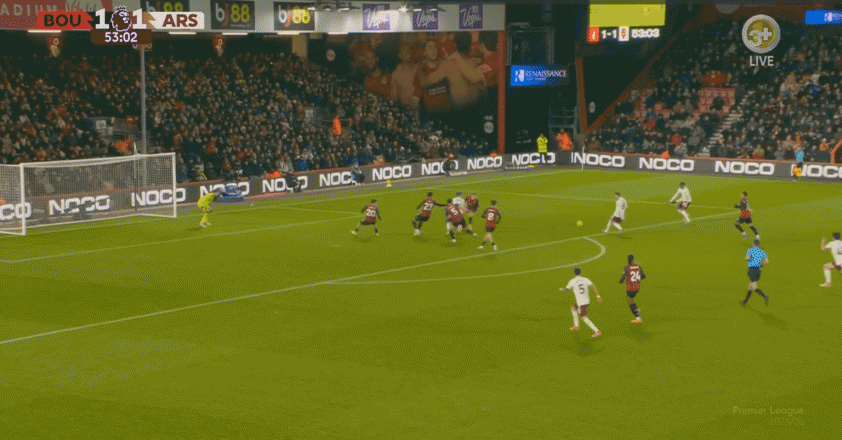
Against Bournemouth, he was directly involved in the goal that put Arsenal ahead 2-1 by chasing, battling, drawing multiple defenders, then laying off the ball for Odegaard to set up Rice’s finish. After the match, Declan Rice openly said that without Gyokeres’ run and ball control, that goal would have been unlikely.
So, is Arsenal better with Gyokeres? Maybe they don’t feel better yet, and clearly, Gyokeres hasn’t solved the goal-scoring issue as initially hoped. But Arsenal is in the position they have dreamed of for years: top of the table and able to win. If they become champions at the end of the season, Gyokeres can definitely be considered a success, even if he scores no more goals.
And perhaps the answer that annoys many the most is actually the truth: maybe Arsenal doesn’t need a “20-goal-a-season” striker to win; they need a team that knows how to collect points, and Gyokeres is contributing to that in a less flashy way than expected.


Wonderfulshortvideo
CR7 was really going through it 🤣🏆


 Links
Links
 Contact
Address:UNIT 1804 SOUTH BANK TOWER, 55 UPPER GROUND,LONDON ENGLAND SE1 9E
Number:+85259695367
E-mali:[email protected]
 App
App


