



More than half a billion people are competing for World Cup tickets



The 2026 World Cup is witnessing an unparalleled ticket craze, with worldwide interest in attending elite football games soaring.
FIFA has confirmed receiving over 500 million ticket applications for the 2026 World Cup, a record-breaking figure that highlights the tournament's exceptional popularity. This year’s finals will be hosted across three North American countries—USA, Mexico, and Canada—with an expanded format featuring 48 teams, driving a sharp increase in global demand for in-person attendance.
According to FIFA, aside from the three host nations, the highest ticket applications come from fans residing in Germany, England, Brazil, Spain, Portugal, Argentina, and Colombia. This reflects the strong interest from countries with rich football traditions and demonstrates that the 2026 World Cup has a reach that extends well beyond the host regions.
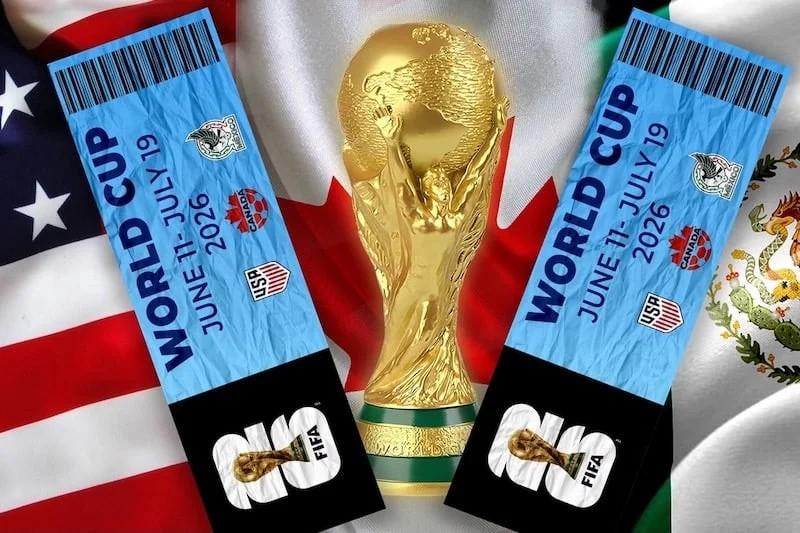
However, ticket prices have also sparked controversy. FIFA previously set the highest ticket price at $8,680 per ticket, which drew significant backlash from supporters. Under public pressure, FIFA announced it will offer tickets at $60 per match to 48 participating national associations, allowing these federations to distribute them to their loyal fans.
During the third ticket sale phase, from December 11 to January 14, the most requested match was Colombia versus Portugal on June 27 in Miami Gardens. Following closely were the Mexico versus South Korea match, the World Cup final, the opening match, and a round two game in Toronto.

FIFA President Gianni Infantino acknowledged the inability to satisfy all global fans’ desires. He expressed regret that not everyone could be welcomed into stadiums but promised to create multiple ways to experience the event, both in person and online, so that many supporters can still immerse themselves in the World Cup atmosphere.
FIFA also announced that ticket application results will be sent no earlier than February 5. For matches where demand exceeds available tickets, allocation will be done through a random draw. This further emphasizes that the 2026 World Cup is not only a sporting event but a global festival with unprecedented appeal.


Wonderfulshortvideo
The footwork, the finish 🤌


The Wirtz x Sané link-up 🔗
Class personified.
Which counterattack is
Griezmann with the cool finish 🥶
“afcon funny moments”
🤤🤤
 Links
Links
 Contact
Address:UNIT 1804 SOUTH BANK TOWER, 55 UPPER GROUND,LONDON ENGLAND SE1 9E
Number:+85259695367
E-mali:[email protected]
 App
App


