



Four Major Models, Deep Integration: Chinese Football Youth Training Enters a New Stage of "Government + Market" Collaboration


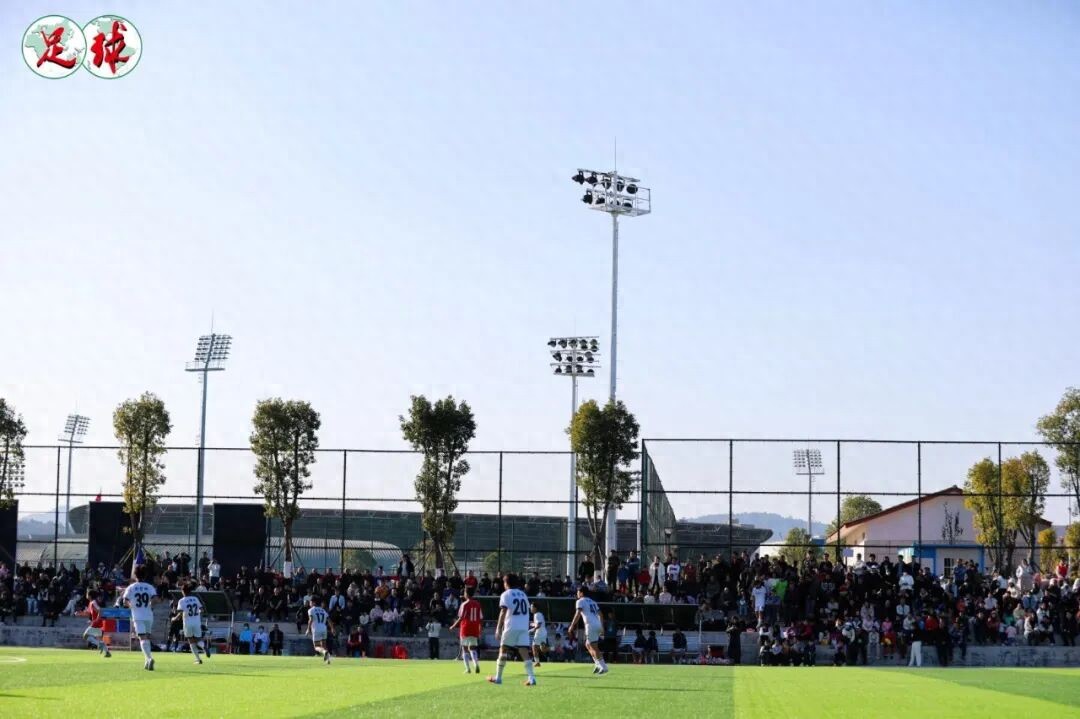
Reporter Chen Yong reporting from Dingnan, Jiangxi An active government and an effective market are organically combining and mutually selecting within China’s youth training model, marking a brand-new development in the system.
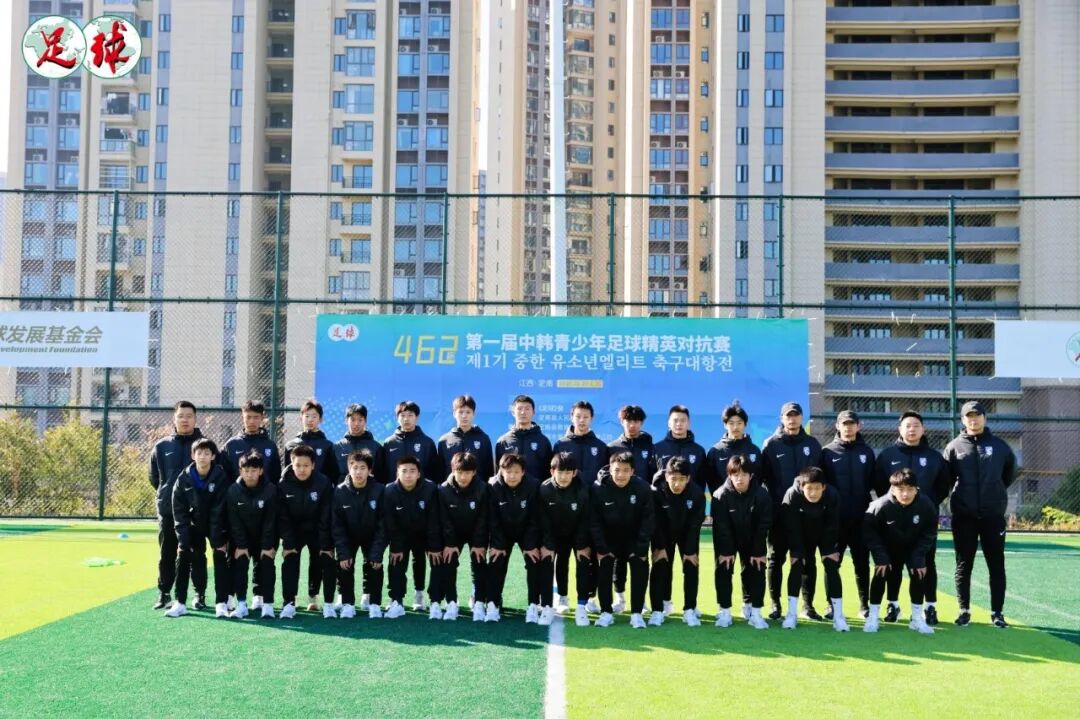
The 12 domestic teams participating in the inaugural “462 Cup” China-Korea Youth Football Elite Challenge include elite squads from professional clubs, provincial youth training centers, key national football development cities, pilot elite teams from the western region’s sports-education integrated youth training system, as well as the host Dingnan County’s youth training center team. These teams mainly represent two youth training models — professional club training and sports system training — with influences from two other models: school football and social training institutions.
The deep integration of multiple youth training models is fully demonstrated in Chinese youth football. Systems such as the Chengdu Football Association and Guangdong Mingtou exemplify a fourfold fusion of professional clubs, sports systems, social training organizations, and school football. This aligns closely with national policies — where an active government and an effective market not only deeply integrate but also engage in mutual selection, ultimately converging on the same path.
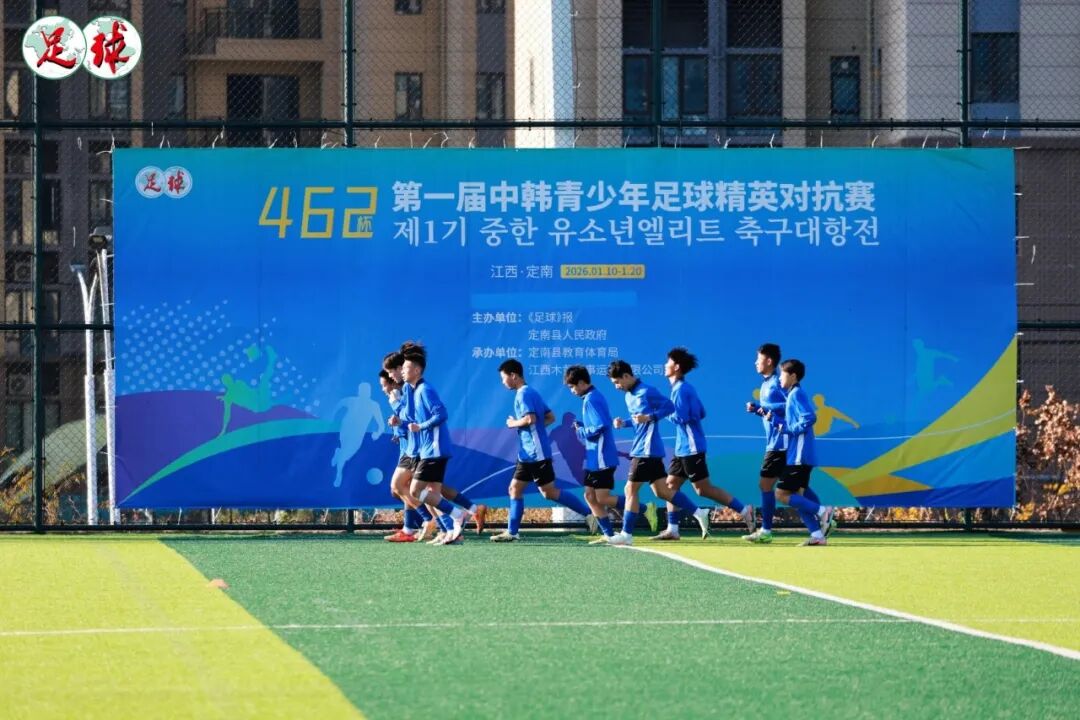

Evergrande Football School is one of the strongest local teams in this China-Korea challenge, coming back from a 1-4 deficit in the third round to draw 4-4 with Incheon United, and overturning a 0-1 loss in the sixth round to win 4-1 against Seongnam FC. Although Evergrande has lost its professional club backing, it remains the most typical example of the professional club youth training model, which starts with establishing a professional club and then vigorously developing youth training. Similar clubs include Zhejiang FC and Taishan. Currently, all professional club youth teams in the Chinese Super League, League One, and League Two fall under this model.
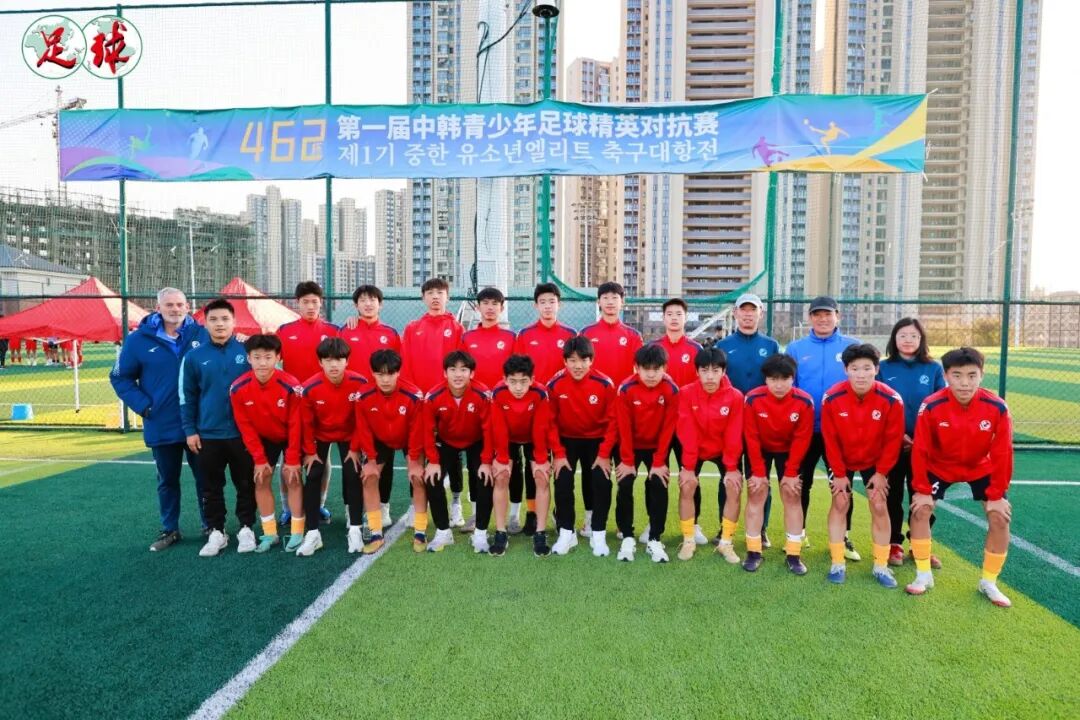
Due to the instability of professional clubs, building youth training systems within the sports system has become a recent focus, mainly at provincial, municipal, and county levels: provincially, Guizhou is gradually establishing its own elite youth training system; municipally, this is mainstream with national key football cities, western youth training pilots, and municipal centers; at the county level, expansion is underway, exemplified by the host Dingnan Dream, whose 2012 age group reached the top 32 in the China Youth League and performed well in this China-Korea challenge.
School football’s primary role is popularization, but recently its youth training function has become more apparent: in the 2024 China Youth League, the boys’ U13 champions and runners-up were Changsha Yali Foreign Language School and Nanchang Hongcheng (Nanchang No. 2 High School); in 2025, the boys’ U17 champions and runners-up were Tsinghua High School and Chongqing Nankai, with Changsha Lushan International reaching the U13 semifinals. As the school football system becomes more coherent, its youth training role is increasingly evident.
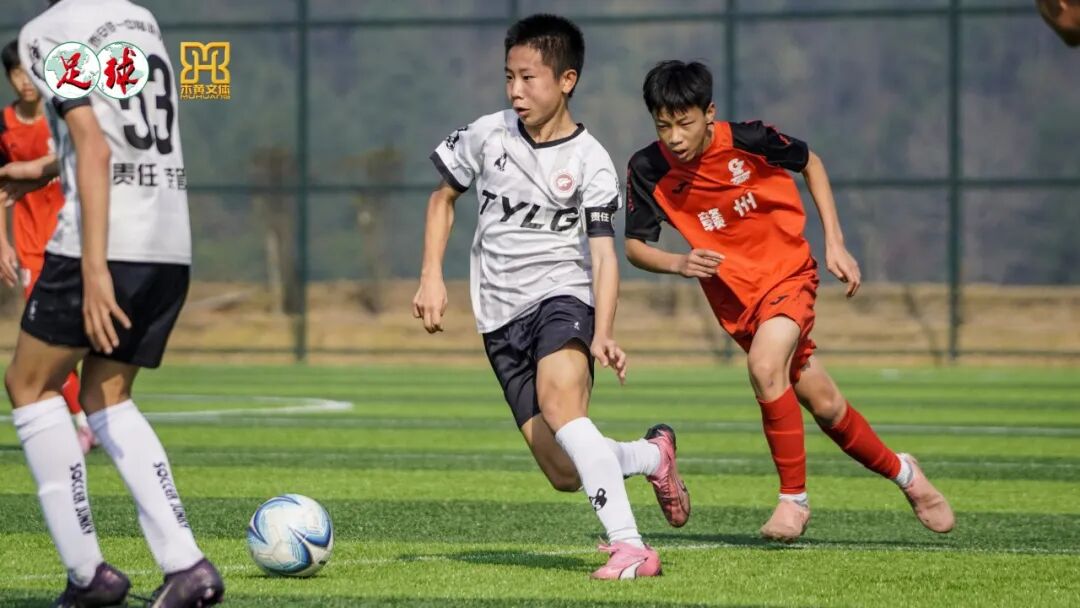
The last category is social youth training institutions, such as Henan Xingtu, who reached the U13 semifinals in the 2022 China Youth League and advanced to the finals in 2023.

In terms of positioning, school football is foundational; the other three models cannot exist without school football, though school football youth training can develop independently. Social training institutions strongly complement school football and can deeply cooperate with professional clubs and sports systems. The deep collaboration between professional clubs and sports systems is the mainstream approach.
Cooperation between professional youth training and school football follows similar models like Taishan and Evergrande Football Schools, both functioning as football schools. Notably, Greentown Football School is a regular school hosting elite squads. Social training institutions typically localize their efforts, supporting school football development with their coaches and then forming elite teams on that basis. There are also nationwide models, such as Sun Jihai’s Hi Ball Youth, which recruits talent nationwide, similar to Genbao Base and Xinghui Youth Training. This approach allows their elite teams to rival top professional academies. As for Chengdu Rongcheng and Wuhan Three Towns in the Chinese Super League, they are built on the foundations of the Chengdu and Wuhan Football Associations’ youth training systems.
The integration of three or four models is fully emerging: Wuhan Three Towns represents a deep fusion of the sports system, school football, and professional youth training; Guizhou Youth Training Center showcases integration of sports system, social training, and school football; Guangdong Mingtou embodies a fourfold fusion, starting from social training, integrating school football with sports education, cooperating with the Guangdong Provincial Sports Bureau, and eventually evolving into a professional club; Chengdu Football Association’s youth system began over 20 years ago, founding the professional Derui Football Training Center, collaborating with schools like Tanghu Foreign Language, and ultimately producing Chengdu Rongcheng, a top-tier Chinese Super League team.


Wonderfulshortvideo
The footwork, the finish 🤌


Did you get it? 🤔😅
The Wirtz x Sané link-up 🔗
Haaland’s movement 🥵
Which counterattack is
Griezmann with the cool finish 🥶
“afcon funny moments”
 Links
Links
 Contact
Address:UNIT 1804 SOUTH BANK TOWER, 55 UPPER GROUND,LONDON ENGLAND SE1 9E
Number:+85259695367
E-mali:[email protected]
 App
App


