



A full impression of the 32 China-Korea matches: faster, stronger, more intense — this is exactly how we can play.



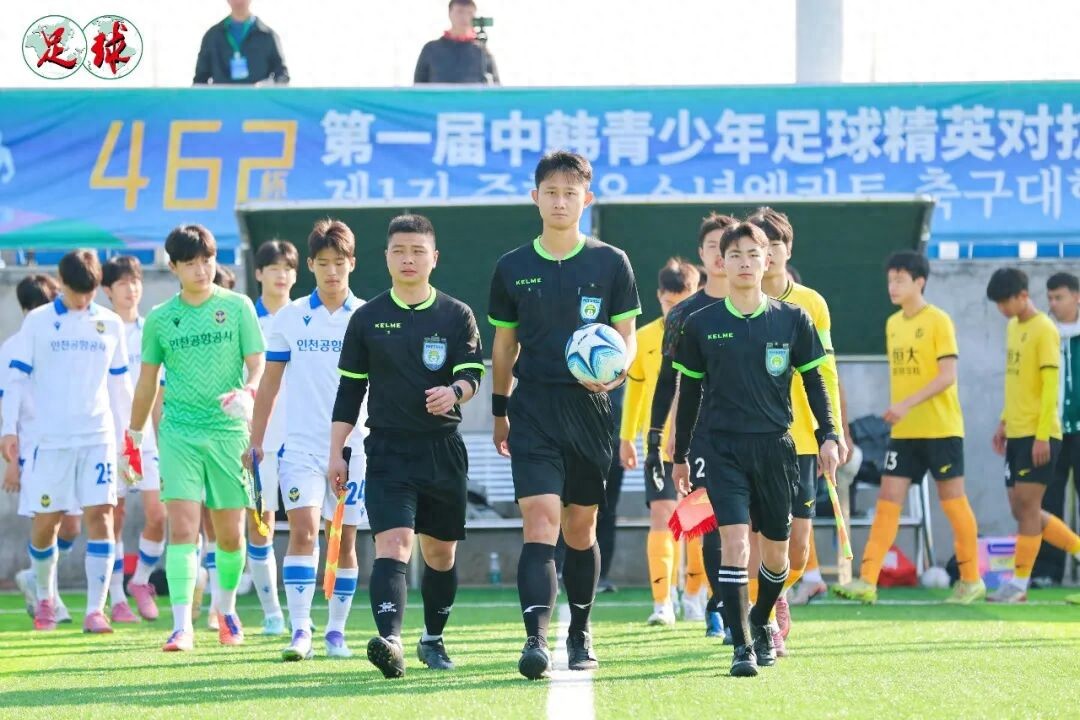
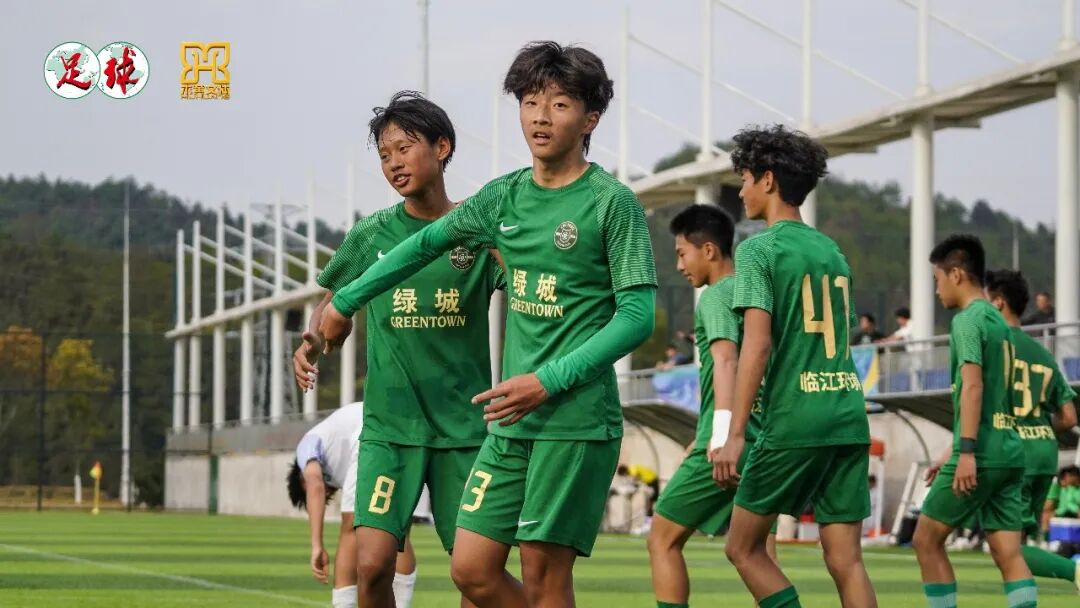
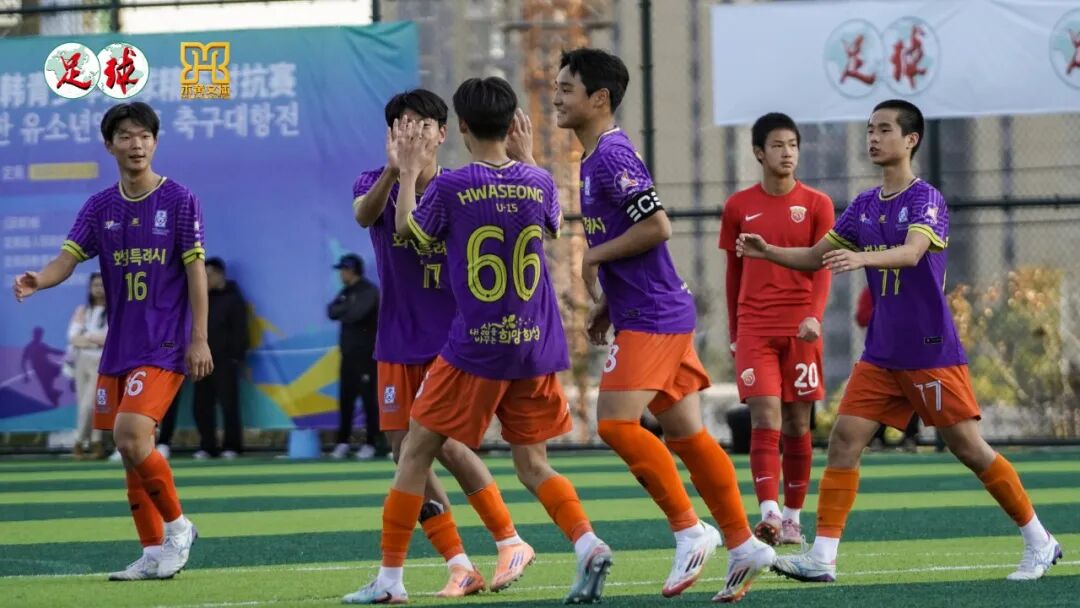
Reporter Chen Yong reporting from Dingnan, Jiangxi. On January 16th, in the 5th round of the first “462 Cup” China-Korea Youth Football Elite Challenge, Wuhan Three Towns played against HSFA Hwaseong. Both teams engaged in rapid transitions, competing at a high tempo with a dazzling pace. The match was full of ups and downs: Wuhan Three Towns took a two-goal lead in the first half, HSFA Hwaseong quickly scored twice to equalize, and in the second half Wuhan Three Towns ultimately scored the decisive goal to win 3-2. After the match, when asked about how many games Wuhan Three Towns could play domestically at such intensity and pace in a year, head coach Long Cheng thought for a moment and said, “We only played over 50 matches last year, but games of this quality are probably fewer than five.”
After Shanghai Port’s 4-3 win over HSFA Hwaseong on the 14th, acting head coach Wu Ming said that matches like this might only be encountered in the final stages of the China Youth League. The team actually hoped for more effective ball control, but under the opponent’s pressing, they were forced into a fast-paced transition style of play.
Perhaps only by being on-site can one truly feel the impact and reflections this China-Korea challenge has brought to Chinese youth football. Here, we also provide a panoramic overview of the inaugural China-Korea Youth Football Elite Challenge from both results and tactical perspectives.

The inaugural China-Korea Youth Football Elite Challenge featured a total of 64 official matches, among which 32 were China-Korea confrontations. Of these 32 matches, as many as 14 were classified as high-quality games. This classification means that compared to domestic youth football events, these matches belong to a rare top tier, with both sides showing excellent tactical and technical skills, maintaining high-intensity competition and achieving rapid transitions throughout.
Using this concept to differentiate, the matches between six Chinese teams and three Korean teams can be defined as high-quality games. The Chinese teams are Evergrande Football School, Wuhan Three Towns, Shanghai Port, Zhejiang, Guangdong Mingu, and Chengdu Football Association; the Korean teams are Incheon United, HSFA Hwaseong, and Seongnam FC.
In the 32 China-Korea matches of this challenge, Chinese teams achieved 12 wins and 20 losses. Excluding penalty shootouts, the record stands at 10 wins, 3 draws, and 19 losses against Korean teams. Among the 14 high-quality matches, the record between Chinese and Korean teams was evenly matched at 6 wins, 2 draws, and 6 losses.
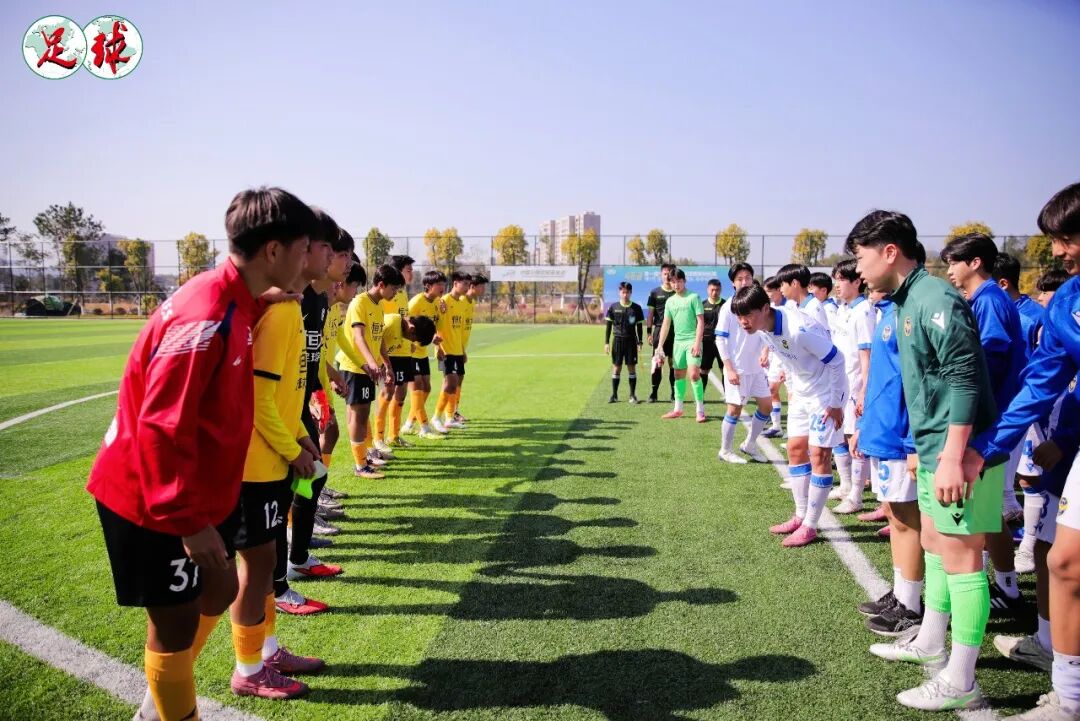
Specifically, the results of Chinese teams in high-quality matches were: [Evergrande Football School] 4-4 vs Incheon United, 4-1 vs Seongnam FC; [Wuhan Three Towns] 3-2 vs Hwaseong, 4-2 vs Incheon United; [Zhejiang] 1-2 vs Hwaseong, 0-1 vs Incheon United; [Shanghai Port] 4-3 vs Hwaseong, 0-3 vs Incheon United, 2-2 vs Seongnam; [Guangdong Mingu] 1-0 vs Hwaseong, 0-1 vs Incheon United, 0-1 vs Seongnam; [Chengdu Football Association] 1-0 vs Hwaseong, 0-3 vs Incheon United.
Corresponding results for the Korean teams in high-quality matches were: [Incheon United] 4-4 vs Evergrande, 1-0 vs Zhejiang, 3-0 vs Chengdu FA, 1-0 vs Guangdong Mingu, 3-0 vs Shanghai Port, 2-4 vs Wuhan Three Towns; [Seongnam FC] 1-4 vs Evergrande Football School, 1-0 vs Guangdong Mingu, 2-2 vs Shanghai Port; [HSFA Hwaseong] 2-1 vs Zhejiang, 0-1 vs Chengdu FA, 0-1 vs Guangdong Mingu, 3-4 vs Shanghai Port, 2-3 vs Wuhan Three Towns.
In the final round on the 19th, Wuhan Three Towns defeated Incheon United 4-2, ending the Korean team’s seven-match unbeaten streak. Another key match saw Shanghai Port draw 2-2 with Seongnam FC, eventually winning their second penalty shootout of the tournament.
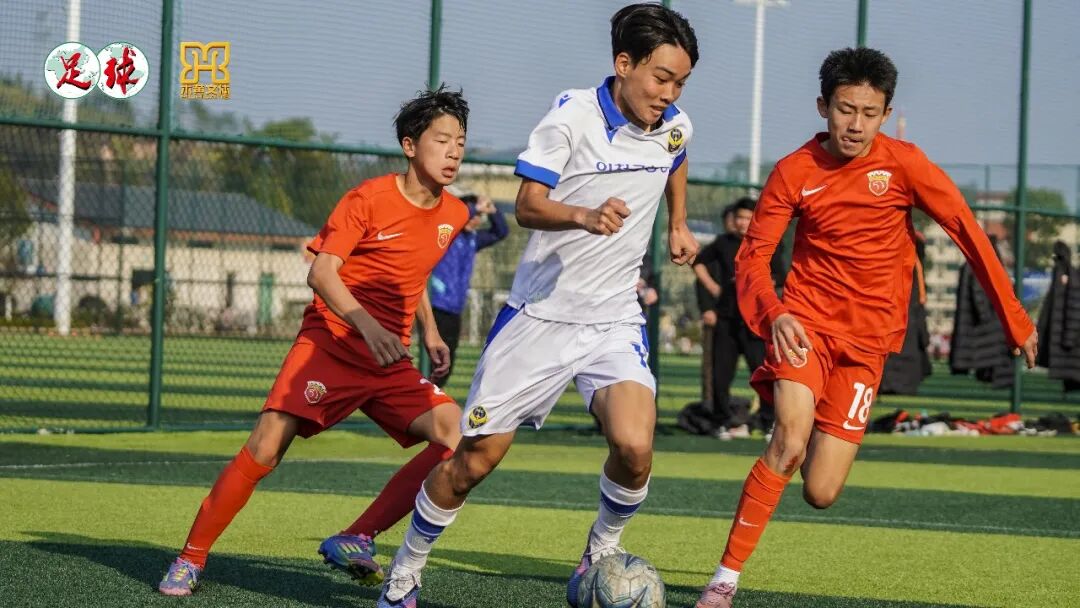
The inaugural China-Korea Youth Football Elite Challenge featured 12 Chinese teams. To better enhance China-Korea confrontations and exchanges, a special format was adopted where Korean teams did not play each other. Each Chinese team faced Korean teams between two to four times. Shanghai Port faced Korean teams four times; Evergrande Football School, Wuhan Three Towns, Zhejiang Club, Guangdong Mingu, Dingnan Dream, and Xi’an Sports School faced Korean teams three times; the other five Chinese teams faced Korean teams twice.
Due to unavoidable pre-tournament strength assessment errors, dense scheduling causing rotation issues, and teams focusing more on development value, results do not fully reflect team strength. A typical case is HSFA Hwaseong, who faced strong Chinese teams five times in six rounds, consistently maintaining high pressing and rapid transitions. Their record was 2 wins and 4 losses, but every match was explosive and intense. Thus, although rankings were set, the core significance of this event lies in exchange.
The China-Korea challenge focuses on elite confrontations and also on reviewing youth teams of various strengths nationwide. Ultimately, 32 China-Korea matches achieved a comprehensive review, with 14 high-quality games bringing impact and reflection.
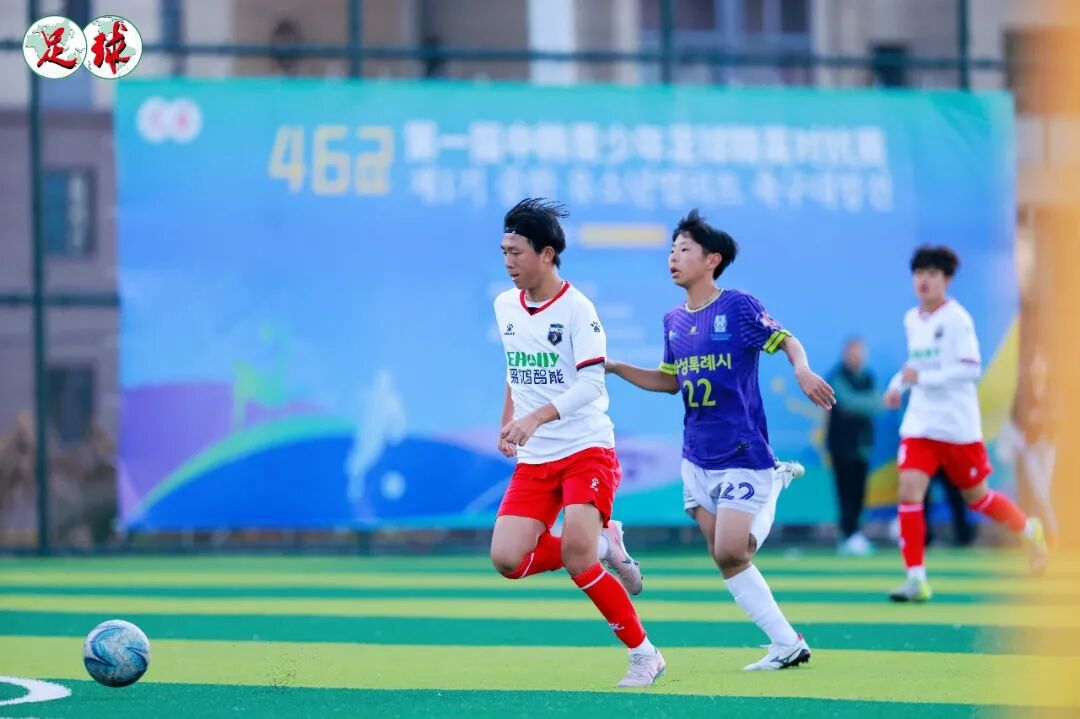

During the competition, the strength of each team in this China-Korea challenge became clear. First, from the Korean teams’ perspective:
Incheon United is recognized as a strong Korean team. From rounds 3 to 7, they consecutively faced strong Chinese teams. Except for the 3rd round against Evergrande Football School where they led 4-1 but were drawn, they then won four consecutive matches strongly. In the last round against Wuhan Three Towns, Incheon United fell behind with a rotated lineup and even after bringing back starters, they could not avoid defeat, suffering their first loss in the tournament.
HSFA Hwaseong showed formidable strength in their first match against Zhejiang. However, they had played two warm-up matches on the 9th and 10th, totaling 10 matches in 11 days. The team consistently applied high pressing and quick transitions, which somewhat drained their stamina. Interviews and assessments place them in the upper-middle tier in Korea. More importantly, their aggressive style gave Chinese teams a completely different experience.
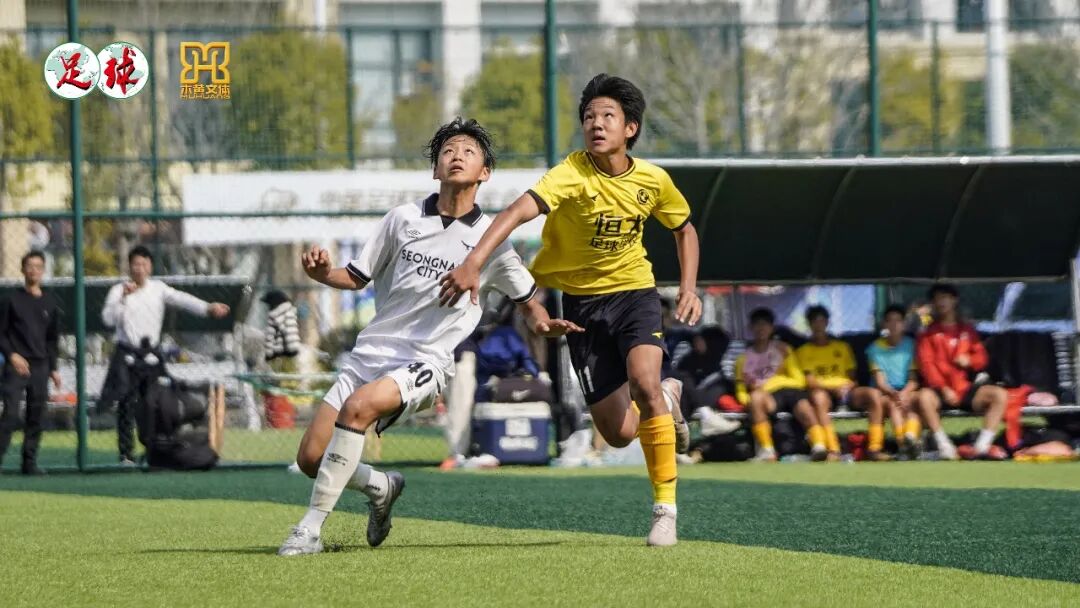
Seongnam FC is relatively younger in age. Against Evergrande Football School, they performed well in the first half but were dominated in the second half. In their final match against Shanghai Port, they showed good resilience, coming back from two goals down to push the game into a penalty shootout. Yongin FC’s overall strength is weaker.
Among the Chinese teams, Evergrande Football School, Wuhan Three Towns, Zhejiang, Shanghai Port, and Guangdong Mingu are the stronger sides. All five made it into the final championship group.
Evergrande Football School had an outstanding 2025 season, winning the U13 championship of the China Youth League, as well as the U15 and U17 Elite League titles. Their 2011 age group team in this tournament played three matches against Korean teams, achieving 2 wins and 1 draw, ultimately claiming the tournament championship.
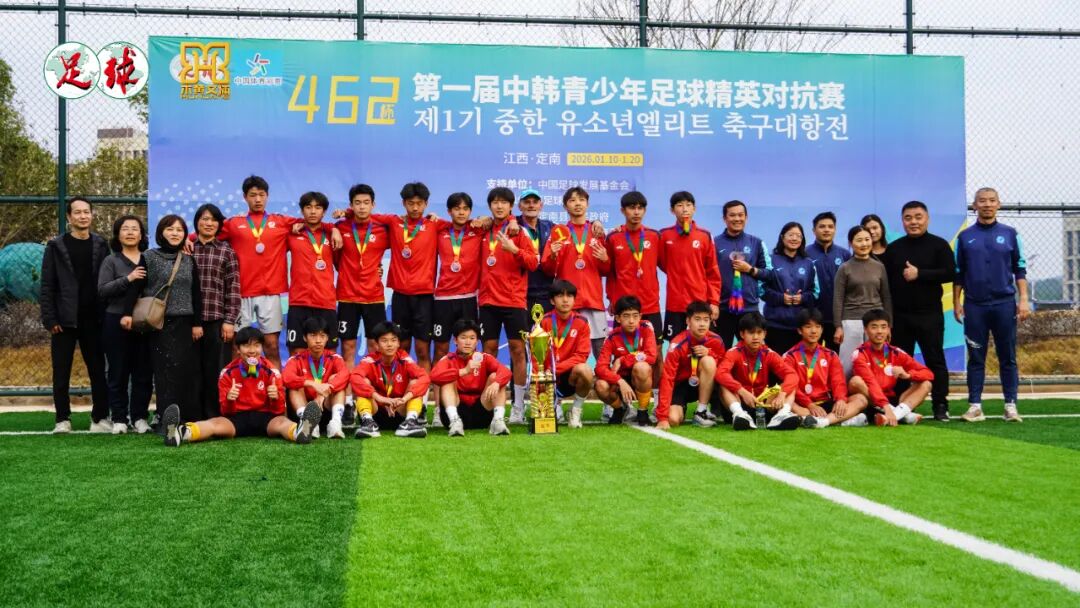
Wuhan Three Towns is one of four Chinese Super League clubs that participated in China League Two over the past two seasons. Their U15 team, weakened by the mid-season call-up of four national youth players, finished 6th. However, they were the only team to win all matches against Korean teams, winning all three within regular time.
Shanghai Port is also one of the four CSL clubs involved in China League Two in the past two seasons, reaching the U17 Elite League semifinals. Their U15 squad was the only team to face all four Korean opponents, achieving 1 win, 2 draws, and 1 loss. Two draws were ultimately decided by penalty shootouts, and their only loss was to the strongest Incheon United, showing a strong performance.
Zhejiang was the runner-up in the U13 group of the China Youth League and has won the championship multiple times before. Their first match against Hwaseong ignited the tournament with fierce confrontation and rapid transitions. However, their form fluctuated later, ending with 1 win and 2 losses against Korean teams. Both losses were narrow one-goal defeats despite dominating play, which was especially regrettable.
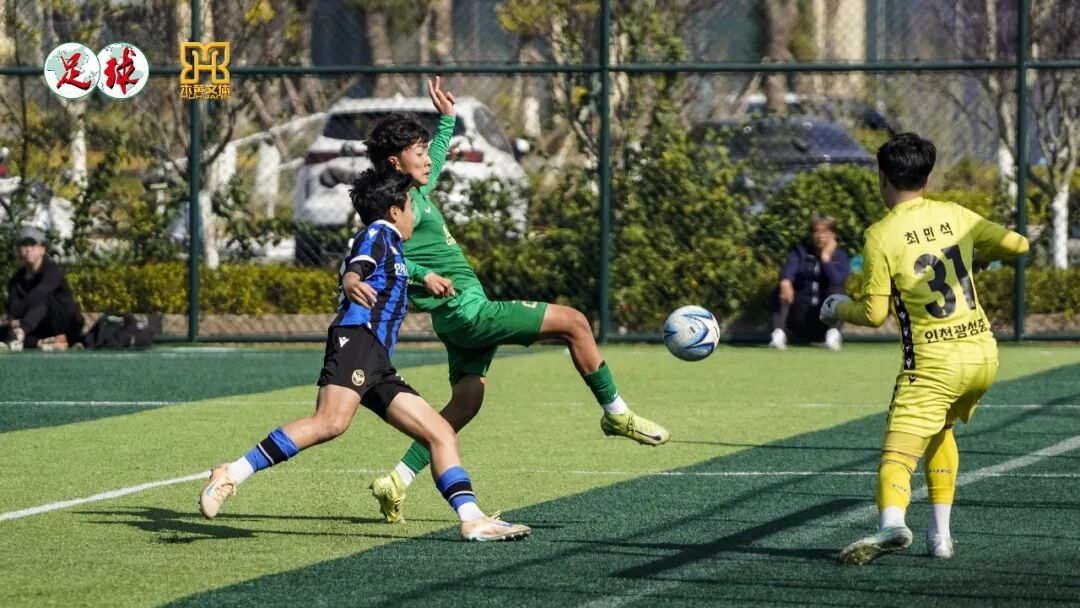
Guangdong Mingu was the runner-up in the boys’ U15 group of the 2025 China Youth League. Their squad mixed players born in 2011 and 2012. Against three strong Korean teams, they recorded 1 win and 2 losses, all by narrow 1-0 scores.
Among the teams in the ranking group, Chengdu Football Association’s U15 squad was originally stronger but missed four U15 national players due to national team training. They achieved 1 win and 1 loss in two matches against Korean teams. Dingnan Dream, jointly built by Dingnan Sports Bureau and Dingnan Ganlian, is essentially Ganlian’s youth team. Their U13 team reached the last 32 in the 2025 China Youth League. In this China-Korea challenge, they defeated the relatively weaker Korean Yongin FC. Xi’an Sports School is a key football development city team; although they failed to score points in three matches against strong Korean teams, all losses were narrow and they scored in each match. Guizhou Football Association has developed rapidly in youth training in recent years and showed solid strength.
The above three teams have certain strengths and characteristics. The next three teams are relatively weaker: Henan’s squad is younger and their club youth system is under reconstruction, but progress is evident as they reached quarterfinals in both U21 and U15 Elite Leagues, finishing their last match in this tournament; Shenzhen Xinpengcheng has a weak youth base, mainly composed of school football and trial players; Ganzhou Youth Training Center is just starting, but youth football is rapidly developing in Ganzhou overall.
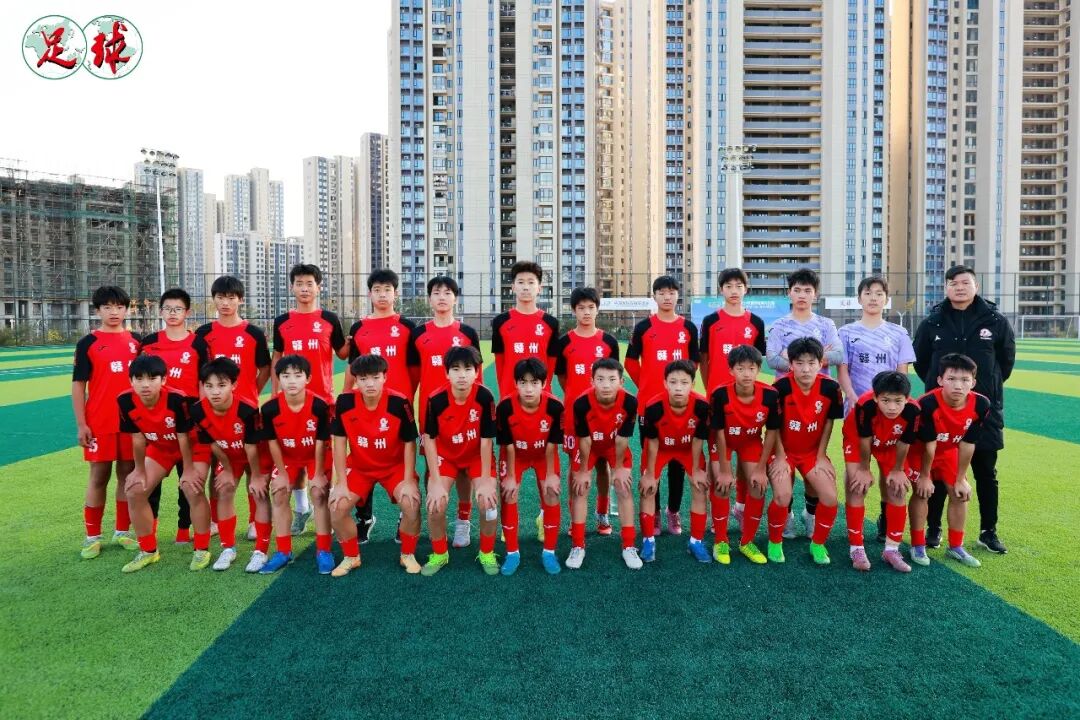

Overall, the Korean teams are representative, including professional youth teams (Incheon United, Seongnam FC, Yongin FC) and association teams (HSFA Hwaseong), with clear differences in strength and style. Incheon United is the strongest with the most balanced style, HSFA Hwaseong is next with an aggressive approach, Seongnam FC has deep roots, and Yongin FC, a new K2 league club, has relatively weak youth training.
Among the Chinese teams, top domestic teams including Evergrande Football School, Wuhan Three Towns, Zhejiang, Shanghai Port, and Chengdu Football Association participated, alongside emerging teams like Guangdong Mingu. The participating teams cover a wide range, with clear distinctions in strength and style.
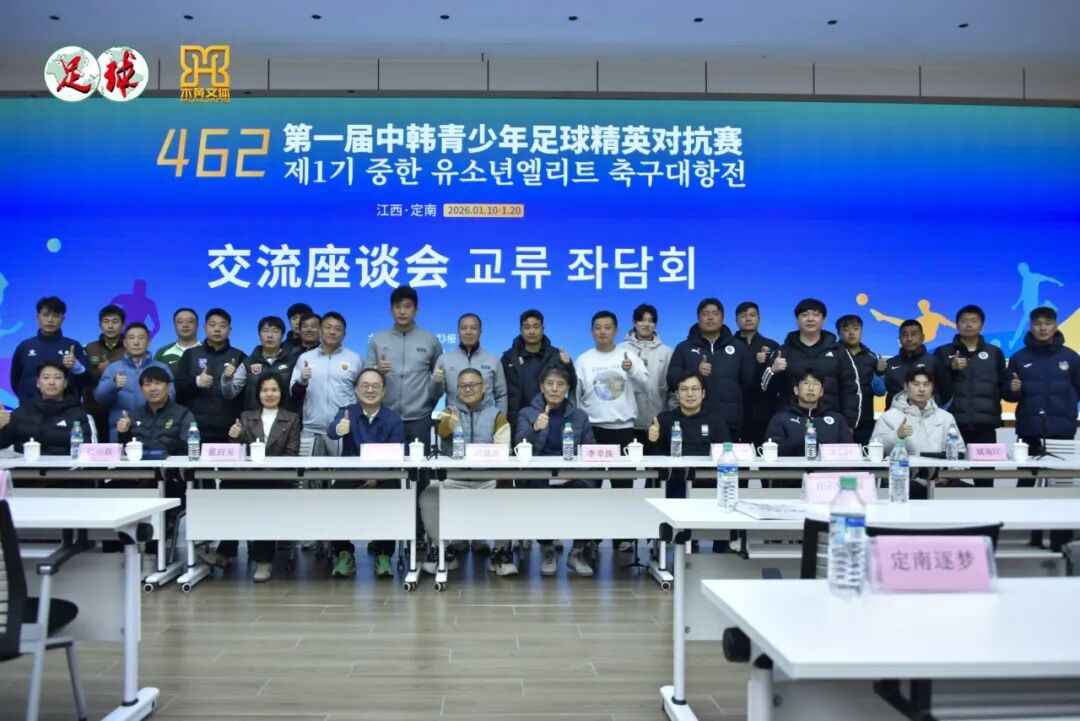
Regarding this tournament, the Korean side highly praised the level of Chinese youth football. “In this China-Korea challenge, matches had wins and losses on both sides. I saw a significant improvement in the level of Chinese youth football,” said Lee Yong-su, Vice Chairman of the Korean Football Association.
Cheon Min-cheol, who has long served as assistant coach in the Chinese Super League and head coach in China League Two, told reporters: “The level of Chinese youth football has improved remarkably in recent years, which can be clearly felt through the performance of national youth teams and this China-Korea challenge.” After watching multiple strong confrontations, Lee Jang-su stated explicitly: “Such high-intensity, fast-paced, high-quality matches are very meaningful for both Chinese and Korean teams.”
However, behind the seemingly balanced record of 6 wins, 2 draws, and 6 losses in strong confrontations, and the high praise from Korea, we must clearly recognize that there remains a huge gap in youth football levels between China and Korea.
Firstly, regarding participating team levels, China included many top youth teams; Evergrande Football School and Zhejiang have long been at the top domestic level. Shanghai Port, Wuhan Three Towns, and Chengdu Rongcheng (Chengdu FA) have B teams competing in China League Two, which currently only five clubs participate in: Shandong Taishan, Dalian Yingbo Haifa, and these three. This reflects a deep youth training foundation. Guangdong Mingu is an emerging youth training team. On the Korean side, although Incheon United showed strong power in this tournament, domestically they are not the top-tier professional club youth team. HSFA Hwaseong was runner-up in the Gyeonggi Province Autumn Football Tournament but is among more than 10 similarly strong association teams in Korea. From this perspective, while the China-Korea strong confrontations appear balanced, the underlying gap cannot be ignored.
Secondly, due to the focus on China-Korea confrontation and exchange, the format ensured that China’s strong teams faced opponents with clearly defined strength levels, generally avoiding consecutive high-intensity matches. For example, Evergrande Football School faced four relatively weaker domestic teams in the first six rounds, allowing them to give full effort in China-Korea matches. Conversely, Korean teams often played consecutive high-intensity matches: Incheon United played eight matches, with only the first two against weaker opponents, and the next six almost all against strong Chinese teams; HSFA Hwaseong faced nearly continuous strong opponents, having played two warm-up matches on the 9th and 10th, then five consecutive rounds against strong Chinese teams, only easing in the last three rounds. Considering this schedule factor, we must have a clear understanding of the seemingly balanced strong confrontation record.
Thirdly, tactically, Korean teams performed better in intensity and pace. Although Chinese teams also showed good performance, they were mostly driven and stimulated by the Korean teams. The intensity and pace of domestic leagues remain unsatisfactory, which is perhaps the greatest difference.
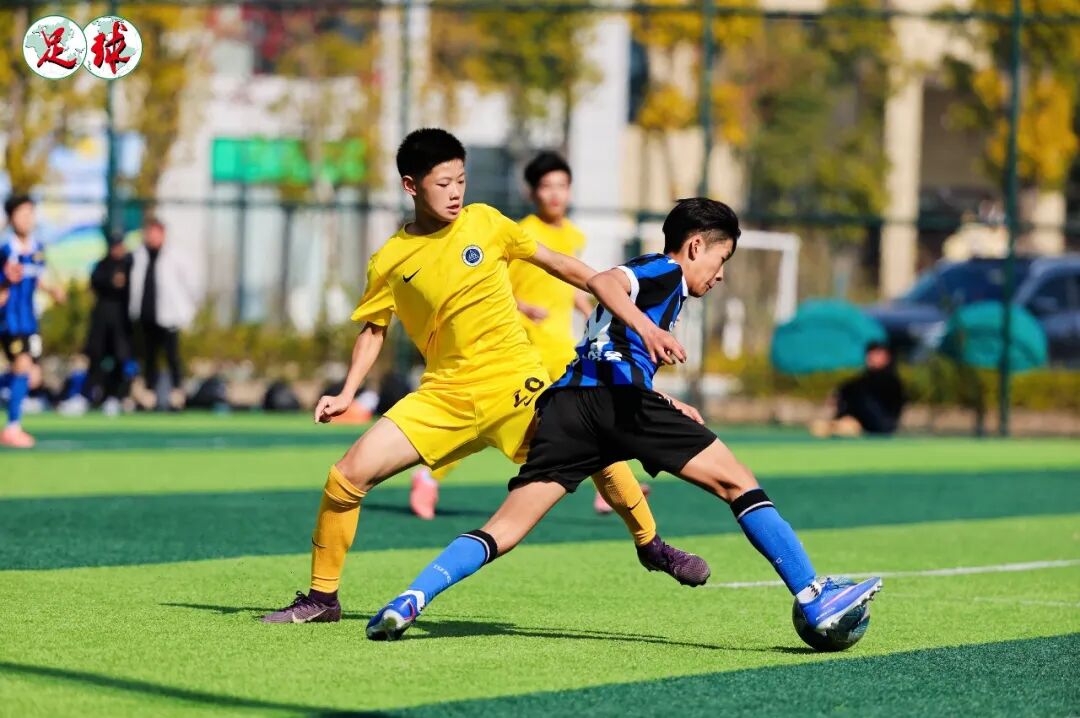

The 2025 Suzhou Super League final featured mainly players from Haimen Kediyuan and Changchun Yatai youth teams. The final was an all-out frenzy: constant high-intensity physical confrontations and continuous attack-defense transitions every second. Such intensity is rare even in domestic professional leagues. If this had been a U21 league or U19 China Youth League match in a closed venue without spectators, the two teams would likely have played cautiously, unable to sustain such intensity and pace. Why was the Suzhou final so intense? Simply because their potential for intensity and transition pace was fully unleashed in front of 62,329 enthusiastic fans.
In this China-Korea Youth Football Elite Challenge, under HSFA Hwaseong’s frantic high pressing and transition style and Incheon United’s consistent intensity and pace combined with stable tactics and superior individual abilities, the potential of all Chinese teams was fully unleashed. This represents both a gap and a gain.
Among the four Korean teams, Yongin FC is relatively weaker. Although they participate in the 2026 K2 League, unlike the other two teams promoted from K3 to K2, Yongin FC rose directly from amateur ranks and are still rebuilding their first team. Thus, Yongin FC performed moderately among the four Korean teams. Even with weaker strength, their pressing and transition style benefited the Chinese teams greatly. Seongnam FC only had eight players born in 2011, two of whom missed matches due to flu. Their good overall results stem from facing relatively weaker teams. In the match against Evergrande Football School, they performed excellently in the first half, leading 1-0, but panicked in the second half and lost 4-1.
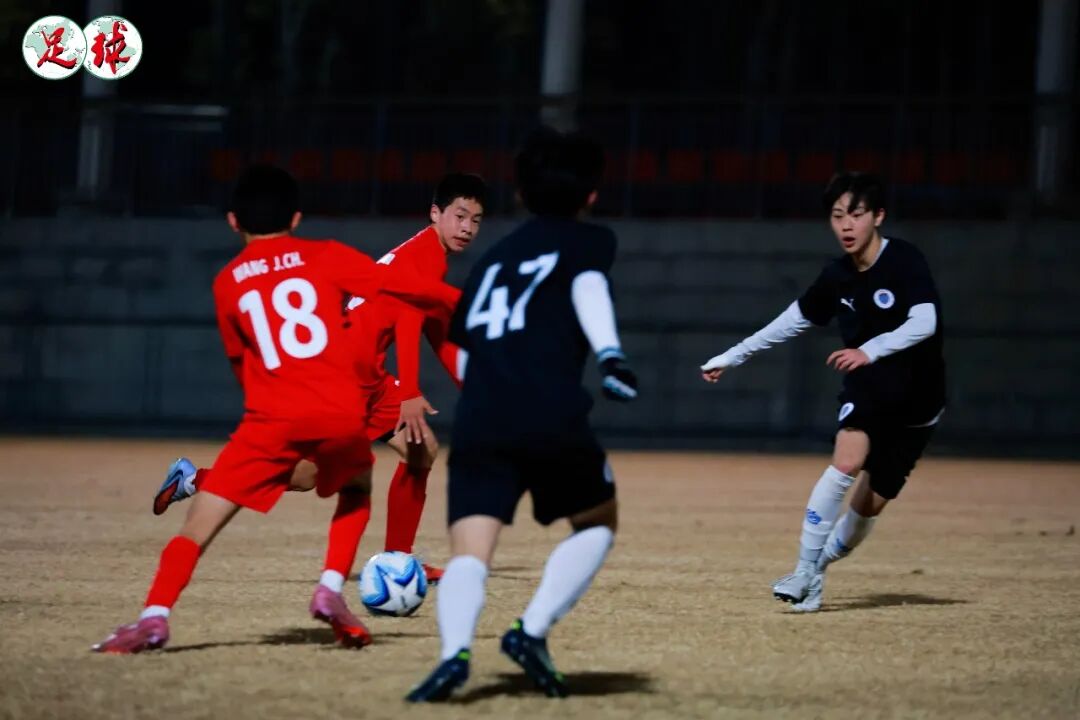
Although HSFA Hwaseong’s results were poor, their high pressing and rapid transition style left a deep impression. In fact, their transition pace is rare in domestic football, which explains Long Cheng’s remark that similar matches are played fewer than five times a year domestically. HSFA Hwaseong’s impact on Chinese teams in this challenge was the most profound. Incheon United has stronger overall strength, better individual abilities, and more stable tactics, with balanced offense and defense. Although their transitions are not as frantic as HSFA’s, their excellent overall strength made them hard to beat. Only Evergrande Football School managed to fight back from 1-4 down to earn a point.
For Chinese teams, Evergrande Football School played with boldness and openness against Korean teams; their comebacks were astonishing, turning a 1-4 deficit against HSFA Hwaseong into a 4-4 draw, and overturning a 0-1 deficit against Seongnam FC by scoring four consecutive goals. Evergrande’s style is robust, straightforward, and focused on transitions, somewhat resembling Korean teams. Wuhan Three Towns play similarly but with a more balanced approach and better overall control.
Zhejiang’s youth training is influenced by Japanese football, with excellent close-range passing and strong ball-switching ability, which differs markedly from Evergrande’s style. Shanghai Port left a deep impression; their head coach is Japanese coach Kazu Shimizu, and Wu Ming served as the tournament’s acting head coach. Shanghai Port’s style emphasizes team coordination, with fewer long passes and more regional cooperation. Though this led to a higher error rate, their active counter-pressing created many threats. Their main weakness lies in slightly weaker individual player abilities.
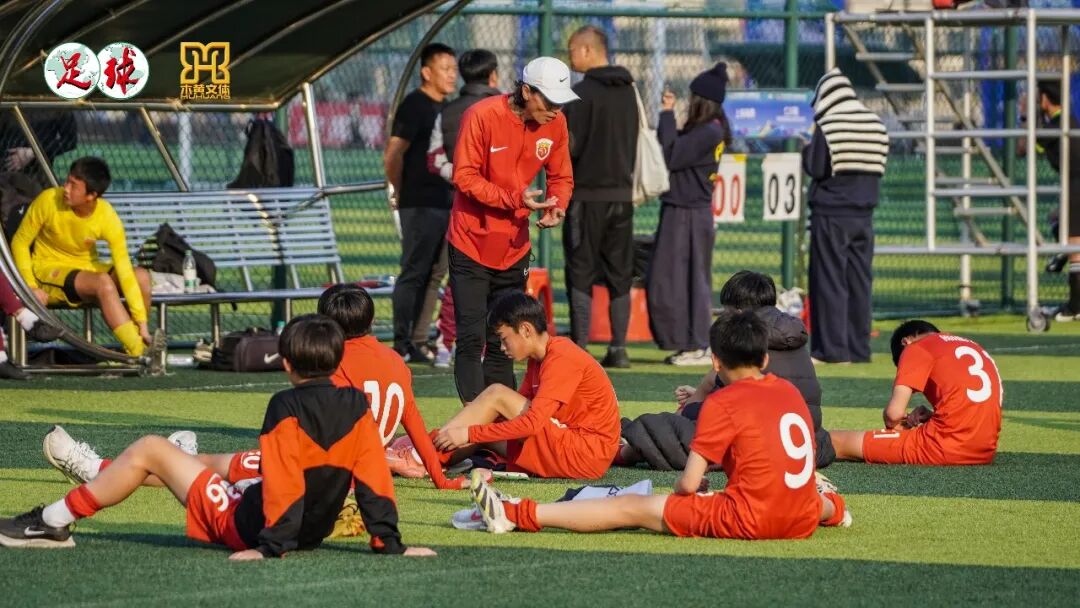
Guangdong Mingu adopted a low defensive strategy against HSFA Hwaseong in round 3, winning the match. By round 6 against the stronger Incheon United, they changed tactics to a more forward lineup, daring full-field transitions, and high pressing when behind. Their performance was outstanding, and although they lost 0-1, this match left a deep impression. They also performed well against Seongnam FC on the 18th.
Other teams also showed their characteristics. Dingnan Dream mainly consists of 2012-born players; despite their young age, they performed well with a solid defense and stable mentality. Guizhou Football Association and Xi’an Sports School showed some good performances. Henan, Shenzhen Xinpengcheng, and Ganzhou Youth Training Center also made significant progress. For example, Shenzhen Xinpengcheng, composed mainly of school and trial players, struggled badly in their first match against Evergrande Football School but improved by scoring against strong Incheon United and reducing goals conceded. They also scored against Xi’an Sports School and Guangdong Mingu, conceding fewer goals against Seongnam FC, showing clear overall improvement. Henan and Ganzhou youth players also gradually adapted to the high-intensity pace, eventually achieving victory in their final matches.
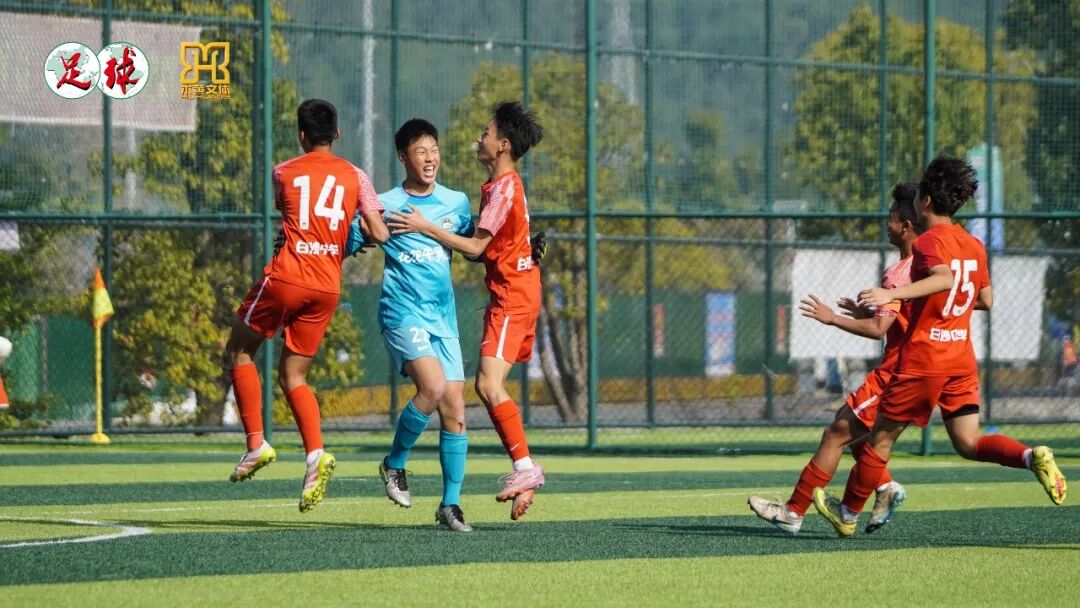

The most impressive aspect of this China-Korea challenge was that Chinese teams’ potential was fully unleashed, with intensity and transition pace completely driven up by their opponents. This was particularly evident in Evergrande Football School, Wuhan Three Towns, Shanghai Port, and Zhejiang.
Evergrande Football School performed excellently against Chinese teams, scoring twice as many goals as the second-highest scoring team in the first six rounds. However, their performance fluctuated greatly against two Korean teams: In round 3 versus Incheon United, they conceded a goal within three minutes, were down 0-2 at halftime, and 0-3 shortly after the second half started. Although they scored once, they conceded again at the 27th minute to trail 1-4. Only then did Evergrande awaken, scoring three goals in the last ten minutes (half-time 40-minute mark) at the 31st, 38th, and 40th minutes to equalize 4-4 and share points with Incheon United.
The same happened in round 6 against Seongnam FC: they conceded early at the 15th minute, then exchanged goals with Seongnam FC. In the second half, Evergrande suddenly exploded, dominating the opponent and scoring two goals within about one minute at 14:02 and 15:15, then adding two more at the 27th minute and stoppage time, winning 4-1.
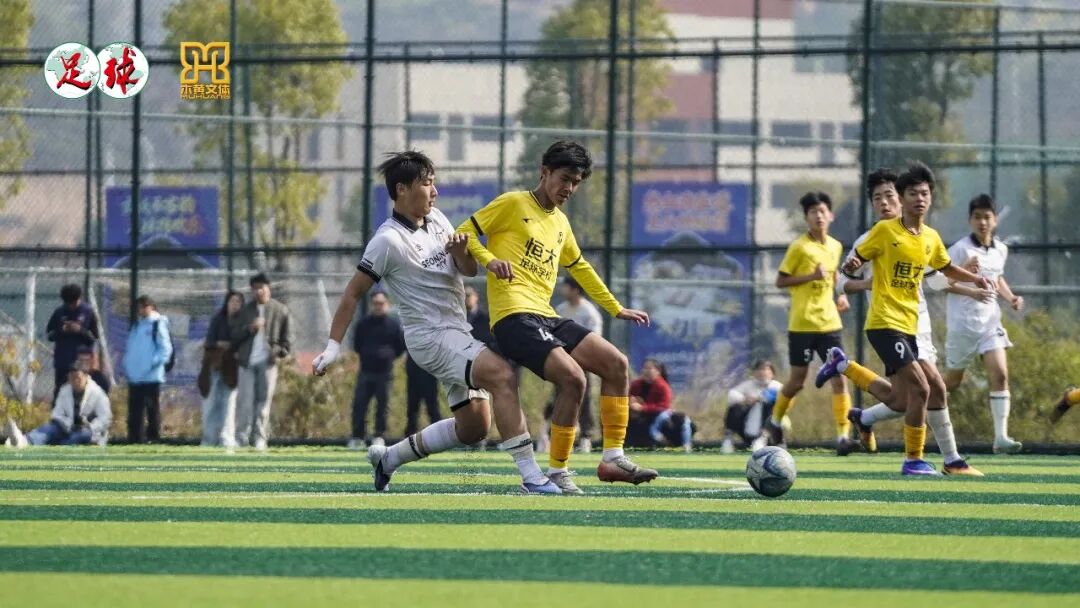
From these matches, it is clear that Evergrande Football School’s physical fitness and individual tactical skills fully support high-intensity, fast-paced, high-quality matches. However, perhaps accustomed to domestic match intensity and pace, they struggled somewhat in the first half against Korean teams, only fully demonstrating their ability and talent when trailing.
Shanghai Port’s matches were similar. Against Yongin FC and HSFA Hwaseong, their transition speed was consistently very fast, especially in the match against HSFA Hwaseong, where they performed excellently with continuous rapid transitions and won 4-3. After the match, Wu Ming told reporters: “We also hope to control the game better and require them to keep possession, but under the opponent’s high pressing, many mistakes were made, leading to more counter-pressing and transitions. However, the kids showed great spirit and excellent counter-pressing. This intensity and pace helped us a lot.”
On the first match day, Zhejiang and HSFA Hwaseong competed with intense physical duels and rapid transitions. After adapting in the second half, Zhejiang gained better ball control while maintaining intensity and pace. Head coach Feng Yang said after the match that the team felt the pressure and made progress under it. He emphasized in the halftime room to cherish this pressure and opportunity and praised the team’s tactical performance in the second half.
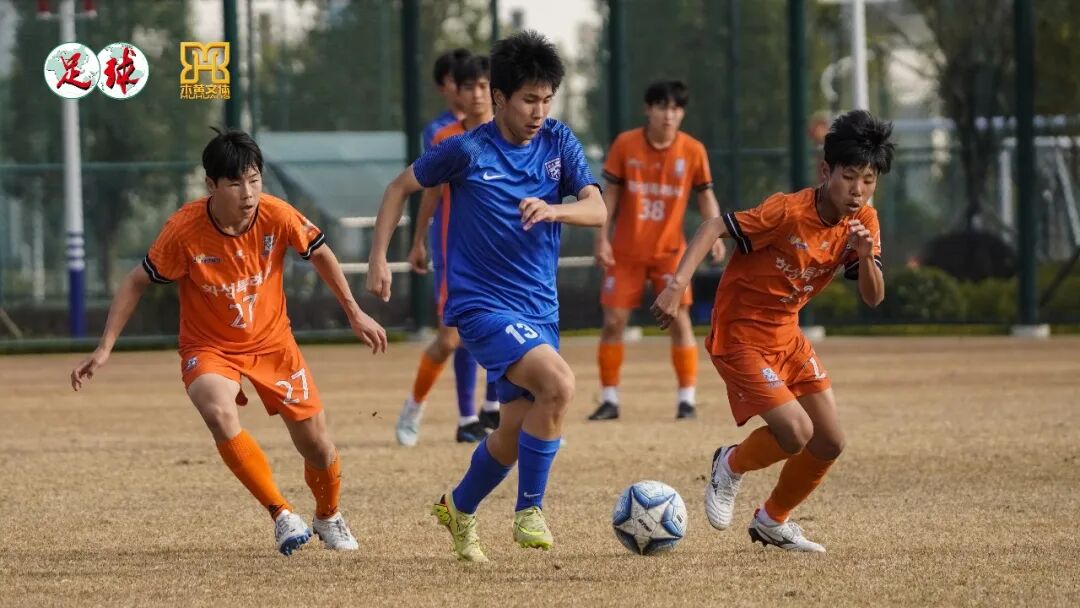
After Wuhan Three Towns’ match against HSFA Hwaseong, Long Cheng’s remarks sparked heated discussions. Fans said the lack of high-quality matches slows the growth of Chinese youth players. The simple truth behind this is that Chinese youth players are not lacking courage, are not afraid of confrontation or fast-paced games, and their individual skills have been highly praised by Koreans. Korean Football Association Vice Chairman Lee Yong-su, Korean football legend Lee Jang-su, long-serving Chinese coach Cheon Min-cheol, and Korean team coaches all acknowledged the level and individual ability of Chinese youth football. Chinese players simply lack an environment with high-intensity, fast-paced confrontations.
On a deeper level, at age 15, the gap between Chinese and Korean players is small, and the difference with Japanese players is also minor. But by the professional level, the gap becomes enormous, all due to the lack of high-intensity, fast-paced, high-quality matches during their growth phase. Chinese youth players have only about five such matches per year without international confrontations, while Korean youth players may have 30. Over time, a gap that could be crossed in one step becomes an unreachable chasm.
This is precisely the significance of the China-Korea Youth Football Elite Challenge.


Wonderfulshortvideo
The footwork, the finish 🤌


Did you get it? 🤔😅
The Wirtz x Sané link-up 🔗
Haaland’s movement 🥵
Which counterattack is
“afcon funny moments”
🤤🤤
 Links
Links
 Contact
Address:UNIT 1804 SOUTH BANK TOWER, 55 UPPER GROUND,LONDON ENGLAND SE1 9E
Number:+85259695367
E-mali:[email protected]
 App
App


