



Malaysian Expert Hopes FIFA Will Take Over FAM



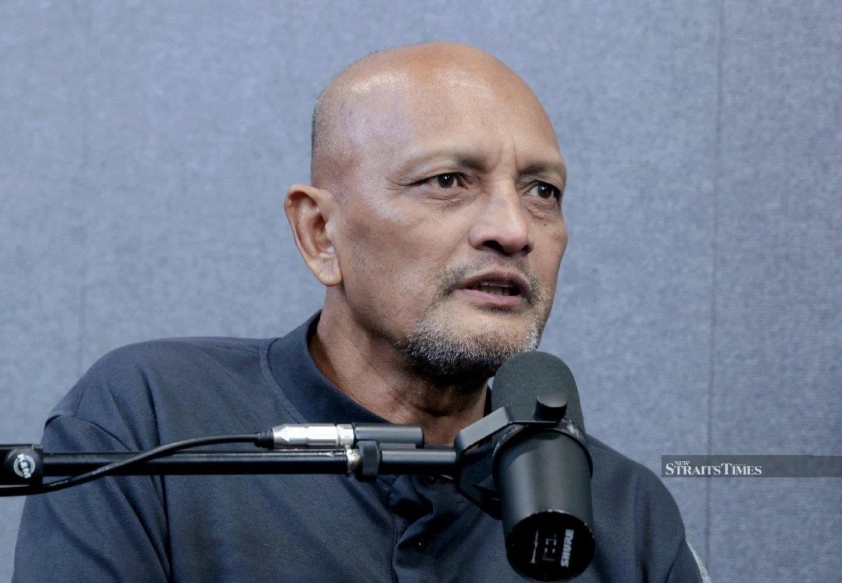
According to sports analyst Datuk Dr. Pekan Ramli, FIFA’s takeover would provide the clearest opportunity to restructure the Football Association of Malaysia (FAM) and break free from the current troubled governance cycle.
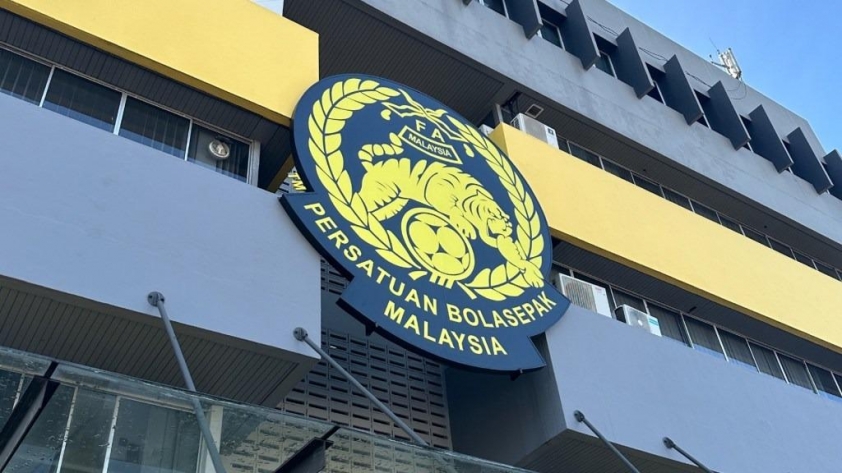
His statements come amid increasing pressure on FAM’s executive committee, which is expected to collectively submit their resignations next week to avoid the appointment of a FIFA-led normalization committee.
Sources close to the management revealed this move is a strategic retreat aimed at demonstrating internal self-regulation and preventing comprehensive international intervention.
A press conference to announce the power transfer is scheduled for January 28. This step is seen as a proactive measure to pave the way for new elections and the formation of a new committee, although concerns remain that the elections alone might allow familiar figures to return.
FAM has been under close scrutiny following disciplinary sanctions imposed by FIFA last year due to violations of Article 22 related to falsifying and tampering with documents concerning seven naturalized players – Gabriel Palmero, Facundo Garces, Rodrigo Holgado, Imanol Machuca, Joao Figueiredo, Jon Irazabal, and Hector Hevel.
FIFA fined FAM 350,000 CHF (1.8 million RM), while each player received a 12-month ban and a 2,000 CHF (10,600 RM) fine. Malaysia was also required to annul the results of three international friendlies last year, where Cape Verde, Singapore, and Palestine were each awarded 3-0 victories.
Pekan stated that voluntary resignation would be a better choice but noted that FIFA’s intervention will ultimately depend on the global football governing body’s assessment of the situation.
"Whether they resign or not, if FIFA wants to take over, it will happen," Pekan said. He added that resignation would be a more dignified option compared to being forced out under the administration of a normalization committee. "Better to resign than be compelled to leave once FIFA intervenes," he stated.
Pekan also mentioned that FIFA’s intervention should not necessarily be viewed as a punishment, but as an opportunity to rebuild credibility and improve governance structures. He added that FIFA-led normalization committees usually operate within a fixed timeframe before returning control after reforms are completed.


Wonderfulshortvideo
The footwork, the finish 🤌


Did you get it? 🤔😅
The Wirtz x Sané link-up 🔗
Haaland’s movement 🥵
Which counterattack is
“afcon funny moments”
🤤🤤
 Links
Links
 Contact
Address:UNIT 1804 SOUTH BANK TOWER, 55 UPPER GROUND,LONDON ENGLAND SE1 9E
Number:+85259695367
E-mali:[email protected]
 App
App


