



In March, facing two top teams consecutively + in June vying to be the “imagined rivals” of World Cup teams! In 2026, China’s national football team aims to elevate its warm-up matches to a higher level.



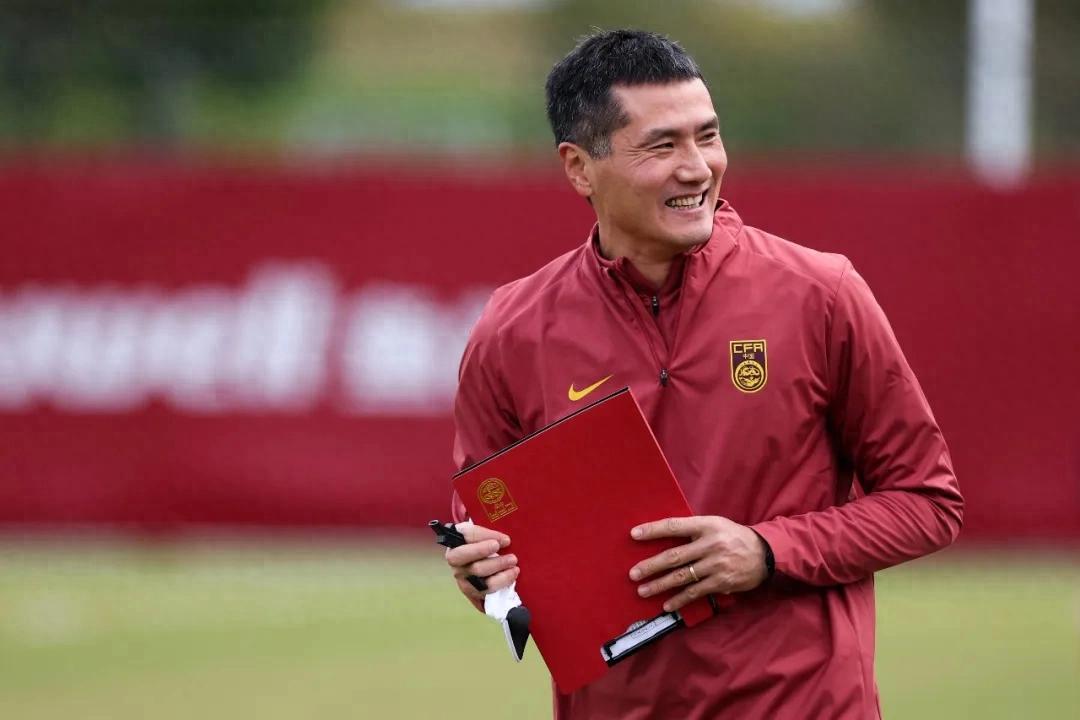
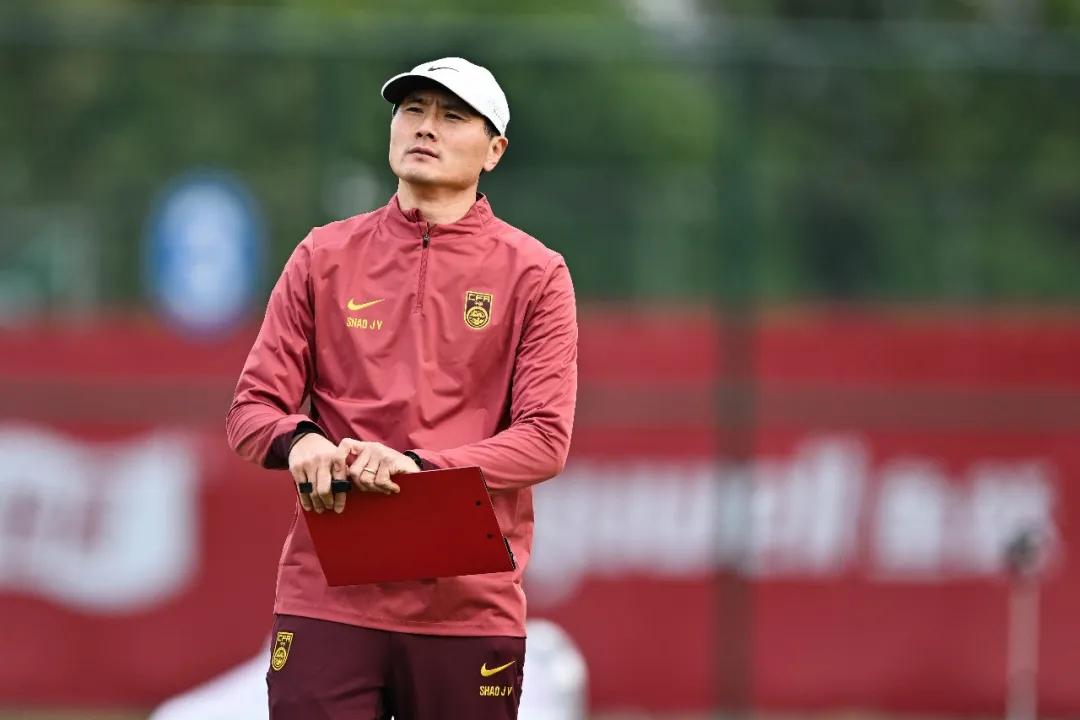
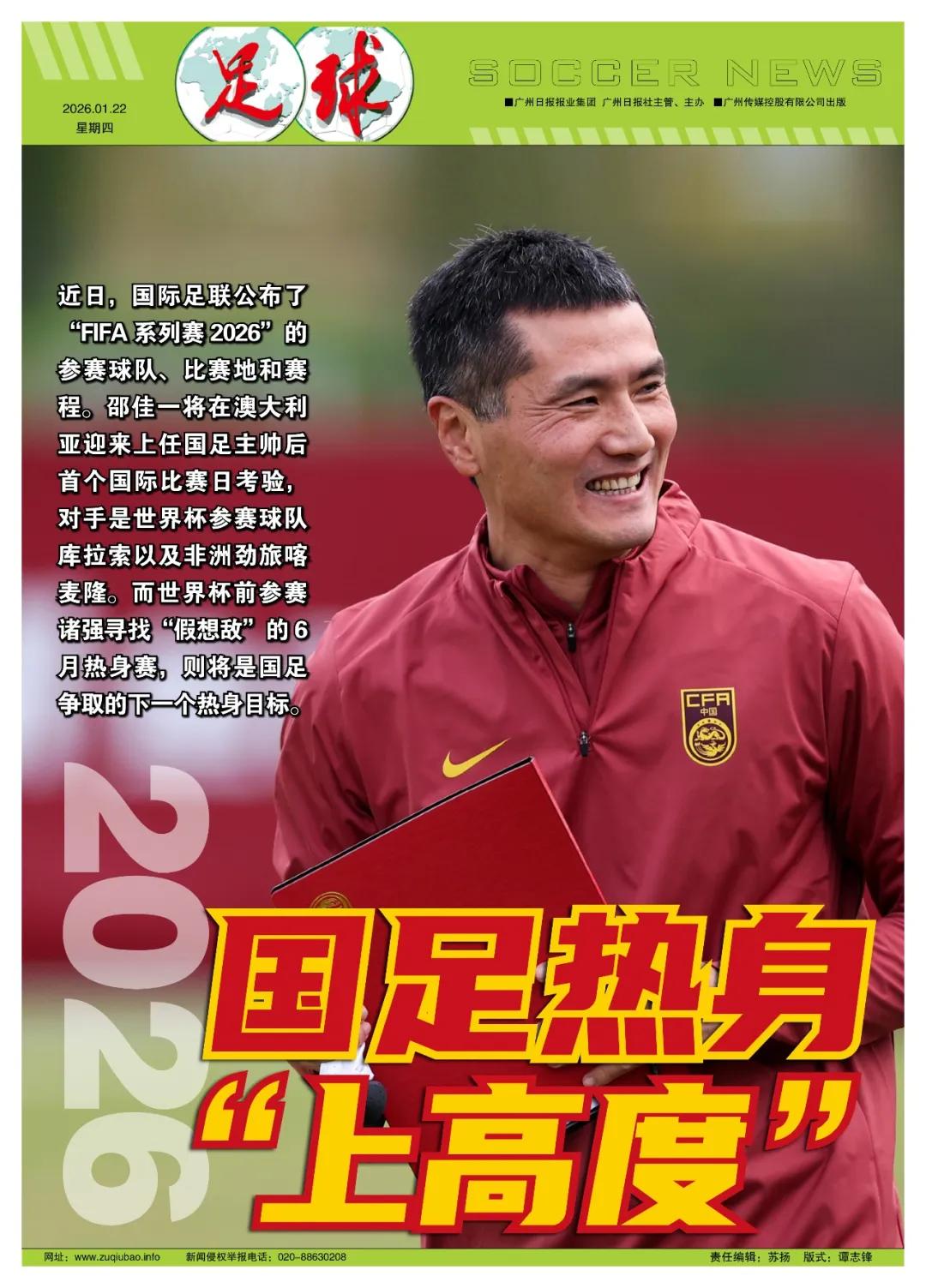
Written by Han Bing. Recently, FIFA revealed the teams, locations, and schedule for the “FIFA Series 2026” (referred to as the Series). Shao Jiayi’s first international matchday challenge coaching the Chinese team will be in Australia against World Cup team Curaçao (March 27) and strong African side Cameroon (March 31). This is the highest-level warm-up for China after the final 18 qualifiers, as during international matchdays, opponents can field their full-strength lineups, making these matches highly valuable for preparation.
Newcomer to the World Cup, Curaçao, is a “third Dutch team” composed entirely of overseas-born or returning players. They qualified for the World Cup by outperforming traditional Caribbean powers Jamaica and Trinidad and Tobago in the qualifiers, with a real strength surpassing their FIFA ranking (82nd). Cameroon, although not qualifying from Africa, is ranked 45th and recently reached the quarterfinals of the Africa Cup of Nations.
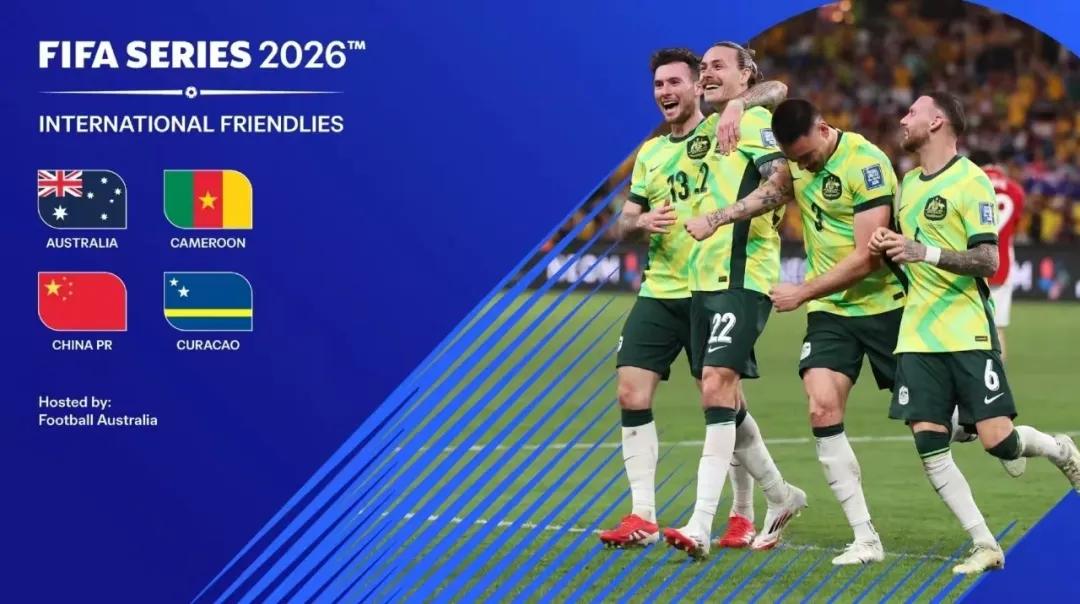
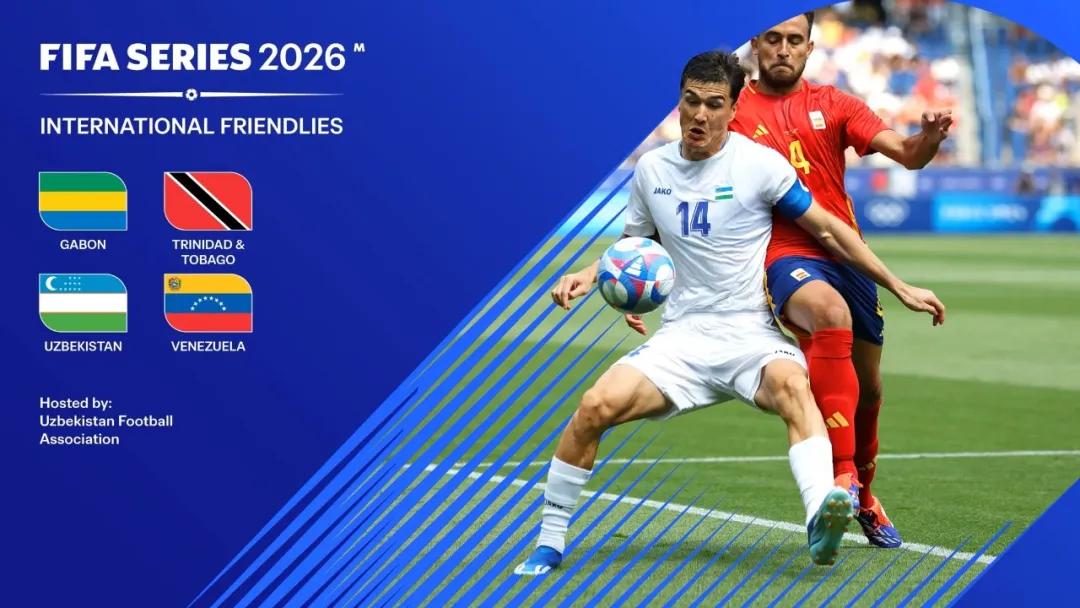
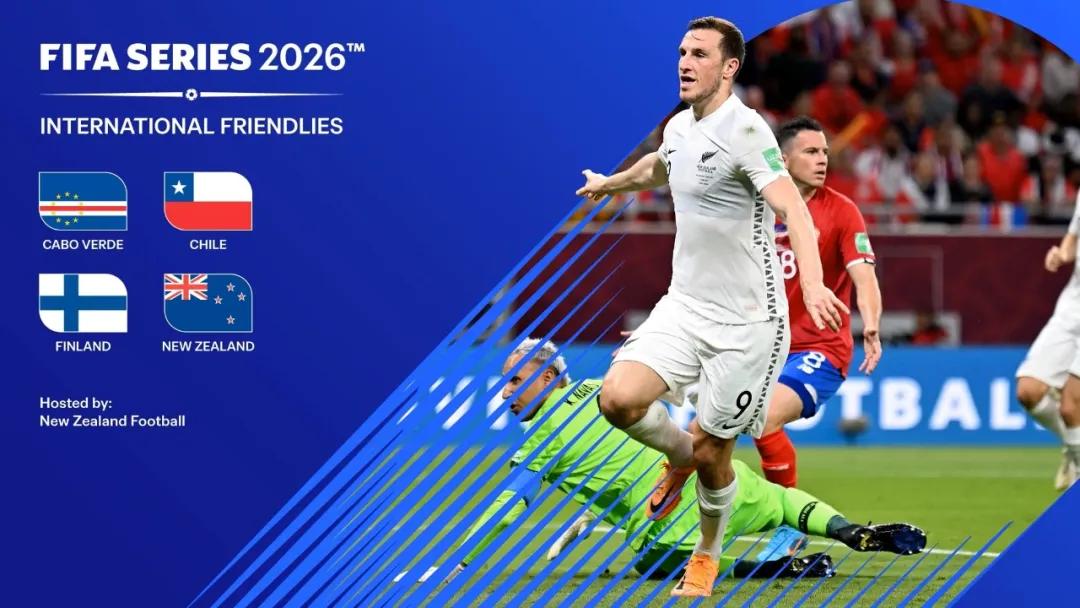
This men’s series is held across eight countries and regions, with Australia, New Zealand, and Uzbekistan hosting the strongest teams. China will not face Australia in this warm-up, but Curaçao and Cameroon have stronger overall strength than New Zealand and Uzbekistan’s opponents. From this perspective, China, like Australia, is one of the biggest beneficiaries of the Series.
In 2024, FIFA launched the Series for the first time, aiming to compete with UEFA for the friendly match market, hoping to consolidate global football associations’ warm-up match resources to create a friendly match IP capable of rivaling the UEFA Nations League. Every two years, during the March international window, FIFA organizes intercontinental warm-up tournaments, with a single association hosting four-team friendlies to promote cross-continental exchanges.
The inaugural 2024 Series took place in Algeria, Azerbaijan, Egypt, Saudi Arabia, and Sri Lanka, hosting six four-team tournaments with participants from six continents. The highest-ranked teams played in Egypt and Algeria: Egypt hosted Croatia (ranked 10th) and Tunisia (41st), while Algeria hosted Bolivia (86th) and South Africa (58th).
This time, the Australia leg features Cameroon (45th) and World Cup newcomer Curaçao (81st); the New Zealand leg includes Chile (55th) and another World Cup debutant Cape Verde (67th); the Uzbekistan leg has Venezuela (50th) and Gabon (86th).
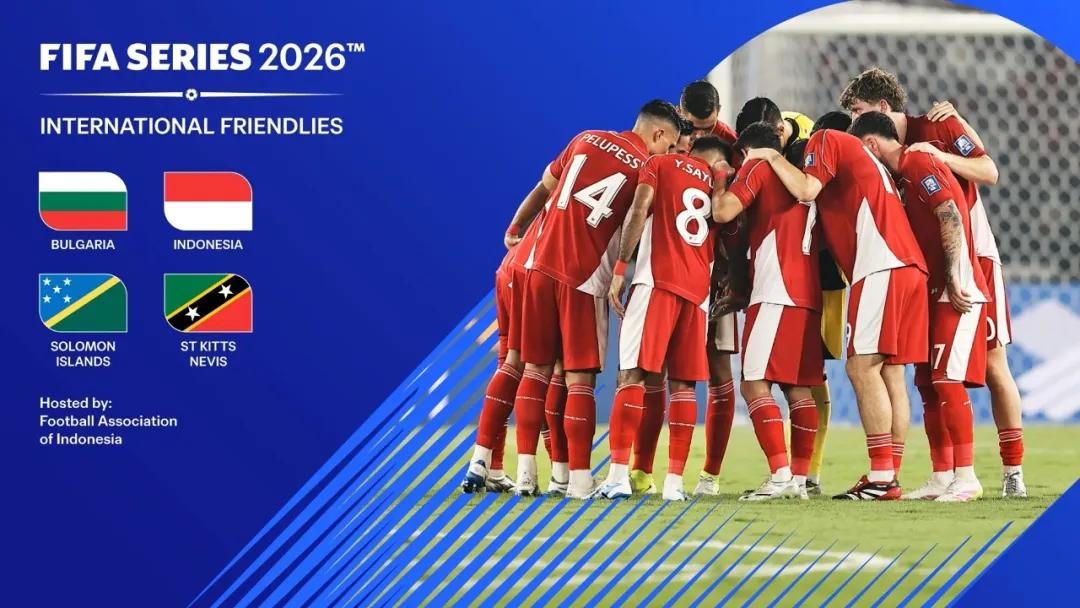
Although China did not qualify for the World Cup, warming up against Curaçao and Cameroon offers opponents of no less quality than the three World Cup teams hosting the event. Indonesia, also absent from the World Cup, hosts a Series with Bulgaria (87th) as the highest-ranked team, while the Solomon Islands and Saint Kitts and Nevis rank beyond 150th.
The Series marks FIFA’s effort to integrate the global warm-up match market and establish a new event brand under FIFA’s umbrella. Traditional pre-World Cup friendlies will be FIFA’s next focus. During the June international window before the World Cup, teams seek opponents with similar styles to group rivals for warm-ups. Previously arranged independently by associations, FIFA now aims to increase its influence over warm-up match scheduling.
At least eight Asian teams will participate in the 2026 World Cup, and their group opponents will likely seek other Asian teams as “imagined rivals” for warm-up matches. This means China could face strong teams like Spain, Portugal, the Netherlands, Uruguay, Colombia, Mexico, and Egypt in June. Previously, China warmed up against Uruguay and Portugal in 2002, Switzerland and France in 2006, and France again in 2010, but missed opportunities to face World Cup teams in the three subsequent tournaments.
Under Shao Jiayi’s leadership, the March international matchday opponents in the Series are very strong. On this basis, China should seize the opportunity provided by FIFA’s integration of global warm-up match resources to strive for friendlies against World Cup teams and increase experience against top international sides.
FIFA strongly promotes the Series, but due to continental cup and World Cup qualifying restrictions, associations only have freedom to arrange warm-ups during the March and June international windows in even-numbered years. Judging by this year’s Series schedule, FIFA clearly attaches great importance to China, and behind the two “World Cup simulation matches” in Australia lies a clear intention to open the Chinese market.
For China, 2026 will be a “quiet” year, but it will gain valuable practice opportunities close to World Cup level. In the short term, it helps prepare the squad and form for the Asian Cup early next year; in the long term, it builds experience and confidence facing strong teams for the next World Cup qualifiers’ 36- and 18-team stages.


Wonderfulshortvideo
The footwork, the finish 🤌


Did you get it? 🤔😅
The Wirtz x Sané link-up 🔗
Haaland’s movement 🥵
Which counterattack is
“afcon funny moments”
🤤🤤
 Links
Links
 Contact
Address:UNIT 1804 SOUTH BANK TOWER, 55 UPPER GROUND,LONDON ENGLAND SE1 9E
Number:+85259695367
E-mali:[email protected]
 App
App


