



OFFICIAL: MU launches a mega deal worth £2 billion



Manchester United has formally started a stadium project estimated at around £2 billion, marking the beginning of a full-scale reconstruction of Old Trafford aimed at establishing a new symbol for football and urban development.
Manchester United has given the green light to an overarching plan called the “Wembley of the North,” a project valued at about £2 billion intended to build a new stadium with a capacity of up to 100,000 seats. This is seen as a strategic move, not only to replace the aging Old Trafford but also to reposition MU’s image and status in the modern football era.
The core of the plan is the establishment of the Old Trafford Regeneration Mayoral Development Corporation (OTR MDC), led by Olympic legend Lord Coe.
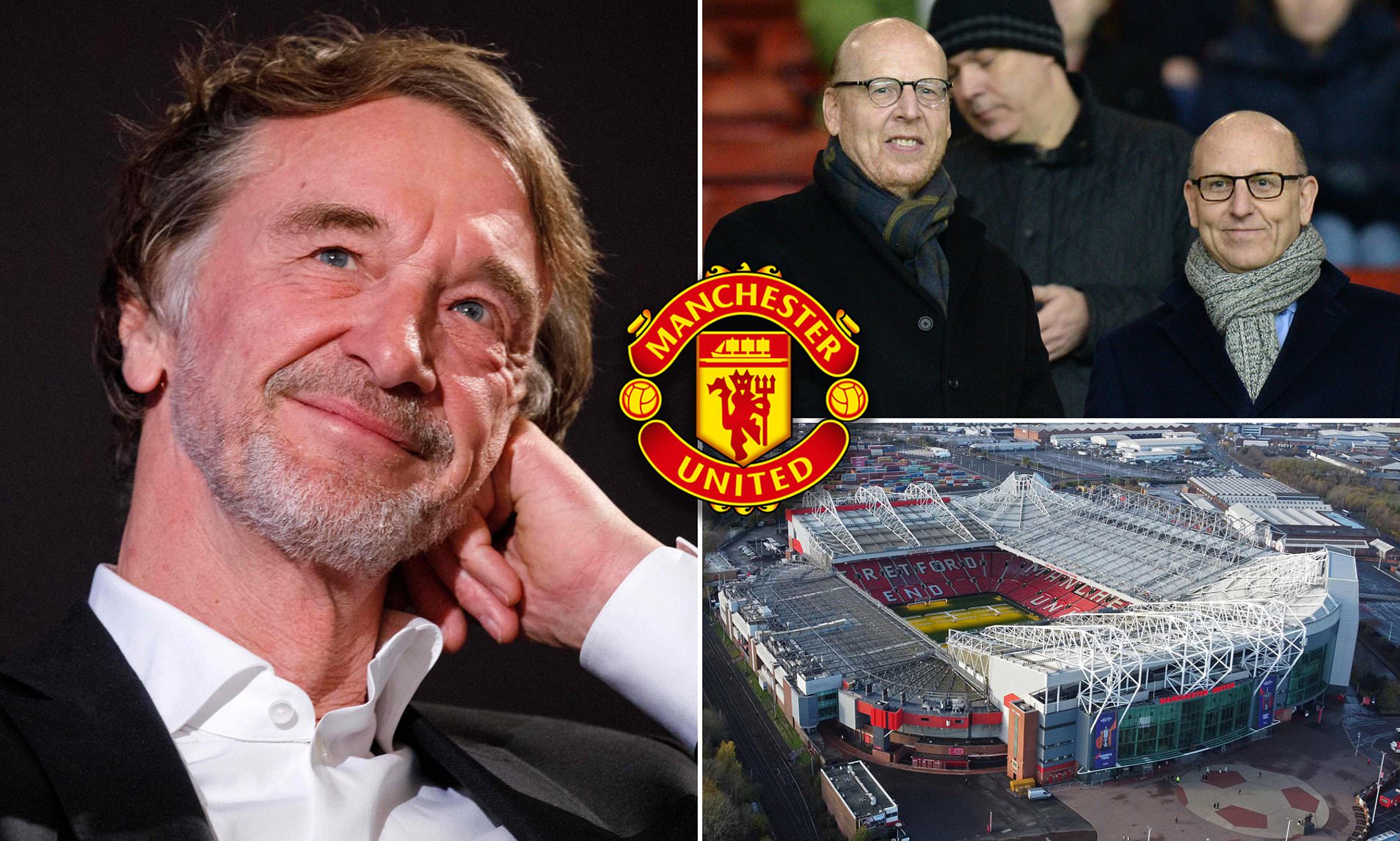
This organization will spearhead the transformation of the entire Old Trafford area spanning about 150 hectares, including the construction of over 15,000 new homes, creation of around 90,000 jobs, upgrading public spaces, and improving infrastructure for residents, fans, and visitors alike.
According to initial estimates, alongside building the largest stadium in the UK, the Old Trafford redevelopment could add approximately £7 billion annually to the British economy. This makes the plan not only significant for sports but also a critical driver for urban and economic growth in the Greater Manchester region.
Speaking at the launch of OTR MDC, MU CEO Collette Roche emphasized the project’s scale: “Our ambition is to build the best football stadium in the world, worthy of our fans, our history, and the club’s future.”
She also affirmed that the goal goes beyond just a sports venue, aiming for a premium matchday experience and a vibrant new urban district: “Today marks a historic milestone for the club, for Trafford, and for the entire Greater Manchester area.”
OTR MDC Chairman Lord Coe also expressed excitement as the project officially moves forward: “Today is a pivotal moment, opening a long-term commitment to transforming the Old Trafford area.” He stated that in the coming months, a preliminary master plan will be released to gradually realize this vision.
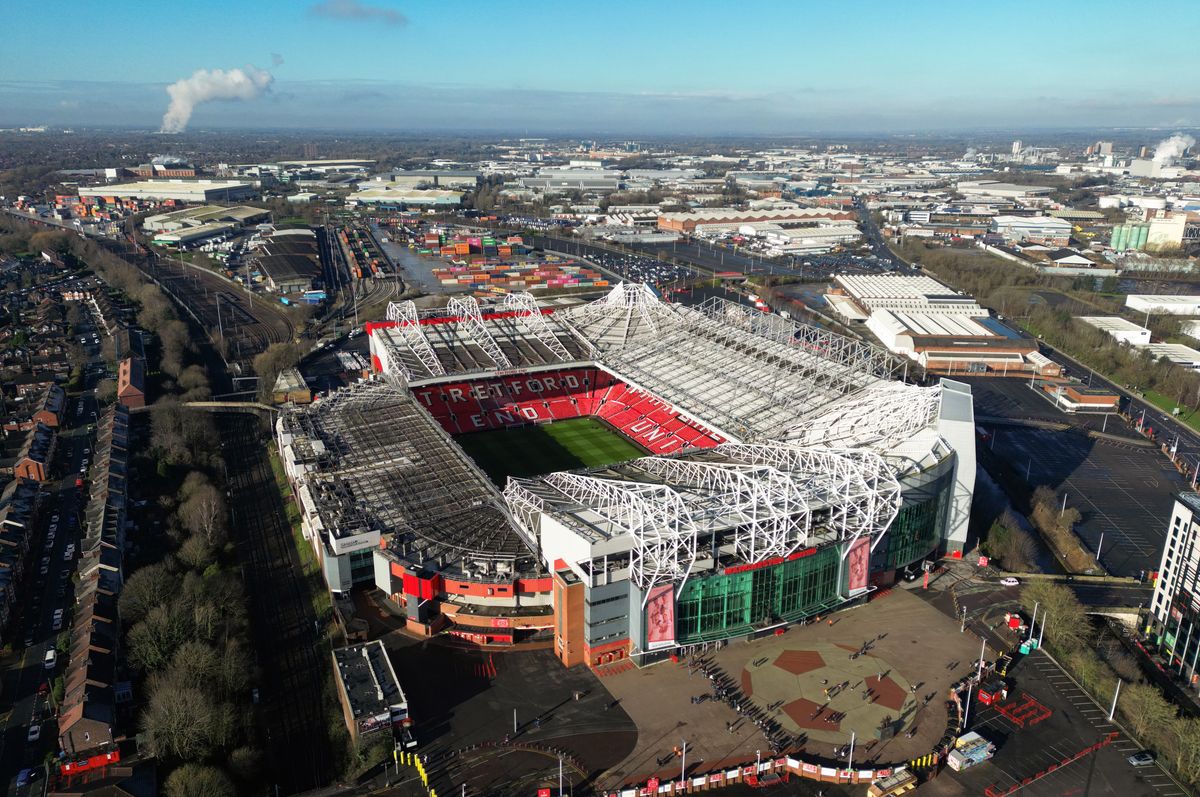
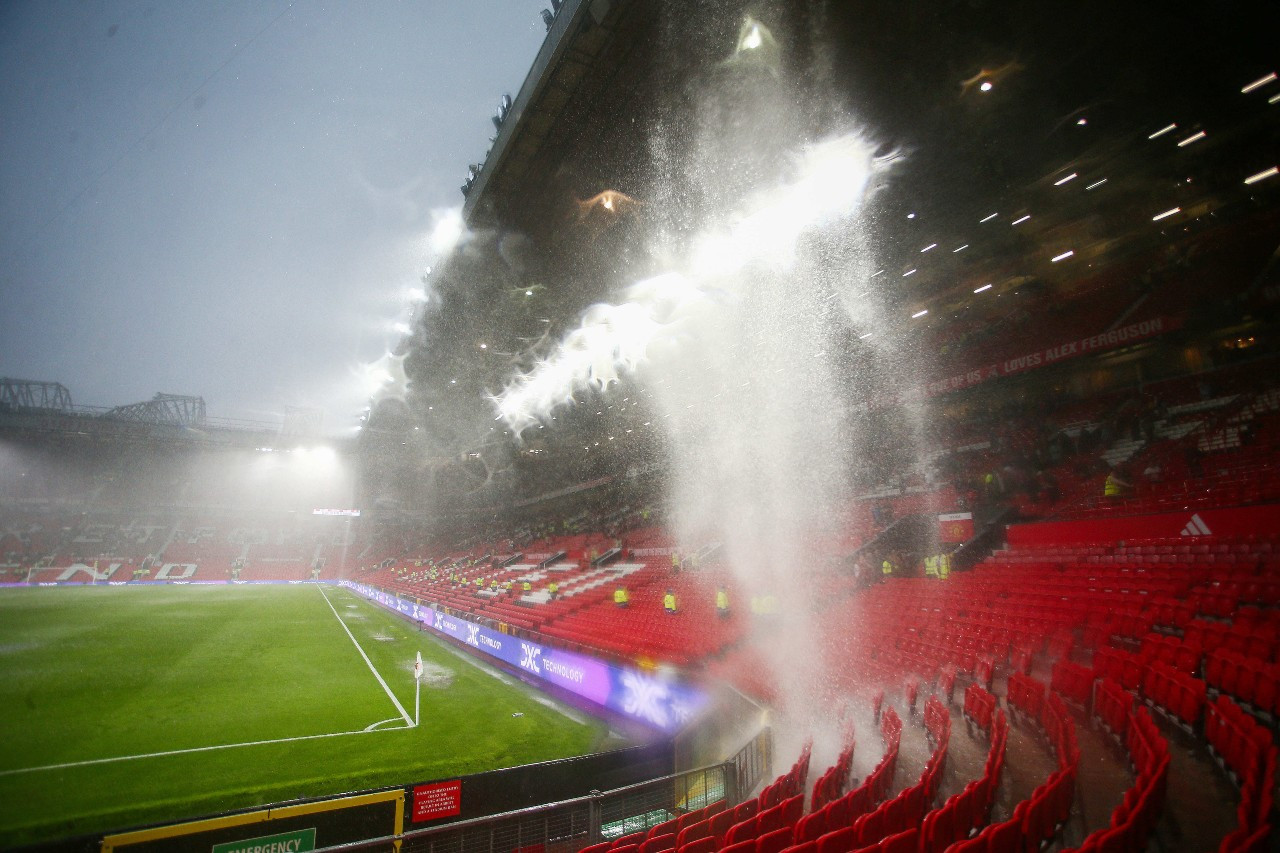
The decision to build a new stadium comes as Old Trafford has not been expanded since 2006 and has faced continuous criticism for deteriorating facilities, with images of leaking roofs and flooded corridors widely circulated. Meanwhile, many Premier League rivals have advanced their infrastructure, especially Tottenham with their state-of-the-art stadium opened in 2019.
MU expects the new stadium construction to take about five years and aims to make it one of the venues for the 2035 Women’s World Cup. Despite challenges related to timing and land availability, the “Wembley of the North” project is viewed as a major milestone, ushering in a new chapter for Manchester United both on and off the pitch.


Wonderfulshortvideo
The footwork, the finish 🤌


Did you get it? 🤔😅
The Wirtz x Sané link-up 🔗
Haaland’s movement 🥵
Which counterattack is
“afcon funny moments”
🤤🤤
 Links
Links
 Contact
Address:UNIT 1804 SOUTH BANK TOWER, 55 UPPER GROUND,LONDON ENGLAND SE1 9E
Number:+85259695367
E-mali:[email protected]
 App
App


