



U23 Asian Cup final ended in a 0-4 defeat! The huge gap between Chinese and Japanese football is clear, Japan doesn’t even count as their second team.



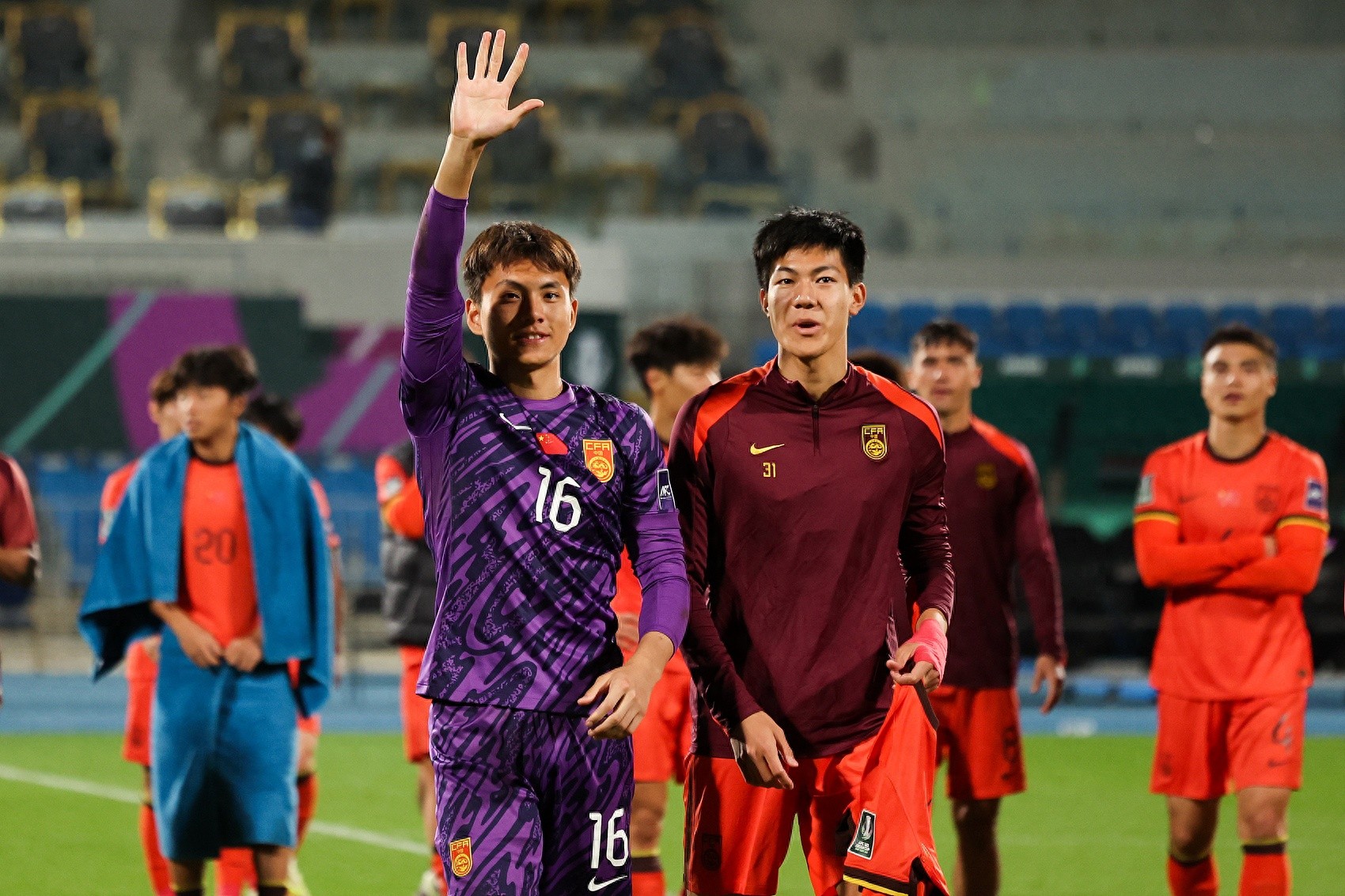
In the U23 Asian Cup final, the Chinese U23 team, seeded in the fourth tier, faced Japan for the championship. Before the match, Chinese fans were very excited and hopeful for the national team to win an intercontinental title again after 22 years. The last time China reached an intercontinental final was the 2004 Asian Cup, where they lost 1-3 to Japan. Japan’s second goal was a handball, so China’s loss then felt somewhat unjust. But in this U23 Asian Cup final, China was completely defeated by Japan. The Chinese U23 team had kept a clean sheet in their previous five matches, yet conceded four goals in this single game against Japan, showing the vast difference in strength between the two sides.
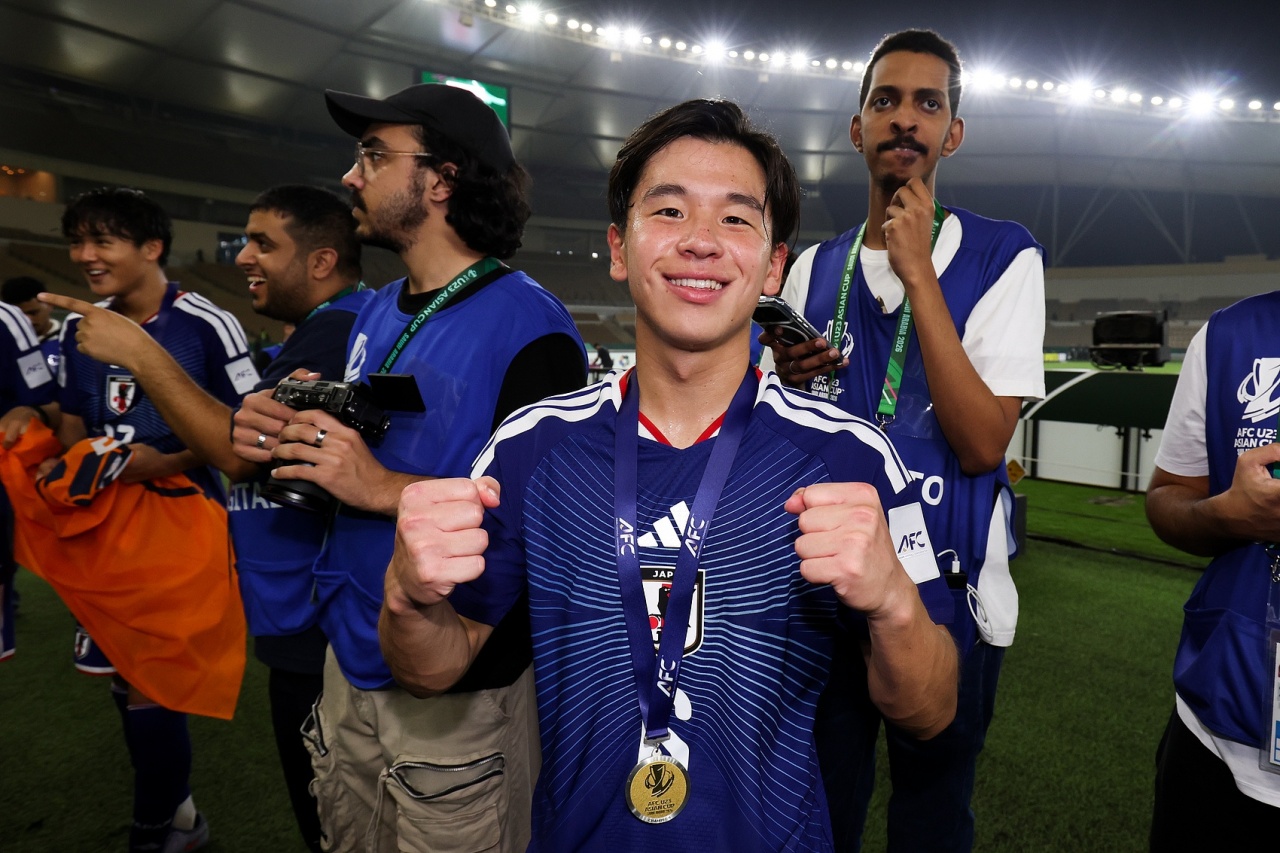
The 0-4 scoreline does not fully reflect the true gap between Chinese and Japanese U23 football. To put it simply, the Chinese U23 team is already the strongest lineup in that age group in China, while Japan didn’t even field their second team. Japan usually competes in intercontinental tournaments with younger squads. The entire Japanese U23 squad consists of players under 20 years old — basically college-level players facing China’s U23. This is because the U23 Asian Cup is not an official international event, so clubs are not obliged to release players. Currently, Asian competitions like the AFC Champions League and Saudi Professional League align with the European season calendar, overlapping with domestic leagues. Japanese overseas players don’t return for this tournament and cannot come back either.
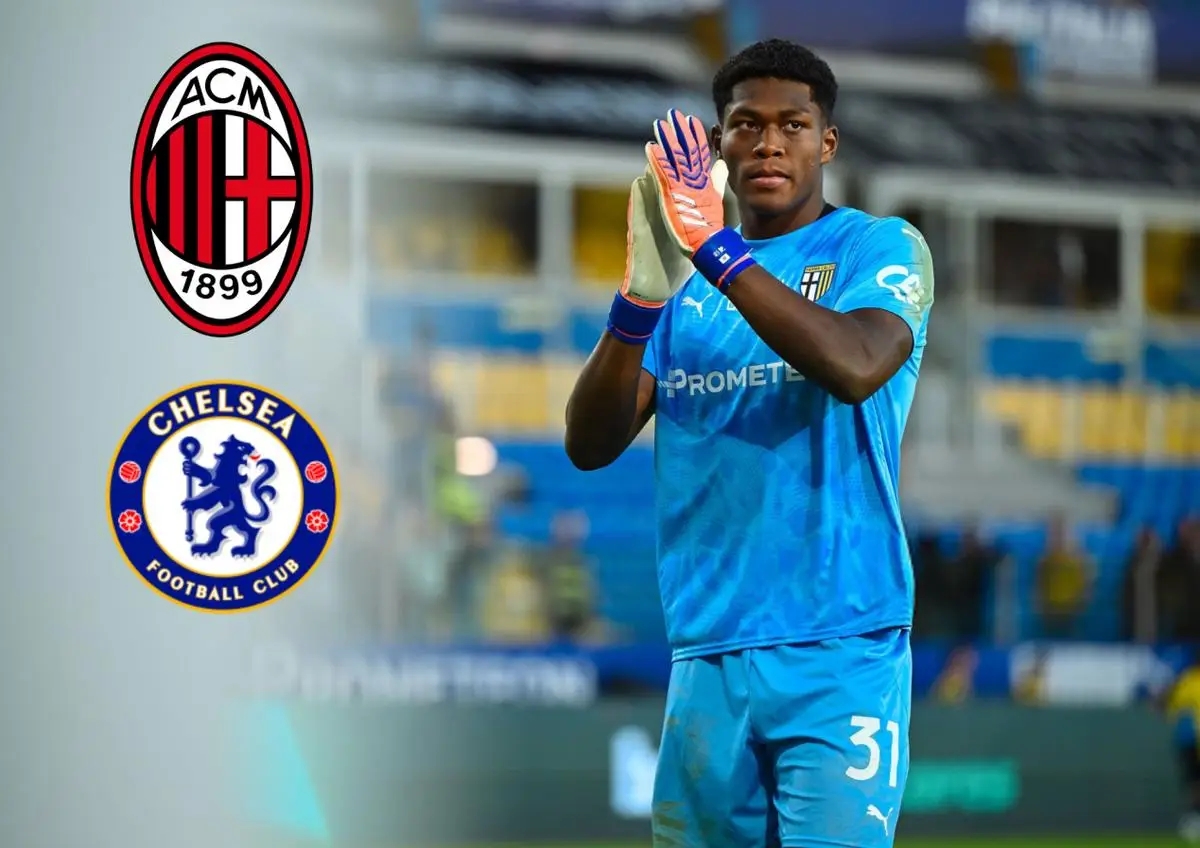
In this U23 Asian Cup, only one Chinese player, Wang Yudong, has a market value exceeding 1 million euros. In contrast, Japan has 30 players in the U23 age group valued above 1 million euros, but 28 of their players aged 20 to 23 did not participate. Our best player is goalkeeper Li Hao, who was the key factor in China reaching the final. Do you know who Japan’s strongest U23 goalkeeper is? He is the starting goalkeeper for Parma in Serie A.Suzuki Ayanewith a transfer value of 20 million euros according to Transfermarkt. Other Japanese players in this age group valued over 5 million euros include St. Pauli midfielder Jōru Fujita (8 million), Nijmegen midfielder Kōdai Sano (6 million), and Tottenham-loaned defender Kōdai Takai at Borussia Mönchengladbach (5 million). The Japanese team that defeated China U23 4-0 was essentially their third-string squad. This highlights the real gap between Chinese and Japanese football, which is far beyond just the 0-4 scoreline.
Take Uzbekistan, who were eliminated by China U23, for example. Their top U23 player is Manchester City center-backHusanovwho started and played excellently in the recent Premier League match, helping Manchester City secure a 2-0 clean sheet victory over Wolves. Mentioning this is to make Chinese men’s football realize the gap and steadily improve step by step. Hopefully, these U23 players can become regular starters in the Chinese Super League, and a few can move abroad. Playing in European leagues is key to raising their level.
Congratulations to the Chinese U23 team for finishing as runners-up. You are the best, and we are proud of you! Wishing Chinese football continued progress through professionalism, youth training, and overseas experience — gradual steps will surely bring rewards!


Wonderfulshortvideo
The footwork, the finish 🤌


Did you get it? 🤔😅
The Wirtz x Sané link-up 🔗
Haaland’s movement 🥵
Which counterattack is
“afcon funny moments”
🤤🤤
 Links
Links
 Contact
Address:UNIT 1804 SOUTH BANK TOWER, 55 UPPER GROUND,LONDON ENGLAND SE1 9E
Number:+85259695367
E-mali:[email protected]
 App
App


