



Antonio’s Eight-Year Insights: Growing Confidence in Chinese Football



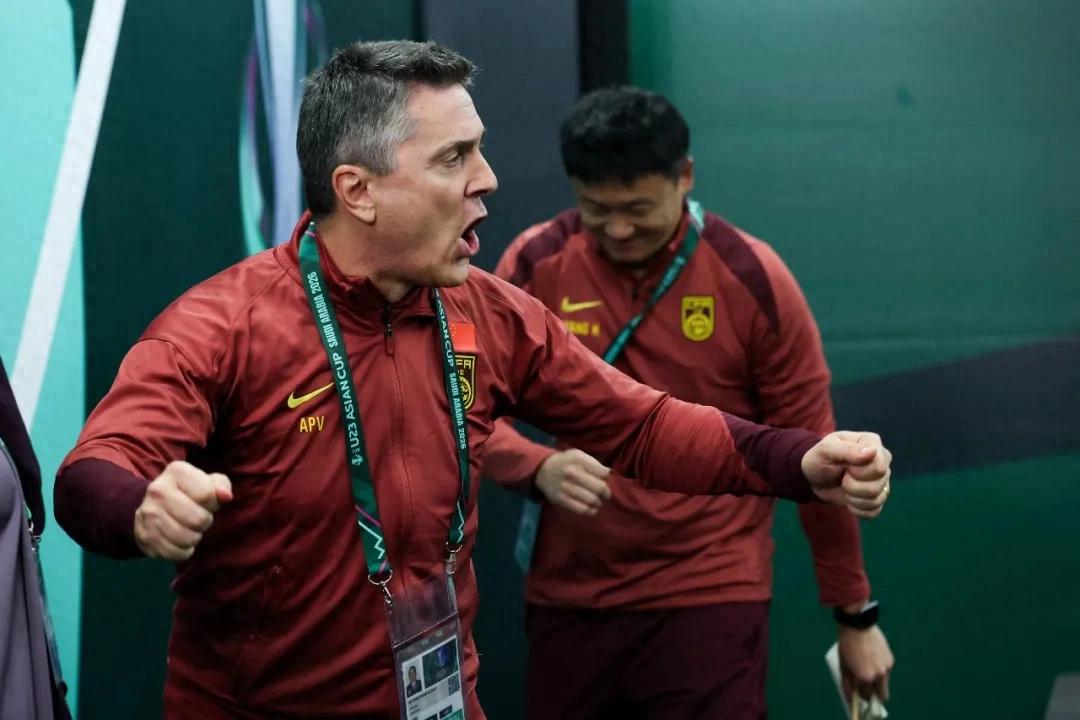
Written by Han Bing Even though the team did not win the championship, the U23 national team’s results and hard work in this U23 Asian Cup are commendable, and coach Antonio deserves respect.
Antonio was once a young standout as the top scorer in Spain’s Segunda División and has coached across Europe, Asia, and South America, making him a truly “global” coach. Coming from a footballing family, how did Antonio develop such a practical and tough approach over his two decades as a coach? As China’s national team coach Shao Jiayi said earlier: Antonio is an “atypical” Spanish coach, with a rigor and emphasis on discipline and national pride that has a distinctly “German” flavor.
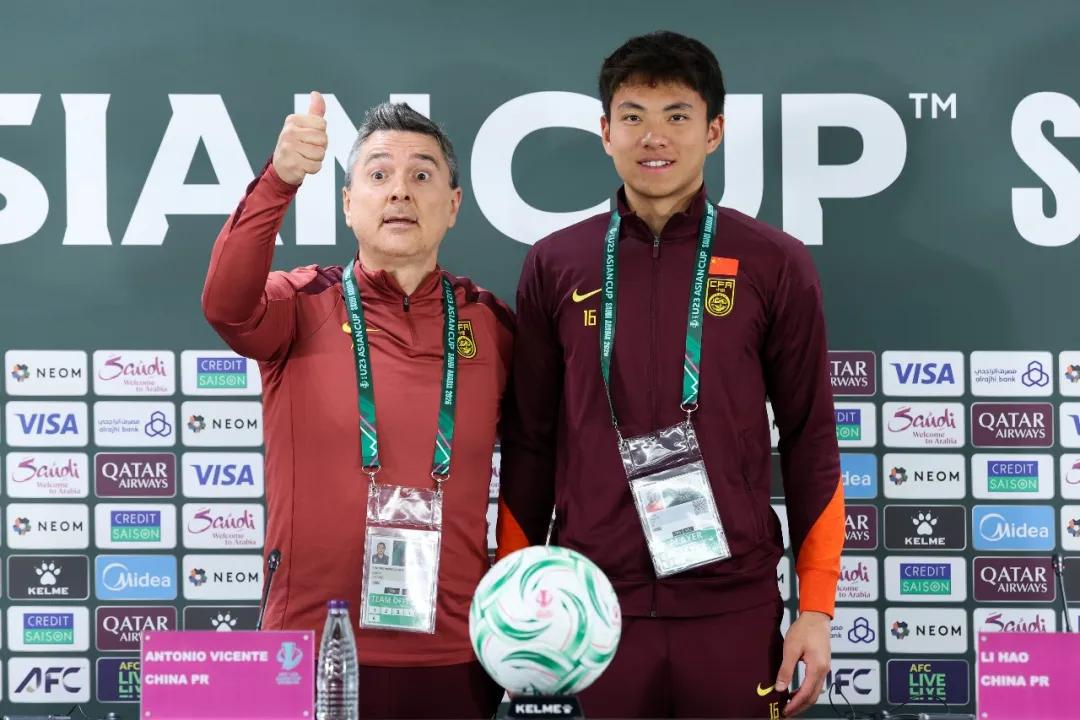

Antonio began his coaching career in 2004, and over his more than 20 years as a coach, he had two key mentors.
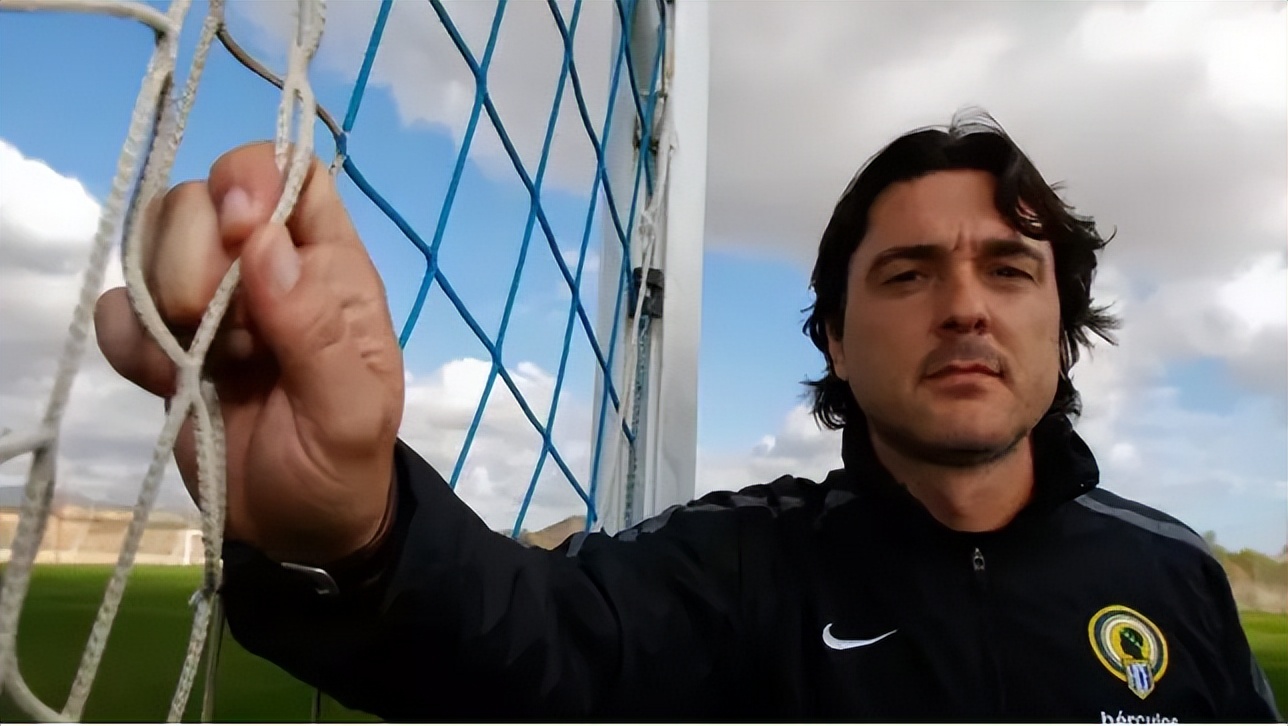
The first was Mandia, who coached Alicante Hercules in 2008 and invited Antonio to be his assistant. Over the next four years, Antonio followed Mandia from Hercules to Racing Santander, Tenerife, and back to Hercules, focusing on tactical planning and completing the “foundational accumulation” of his coaching career.
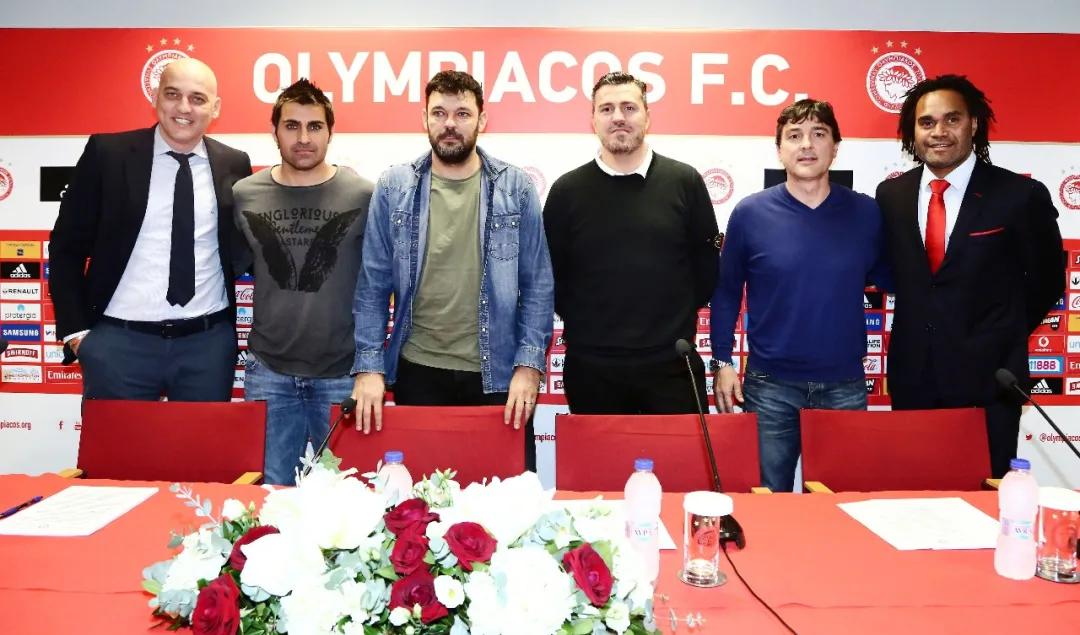
His second mentor was Oscar Garcia, who took over Saint-Étienne in Ligue 1 in the summer of 2017. Garcia chose to appoint Antonio, who had been out of work for over eight months, as his assistant. Although Antonio’s time at Saint-Étienne (138 days) and Greek powerhouse Olympiacos (88 days) was brief, assisting in only 13 matches, he experienced intense clashes with management at Saint-Étienne and witnessed violent incidents at Olympiacos in 2018, including Garcia being hit in the face with toilet paper and subsequently fired by the Greek shipowner owner. These harsh experiences elevated Antonio’s coaching expertise, fully refined his theoretical system, and strengthened his resilience. It is precisely these brutal coaching challenges that forged Antonio’s enduring toughness and pragmatic style.
For Antonio, the most important experience was his Asian journey in Kuwait. In 2013, Antonio ventured into unfamiliar territory by coaching newly promoted Al-Yarmouk. He led the previously bottom-ranked team to eighth place in the league and the quarterfinals in the cup — the best results in the club’s history since 1974. In the summer of 2014, Kuwait giant Qadsia recruited Antonio. In August, he led the team to defeat rivals Kuwait SC to win the Super Cup, then on October 18th, he guided Qadsia to win the AFC Cup final in a penalty shootout against Iraq’s Erbil, securing the club’s first Asian championship.
Reflecting on his coaching career, Antonio considers winning the AFC Cup a milestone that solidified his coaching philosophy. The pragmatic tactics he applied for the U23 national team were already successful with Qadsia 14 years ago. At that time, nine Kuwaiti internationals had just played a friendly against Jordan and were fatigued, while three key players were injured, so the team was not in ideal condition. Yet Antonio confidently told the public before the match: “We only accept the championship and gold medal.”
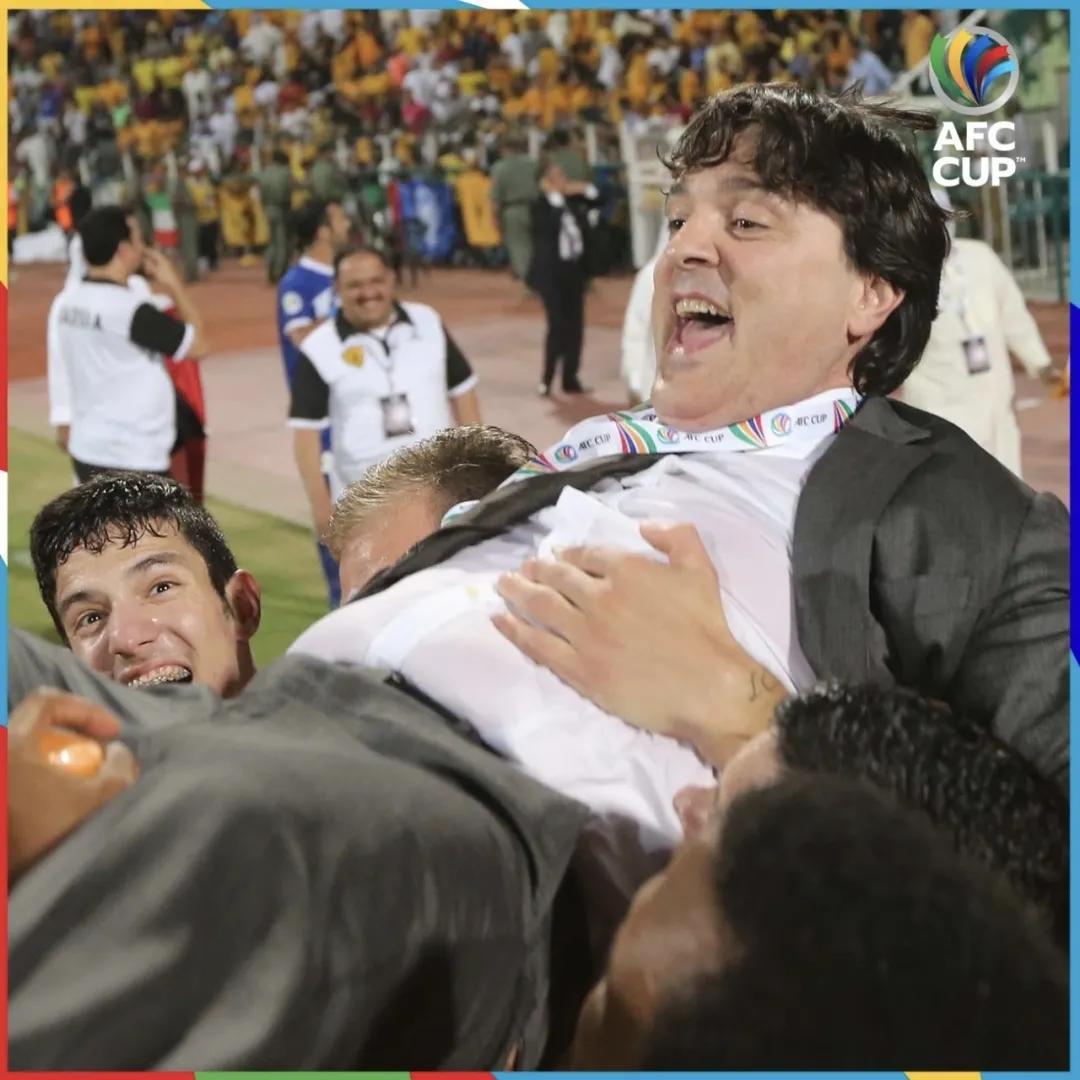
Antonio demanded the team to quickly shift the ball, escape tight marking, and organize attacks through precise passing. Qadsia’s players strictly followed his tactical plan and discipline, relying on solid defense to drag Erbil into a penalty shootout. Goalkeeper Khaldi saved a penalty, and the team ultimately won 4-2. The whole match process was very similar to the U23 national team’s recent tournament experience.
This victory earned Antonio nationwide recognition in Kuwait. The club chairman Fahad even announced his willingness to “loan” Antonio to the Kuwait Football Association to lead the national team in the 2015 Asian Cup. Although this did not materialize, Antonio coached 15 AFC Cup matches, traveling across West Asia, Southeast Asia, and Central Asia, gaining a thorough understanding of Asian football’s diversity, laying a foundation for his future coaching in China.
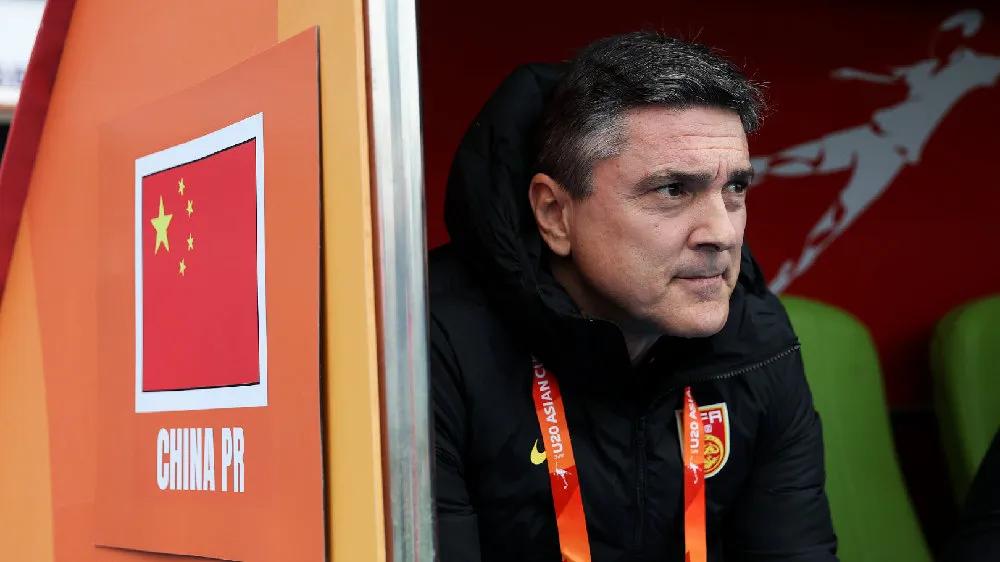

Since arriving in China in 2018, Antonio has been coaching Chinese national teams for eight years, emphasizing tactical discipline, team spirit, and national pride. Antonio grew up in the Murcia region, which has belonged to Spain since the 13th century. Local players have a strong sense of national pride. In a previous interview with this newspaper, Antonio stressed that beyond fighting spirit and never giving up, the most important thing is national honor. Antonio shared that when he played for Spain’s U16 and U20 teams as a youth, hearing the national anthem always moved him deeply: “Wearing the national team jersey is an honor not earned by money, social status, or fame, but by genuine ability, so it is extremely precious.”
Antonio greatly values the teaching from his father: sacrificing oneself for the country is the highest honor. Even though playing football does not require sacrifice, one must have a firm belief in defending national honor and not fearing sacrifice. This sense of national pride runs through daily life, training, and matches. Only when the team elevates basic team spirit to national honor can it have the willpower to persevere at critical moments.
Antonio acknowledges the objective gap in strength but emphasizes that in football, nothing is impossible. A fearless belief in fighting for the country can create miracles. After leading the U23 national team to the final, Antonio told Murcia’s largest newspaper, La Verdad: “Japan is a strong Asian team and a world power; they beat Spain and Germany in the World Cup, so we also have a chance for an upset. We are continuously improving, and the Chinese youngsters have a strong desire to win.” Compared to the U20 Asian Cup three years ago, this U23 Asian Cup was an even greater test for the young national team.
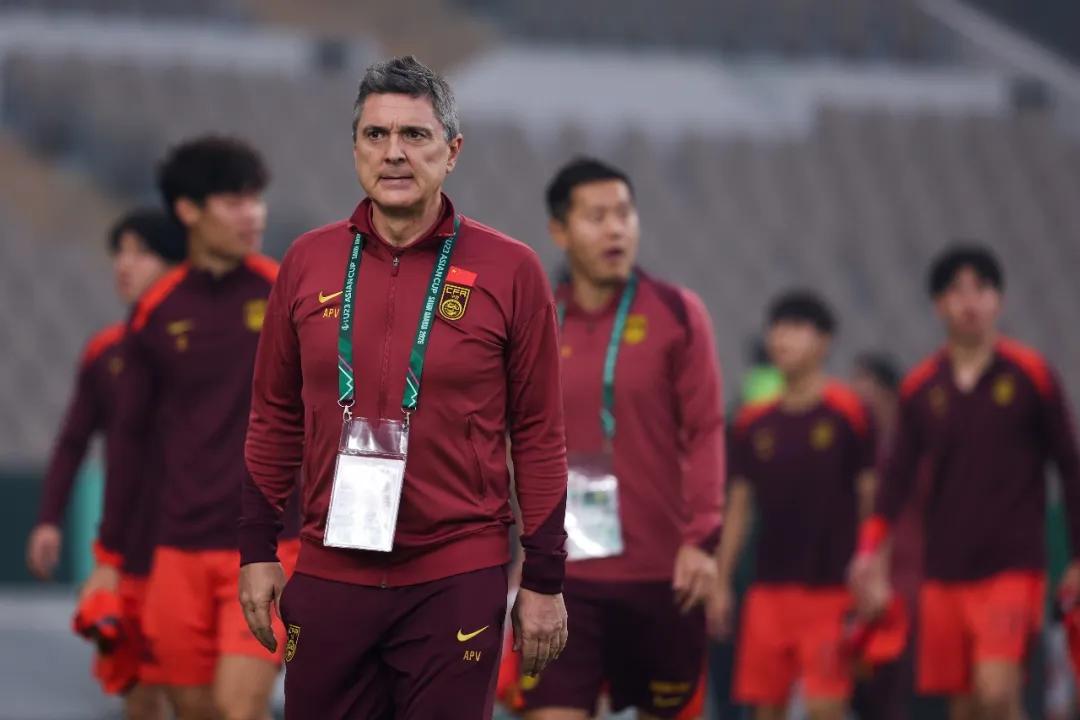
Just like in the interview three years ago, Antonio remains confident about the future of Chinese football. He emphasized that China should not rush to compare itself with Japan and South Korea but should first start from the grassroots by building a sound youth training and grassroots football system and increasing football infrastructure. Antonio noted that he now sees clear progress in Chinese football: “A few years ago, football was included in school curricula, which is very important. I fully believe this will change the landscape of Chinese football. Grassroots football is developing better, with more matches. Nowadays, Chinese children start playing earlier, and the progress is more obvious. I watch matches everywhere and keep discovering new outstanding players whose skills, ball control, and passing are excellent.”
Antonio pointed directly to the significance of the U23 Asian Cup for Chinese football: “Did I expect to reach the final? Football requires hard work but also a bit of luck. This is an extremely competitive tournament, with a match every three days, immense pressure that pushes you to the limit, but it also proves our progress.” As Murcia’s La Verdad commented: Antonio’s success in China means that for this Spanish coach, the future has no limits.
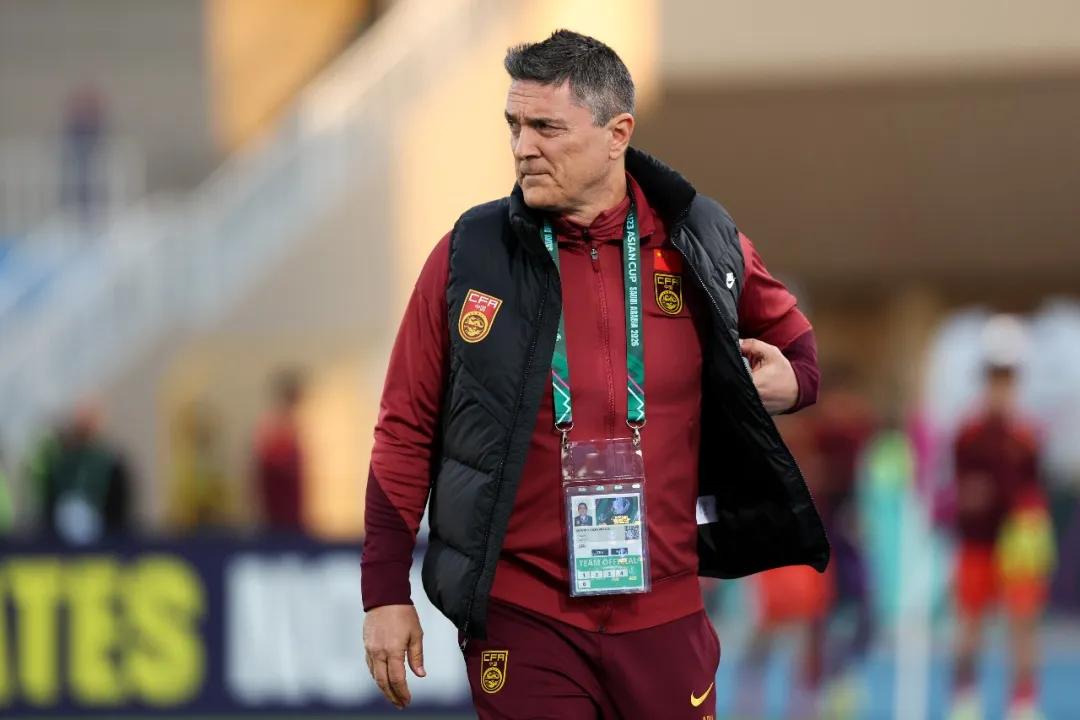


Wonderfulshortvideo
The footwork, the finish 🤌


Did you get it? 🤔😅
The Wirtz x Sané link-up 🔗
Haaland’s movement 🥵
Which counterattack is
“afcon funny moments”
🤤🤤
 Links
Links
 Contact
Address:UNIT 1804 SOUTH BANK TOWER, 55 UPPER GROUND,LONDON ENGLAND SE1 9E
Number:+85259695367
E-mali:[email protected]
 App
App


