



Liverpool's Predicted Failure



Liverpool entered the Champions League quarter-final second leg hoping to reverse the situation, but what unfolded at Anfield was merely a condensed summary of the entire season. Against a more resilient opponent, Liverpool's defeat was anticipated.
1. The most noticeable aspect of Liverpool's defeat was the familiar paradox: playing better for much of the match but failing to convert that into goals. Against PSG, the English side dominated possession, launching 21 shots, nearly double their opponent's. However, the difference lay in the quality of chances and the ability to capitalize. This is what Liverpool has lacked throughout the season.
The moment in the 72nd minute was a typical example. While Liverpool was pressing with over 70% possession in the second half, they allowed their opponent to execute a sharp counterattack. Bradley Barcola created space, Khvicha Kvaratskhelia linked up, and Ousmane Dembele finished coolly. Almost PSG's first shot in the second half defeated all the efforts of the home team.
This is nothing new. Liverpool has repeatedly "died" by the same script: good control, continuous pressure, but lacking sharpness in decisive moments. Conversely, opponents only need one moment to punish them. In the high-level environment of the Champions League, efficiency always outweighs the flow of the game. And when unable to leverage their advantages, defeat becomes merely a matter of time.
2. Beyond technical issues, manager Arne Slot's handling of the lineup also contributed to Liverpool's difficulties. The match at Anfield clearly exposed instability in personnel choices and tactical structure.
The fact that Dominik Szoboszlai had to play as a right defender was the most typical detail. It not only reflected the injury issues and poor form of the wing defenders but also revealed patchwork in the defensive system. When a midfielder is tasked with a role outside his expertise, the risk of being exploited is inevitable. The conceded goal in the 72nd minute came as a direct consequence.
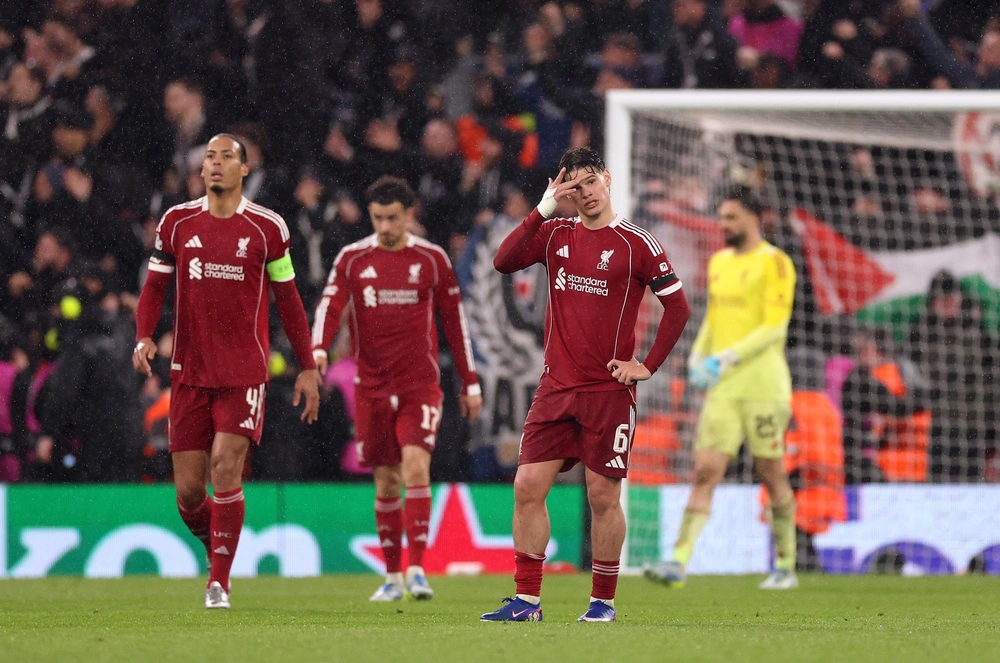
Liverpool's elimination by PSG had been predicted beforehand
On the attacking front, Slot's decisions were even more controversial. Alexander Isak was given an opportunity but performed dimly, lacking ball sense and almost creating no impact. Hugo Ekitike was shifted to the wing and then injured, while Mohamed Salah was not started in either leg.
This inconsistency prevented Liverpool from having an optimal core lineup, especially in matches demanding high stability. Meanwhile, PSG under Luis Enrique nearly maintained the same structure, optimizing each position. The difference in stability and clarity in operation was the factor that left Liverpool disadvantaged.
3. More importantly than all, this defeat reflects a worrying reality: Liverpool is gradually falling behind compared to Europe's top clubs. Despite spending up to £450 million to upgrade the squad, they still cannot convey the feeling of a genuine championship contender.
Against PSG, the difference in class was evident in each line. The Ligue 1 representative possesses a sharp attack with Ousmane Dembele and Khvicha Kvaratskhelia, a mobile midfield with Vitinha, and a disciplined defensive system. They do not need much ball possession but always know how to control the match.
In contrast, Liverpool, despite effort and energy, lacked the decisive factor: composure and quality in key moments. Even details like Alexis Mac Allister's canceled penalty show they no longer have "the fortune of the strong," which usually accompanies big clubs.
The elimination with a 0-4 aggregate score, along with the 17th defeat of the season, is the consequence of an accumulated process of issues: from tactics, personnel to competitive mentality. While PSG moves closer to the pinnacle of Europe, Liverpool faces a major question about its standing, not only now but also in the coming seasons.


Wonderfulshortvideo
ronaldo messi stats ronaldo vs messi edit ronaldo news today messi news today


My @CLUB needs more fans!
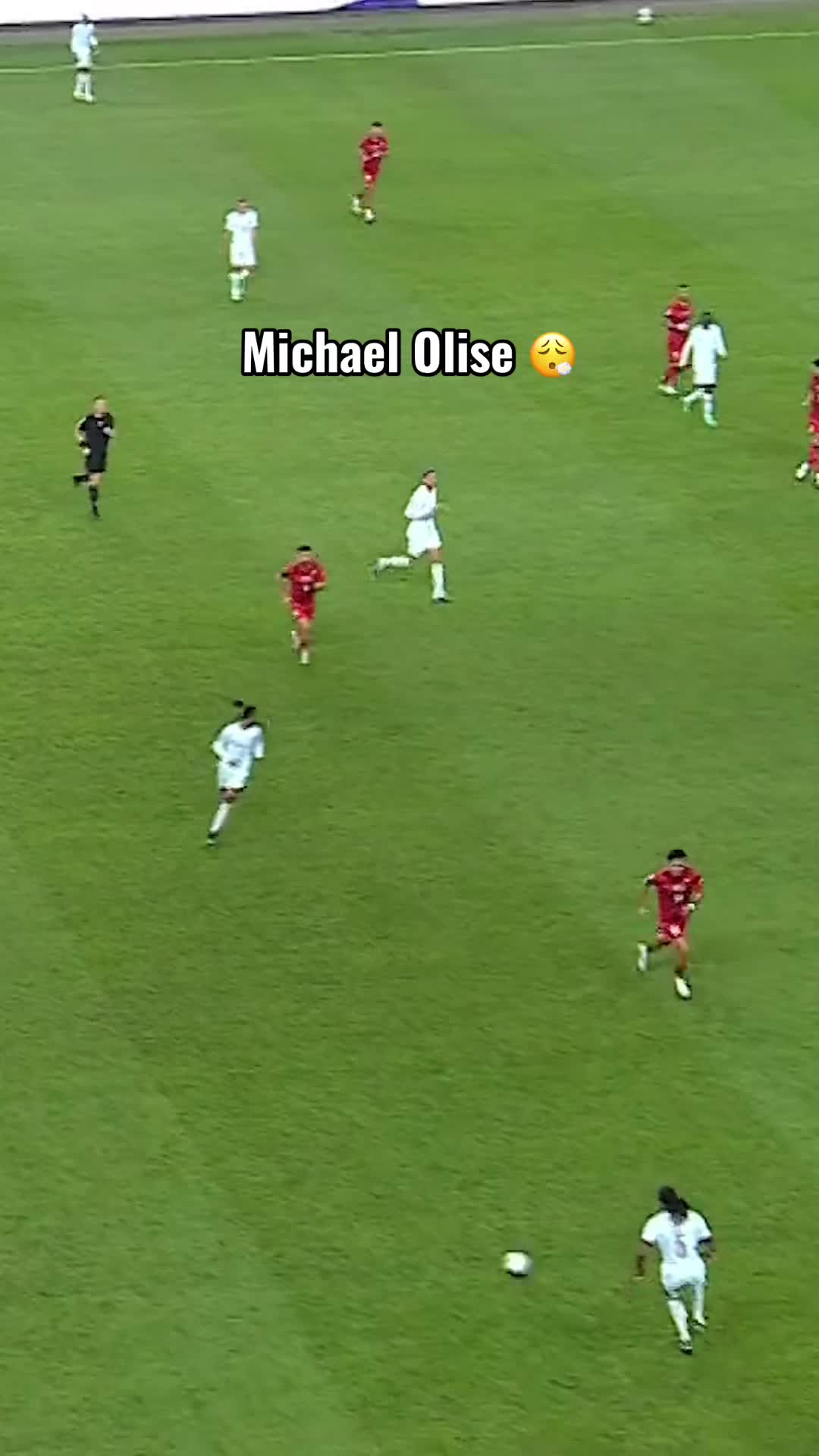
The touch and the pass 😮💨
doku goal today haaland goal today cherki goal today man city 3-0 liverpool premier league news man city news
cherki goal today rayan cherki edit cherki vs liverpool

User esportapi has posted a video.

User esportapi has posted a video.
 Links
Links
 Contact
 App
App


