



The future belongs to Barcelona


Barcelona was eliminated from the Champions League for the third time by Atletico Madrid, but they lost after delivering a match that showed this team has a bright future.
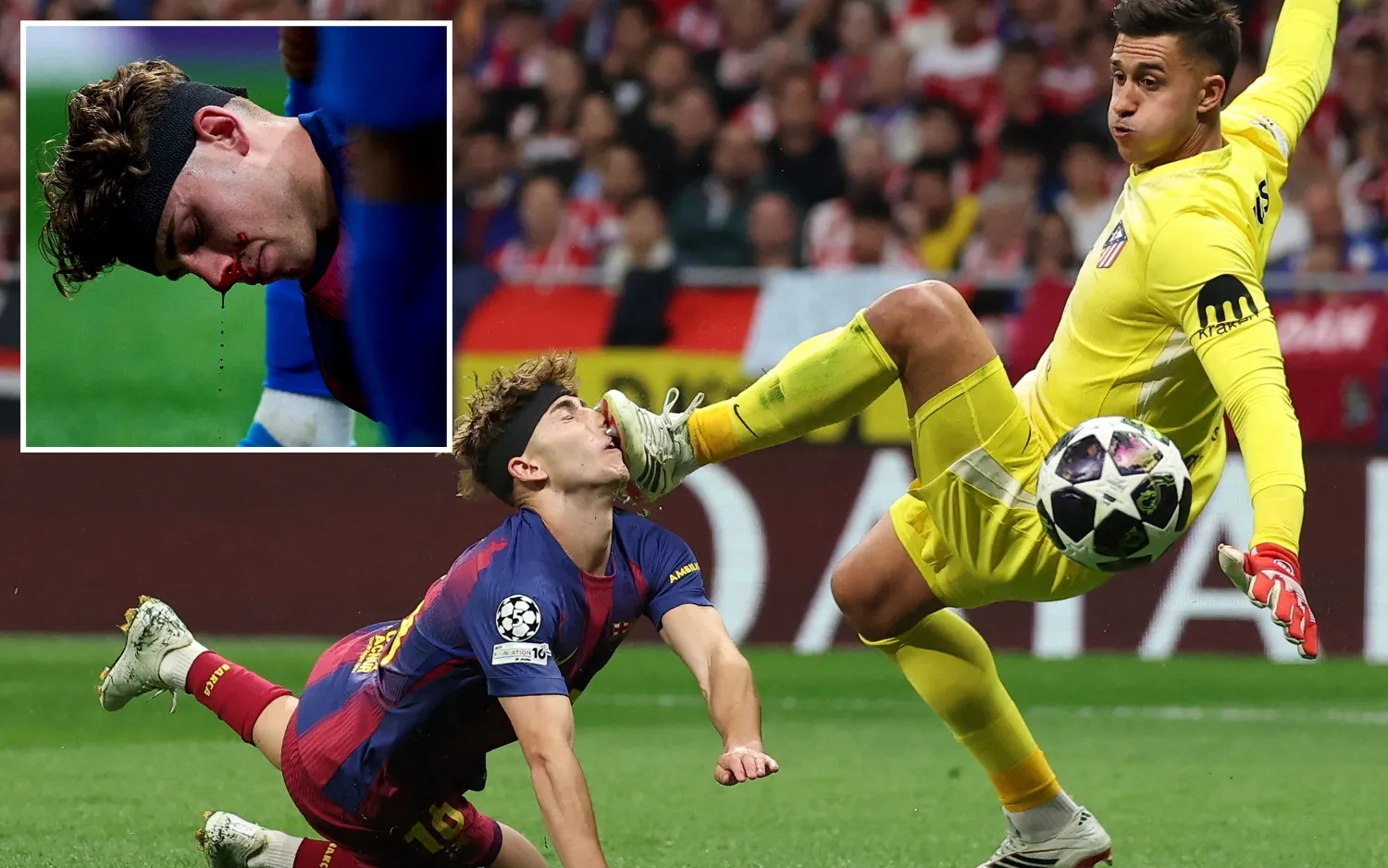
In reality, everything hinged on minor details: from Atletico goalkeeper Musso’s kick hitting Fermin’s face, halting the match when Barca was playing best; a goal denied due to Ferran’s offside violation; and, once again, a red card decided by VAR.
The issue of Barcelona’s defense
These factors indicate that Hansi Flick’s team was not eliminated due to lack of football quality, absence of character, or insufficient effort. The Spanish champion was eliminated because of the small details that typically distinguish glory from agony, forcing the German strategist’s players to endure terrible cruelty.
What Flick’s team accomplished in the first half was simply extraordinary. They not only competed but dominated the opponent under immense pressure. They pushed their formation high, attacked with purpose, defended courageously, and demonstrated great determination.
With Cubarsi suspended, the 61-year-old coach had to use Eric Garcia as center-back; Flick’s versatile player was the only reliable option in the lineup. He ensured coherent ball distribution from the backline against Atletico’s intense pressure. However, Flick’s defensive solution ultimately led to Barca’s downfall due to the red card. A paradoxical situation for the 25-year-old defender, who had a very good match at the Metropolitano.
In six encounters with Atletico this season, Flick’s team conceded eight goals; if excluding set-piece situations, or looking from last season to now, they all stemmed from counterattacks or breaking the red-and-white striped team’s offside trap.
The high defensive line, combined with lack of experience and absence of a true leader under the German strategist, is a perfect weakness for opponents in both La Liga and the Champions League.
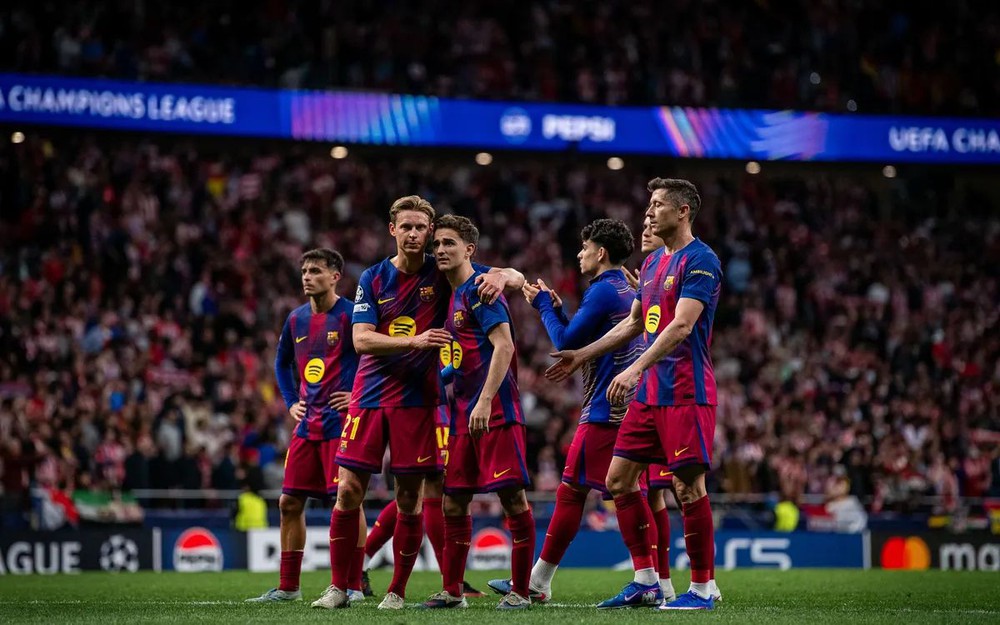
Barca has a young and promising squad
Of course, the risks from the tactics chosen by Flick are accepted by the club’s leadership. The team is working from the weakest foundation of financial hardship, plus Christensen’s long-term injury and Inigor Martinez’s departure last summer greatly affected Barcelona’s defensive organizational structure.
Belief in the future
Clearly the defeat is very painful, but that does not negate other aspects. This team needs adjustments, certainly, but they also deserve recognition. In other words, Flick did not trade defensive system risk for attacking play; this is the club’s long-term development.
Barcelona began their comeback effort with the youngest starting lineup the club has ever fielded in a Champions League knockout match. The average age of the starting team was 24.95, featuring dynamism but little experience.
They have played in this system for nearly two seasons, defeating most of Europe’s major opponents and in La Liga. They also suffered losses due to this style. But the issue is accumulating experience, stability, and continuous adaptation for the young players.
"We have a young squad that can compete for every title. We will continue like this," De Jong affirmed. Flick is building a team capable of competing for titles every season in every arena. Barcelona has perfectly executed the first element: attacking efficiency and step-by-step improvement in defensive quality.
Last season, the team conceded an average of 1.03 goals per 90 minutes, while this season it is 0.97. The progress is minimal but shows the right direction. Compared to a purely defensive team like Atletico, Barca performs even better, as their opponent concedes an average of 1.03 goals this season.
Pressing is one of the tactics that needs reinforcement more than ever, because it determines the ability to counter counterattacks and limit risks when playing high. This squad has the capacity to progress, and they do not need to change their philosophy to succeed.


Wonderfulshortvideo

vinicius vini jr break up vini jr girlfriend virginia news today



manchester united 0-2 atletico madrid michael carrick sacked man united news today lisandro martinez interview
luis suarez edit messi edit msn highlights
psg 4-2 man city dembele goal today doue goal today haaland goal today psg edit champions league highlights

User ceshi has posted a video.
Unstoppable in UEFA Nations League so far 😮💨
🗣️”I was a little bit nervous….I lost my phone before the game” 😂
 Links
Links
 Contact
 App
App


