



The squad of England's World Cup snubs is valued at over €550 million! Why did Tuchel choose a "non-ideal lineup" for England?



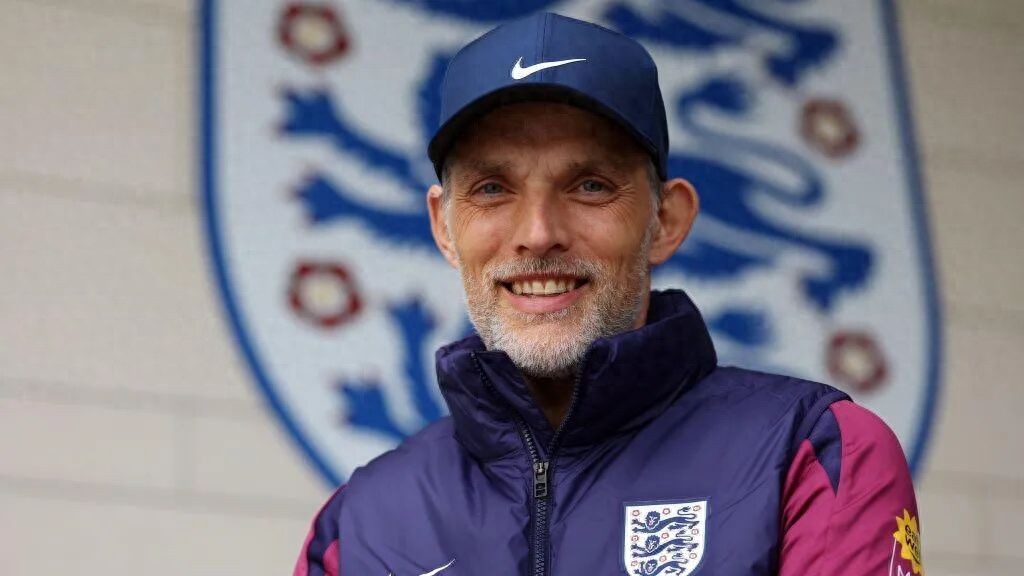
Journalist Han Bing reports The 11 omitted players from England's World Cup squad, according to Transfermarkt, are worth over €550 million total, prompting regret from English media. Yet the painful lesson from the 2022 European Championship—that England had individual talents but lacked a cohesive team—remains clear. To advance further, England requires a squad with both offensive and defensive balance. Regardless of outcomes, Tuchel has shown great courage in his roster decisions.
After the storm caused by the leaked list of snubs, British media and former players have finally calmed down to objectively assess Tuchel's choices. In his column for the Daily Telegraph, Jamie Carragher praised Tuchel's courage and persistence, hitting the nail on the head: "We cannot long for a strong-willed manager while also demanding he picks the players we like." In Carragher's view, the Three Lions have bowed to public opinion for too long, selecting the so-called "best players" and then figuring out how to arrange them.
Tuchel has completely overturned the selection flaws that plagued the Three Lions for 60 years. From the outset, he emphasized system over everything: players serve the system, not the other way around. Tuchel's England only needs players who perform best within the system, not those with the biggest names or highest market values. The German coach also places great importance on team spirit, prioritizing selflessness over individuality. Guardian columnist Barney Ronay shares Carragher's opinion, stressing that what matters most is that Tuchel has selected a "good and rational" squad, with every player fitting his logic and style. That is sufficient.
In a nutshell, England's teams over the past six decades could be called "best XI" squads, but this time it is a team truly determined by the coach's free will.


What does Tuchel's ideal England look like? A tactical analysis report released by British media after the squad announcement may provide a clear answer. Tuchel's Three Lions are built on a structured system that balances attack and defense, with specific tactical roles. Thus, players' technical attributes and team spirit are prioritized, while individual talent and reputation naturally take a back seat in Tuchel's evaluation.
This detailed tactical analysis report indicates that Tuchel's England primarily uses a 4-3-3 formation, with a strong emphasis on strict positional changes. The midfield always maintains the balance of No. 6, No. 8, and No. 10 roles, while the attacking triangle on the flanks also demands sufficient stability to ensure width, depth, and compactness in the front and middle areas. Under such a rigid system, each triangle of three players requires one to operate on the wing, one in midfield, and one in a deeper support role. This tactical arrangement aims to create constant interchanging of positions to disrupt the opponent's defense, while the Three Lions themselves remain compact and stable defensively.
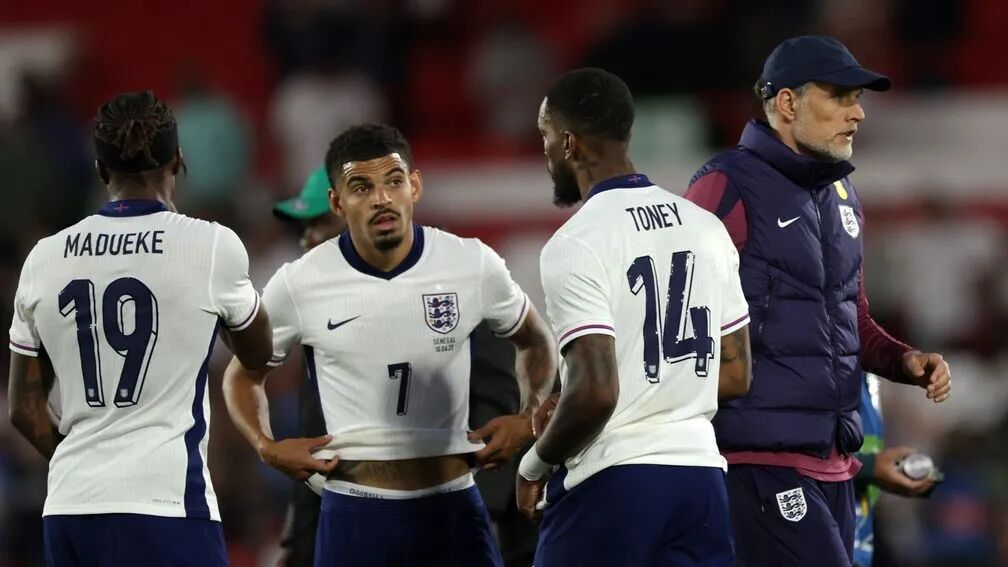
The report analyzed Tuchel's tactical model, explaining why he chose Dan Burn over Harry Maguire, Ivan Toney (playing in Saudi Arabia) over Dominic Calvert-Lewin, and why Phil Foden and Cole Palmer were left out. Tuchel's selections are based on a player's fit within the tactical system, versatility, and defensive reliability, not merely reputation or even playing time at their clubs this season. Tuchel prefers players who can both retain possession and execute organized, high-intensity pressing, as well as versatile "multifunctional" players capable of covering multiple tactical positions.
In terms of defense, Tuchel's England system adjusts flexibly based on goal-kick situations, alternating between zonal pressing and a 4-4-2 low block, emphasizing defensive reliability and tactical awareness against different opponent attacking strategies.
The players Tuchel selected exist entirely to meet the demands of the tactical system. This fully systematized England squad achieves both offensive and defensive balance and genuine team spirit. Only such an England team—more of a cohesive unit than a collection of stars—with a completely revamped tactical structure, can become a serious World Cup contender.
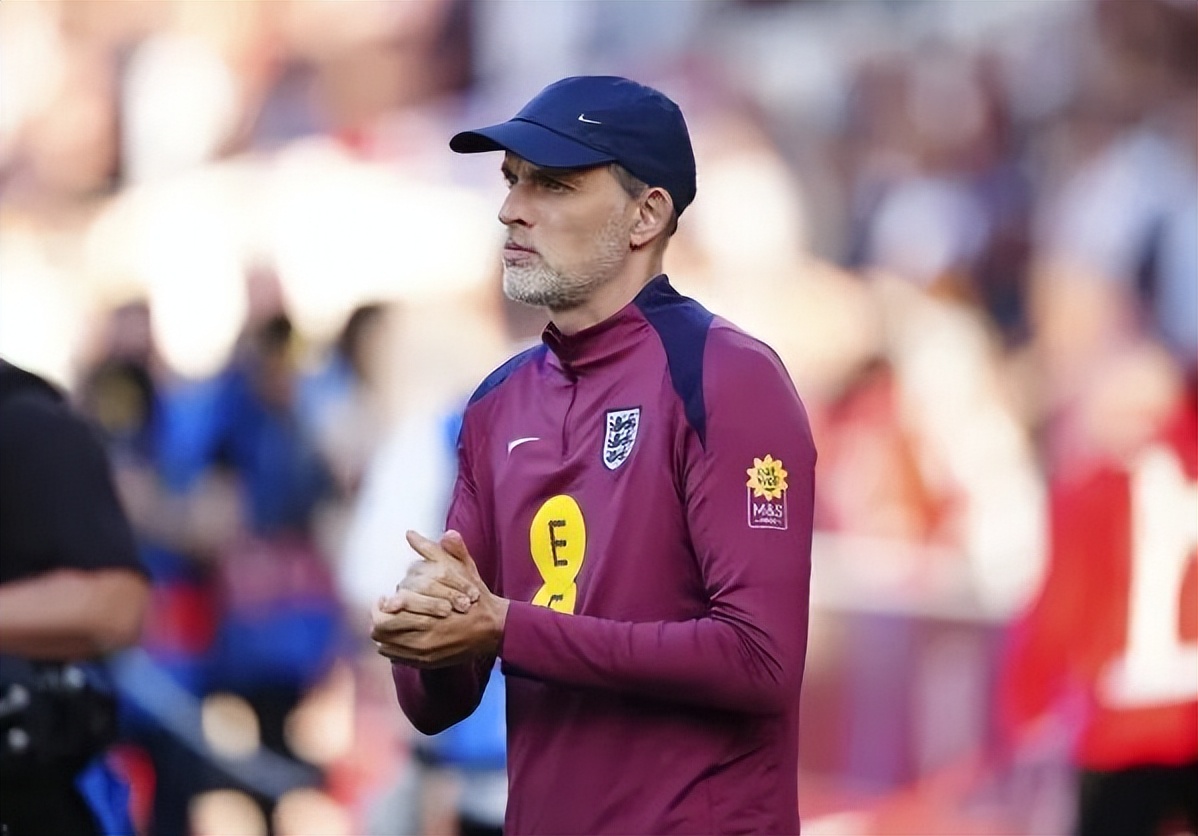

Compared to players' fame and popularity, Tuchel believes that correct tactical execution and a team-first mentality are what ultimately win championships.
First, there is the confidence that comes from winning players. Tuchel emphasized that as many as 15 of the 26 squad members have won titles this season, and six players were former U21 European Champions. The championship spine of Konsa–Rice–Kane forms the core of the entire team. All tactics revolve around this central axis. Defenders can meet the demands of high pressing, while the midfield and attack offer more support to Kane, with sufficient width and defensive intensity on the flanks.
The starting lineup for England is also largely settled. Jude Bellingham will compete with Morgan Rogers (Aston Villa) for the No. 10 role, with their playing time determined by Kane's condition. How to solve the problem of Kane's fatigue will decide how far Tuchel's England can go in the World Cup. Tuchel's answer is Ollie Watkins (Aston Villa) and Ivan Toney (Al-Ahli). Toney has scored 42 goals this season for Al-Ahli and won the AFC Champions League Elite title, making him the kind of champion player Tuchel needs. A red-hot striker allows Kane to get necessary rest. Moreover, Toney's proficiency at penalties makes him a secret weapon for England in potential shootouts.
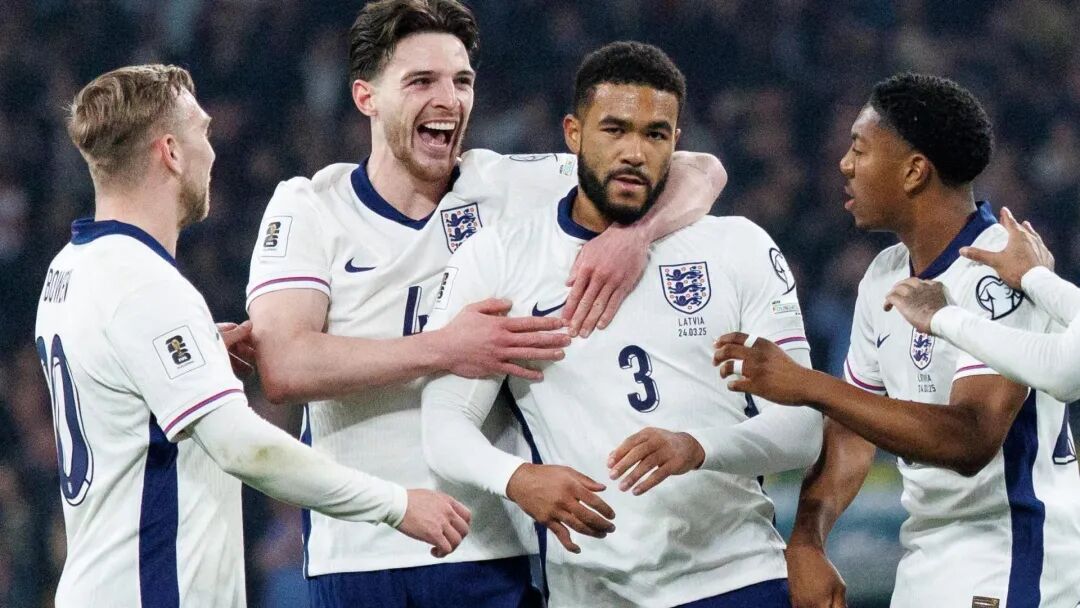
Beyond the tactical system, Tuchel also demands certain match experience from his players. This England squad has a combined 71 World Cup appearances, a record high for the team and 2.5 times the number for the 1966 winners (28). John Stones has limited playing time this season, but together with the soon-to-be 36-year-old Jordan Henderson, they can provide experience and help the manager manage the dressing room. With these two veterans, Kane doesn't need to spend extra energy on leading the locker room. Even Trent Alexander-Arnold's omission, besides his inability to fit into Tuchel's system, may also help reduce potential instability in the England camp.
As for concerns about a lack of midfield creativity in the current squad, Tuchel is not worried. He plans to open up attacking width through the flanks, and the double insurance of Rogers and Bellingham is already sufficient. If necessary, he can even consider giving Kobbie Mainoo the freedom to push forward, as he does at Manchester United.
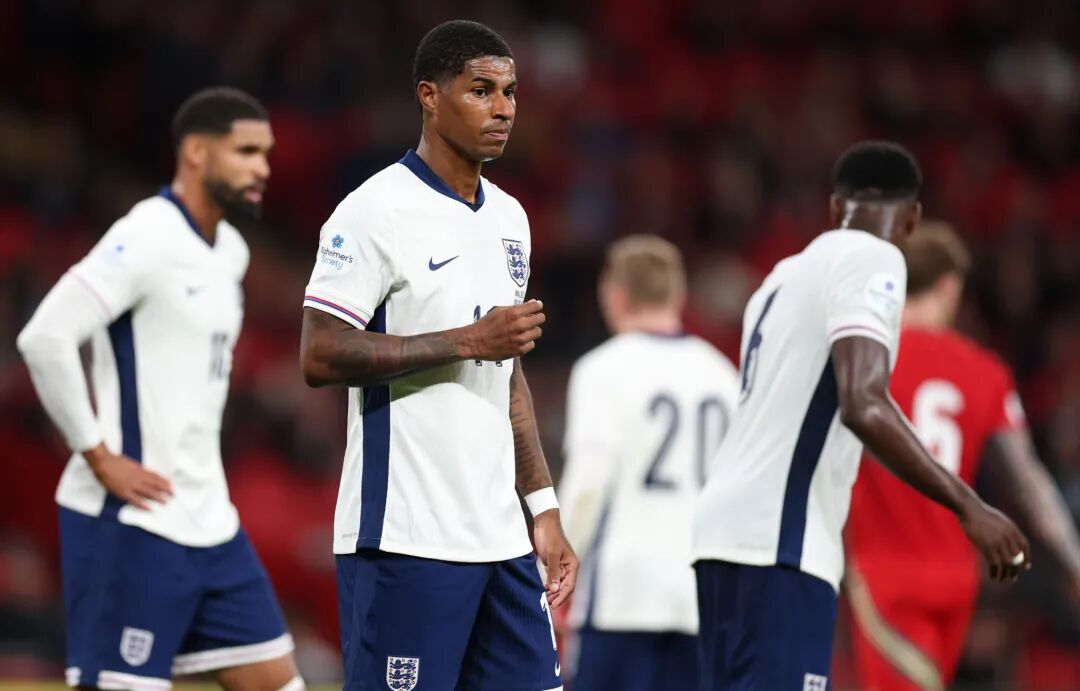
Tuchel's insistence on system suitability left Carragher in awe. He even remarked that if Tuchel had coached England's "Golden Generation," the World Cup trophy might not have been out of reach. Of course, Tuchel's determination to build the team around himself will ultimately be judged by results. But at least for now, the German coach remains as confident in his principles as when he first took charge, maintaining an unwavering attitude.
A tactically mature England, rather than a "star-studded team," may bring the surprise that fans have longed for over 60 years.



Wonderfulshortvideo
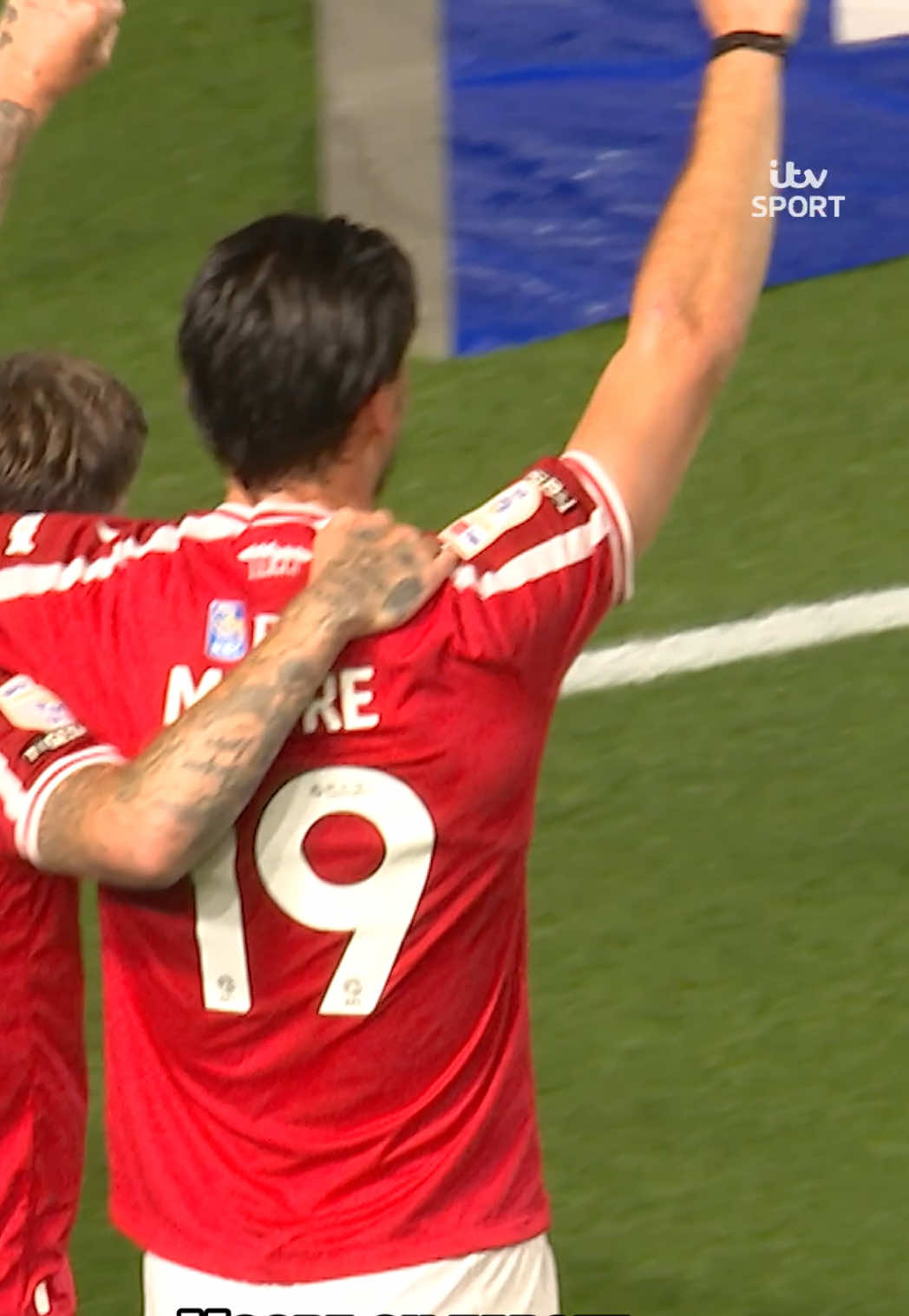
Lashed home by Kieffer Moore ☄️


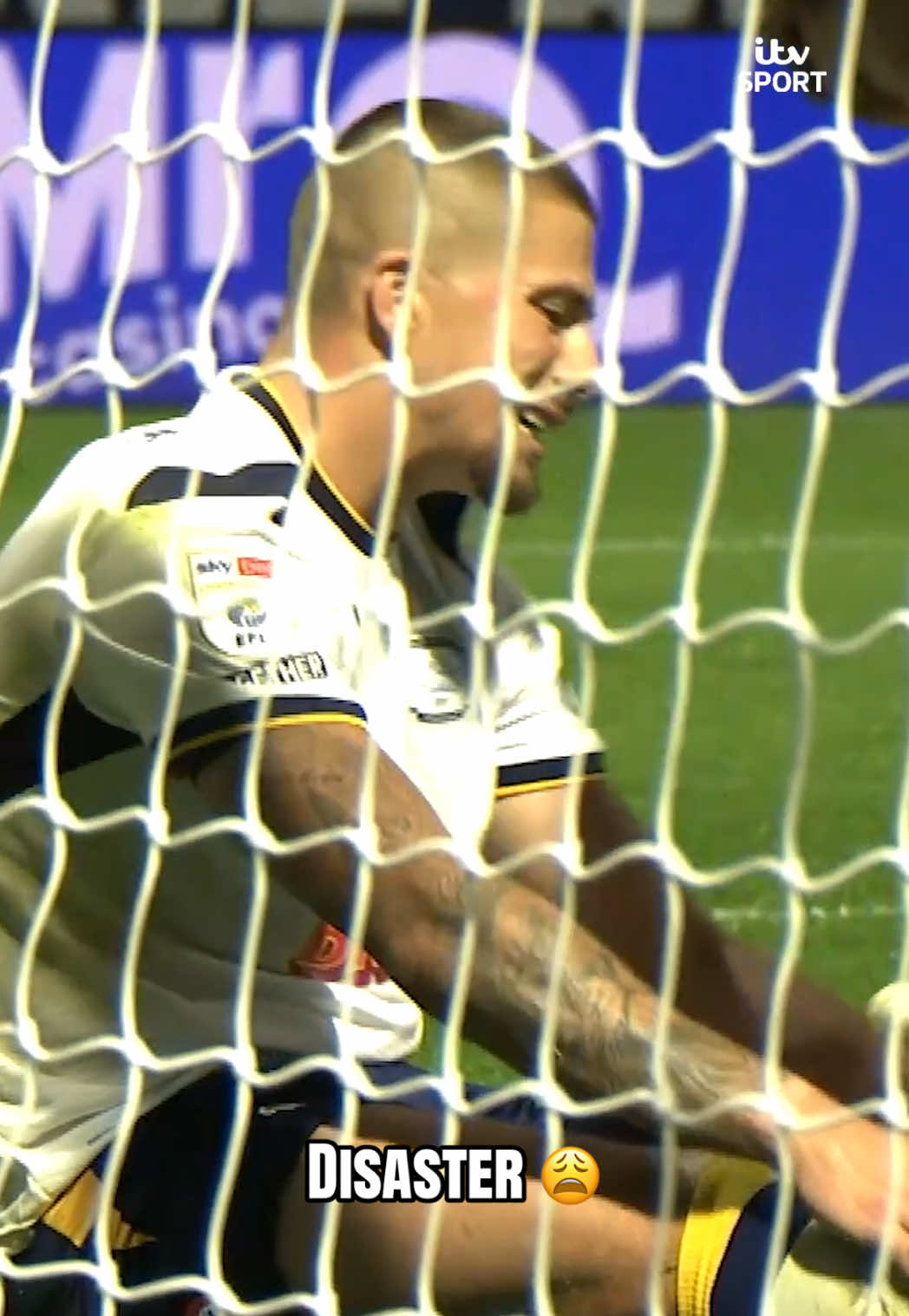
The saxophones are getting louder for Preston here…
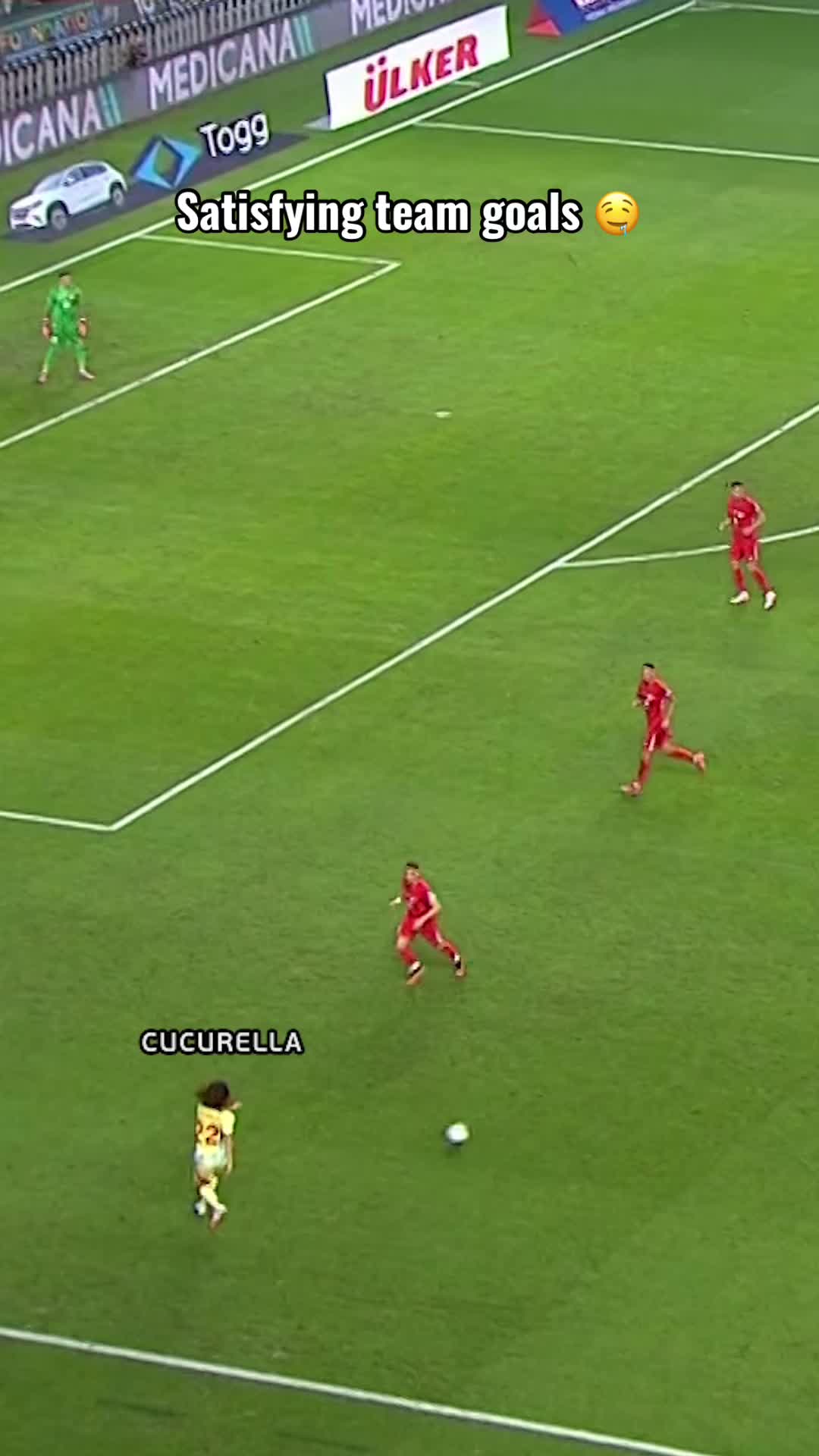
When football is simple but beautiful 😍
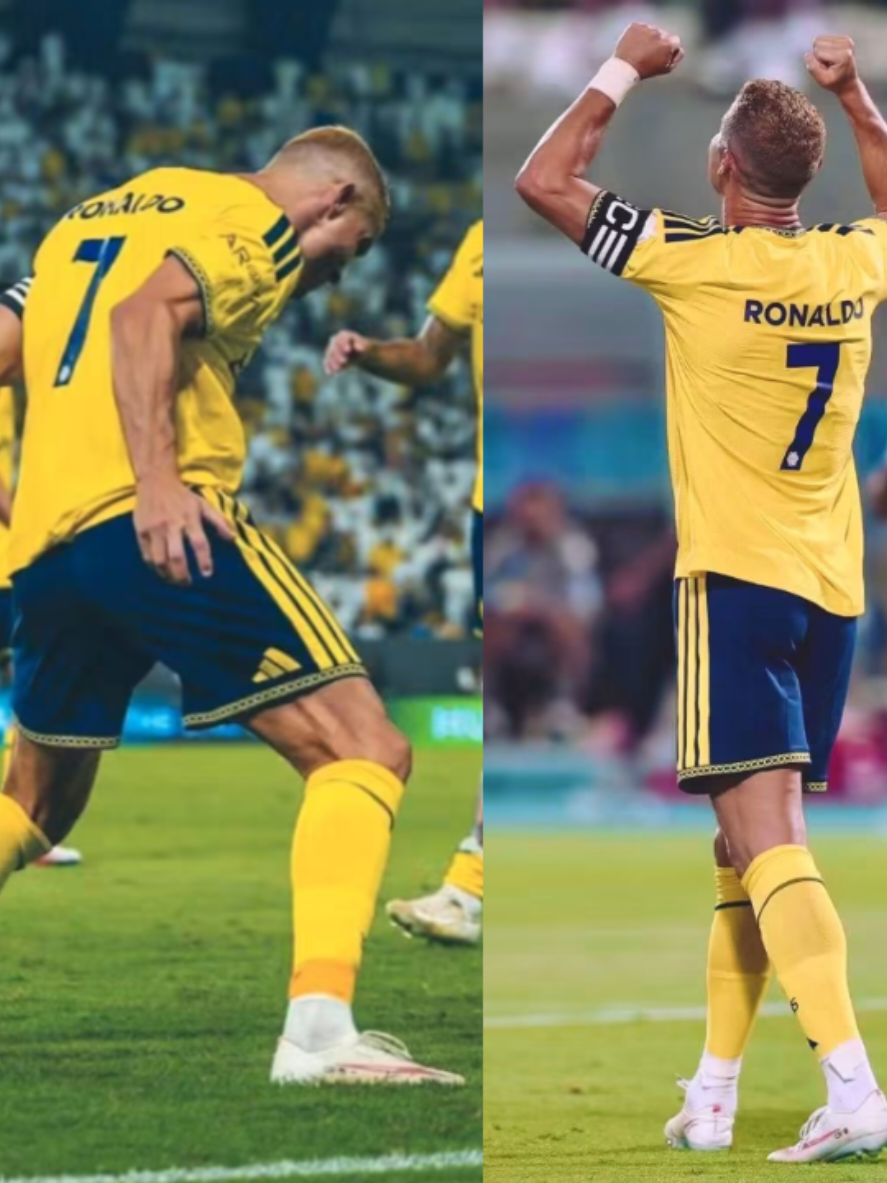
Cristiano Ronaldo is back on the quest for 1,000 goals, and these are his 977th and 978th goals.
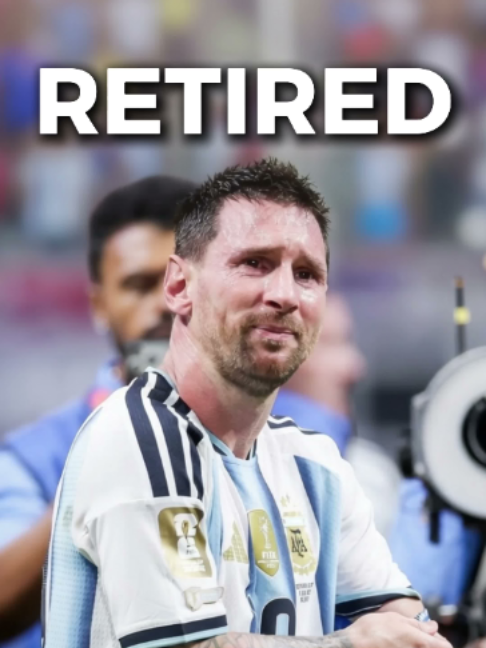
messi argentina retirement messi retiring messi edit
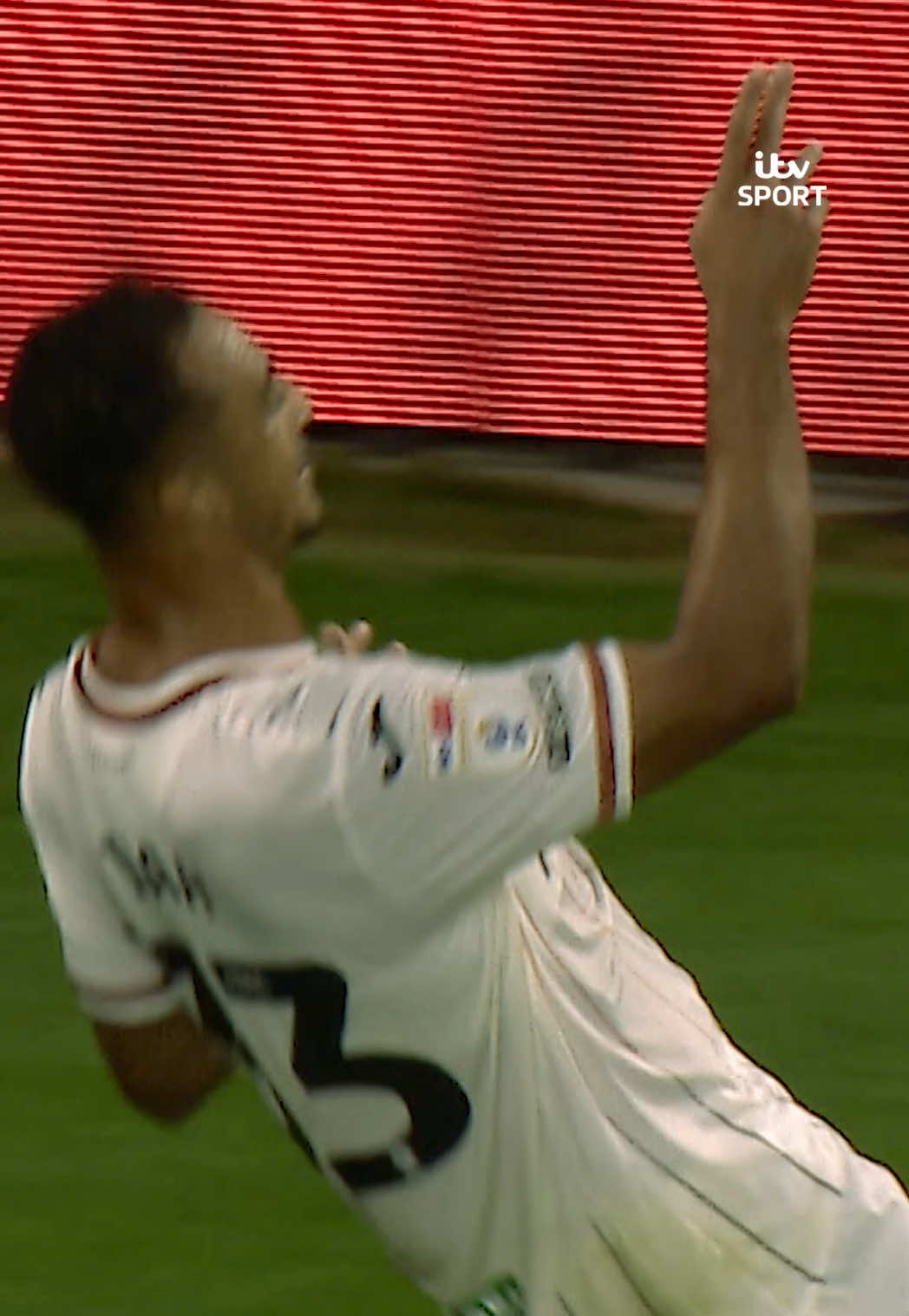
The Swans go TOP of the Championship 🦢
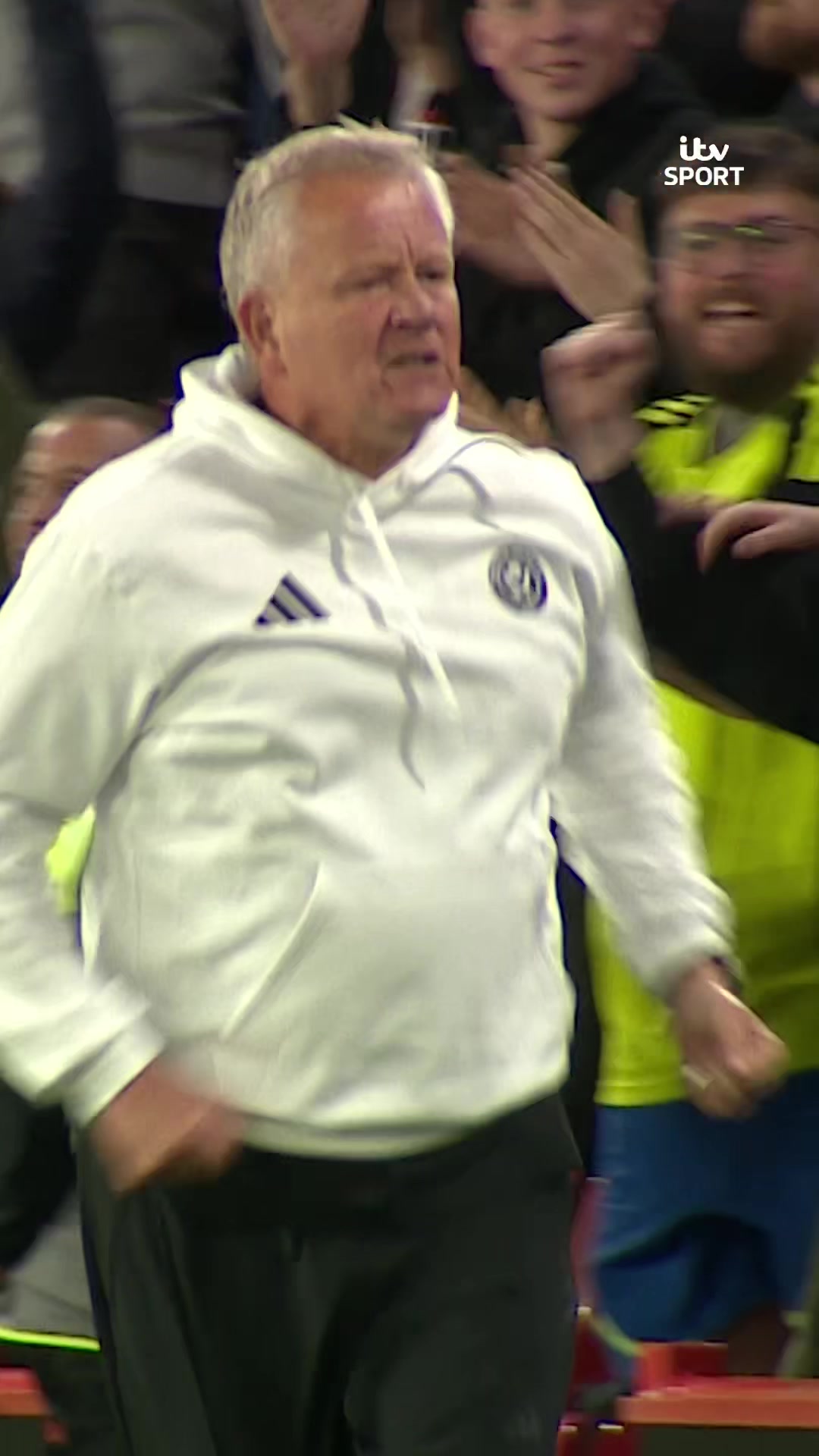
Sheffield United’s Romelle Donovan with an added time WINNER that sent Bramall Lane wild 🔥
 Links
Links
 Contact
 App
App


