



Are WAGs really the reason why England's 'golden generation' failed at the World Cup?


Surrounded by parties stretching to 4 a.m., shopping escapades totaling tens of thousands of pounds, and the constant glare of paparazzi in Baden-Baden, England's squad at the 2006 World Cup slowly lost its grip on the title dream.
Twenty years later, when model Abbey Clancy revived the sizzling "WAGs" image in a new advertising campaign, memories of that chaotic summer resurfaced: were these WAGs truly the cause of England's "golden generation" collapse, or were they merely scapegoats for a talented yet fragile team?
Baden-Baden: Where England Turned the World Cup into a Spectacle
The summer of 2006 wasn't just about football for the England team. It also became a stage for an unprecedented pop culture phenomenon: the era of the WAGs—short for "wives and girlfriends" of the players.
Two decades later, that image unexpectedly came back to life when Abbey Clancy appeared in Juicy Couture's new campaign, evoking the golden age of WAGs.

Abbey Clancy featured in an advertising campaign styled to recall the heyday of the England team's WAGs.
But for the English, the memory of the 2006 World Cup is not just about fashion, champagne, and lavish parties. It also marks one of the most controversial World Cups in the history of English football.
In the peaceful German town of Baden-Baden, the England team's WAGs quickly turned the area into a global media hotspot. At the famous Garibaldi's bar, Moet champagne flowed endlessly, vodka Red Bull appeared on every table, and the music lasted until 4 a.m.
Their shopping sprees were equally staggering. In just one hour, the WAG group reportedly spent £57,000 on designer goods. German and Spanish newspapers competed to mock England's "credit card army."

In the tranquil German town of Baden-Baden, the England team's WAGs rapidly turned the place into a global media center.
Meanwhile, about a 20-minute drive from the town center, England's golden generation—including David Beckham, Steven Gerrard, Frank Lampard, Wayne Rooney, Rio Ferdinand, and John Terry—played uninspired, lackluster football.
England entered the tournament as one of the top contenders, but narrow wins over Paraguay and Trinidad & Tobago, along with a draw against Sweden, only deepened the growing disappointment.
And when the team failed to perform convincingly, the media spotlight immediately shifted to the women off the pitch.
When WAGs Became the "Scapegoats" for Failure
As the tournament progressed, England became increasingly engulfed in a sense of chaos.
Coach Sven-Goran Eriksson had deliberately chosen Baden-Baden as the base camp, believing that a relaxed atmosphere would help ease the players' pressure. Families and girlfriends were allowed to come and go freely, enjoying their own lives. But that quickly backfired.
The British media nearly abandoned football coverage to chase the WAGs. Every day brought new stories: where they ate, what they bought, whom they partied with, how much champagne they consumed.
A photographer recalled: "During the day they went shopping, at night they returned to the hotel and continued drinking. It never stopped." The climax came when Abbey Clancy—then girlfriend of Peter Crouch—was found to have old cocaine-related photos and had to leave Germany amid a storm of criticism. Even Victoria Beckham appeared in the headlines more often than the players. In many eyes, England's base camp at that time resembled a reality TV show more than a World Cup preparation site.
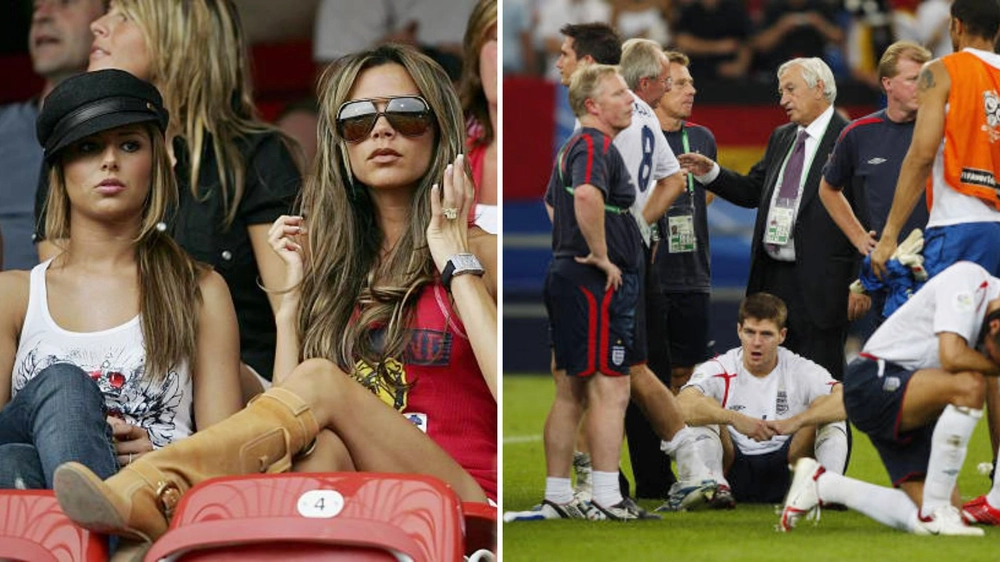
The deeper England went into the tournament, the more the team was shrouded in a feeling of disarray.
After getting past Ecuador in the round of 16, England faced Portugal in the quarterfinals. That match turned into a disaster. Beckham left the pitch injured. Rooney received a red card for stamping on Ricardo Carvalho. England lost on penalties and was eliminated.
Immediately, the hunt for the culprit began. Many FA officials and media outlets claimed the WAGs had distracted the team. Former defender Gary Neville called England's 2006 World Cup team "a real circus," a phrase that later became famous.
According to Neville, the problem wasn't the wives or girlfriends themselves, but that everything surrounding the team had become too chaotic and full of distractions.
Did WAGs Really Cause England's Failure?
To this day, that question remains controversial.
There's a hard-to-deny reality: England in 2006 was not in peak physical condition. Rooney had just recovered from a broken metatarsal. Michael Owen and Beckham both suffered injuries during the tournament. The star-studded lineup lacked tactical cohesion.
Many experts believe the "golden generation's" failure simply came from never truly being a cohesive team.
Meanwhile, the WAGs became an all-too-easy target. Coleen Rooney years later rebutted the accusations: "We couldn't sit in the hotel all day. We just went out to eat and enjoy life." She argued that the media exaggerated everything to create a scandal.
Looking back, the 2006 World Cup might have been the moment English football was consumed by the intersection of sports and celebrity. The players once expected to take England to the top of the world were ultimately overshadowed by stories of partying and shopping.
For many, Baden-Baden symbolizes the failure of the "golden generation." But for others, it was simply a team not strong enough to win, and the WAGs were just the perfect scapegoats for the nation's disappointment.
See the latest news on the 2026 World Cup
See the 2026 World Cup schedule
See the 2026 World Cup standings


Wonderfulshortvideo

Lashed home by Kieffer Moore ☄️


The saxophones are getting louder for Preston here…
When football is simple but beautiful 😍
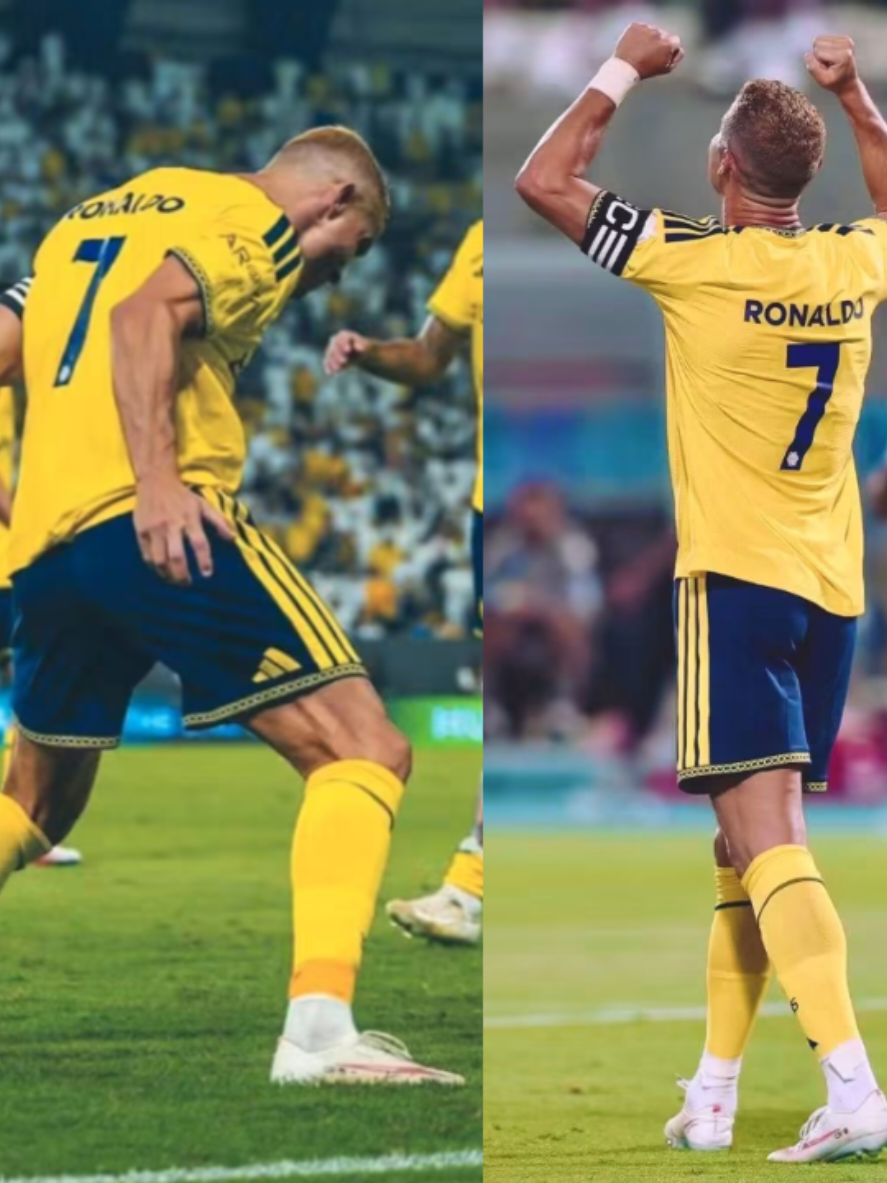
Cristiano Ronaldo is back on the quest for 1,000 goals, and these are his 977th and 978th goals.
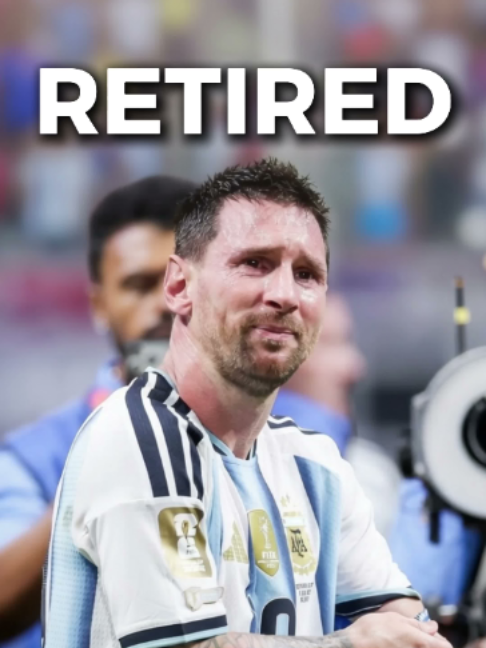
messi argentina retirement messi retiring messi edit

The Swans go TOP of the Championship 🦢
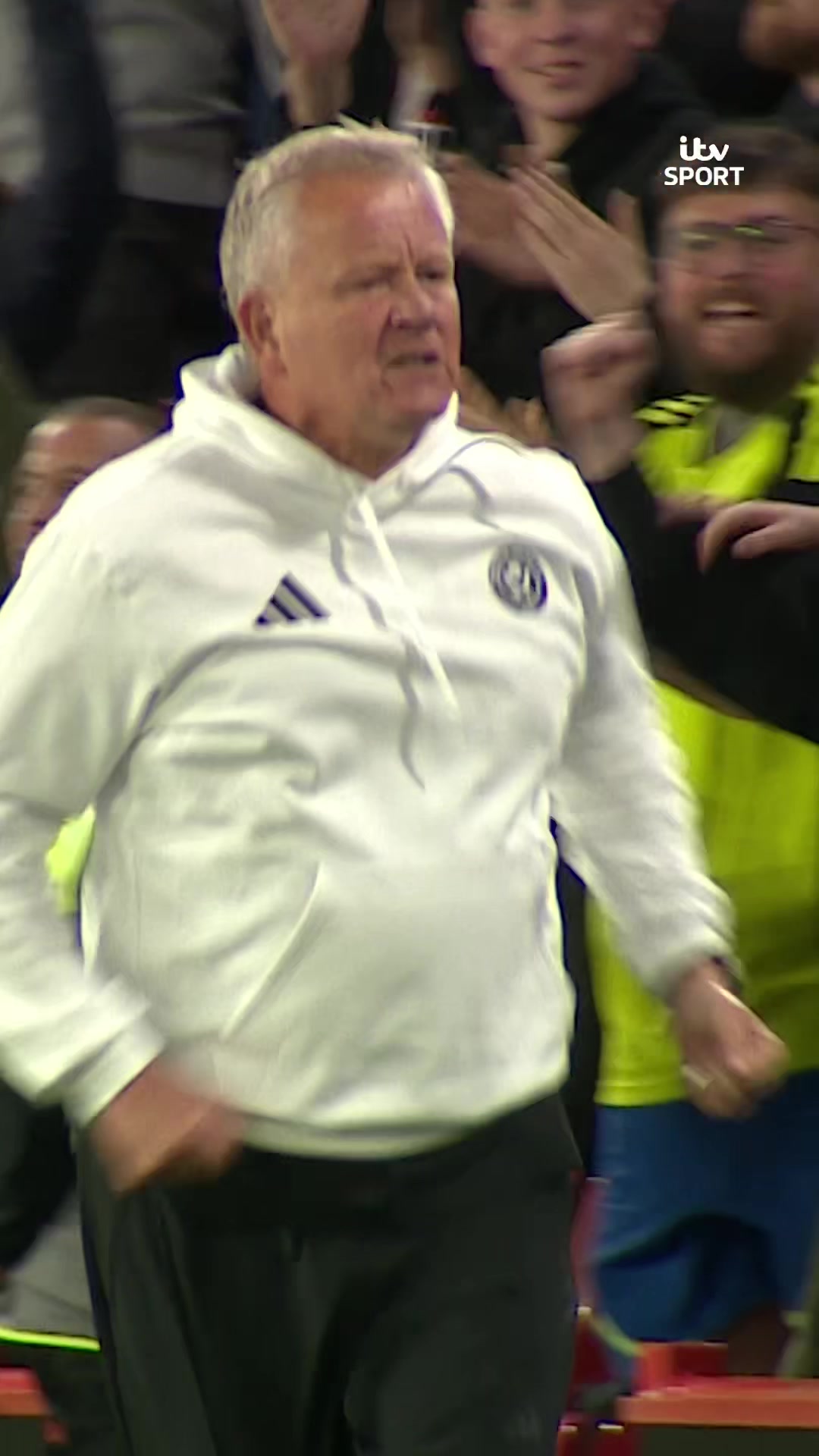
Sheffield United’s Romelle Donovan with an added time WINNER that sent Bramall Lane wild 🔥
 Links
Links
 Contact
 App
App


