



Arteta & Fabregas: The Shared Arsenal DNA



Arteta has just guided Arsenal to the Premier League championship after over twenty years of anticipation. Fabregas, on the other hand, has transformed a second-division Italian club into a force challenging for the Champions League. Two parallel journeys, distinct validations, but both lead to the same place: Emirates Stadium.
Here’s an interesting detail not everyone notices: Mikel Arteta and Cesc Fabregas both once wore the Arsenal shirt, both absorbed the philosophy of beautiful football from London, and both are now showcasing their managerial talents in their own ways at this exact moment.
Back in February, before Arsenal had won the title and while doubts about Arteta still simmered, former star Emmanuel Petit made a bold claim: Arteta’s departure from Emirates was only a matter of time, and the ideal successor could well be Cesc Fabregas, the legendary former captain of the Gunners.
At the time, that assessment sounded far-fetched. But looking back at what has happened in the past few months, the story has become more intriguing than ever.
Finishing second three consecutive times in the Premier League is a wound that’s hard to heal for any manager. Mikel Arteta lived through all those years under immense pressure, with the recurring question of "when will it happen?" echoing each summer.
Then this season, he achieved something even Arsène Wenger couldn’t in his final years: bringing Arsenal back to the pinnacle of the Premier League. This isn’t just a trophy; it’s the answer to all those who once doubted him.
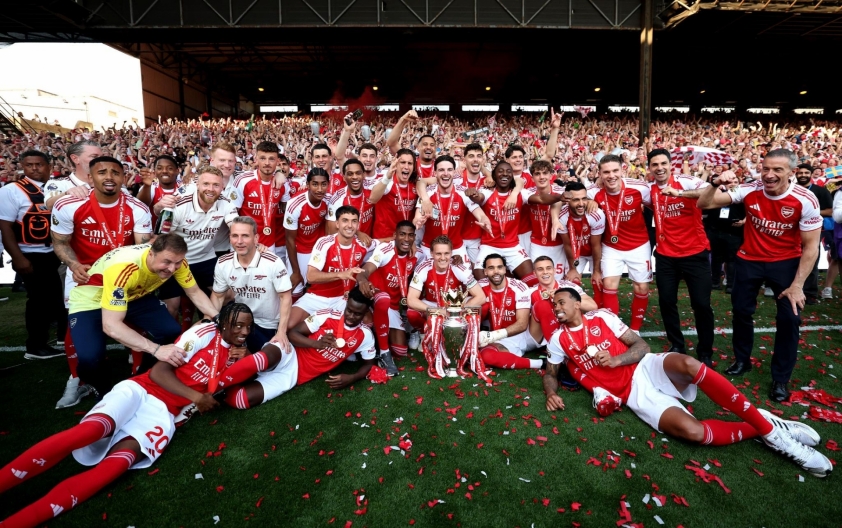
Arteta’s contract runs until June 2027. Now, with the championship in hand, he’s in the strongest position since he first took the managerial seat. But football is a world of ambition and temptation. Petit once mentioned Barcelona as an irresistible destination for Arteta, given his roots in La Masia and his Catalan DNA. If Barcelona calls, no one can be sure the answer will be "no."
Around 1,300 kilometers from Arsenal, on the shores of Lake Lombardy in Italy, Cesc Fabregas is doing what many thought impossible when he began his managerial journey.
Como 1907 has just secured a spot in next season’s Champions League, capping an incredible Serie A campaign with 34 points from the first 20 matches, ahead of Atalanta, Bologna, and Lazio. Even more remarkable, this is a team that returned to Serie A after a 21-year absence.
Fabregas doesn’t just win through results. He wins through philosophy. This season, Como leads Serie A in average possession with 60.9% per game, surpassing Inter Milan, Juventus, and Napoli. They also top the league in Passes Per Defensive Action (PPDA) – the number of passes the opponent makes while the team is defending – at 7.96, making them the most intense pressing side in Italy. A rare combination: the highest possession rate coupled with the most aggressive pressure on opponents.
One of the hallmarks of Fabregas’s reputation is his unique and creative tactical ideas. He builds Como like a chameleon – constantly shifting shape based on the opponent’s weaknesses. Instead of fixed positions, players continually rotate; defenders push high to join attacks, while wingers regularly concentrate on one flank to create numerical superiority. Sometimes, a left winger plays the entire match on the right, coordinating with players on that side, turning one half of the pitch into an unexpected attacking zone and a tightly packed defensive area.
Como’s ball-playing structure ideas are even more distinctive. Fabregas often creates bizarre formations like a 2-0-8 (only two center-backs deep, with nearly the entire team pushing up), using the goalkeeper as a high-position ball-playing center-back, dragging forwards and attacking midfielders close to the keeper to disrupt the opponent’s defensive structure… He employs "controlled chaos" to break modern man-marking pressing. Despite the chaos, Como maintains balance through hybrid roles: one group of players roams freely across the pitch, while the other retains a stable defensive shape, ready to press hard when possession is lost. This makes Como both controlling the game and highly unpredictable and efficient in transitions.
Here’s a historically interesting point that Arsenal fans might appreciate. Arteta and Fabregas not only played together and captained Arsenal, but they also share a common thread in their managerial thinking: both build teams based on possession, organized pressing, and space exploitation through a creative midfield trio. Fabregas also revealed in a pre-match interview that he once sought advice from Mikel Arteta: "I spoke to Arteta and told him I wasn’t sure I was ready for this. He said to me: ‘We’re both very competitive, so even if you’re not ready, that competitive drive will push you to find solutions and give you vision.’ I can say that after two years, he was right."
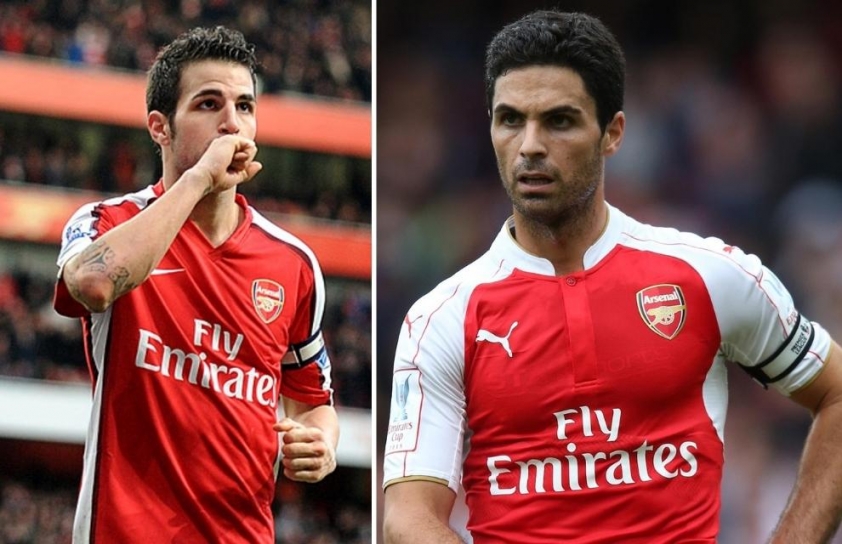
Petit once said Fabregas has all the qualities of a future Arsenal manager: strong character, good dressing-room management, and decisive judgment in sensitive moments. This season’s results at Como are turning those words into a compelling argument more than ever.
However, Fabregas’s contract with Como runs until 2028. When asked about the possibility of managing a bigger club, he always emphasizes that he is fully focused on the project in Lombardy. A man writing history for the team he leads usually isn’t in a hurry to leave.
Looking at the big picture, this is a rare moment in Arsenal’s history: the current manager just won the title, while his potential successor is proving his talent in the Champions League with a much smaller club.
Arteta may stay, or he may leave when ambition calls. Fabregas may continue building his reputation in Italy before being ready for the next step. Neither needs to rush.
But in football, milestones like this—when former players of a big club are all at the peak of their careers simultaneously—don’t come often. Arsenal will have its answer, sooner or later.


Wonderfulshortvideo
Lashed home by Kieffer Moore ☄️


The saxophones are getting louder for Preston here…
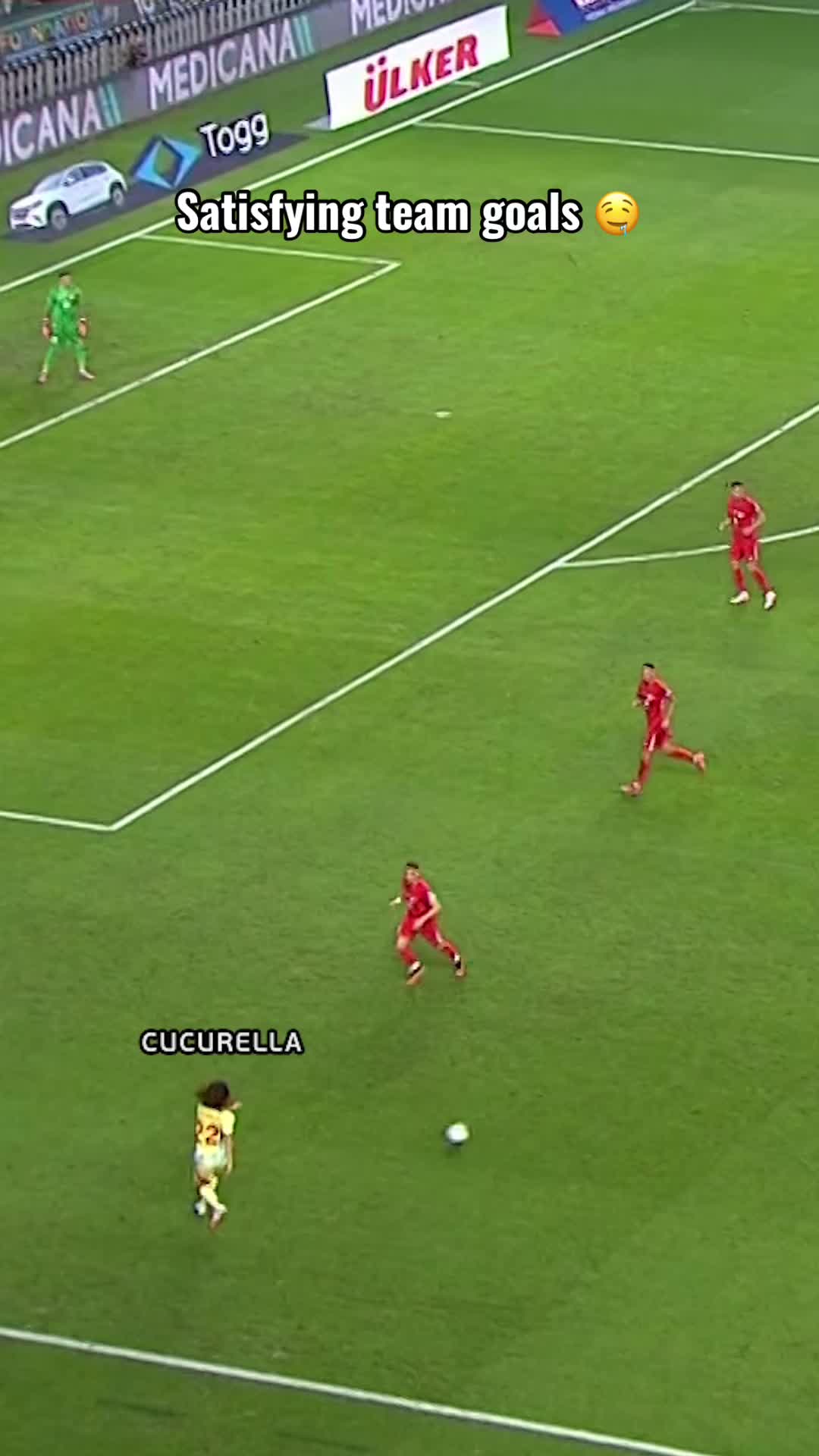
When football is simple but beautiful 😍
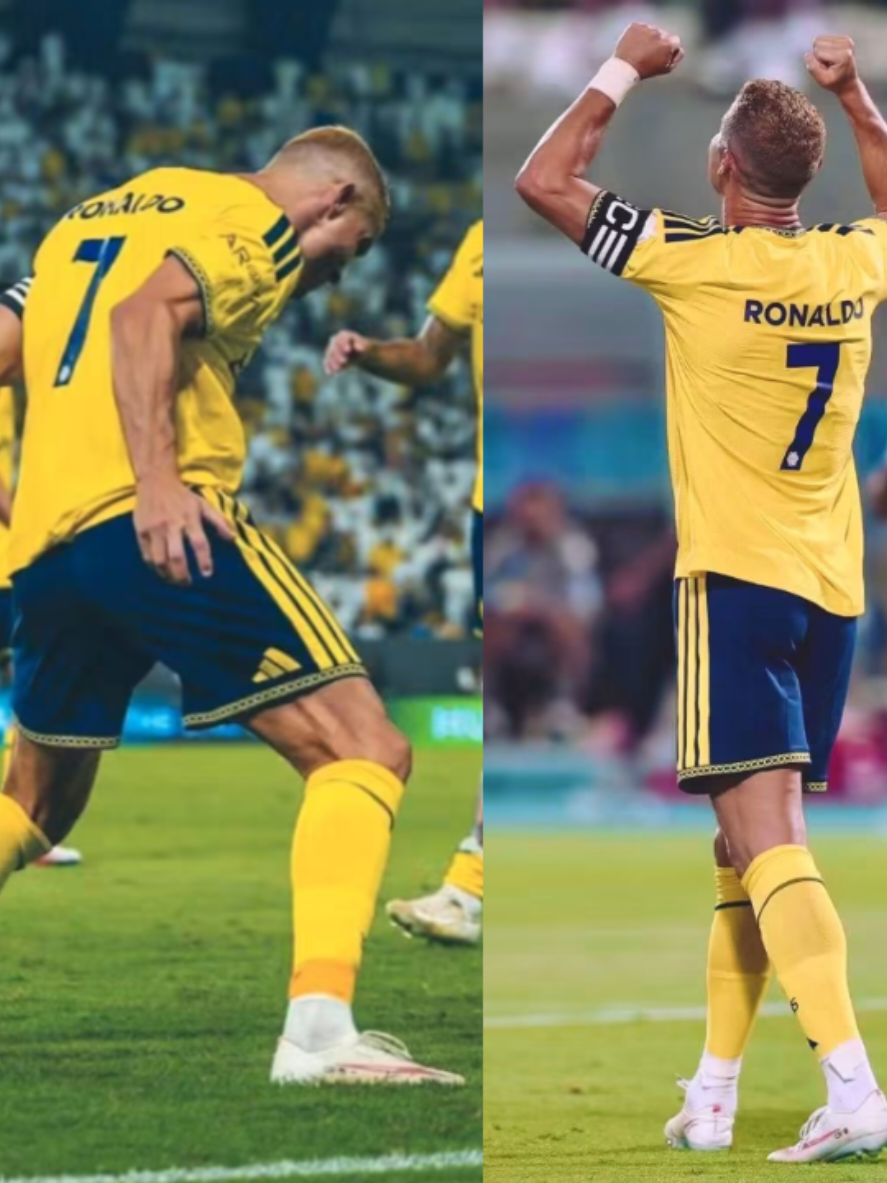
Cristiano Ronaldo is back on the quest for 1,000 goals, and these are his 977th and 978th goals.
messi argentina retirement messi retiring messi edit
The Swans go TOP of the Championship 🦢
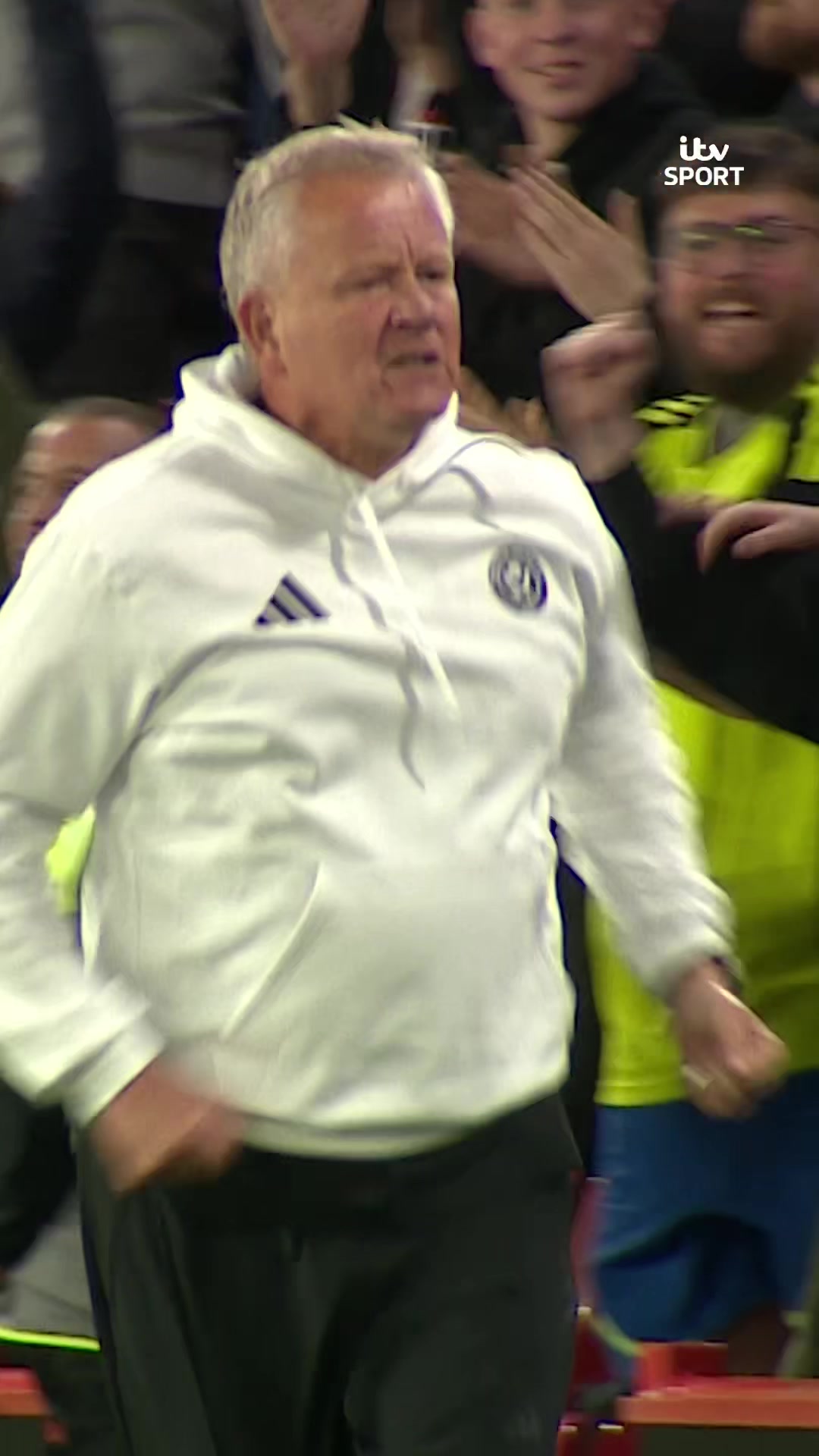
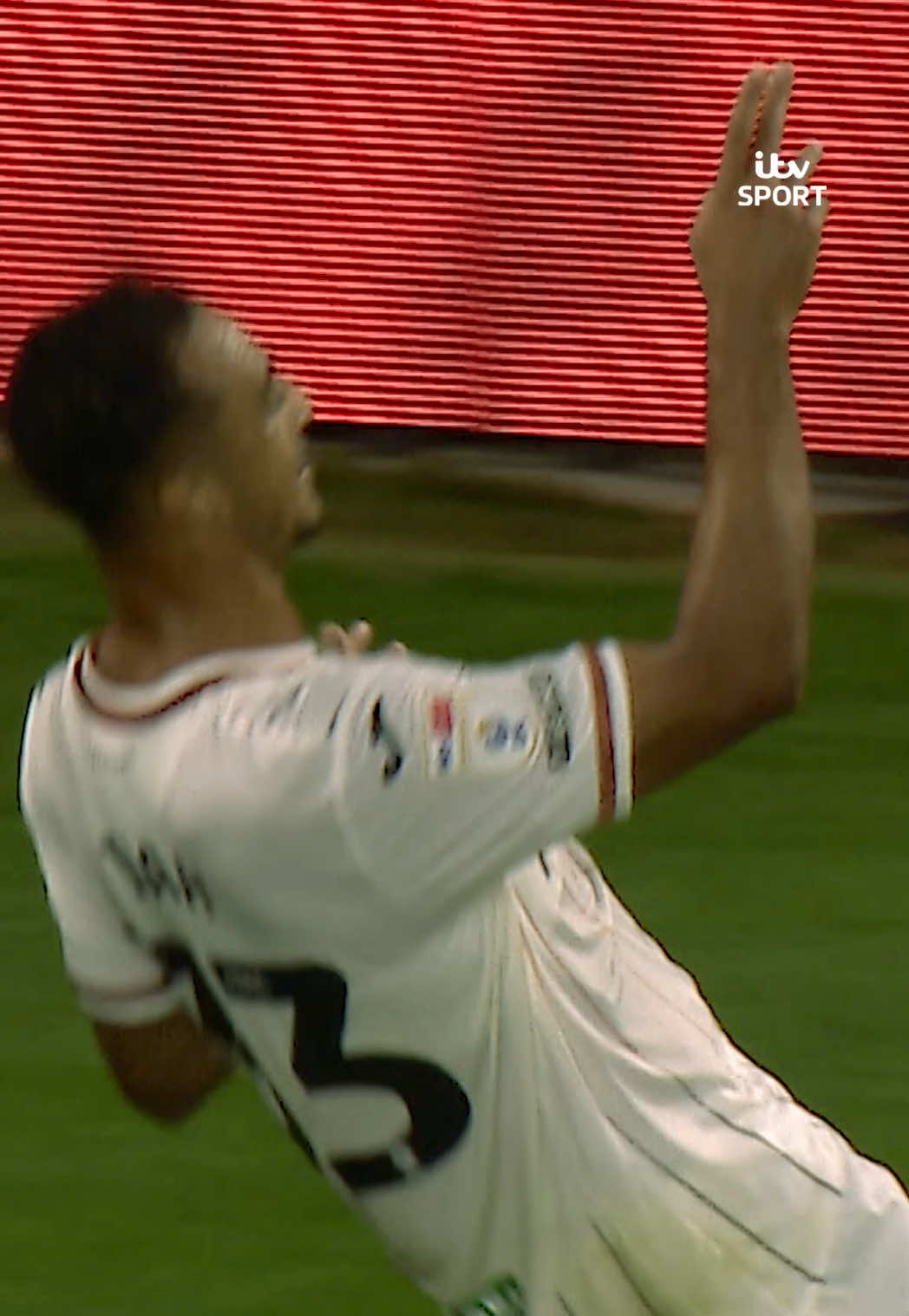
Sheffield United’s Romelle Donovan with an added time WINNER that sent Bramall Lane wild 🔥
 Links
Links
 Contact
 App
App


