



England's 2026 World Cup Squad List: As Clear-Headed as Tuchel



The England squad for the 2026 World Cup perfectly embodies Thomas Tuchel's approach—a mix of boldness and madness. Yet the key point is that he operates with scientific rigor.
1. "I can guarantee that 100% of the players are fully committed and ready for any situation, with team spirit and the goal of winning the title," Tuchel asserted. Therefore, the German tactician's decisions are made decisively and without compromise. This kind of selection is unfamiliar to both the media and fans of the Three Lions, who are used to seeing big-name stars on the squad for years.
We see that picking the best players and forcing them into an unbalanced lineup nullifies individual and collective effectiveness. For example, the German coach left out both Phil Foden and Cole Palmer. Not just because of their dip in form, but because both tend to drift inside as number tens, potentially interfering with Jude Bellingham's playing space—as happened at EURO 2024. This led to a tactical failure overall.
In fact, Tuchel's strict selection policy has been in place for a long time but went unnoticed by the British media. As recently as last October, Jude Bellingham was dropped from the squad for qualifying matches and only returned at this point.
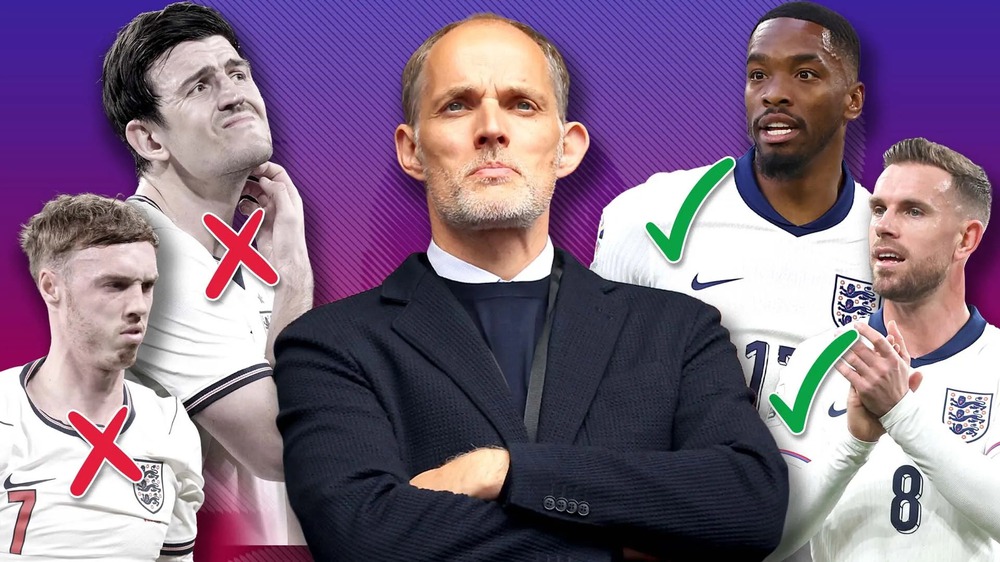
Tuchel's squad is crazy, but he is completely lucid
Reducing the number of stars playing in the same position to focus on a group of players capable of optimizing and diversifying the style of play is clearly more necessary than relying on one-dimensional players. That's why Ezri Konsa was chosen over Maguire—the Aston Villa defender can play both right-back and center-back.
Meanwhile, Reece James or Nico O'Reilly are not better than other full-backs, but they can meet different tactical requirements, such as playing in midfield, sensing space, and reading the game better than others. This is similar to the case of John Stones, who has played just 8 minutes in the Premier League since December.
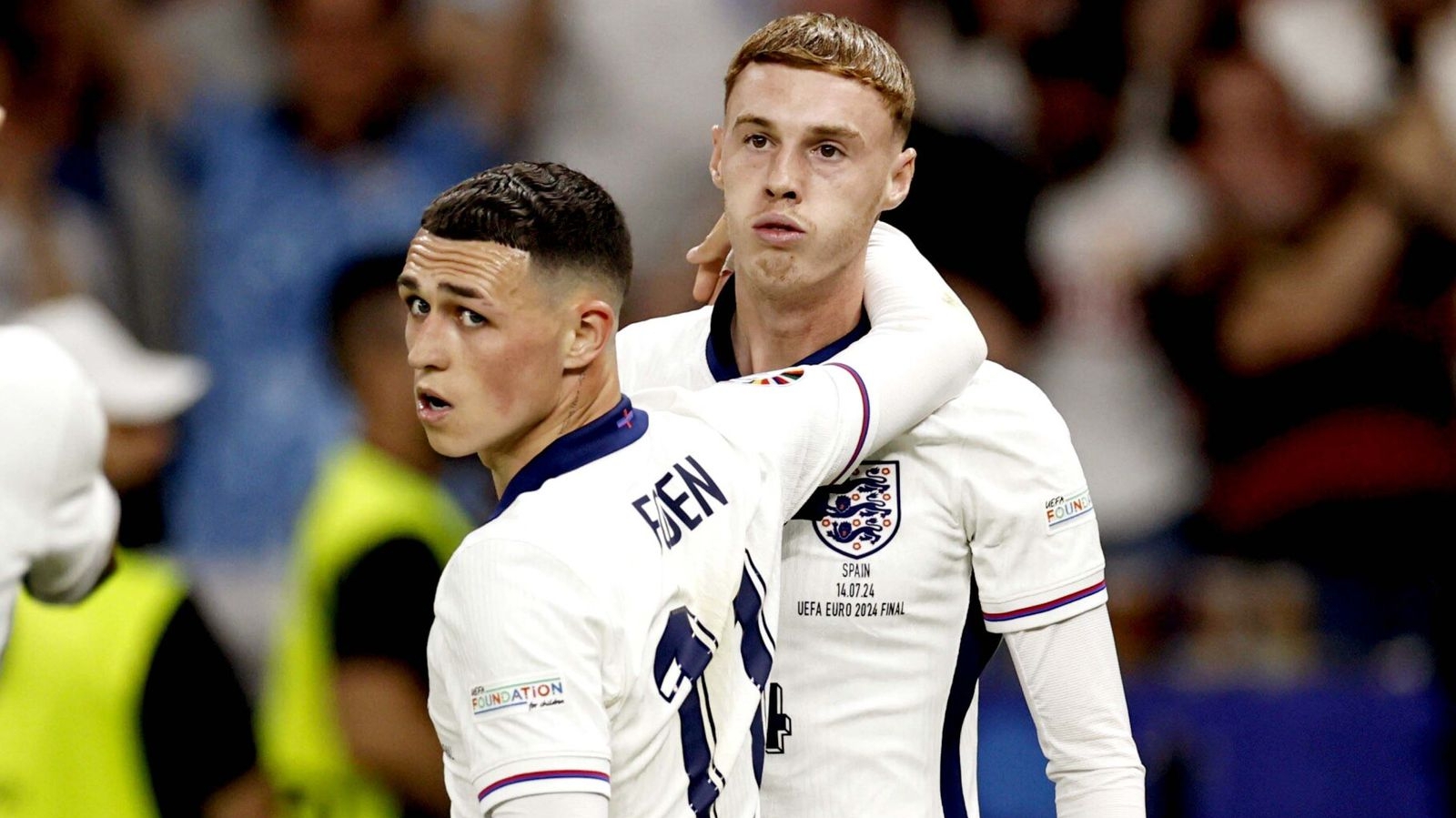
2. When talking about squad building, Tuchel frequently mentions the group of players he selected last August, 20 of whom are now in the World Cup squad. That formed the foundation for this team; since then, he has adjusted and assessed their winning potential. Every decision is based on his own observations, conversations with trusted associates, and the wealth of knowledge he has accumulated.
Of course, betting on players struggling with fitness or limited game time is a controversial decision for many, but Tuchel knows the significance of what he is doing. For instance, Spence broke his jaw and only recently returned, yet he was still selected because, during the March camp, he proved his worth alongside Livramento in the draw against Uruguay.
When picking the squad, he consulted with a team of analysts and psychologists, evaluating player relationships and the energy they bring to the dressing room. Also considered were overlooked details, such as how players warm up, how they cope with disappointment, and their reactions to different scenarios like falling behind or penalty shootouts. That's why Ivan Toney was chosen—he excels from 11 meters.
Overall, Tuchel wants a strong leadership group in various positions across the team. This group has been mentally conditioned to handle high pressure since September. They shape values, establish a style, and set winning standards.
Clearly, Tuchel prioritizes strength and collective cohesion over a group of individual talents.


Wonderfulshortvideo
Lashed home by Kieffer Moore ☄️


The saxophones are getting louder for Preston here…
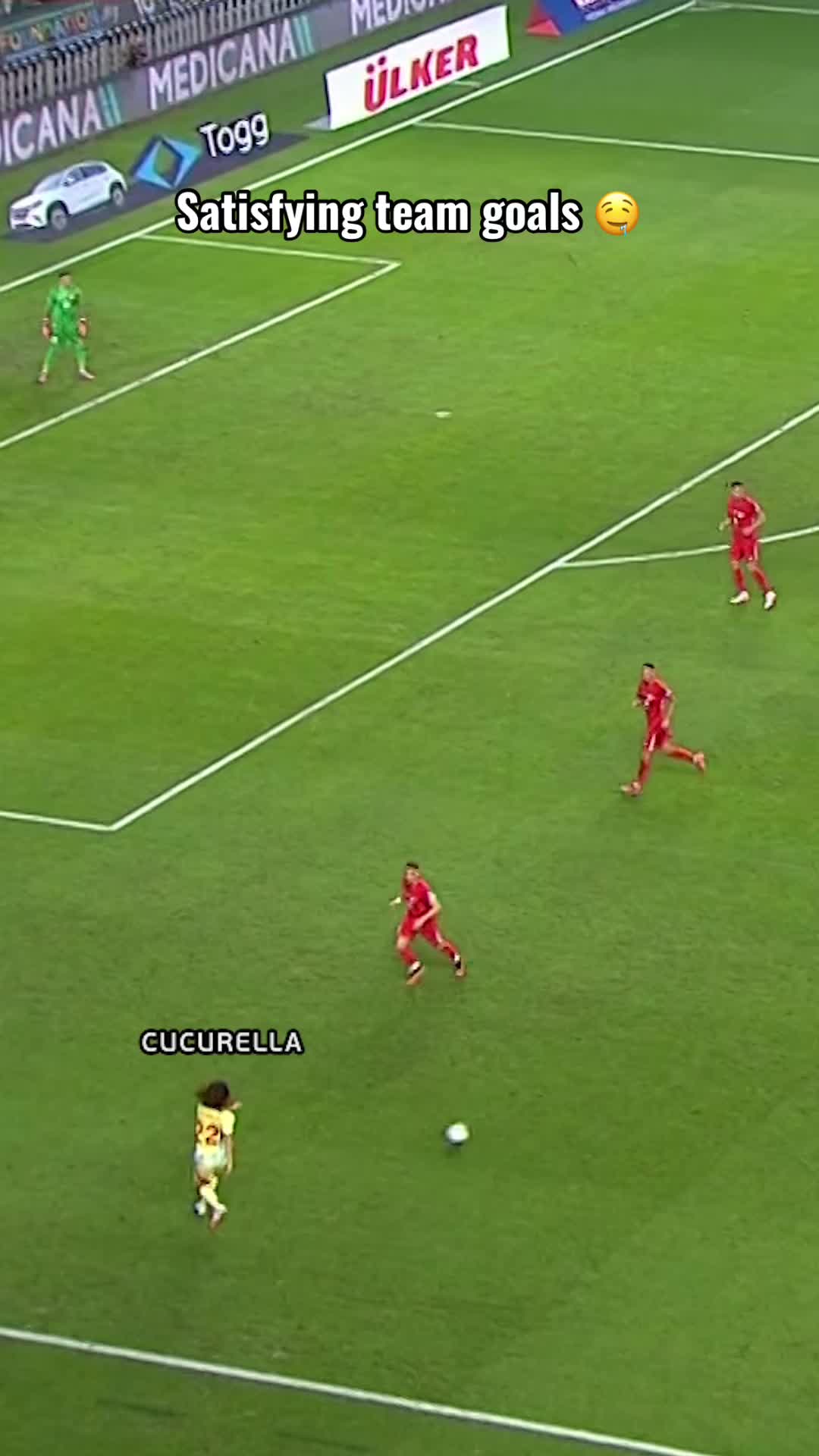
When football is simple but beautiful 😍
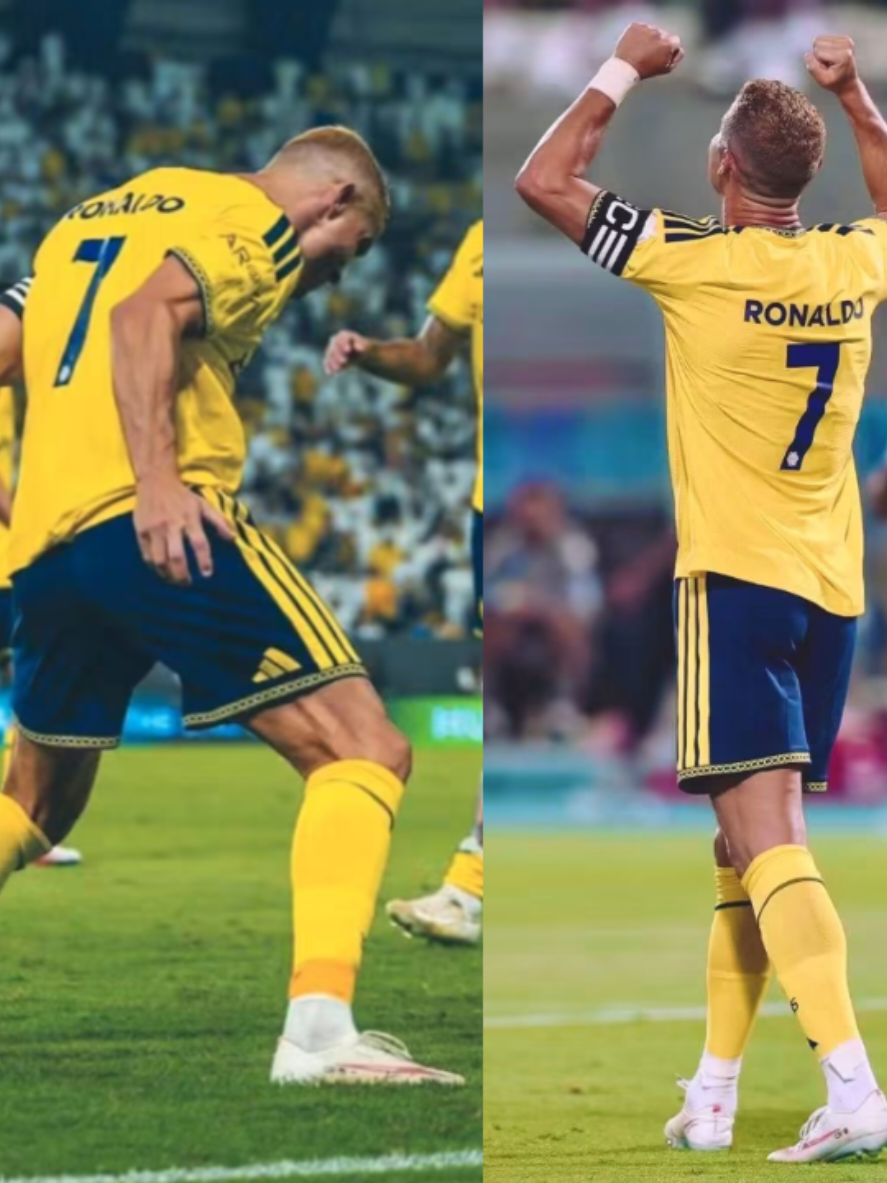
Cristiano Ronaldo is back on the quest for 1,000 goals, and these are his 977th and 978th goals.
messi argentina retirement messi retiring messi edit
The Swans go TOP of the Championship 🦢
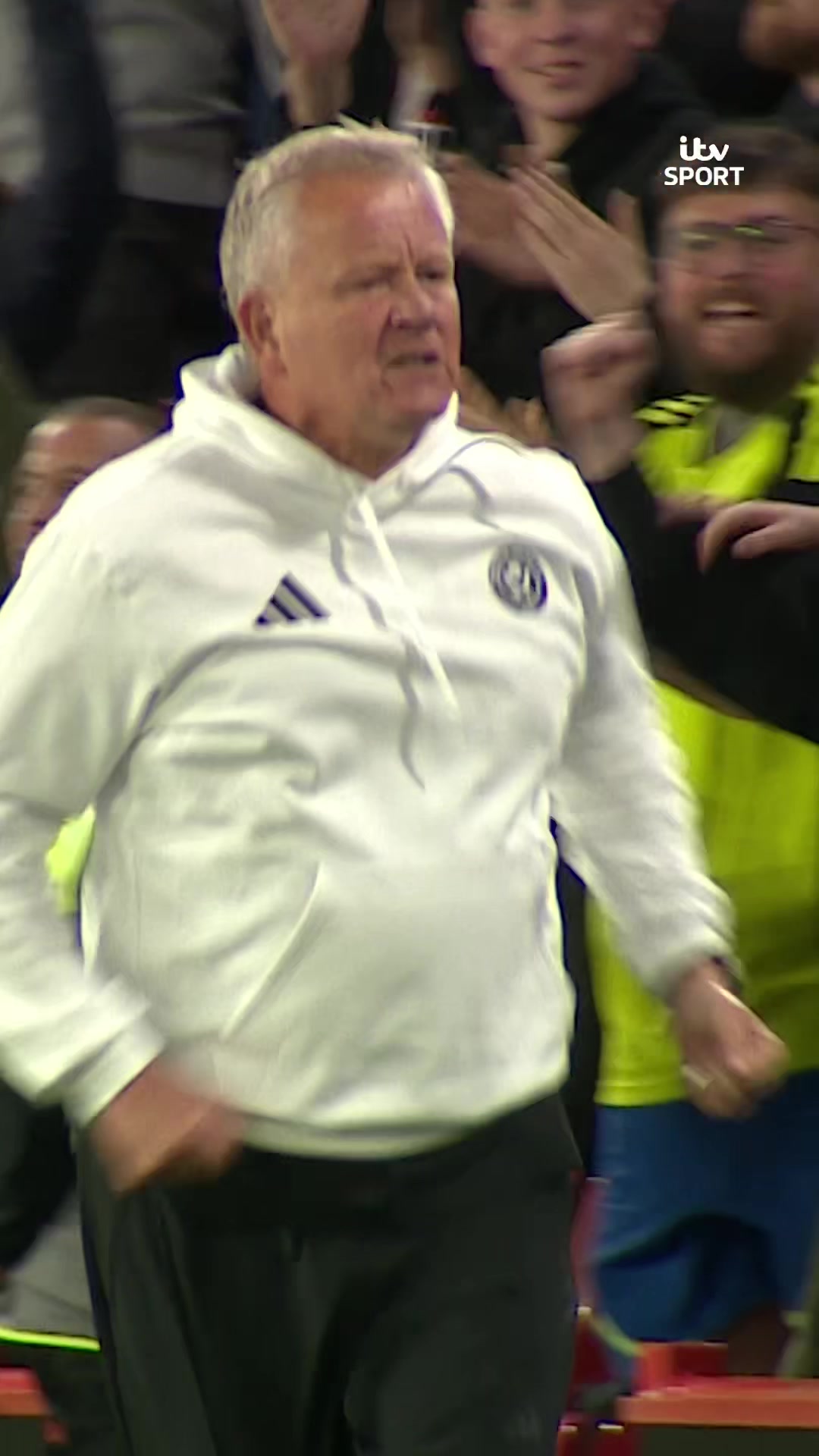
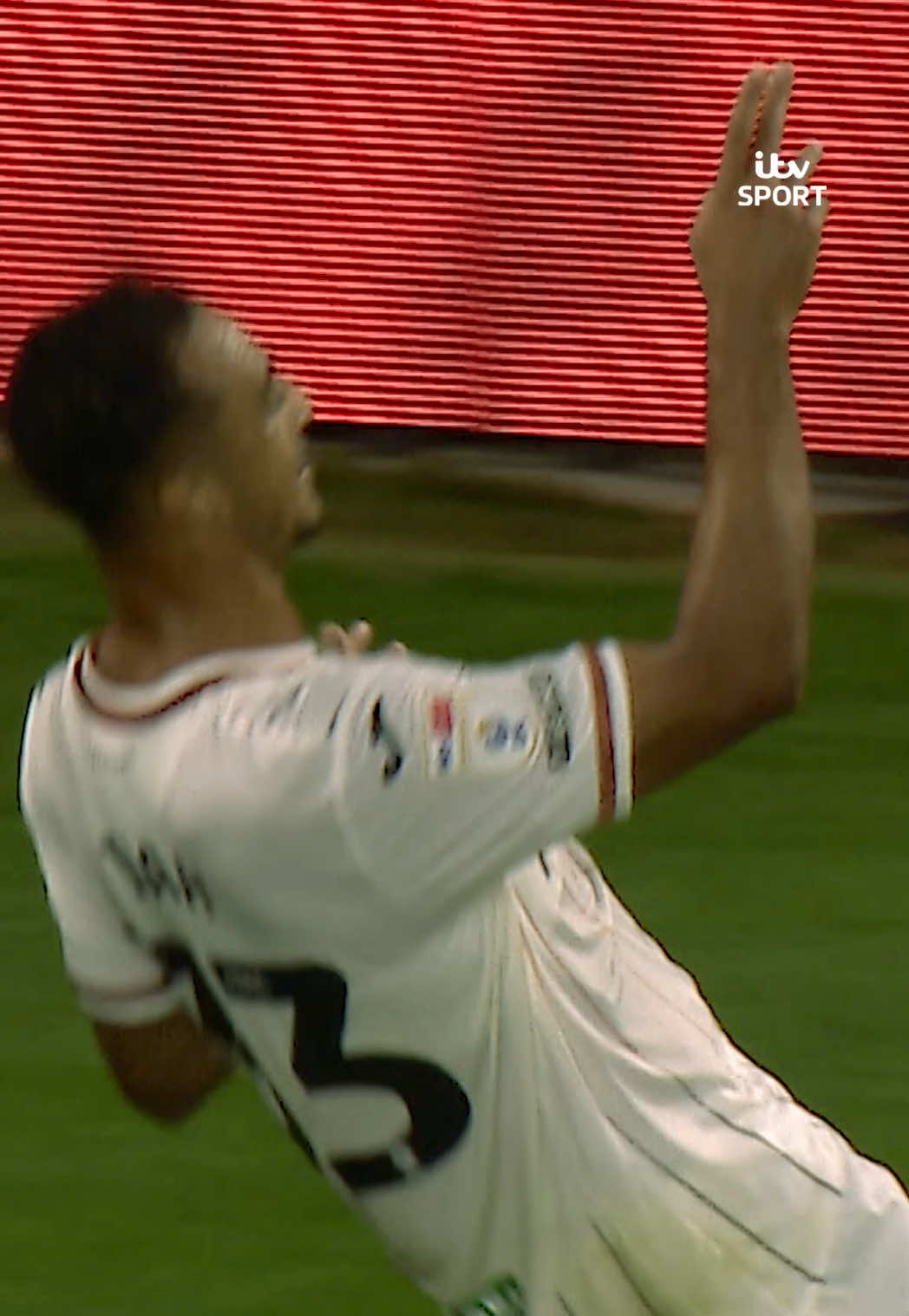
Sheffield United’s Romelle Donovan with an added time WINNER that sent Bramall Lane wild 🔥
 Links
Links
 Contact
 App
App


