



World Cup 2026: Guadalajara – Where Tequila, Mariachi, and the Football Ignite Together


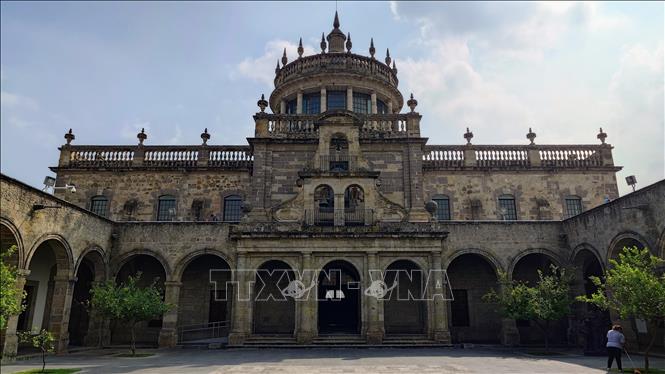
Jalisco state—the homeland of Guadalajara—is where tequila was born, where mariachi became the soul of Mexican culture, and where football is cherished like a religion.
According to a reporter from the Vietnam News Agency in Mexico, in the summer of 2026, this city of over 5 million people will host the World Cup for the third time, following the 1970 and 1986 editions. For Guadalajara, this is not just a football festival; it is also an opportunity for the city to showcase its identity—one that is both ancient, intense, and utterly captivating.
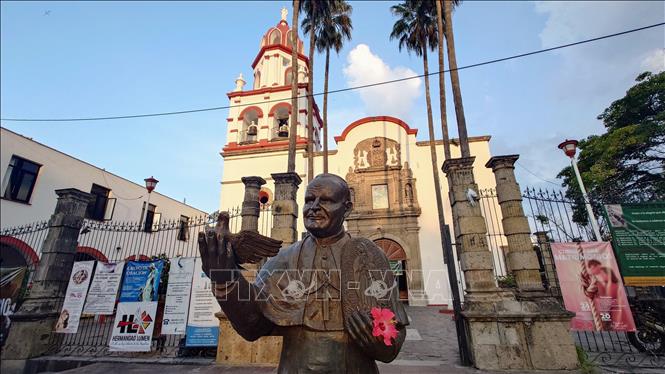
The most striking landmark of Guadalajara is its Cathedral, with two golden neo-Gothic spires rising against the pale blue sky. Around the central square, cobblestone streets still preserve the slow-paced rhythm from the Spanish colonial era.
Not far away stands the Hospicio Cabañas—a UNESCO World Heritage Site—which houses 58 famous murals by the renowned painter José Clemente Orozco, reflecting a Mexico that is both intense and haunting in every hue.
But Guadalajara is remembered not only for its architecture or art, but also for its tongue-scorching spiciness.
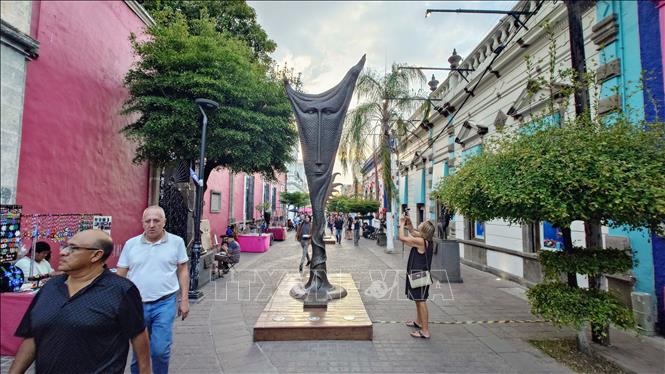
From "torta ahogada"—a pork-stuffed sandwich drenched in chili-infused tomato sauce—to the traditional birria made with slow-roasted goat in an earthen pit, every flavor here is as bold as the city's character. The people of Jalisco joke that just one spoonful of hot birria in the morning is enough to feel the "soul of Guadalajara."
The 2026 World Cup arrives in Guadalajara amid ongoing security pressures from drug cartels. However, Mexican authorities and FIFA insist that all preparations are on track. The two intercontinental playoff matches in March, attended by over 80,000 fans, were conducted safely—a crucial test ahead of the tournament.
The Akron Stadium—where World Cup matches will be held—is located in the western part of the city. However, getting to the stadium is not easy, as there is no direct public transport line. The authorities have introduced a shuttle bus service called "Ride al Estadio," but fans still have to walk nearly 800 meters to reach the venue.
Locals therefore always offer one piece of advice: arrive very early and don't rush to leave after the match.
Because when nearly 50,000 spectators pour onto the roads around Akron Stadium, Guadalajara instantly turns into an endless sea of red taillights. And in that very moment, amid honking horns, lingering mariachi melodies, and the buzz of tequila, the city reveals its true soul most vividly.
That is perhaps how Guadalajara wants to be remembered at the 2026 World Cup: not just as a venue for football matches, but as a city of music, tequila, and football nights that stretch long after the final whistle.


Wonderfulshortvideo

Lashed home by Kieffer Moore ☄️



The saxophones are getting louder for Preston here…

When football is simple but beautiful 😍

Cristiano Ronaldo is back on the quest for 1,000 goals, and these are his 977th and 978th goals.

messi argentina retirement messi retiring messi edit

The Swans go TOP of the Championship 🦢

Sheffield United’s Romelle Donovan with an added time WINNER that sent Bramall Lane wild 🔥
 Links
Links
 Contact
 App
App


