



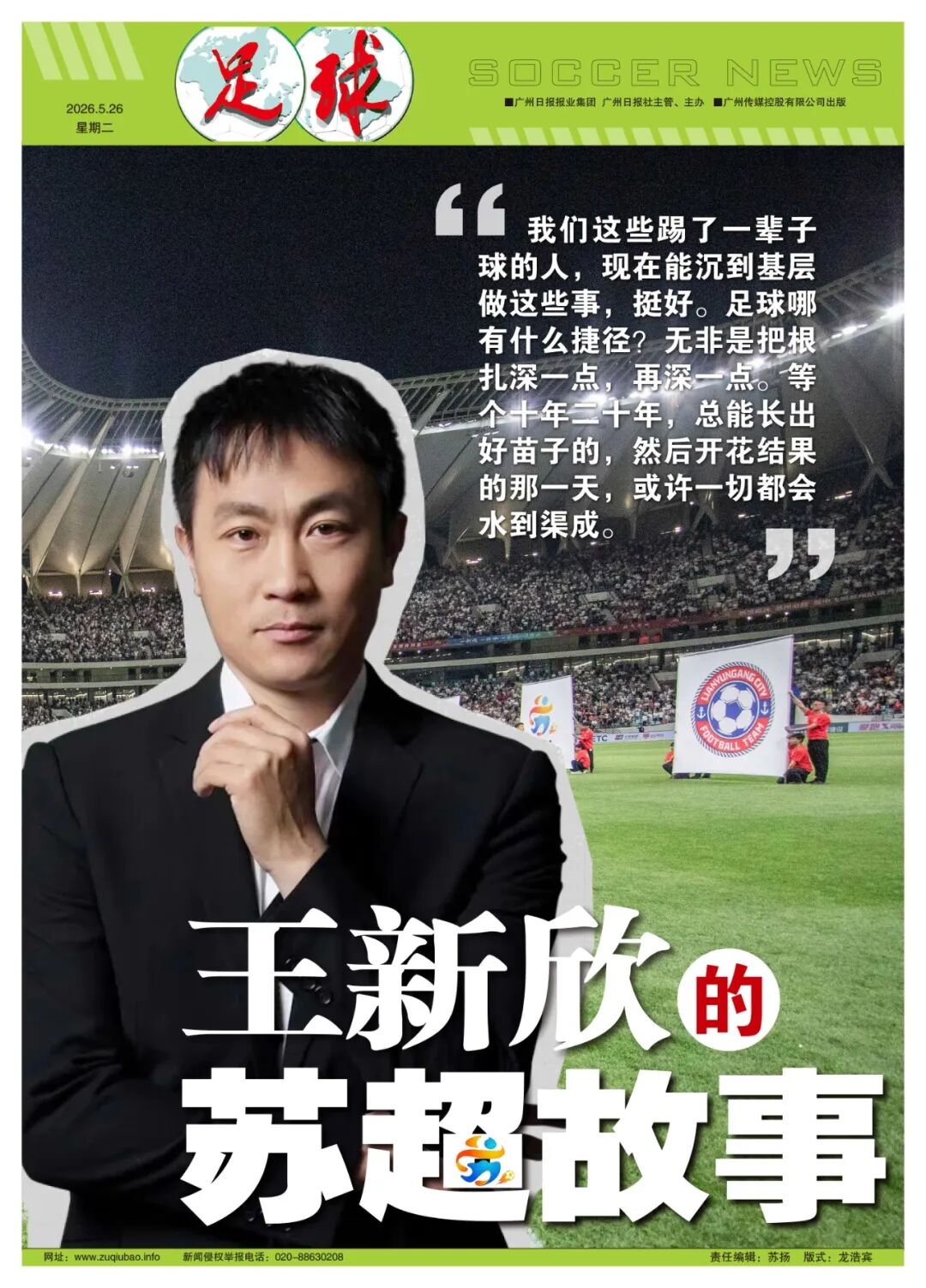
Wang Xinxin: There Are No Shortcuts in Football? Just Dig the Roots Deeper, and Then Deeper



Special Contributor/Yuan Ye The long-silent former international "Uncle Wang" Wang Xinxin has recently returned to fans' view because of an interview. This time, he is no longer a glib commentator in the studio, but a head coach back on the pitch, shouting for the name "Lianyungang".

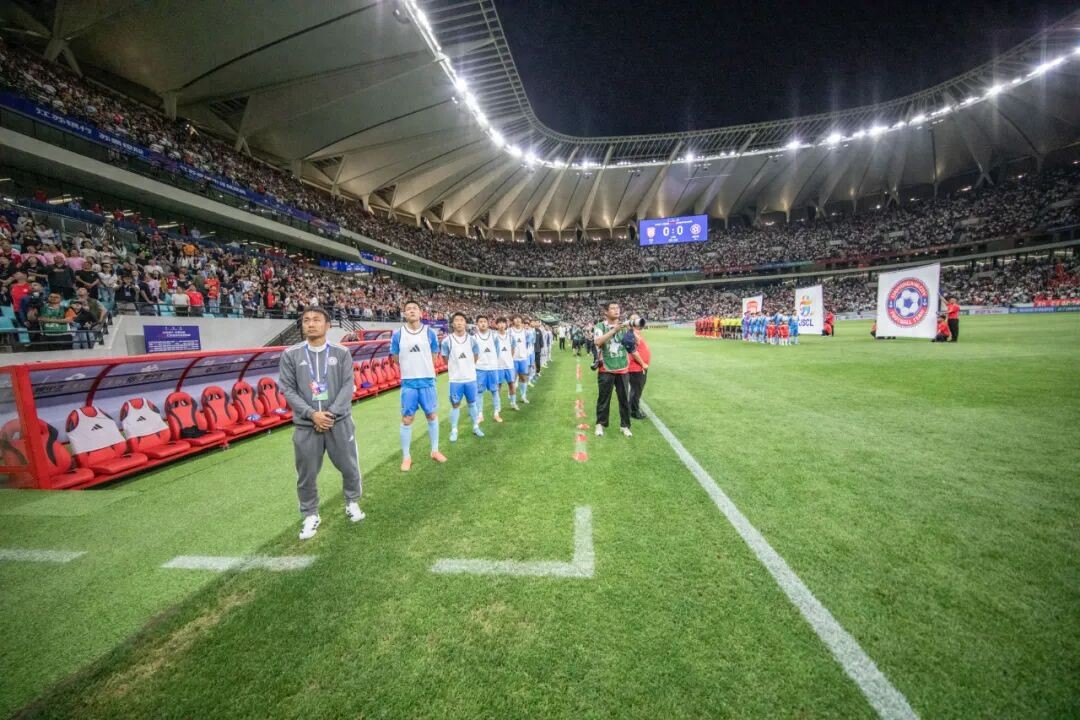
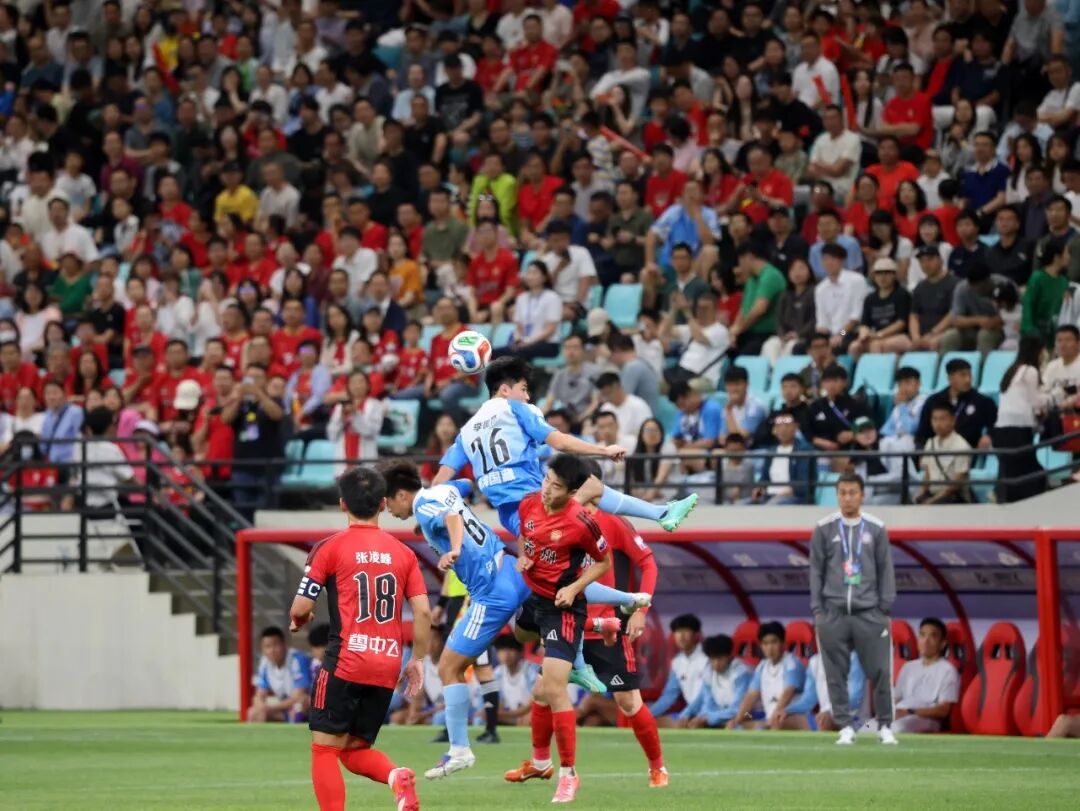
In the third round of the Sulu Super League, Lianyungang faced the formidable Suzhou away from home. Just 15 minutes into the game, Lianyungang fell into a 0-2 predicament. When everyone thought it would be a rout, Lianyungang scored two consecutive goals before halftime, eventually drawing 2-2.
After the match, Wang Xinxin wore a rare look of excitement on his face, with determination and calm in his eyes. Facing the media cameras, he didn't talk about tactics or the score, but said, "I'm used to being criticized. When fans see me again, there's no need to be shy. Even if you've scolded me before, I'll accept it."
This sentence instantly struck a chord with countless people.
This year, many former internationals and professional coaches have stepped onto the stage of the Sulu Super League, and Wang Xinxin is one of them.
After retiring, Wang Xinxin's role has been shifting between professional coach and broadcast commentator. He has coached clubs in the Chinese League One and League Two, knowing the cruelty of professional football well. He has also been a senior guest on streaming platforms and the humorous "Uncle Wang" on talk shows.
Six months ago, Wang Xinxin came to Lianyungang in northern Jiangsu, serving not only as a coach but also as the director of youth football training.
"My reason for coming to the Sulu Super League is simple: it was an invitation from the local sports bureau and football association," Wang Xinxin admitted it wasn't an impulsive decision. "At first, I just wanted to have a chat. I also wanted to know what the real Sulu Super League is all about."
This chat changed the course of his life.
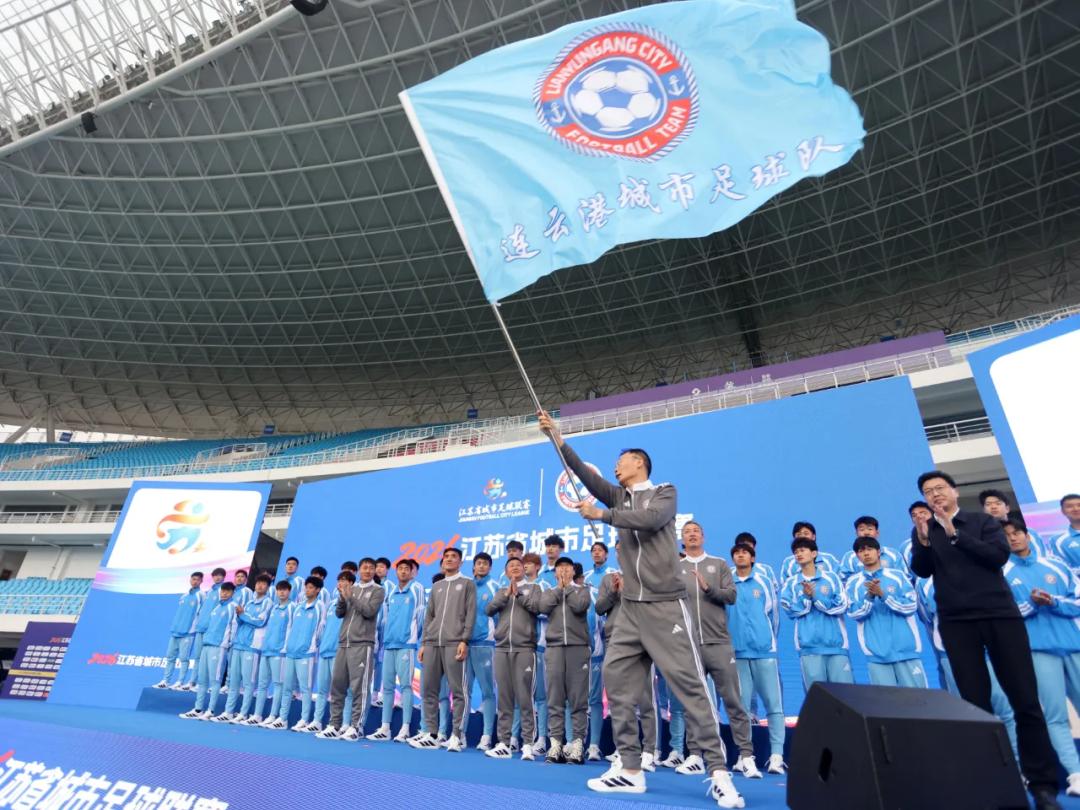
After arriving in Lianyungang, Wang Xinxin didn't rush to accept the coaching job. He wanted to understand the city's football development plan for the coming years.
"Many plans are just empty talk floating in the air," Wang Xinxin said. "But this one was different. From the network layout of campus football specialty schools to the tiered competition system of the city league, and even the budget for each age group's youth team—it was all written clearly."
The local official also said something blunt and unadorned: "We don't want to put on a show. We don't expect to turn professional in one or two years. We just want to give local kids a tangible football dream—so they don't have to leave home for trials far away from a young age, and can play regular matches right at their doorstep."
Wang Xinxin agreed. Now, he has become a "celebrity" in Lianyungang's football circle. Sometimes after training and matches, he stands by the roadside and chats with local veteran fans. He knows that the fans willing to talk football and the Sulu Super League with him are those who have woven football into their daily lives.
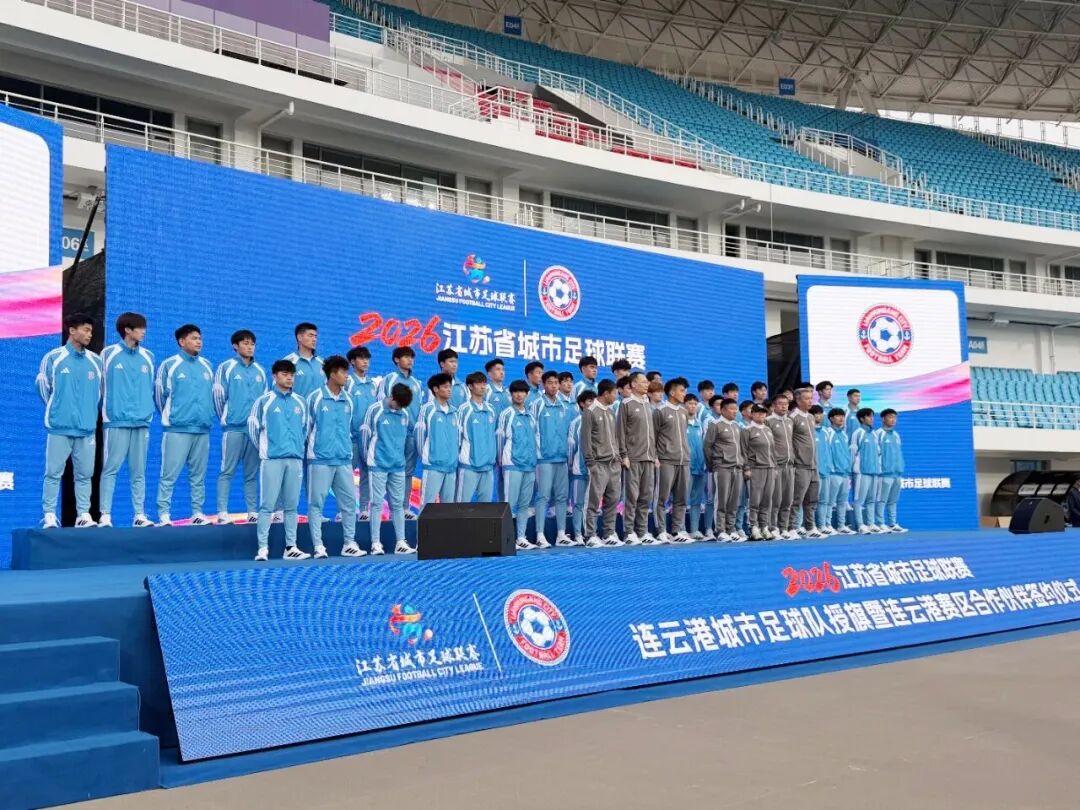

Before coming, Wang Xinxin's impression of the Sulu Super League was "a relatively well-organized amateur league," a platform for players who didn't make it to professional teams to continue their football careers.
But when he actually arrived, he realized he had been "shallow."
"I went to a school event here, and a young player came up to me and said his dream was to join the Lianyungang city team and play at the sports center in the future," Wang Xinxin recounted a story that made his eyes well up. "In the past, when kids talked about football dreams, they always said things like joining the national team or playing in the Chinese Super League—those were too far away, even a bit illusory." He sighed deeply: "Now, they know there's a stage right at their doorstep, one they can reach just by standing on tiptoe."
Another local coach told Wang Xinxin that in the past, when encouraging parents to let their children play football, they would always be asked, "What's the point? Can they get into college? Can they find a job?" That left him helpless. Now, he directly sends videos of Sulu Super League matches and says confidently, "If they play well, they can represent Lianyungang in matches, with tens of thousands cheering for them, appearing on TV and in newspapers, making their relatives and friends proud."
Wang Xinxin will never forget that away match against Suzhou, which ended in a 2-2 draw.
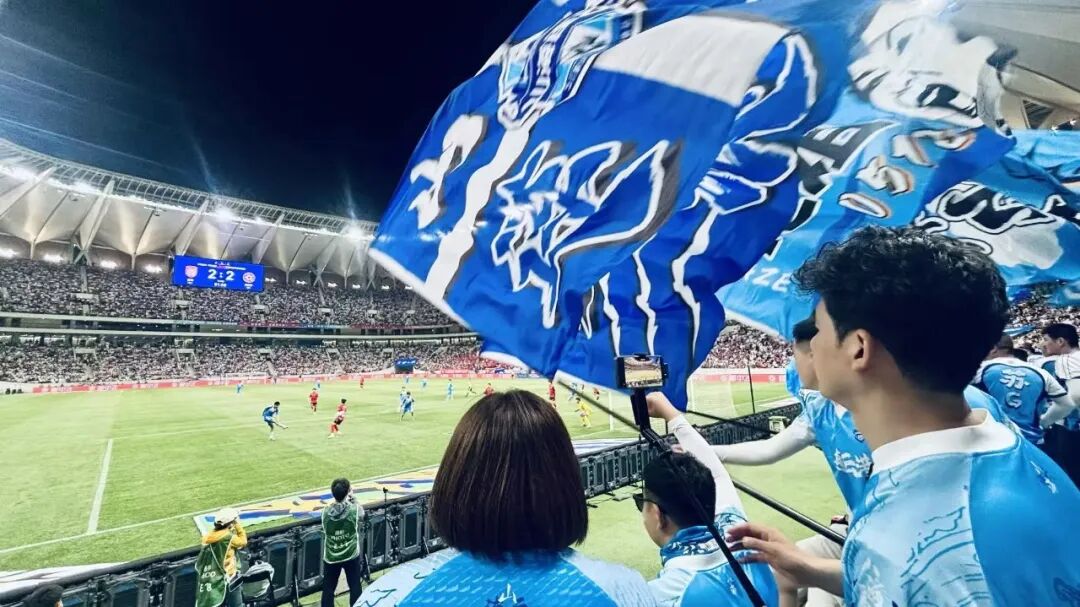
Lianyungang was trailing 0-2 and struggling on the field, but in the stands, the traveling fans never gave up. From the unified "Gangcheng, let's go!" to the hoarse "Stand up and fight!" later, every shout pierced through the rain curtain.
"At that moment, every player on the field knew they weren't fighting for bonuses or rankings—they were fighting for the fellow townspeople they knew or didn't know in the stands, and for the three words 'Lianyungang' printed on their chests," Wang Xinxin said.
In the end, Lianyungang equalized. That explosive power in adversity shocked even the scouts from professional teams present.
Drawing away against Suzhou, which features players from professional teams, was something many didn't expect before the match. After all, Lianyungang had only earned one point in the first two rounds. Wang Xinxin also heard dissatisfied voices from fans, including boos.
Against this backdrop, after the hard-fought equalizer, that video clip went viral online.
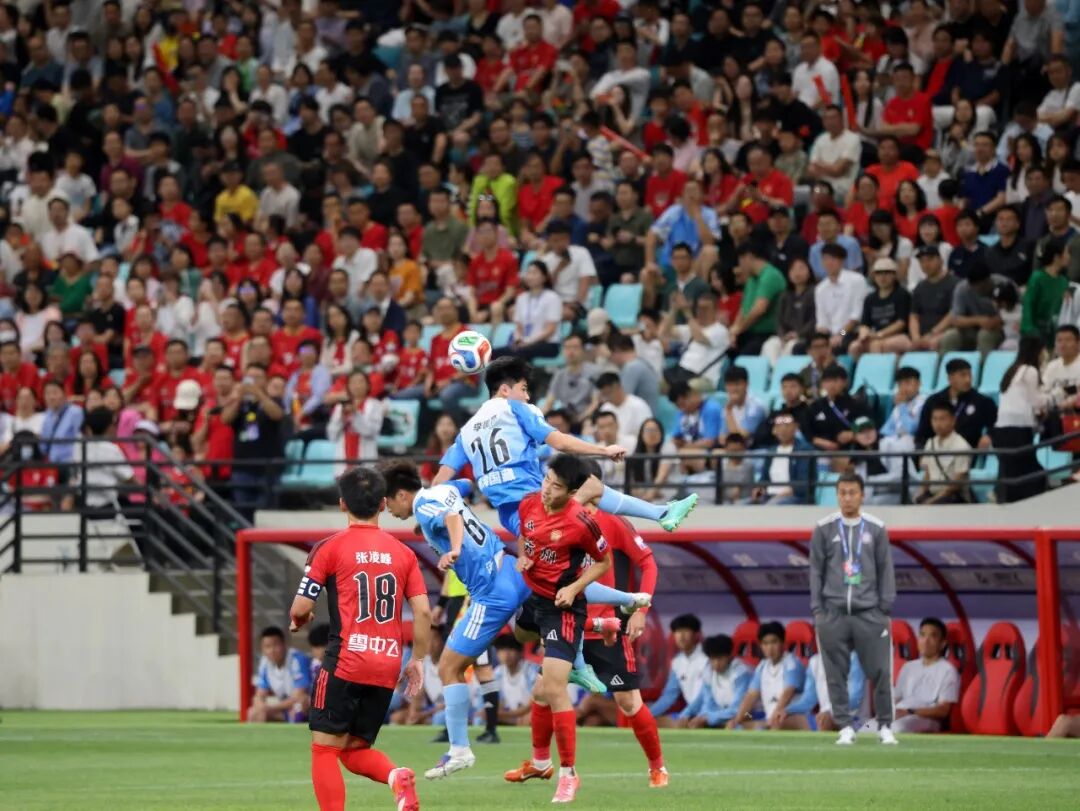
"I know every match is tough, but my players and I never gave up, never lost confidence. We didn't just try our best—we gave it our all. We know that losing would let down the fans who came to cheer in the rain, and the kids who squeeze in time to train every day. That pressure is more tangible, like letting down your own family," Wang Xinxin said.
"In the past, if you asked someone from Lianyungang which team they supported, they might say Jiangsu Team or some other team—all from outside," Wang Xinxin said with deep feeling. "Now they can say they support Lianyungang Team—our own team. Football is no longer something on TV; it's something real in life."
He hopes Lianyungang can show a brand-new spirit in the Sulu Super League, proving that everyone is the best, and embodying the team's core competitiveness: spirit, determination, and belief.
Coaching an amateur team has turned out to be ten times busier and ten times harder than Wang Xinxin expected.
The Sulu Super League requires at least six U22 players on the field each match, and Lianyungang's slogan is even more radical: localization and youthfulness of players.
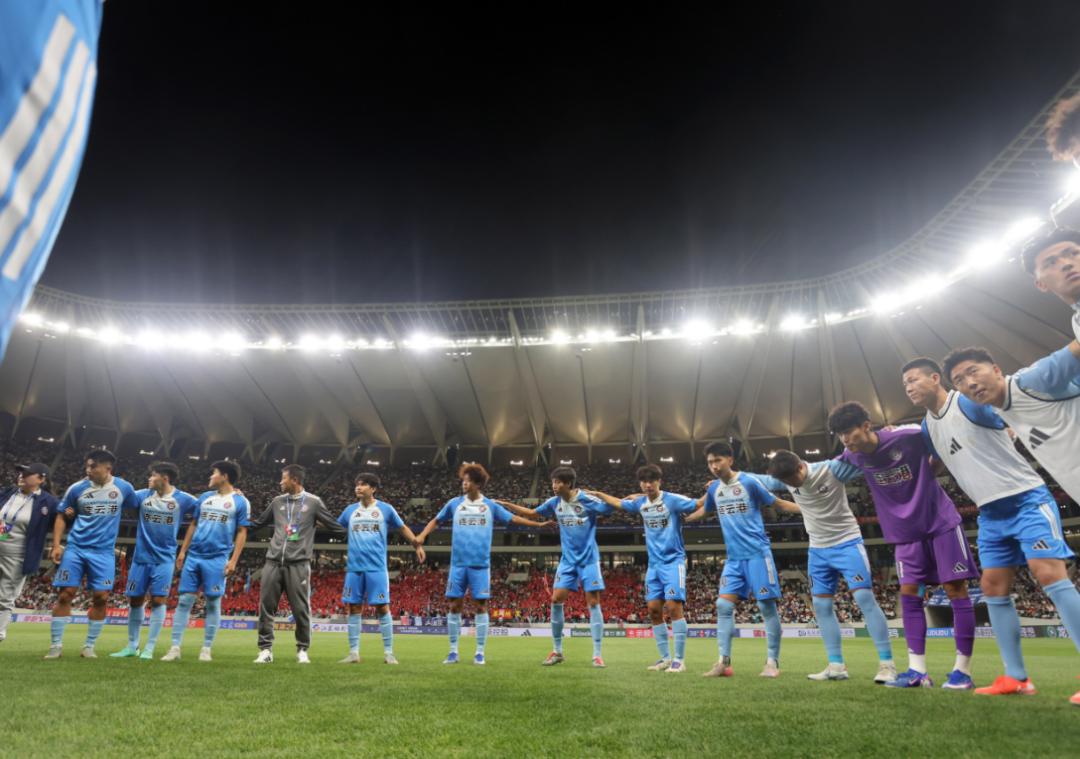
On September 28 last year, Lianyungang issued a player recruitment notice. After layers of screening, a 50-man roster was finalized, with an average age of 23.16. This season, Lianyungang's squad includes 4 players with professional backgrounds, 31 players under 22 (62%), and 4 "grassroots players" without any professional training.
In the first four matches, Lianyungang's starting lineup mostly consisted of young men around 20 years old, many of whom had never received systematic training. Wang Xinxin had to teach or correct even the most basic receiving, passing, and turning movements.
What frustrates Wang Xinxin the most is that the players come from all walks of life and have their own daily commitments.
In the 50-man roster, sometimes only a dozen or so players attend the lightest training session. Some are college students who have classes, some are office workers who need to clock in, and some are self-employed who have to run their businesses.
"What I've been thinking about most these months is how to adapt professional training methods to suit them, while also accommodating their own affairs," Wang Xinxin said.
This kind of "compromise" is unimaginable in professional teams, but in the Sulu Super League, it's a reality that must be faced.
"My understanding of players at different levels has deepened, and my approach has become more grounded. This kind of growth is something I couldn't get from coaching youth teams in professional clubs. There, you face kids whose only job is to play football; here, you face ordinary people who love football, and you have to teach them how to balance life and dreams."
Wang Xinxin said that as long as the players can persevere—especially the young ones who can settle down—he is willing to train them.
"I've seen too many kids who, at 16 or 17, weren't selected by professional teams, and then just threw away their boots, saying there's no future, and never touched football again," Wang Xinxin said with a sigh. "The grassroots level has never lacked good seedlings—what it lacks is a 'reason to stay'."
His experience playing professionally has become Wang Xinxin's best teaching material. When explaining movement and tactical awareness to kids, he doesn't resort to boring textbooks. He just demonstrates: "When I was playing as an attacking midfielder and faced this kind of defense, I would deliberately take a step to the left, wait for his weight to shift, and then pass to the right. Try it—it works." The young players watch with rapt attention.
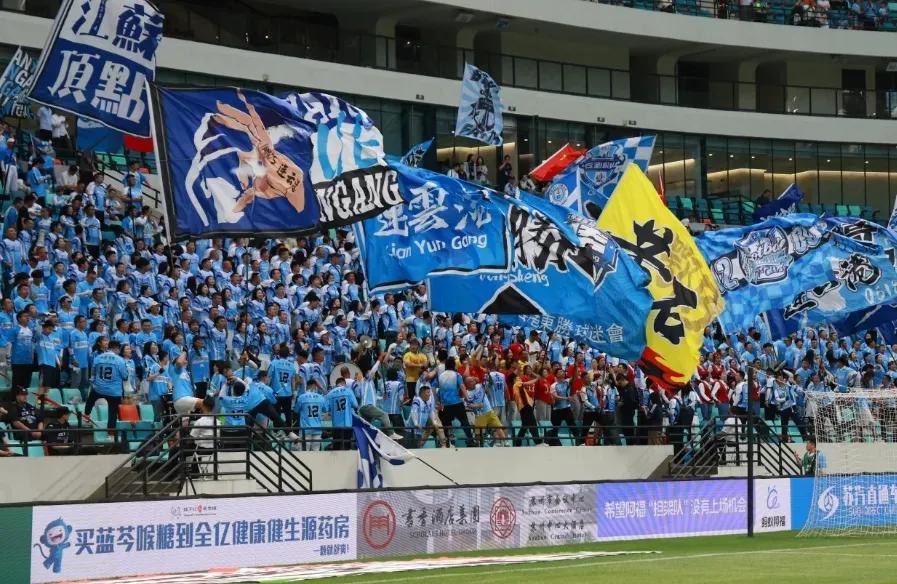

In Wang Xinxin's eyes, the city leagues springing up all over the country are the true roots of Chinese football. Integrating Chinese football into people's football is inevitable.
"As long as people in every city care about their own team, and that team has kids they know, both players and fans can fight to the last minute for the city's football and for its spirit. Then Chinese football will surely have hope," Wang Xinxin said. As a coach, integrating into the people's league and people's football, he calls it a "return."
In Lianyungang, Wang Xinxin is not only the head coach but also the youth training director.
Wang Xinxin admitted: "Football in this city is still in its infancy. Although the foundation can't compare with cities like Dalian, Qingdao, or Shenyang, and their standards may differ here. But who dares to say that cities like Lianyungang won't produce one or two top players in the future? Because good players never care about their origins."
Not long ago, the chairman of the Chinese Football Association, Song Kai, issued an open letter calling on former internationals to participate in youth training.
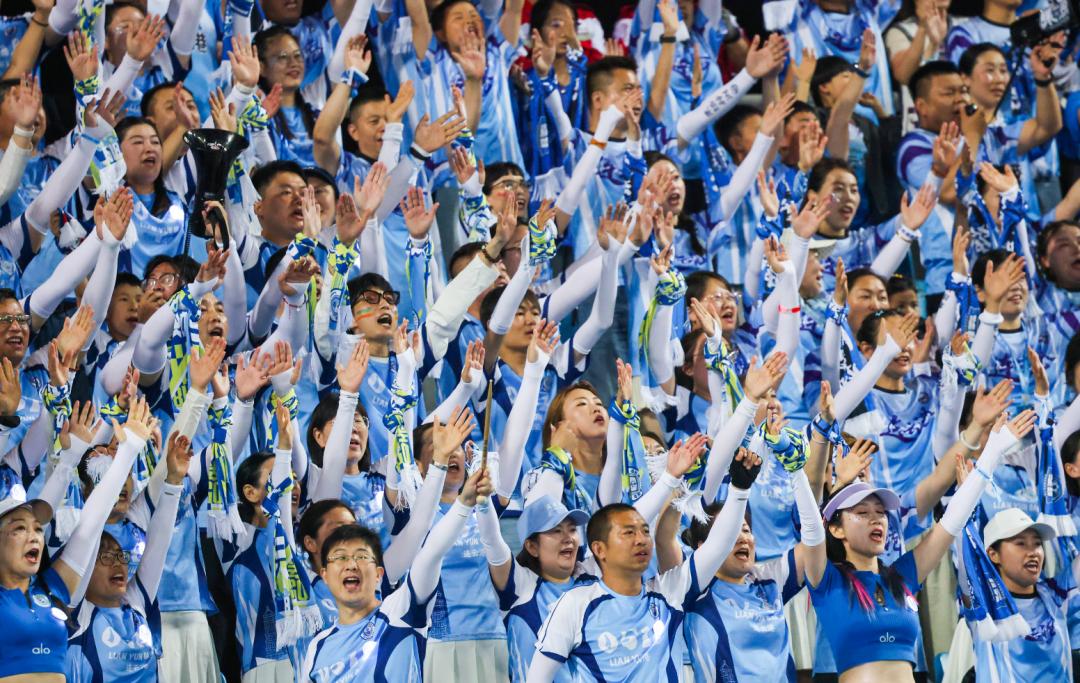
"I fully agree. Having former internationals come down to grassroots youth training can bring the most professional experience directly to kids. Developing city leagues like the Sulu Super League expands the football platform, allowing more people to participate. Whether it's youth training or amateur leagues, they all build the stage for Chinese football—neither can be missing," Wang Xinxin said.
As for the future, Wang Xinxin said he hasn't thought that far ahead. "But since I'm already here, I need to build the youth training channels, establish age-group teams, and continuously send good seedlings to professional teams in the future. This is far more meaningful than returning to be a professional coach myself."
Now, the Sulu Super League is connecting with professional football—it has already opened talent pipelines with the youth teams of three cities' clubs in the Chinese League One and League Two. Players who perform well can go directly to professional youth teams for trials.
"Those of us who have played football all our lives, now sinking down to the grassroots to do these things—it's good. What shortcuts are there in football? Just dig the roots deeper, and then deeper. Wait ten or twenty years, and good seedlings will grow. Then, on the day the flowers bloom and fruits bear, everything will come naturally," Wang Xinxin said. He expressed that Lianyungang might one day have a professional team. "The kids playing here won't just have an enviable football environment in Jiangsu Province, but across the entire country."
This is Wang Xinxin's "Sulu Super League story"—not just about coaching, but a tale of belief, return, and hope.


Wonderfulshortvideo
messi goal today messi assist today messi highlights vs egypt enzo fernandez goal today romero goal today argentina goals today argentina 3-2 egypt



“Wonderful player, fantastic player, could not run” 😅

Neville, Keane and Wright DO NOT agree on the future of Argentina in the World Cup 👀

“It gave you everything” 👀
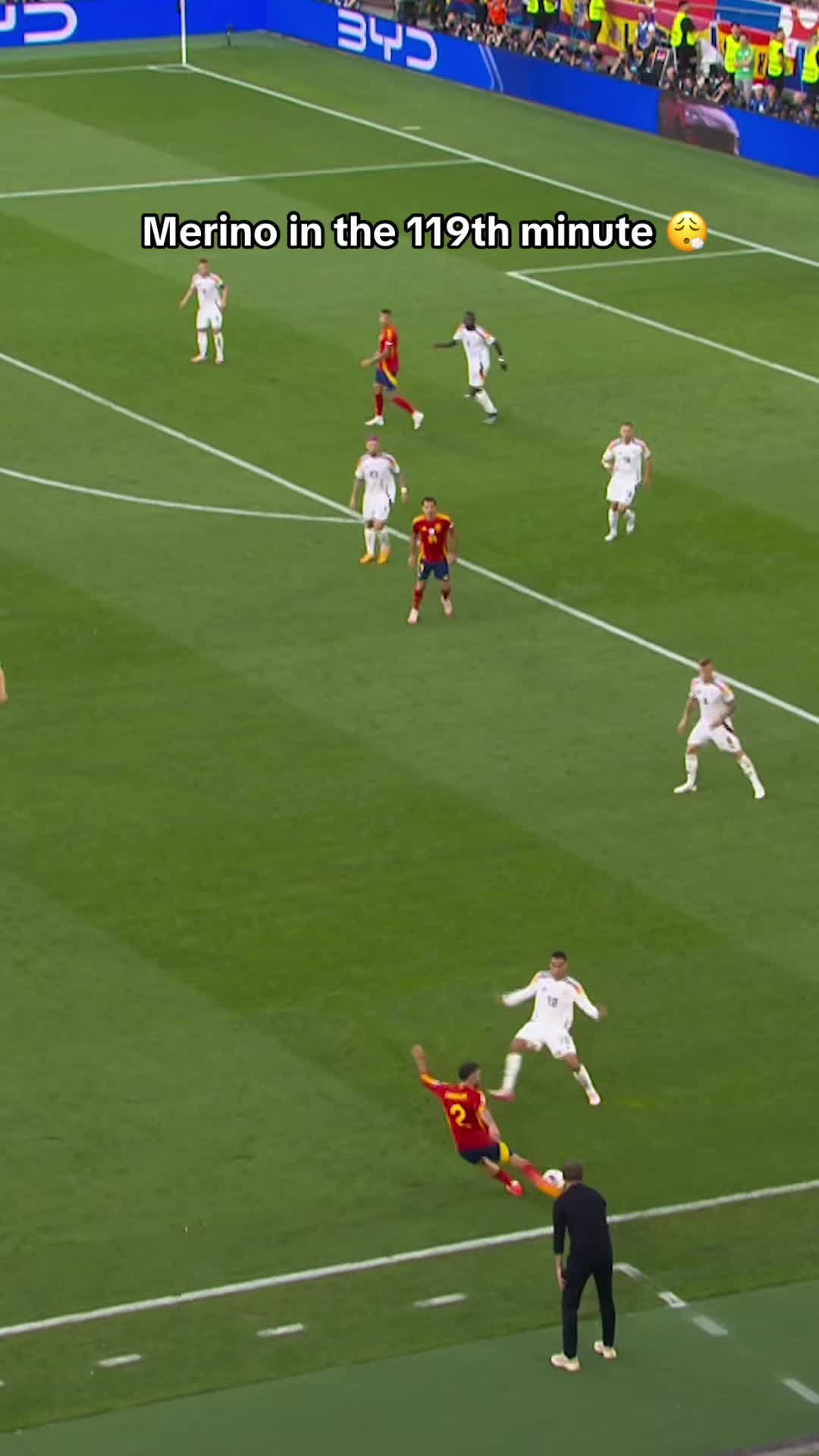
Clutch Merino 😮💨
merino goal today portugal 0-1 spain ronaldo interview today ronaldo retirement retiring

kane goal today kane highlights today england 2-1 congo
 Links
Links
 Contact
 App
App


