



A costly lesson for Tottenham


As the final whistle of the Everton game sounded, the sense of relief was unmistakable among the players and supporters. James Maddison slumped to the ground, completely drained, and Roberto De Zerbi dashed to the touchline, celebrating as though he had clinched a championship. But behind that mood is a harsh reality: Tottenham ought never to have ended up in this kind of situation.
The past season laid bare all the long-standing issues at the North London club. Tottenham invested heavily in infrastructure, turning Tottenham Hotspur Stadium into a venue for NFL games, concerts, and a host of high-profile commercial events. However, while developing as an "entertainment empire," they seemed to forget the core mission of a football club: building a team capable of competing on the pitch.
That's why Spurs have fallen behind smaller-budget clubs like Brighton, Brentford, and Bournemouth. These teams don't boast a magnificent stadium or massive commercial revenue, but they have clear football strategies, smart recruitment systems, and consistent operational methods. In contrast, Tottenham keeps shifting direction.
The successive appointments of Nuno Espirito Santo, Antonio Conte, Ange Postecoglou, and then Thomas Frank show that Spurs lack tactical stability. Each manager brought a different philosophy and, consequently, different types of players. The result is a patchwork squad that lacks balance and doesn't fit any specific system.
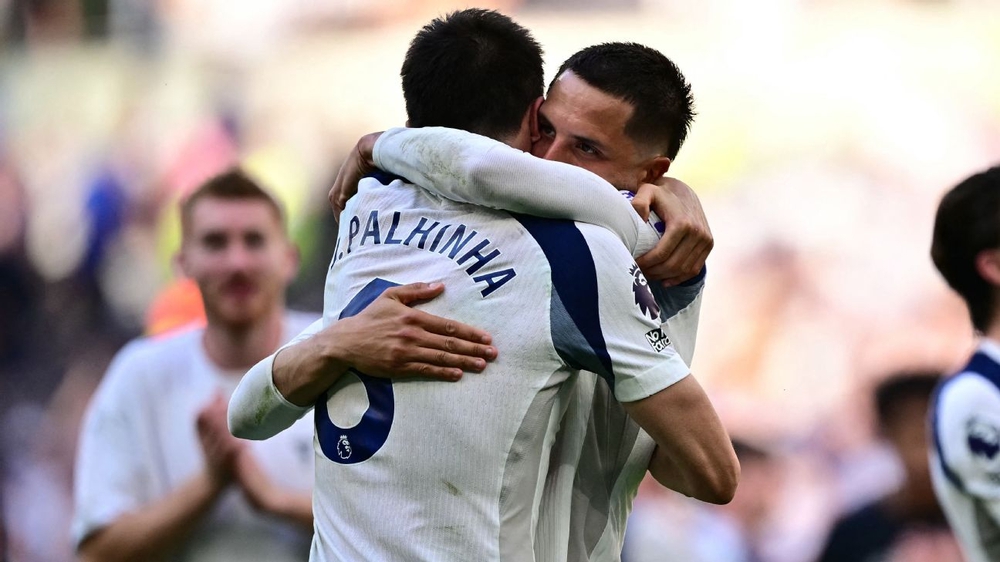
Tottenham barely escaped at the last moment, but they should never have been in this position in the first place.
Mistake after mistake continued when the board placed their trust in Igor Tudor during a critical phase of the season. That decision quickly turned into a disaster. Tottenham lost their direction, morale plummeted, and they slid deep into the danger zone. It wasn't until De Zerbi arrived that things were gradually pulled back from the brink.
The Italian manager's impact is undeniable. He helped Spurs pick up 11 points in the final seven matches—not a stellar record, but enough to save the club from a nightmare. More importantly, De Zerbi gave the feeling that Tottenham finally have a coach who truly understands how to build a playing style.
In the match against Everton, Spurs didn't play beautiful football, but they at least showed fighting spirit and organization. That could be the first foundation for a serious rebuilding effort.
However, the biggest lesson Tottenham need to learn isn't just about the manager issue. What they need is a long-term strategy and consistency from the top down to the pitch. For many years, Spurs have reacted to situations rather than proactively shaping their future. They constantly change course under the pressure of results, yet lack the patience to follow a clear plan. Notably, while Tottenham have been struggling to find their identity, Brentford has maintained a stable structure under Thomas Frank for years. Brighton and Bournemouth have also stuck firmly to their development models. It is that very stability that has allowed them to surpass Spurs in the standings despite having far fewer resources.


Wonderfulshortvideo
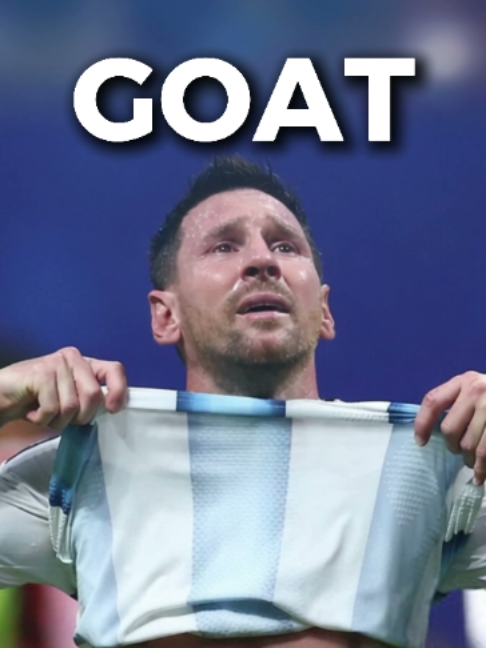
messi goal today messi assist today messi highlights vs egypt enzo fernandez goal today romero goal today argentina goals today argentina 3-2 egypt


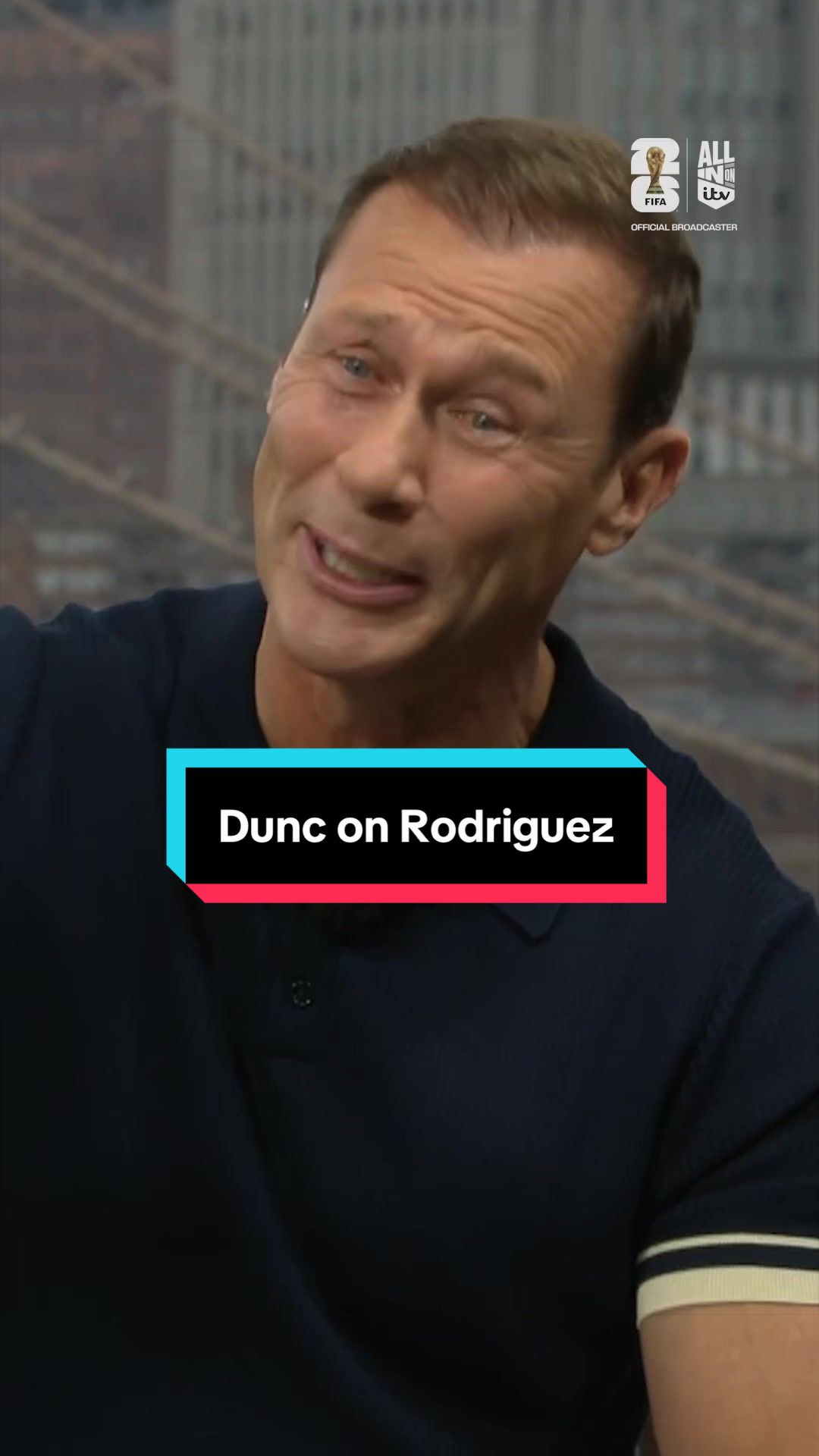
“Wonderful player, fantastic player, could not run” 😅
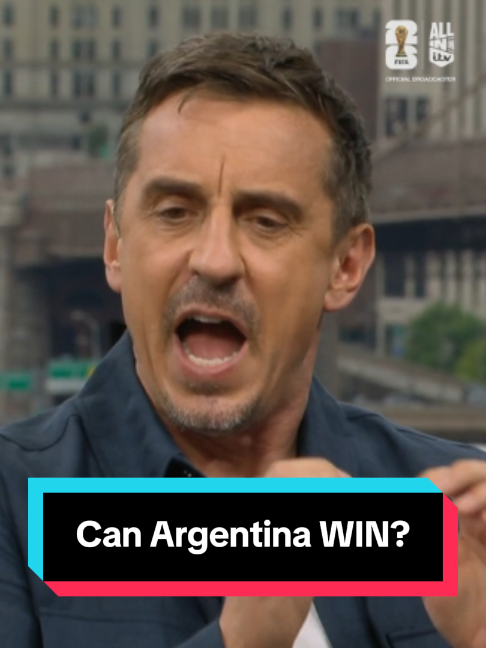
Neville, Keane and Wright DO NOT agree on the future of Argentina in the World Cup 👀
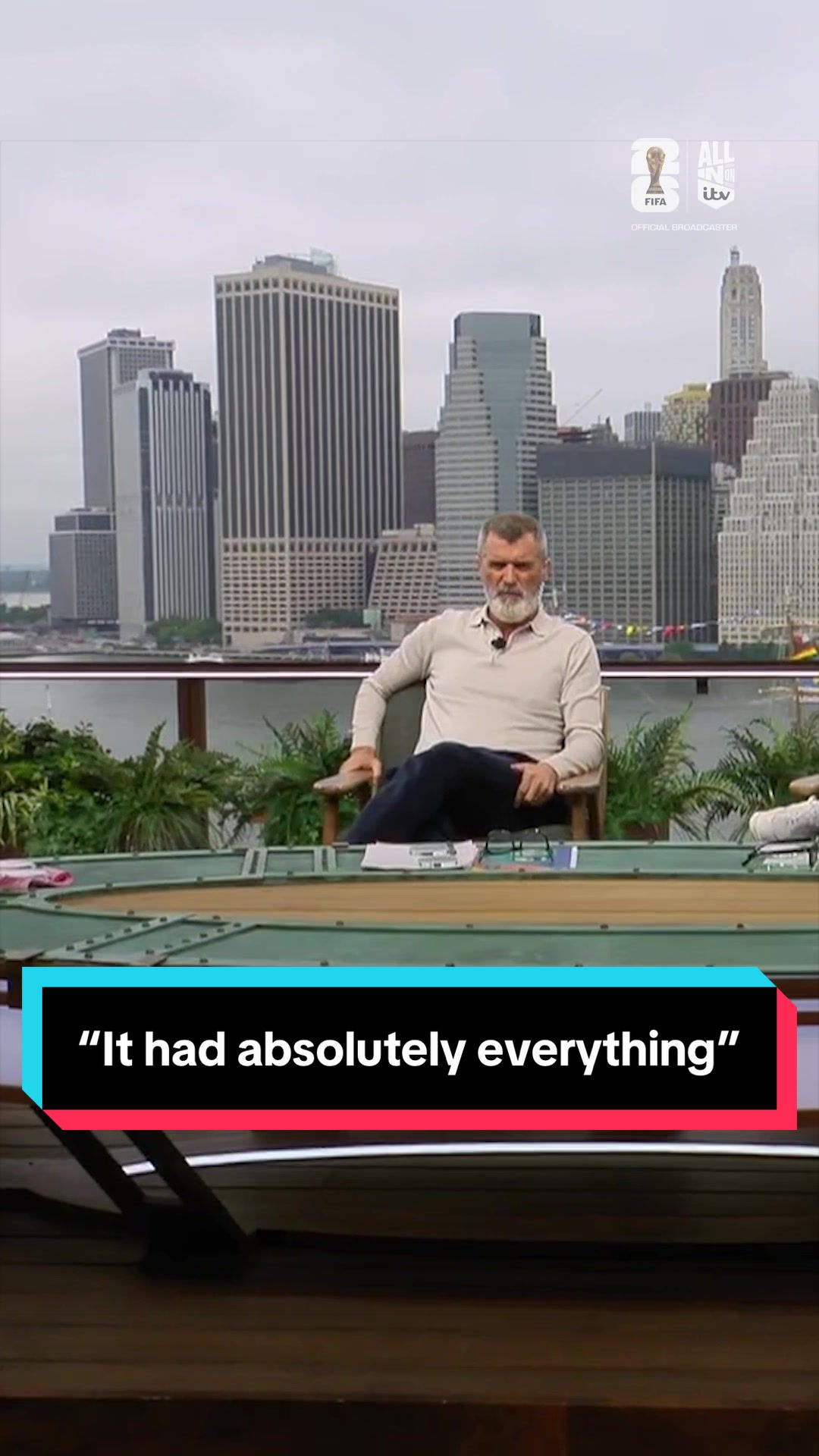
“It gave you everything” 👀
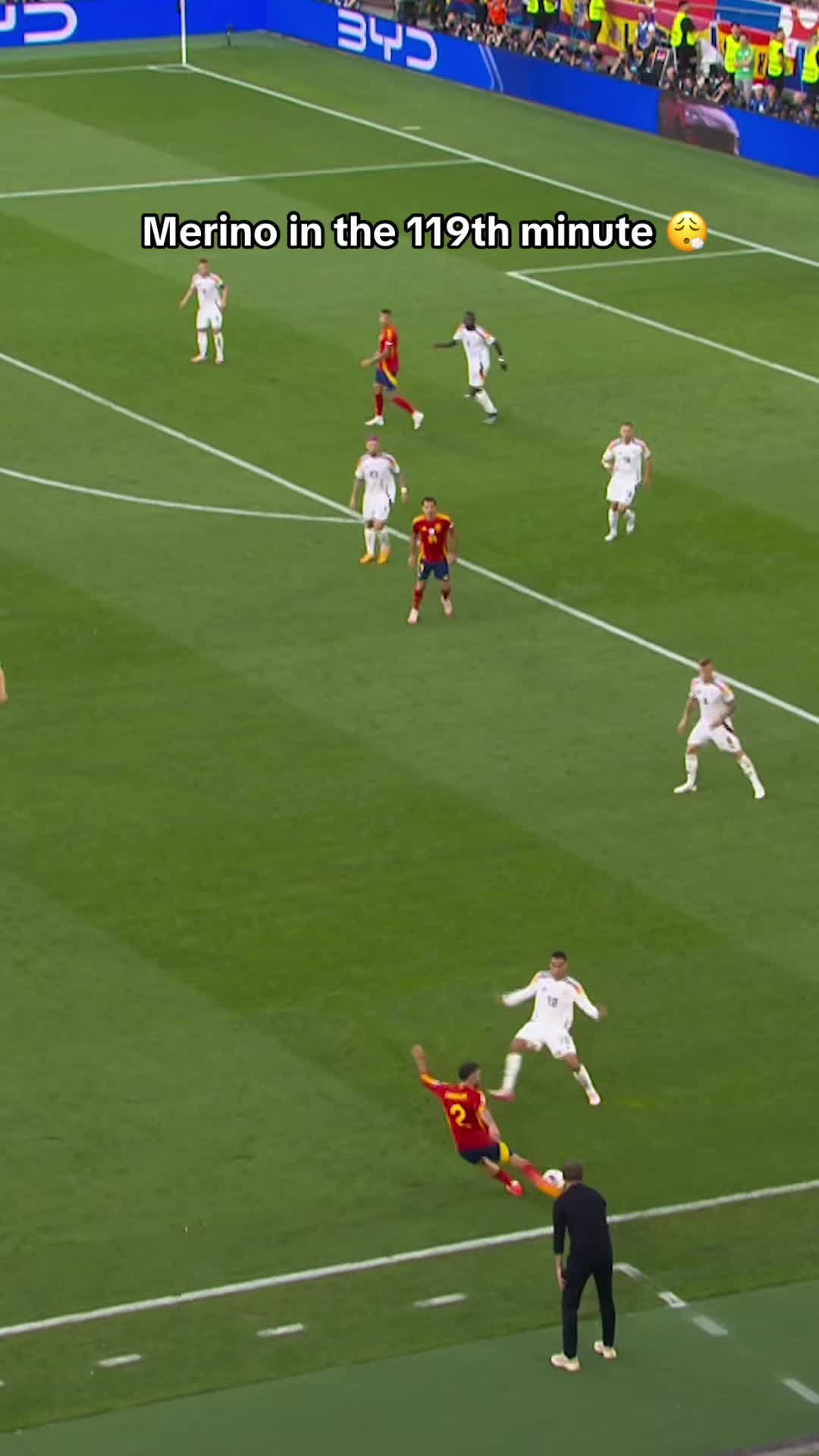
Clutch Merino 😮💨
merino goal today portugal 0-1 spain ronaldo interview today ronaldo retirement retiring
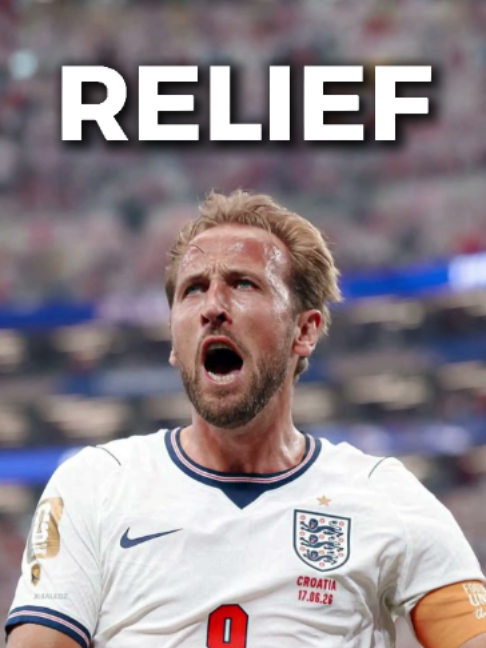
kane goal today kane highlights today england 2-1 congo
 Links
Links
 Contact
 App
App


