



City league coaching benches are filled with former national team players everywhere.



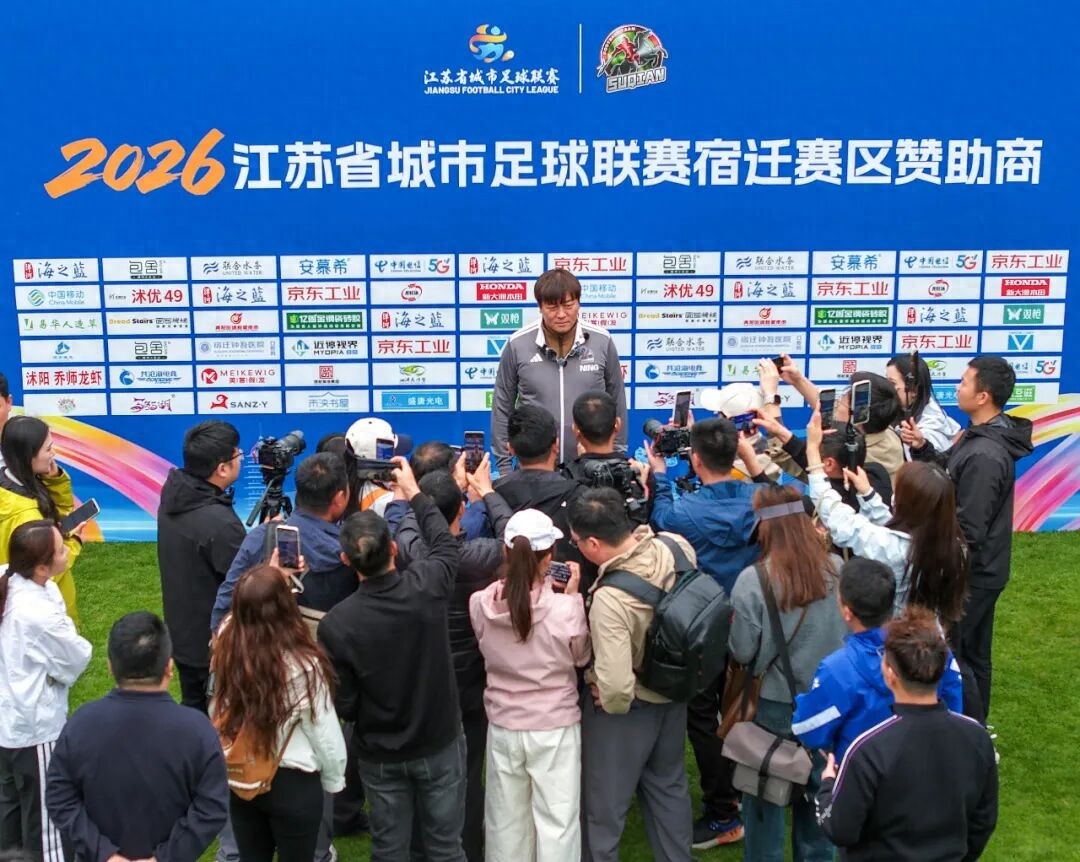
By Han Bing. Xie Yuxin, Wei Qun, Cai Sheng, Zhang Yuning, Wei Xin, Zou Yougen, Huang Yong, Ji Mingyi, Wang Xinxin, Yuan Weiwei, Wu Pingfeng... These former national team players are now coaching in city leagues such as the Su Super League, Chuan Super League, Yu Super League, Chu Super League, Gan Super League, Qilu Super League, and Yue Super League, making it a striking phenomenon in Chinese football this year.

This year, provincial city leagues have flourished, with many former national team players "descending" to coach. According to incomplete statistics, over 20 former national team players have settled as head coaches in nine provincial city leagues. Their ages span three eras: the older generation born in the 1960s including Guo Zuojin, Zhu Bo, Yang Zhaohui, Jia Xiuquan, and Xie Yuxin; those born in the 1970s including Cai Sheng, Wei Qun, Zhao Changhong, Wei Xin, Zou Yougen, Zhang Yuning, Huang Yong, and Lu Bofei; and those born in the 1980s including Ji Mingyi, Wang Xinxin, Yuan Weiwei, and Wu Pingfeng.
The most concentrated coaching of former national team players is in the Su Super League. Suqian team hired former national team "Jade-faced Killer" Zhang Yuning; Zhenjiang team hired Lu Bofei, who was a Chinese Super League champion in his playing days, reached the AFC Champions League semifinals with Shenzhen Jianlibao, and was the former captain of Jiangsu team. The head coach of Lianyungang team is Wang Xinxin, a member of the "01 Golden Generation" who once played for Liaoning and Tianjin Teda. Yancheng team is led by Huang Yong, who came from the Jianlibao system. These four former national team players have all "descended" to the Su Super League for the new season. After retirement, Lu Bofei, Wang Xinxin, Huang Yong, and Zhang Yuning have all coached professional league teams. Currently, Huang Yong's Yancheng team has the best results, leading the Su Super League with a four-game winning streak.
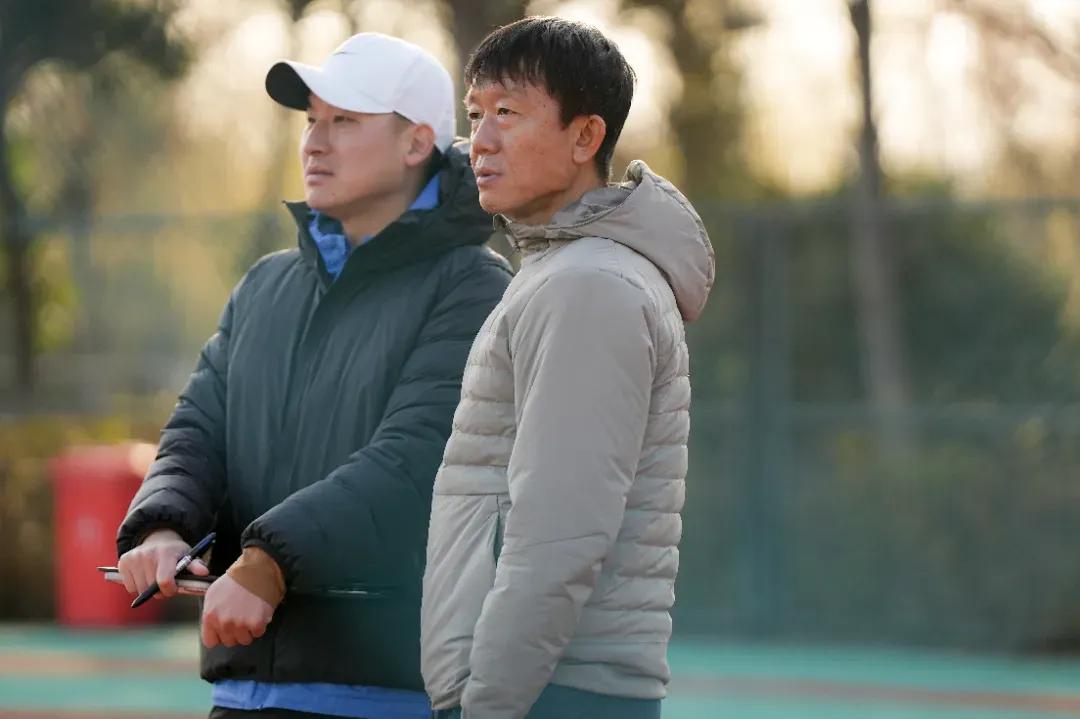
▲ Yancheng head coach Huang Yong via Yancheng Release
The Yue Super League also has three former national team players leading teams, all from the 1960s generation: Zhu Bo (Shenzhen team), Guo Zuojin (Yangjiang team), and Yang Zhaohui (Jieyang team). The Chuan Super League, Yu Super League, and Qilu Super League also have former national team players coaching. Wei Qun leads Luzhou, Zou Yougen coaches Yibin, and Yao Xia is an honorary coach for Chengdu team, not responsible for specific training and matches. The Yu Super League, which just concluded its cross-season tournament, saw two former national team coaches "duel": Wei Xin, who previously coached Chongqing Lifan to promotion to the Super League, coached Beibei team; Ji Mingyi, who won the East Asian Cup with the national team in 2005 and was named MVP, coached Bishan team. However, both teams failed to make the top eight of the Yu Super League.
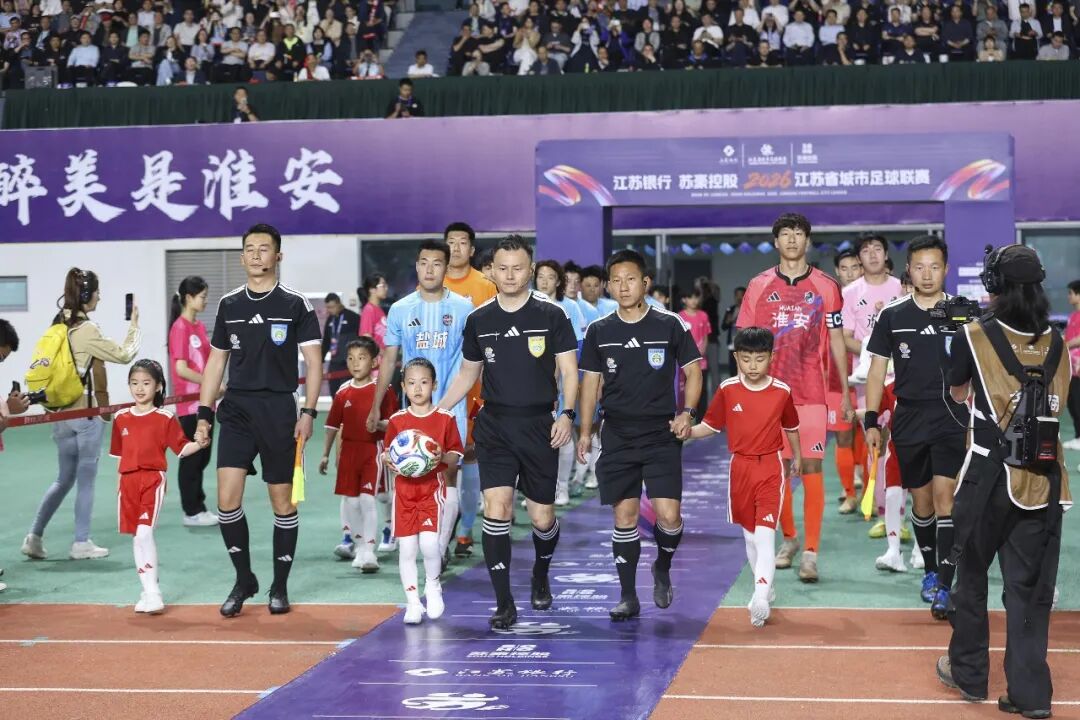
In the Qilu Super League, veteran coach Jia Xiuquan coaches Liaocheng team, while 41-year-old Shandong Taishan legend Yuan Weiwei coaches Jinan team. In the Wuyue Cup, Zhao Changhong coaches Ningbo team. In the Chu Super League, former national team center forward Cai Sheng coaches Xiantao team. In the Gan Super League, "pioneer of overseas study" Xie Yuxin coaches Ji'an team. Notably, Xie Yuxin will face off against Wang Tingting, a former women's national team player who coaches Jiujiang team in the Gan Super League, creating a coaching derby between former male and female national team players. After retiring, former national team player Wu Pingfeng serves as an assistant coach for Zhongshan team in the Yue Super League this year. At the end of last year, former national team player Li Weifeng briefly served as head coach of Suzhou team, but the position was taken over by Chen Wanting this year.
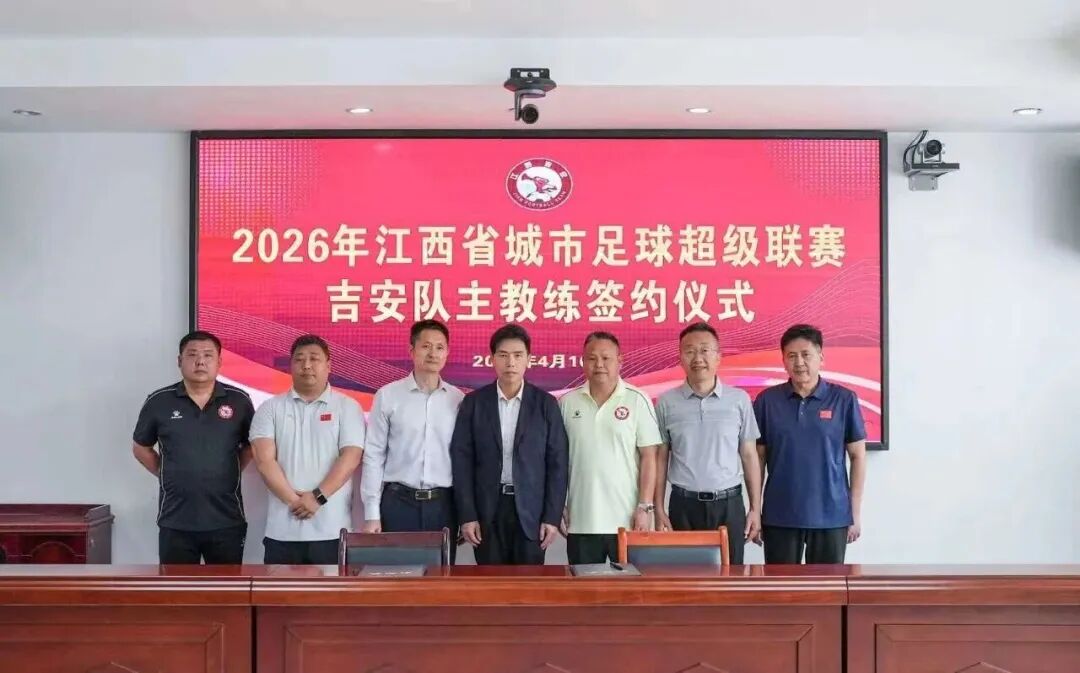
▲ Ji'an team signs Xie Yuxin via Ji'an Education and Sports Bureau

Former national team players gathering in city leagues has positive significance for both themselves and amateur football. City leagues are in a rapid growth phase, with explosive attention and commercial value. For the former national team players, coaching city league teams is a good opportunity to expand employment channels, ease the transition dilemma, and realize a second career value. Compared with the highly competitive professional leagues, city leagues offer more employment space, which can to some extent avoid the regret that national-level players disappear upon retirement and their career experience and ideas cannot continue to "shine". Moreover, city leagues have a bigger stage, higher exposure, and more stable income.
By descending to the grassroots and adapting to the amateur football ecosystem, former national team players can accumulate experience in training new talents and organizing matches in a relatively relaxed environment. If they achieve good results and gain more exposure, it can also lay the foundation for a future return to professional leagues or national team coaching. Moreover, rooting in amateur leagues, helping local football development and youth training, they can also gain a sense of achievement and social value beyond professional football. For many former national team players who have long faded from public view, this is a continuation of their professional value.
For the amateur city leagues, the former national team players bring professional football training, match, and management concepts, which can establish professional standards and regulate the amateur football ecosystem. At the same time, their rich professional practical experience can tactically raise the overall competitive level of city leagues, enhancing the professionalism and entertainment value of matches. This allows city leagues to narrow the gap between amateur and professional football, and initially establish a transitional link from amateur to professional football. Given that most city league players are young, former national team coaches can use their professional eye to select talented amateur players and provide them with the possibility of entering professional leagues.
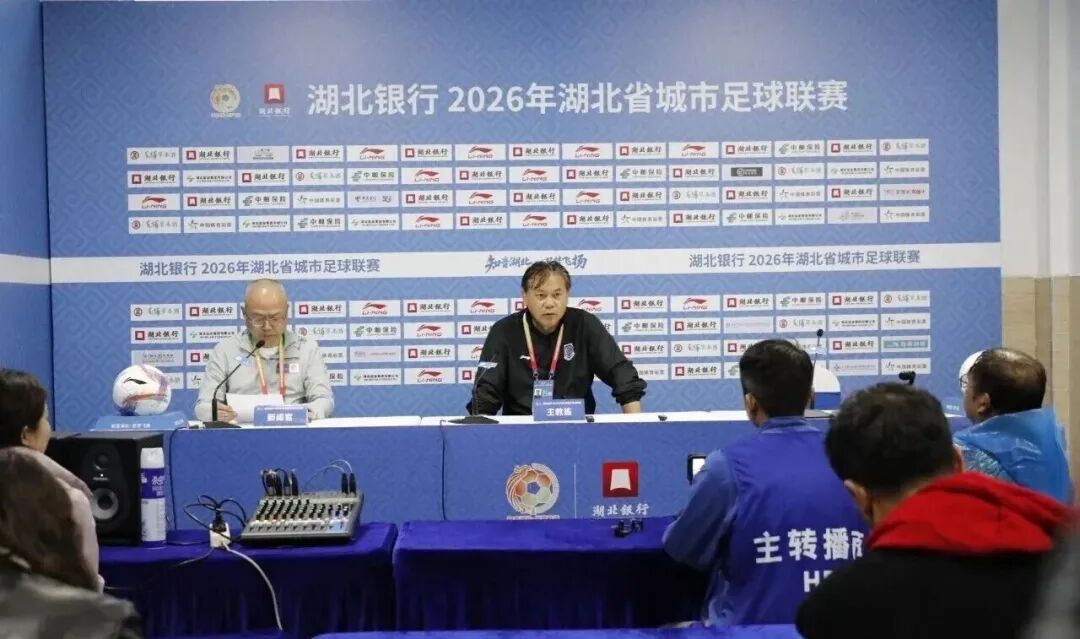
▲ Xiantao head coach Cai Sheng via Xiantao Daily
Furthermore, former national team players bring their own attention and appeal. Their descent to grassroots city leagues can stimulate local football enthusiasm, increase attendance, drive local youth training development, attract more young people to football, and bring greater visibility to the cities where their teams are based, creating a unique city football culture. It is a win-win for all parties.
The descent of former national team players to city leagues can accelerate the change of the inverted pyramid structure of Chinese football where professional football is heavy and amateur football is light. It allows professional football concepts to permeate downward, amateur football talents to flow upward, and realizes the interaction of two types of football resources. At the same time, it enriches the football development model and promotes the diversification of the Chinese football system. This is an important part of China's long-term development strategy of rooting at the grassroots and accumulating strength, a key step in "strengthening the foundation" of Chinese football, and is significant for cultivating city football culture and improving the football ecosystem.


Wonderfulshortvideo
messi goal today messi assist today messi highlights vs egypt enzo fernandez goal today romero goal today argentina goals today argentina 3-2 egypt



“Wonderful player, fantastic player, could not run” 😅

Neville, Keane and Wright DO NOT agree on the future of Argentina in the World Cup 👀
“It gave you everything” 👀
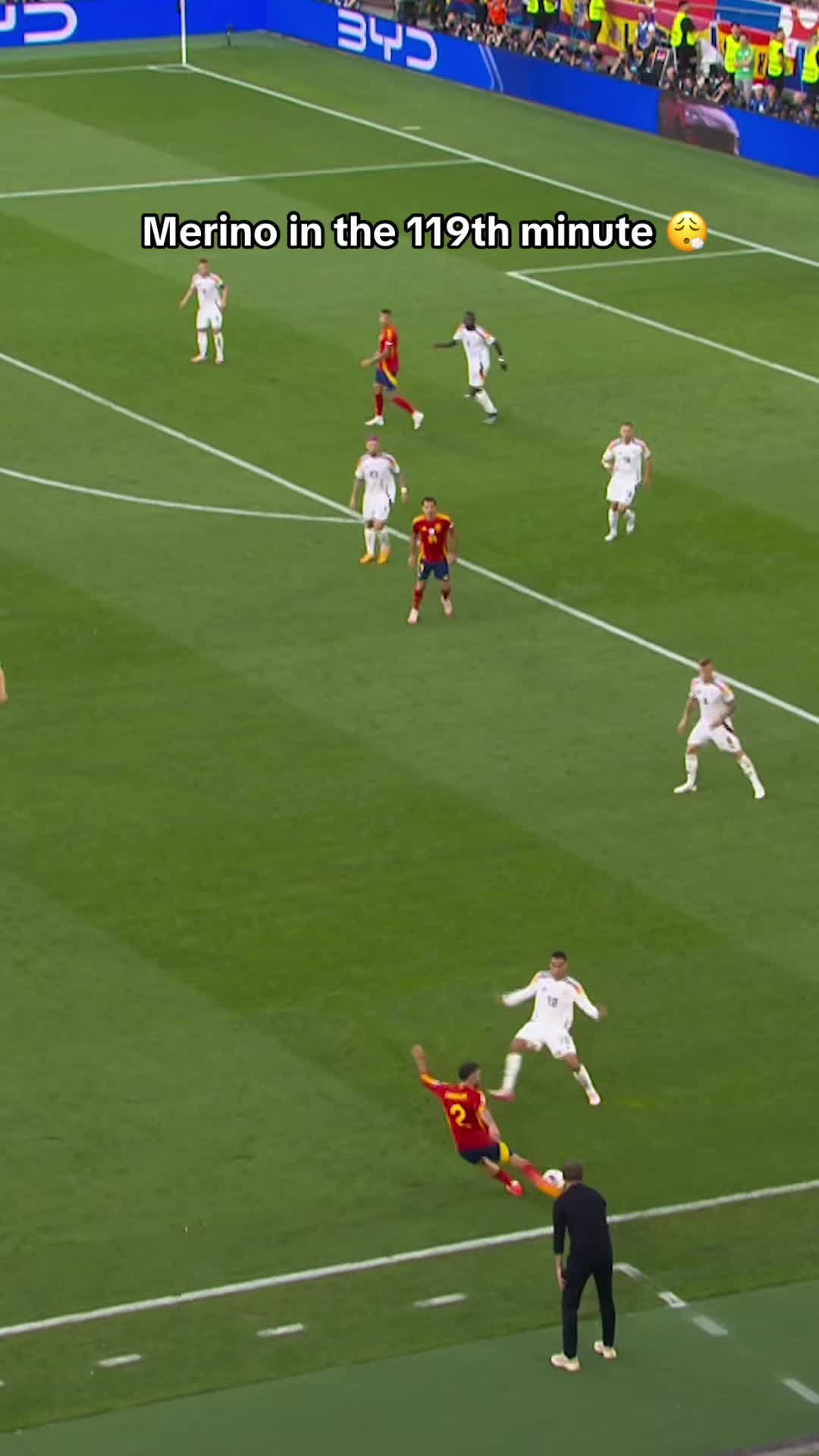
Clutch Merino 😮💨
merino goal today portugal 0-1 spain ronaldo interview today ronaldo retirement retiring
kane goal today kane highlights today england 2-1 congo
 Links
Links
 Contact
 App
App


