



The Paradox of Vietnamese Football


In the last eight years, starting from Coach Park Hang Seo's initial tenure with Vietnam's national teams and continuing through Coach Kim Sang Sik's current leadership, the national team level of Vietnamese football has reaped many accomplishments, establishing historic and unparalleled landmarks.
However, a paradox exists: these successes are not always connected to the domestic league system, clubs, or youth development programs.
HAGL, SLNA, PVF, and SHB Da Nang have always been major training hubs, but why and how do their first teams constantly struggle to avoid relegation in Vietnam's top league, the V-League? Hanoi FC consistently contributes more players to the national teams than other clubs, yet they have been absent from the V-League championship podium since 2022?!
Professional football is a very different story from youth football. Management mechanisms and transfer policies play a crucial, if not decisive, role in a club's competitive ability. Youth training resources are only a necessary condition, not a sufficient one. We all aim for a self-reliant football foundation built on internal strength, but we still need external expertise, from the coaching staff to high-level players.
Returning to the issue raised at the beginning of this article. National teams always receive special attention because their achievements determine many things, including investment resources, sponsorship, and various other sensitive factors.
During the prolonged COVID-19 pandemic, when the national league system was frozen, the national teams naturally became the top priority. That is why we reached the third round of the 2022 FIFA World Cup Asian qualifiers, won the ASEAN Cup and SEA Games, made it to the semifinals of the 18th Asian Games, and reached the quarterfinals of the 2019 Asian Cup... Coach Park Hang Seo was both skilled and fortunate at that time. However, this success did not last into Coach Philippe Troussier's tenure due to miscalculations in his chosen philosophy.
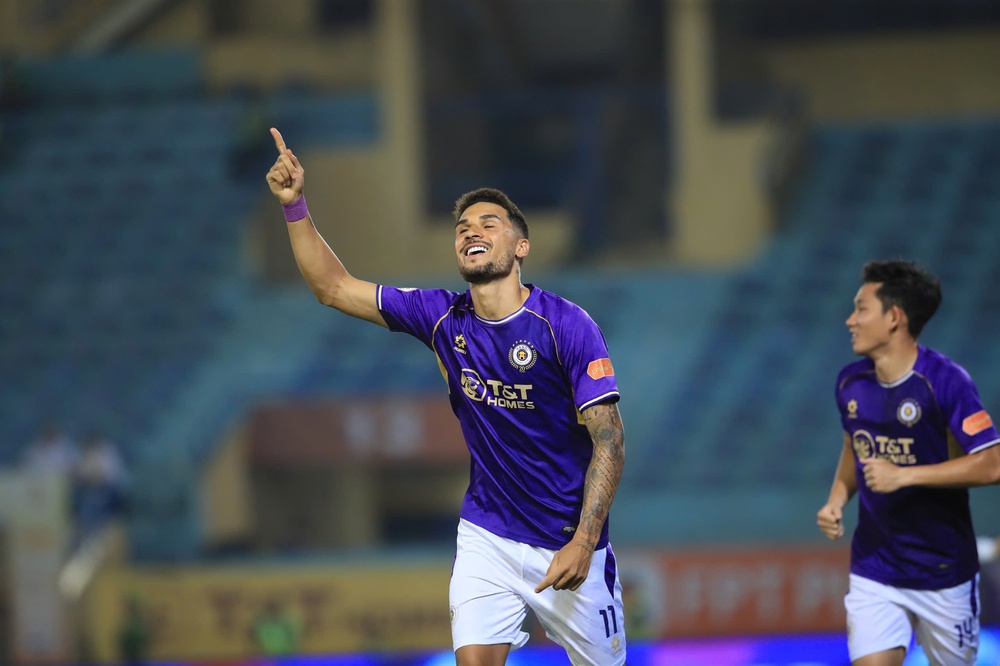
Hanoi FC was once the top club supplying players to the national teams, but now they too must rely on naturalized foreign players like Do Hoang Hen. Photo: Hoang Linh
The national league has seen almost negligible improvements in professional quality and commercial value over the past quarter-century. This is reflected by the very limited achievements of Vietnamese clubs in continental competitions. Additionally, Vietnam's club-level slots for Asian tournaments have not increased; in fact, they have gradually declined compared to the past.
Youth football development in Vietnam has been gradually improving, and as a result, the achievements of Vietnamese youth teams at continental and regional levels have also gotten better. However, transitioning from youth football to professional football is a long journey, marked by fierce淘汰 and the mechanisms for the next stage of growth.
Vietnamese football will likely struggle to undergo a radical transformation for many years to come, as old-school football thinking persists among some clubs, along with a preference for short-term results and instant gratification. We still lack long-term strategic plans with specific goals, even though programs and visions are always ready in the drawer.
That is what the paradox means. Calling up naturalized foreign players and overseas Vietnamese to the national team represents the biggest shift in mindset and mechanisms in over 30 years, since Vietnamese football reintegrated into the international arena. But it only helps the national team in short-term races for specific tournaments; the long-term future of Vietnamese football still lies in prioritizing youth training and enhancing the quality of the domestic league.


Wonderfulshortvideo
messi goal today messi assist today messi highlights vs egypt enzo fernandez goal today romero goal today argentina goals today argentina 3-2 egypt


“Wonderful player, fantastic player, could not run” 😅
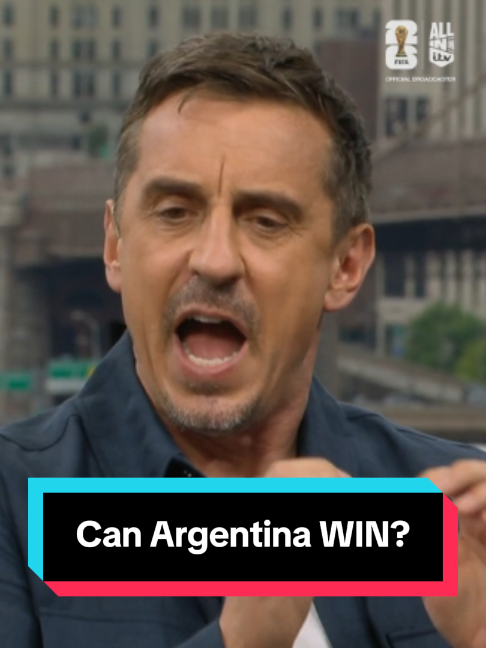
Neville, Keane and Wright DO NOT agree on the future of Argentina in the World Cup 👀
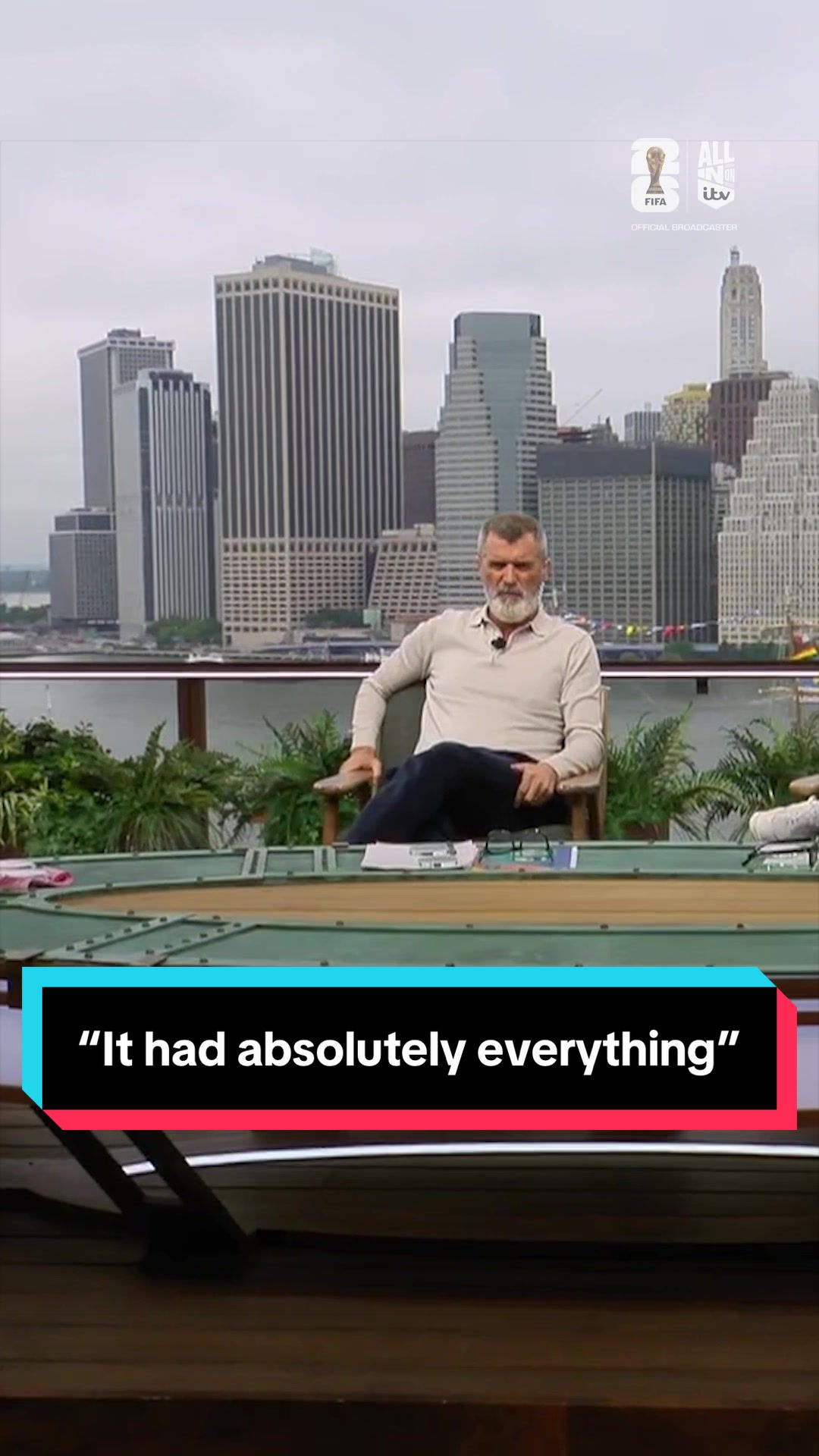
“It gave you everything” 👀
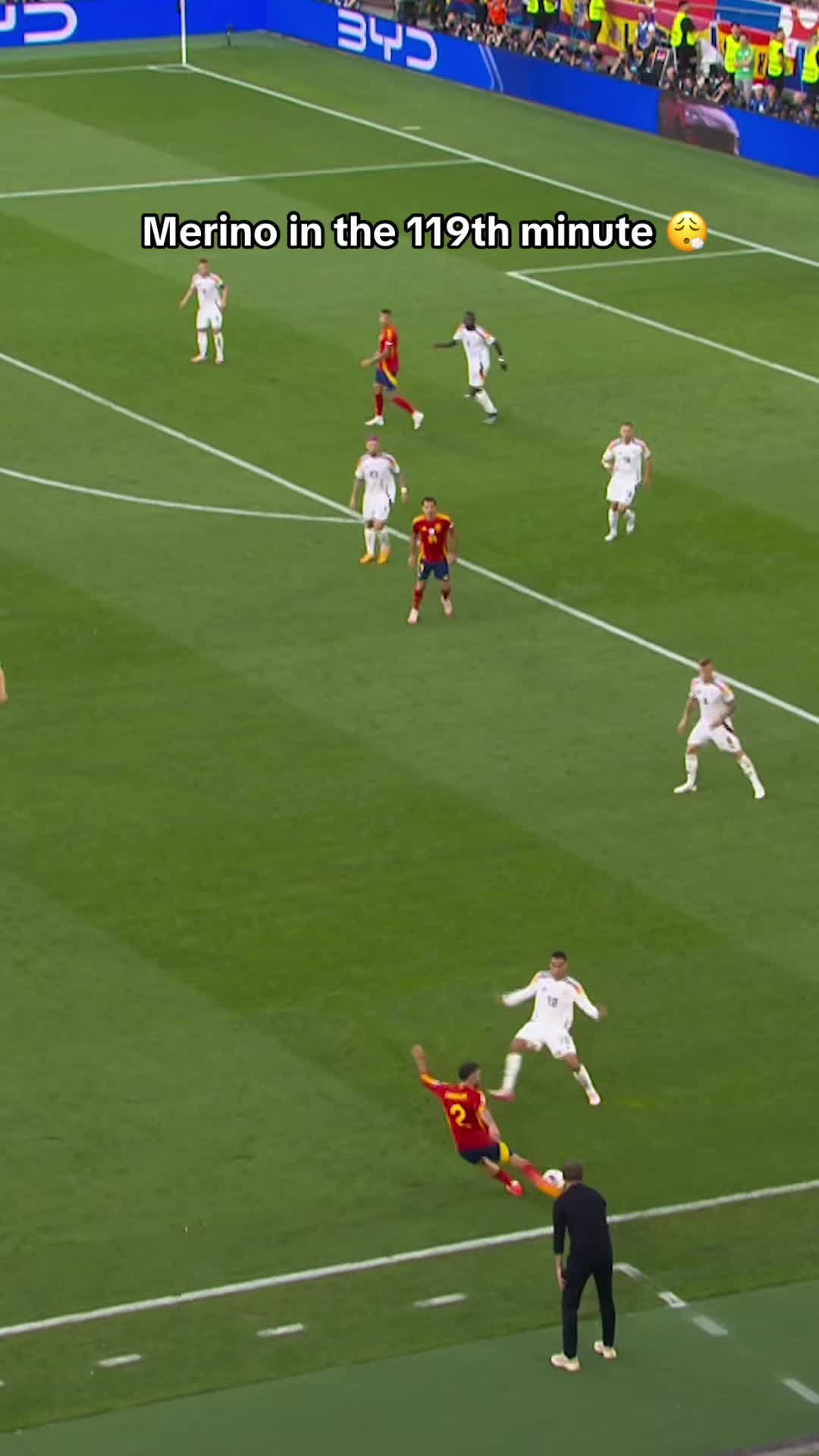
Clutch Merino 😮💨
merino goal today portugal 0-1 spain ronaldo interview today ronaldo retirement retiring
kane goal today kane highlights today england 2-1 congo
 Links
Links
 Contact
 App
App


