



Champions League final PSG vs Arsenal: Luis Enrique is the saint of PSG



Luis Enrique, one of six managers to win the Champions League with two different clubs, is likened to a brilliant choreographer who can craft winning dances on any stage.
At the Parc des Princes, he is a saint. Paris is waiting for him to bring a second consecutive Champions League title, in the final against Arsenal in Budapest this weekend.
Against starism
PSG used to be a team of lights, promotional photos, superstars walking the red carpet like movie stars. The club once had Neymar, Lionel Messi, Kylian Mbappe, Sergio Ramos – a group that evoked the opulence of Paris more than the feel of a football team. PSG regularly won Ligue 1, dominated France with money, but each Champions League season ended with disappointment. That team always had something soft at decisive moments, like a giant who preferred admiring himself in the mirror rather than engaging in battle.
Luis Enrique arrived to destroy that version of PSG. His journey is not about the 4-3-3 formation or possession ability, or suffocating pressing drills. The first thing he changed when signing with the club was the culture. PSG used to be a place where players were bigger than the coach. Power in the dressing room sometimes outweighed any tactical plan. Previous coaches were all more or less drawn into that vortex. Carlo Ancelotti found PSG "ridiculous". Thomas Tuchel felt more like a politician than a strategist. Mauricio Pochettino admitted it was hard to ask Messi to press like young players.
Luis Enrique stepped into Paris with a different mindset. He came not to manage superstars but to build a team in the true sense. Change began with small things. Being late meant fines; playing half-heartedly meant being substituted; forwards also had to press; stars had to run as much as young players. Enrique turned PSG's training ground into a place of real competition instead of a safe zone for big egos.
There is a famous video of him and Mbappe at PSG's training center. Enrique told his former pupil that Michael Jordan became a leader because he was willing to defend like a madman. The message was clear: genius does not exempt from the responsibility to fight.
PSG used to love feeling special. Enrique wanted his players to feel equal. For years, President Al Khelaifi bought players like a Hollywood studio casting blockbuster actors. As long as the name was big enough and commercial value high enough, they were ready to open the vault. The team was built around individual glory. Enrique came and shattered that logic.
Messi and Neymar left; Sergio Ramos also ended his short stint in Paris. Marco Verratti, an icon of the Qatar era, departed after over a decade. PSG still spends a lot, but how they spend changed – players who fit the system rather than figures who cover magazine covers.
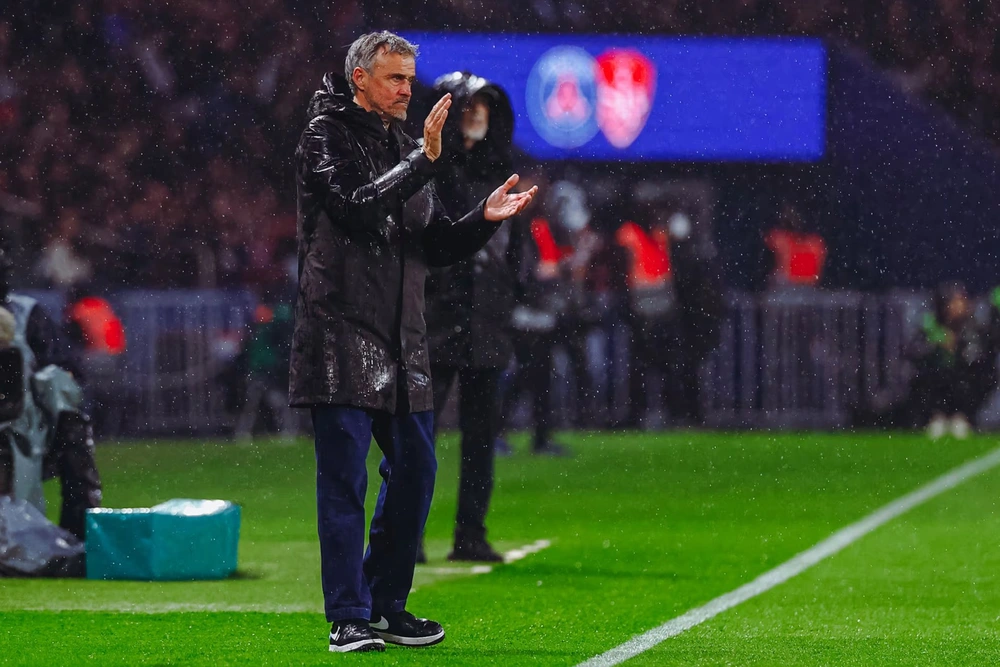
Luis Enrique aims for a second consecutive Champions League title with PSG
Ousmane Dembele, once a star who seemed never to grow up, now scores efficiently and embodies a pressing machine, becoming a Ballon d'Or winner. Vitinha turned into the tactical brain. Joao Neves brings endless energy. Desire Doue represents fearless youth. Willian Pacho became a solid shield, especially in transition situations. Enrique's PSG no longer resembles "FC Hollywood", but rather a pack of wolves constantly charging forward.
No compromise
Along with discipline, what has defined Luis Enrique since he started coaching is his refusal to compromise. He once dropped Daniele De Rossi from the Roma lineup just for being a few seconds late to a meeting; that made Francesco Totti angry – but both later respected him. "In truth, all fears quickly vanished thanks to the conduct of a coach, and above all, an upright person," Totti wrote about Enrique in his autobiography Un Capitano. "Many of us loved Enrique, starting with me and Daniele De Rossi, because he brought new ideas and conveyed them with the passion of a prophet. The first thing to say is that he completely overturned everything before."
Enrique cycles 80km each day to training and back home, living by the standards he imposes on his players. When a coach has a fit body in his 50s, completes marathons, Iron Man events, and grueling bike races in the Pyrenees, players find it hard to use fatigue as an excuse.
PSG was used to an easy life. Paris is beautiful, salaries are huge, domestic titles are almost guaranteed. Zlatan Ibrahimovic once said that was the club's biggest problem; too many people lived too comfortably.
"Let me summarize PSG for you," Ibra once advised Mbappe when they met at Verratti's wedding. "They pay you, right? Yes. They win the league, right? Yes. Living in Paris is great, right? Yes. There are 40 players in the squad but nobody wants to leave, even if they don't play, because life there is too comfortable. You should go to Real Madrid to understand a club with a different philosophy and different standards of conduct." Al Khelaifi was furious with Zlatan back then.
Enrique made the stars no longer comfortable, but rather uncomfortable again. He forced them to run, to contest, to defend from the front, especially in one-on-one situations. PSG began winning with intensity. PSG could possess the ball beautifully like Barcelona, and also was ready to smother opponents with constant pressure.
The Champions League final beating Inter 5-0 was the clearest image of that revolution. People saw Dembele charging to press goalkeeper Yann Sommer as if it were the last minute of the match; or Pacho saving a seemingly hopeless ball and PSG immediately counter-attacking to score. The players ran as if obsessed with every meter of grass.
That was a PSG that never existed before Enrique arrived. In the past, they often collapsed when pushed into chaos. One goal could trigger collective panic. Barcelona's "remontada", or the comebacks by Real Madrid and Manchester United, left the feeling that PSG was always fragile mentally. Enrique succeeded in curing that disease.
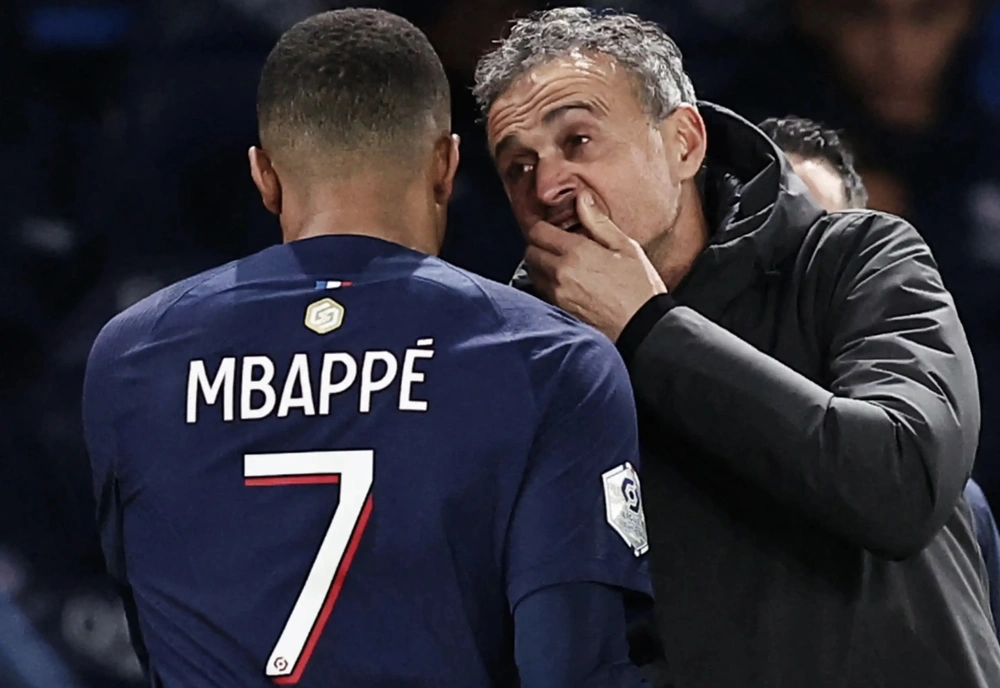
Without needing a superstar like Mbappe, Luis Enrique still succeeded
Discipline is everything
With Enrique, PSG became a team that responds to pressure with discipline rather than emotion. PSG now knows how to control a match, finish off opponents, how to endure, and how to play pragmatically when needed. At one point, Enrique asked goalkeeper Matvey Safonov to repeatedly kick the ball out of play against Bayern Munich to neutralize Michael Olise. Every smallest detail was calculated by him.
Luis Enrique still loves ball control, still worships technique and Spanish-style triangles. However, he also carries a part of Real Madrid's DNA – doing whatever it takes to win. PSG's owners were once obsessed with image, but now they are passionate about the standards Luis Enrique has set. Al Khelaifi understands that this was his biggest decision, not the record Neymar contract, nor the open arms welcoming Messi when he cried leaving Barcelona, and certainly not Mbappe. The most important thing was to hand the club to someone bold enough to change the rut.
For years, PSG was held hostage by Mbappe, leading to prolonged lawsuits. Now, Al Khelaifi understands what Ibrahimovic told "Kiki" – although the Swedish legend himself is failing with Milan. PSG under Luis Enrique shows the collective that Ibra once mentioned, everyone fights together rather than being happy even sitting on the bench. Mbappe has gone through two trophy-less seasons at Real Madrid, being booed at the Bernabeu, while PSG aims for a second consecutive Champions League title.
The hardest thing in modern football is not winning titles, but changing a club's culture. Luis Enrique has achieved that hardest thing in Paris. The team once mocked as "bling-bling" is now the most fearsome machine in Europe. PSG stands on the verge of winning a second consecutive season in the Champions League era, which was previously a "privilege" of Real Madrid.
Previous coaches were often swallowed by the PSG dressing room. Enrique swallowed that dressing room whole and then reshaped it according to his will.


Wonderfulshortvideo
messi goal today messi assist today messi highlights vs egypt enzo fernandez goal today romero goal today argentina goals today argentina 3-2 egypt


“Wonderful player, fantastic player, could not run” 😅
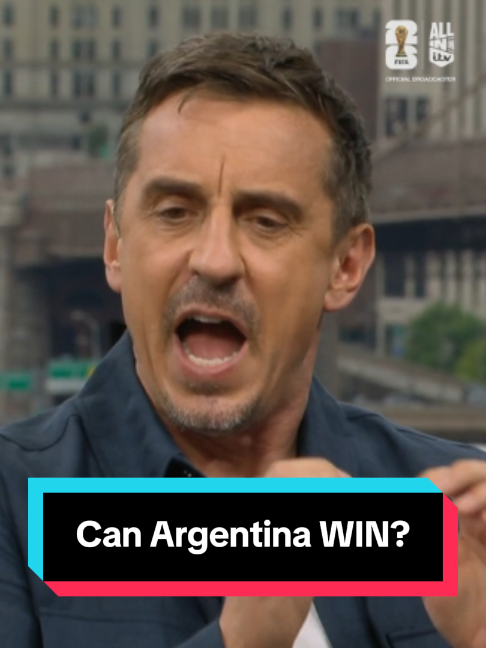
Neville, Keane and Wright DO NOT agree on the future of Argentina in the World Cup 👀
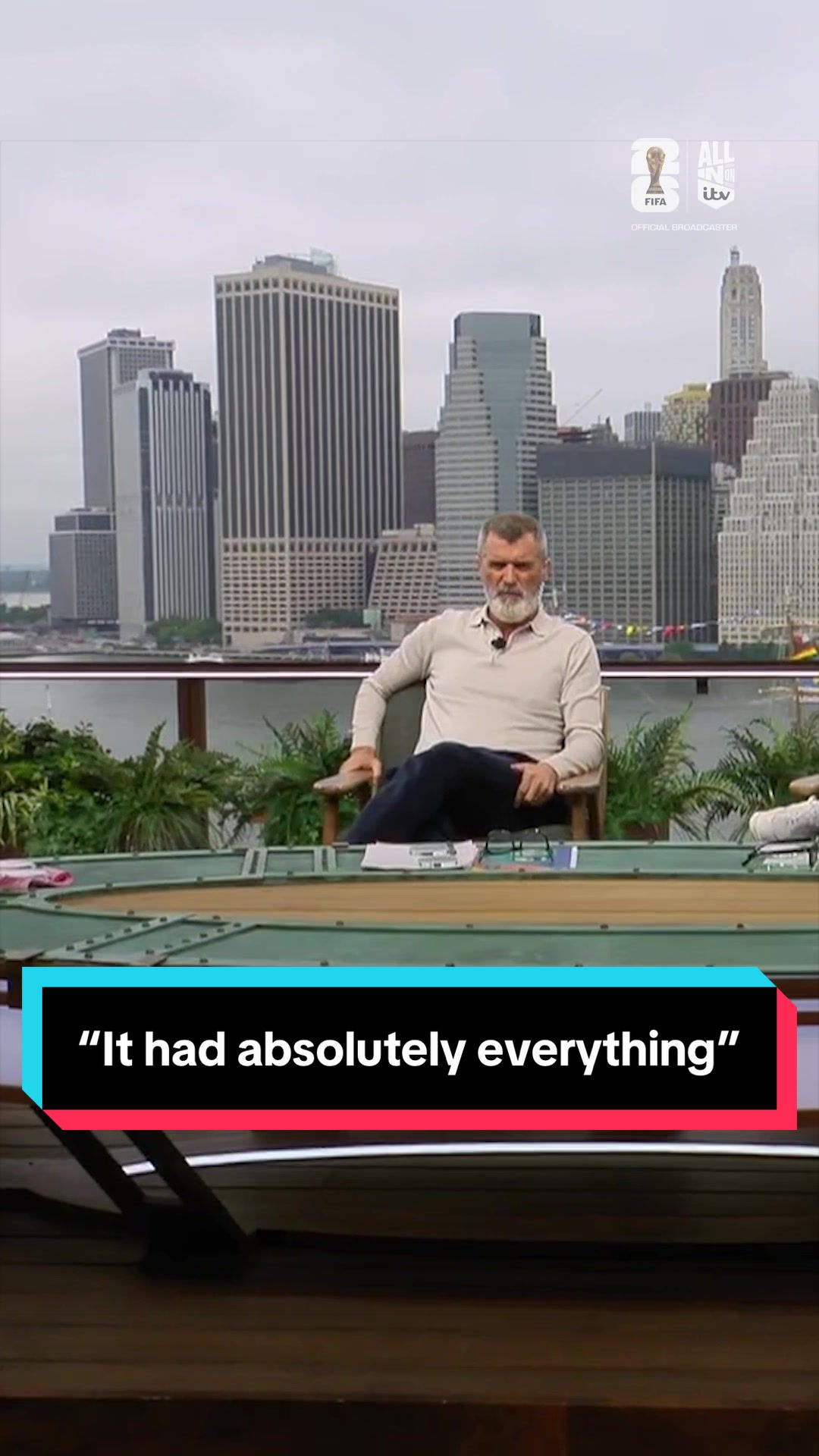
“It gave you everything” 👀
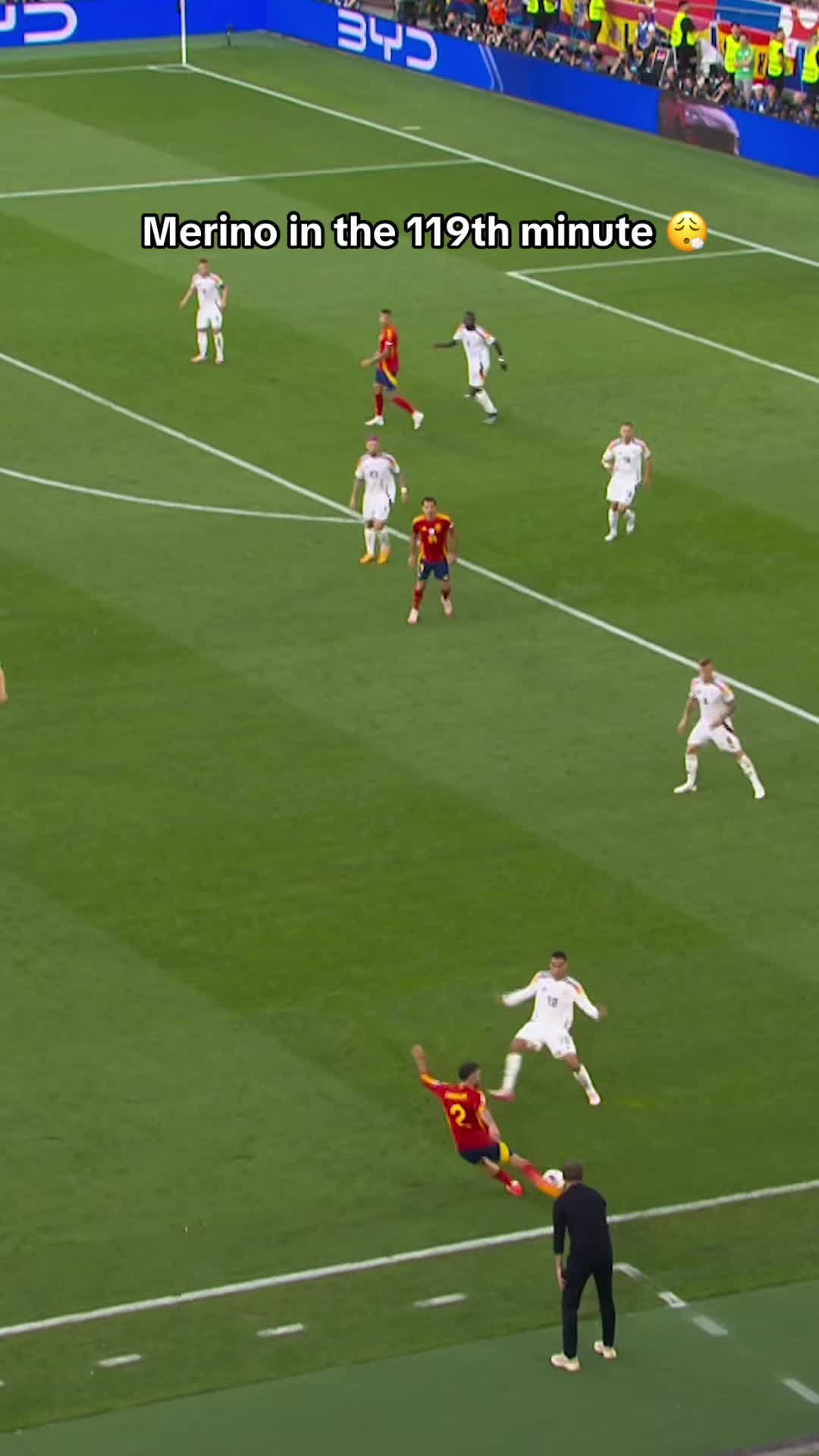
Clutch Merino 😮💨
merino goal today portugal 0-1 spain ronaldo interview today ronaldo retirement retiring
kane goal today kane highlights today england 2-1 congo
 Links
Links
 Contact
 App
App


