



The US has issued a stern warning about drones at the 2026 World Cup.


The threat posed by unmanned aircraft has led US officials to adopt numerous stringent measures ahead of the tournament, such as flight restrictions and modern surveillance tools.
Just days before the World Cup begins, US officials have unveiled a host of new security measures to tightly control the airspace around stadiums and fan‑zone areas. The centerpiece of this plan is a ban on drone operations at all tournament‑related venues, running from June 11 to July 19.
According to the Federal Aviation Administration (FAA), all aircraft, including drones, are prohibited within a three‑nautical‑mile radius (roughly 5.6 km) around match stadiums. The altitude limit is set at 3,000 feet (about 900 meters) above ground. These rules will only be relaxed with a special permit from authorities, and this is seen as the toughest US action ever ahead of the world’s biggest football event.
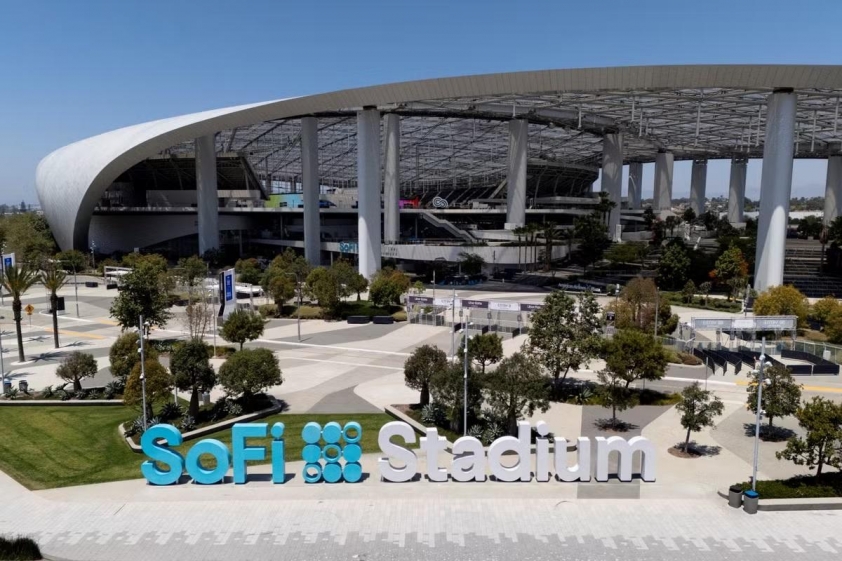
Not only stadiums, but also fan zones and spectator events in host cities are under special oversight. The FAA says these areas will have a one‑nautical‑mile no‑fly zone with a 1,000‑foot altitude limit. This means drone operators will have virtually no chance of approaching crowded gathering spots during the tournament.
“As fans from around the world gather at stadiums and fan zones across the country for the FIFA World Cup, the FAA is using every tool available to protect the airspace, including enhanced enforcement measures against drones,” FAA Administrator Bryan Bedford stressed. This remark shows that the US government considers the drone threat one of the most serious security challenges at the tournament.
Individuals who deliberately violate the rules will face very harsh penalties. The FAA confirms fines can reach up to $100,000, along with the risk of equipment confiscation and federal criminal prosecution. This is a tough warning for illegal drone operators as a surge of international spectators is expected to flood the US this summer.

The Federal Bureau of Investigation (FBI) will also directly participate in the sky‑monitoring plan for the World Cup. Aaron Hope, a representative of the FBI office in Atlanta, stated: “Our top priority is to convey the message that this is a drone‑free zone.” He also revealed that authorities possess technology to identify drones, locate their operators, and are capable of intercepting them if needed.
To strengthen monitoring effectiveness, the FAA will deploy a new system called DETER at matches and major events related to the World Cup. This technology is designed to quickly detect airspace violations and support large‑scale security enforcement operations. With co‑hosting duties alongside Mexico and Canada, the US clearly does not want any incident to damage the image of the world’s biggest football tournament.


Wonderfulshortvideo
cristiano Ronaldo training


Cristiano Ronaldo 966 & 967 GOAL
Cristiano Ronaldo and Portugal in World Cup 2026
Rashford ⚽️
Cristiano Ronaldo 6x World Cup
My POV of THAT Raphinha goal
Jermaine Defoe is the new Woking manager
 Links
Links
 Contact
 App
App


