



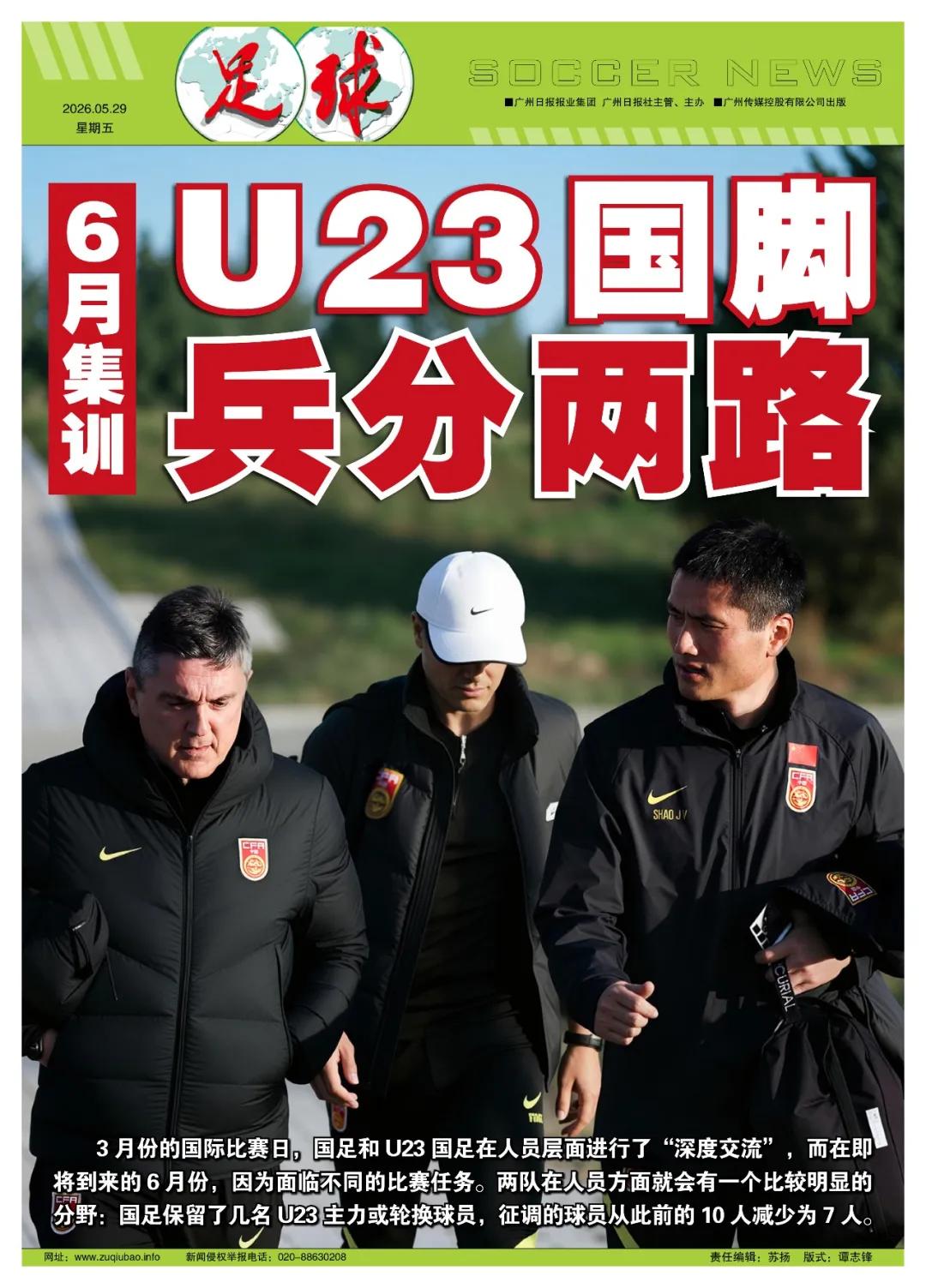
June training camp sees U23 national team members split into two groups.



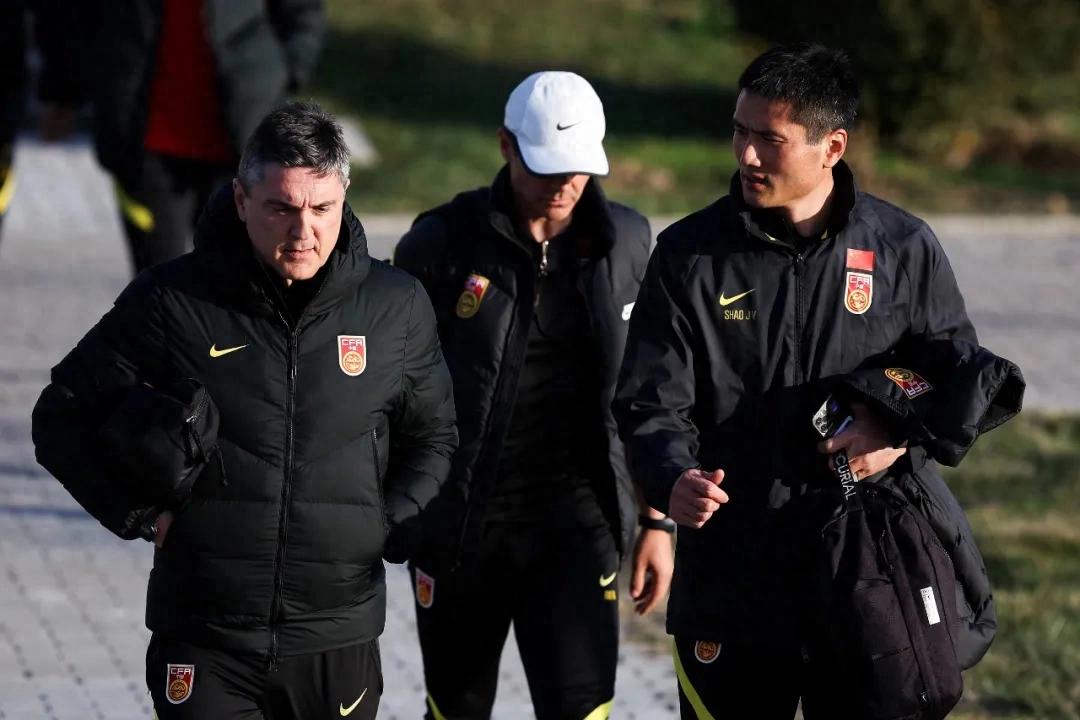
Reporter Chen Yong reports. Although there was a "deep" exchange of personnel between the national team and the U23 national team during the March international window, in the upcoming June window, due to different match tasks, there will be a clearer separation between the two teams: the national team retained several U23 starters or rotation players, reducing the number of called-up players from 10 to 7, of course also due to injuries; while the U23 national team hopes to maintain overall squad balance and stability with the remaining players, building a relatively independent and unaffected structure.

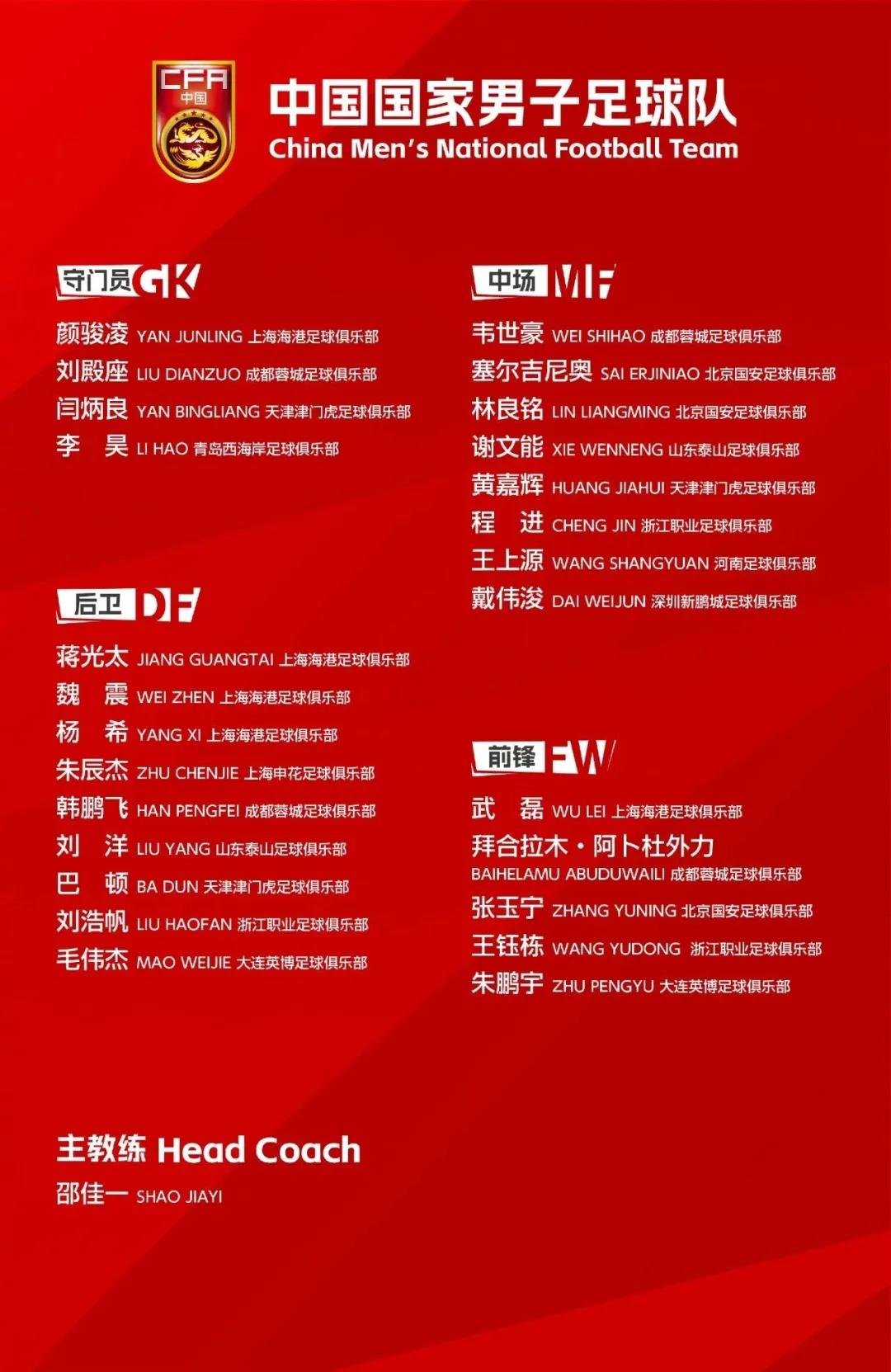
In the current national team list, the return of three players has attracted much attention: Wu Lei, Jiang Guangtai, and Dai Weijun. Veteran Wu Lei, who has played 99 matches for the national team, returns for his possible 100th cap milestone. Jiang Guangtai, the backbone of the national defense, has been absent for a long time due to recurrent injuries; his return is expected and will undoubtedly improve the defensive strength and overall quality. As for Dai Weijun, he returns to the national team after more than two years since a serious injury, with his last appearance being the Asian Cup in January 2024. After joining Shenzhen Peng City this season, his performance has improved significantly, and this call-up allows the new coaching staff to assess him closely.
Of course, the current national team is most focused on young players. During the March international window, the national team initially called up nine U23 players: Yang Xi, Wu Miti, Liu Haofan, Hu Hetao, Xu Bin, Kuai Jiwen, Liu Chengyu, Baihelamu, and Wang Yudong, and later added Li Zhenquan from the U23 team, accounting for over one-third of the squad.
The new June national team list reduces U23 players to seven: Li Hao, Yang Xi, Liu Haofan, Baihelamu, Wang Yudong, Mao Weijie, and Zhu Pengyu, with Li Hao and Mao Weijie being first-time call-ups. Hu Hetao is absent due to injury, and Xu Bin, who plays abroad, is also injured.
The seven U23 players fall into three categories: First, Li Hao was absent last time due to injury; this time he comes to the national team for assessment and to adapt to the environment, and he will undoubtedly be an important player in the future. Yang Xi and Wang Yudong have basically secured starting positions; Baihelamu is an important rotation player; Liu Haofan is a backup defender. Mao Weijie and Zhu Pengyu are being evaluated by Shao Jiayi, partly because these two players, despite good performances, are not in Antonio's core framework due to style compatibility. It is worth noting that Mao Weijie, who has excelled since switching to wingback at his club, is listed as a defender in his national team debut.
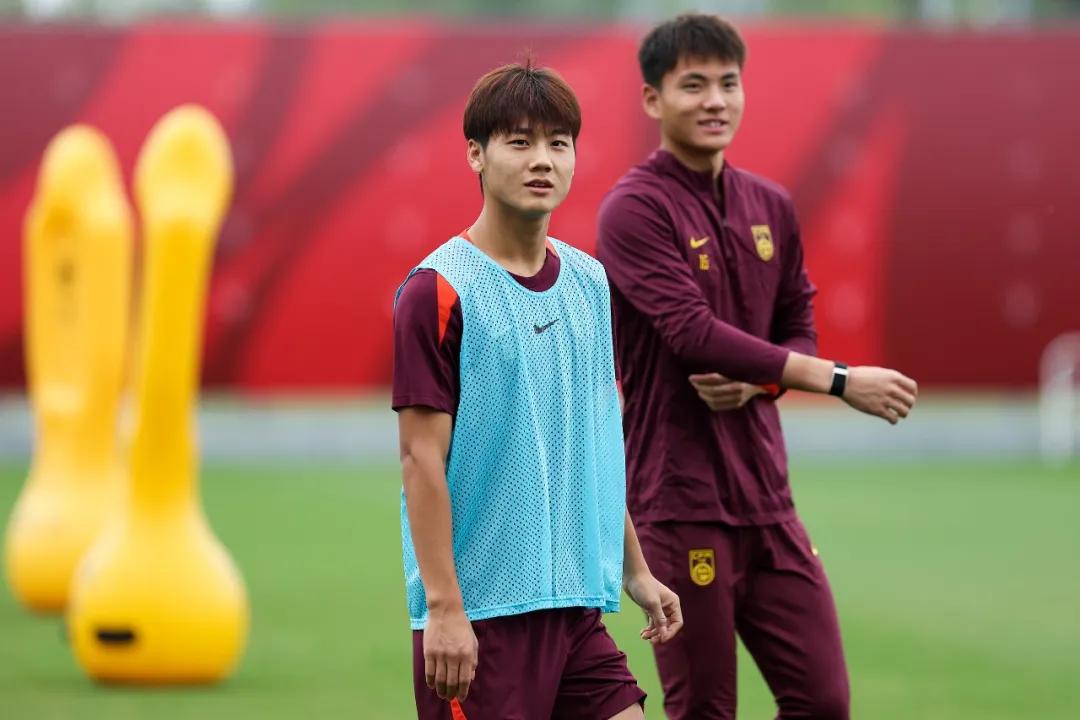

Apart from the U23 players who entered the national team, there are many other U23 players who are future targets for evaluation, but are currently not in the national team's framework. Especially considering that the U23 team has its own match tasks, these players need to focus on playing for the U23 team in the coming period.
In other words, the national team can continue its youth-oriented approach while the U23 team also needs to maintain squad stability. Therefore, during the June training camp, although seven U23 players were selected for the national team, the U23 team remains strong. Apart from the original framework, some new faces who performed well in the league have gradually entered the U23 team during the two training camps.
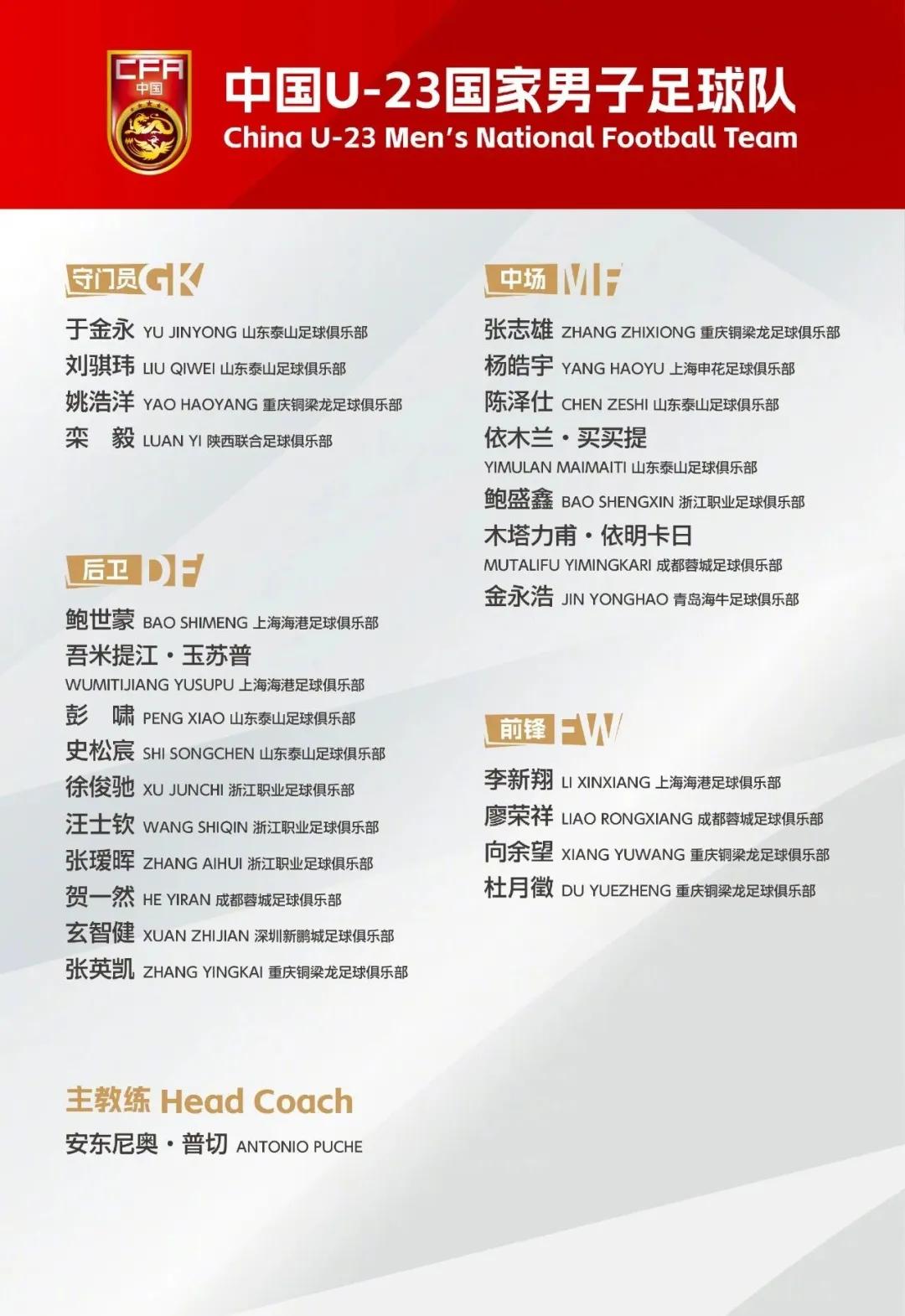
For example, after Hu Hetao's injury, Zhang Yingkai, the starting fullback of Chongqing Tonglianglong, deserves attention. Meanwhile, Jin Yonghao has recorded 3 goals and 1 assist this season and is a versatile player who can adapt to positions like wingback, winger, and midfielder. This training camp is crucial for his future with the U23 team. Similarly, Xu Junchi has entered Antonio's view; after two seasons in the China League One, he has become an important rotation option for Zhejiang on the right side.
Antonio naturally aims to maintain structural stability within the overall framework, but apart from the age-eligible players being called up to the national team for evaluation or becoming regulars, there is another objective factor that cannot be ignored. When the U23 team participates in the future Asian Games, they are allowed to bring overage players. Whether to include overage players and which ones to select are currently under discussion.


Wonderfulshortvideo
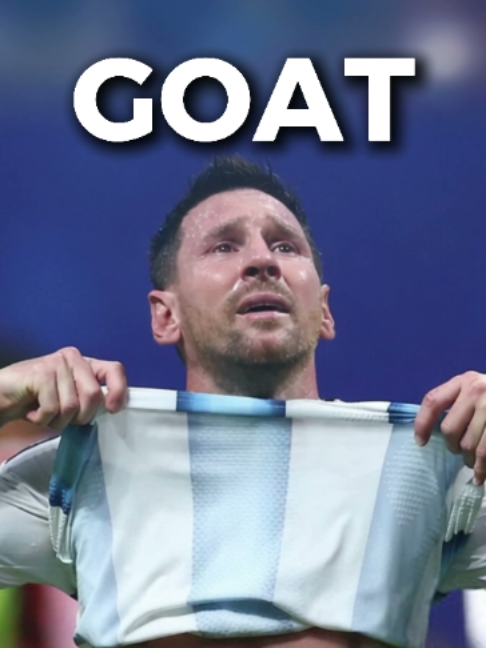
messi goal today messi assist today messi highlights vs egypt enzo fernandez goal today romero goal today argentina goals today argentina 3-2 egypt



“Wonderful player, fantastic player, could not run” 😅

Neville, Keane and Wright DO NOT agree on the future of Argentina in the World Cup 👀
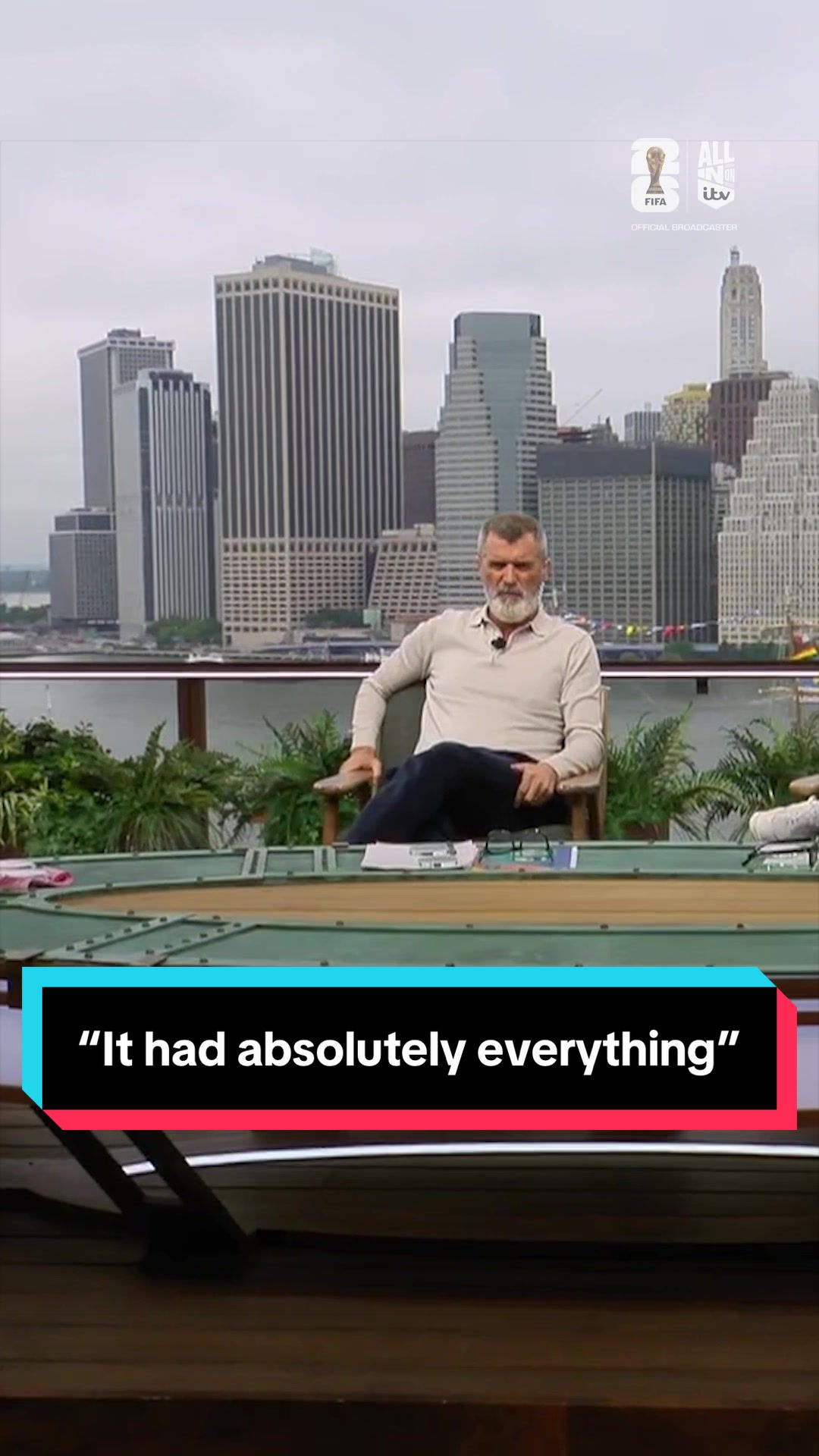
“It gave you everything” 👀
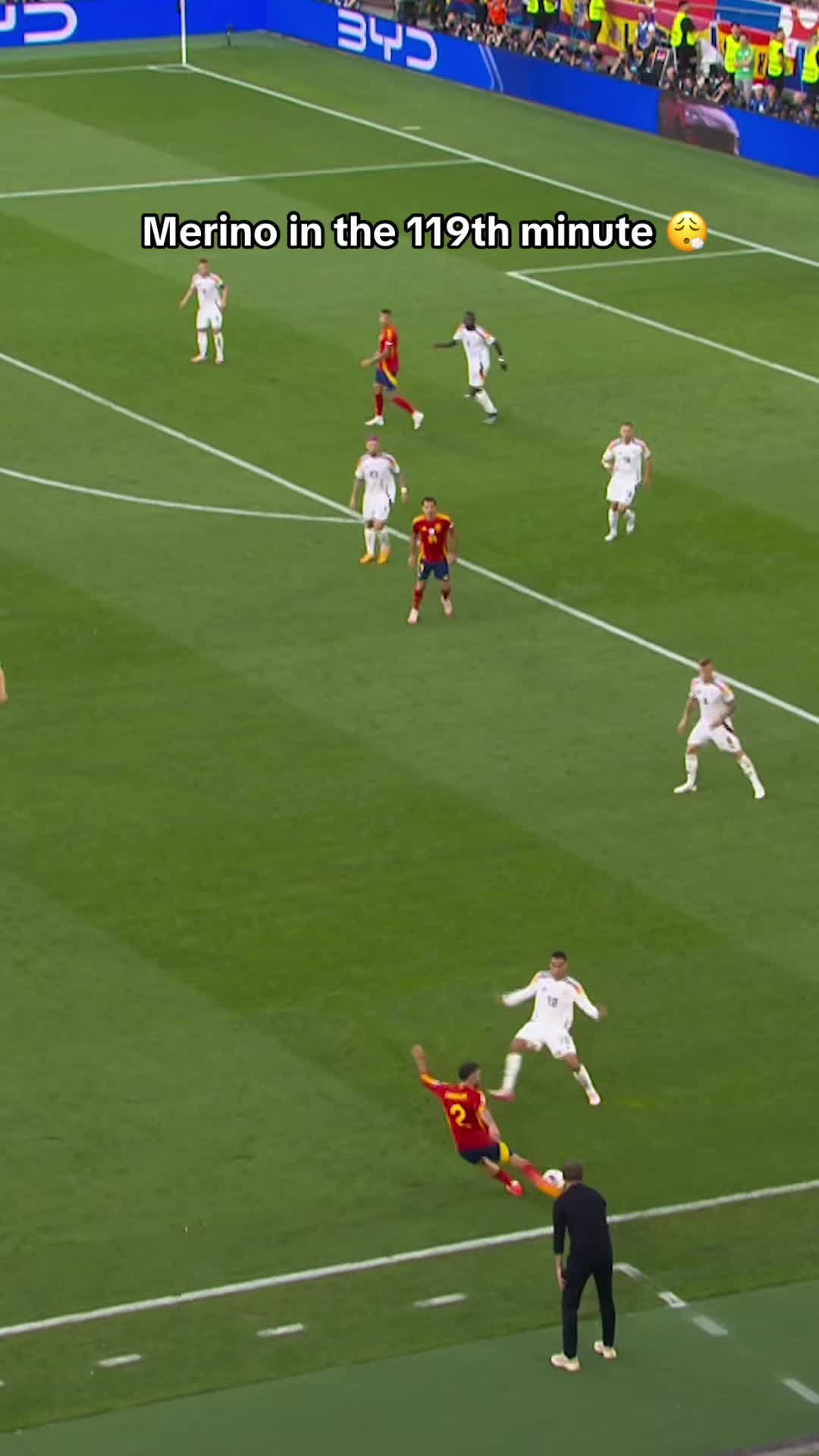
Clutch Merino 😮💨
merino goal today portugal 0-1 spain ronaldo interview today ronaldo retirement retiring
kane goal today kane highlights today england 2-1 congo
 Links
Links
 Contact
 App
App


